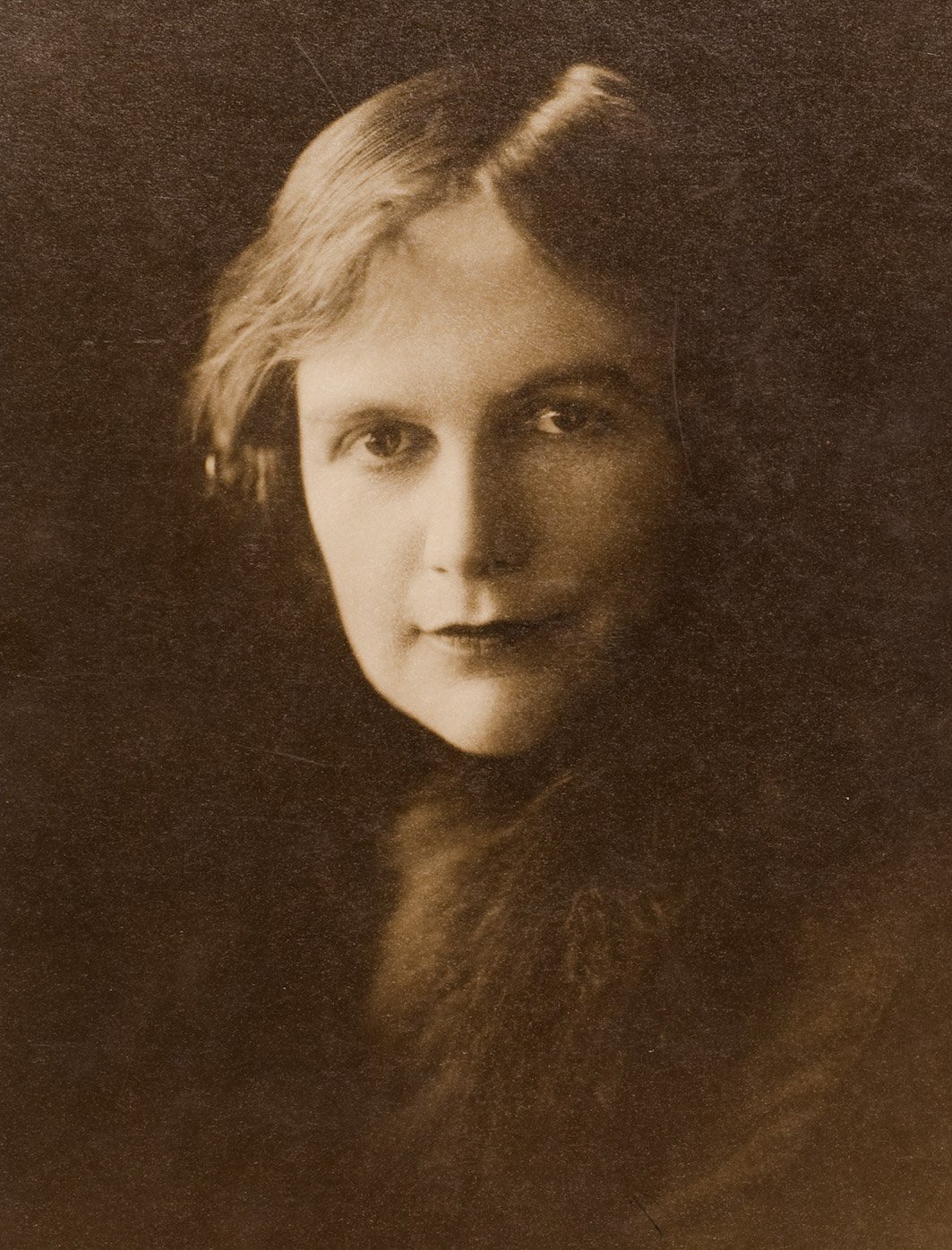
Dorothea Mackellar OBE
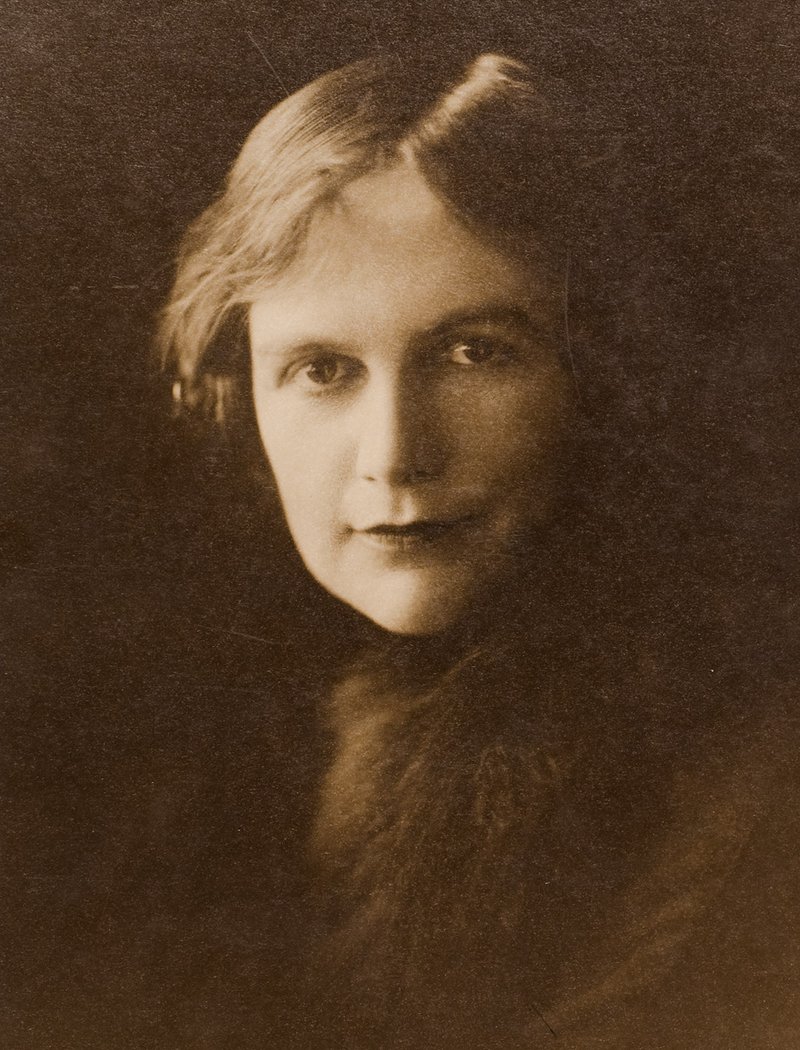 Click to enlarge image
© State Library of NSW
Readers note: This is an excerpt from the 200 Treasures exhibition catalogue, developed in 2017. This content was written as a brief biography on why this person was included in the exhibition.
1885 - 1968
Isobel Marion Dorothea Mackellar wrote one of the best-loved poems about Australia.
She was born at Point Piper at her family home in 1885. Her father was Sir Charles Mackellar, a well- known society doctor, and her mother, Lady Marion Mackellar. Mackellar was homeschooled and travelled extensively with her parents as a child, becoming fluent in four European languages.
As a young woman, she had a dual identity as one of Sydney’s society set and as a published poet. One of her earliest published poems was Core of My Heart, which appeared in the London Spectator in 1908. It was an ode written around 1904 by a homesick 22-year-old Mackellar in London and celebrated the rugged natural beauty and capricious environment of Australia. When it was published in Australia with the title My Country, it was hailed as a ‘new song of Australia’.
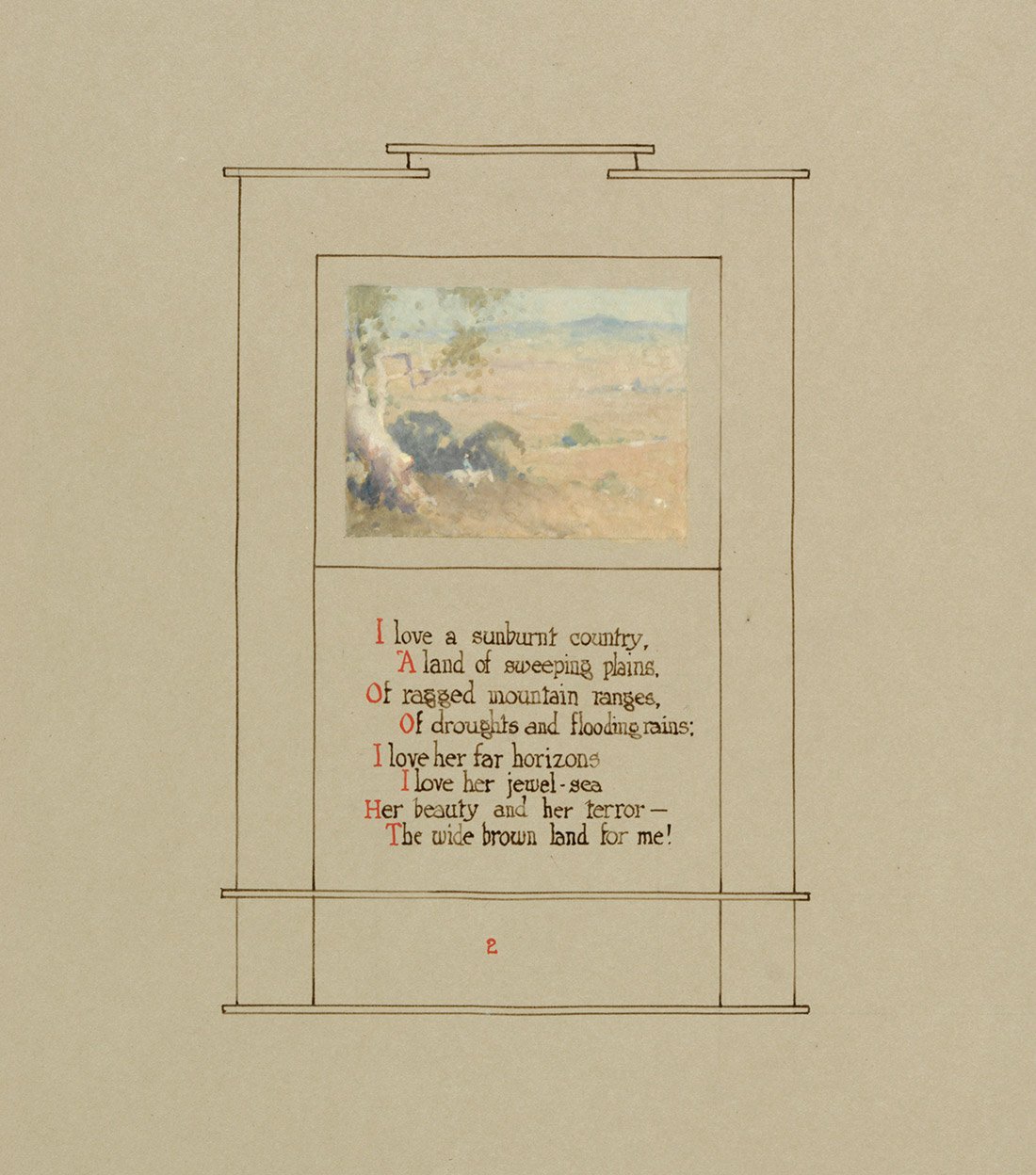
© State Library of NSW
The poem propelled Mackellar to literary fame, aided by World War I, when nationalism and longing for home reached an apogee. During the war, more of Mackellar’s patriotic poems were published. Her Australia’s Men appeared alongside Henry Lawson’s Song of the Dardenelles in the volume War Verses, published to raise money for the Wounded Soldiers’ Fund. Mackellar produced four books of verse: Closed Door (1911), which introduced My Country to Australian readers; The Witch-Maid (1914); Dreamharbour (1923) and Fancy Dress (1926). She was involved in the Bush Book Club of NSW and assisted in the formation of Sydney’s PEN Club in 1931.
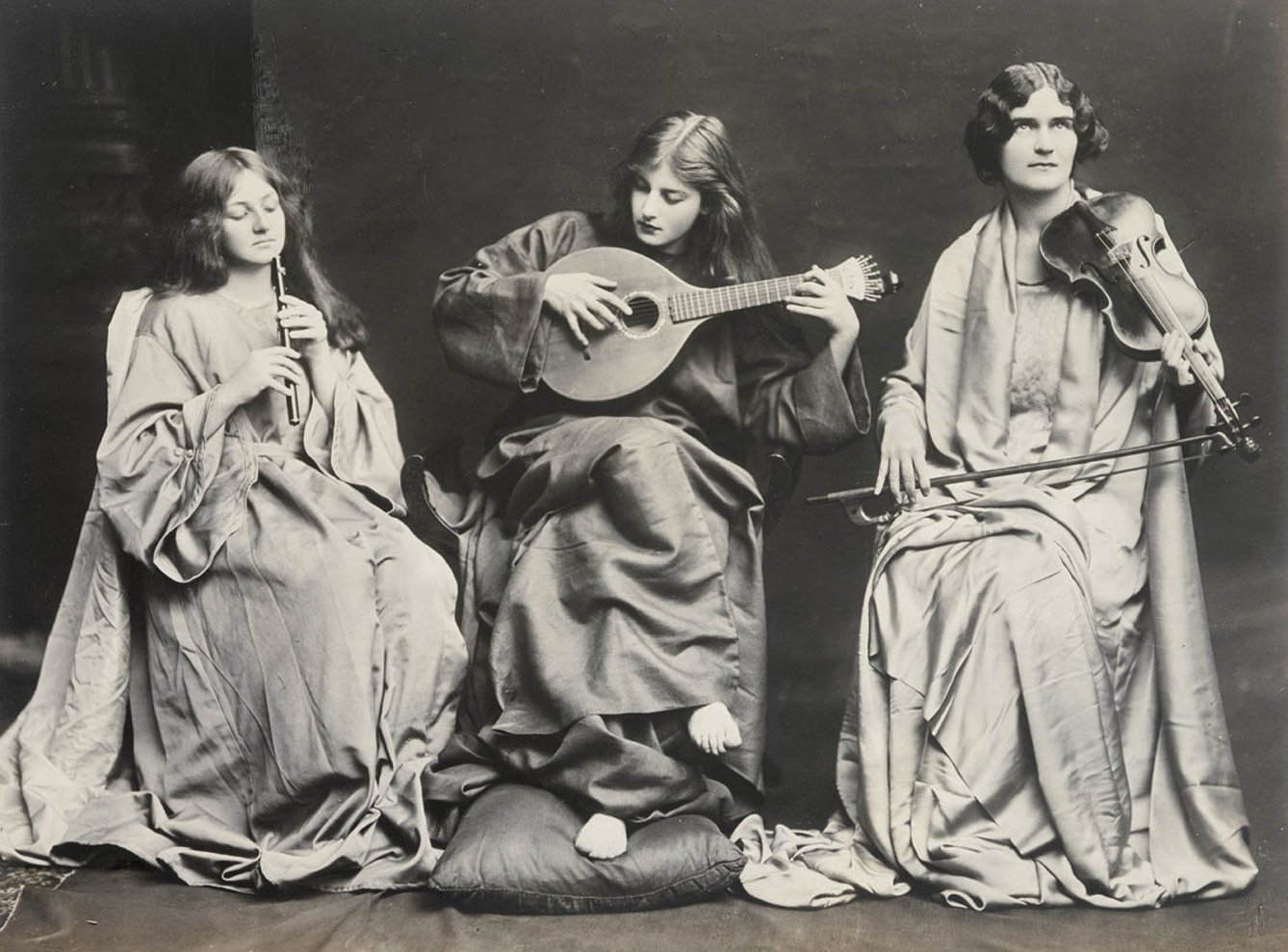
© State Library of NSW

As well as being an established member of Sydney’s eastern suburbs’ society, Mackellar also enjoyed a lifelong association with the town of Gunnedah, where her family had a property, as well as the Hunter Valley. Here she fostered her love of the bush and horseriding.