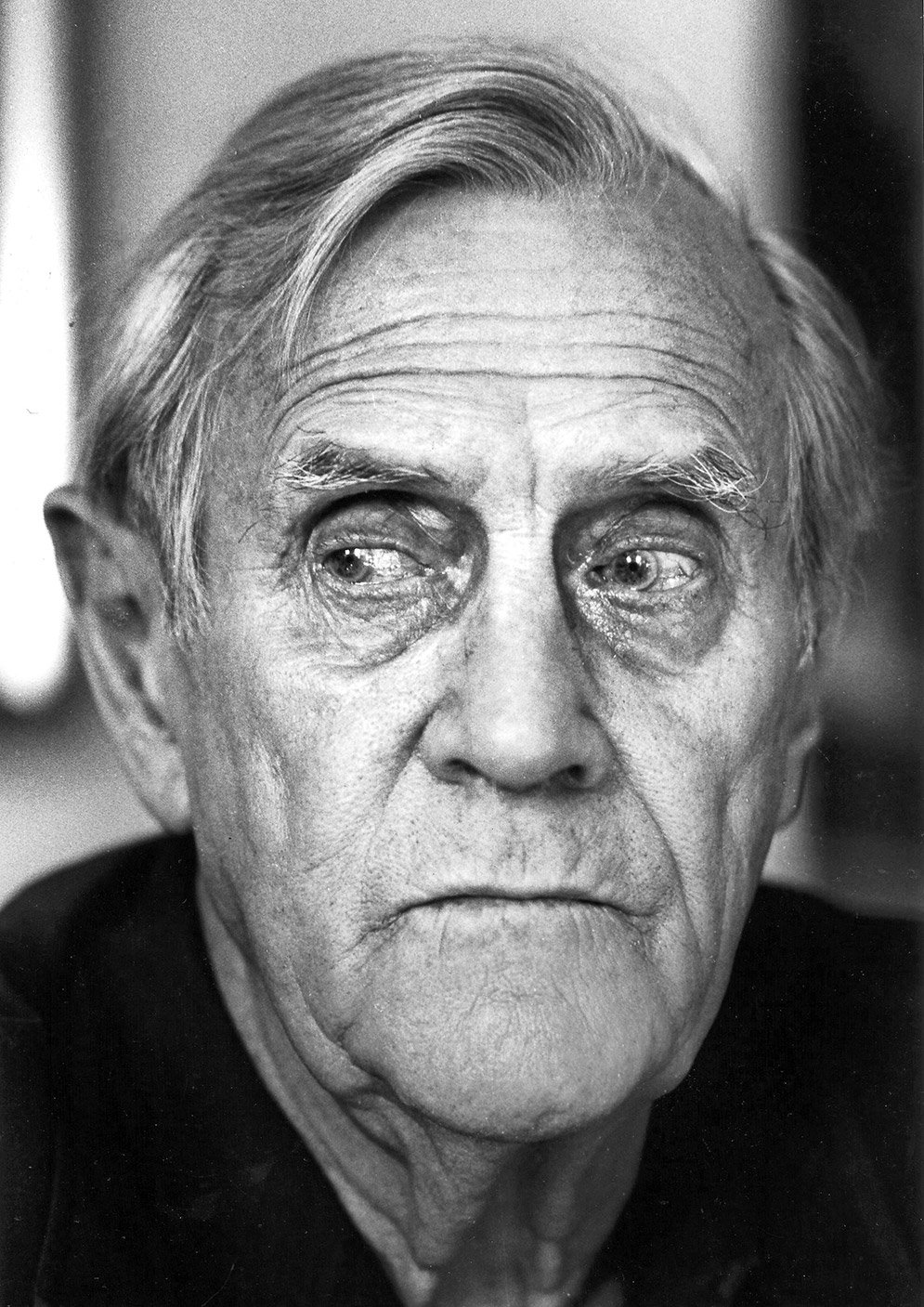
Patrick White
 Click to enlarge image
© William Yang
Readers note: This is an excerpt from the 200 Treasures exhibition catalogue, developed in 2017. This content was written as a brief biography on why this person was included in the exhibition.
1912 - 1990
Patrick White, the man many consider to be Australia’s greatest writer, always felt like ‘a foreigner in my own country’. This perspective informed White’s writing and his ability to ‘people the Australian emptiness in the only way I am able’.
White was born in London in 1912 to Australian parents, Victor and Ruth. When he was six months old they returned to Australia, but at age 13, he was sent back to England due to his mother’s view ‘that what was English was best’. White was a boarder at Cheltenham College, which he later described as ‘my English prison’. Though a miserable four-year experience, White’s one consolation was that he was able to satisfy his passion for London theatre during the school holidays.
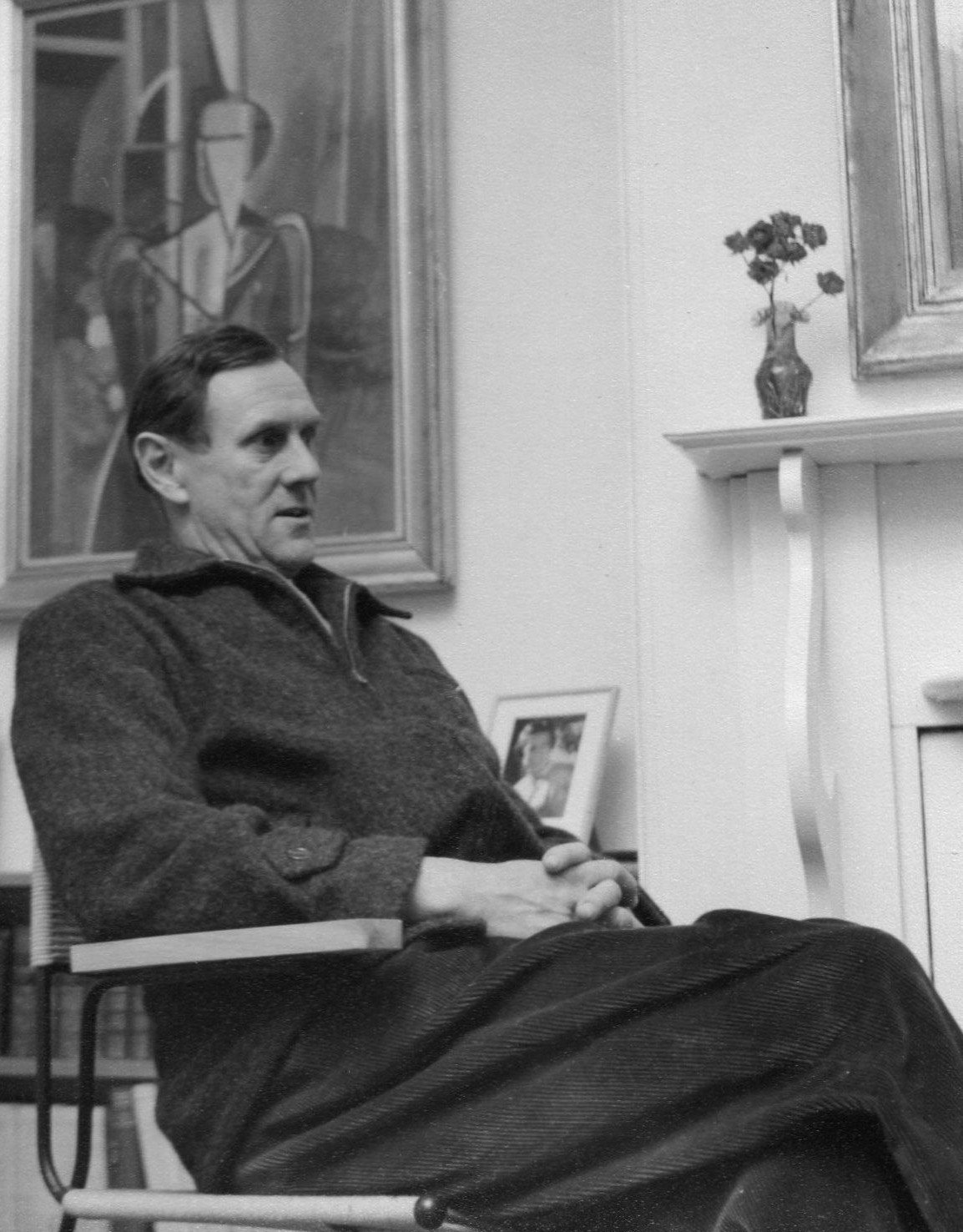
© Courtesy of Jane Novak
On leaving school, White worked as a jackeroo in Australia for two years. He then broke his long family tradition of working the land (the Whites were pastoralists going back to 1826) and returned to the UK to study at King’s College Cambridge, an experience that confirmed his desire to be a writer. White’s writing career began with ‘bad plays’ and a few poems before his novel Happy Valley was published in 1939.
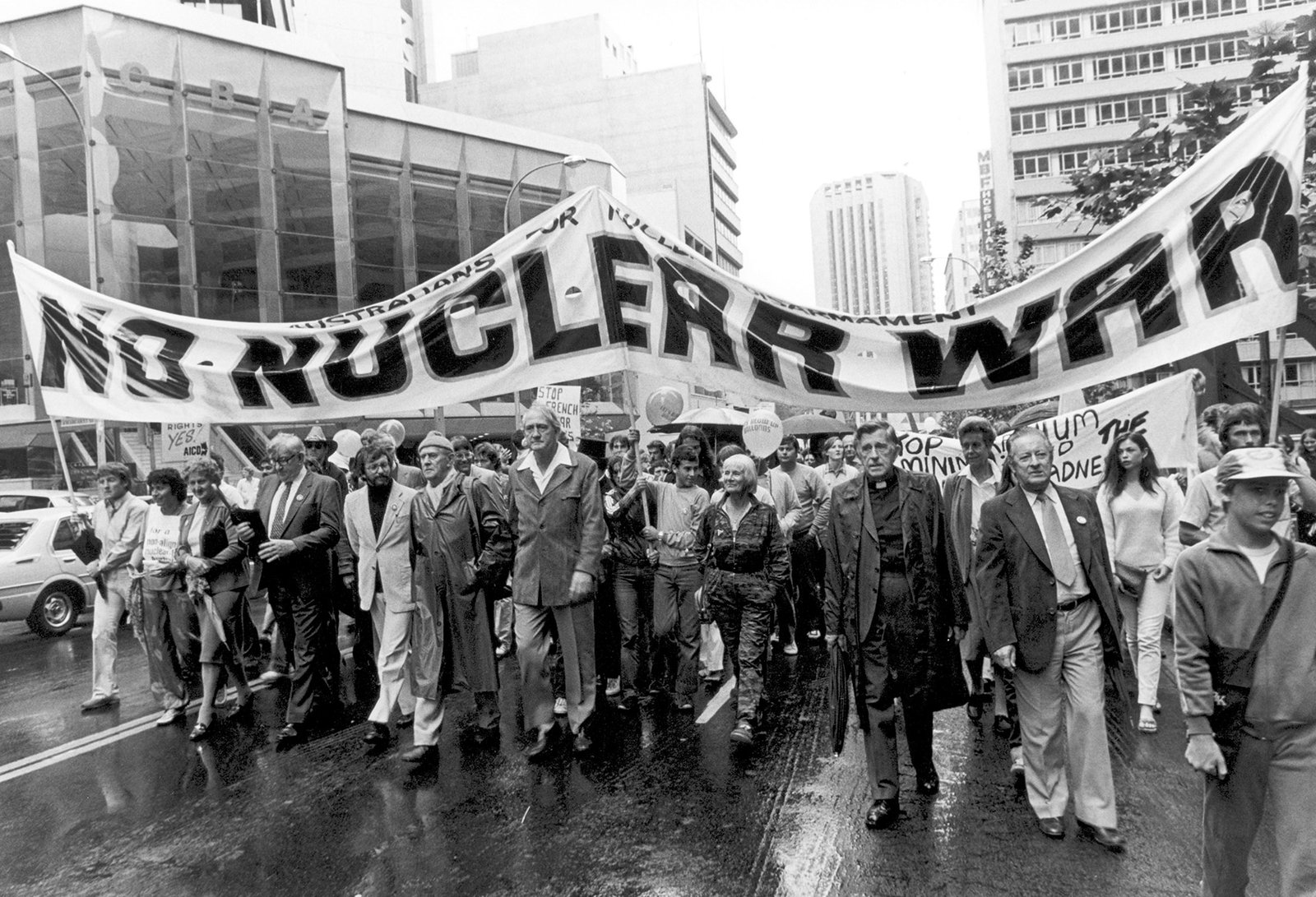
© National Library of Australia
War service disrupted his writing, as did his return to Australia with his lifelong partner Manoly Lascaris. For the 1955 publication of The Tree of Man, White won great critical acclaim. His 1959 novel, Voss, won him the first Miles Franklin literary award and cemented his reputation. He had published nine novels by the time he was awarded the Nobel Prize for Literature in 1973, the only Australian to have received that honour. The citation commended his ‘epic and psychological narrative art which has introduced a new continent into literature’.

White went on to write three more novels, short story collections, four plays and a memoir. Despite his complex relationship with his country, he maintained that ‘it’s from the Australian earth, Australian air, that I derive my literary, my spiritual, sustenance’.