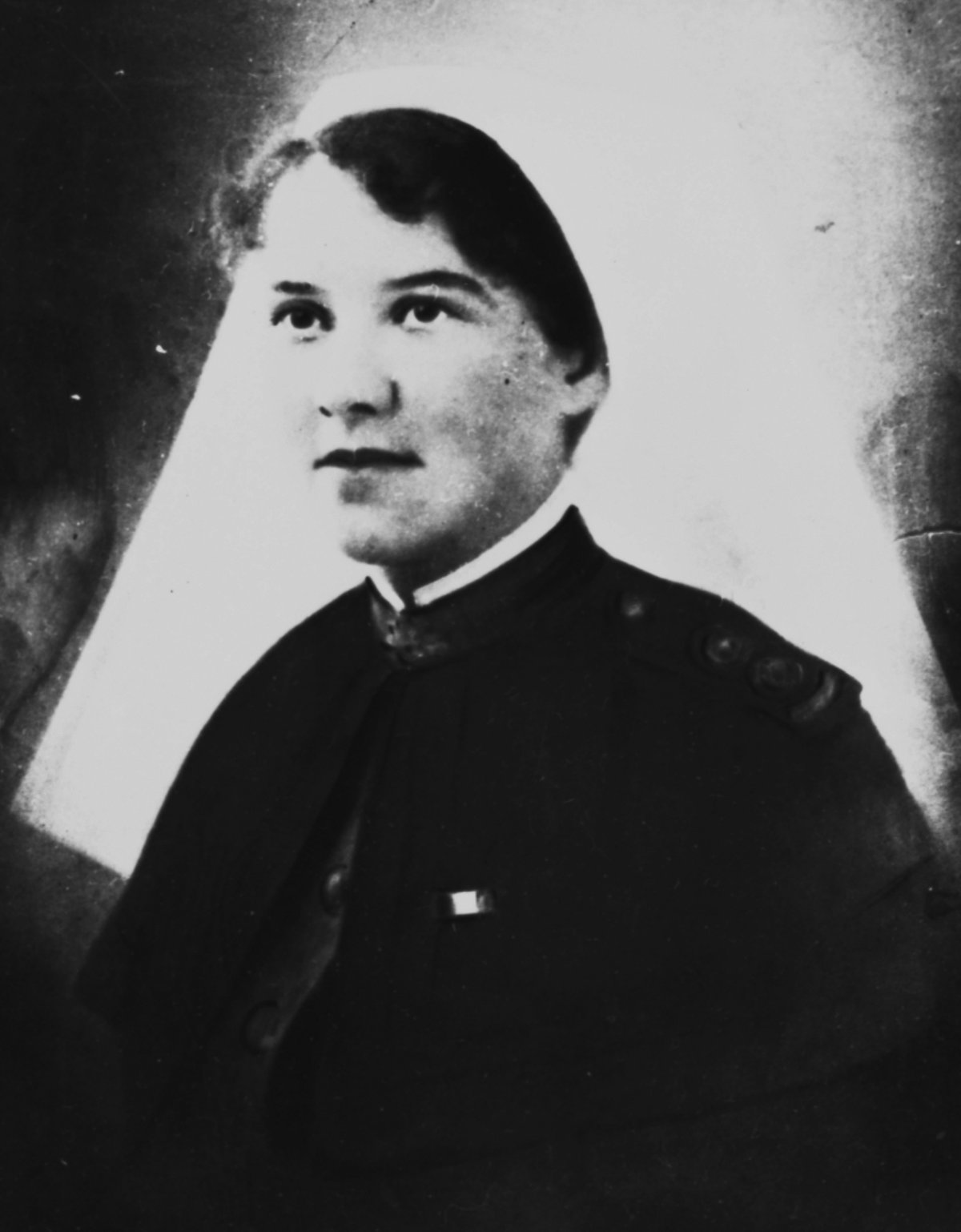
Elizabeth Kenny
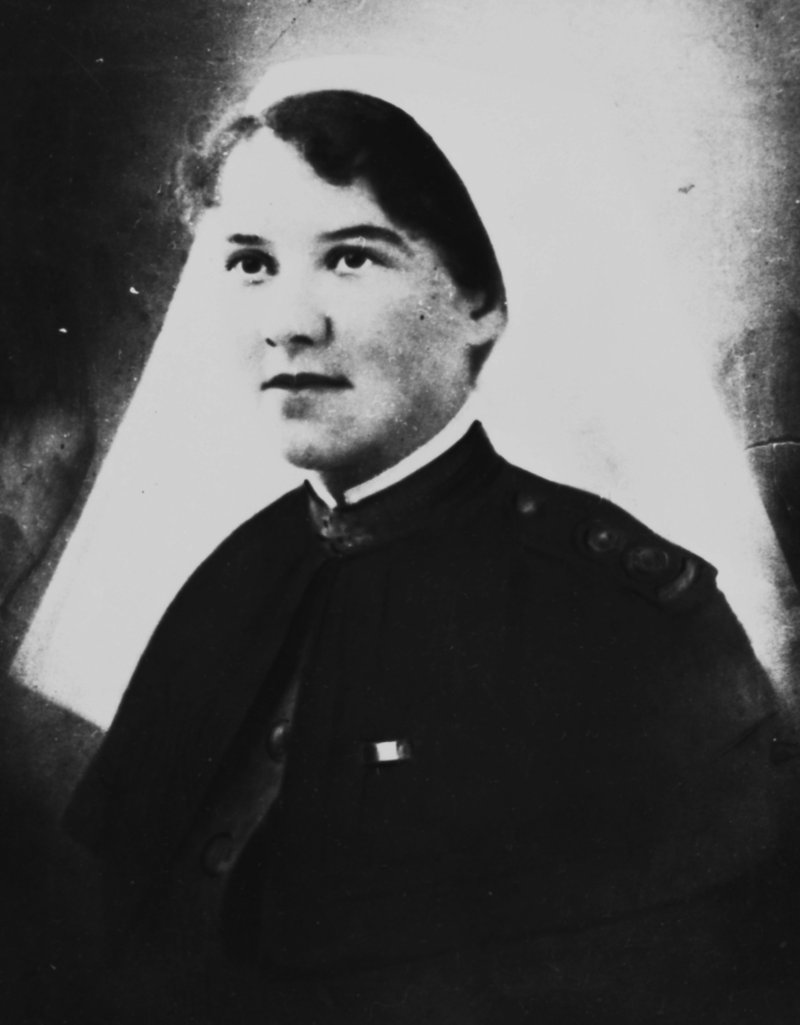 Click to enlarge image
© State Library of Queensland
Readers note: This is an excerpt from the 200 Treasures exhibition catalogue, developed in 2017. This content was written as a brief biography on why this person was included in the exhibition.
1880 - 1952
Elizabeth Kenny, known as Sister Kenny, was considered to be a fraud by many in the medical profession for decades, but her understanding of the devastating physical manifestations of poliomyelitis, or infantile paralysis, and her method of treatment – a forerunner of modern physiotherapy – were eventually accepted.
Kenny’s story is one of an intransigent male medical establishment and its persistent dismissal of a woman without formal training, whose knowledge was gained from practical experience and observation. Kenny was born in Warialda, NSW, to farming parents and attended local schools in NSW and Queensland.
What medical training she had was probably gained while volunteering at a small hospital in Guyra, NSW. By 1910, Kenny was offering free medical services to those living near her family farm on the Darling Downs. In 1911, she encountered her first case of polio and sought advice from a Toowoomba surgeon, Aeneas McDonnell, about how to treat it. She employed his suggestion of hot compresses and muscle manipulation, and saw her patients improve.
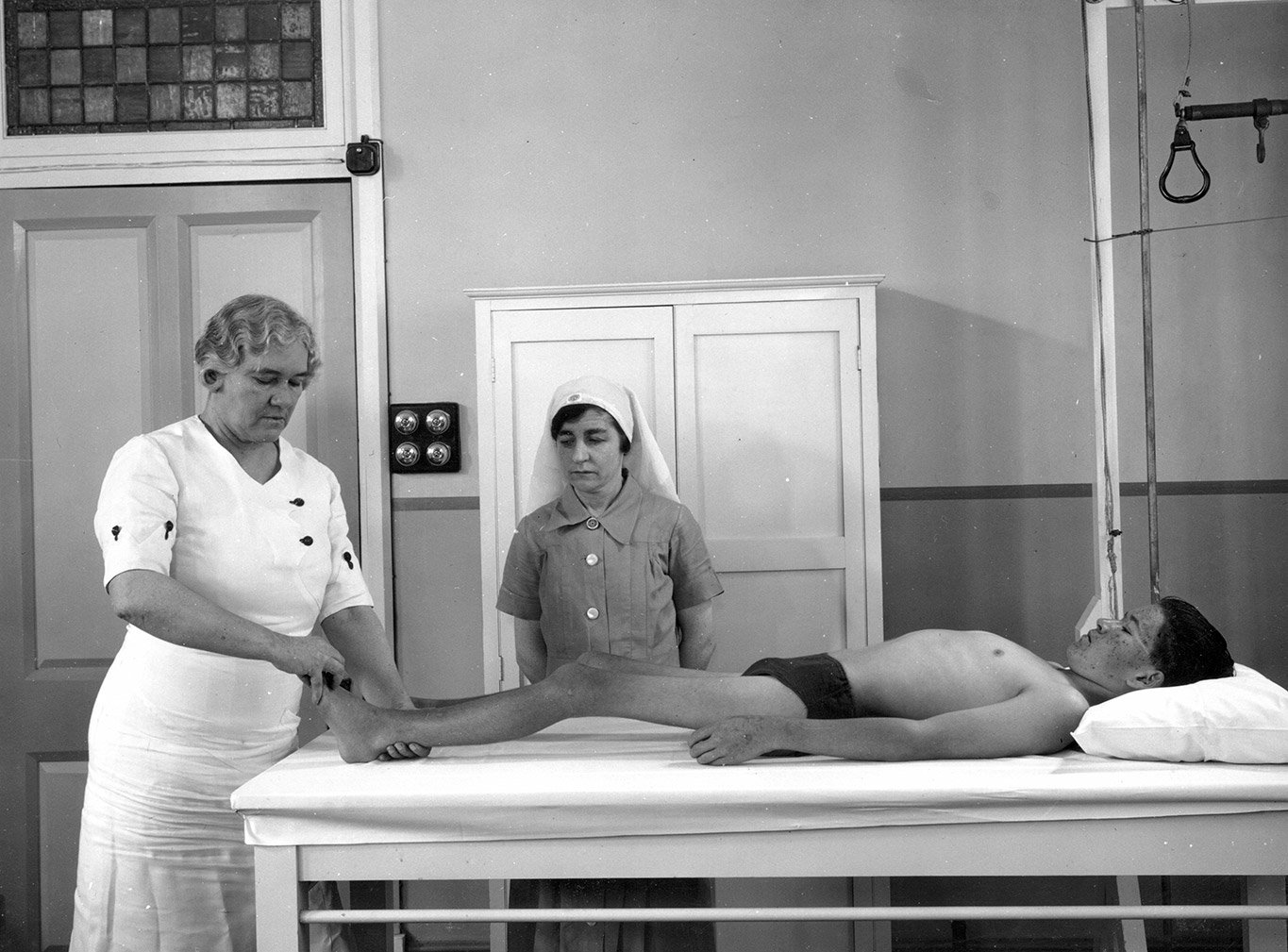
© State Library of Queensland

The treatments Kenny developed were the opposite of those propounded by the traditional medical establishment, which advocated limb immobilisation in braces and calipers. Though Kenny battled Australia’s medical establishment, her reputation for polio treatment – especially after the 1930s polio epidemic that continued into the 1950s, affecting hundreds of thousands of children worldwide – kept growing. Kenny travelled to the UK and then the US, demonstrating her methods and being rejected wherever she went, until she reached the Mayo Clinic in Minnesota, and then the Minneapolis General Hospital, where she established a unit.
In 1942, the Sister Kenny Rehabilitation Institute was opened, and continues to provide physical rehabilitation therapies. In 1946, the Hollywood film Sister Kenny chronicled her decades-long struggle. Kenny died in Toowoomba in 1952, having received little fanfare in Australia for her remarkable work.