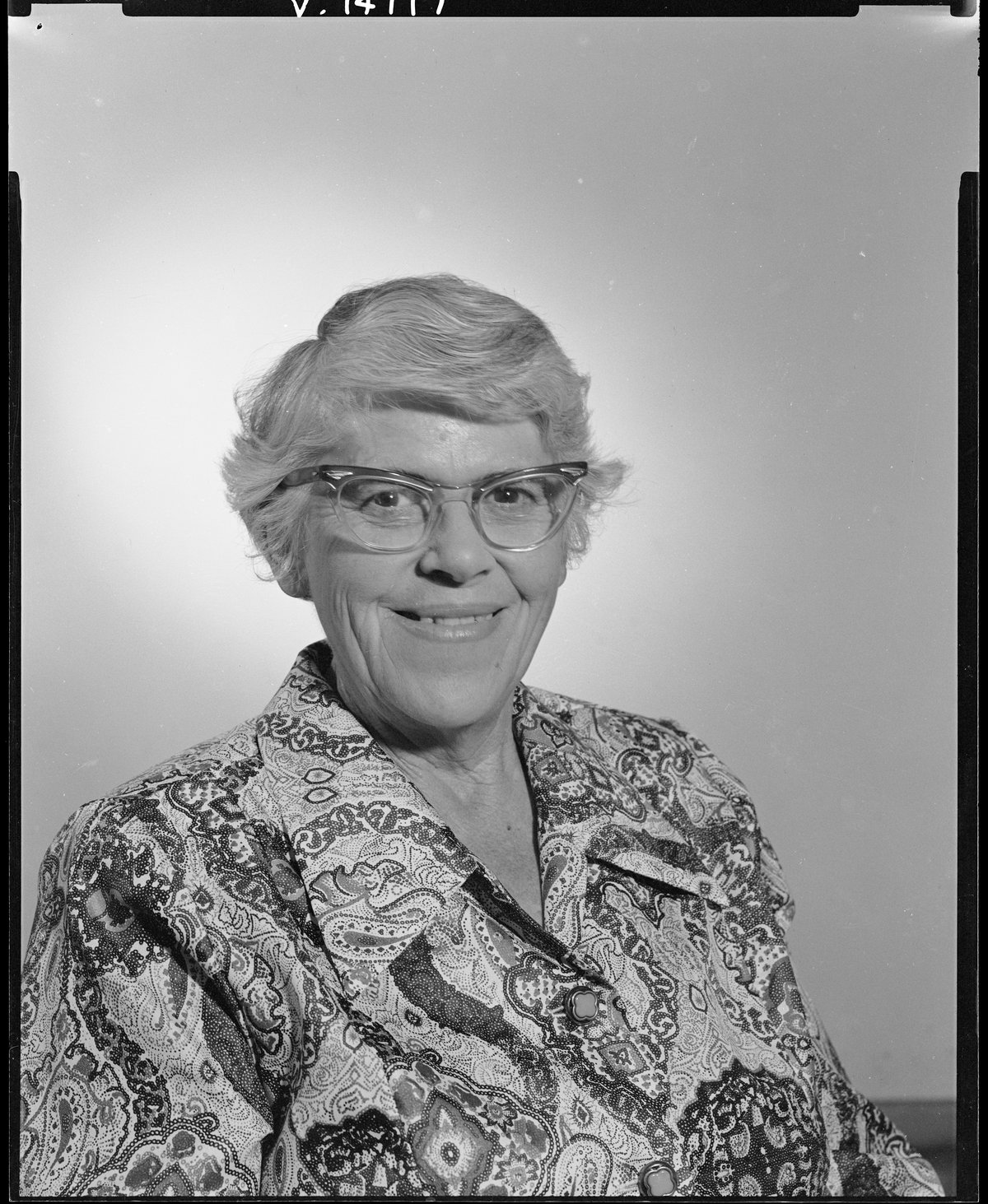
Elizabeth Carrington Pope
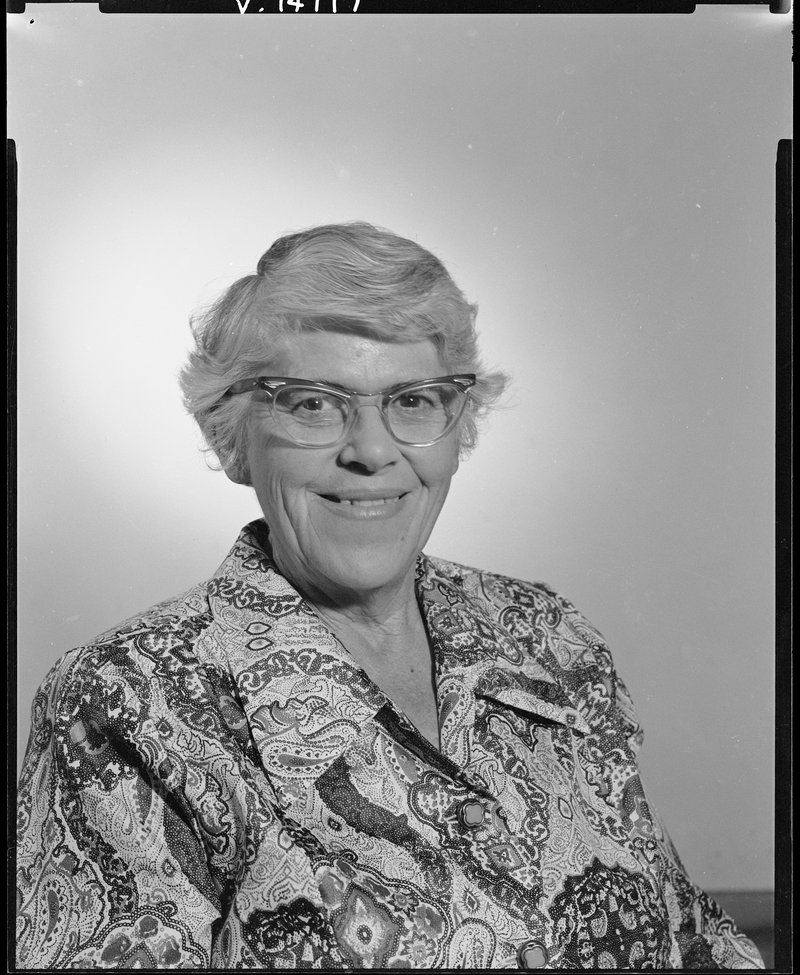 Click to enlarge image
© Australian Museum
When Elizabeth Carrington Pope (1912-1993) joined the Australian Museum in 1939, she did so as a junior Scientific Assistant, but she would leave as one of its most influential leaders. Over the next three decades, she reshaped the AM’s invertebrate collections and helped advance marine zoology in Australia, rising to Curator and later Deputy Director.
© Australian Museum
Early life and background
Elizabeth Carrington Pope was born on 4 November 1912 in Nelson, New Zealand, but her life and career would soon be shaped by Sydney and its coastlines. Within a year of her birth, her family had relocated to Bellevue Hill in Sydney, where her father served as a House Master at Scots College.
As a young student, she showed early academic promise and went on to complete her studies at SCEGGS, Darlinghurst. From there, she doggedly pursued higher education and science in a time when most women were encouraged to become teachers or pursue more domestic affairs. Thanks to her tenacity, she graduated from the University of Sydney in 1935 with First Class Honours in Zoology. For Pope, this degree was an important stepping stone into a career in science. She was just getting started.
Starting out at the Australian Museum
Pope joined the Australian Museum on 15 September 1939 as a Scientific Assistant (second class). Her starting salary was £193, well below the £350 advertised. The difference came down to one thing: she was a woman.
She worked on probation in the Crustaceans and Lower Invertebrates Department under Curator Frank McNeill, becoming a permanent staff member on 14 March 1940. In the same year, Pope was also awarded a Master of Science from the University of Sydney, slowly cementing her status as a valued researcher at the AM.
© Australian Museum
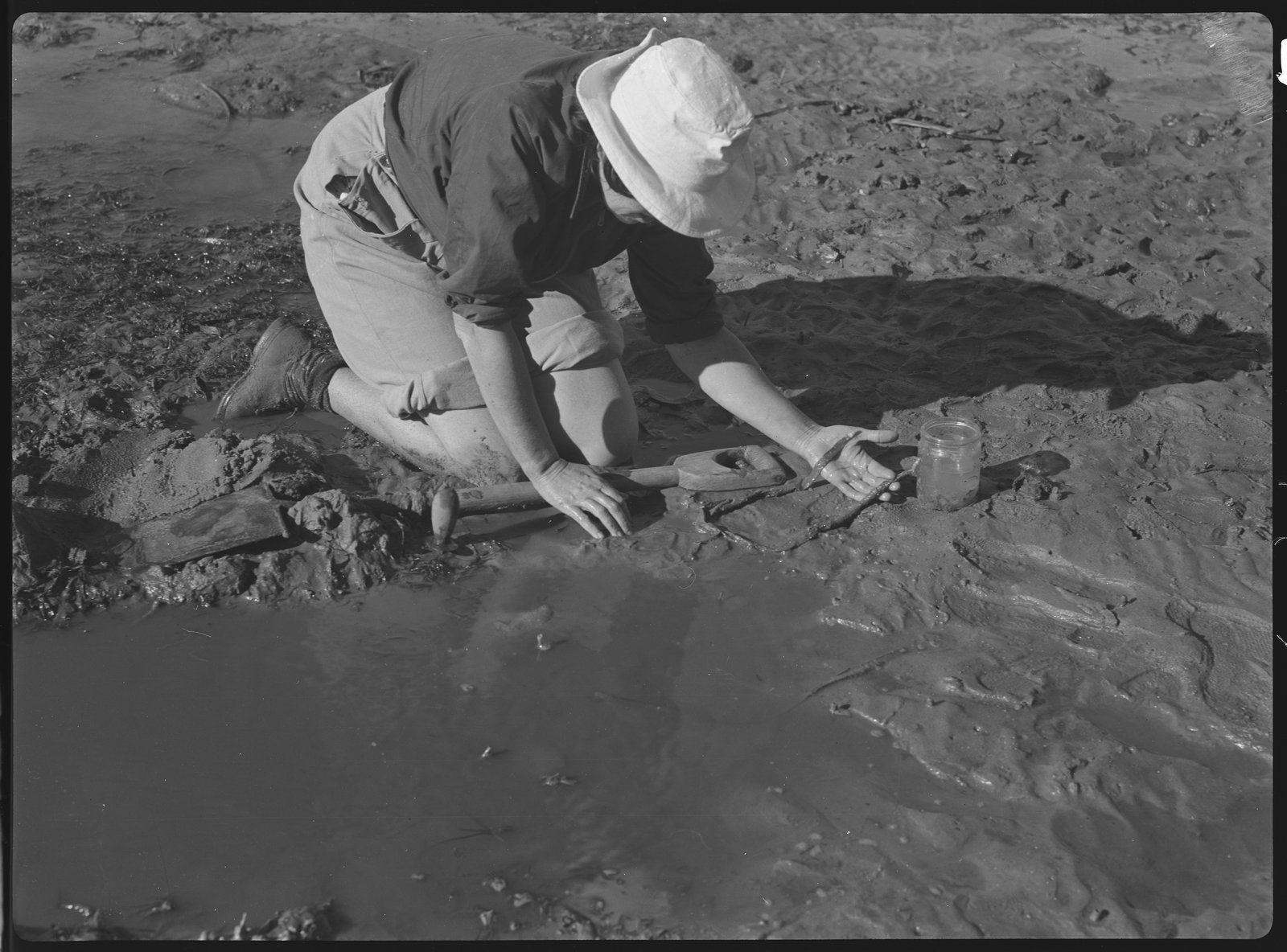
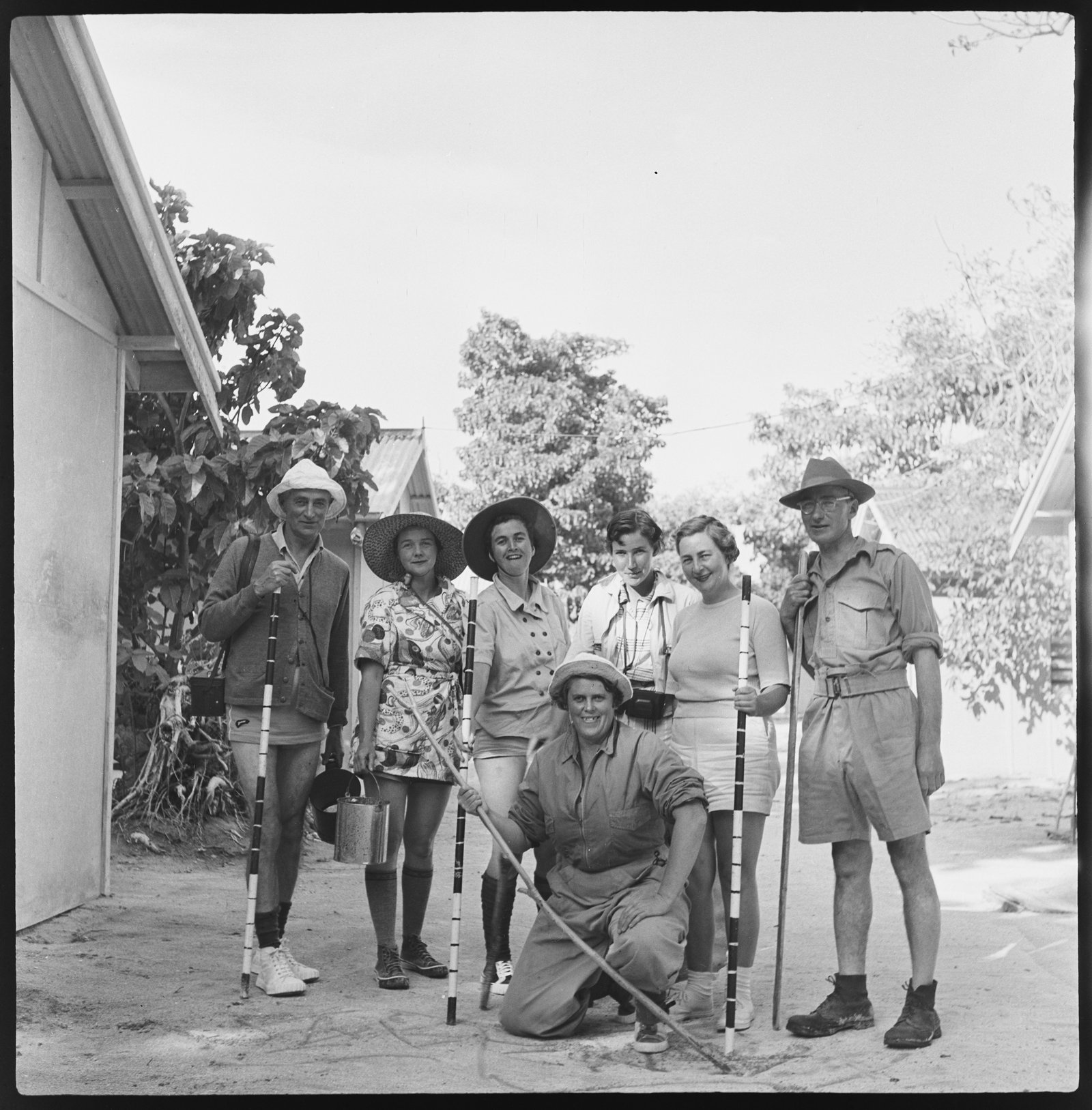
In the early 1940s Pope began to do more field work across New South Wales. These trips allowed her to build up the AM's collection of invertebrates, as well as conduct research into marine environments. Her research from this time period was used in the classic text Australian Seashores by Professor W. J. Dakin, alongside the research of fellow female scientist Isobel Bennett. In recognition of Pope's growing career and outsized contributions, she was promoted to Assistant Curator for the Crustaceans and Lower Invertebrates Department in 1949.
It hadn't been an easy start for Pope, though. Field work, which was so central to her research, threw up several issues. For example, she felt that other staff members treated field work like a ‘glorified picnic’ and was often the only woman on the trip. Even getting into the field could be a challenge. At the time, there was only one museum vehicle available, and as a woman, she wasn’t allowed to drive it herself until the 1960s.
One of the AM's first female curators
With multiple field trips and degrees now under her belt, Pope was ready for more. In 1957, the perfect occasion arose: a new department called Worms and Echinoderms had been created, and Pope was made its Curator. This appointment made her one of the AM's first female curators of a department, a true reflection of her resilience and commitment to science in a male-dominated field.
As Curator, Pope's career only continued to flourish. In this role, she oversaw both research and the growth of her department's collections, while continuing her own fieldwork and publishing. During this time, she authored many articles for the Australian Museum Magazine and, like many museum scientists of her era, became deeply involved in public education. She delivered popular lectures, including an annual talk to school groups, and was a regular contributor to the ABC children’s radio program The Argonauts, bringing marine science to a wide audience.
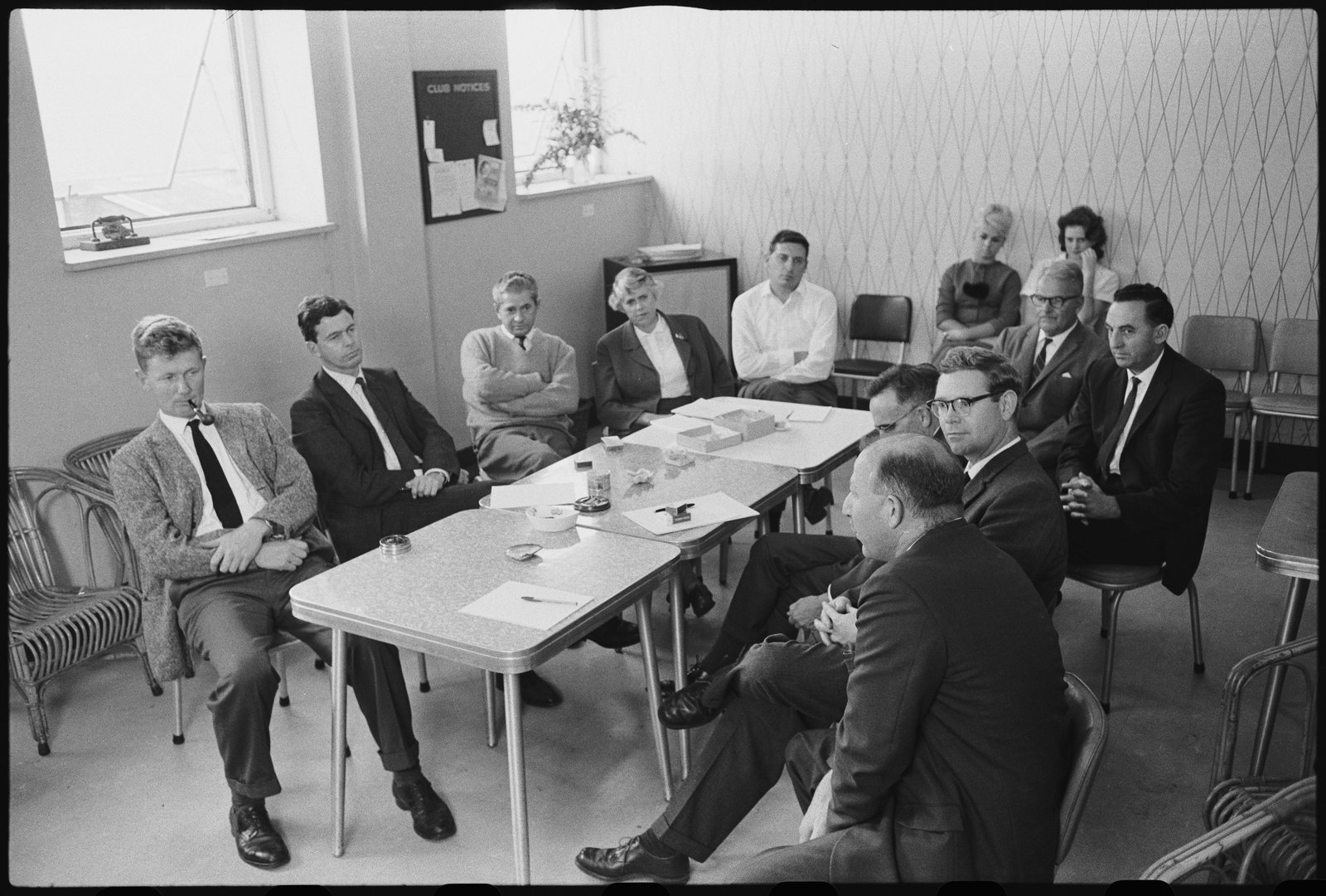
Pope's star only continued to shine, becoming Deputy Director alongside her curatorship in August 1971. She held this position for one year until her retirement on 3rd November 1972 at the age of 60, when she was made an Honorary Associate of the Australian Museum.
© Australian Museum
Legacy and impact
Pope’s research ultimately helped establish a baseline understanding of Australia’s intertidal ecosystems. Her surveys, collections and publications remain important records for scientists studying long-term environmental change in marine landscapes.
Her career also stands as a reminder of the barriers women faced in science in the 20th century and what it took to overcome them. Despite unequal pay, limited opportunities and practical restrictions on her work, she built a career that reshaped both the Australian Museum and her field. Her contributions continue to inspire women who work at the AM today, and still inform research, collection development and public understanding of Australia’s marine life.
© Australian Museum
In the Australian Museum Collections
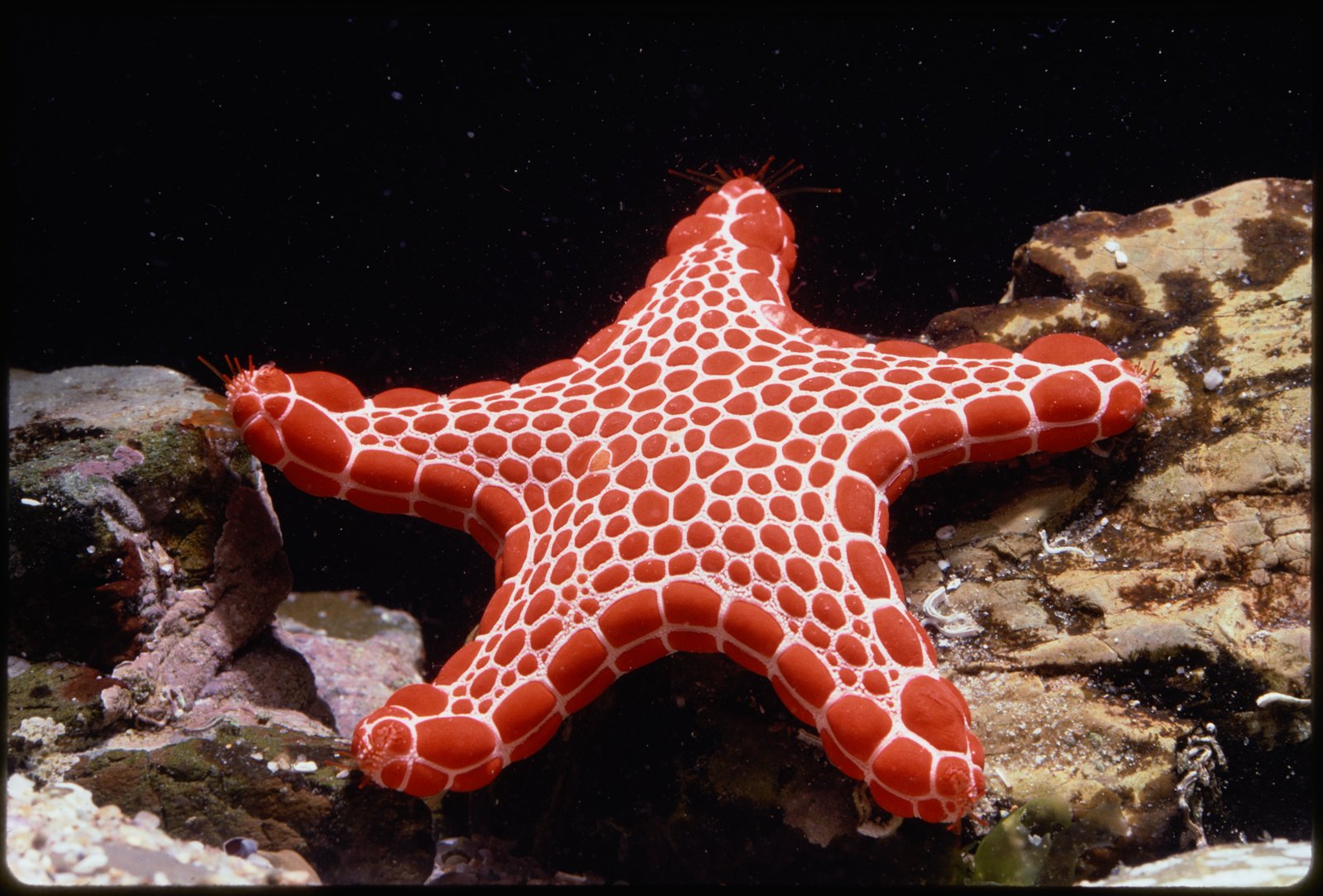
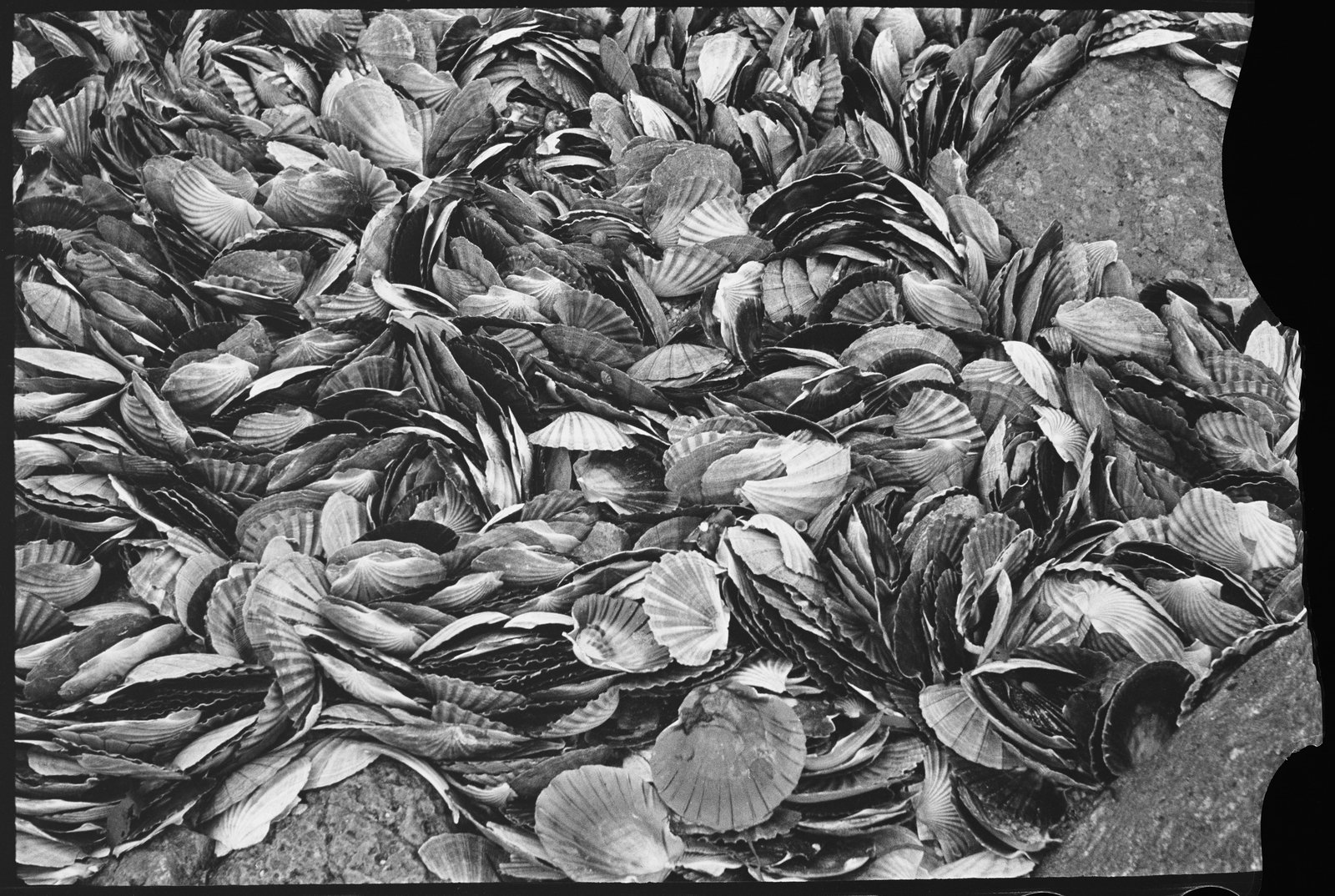
Thanks to her extensive collecting field trips, the AM's Invertebrates department still holds many of Pope's research specimens. In addition, the Australian Museum Archives hold a rich collection of Elizabeth Pope’s work, including her field notebooks, personal papers and photographs from the sites she surveyed along Australia’s coastline. Among these images are occasional glimpses of Pope herself: out in the field, trousers rolled to the knee, wind in her hair. Mostly, however, the images beautifully depict the world and shorelines and landscapes she devoted her life to.
© Australian Museum