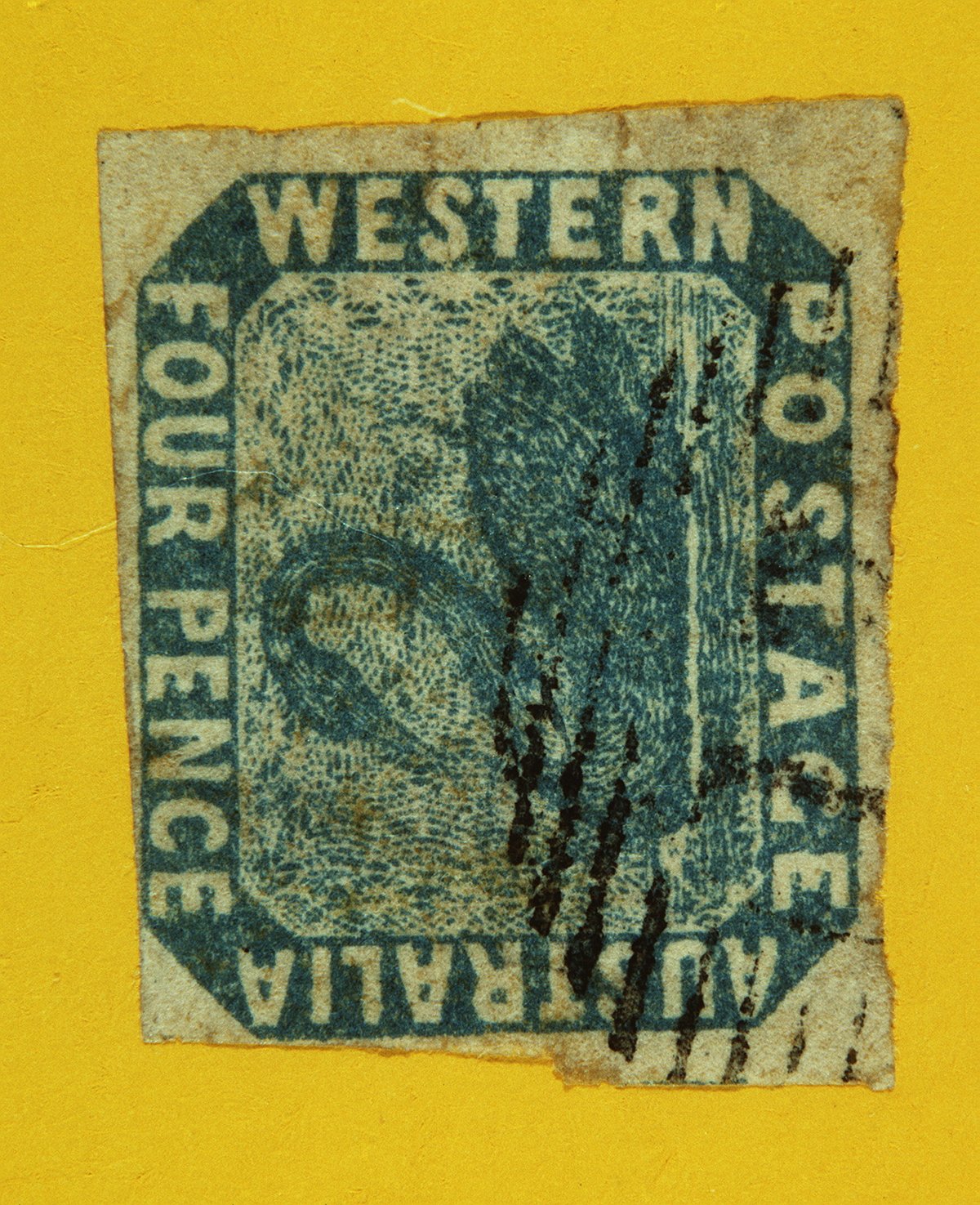
Amy Alfreda Vickery
 Click to enlarge image
© Australian Museum
Amy Alfreda Vickery (1867-1942) was a Sydney-based philanthropist and one of Australia’s most significant early stamp collectors. In 1942, she bequeathed her internationally important postage stamp collection to the Australian Museum, forming one of the Museum’s most remarkable historical donations.
Early life and background
Amy Alfreda Vickery was born in 1867, the daughter of the Honourable Ebenezer Vickery, M.L.C., a prominent Sydney businessman, philanthropist and politician. Following her father’s death in 1906, Amy and her siblings were appointed trustees and executors of his extensive estate. All the siblings received substantial bequests in the will, setting them up to continue their father's business and philanthropic interests.
Amy’s inheritance enabled her to live independently at a time when few women had such financial autonomy. Around 1907, she used her inheritance to finance the construction of Lauriston, a substantial Federation-style residence on The Boulevarde, Strathfield, Sydney. Lauriston was her home for the remainder of her life and still stands today as a heritage-listed building.
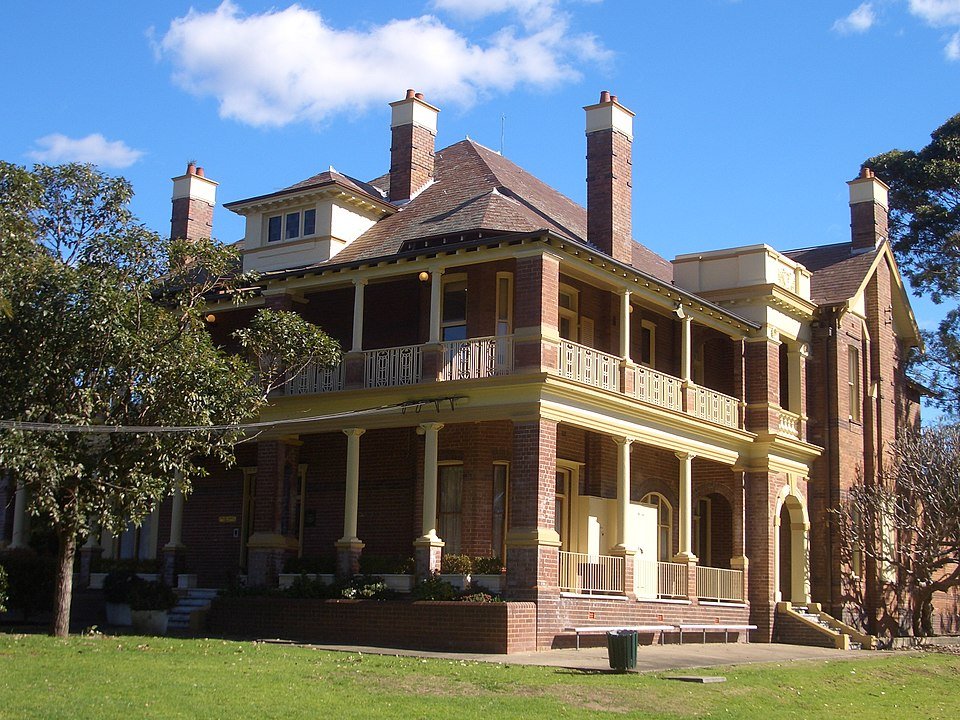
Creative Commons Attribution-Share Alike 3.0 Unported
Philately
At her funeral, Reverend F. H. Rayward described Vickery as intellectually gifted, with an alert and analytical mind. Throughout her lifetime, Vickery applied this analytical approach to philately (the study and collection of postage stamps), assembling what was widely regarded as one of the finest philatelic collections in Australia.
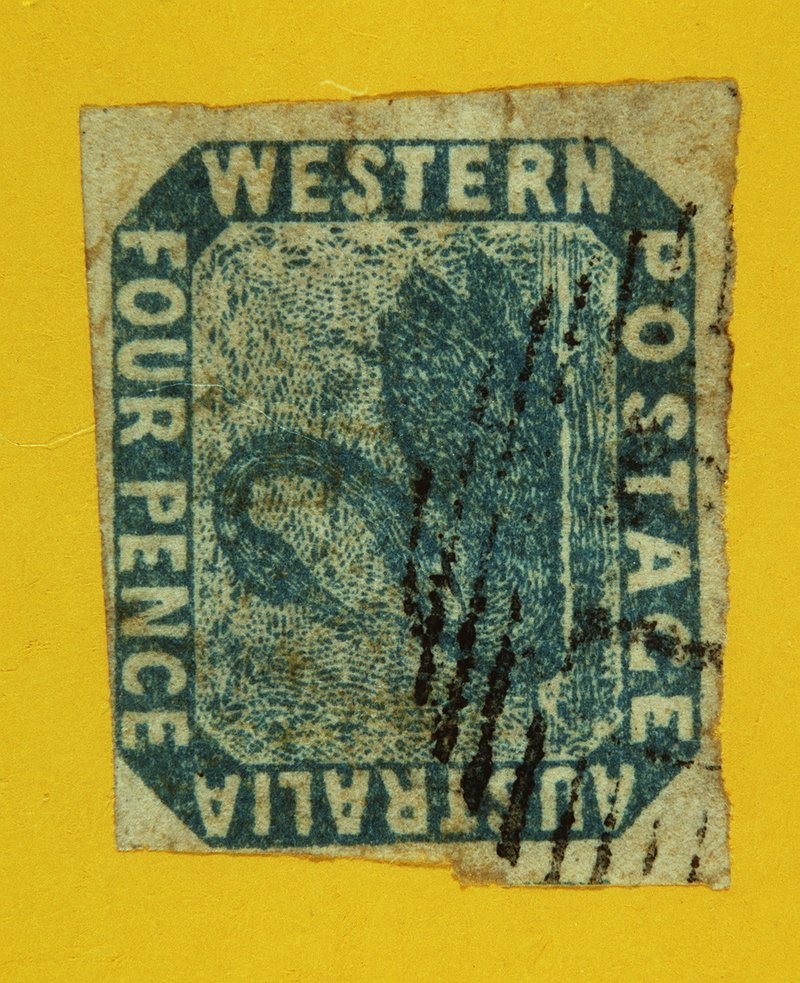
The collection included a block of one penny black British stamps, which were the first adhesive postage stamps ever issued. The collection also included very rare Australian material, notably a Western Australian four penny inverted frame error (the Black Swan stamp pictured above) and an exceptional group of early New South Wales ‘Sydney Views’ stamps.
Philanthropy
While philately was her passion, philanthropy was also central to Vickery’s life. Much of her charitable work was shaped by her strong Methodist faith. As such, she was a generous supporter of the Central Methodist Mission, a foundation member of the Dalmar Children’s Home Committee and an active contributor to the Young Women’s Christian Association (YWCA), where she held a range of leadership roles.
She also combined her interest in stamps with her philanthropic work through the Overseas Missions Department of the Methodist Church. For many years she raised funds by sorting and selling used postage stamps collected by the church, with contemporary accounts estimating that around a quarter of a million stamps passed through her hands.
In the Australian Museum Collection
In a will signed six months before her death, Amy Vickery bequeathed her entire stamp collection to the Australian Museum. The Museum received the bequest during the Second World War and consequently had to store the stamps away from public view for safekeeping. After the war, however, purpose-built cabinets were constructed and the stamps were first displayed at the Museum in 1950.
In the 1980s, the Vickery Collection went on a long-term loan to the Powerhouse Museum, where it became an important resource for researchers and the public. In recent years, the collection has returned to its home at the Australian Museum for safekeeping.
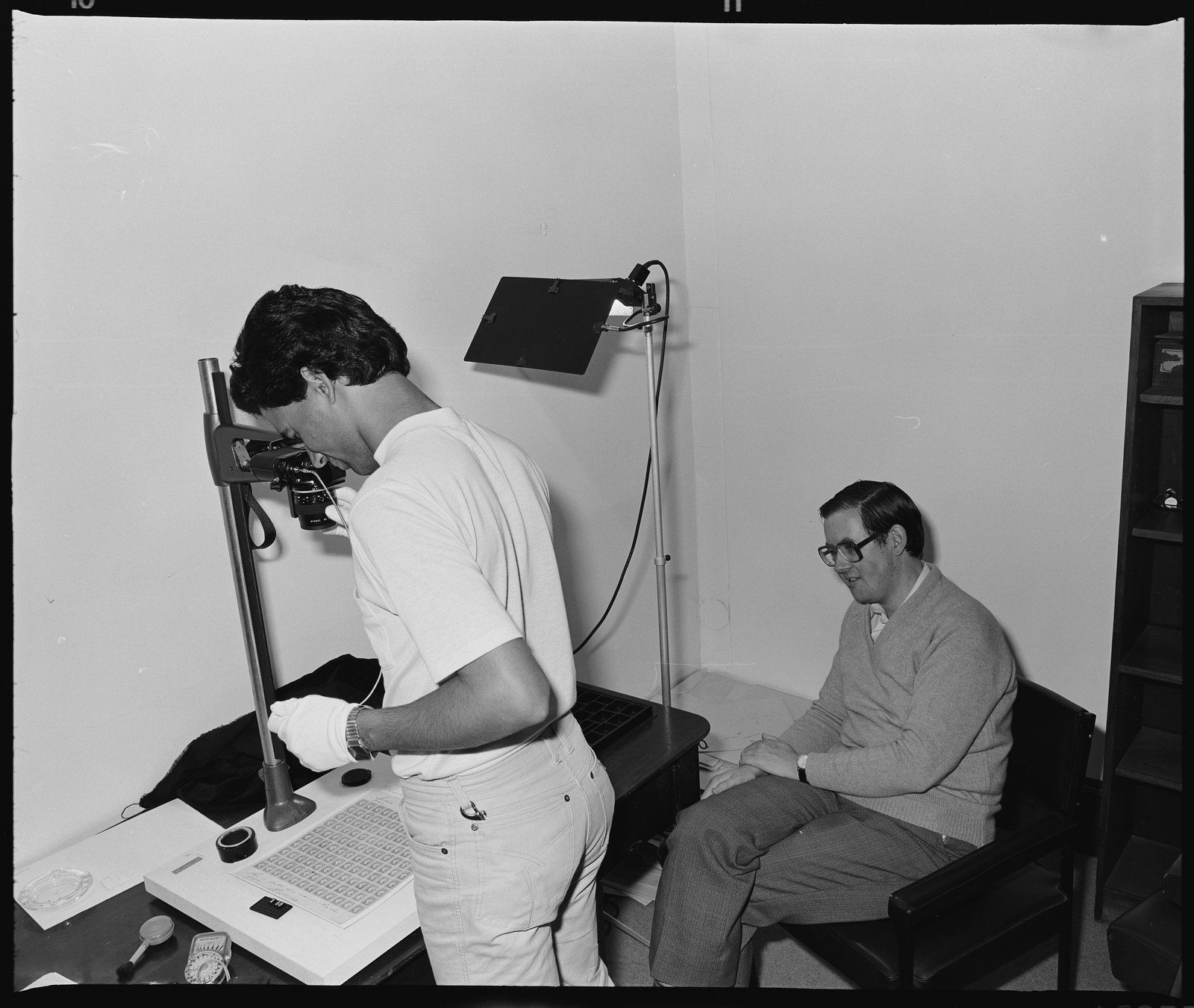
A Museum of Applied Arts and Sciences (the Powerhouse Museum) photographer taking record shots of the Vickery stamp collection ahead of the loan, 1981.
Image: Howard Hughes© Australian Museum
Legacy and impact
Amy Alfreda Vickery’s legacy lies not only in the rarity of the stamps she collected, but in the intellectual rigour she brought to the practice of collecting itself. At a time when philately was dominated by men, she developed a deep technical understanding of printing methods, plate varieties and errors, building a collection valued for its significance as much as its beauty. More than eighty years after her death, her collection continues to support research into the history of communication, colonial administration and early Australian printing.