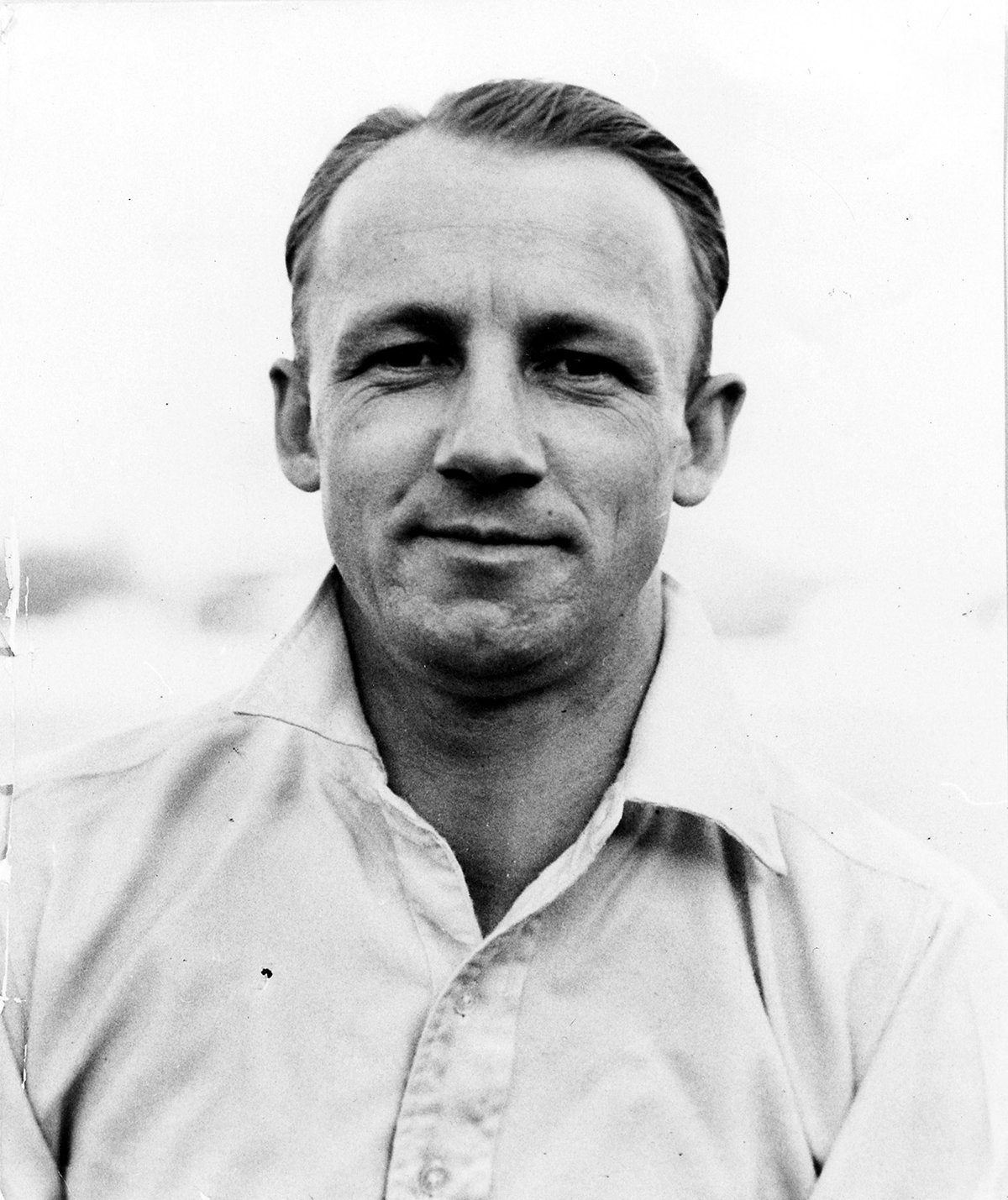
Sir Donald Bradman AC
 Click to enlarge image
© Public domain
Readers note: This is an excerpt from the 200 Treasures exhibition catalogue, developed in 2017. This content was written as a brief biography on why this person was included in the exhibition.
1908 - 2001
Don Bradman was the colossus of cricket. He was a national hero credited with lifting the spirit of the nation during the depths of the Great Depression.
He was born in 1908 in Cootamundra, NSW, and grew up in the NSW Southern Highlands town of Bowral, which became the setting for the birth of the Bradman legend. The young Bradman began long sessions incessantly hitting a golf ball with a cricket stump in his family’s backyard. From this, he learned the physics of speed and motion, his sense of which would develop into perfect timing and placement, the hallmarks of his batting game.
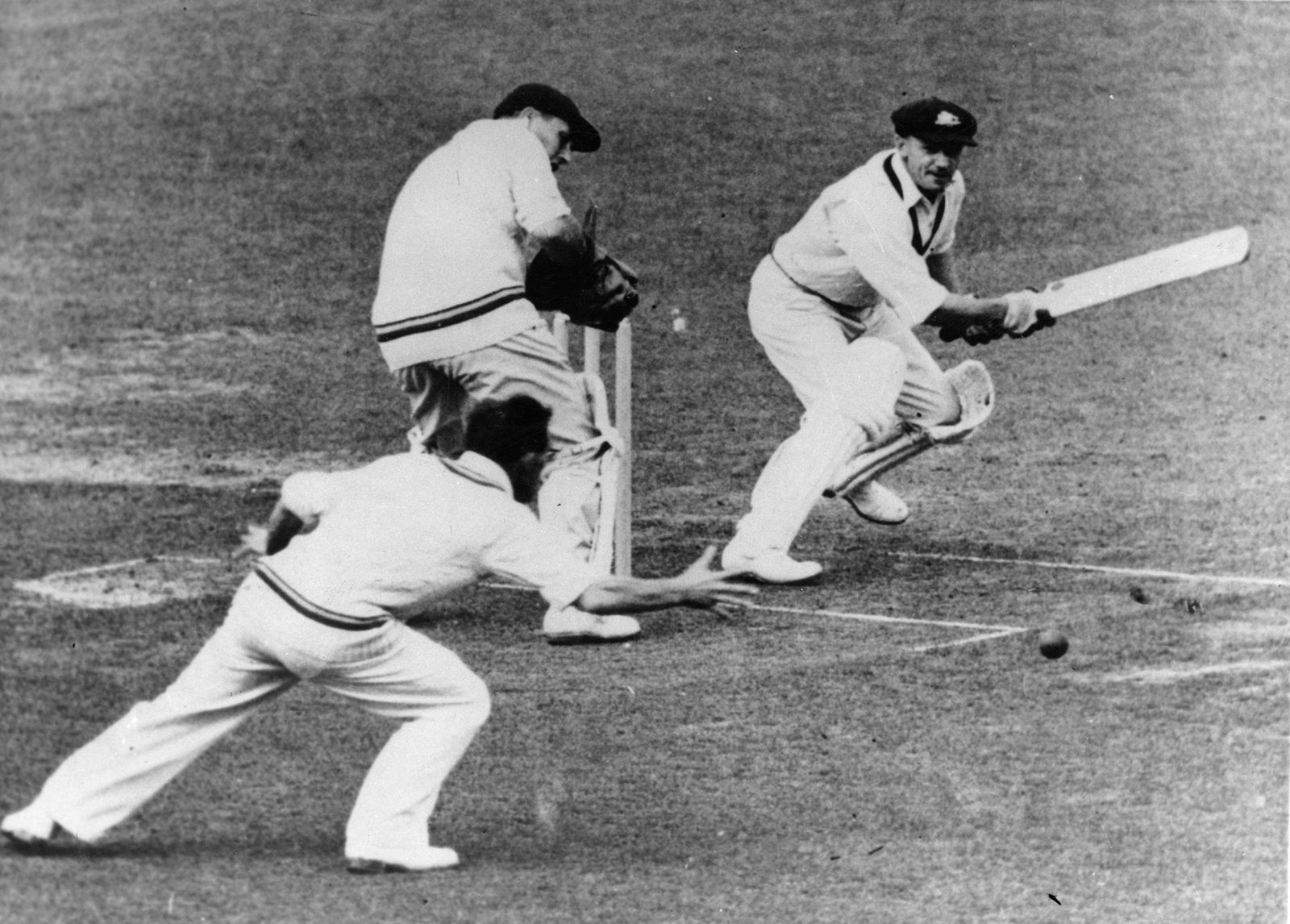
© Courtesy of the Bradman Museum Trust Collection, Bowral, NSW.
At age 12, he scored his first century in a schoolboy competition and continued to impress within the Southern Highlands cricket community as a teenager. Bradman dabbled in tennis, but returned to the Southern Highlands cricket competition in 1925. His scores became the stuff of legend - 320 not out on five consecutive Saturdays - before he moved to grade cricket for the St George side in Sydney.
At age 19, he represented NSW in his first-grade debut, scoring a century in his opening innings, and was selected to play for Australia after only 10 first- grade games. By 1929 - 1930, his batting average was 113.28.
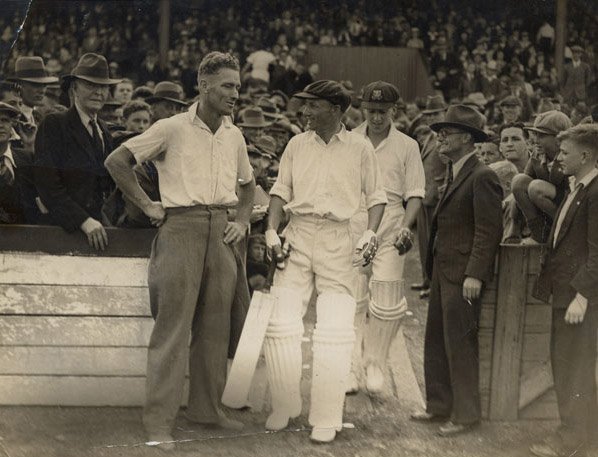
© Courtesy the Bradman Museum Trust Collection, Bowral

Over his entire career it was 99.94. Bradman was selected to tour England in 1930. It was this first tour that saw the birth of the Bradman legend and he would continue to build on it over the next 18 years of his test cricket career. His mastery at the crease led the English side to devise the notorious bodyline tactic in the 1932–33 season.
Sir Donald Bradman’s career was greatly disrupted by World War II, but he nevertheless remains, in many people’s estimation, the world’s greatest cricketer.