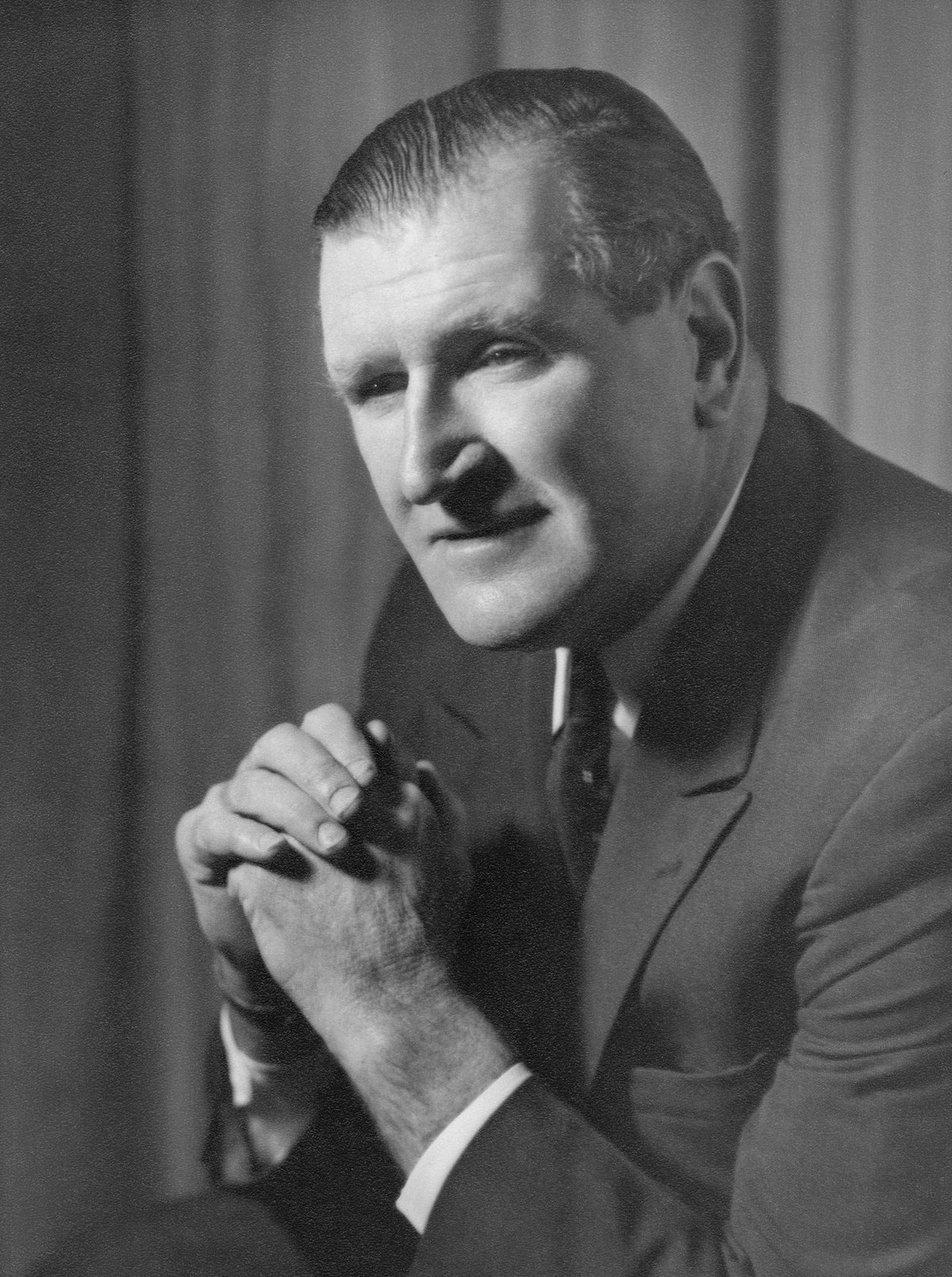
The Packer Family
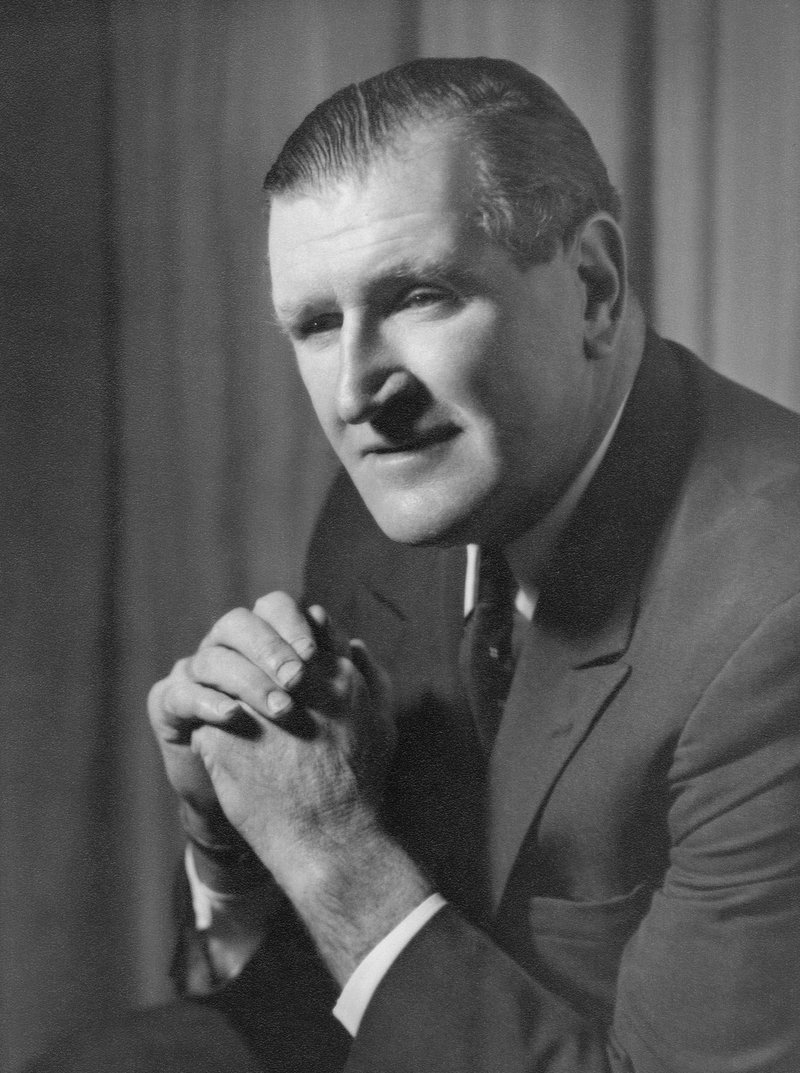 Click to enlarge image
© Conway Studios
Readers note: This is an excerpt from the 200 Treasures exhibition catalogue, developed in 2017. This content was written as a brief biography on why this person was included in the exhibition.
Sir Frank Packer KBE (1906–1974), Kerry Packer AC (1937–2005), Ros Packer AC (1938–present)
There are few aspects of Australian cultural life in which the Packer family has not played a part. From cricket, magazines, newspapers, horseracing and television networks to, most recently, casinos and film production, the Packers have dominated the Australian landscape for four generations.
The family businesses have been led by men – Robert (1879–1934), Frank (1906–1974), Kerry (1937–2005) and James (b. 1967) – but it is the Packer women – Kerry’s mother Gretel (1907–1960), his wife and the current matriarch Ros (b. 1938) and their daughter Gretel (b. 1966) – who have refined the family’s image and presided over its philanthropic activities.
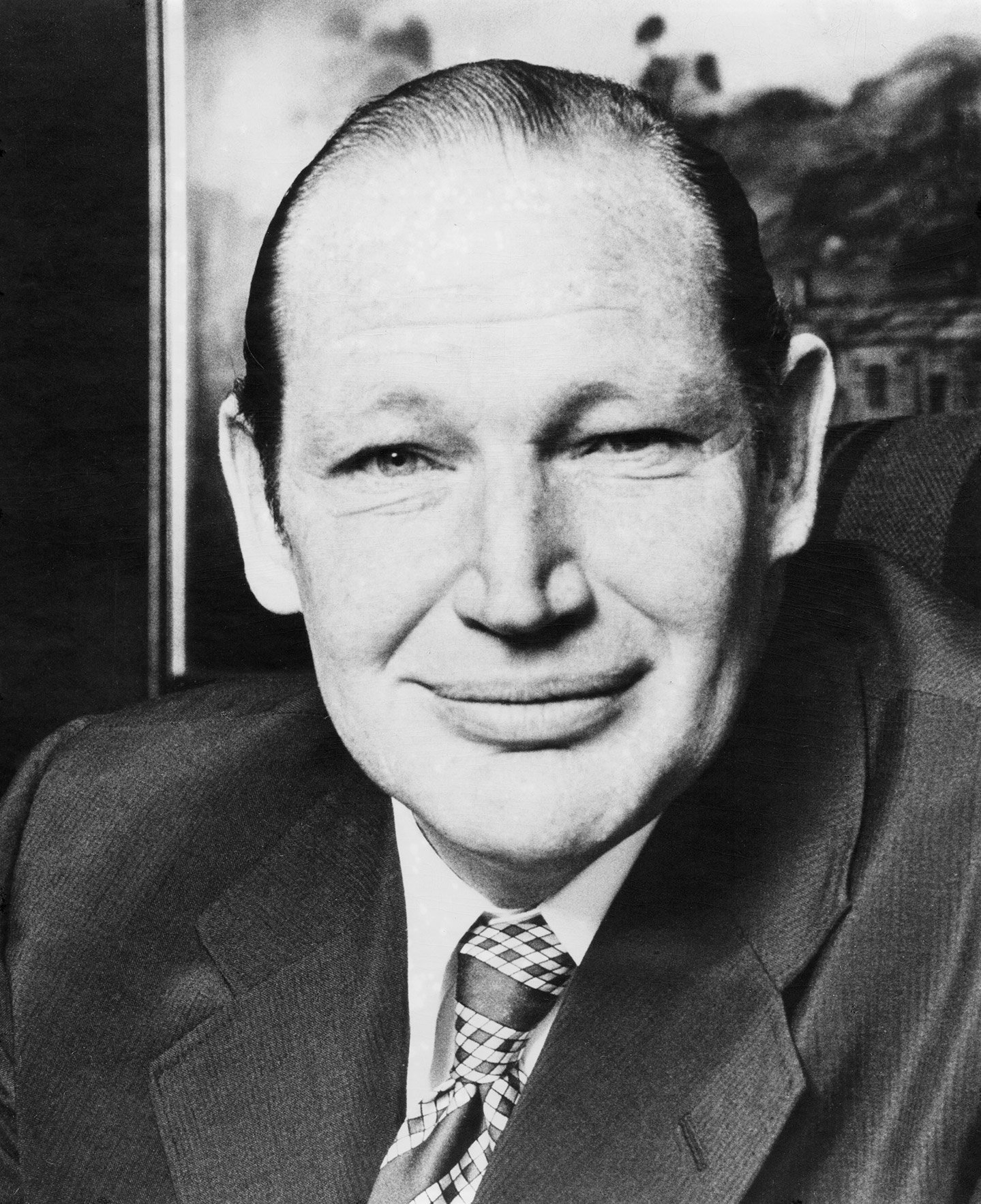
© Private collection, NSW
The rise of the Packer family began in Hobart, Tasmania, where Robert was born. He gravitated to journalism when he left school, and, in 1902, moved to Sydney, where he undertook labouring jobs and rural reporting before joining The Sunday Times in 1908. He rose through the ranks, becoming editor of The Sunday Sun by the end of World War I. Robert laid the foundations of the family’s media empire through his fortuitous association with Smith’s Weekly (a paper launched in 1919 that captured the ‘digger’s ethos’) and associated papers such as The Daily Guardian, of which Robert was a part owner. His uncanny ability to generate high circulation figures led to his appointment as managing editor of Associated Newspapers in 1931.
Robert employed his young son, Frank, as a cadet in 1923. Frank’s goldmine would prove to be the Australian Women’s Weekly, which first appeared in 1933: it was an instant and long-lasting success. Robert’s death in 1934 elevated Frank to the helm of the family’s concerns. He set up Consolidated Press, launching The Daily Telegraph in 1936.
In the 1950s, Frank expanded into the new medium of television, and his channel, TCN 9, began transmitting in 1956. The acquisitions continued into the 1960s, with the Bulletin added to the Packer portfolio (where it remained until 2008), although Frank regretfully sold off his papers in the late 1960s. Frank Packer wielded immense power in numerous arenas, not least, that of politics. His son, Kerry, inherited his empire upon his death in 1974.

© Private collection
Like his father, Kerry was an imposing figure. He shared his father’s great love of sport (polo and horseracing, in particular) and the trappings that came with his ever-increasing fortune. From 1977, Kerry transformed the game of cricket. His brainchild World Series Cricket siphoned off the best players, introduced one-day games to the Test Match format, and had the players in colourful attire.

By 1979, the staid world of traditional cricket had to concede defeat and adopted Kerry’s changes to the game. Kerry’s chronic health problems finally beat him and he died in 2005. His state funeral was a celebrity-studded event at the Sydney Opera House. His son, James, has steered the Packer businesses towards gambling and entertainment, with his Crown enterprises. While this move has won him both supporters and detractors, the Packer family’s philanthropic endeavours, guided by James’s mother Ros and sister Gretel, endow the arts, hospitals and the Salvation Army among their considerable charitable gifts.