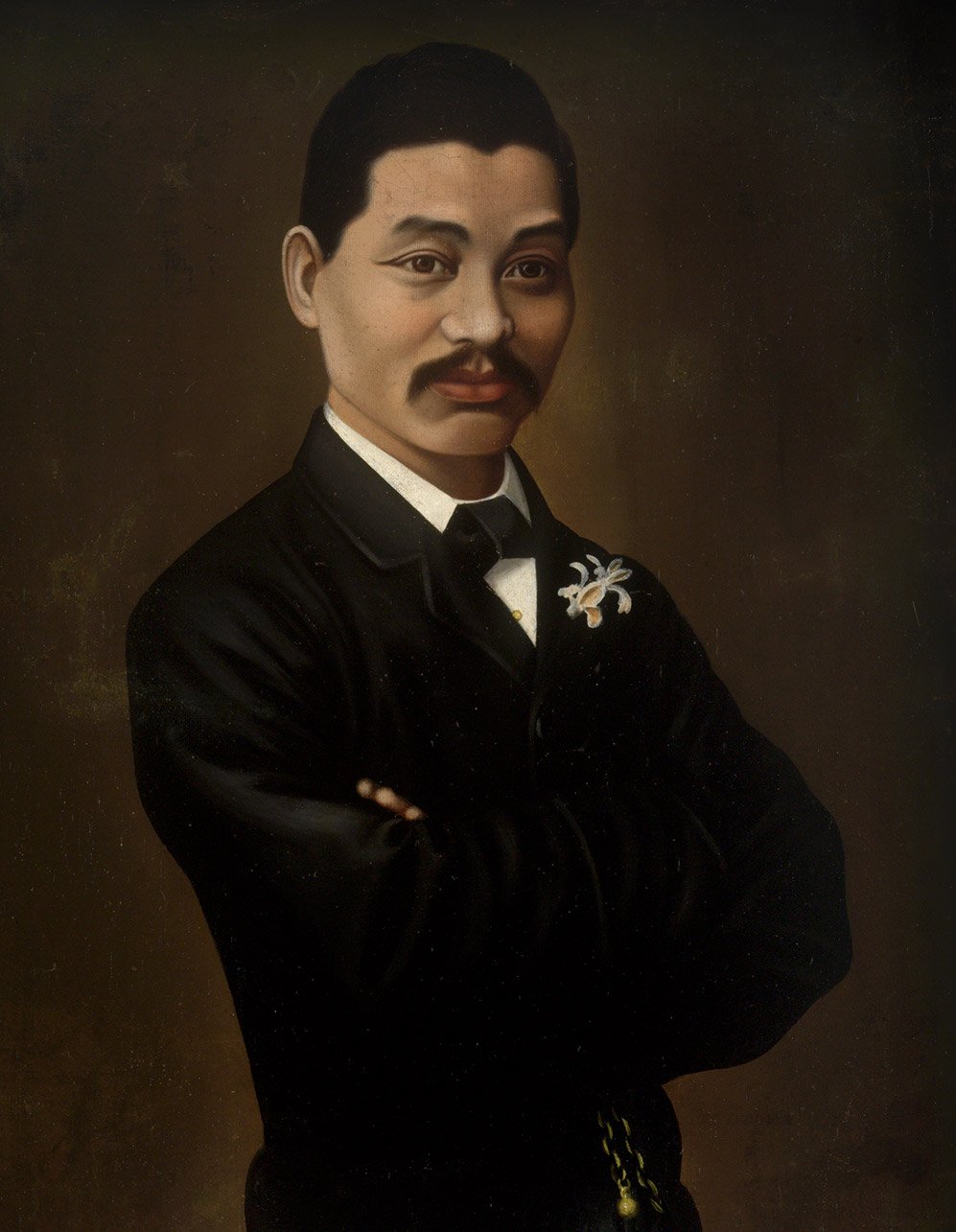
Mei Quong Tart
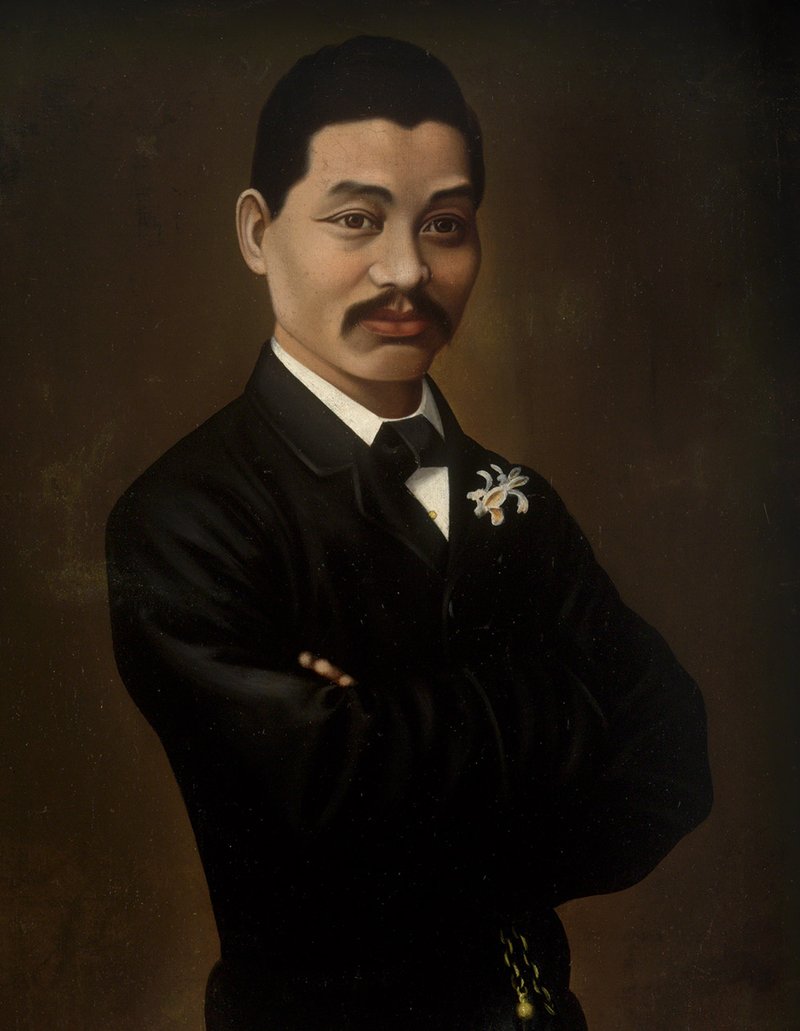 Click to enlarge image
© Mitchell Library, State Library of NSW.
Readers note: This is an excerpt from the 200 Treasures exhibition catalogue, developed in 2017. This content was written as a brief biography on why this person was included in the exhibition.
1850 - 1903
Mei Quong Tart emigrated to Australia with his uncle when he was nine. He wanted to join the gold diggings he had read about in Hsinning in Canton Province, China, where he was born.
Tart lived on the goldfields around Braidwood from 1859 to 1874, and his wife, Margaret, would later write that his ‘ability for making opportune seasons yield their utmost was remarkable’. He was ‘a highly favoured individual upon whom the sun of gladness seemed not to set’. He soon gained the attention and patronage of Alice Simpson, who taught him English and oversaw his education. Her husband, Percy, gave Tart an interest in a gold claim that was to make Tart a wealthy young man. With the proceeds, Tart built a school and a church for miners at Bells Creek, and became a patron of ‘every manly sport’, making him ‘the most notable resident on the Braidwood goldfields’.
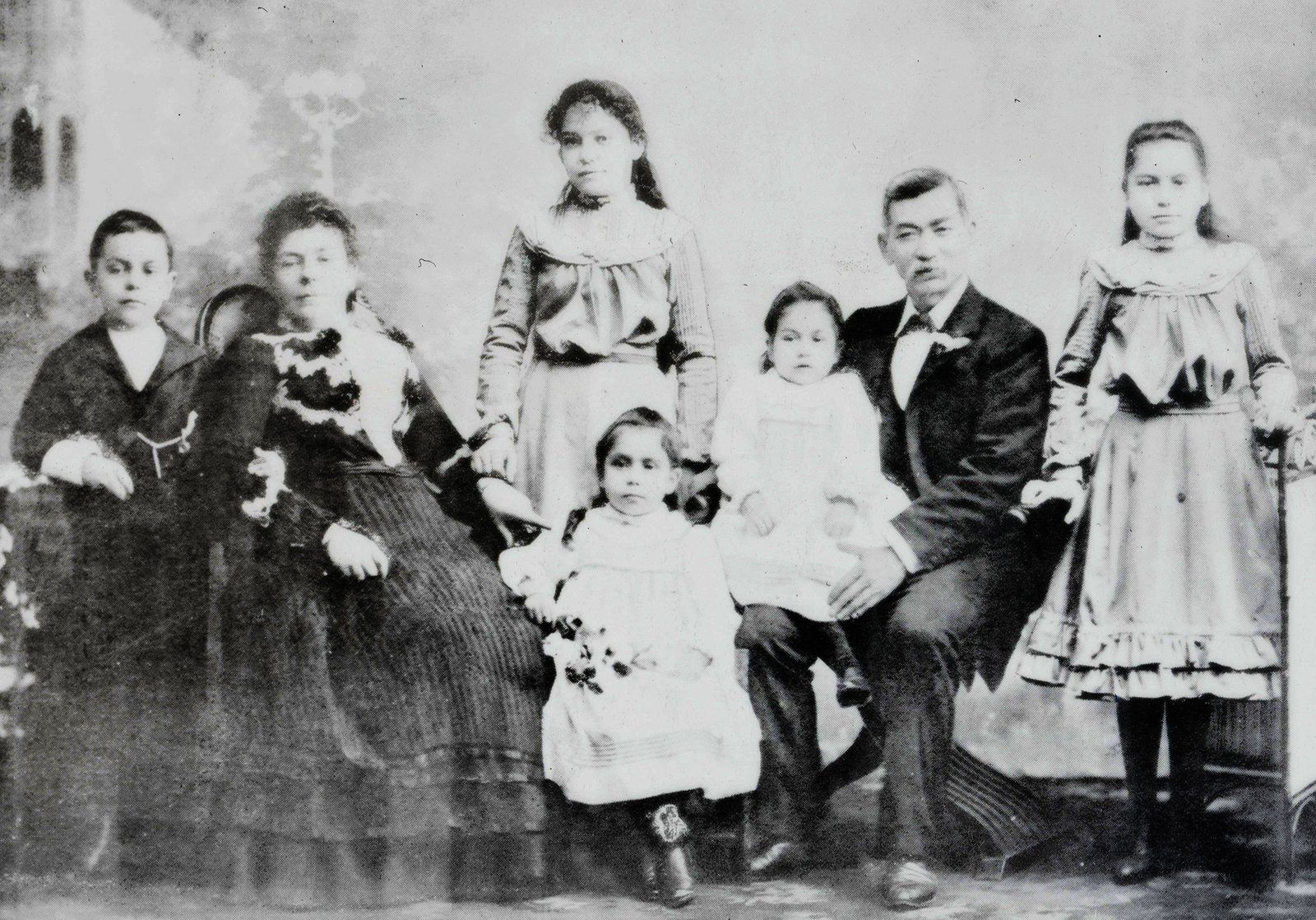
© Chinese Museum Collection.
He was granted a certificate of naturalisation in 1871 and at the ‘zenith’ of his popularity he left for Sydney with the aim of establishing businesses linked to China. He opened a tea and silk shop as well as various restaurants on George, Pitt and King streets, this last on a ‘scale of splendour never before seen in Australia’. He later opened an elite tearoom in the Victoria Markets.
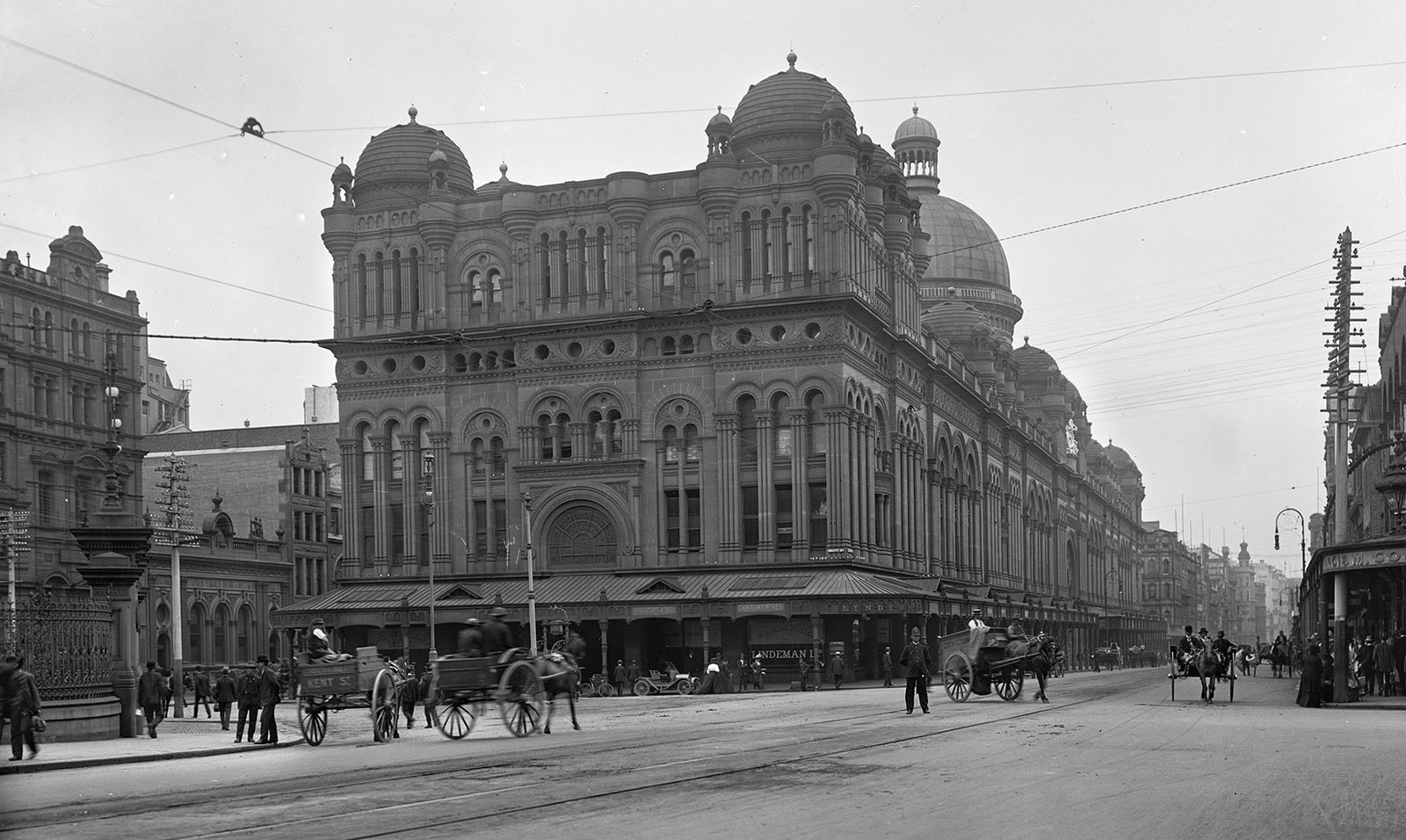
© Tyrrell Collection, Museum of Applied Arts and Sciences.

Tart was an extremely popular person, described admiringly as ‘a “white man” Chinaman’ within the very heated race debates of the late nineteenth century. He was an advocate for Chinese interests, campaigned for the abolition of opium and was a government intermediary with Chinese communities in both NSW and in China. He belonged to 25 clubs and civic organisations, and his philanthropy was legendary. He married Margaret Scarlett, a young Englishwoman, in 1886, with whom he had six children.
In 1902, Tart was struck on the head with an iron bar during a robbery at his office. His health failed, and he died less than a year later aged 53, when his youngest child was three months old. Tart’s funeral cortege, which set out from his home in Ashfield to Rookwood Cemetery, was one of the largest Sydney had seen; it was led by 200 men from the Chinese community.