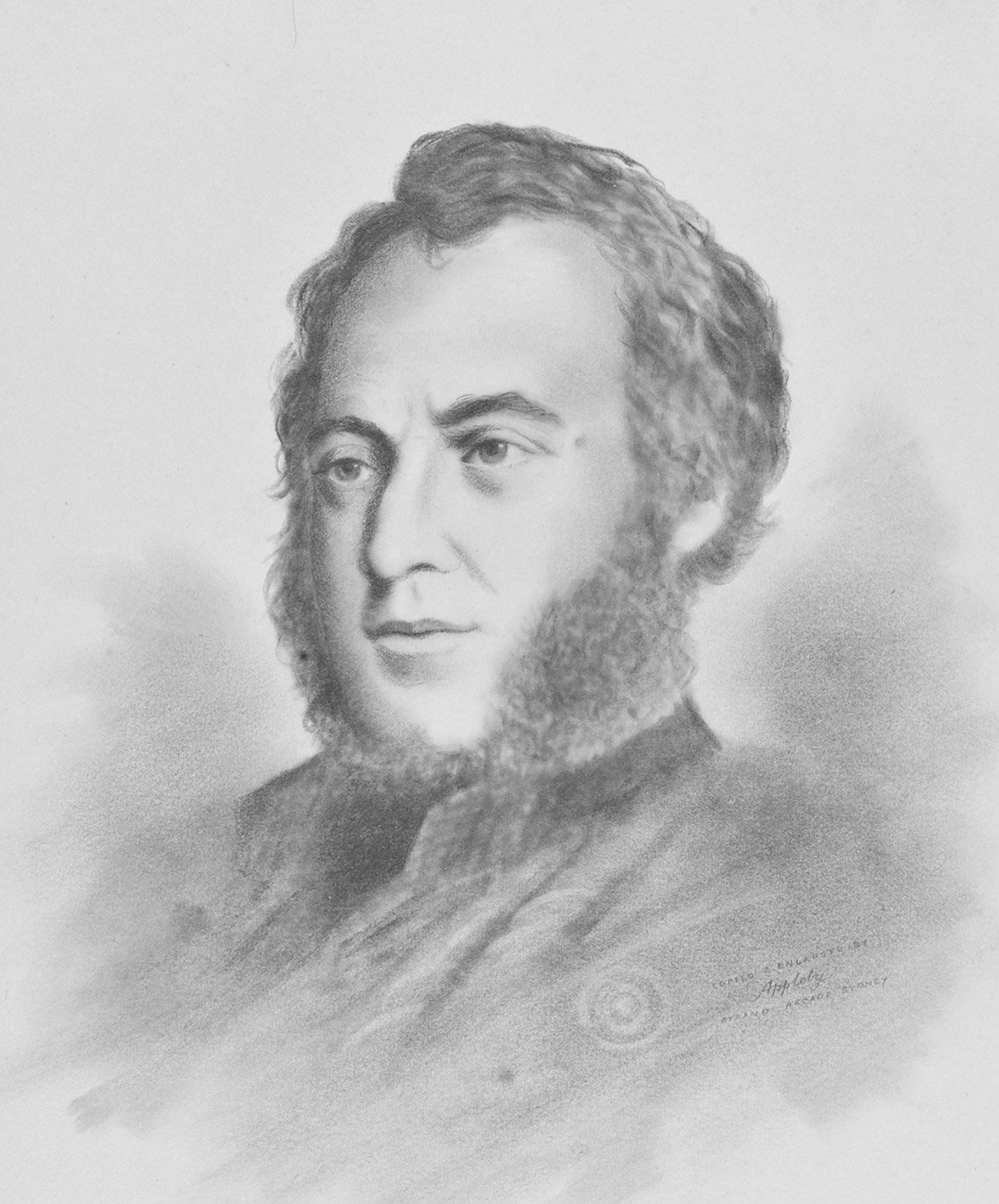
Major Sir Thomas Mitchell
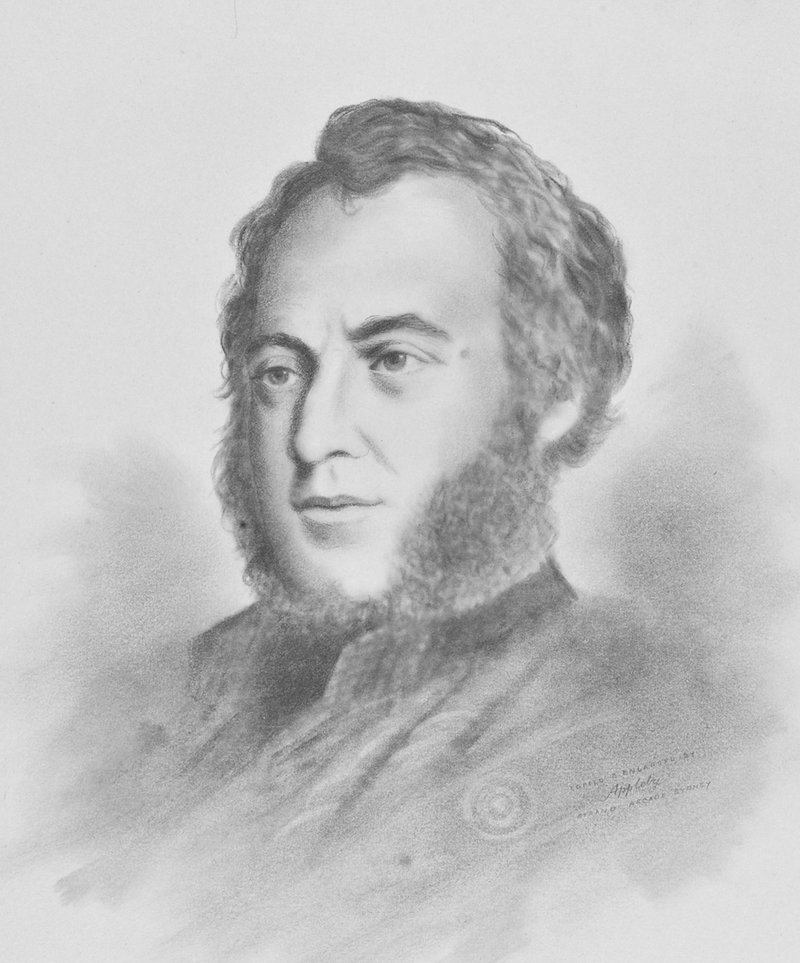 Click to enlarge image
© Image courtesy of the Australian Museum.
Readers note: This is an excerpt from the 200 Treasures exhibition catalogue, developed in 2017. This content was written as a brief biography on why this person was included in the exhibition.
1792 - 1855
Thomas Mitchell mapped vast tracts of Australia, paving the way for the inland expansion of the British colony from the 1830s.
Mitchell was born in Grangemouth, Scotland, and joined the army at age 21. He distinguished himself during the Napoleonic Wars for his surveying skills, particularly in mapping major battlefields on the Iberian Peninsula.
© National Library of Australia
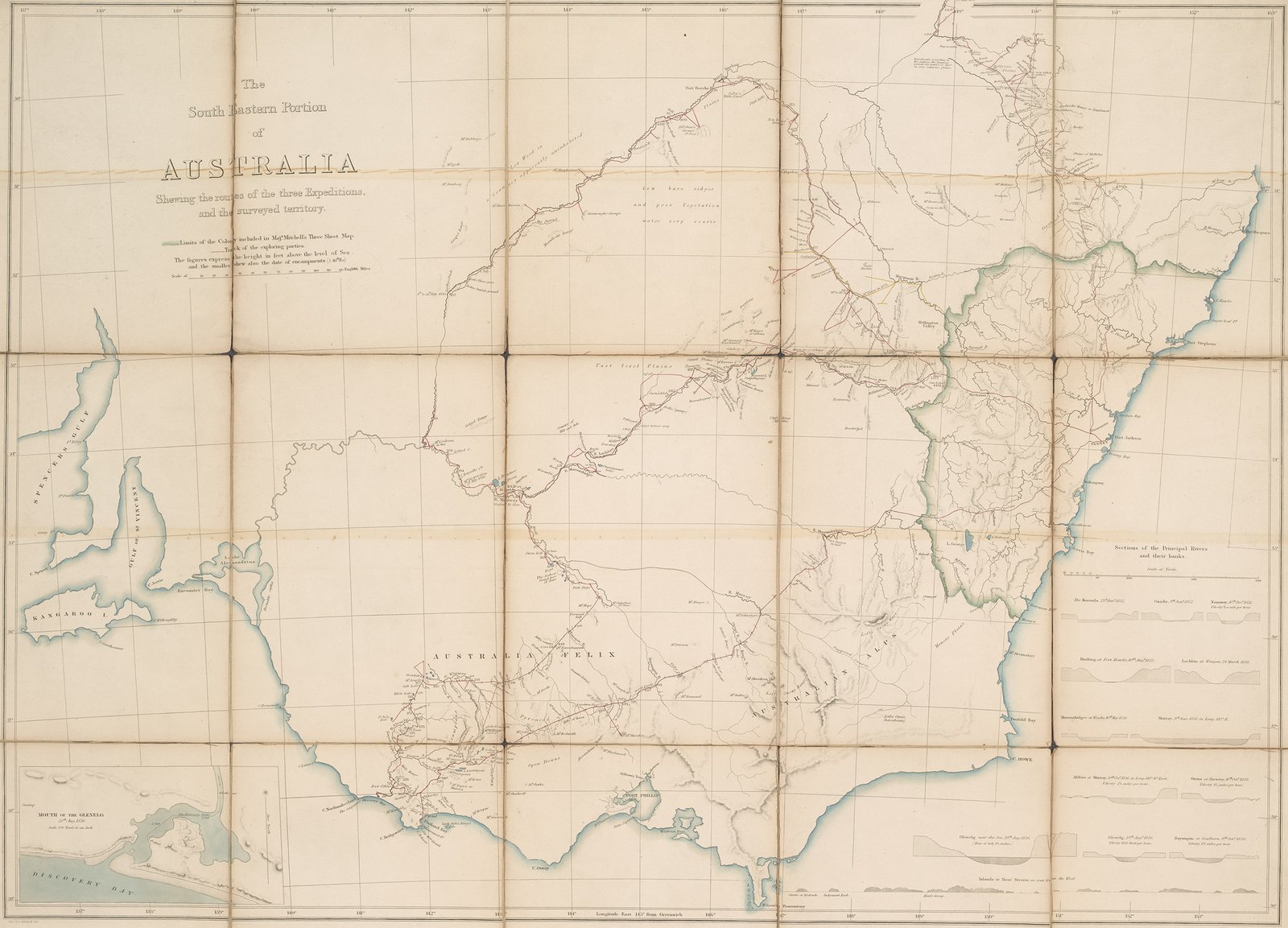
By 1827, with the assistance of a powerful patron, Mitchell was appointed Assistant Surveyor-General of NSW and arrived in the colony on the verge of a period of expansion. Finding the surveying work done to date to be wanting, he set about making a general survey. Upon becoming Surveyor-General in 1828, he assumed responsibility for roads and bridges and quickly gained considerable power in the colony. He sparred with governors from Ralph Darling in 1831 to William Denison in 1855 who bristled at his insubordination. Yet he added invaluable knowledge about lands beyond existing colonial boundaries through a series of expeditions in the 1830s into south- east Australia and in the 1840s into the north. He unravelled the mysteries of river systems and reported on new lands for pastoral expansion, which followed quickly in his wake.
© National Library of Australia

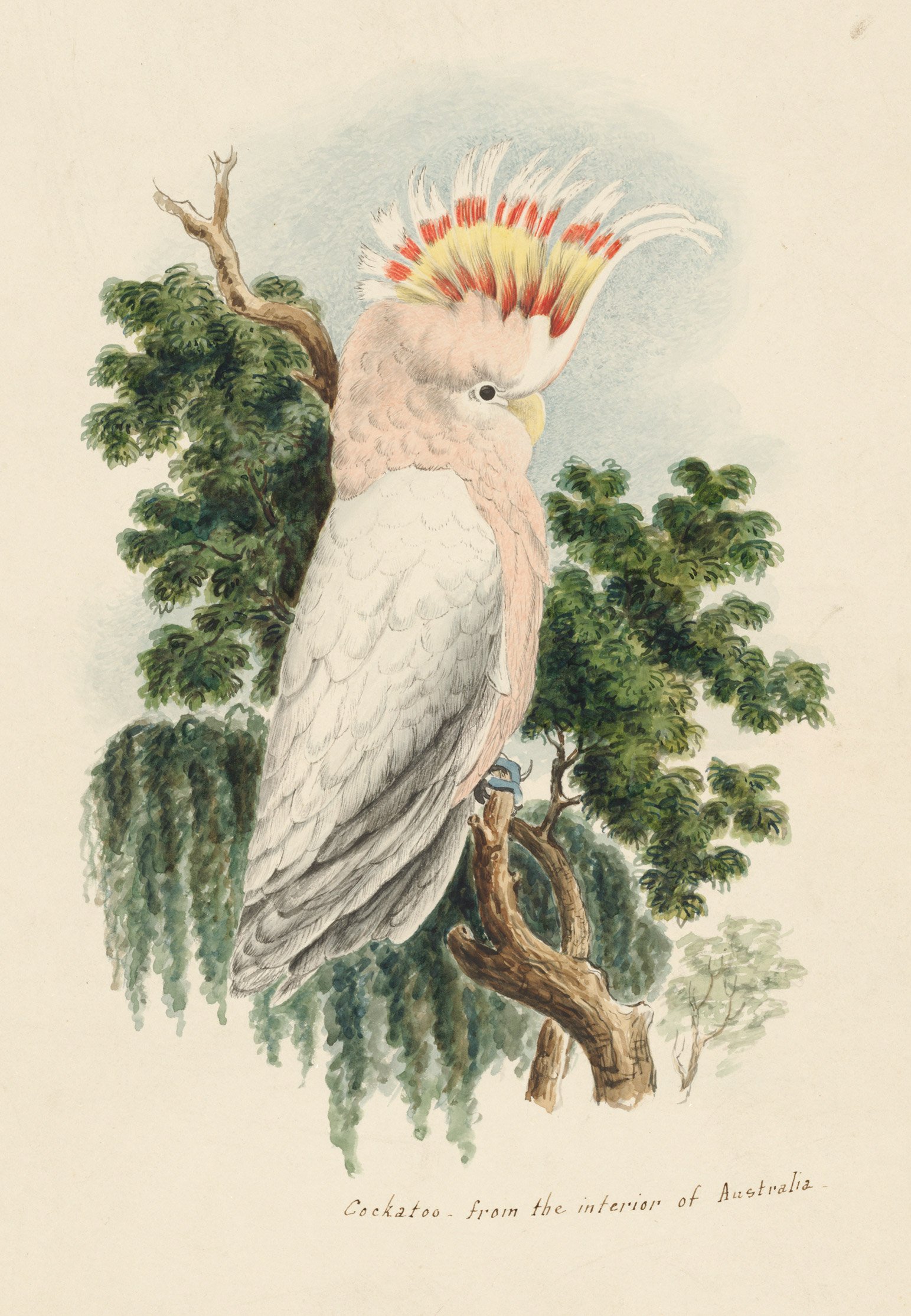
Mitchell acknowledged that his success as an explorer was greatly aided by a number of Aboriginal people who guided him during his extensive journeys. In his absorbing expedition accounts that were published from the late 1830s to the 1840s, Piper, Billy of Kerraway and women Turandurey and Kitty of Lake Carelligo are among those about whom he wrote. Mitchell’s expeditions came at human cost. He had numerous hostile encounters, the most notorious at Mount Dispersion in 1836, which resulted in the deaths of a number of Aboriginal people. On other occasions, members of his expeditionary party were killed in clashes with local people. Mitchell’s difficult personality marred his achievements in the eyes of many of his contemporaries but he was knighted in 1839 and won other accolades.