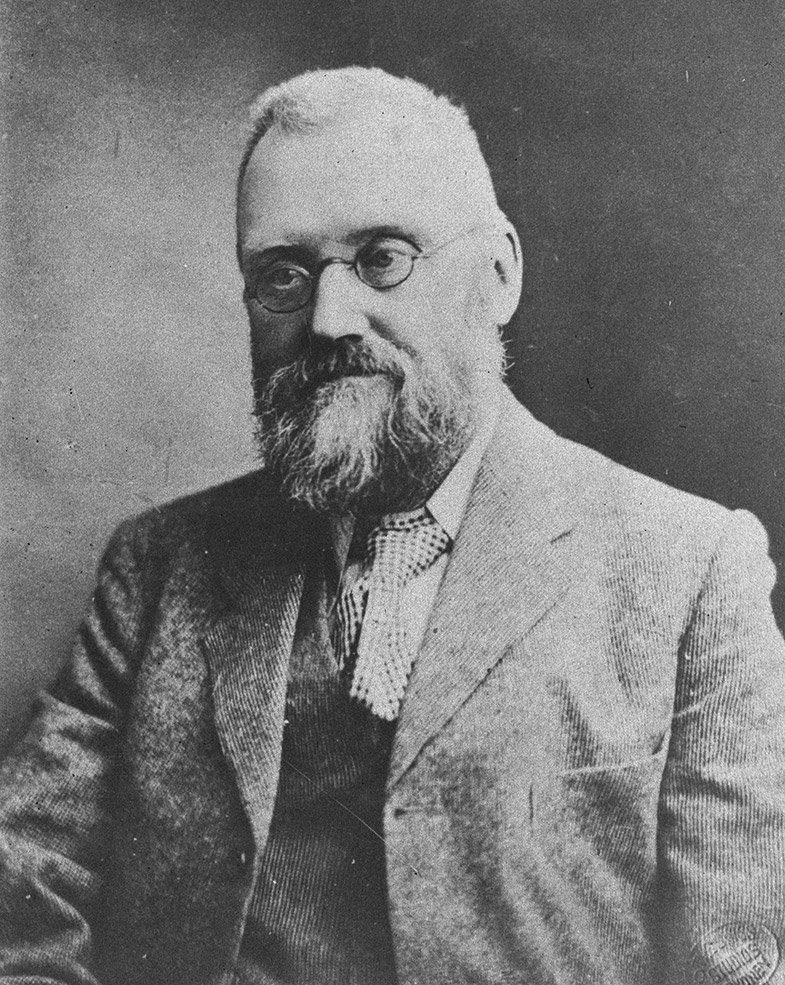
William Farrer
 Click to enlarge image
© State Library of NSW.
Readers note: This is an excerpt from the 200 Treasures exhibition catalogue, developed in 2017. This content was written as a brief biography on why this person was included in the exhibition.
1845 - 1906
William James Farrer transformed the wheat industry in Australia.
He emigrated to Australia from England in 1870 when he was 25, with hopes of becoming a farmer. Unable to do so because of lack of funds, he qualified as a surveyor and joined the NSW Department of Lands in 1875. He worked extensively in western NSW and the Cooma district for 11 years.
Farrer’s great interest was the emerging discipline of agricultural science and he keenly observed the cross-breeding to improve wheat that was being employed in Europe and North America.
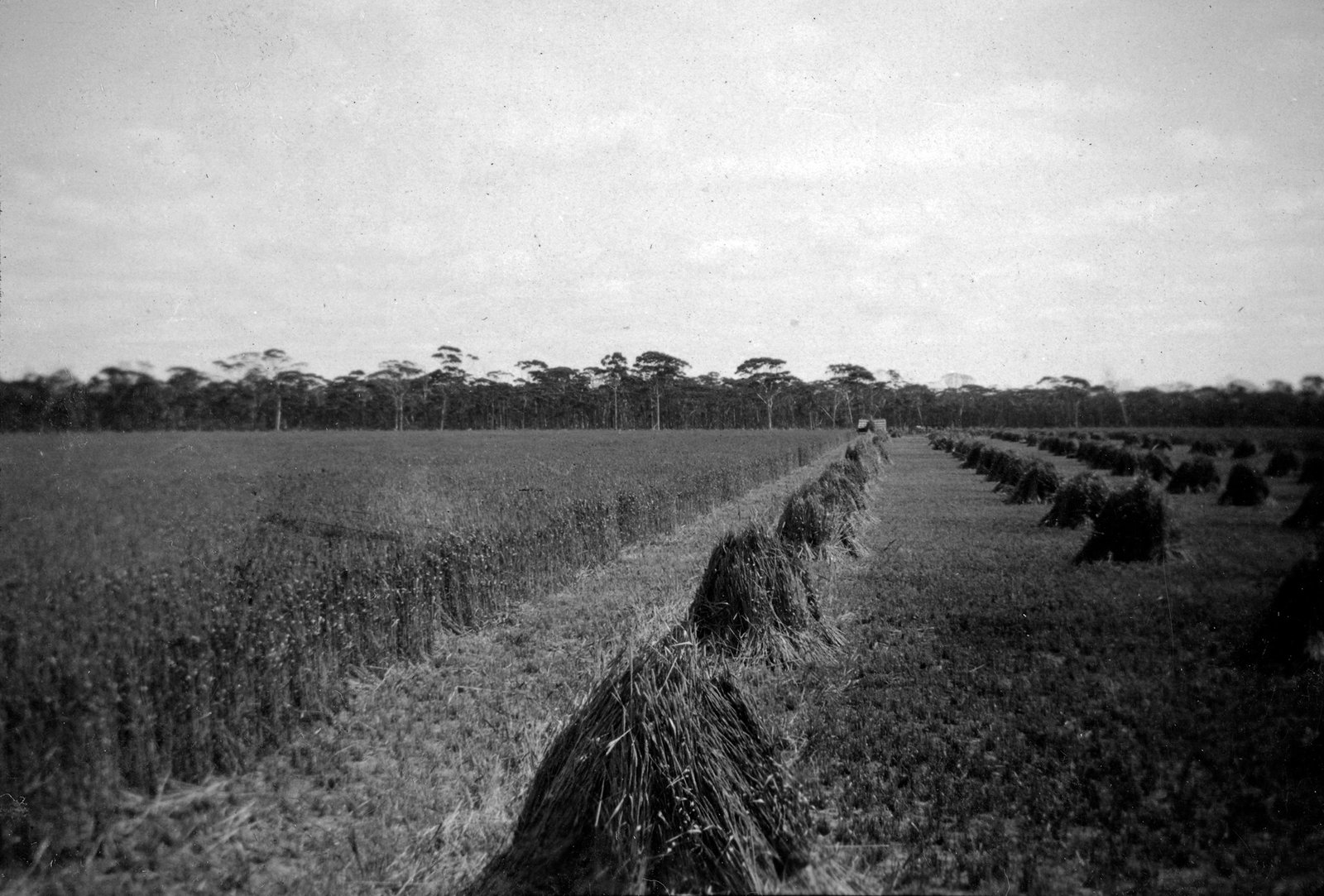
© State Library of Victoria
Upon his resignation from the Department of Lands in 1886, he pursued this science in earnest. The research he conducted from his property near present-day Canberra coincided with some disastrous years for wheat farmers, caused by drought and rust. With the assistance of Fredrick B. Guthrie, an agricultural chemist, Farrer experimented with successful overseas varieties, particularly those from India and Canada, which he thought could be adapted to Australian conditions. Farrer focused on the cultivation and Guthrie on the milling and baking aspects of the experiment. Wheat farmers were at first reluctant to accept different varieties that required alterations to their harvesting methods, but by the mid-1890s, Farrer’s persistence and encouragement paid off in markedly improved yields.
By 1914, 22 of the 29 recommended wheat varieties were Farrer’s, among them Bobs, Yandilla and Comeback. But his most successful was the symbolically named Federation: from 1910 to 1925, it was the leading wheat variety grown in Australia.
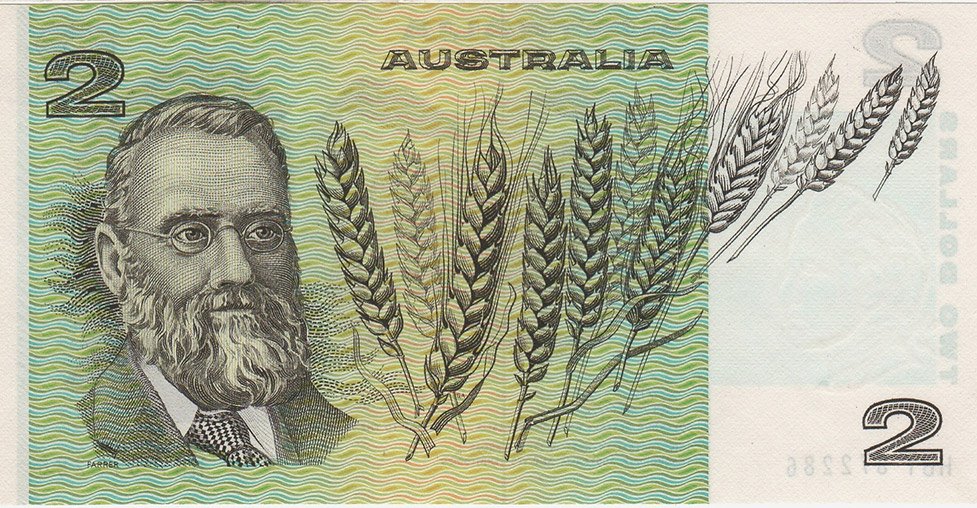
© TBC

Farrer’s work not only improved the quantity and quality of yields – his hardier varieties enabled the wheat-growing area in NSW to increase fourfold between 1897 and 1915. Such was the regard for Farrer and his pioneering work that, among other tributes, the Farrer Memorial Fund was established in 1911 for outstanding service to agricultural science in research, administration and education.