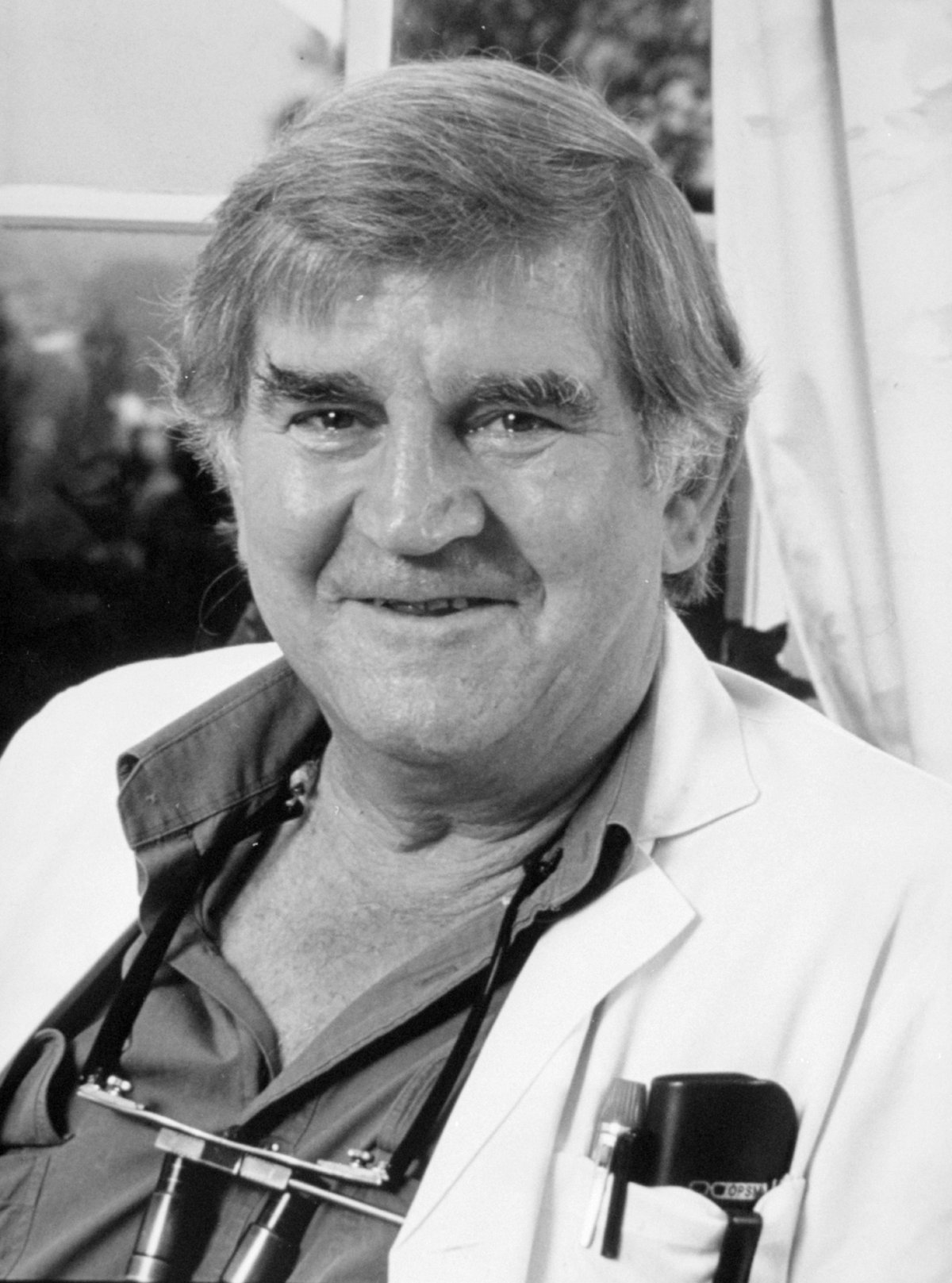
Professor Fred Hollows AC
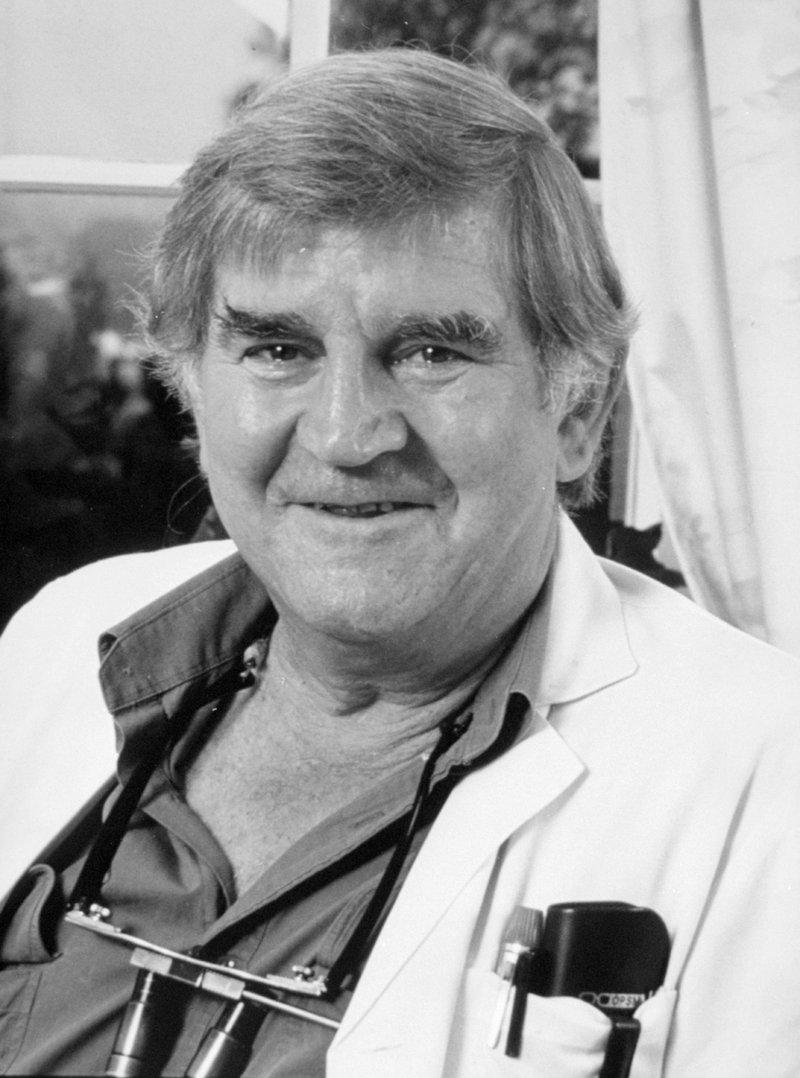 Click to enlarge image
© National Library of Australia.
Readers note: This is an excerpt from the 200 Treasures exhibition catalogue, developed in 2017. This content was written as a brief biography on why this person was included in the exhibition.
1929 - 1993
Fred Hollows is buried in the red earth at Bourke, NSW. So enduring is his fame that his grave has become a pilgrimage site since his death in 1993.
Hollows’s life work as an ophthalmologist was in restoring and protecting the sight of some of the world’s poorest and most neglected people, who, because of their environments and living conditions, were particularly susceptible to avoidable blinding eye conditions.
This Australian legend was a New Zealander, born in Dunedin in 1929. He was deeply influenced by social justice issues as a child, a conviction that profoundly shaped his career. He studied medicine at the University of Otago and ophthalmology in the UK before arriving in Sydney in 1965, where he took up a position at the University of New South Wales, chairing the ophthalmology department until 1992.
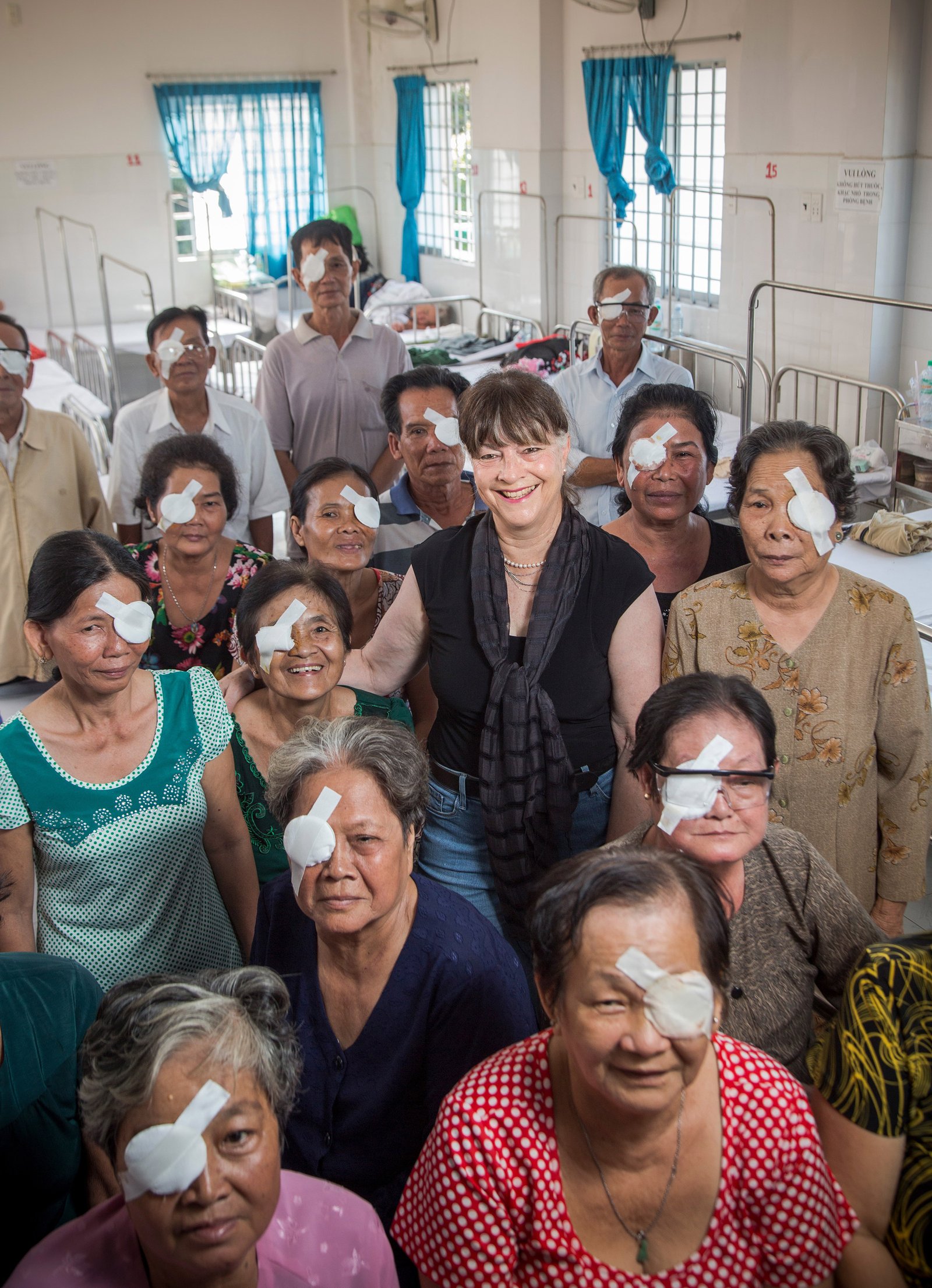
© Courtesy of the Fred Hollows Foundation
In 1968, Hollows attended a Sydney fundraiser for the Gurindji strikers who, two years before, had famously walked off Wave Hill station in the Northern Territory protesting their poor conditions. This is where Hollows connected with the movement’s leader, Vincent Lingiari, on whose eyes he later operated, and became aware of the appalling truth about Indigenous health.
Subsequently, he led teams of doctors into the outback, visiting hundreds of communities where he restored sight and distributed glasses to thousands of people. He, along with his wife Gabi, whom he married in 1980, developed a method for efficient and economical ophthalmology that Hollows then exported to the world. They began with Eritrea and Nepal, where lens factories were established and surgeons were trained, and, when Hollows was dying of cancer, extended this work to Vietnam.
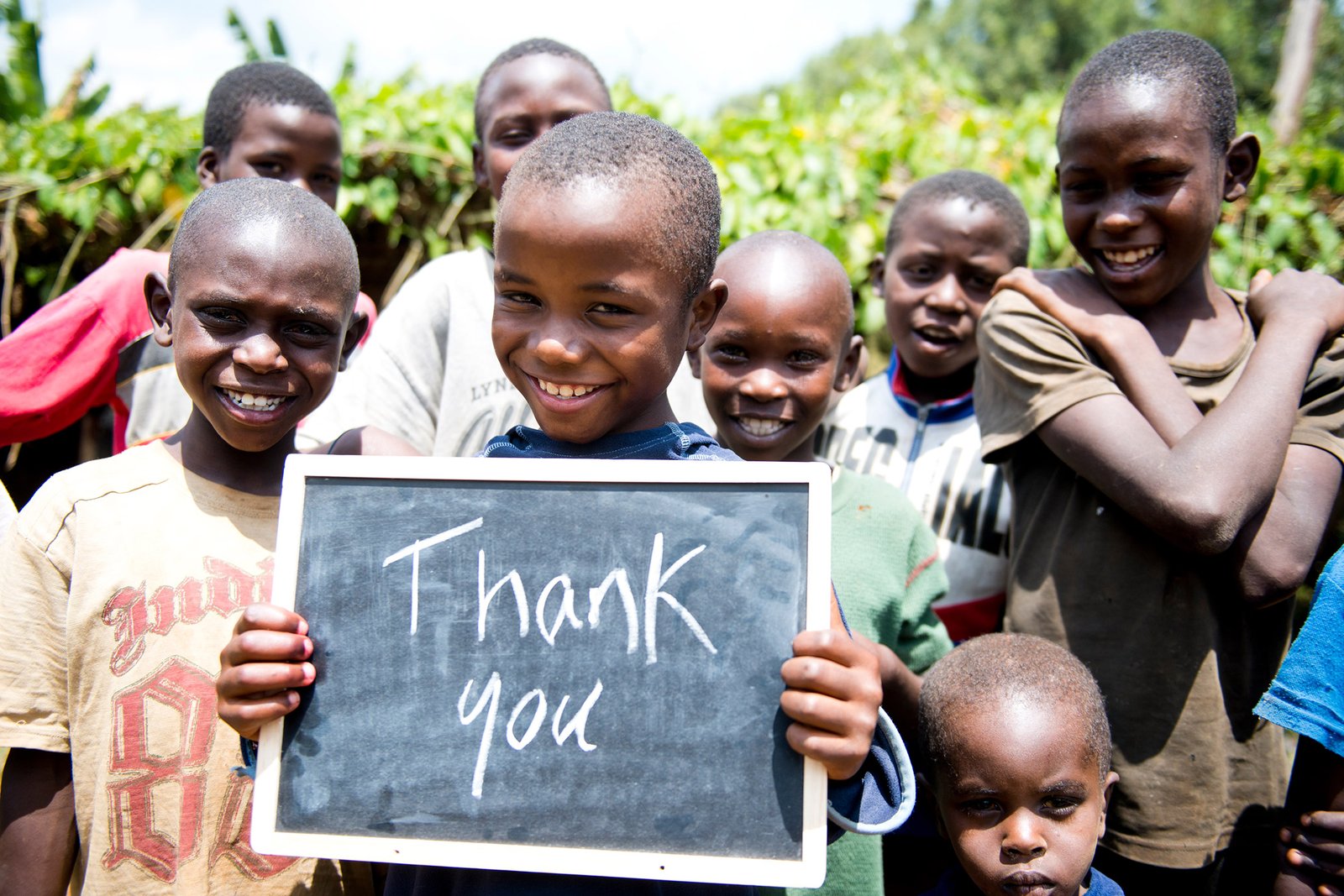
© Courtesy of the Fred Hollows Foundation.

After his death, Gabi established the Fred Hollows Foundation, which now operates in 25 of the world’s poorest countries. It is estimated that the sight of two million people has been restored because of this work.