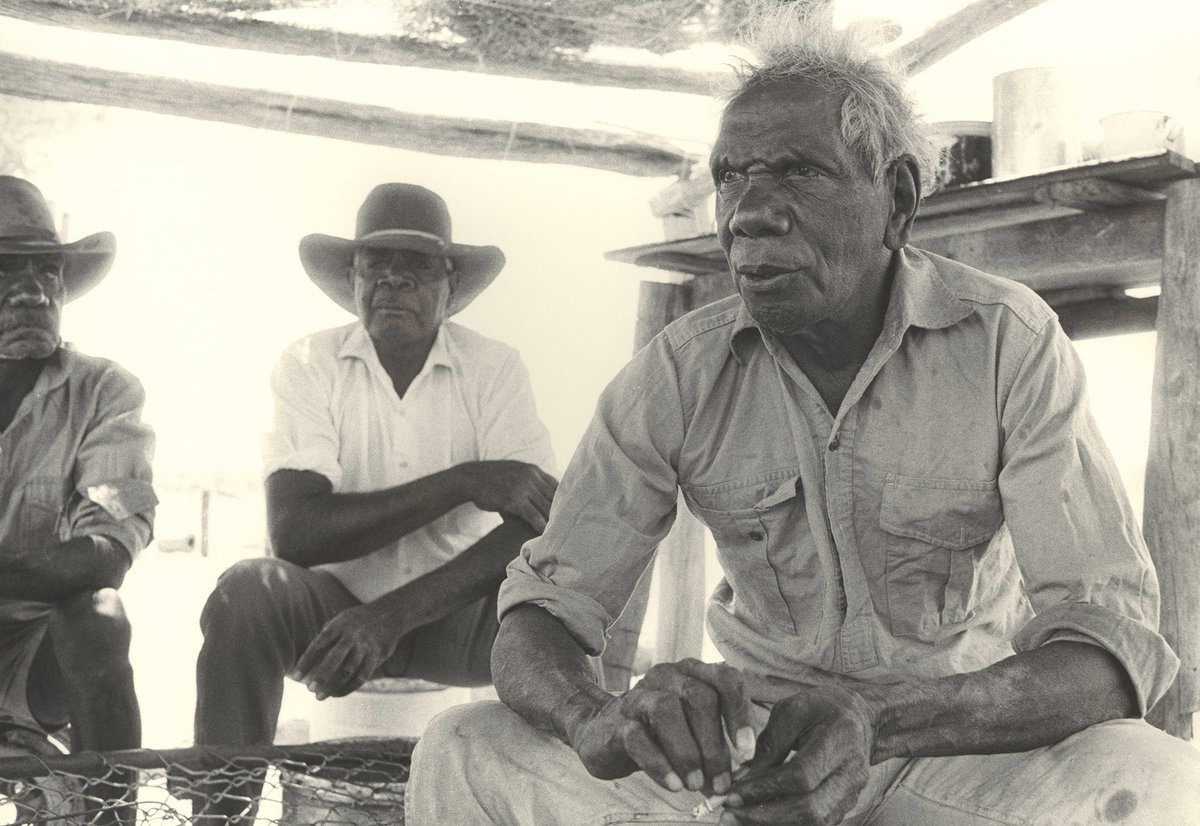
Vincent Lingiari
 Click to enlarge image
© National Library of Australia
Readers note: This is an excerpt from the 200 Treasures exhibition catalogue, developed in 2017. This content was written as a brief biography on why this person was included in the exhibition.
1919 - 1988
Vincent Lingiari led a strike on a Northern Territory cattle station in 1966 and ended up changing Australian history.
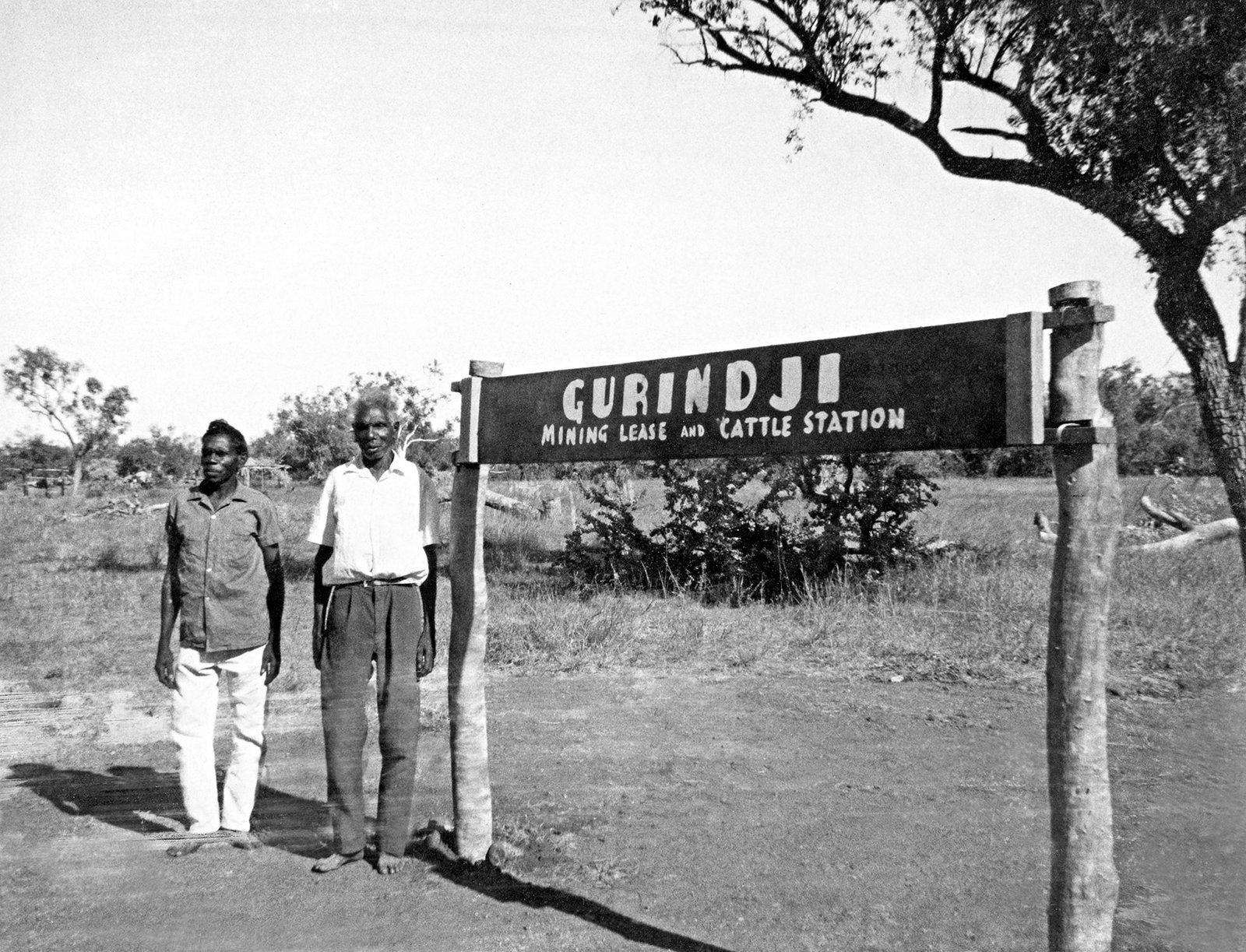
Lingiari was born to the Gurindji people in 1919. His parents, like many other Gurindji, worked on Wave Hill station, which sprawled over 9065 km2 of Gurindji land. Aged 12, Lingiari also joined the ranks of stock workers, but it was to be 22 years before he saw a cash payment, coming in the form of £5 of ‘pocket money’ for a day at the races. Lingiari’s awareness of the slavery conditions he and other Gurindji endured was heightened in the 1960s.
© National Archive of Australia
Aboriginal rights and workers’ rights movements coalesced for Lingiari, and on 23 August 1966 he lead a strike of 200 stock workers and their families, demanding better pay, rations and protection of Aboriginal women. Lasting nine years, it became the longest strike in Australian history. Outside support was vital, and Lingiari worked with southern unions to publicise the Gurindji story and to raise funds. At a 1968 fundraiser in Sydney, he came into contact with ophthalmologist Fred Hollows (and subsequently underwent eye surgery at Hollows’s invitation). It was an encounter that triggered Hollows’s immensely important ophthalmological work with Indigenous communities.
© National Archive of Australia

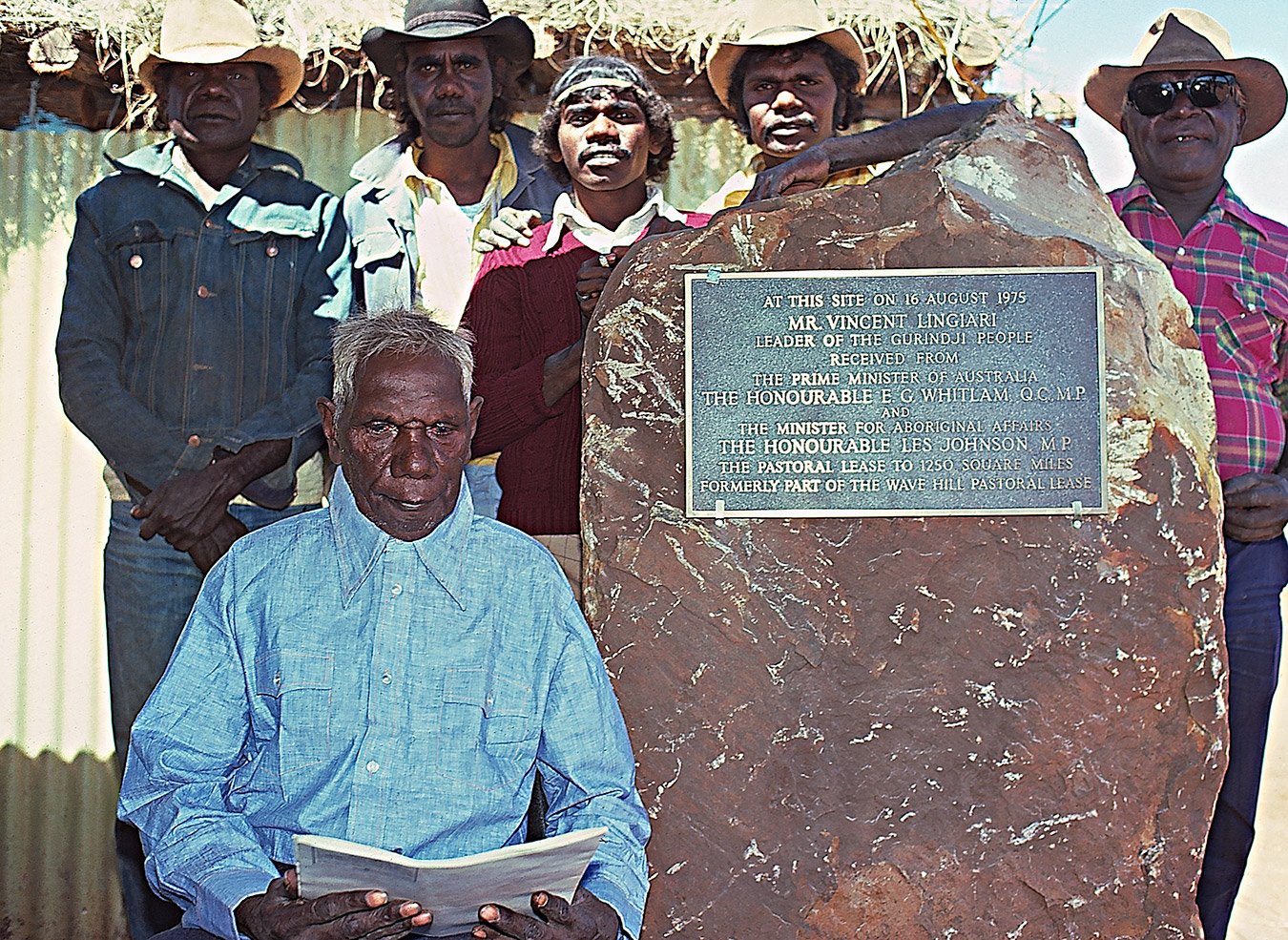
Lingiari’s most famous encounter, however, was with Prime Minister Gough Whitlam on 16 August 1975. Whitlam viewed Australia’s treatment of its Indigenous peoples as a national disgrace and set about redressing the situation when elected in 1972. His government finally brought the Gurindji strike to an end when, on 16 August 1975, he poured soil into Lingiari’s hand, symbolising the return of lands to traditional owners. The strike was a catalyst for the Aboriginal Land Rights (Northern Territory) Act of 1976. Lingiari’s story is immortalised in the 1991 song From Little Things Big Things Grow, written by Kev Carmody and Paul Kelly. Lingiari died on 21 January 1988, five days before the Bicentennial celebrations, which, once again, threw uncomfortable light on Australia’s race relations.