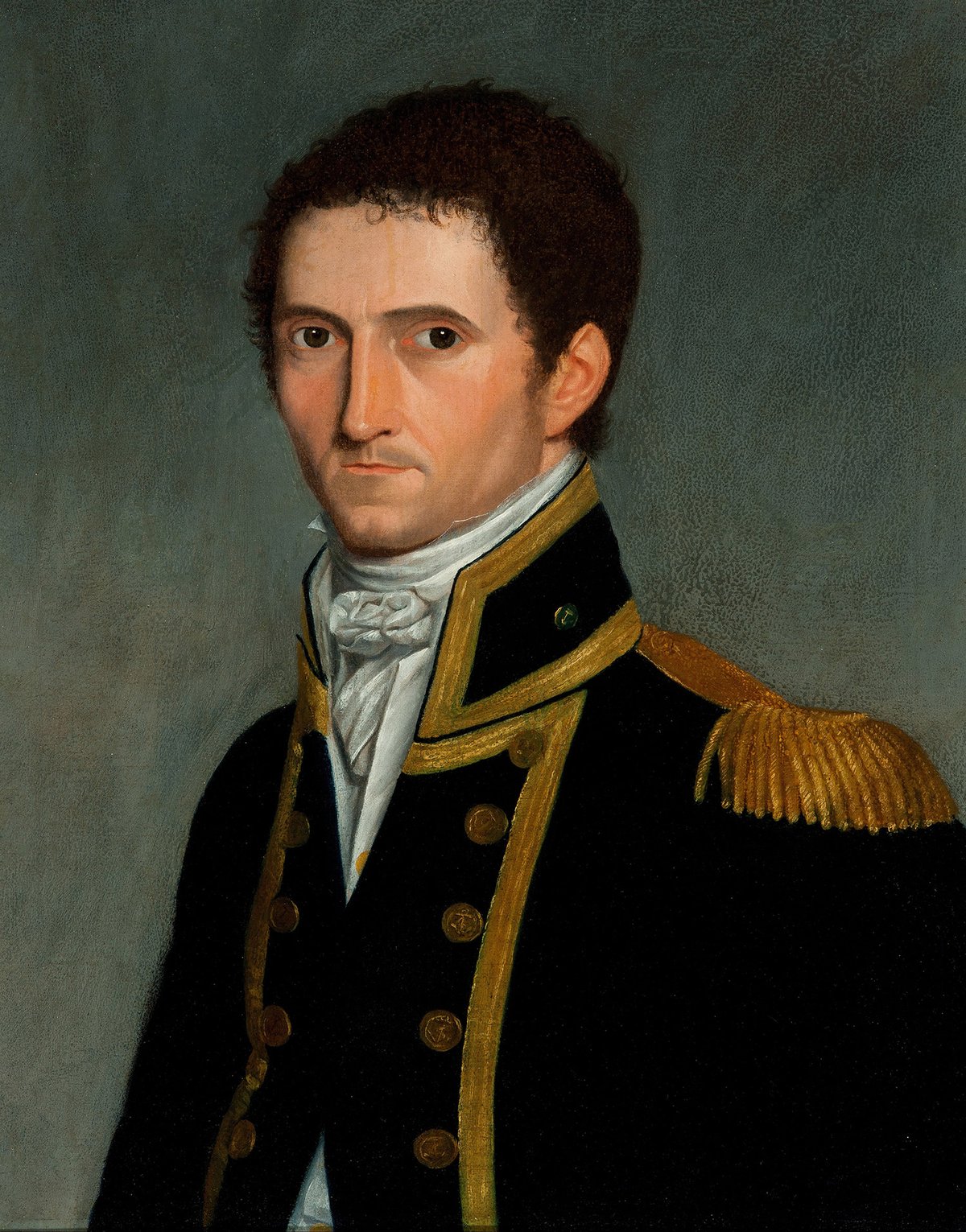
Captain Matthew Flinders RN
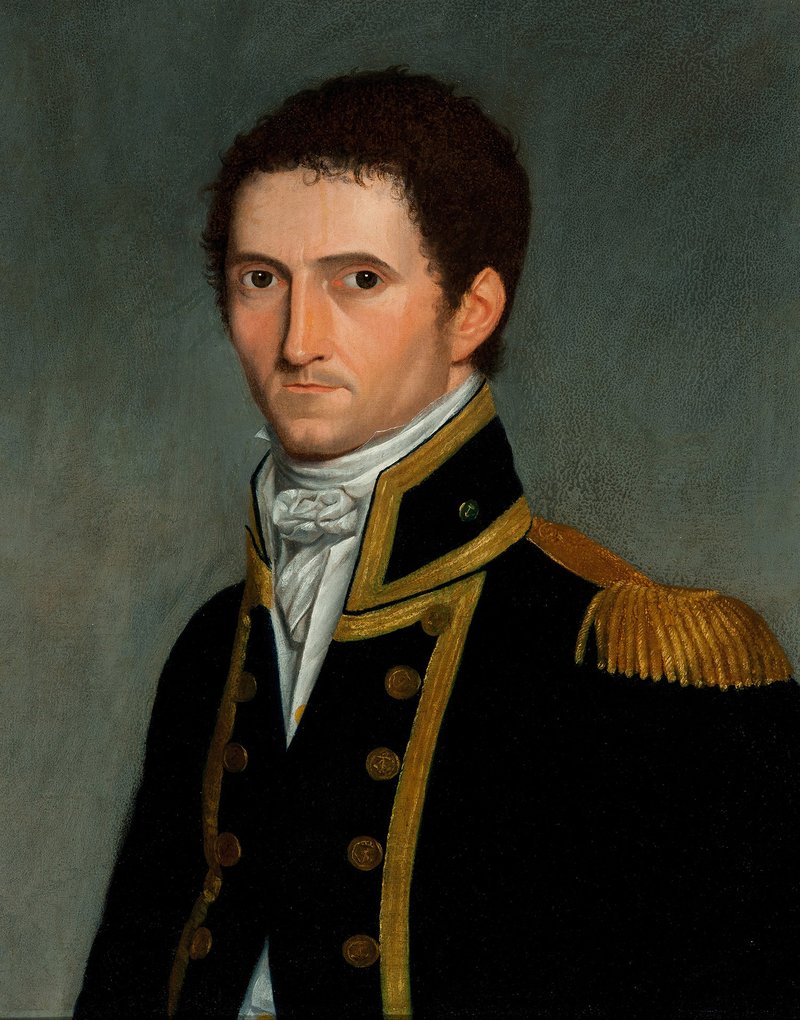 Click to enlarge image
© Public domain
Readers note: This is an excerpt from the 200 Treasures exhibition catalogue, developed in 2017. This content was written as a brief biography on why this person was included in the exhibition.
1774 - 1814
Before Matthew Flinders, the map of Australia was like a puzzle, a patchwork of information compiled from numerous explorers with many large blank pieces. Flinders conducted the first circumnavigation of the continent and completed the map of what he called ‘Australia’.
Born in England in 1774, Flinders entered the navy aged 15, served under William Bligh on the 1791 Pandora voyage to Tahiti and fought against the French in the 1794 naval battle, the Glorious First of June. In 1795, Flinders sailed to Australia and carried out vital coastal survey work. In 1798, he and George Bass, a British naval surgeon and explorer, circumnavigated Tasmania (then known as Van Diemen’s Land), proving it was separate from mainland Australia. Flinders returned to England briefly, where he was promoted to commander of HMS Investigator, with instructions to explore the southern coastline of Australia. He reached Cape Leeuwin, southern Western Australia, late in 1801 and set about mapping Australia’s uncharted southern coast. His precise, detailed maps were the result of his painstaking methodical practices. The Investigator was resupplied and refitted in Sydney in May 1802, before Flinders began his circumnavigation of the continent, accompanied by an Aboriginal translator, Bungaree.
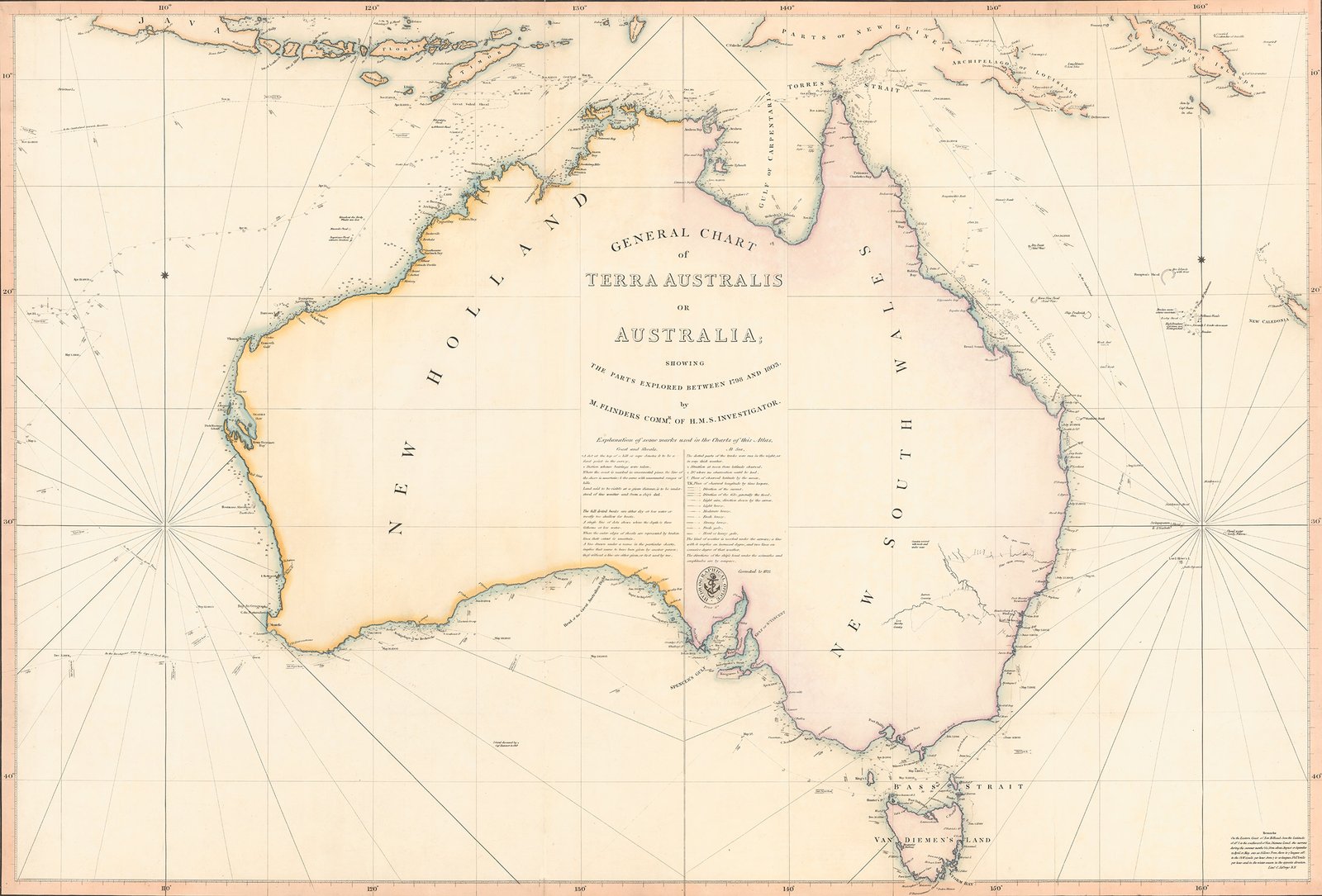
© National Library of Australia

By the time they reached the Gulf of Carpentaria, the vessel was leaking badly. Flinders abandoned the charting work, but continued the circumnavigation to Sydney, limping back into port in June 1803. He hoped to return to England on the HMS Porpoise to procure another vessel to finish his work, but the ship struck a reef and sank. Flinders then expertly sailed her cutter 700 miles back to Sydney, arranged for the rescue of his wrecked shipmates, and set sail for England in another leaky boat, the Cumberland. He berthed in Mauritius for repairs, unaware that war had erupted between France and Britain. Flinders was imprisoned by the French governor for six years. Upon his return to England in 1810, Flinders completed his prodigious work, A Voyage to Terra Australis, which was published on 18 July 1814, the day before he died.