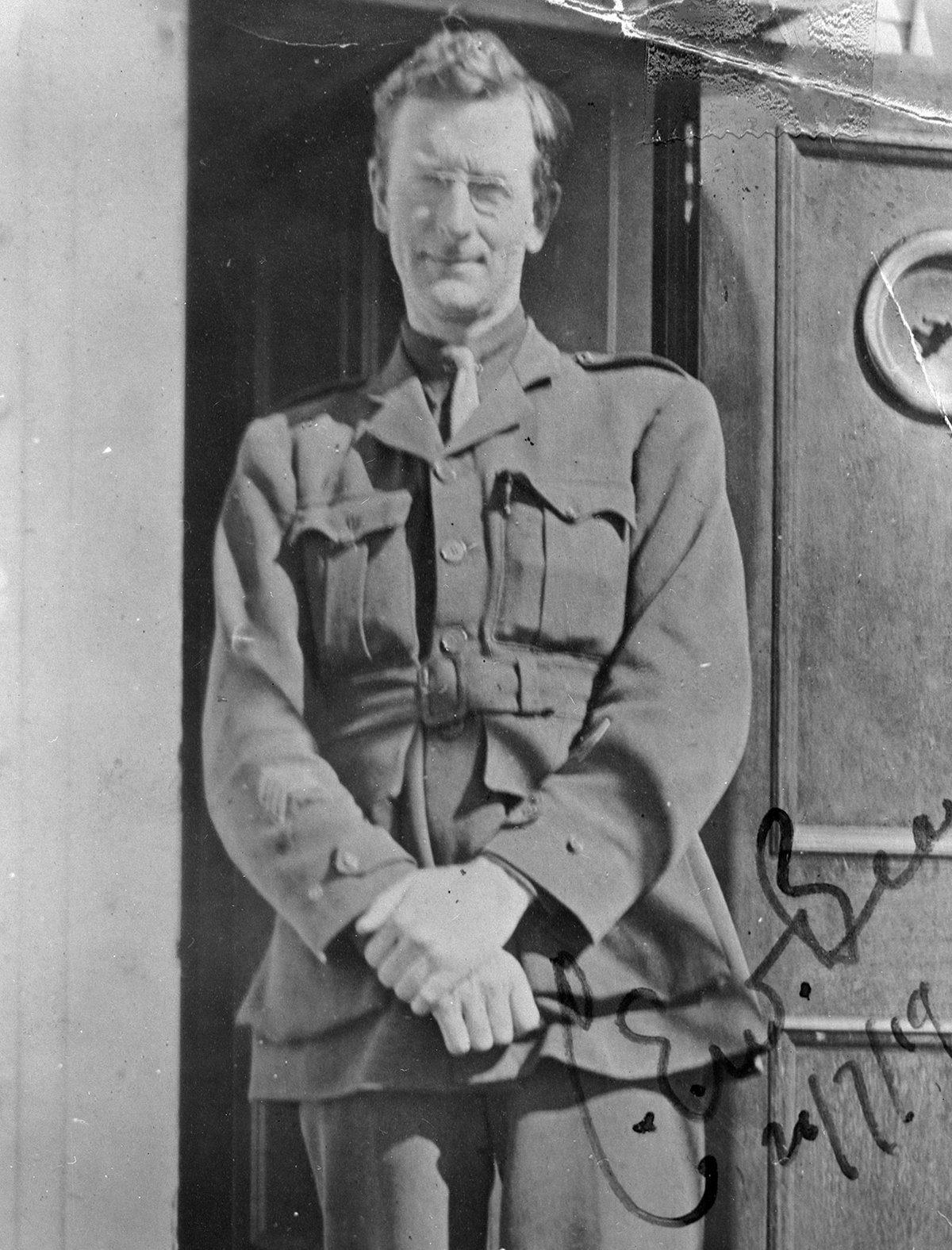
Charles Bean
 Click to enlarge image
© National Library of Australia
Readers note: This is an excerpt from the 200 Treasures exhibition catalogue, developed in 2017. This content was written as a brief biography on why this person was included in the exhibition.
1879 - 1968
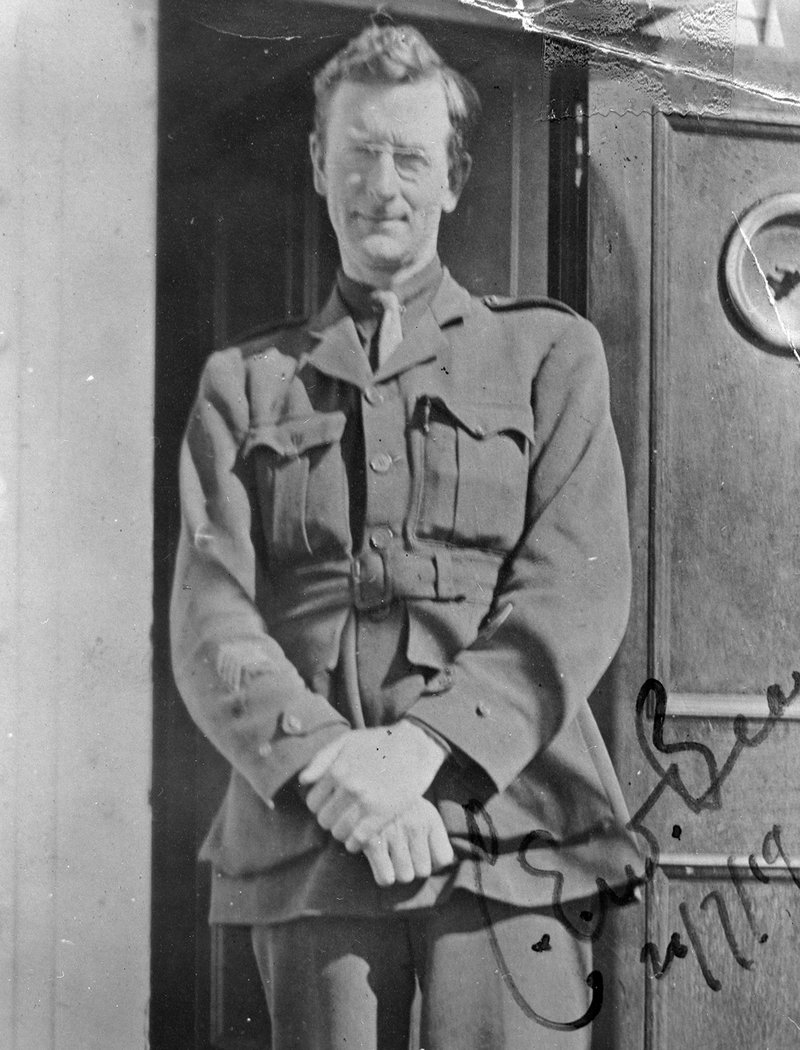
Charles Edwin Woodrow Bean was the architect of the ANZAC myth, the notion that Australian manhood was first blooded, came of age and was defined by the Gallipoli campaign of 1915. Bean was Australia’s official correspondent in World War I and at the war’s end became Australia’s greatest historian of that conflict.
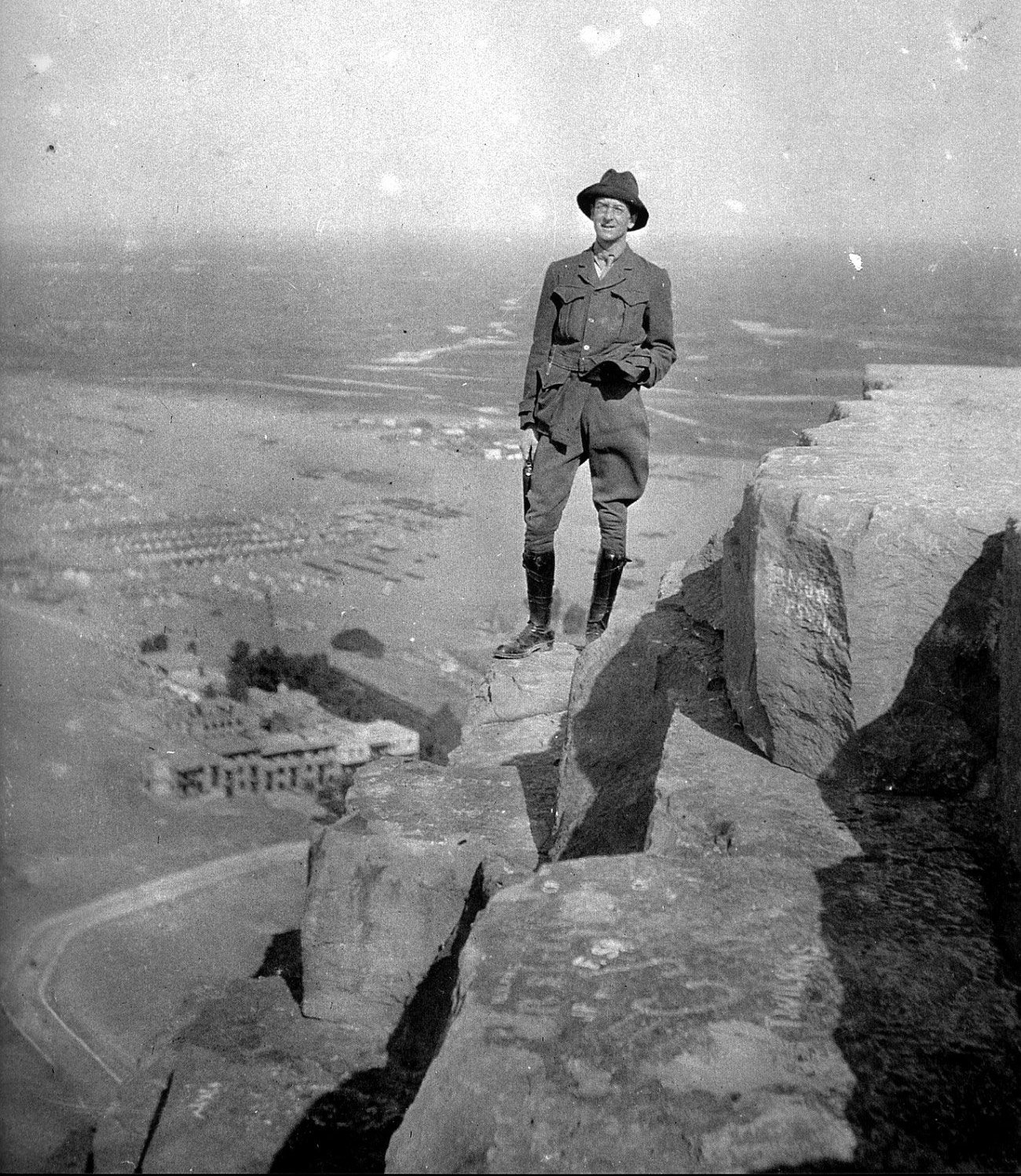
Bean was born in Bathurst, NSW, in 1879 but at age ten his family returned to England where Charles was schooled before he entered Oxford University. Here he read classics, with a particular love of history, and studied the law.
© Public domain
Upon graduation he returned to Australia and was admitted to the Sydney Bar in 1904. Bean began publishing newspaper articles and soon preferred writing to the law. He became part of the cultural nationalist movement, that cohort of writers, poets and artists dominating Australian cultural life at the time. Bean shared this movement’s great admiration for the Australian bushman’s physical prowess and his ethos of mateship. Long exposure to England prompted him to see the Australian bushman as the exemplar of the British race, a theme he furthered once he observed the heroic efforts of Australia’s citizen soldiers from 1915.
© Australian War Memorial

Bean’s articles from Gallipoli (he remained there for the entire eight-month campaign) and then the Western Front charged the ANZAC myth with such life that it remains the centrepiece of Australian national mythology.
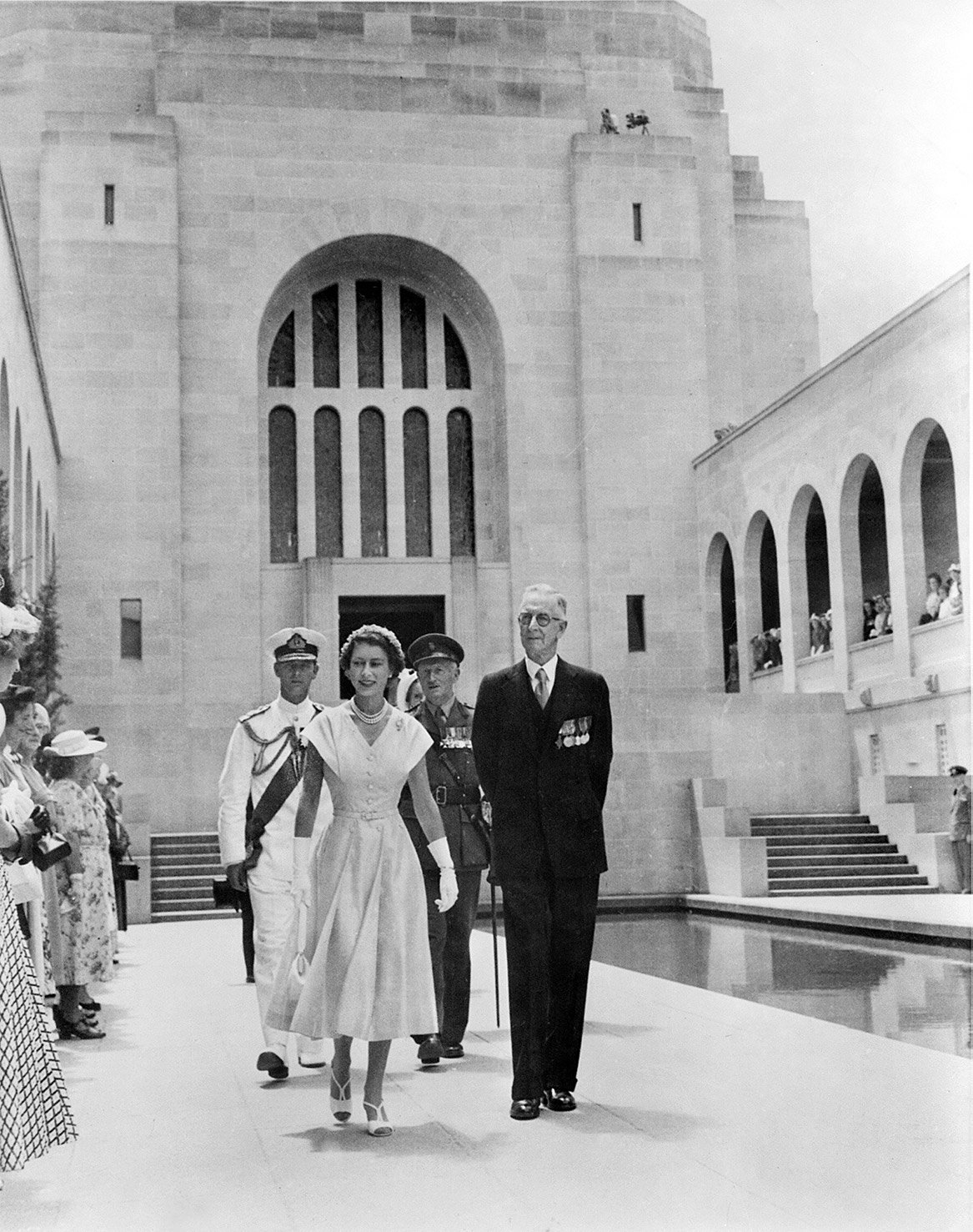
At the war’s end, Bean turned to the laborious task of chronicling Australia’s war. He did this through numerous publications that culminated in the multi-volume Official History of Australia in the War of 1914–1918. Bean was also at the centre of other efforts to memorialise the war, culminating in the building of the Australian War Memorial in the new capital of Canberra – another of Bean’s crowning achievements.