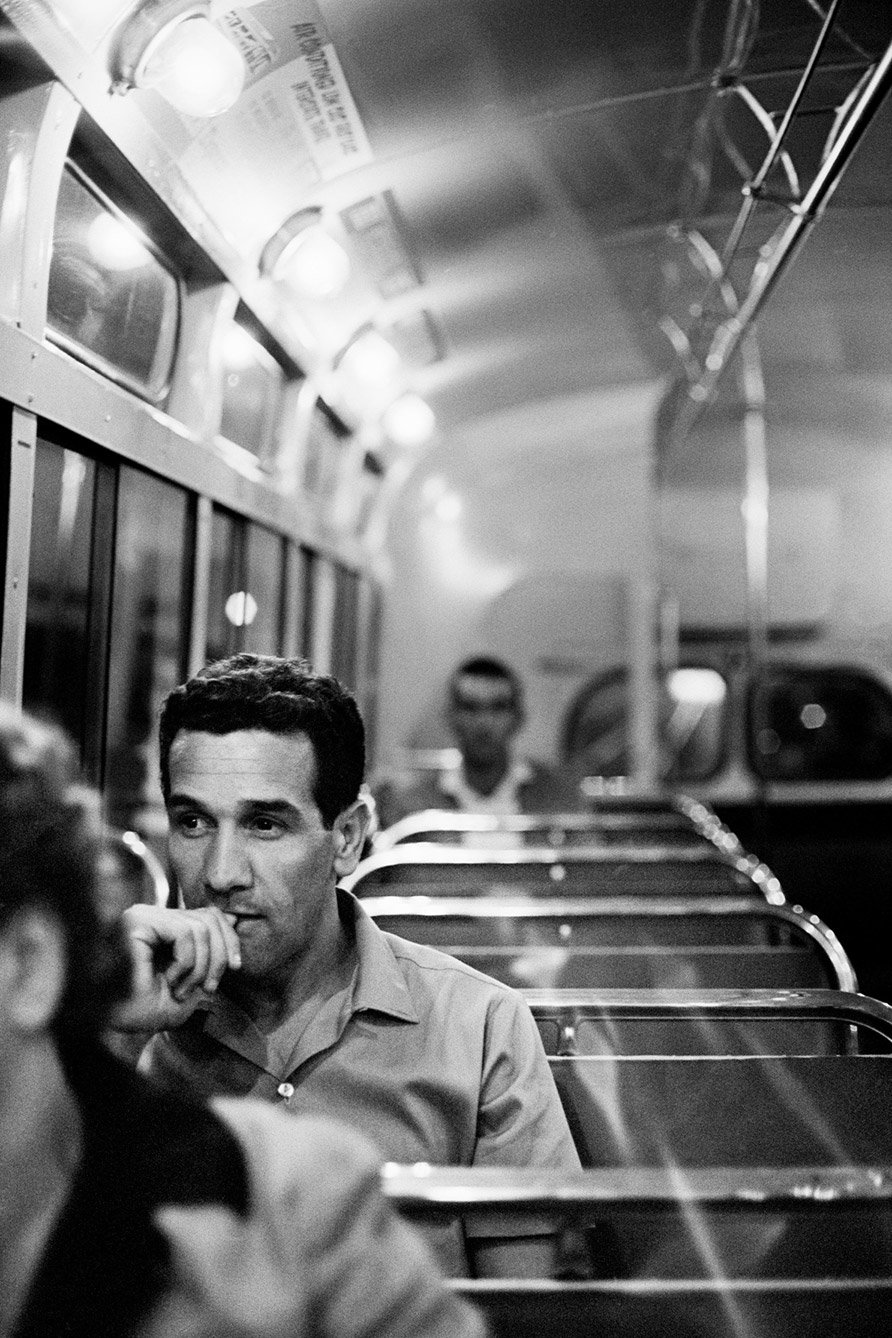
Charles Perkins AO
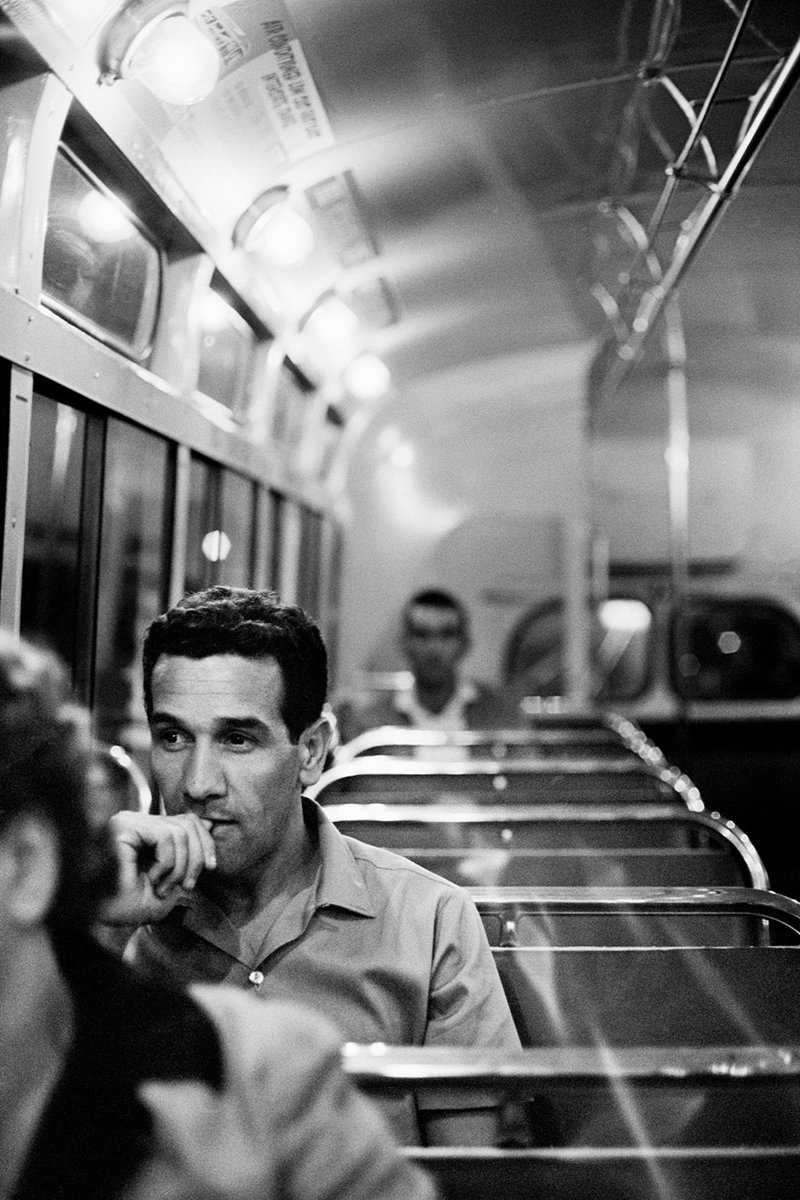 Click to enlarge image
© Robert McFarlane
Readers note: This is an excerpt from the 200 Treasures exhibition catalogue, developed in 2017. This content was written as a brief biography on why this person was included in the exhibition.
1963? - 2000
Charles (Charlie) Perkins was born on a table in the ‘old’ Alice Springs telegraph station in 1936 or 1937. He was born to the Arrernte people and would become a leader of the Indigenous Rights movement from the 1960s.
Perkins was profoundly shaped by the racial discrimination he experienced as a youth in the ‘new’ Alice Springs, which was a white town that Aboriginal children could only visit on Saturday nights, and adults only for work and in daylight hours. His family’s poverty was scarring, as was the history of brutality, racial prejudice and mistreatment meted out to his community.
In 1945, he moved to an Anglican hostel in Adelaide to further his schooling. Struggling in the new institutional environment, his great consolation was sport. Soccer was his game and, by the age of 21, he was one of the highest- paid players in South Australia. Sport was also his ticket to experience life beyond the racist world he knew. He left Australia to play club soccer in the UK in 1957, deploying his considerable talent for Wigan, Greater Manchester, and working in the coal mines.
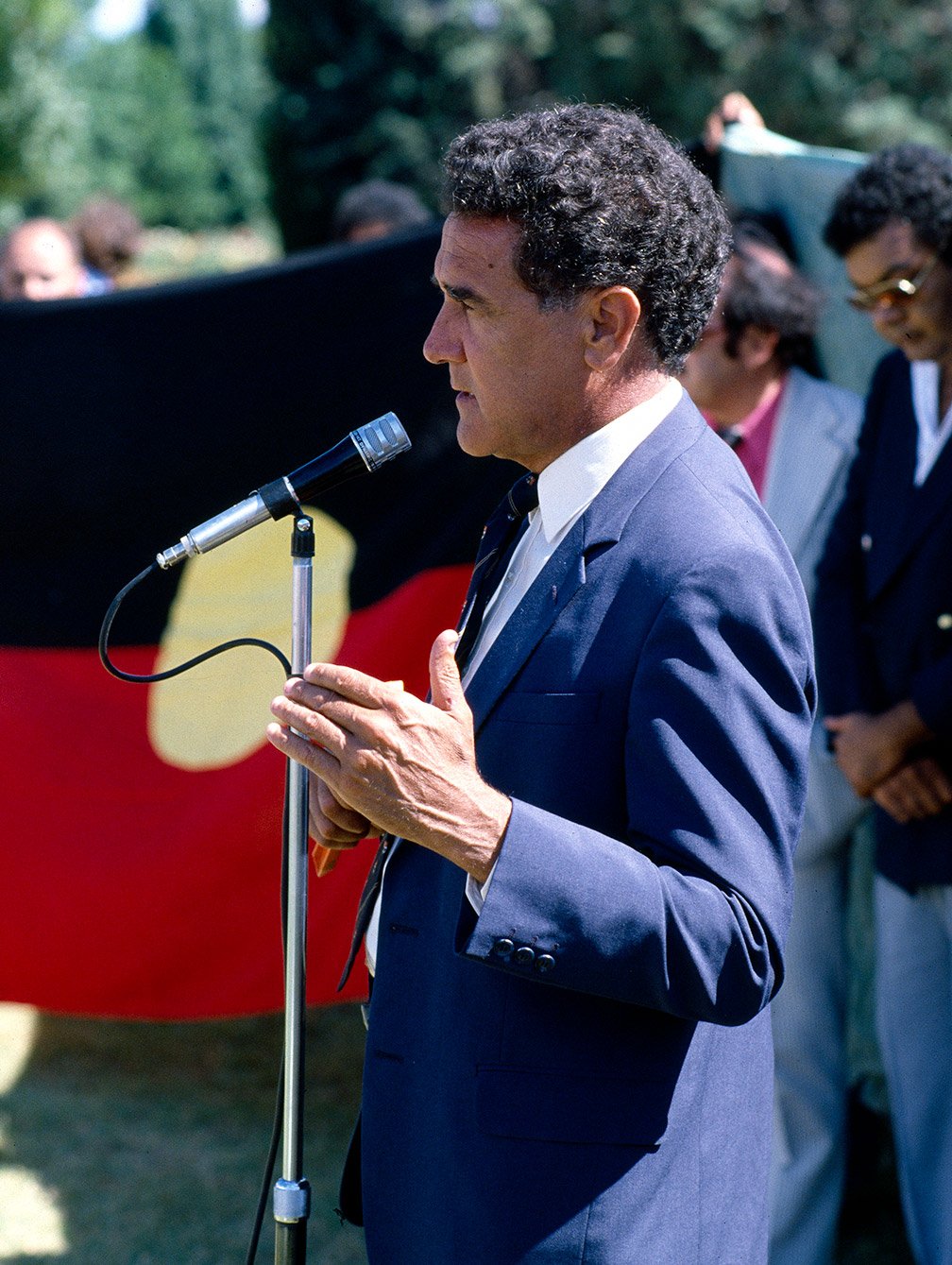
© National Archives of Australia
He returned to Australia a changed man. He moved to Sydney with his new wife, Eileen, and enrolled in an arts degree at the University of Sydney. In 1966, he became the first Aboriginal Australian to graduate from university. While there, he was drawn into the political ferment that was shining a light on race relations.

Inspired by the Civil Rights movement in the United States, in 1965, Perkins led the Freedom Ride to small country towns in NSW, such as Moree and Walgett. The aim was to expose the living, education and health conditions and racial prejudice in these areas. As the protest gained widespread media attention, the fiery and uncompromising Perkins was propelled to the forefront of Indigenous politics. He affected change predominantly through the federal bureaucratic positions he occupied and oversaw the shift to Aboriginal people themselves – rather than the white officials – making decisions concerning Indigenous policy. This and other policy gains from the early 1970s owe much to his tenacity.