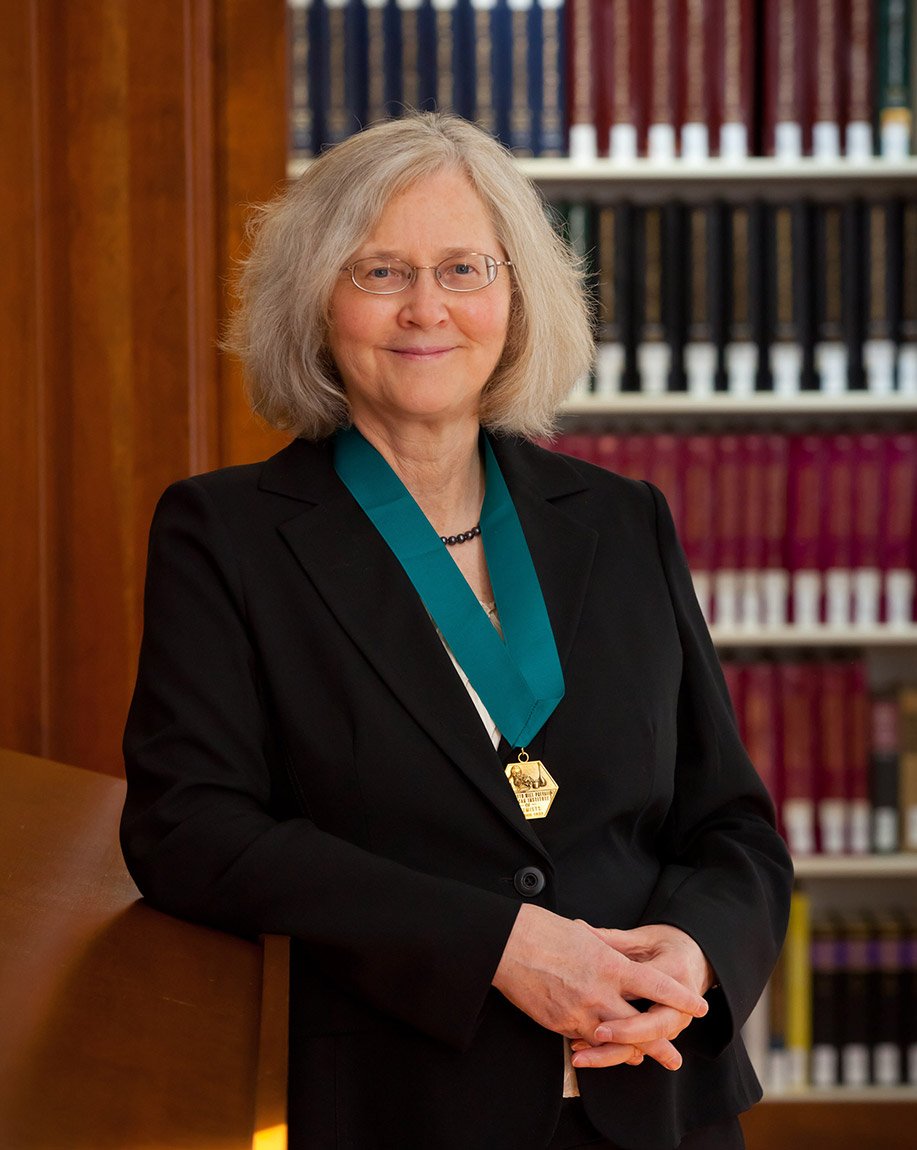
Professor Elizabeth Blackburn AC, FRS, FAA, FRSN
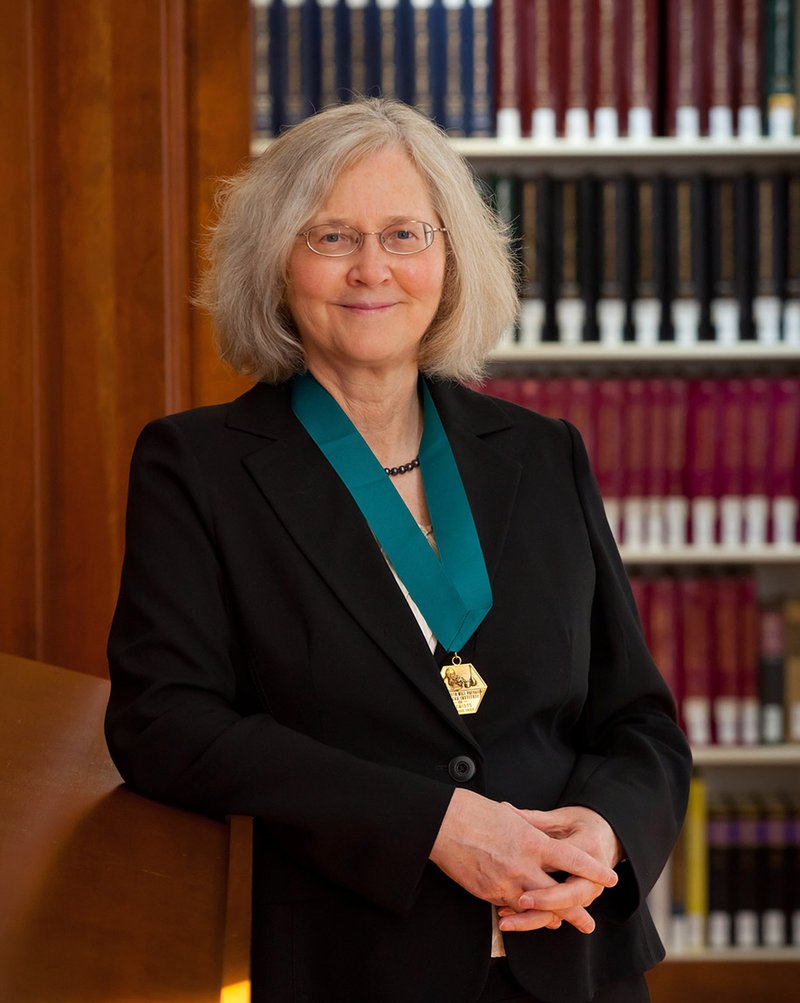 Click to enlarge image
© Courtesy of the Chemical Heritage Foundation
Readers note: This is an excerpt from the 200 Treasures exhibition catalogue, developed in 2017. This content was written as a brief biography on why this person was included in the exhibition.
1948 - present
Professor Elizabeth Blackburn was born in Hobart, Tasmania, in 1948 to a family fascinated by science. In her life she would push the frontiers of scientific knowledge.
Blackburn developed a love of biochemical research at the University of Melbourne, where she received a bachelor’s and a master’s degree in biochemistry. Her PhD, from the University of Cambridge, England, was in molecular biology. Blackburn undertook postdoctoral work at Yale University in the USA from 1975 to 1977, and joined the faculty of the University of California, Berkeley, in 1978, in the department of molecular biology. She transferred to the department of microbiology and immunology at the University of California, San Francisco, in 1990, which served as her base for the most distinguished period of her career. Blackburn’s groundbreaking research focused on unlocking the mysteries of DNA, particularly the genetic composition and function of telomeres (segments of DNA occurring at the ends of chromosomes), and her work contributed to the discovery of an enzyme called telomerase.
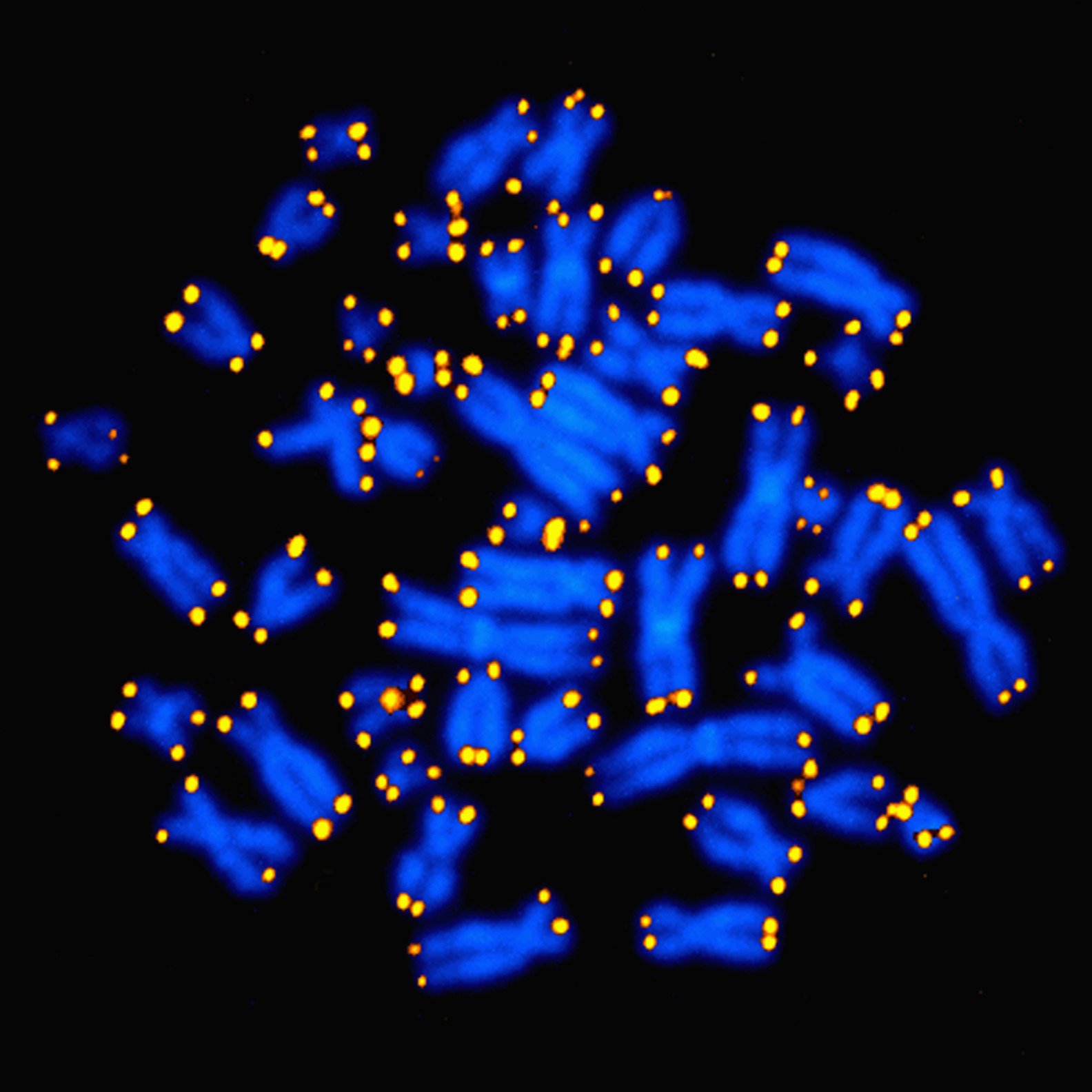
© Elizabeth Blackburn

Her stature led to her appointment to President George W. Bush’s Council on Bioethics in 2002. She accepted the position ‘because, as a seasoned scientist (particularly in cell and molecular biology), I might be able to offer perspectives that would be helpful in advising national scientific policy’ on matters that would be ‘politically charged’, such as stem cell research. Professor Blackburn’s views were at odds with those of the White House and the Council’s Chair, and in 2004, she was controversially dismissed, causing public outrage.
In 2009, her groundbreaking work received the highest acclaim when she was jointly awarded the Nobel Prize in Physiology or Medicine. Her work has received numerous other prestigious awards including the American Institute of Chemists Gold Medal in 2012. Professor Blackburn continues to be a prominent exponent of scientific policy based on research rather than politics.