
Sir Douglas Mawson OBE, FRS, FAA
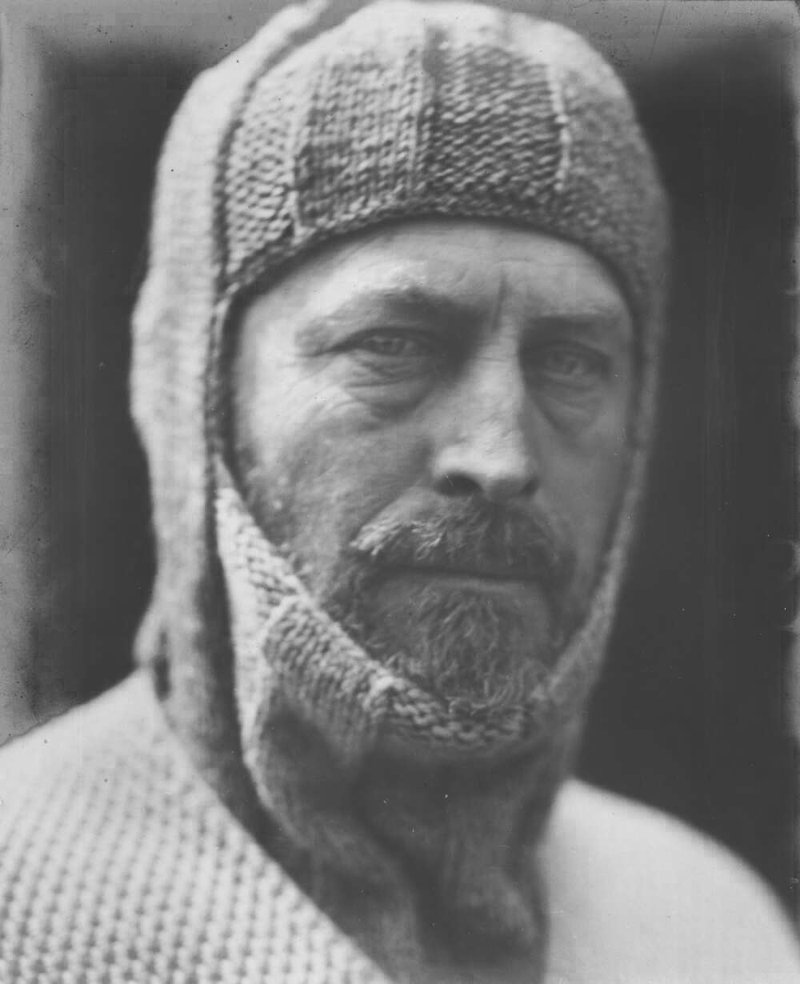 Click to enlarge image
© Courtesy of the National Library of Australia
Readers note: This is an excerpt from the 200 Treasures exhibition catalogue, developed in 2017. This content was written as a brief biography on why this person was included in the exhibition.
1882 - 1958
One of Australia’s greatest Antarctic explorers, Douglas Mawson’s life is one of the most extreme survival stories of all time. A scientist before all else, he sought information and knowledge rather than fame, fortune or ‘firsts’.
Born in England in 1882, his family emigrated to Australia when he was aged two. An outstanding student, he began studying geology and engineering at the University of Sydney when just 16 years old (he was a student of Tannatt Edgeworth David). While undertaking his doctorate, Mawson was asked to join Ernest Shackleton’s British expedition to Antarctica from 1907–9. During this arduous expedition, Mawson led the first party to reach the South Magnetic Pole, and despite frostbite, hunger and exhaustion, reached the summit of the 12,447-foot-high Mount Erebus, the second-highest volcanic peak in Antarctica.

© State Library of NSW
He returned to Antarctica in 1911 as leader of the Australasian Antarctic Expedition (for which Frank Hurley was the official photographer). Over almost three years, the expedition charted the Antarctic coastline, explored sub-Antarctic treasures such as Macquarie Island and travelled more than 300 miles inland, collecting geological and scientific data.
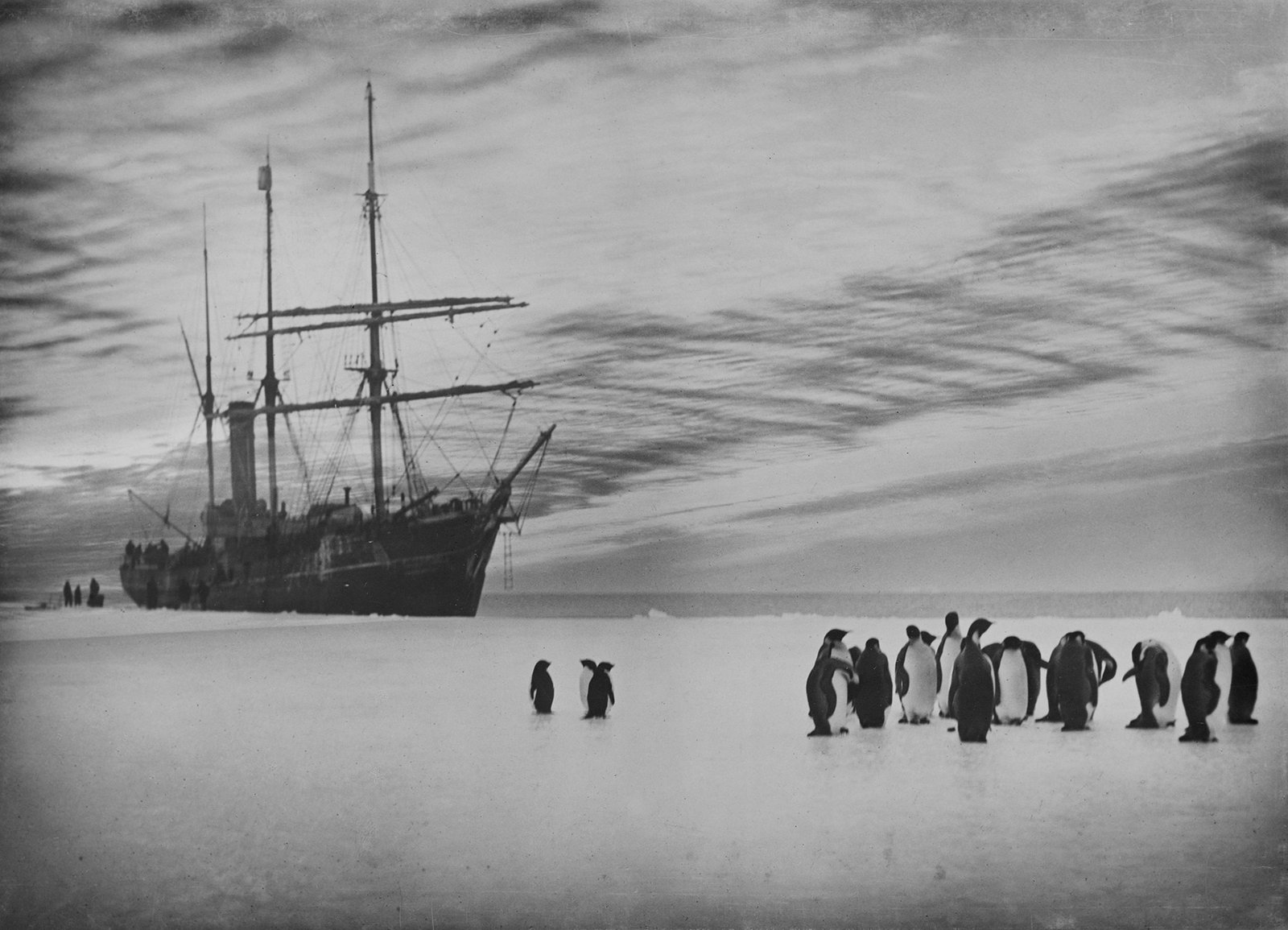
© State Library of NSW
During one of these inland forays in 1912, Mawson’s two companions died, leaving him alone, seriously malnourished and with severely damaged feet, more than 200 miles from base camp. Despite falling into a crevasse and having to haul himself out, Mawson eventually staggered back to base 30 days later, only to see his ship on the horizon heading for home. A small party had stayed to search for him: together they waited out another year.

On his return to Australia, Mawson was knighted in 1914, and received both the Polar Medal and the Founder’s Medal of the Royal Geographical Society. He lectured for many years at the University of Adelaide, and led two more summer expeditions to Antarctica, in 1929 and 1931. Funded jointly by Australia, New Zealand and the UK, these expeditions focused on marine studies to depths of 15,000 feet, and also collected geological, magnetic, zoological and botanical information.

