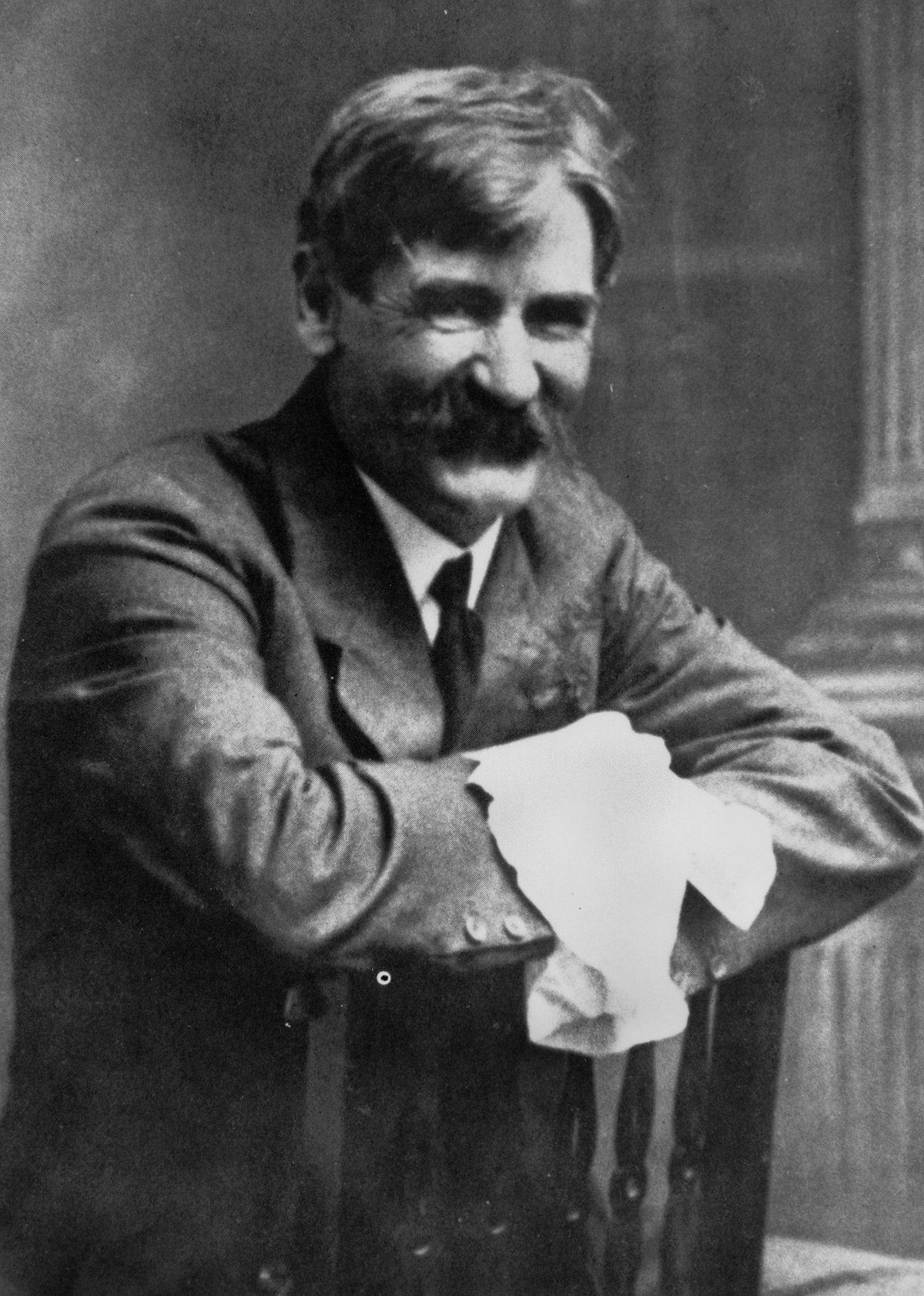
Henry Lawson and LouIsa Lawson
 Click to enlarge image
© State Library of Queensland
Readers note: This is an excerpt from the 200 Treasures exhibition catalogue, developed in 2017. This content was written as a brief biography on why this person was included in the exhibition.
1867 - 1922; 1848 - 1920
Mother and son, Louisa and Henry Lawson played leading roles in shaping Australia’s political and cultural landscape in the late 1800s and early 1900s. Louisa was a prominent feminist figure, while Henry wrote iconic literary works that celebrated Australia’s white pioneer settlers, especially the long- suffering and hard-working women his mother personified.
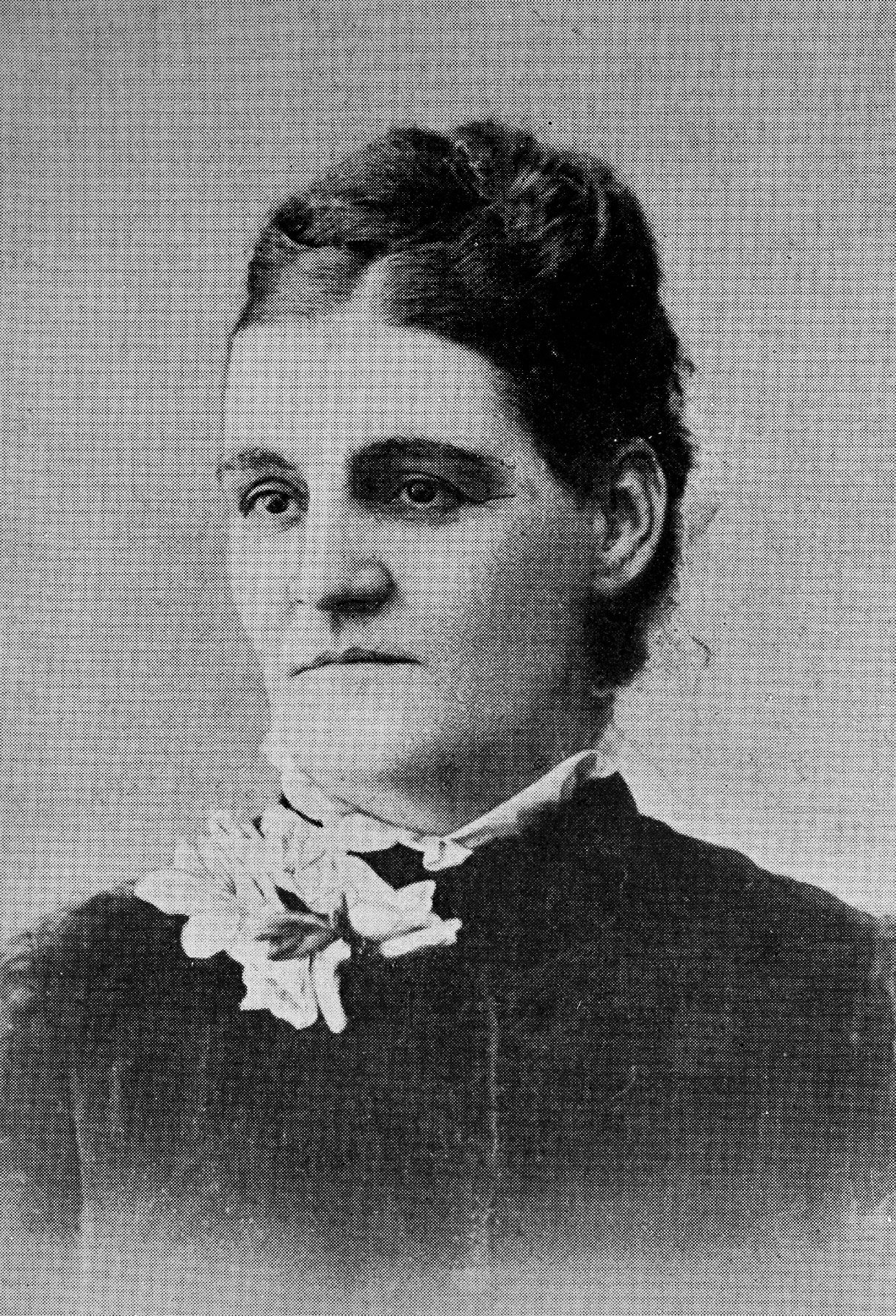
© National Library of Australia
Louisa Albury was born in Guntawang, near Mudgee, NSW, in 1848. After schooling, she had to forgo a teaching career to care for her siblings. At age 19, she married Niels Larsen, who subsequently anglicised his name to Peter Lawson, and they headed for the goldfields. Henry, the first of five children, was born in 1867 at Grenfell, NSW. Peter was often away, leaving Louisa to care for her young family. She took in sewing and did agricultural work to make ends meet.
When her marriage ended in 1883, she and her children moved to Sydney. As well as taking in boarders and doing washing and sewing, Louisa turned to writing. She purchased the ailing Republican in 1887 and, with Henry’s help, edited and wrote much of its content. In 1888, she launched Dawn, which became a leading platform for feminist thought. Louisa became involved in the suffrage movement and in alleviating the raft of social, financial and legal restrictions imposed on women. While the suffrage campaign reaped success (the 1902 Commonwealth Franchise Act enshrined white women’s voting rights in Australian law), Louisa’s fortunes declined and she lived in penury in her final years.
Henry also lived a hard-scrabble life that belied his literary successes. An isolating hearing loss, together with his parents’ marital breakdown, disrupted his schooling and social life.
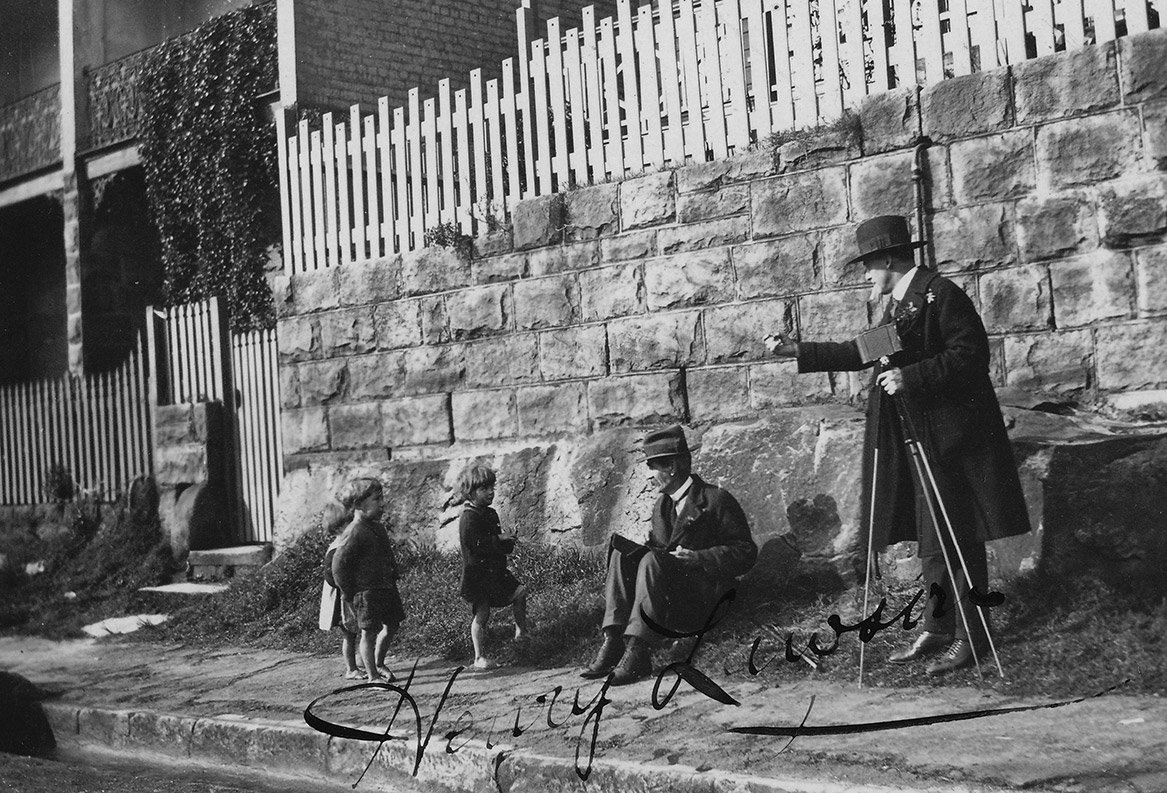
© Osborne Collection, Royal Australian Historical Society

From the early 1890s, he began publishing poems in Brisbane’s Boomerang and then in Sydney’s Bulletin. The Drover’s Wife, published in the Bulletin in 1892, became a classic. Set against the crippling 1890s depression, Henry’s work reflected the hardships of life in the bush. He married Bertha Bredt in 1896 and moved to New Zealand and then England, where he wrote what many consider his greatest works: Joe Wilson and His Mates (published in 1901, which included the humorous The Loaded Dog) and Children of the Bush (1902).
Henry returned to Sydney in 1902. His personal life unravelled, and broken health and financial problems were reflected in his later works. Despite these circumstances, he was given a state funeral in 1922, denoting his legendary national status. He died two years after his mother.