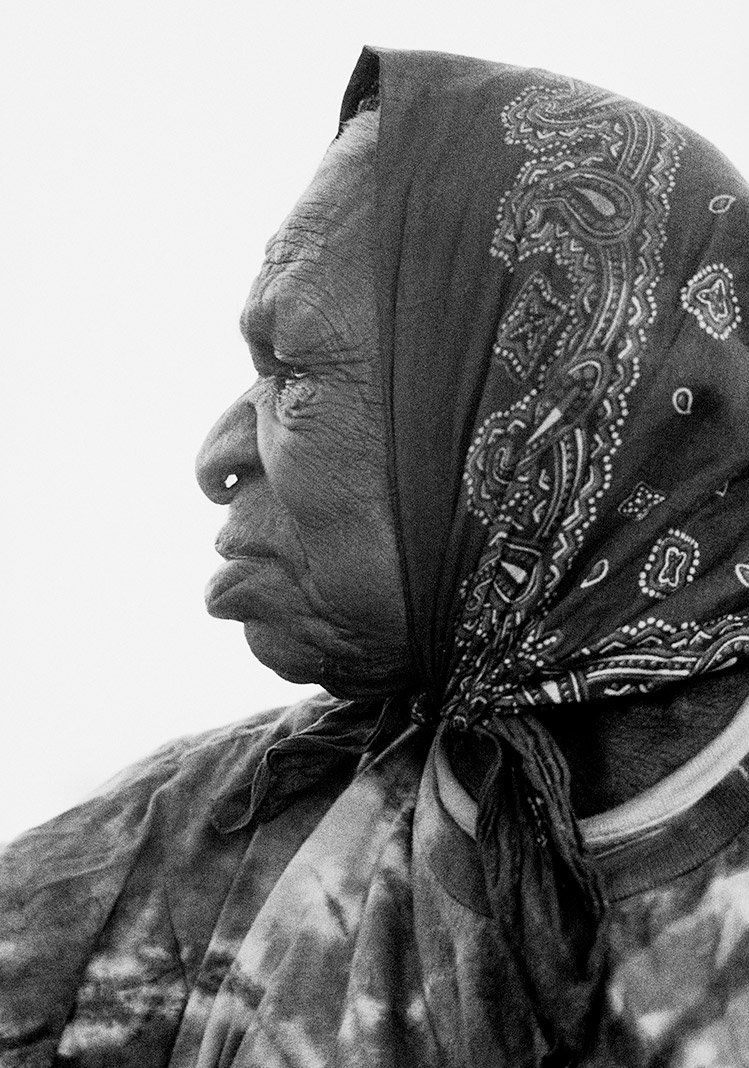
Emily Kame Kngwarreye
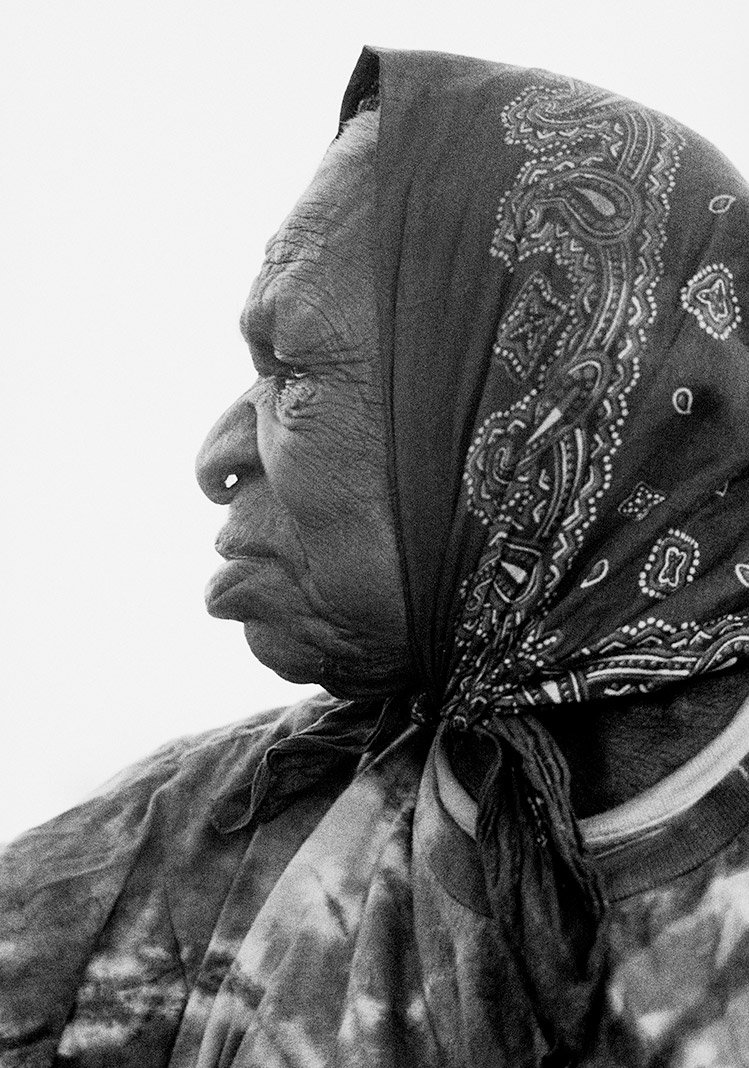 Click to enlarge image
© Greg Weight
Readers note: This is an excerpt from the 200 Treasures exhibition catalogue, developed in 2017. This content was written as a brief biography on why this person was included in the exhibition.
1910? - 1996
When Emily Kame Kngwarreye died in 1996, she was recognised as one of the world’s great painters. Her journey to that point is an extraordinary story.
Kngwarreye was born around 1910 in a remote desert area north-east of Alice Springs named Utopia by white pastoralists moving into the area. Kngwarreye was born to the Anmatyerre people and her ancestral land is Alhalkere country. Women’s Dreaming sites in Alhalkere country would become a constant inspiration and reference in her art.
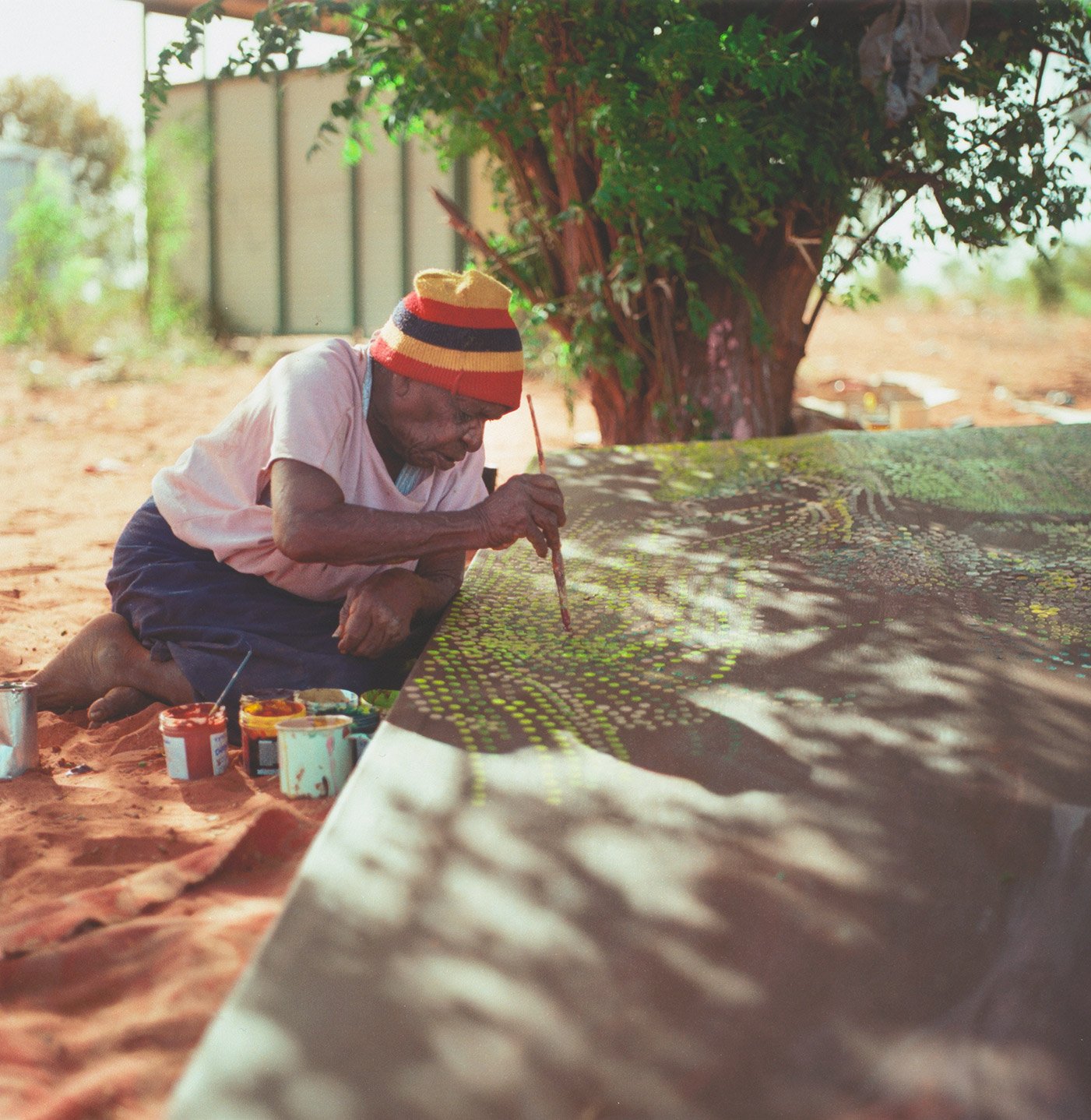
© National Library of Australia
Kngwarreye was born into a traditional world on the brink of seismic change. She first saw a white person at age nine when she witnessed a policeman on horseback leading an Aboriginal prisoner in chains: she would soon see more white settlers and their cattle. Like many young Aboriginal women in the Northern Territory, she worked as a stockhand and also on camel teams, in a white world that was layered over the traditional Anmatyerre world that Kngwarreye remained deeply immersed in.
She lived on the Mount Riddock pastoral station until a new era for the Territory’s Indigenous people began, following the 1976 Aboriginal Land Rights Act. Kngwarreye moved off the station and into the community of Utopia where she was exposed to art through government-funded education programs. A founding member of the Utopia Women’s Batik group - Utopian women’s batiks became prized collectors’ items - she turned to painting in 1988.

The 1970s Papunya art movement had triggered a voracious international appetite for desert art, and with her first canvas, Emu Woman, painted in 1988–89 when she was nearly 80 years of age, Kngwarreye became virtually an overnight success.
A prolific painter, it is estimated she created around 3000 works in the eight years before her death. Her extraordinary talent has been likened to that of Henri Matisse, Claude Monet and Jackson Pollock.