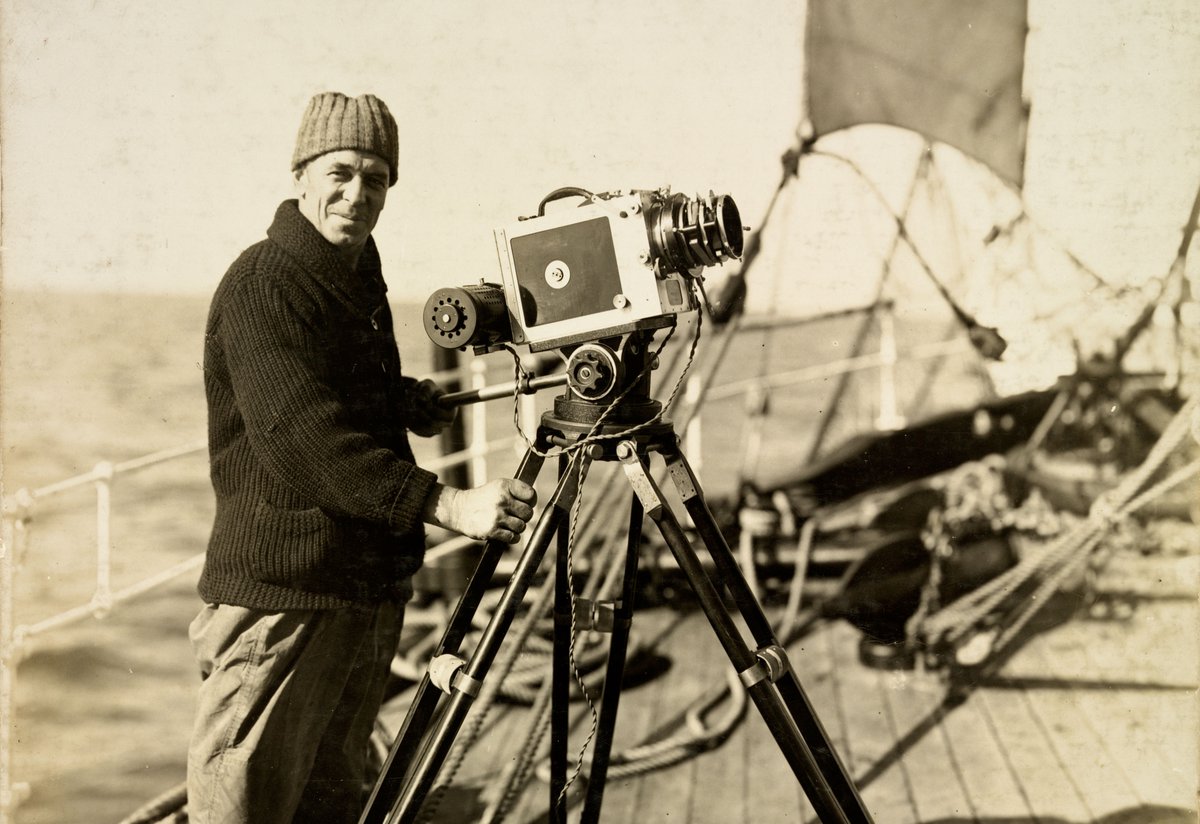
Frank Hurley OBE
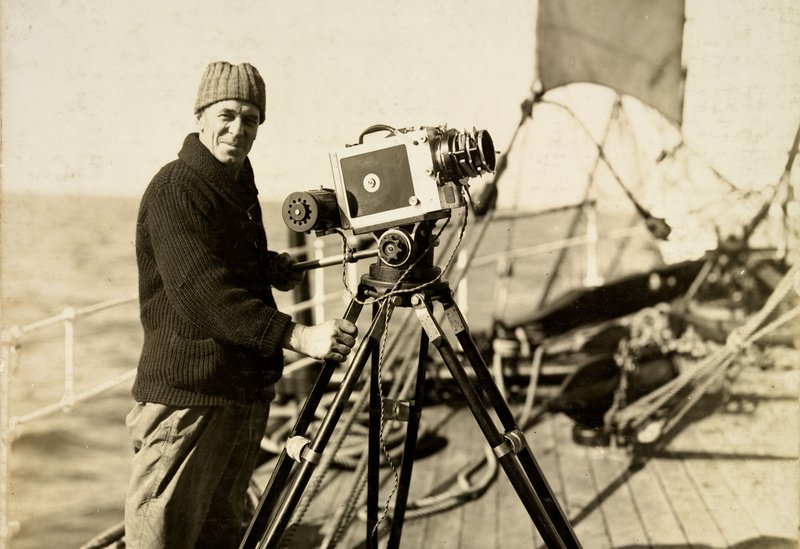 Click to enlarge image
© State Library of New South Wales
Readers note: This is an excerpt from the 200 Treasures exhibition catalogue, developed in 2017. This content was written as a brief biography on why this person was included in the exhibition.
1885 - 1962
One of Australia’s most remarkable photographers, James Francis ‘Frank’ Hurley made some of the first images and films of Antarctica, the jungles of New Guinea and European battlefields. His images are imbued with his daring spirit and love of adventure.
At age 13, Hurley ran away from his home in Glebe, Sydney, and worked in a steel mill in Lithgow, returning two years later to resume his education. At age 17, he bought a Kodak box camera and taught himself photography. He joined a postcard business in Sydney where he earned a reputation both for the quality of his work and the risks he took to secure his images, such as facing monstrous waves breaking on rocks, or an oncoming train.
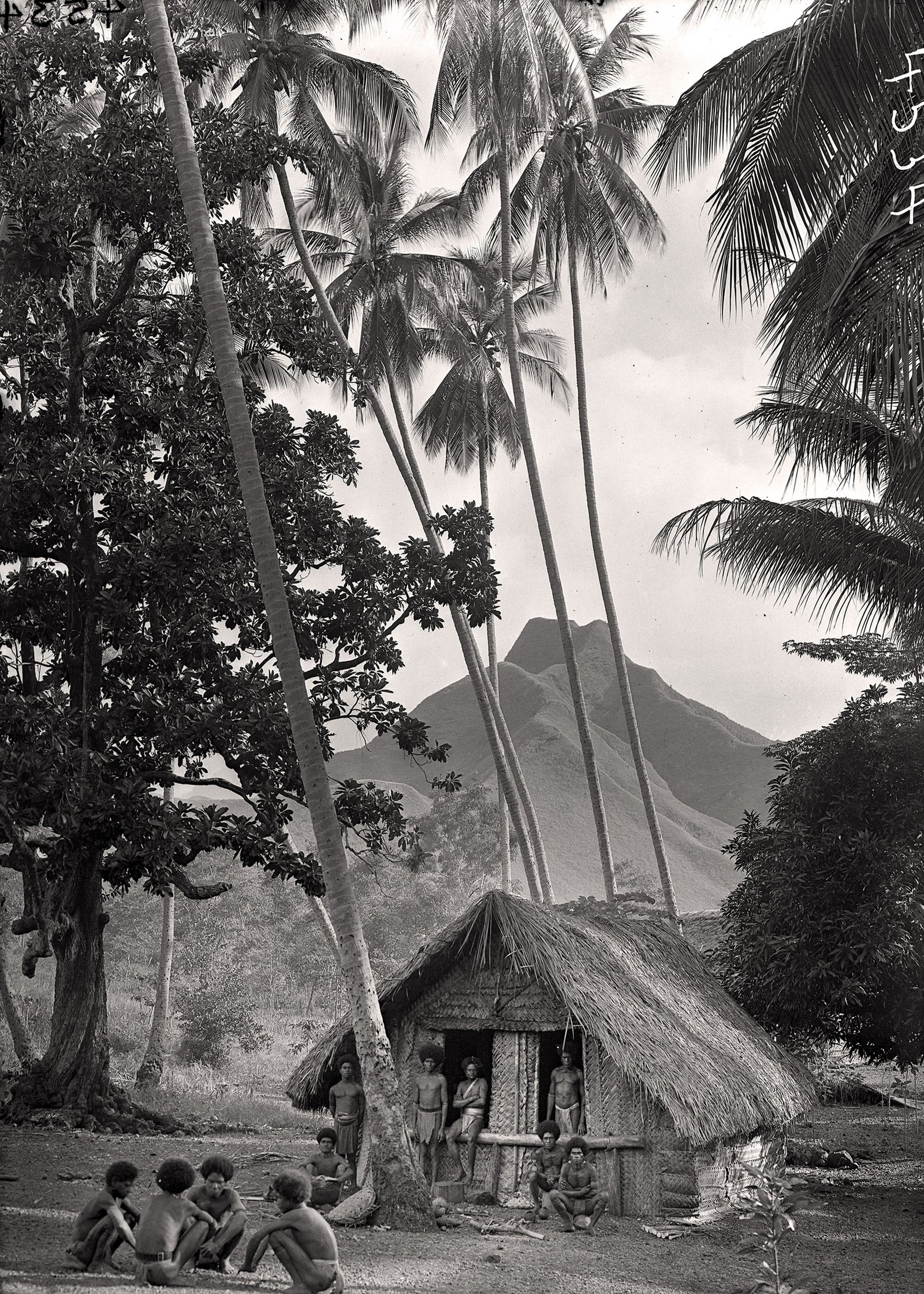
© Courtesy of Australian Museum V4534
In 1911, Hurley became official photographer to Douglas Mawson’s first Australasian Antarctic Expedition. He then filmed an expedition through northern Australia before joining Ernest Shackleton’s ill-fated Trans-Antarctic expedition of 1914–17. Hurley continued documenting the struggle for survival when the ship, Endurance, was crushed by pack-ice. As it was about to sink, he dived into the freezing water to retrieve film and photographic plates that preserved 120 precious images of the frozen continent.
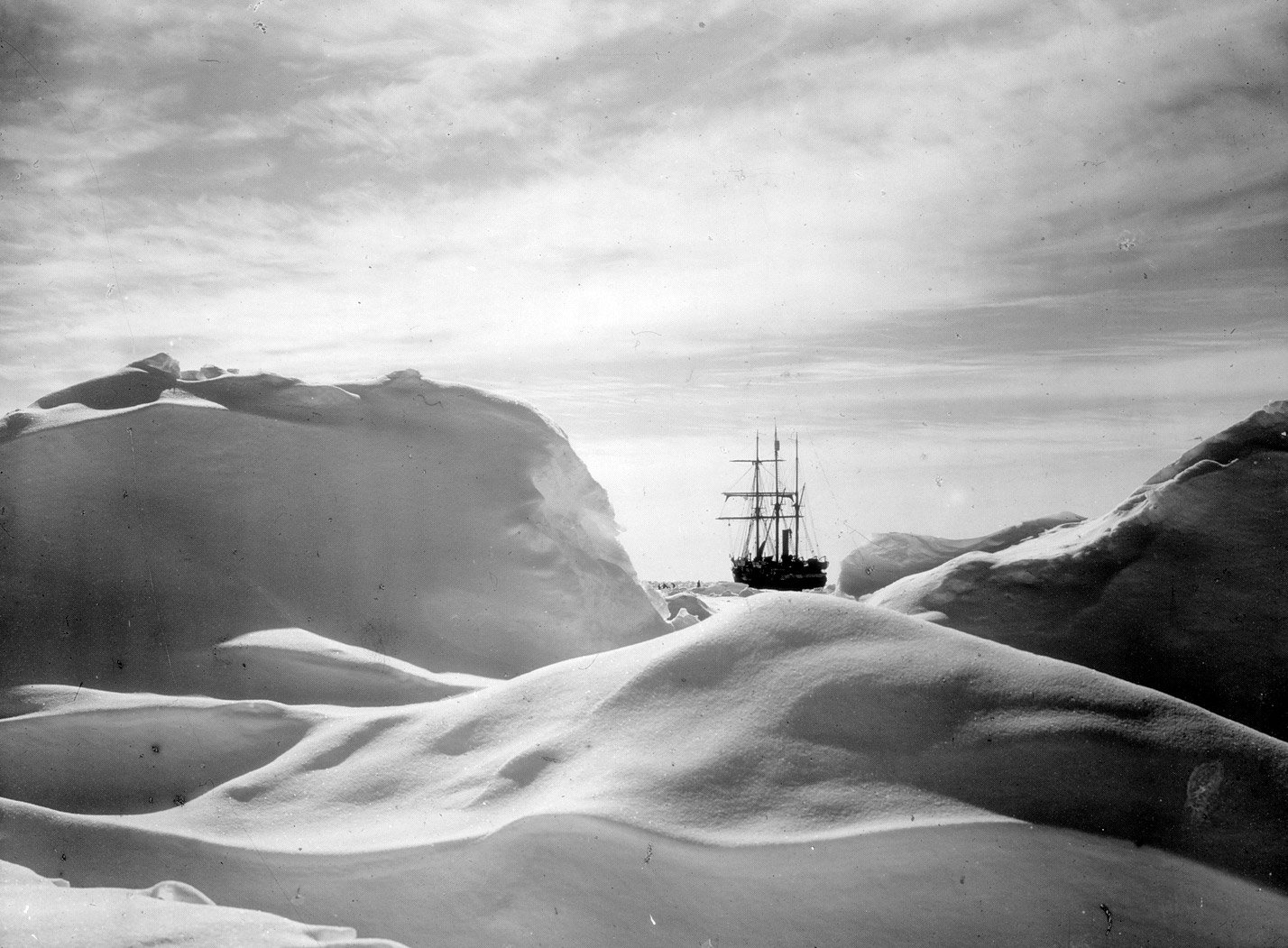
© Courtesy of Australian Museum

Hurley was appointed official photographer for the Australian Imperial Force (AIF) from 1917–18, recording the war’s devastation and carnage. During the 1920s, he filmed and photographed the first images, including aerial views, of remote parts of New Guinea, in particular its people, and undertook expeditions through Torres Strait. He returned to Antarctica with Mawson for the 1929–31 British, Australian and New Zealand Antarctic Research Expedition. Hurley served as a photographer and director of films for the AIF in World War II in the Middle East. He lectured and wrote numerous books and articles. He died in Sydney in 1962.