
Douglas Mawson OBE
 Click to enlarge image
© Courtesy of the National Library of Australia
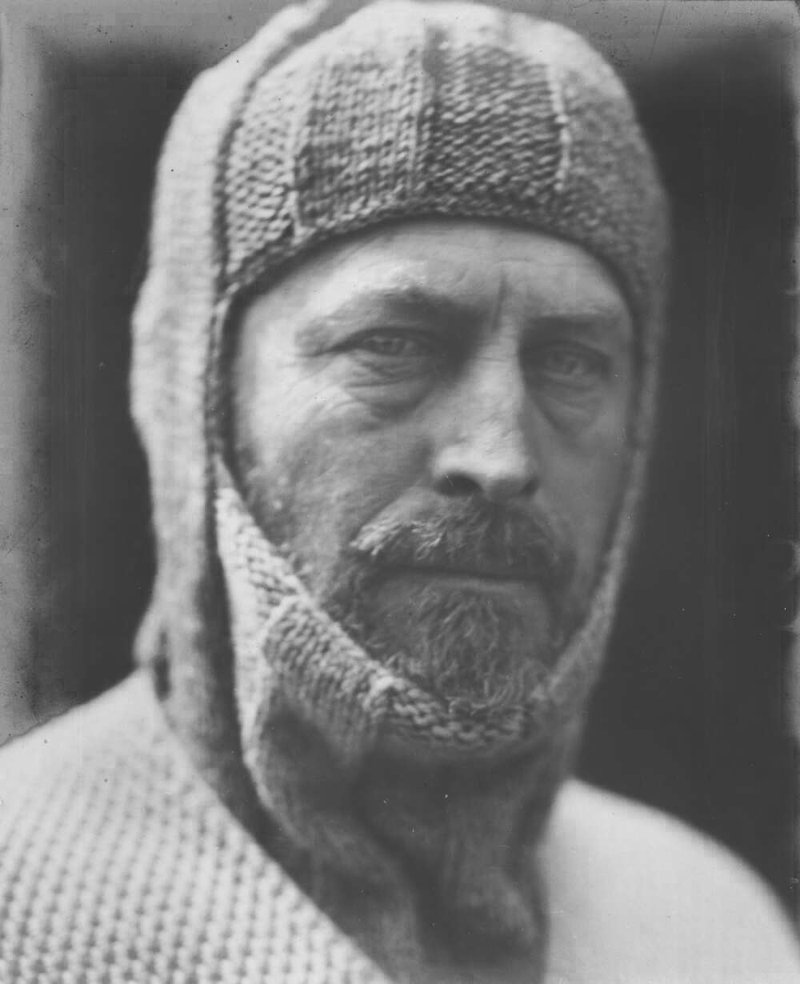
Sir Douglas Mawson (1882-1958) was an Australian geologist, Antarctic explorer and scientific leader whose work helped shape Australia’s understanding of the southern continent. The Australian Museum holds a nationally significant collection of objects and specimens gathered by Mawson and others during his expeditions. These materials—ranging from scientific instruments to biological specimens—provide rare physical evidence of Australia’s first major Antarctic research expedition and Mawson’s lifelong commitment to science.
Early life and background
Douglas Mawson was born in England on 5 May 1882 and migrated to Australia with his family at the age of two. A gifted student, he enrolled at the University of Sydney at just 16, studying geology and engineering. His academic training laid the foundations for a career that combined field science with exploration at the most extreme edges of the known world.
Mawson’s first journey to Antarctica came in 1907. At age 25, he joined Sir Ernest Shackleton’s British Antarctic Expedition (1907–1909). During this expedition, Mawson led the first party to reach the South Magnetic Pole for Britain, trekking more than 2,000 kilometres across the Antarctic interior. The experience confirmed his belief that Antarctica should be approached as a place of scientific inquiry rather than competition for geographical ‘firsts’.
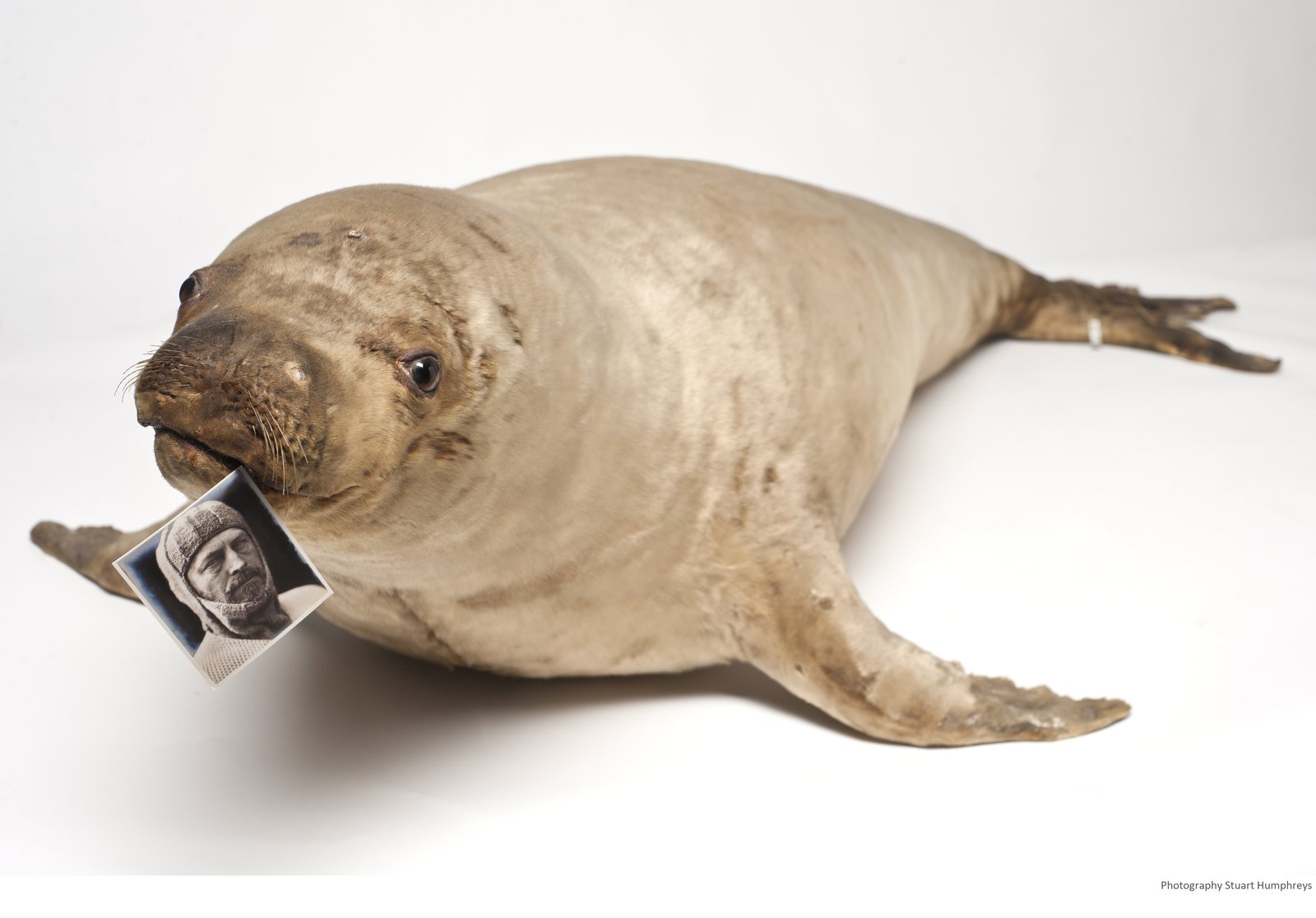
Crabeater Seal, Lobodon carcinophagus, collected by E. Shackleton from the Ross Sea on the British Antarctic Expedition, registered 2 June 1909. The specimen is part of the Australian Museum's Mawson Collection.
Image: Stuart Humphreys© Australian Museum
The Australasian Antarctic Expedition
In 1911, Mawson returned to Antarctica as leader of the Australasian Antarctic Expedition (AAE), Australia’s first major scientific venture to the continent. The expedition focused on coordinated research across geology, biology, meteorology and geomagnetism, establishing a base at Cape Denison in Commonwealth Bay. Mawson and his fellow expeditioners endured extremely tough conditions while in Antarctica, with the Far Eastern Sledging Journey resulting in numerous deaths and forcing Mawson to stay on the continent until 1914.
Despite this, the scientific work carried out during Mawson's expedition significantly expanded knowledge of Antarctica and resulted in extensive collections of objects and specimens, many of which are now held by the Australian Museum.
The British, Australian and New Zealand Antarctic Research Expedition
Mawson returned to Antarctica between 1929 and 1931 as leader of the British, Australian and New Zealand Antarctic Research Expedition (BANZARE). By this time, he was an established scientist and academic, with BANZARE marking a shift from inland exploration to long‑term, collaborative Antarctic research.
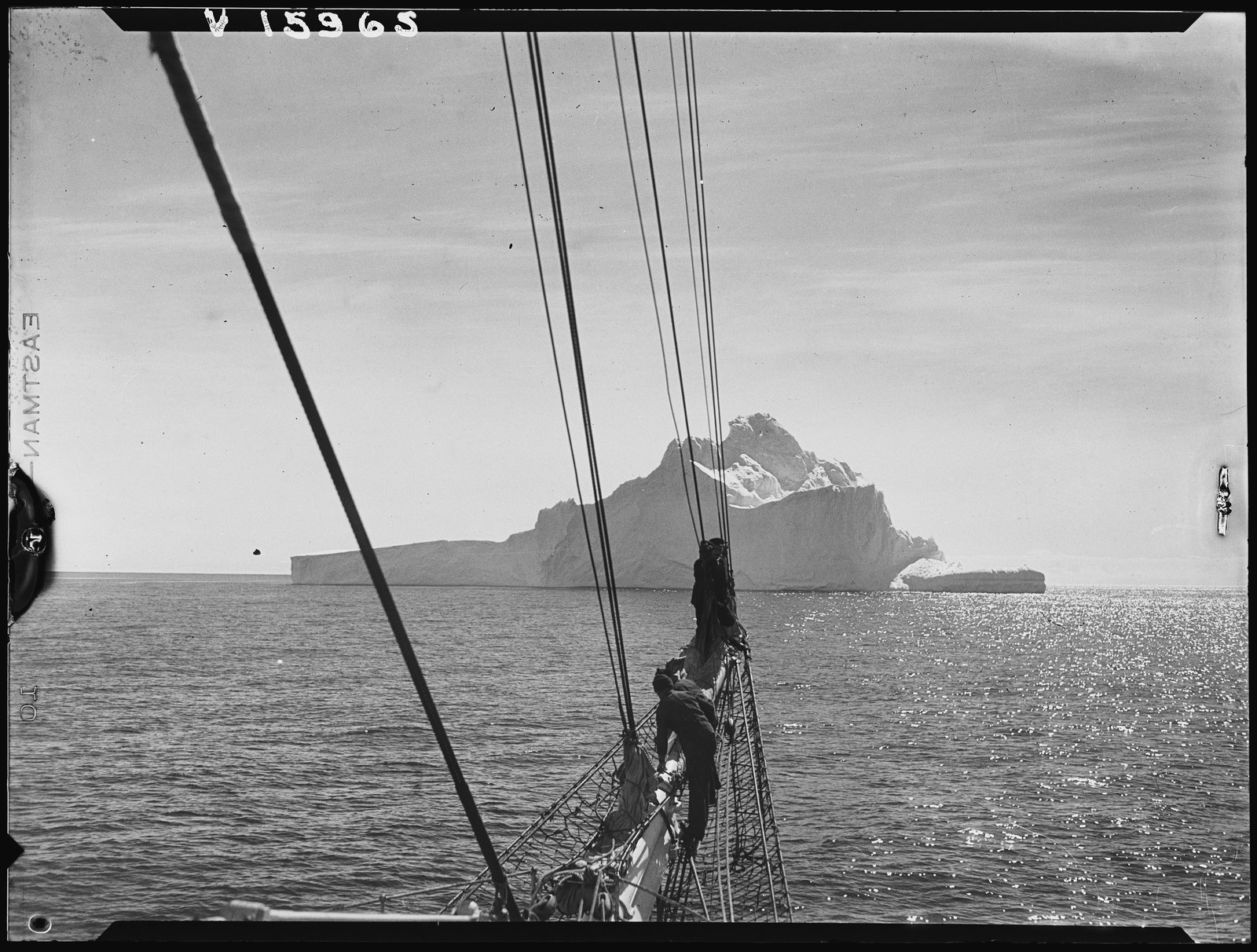
BANZARE focused primarily on marine science, including oceanographic surveys and deep‑sea sampling, while also collecting geological, magnetic, zoological and botanical data. The expedition carried out extensive mapping and scientific observation along the Antarctic coastline and surrounding sub‑Antarctic regions, contributing to a more systematic understanding of the Southern Ocean and Antarctic environment.
© Australian Museum
Legacy and impact
Following his Antarctic expeditions, Mawson became one of Australia’s most influential scientific figures. He was widely recognised for his contributions to polar science, receiving a knighthood, the Polar Medal and the Founder’s Medal of the Royal Geographical Society. Alongside his fieldwork, Mawson spent many years lecturing at the University of Adelaide, where he helped train a new generation of Australian scientists.
Mawson’s legacy endures through the places, institutions and collections shaped by his work. The Australian Antarctic Station that bears his name, his heritage‑listed hut at Cape Denison, and the extensive objects and specimens held by the Australian Museum together reflect his enduring belief that Antarctica was not a frontier to be conquered, but a place to be carefully studied, documented and appreciated.
In the Australian Museum Collection
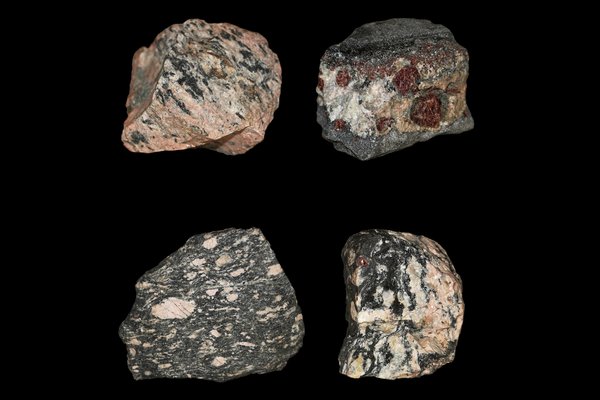
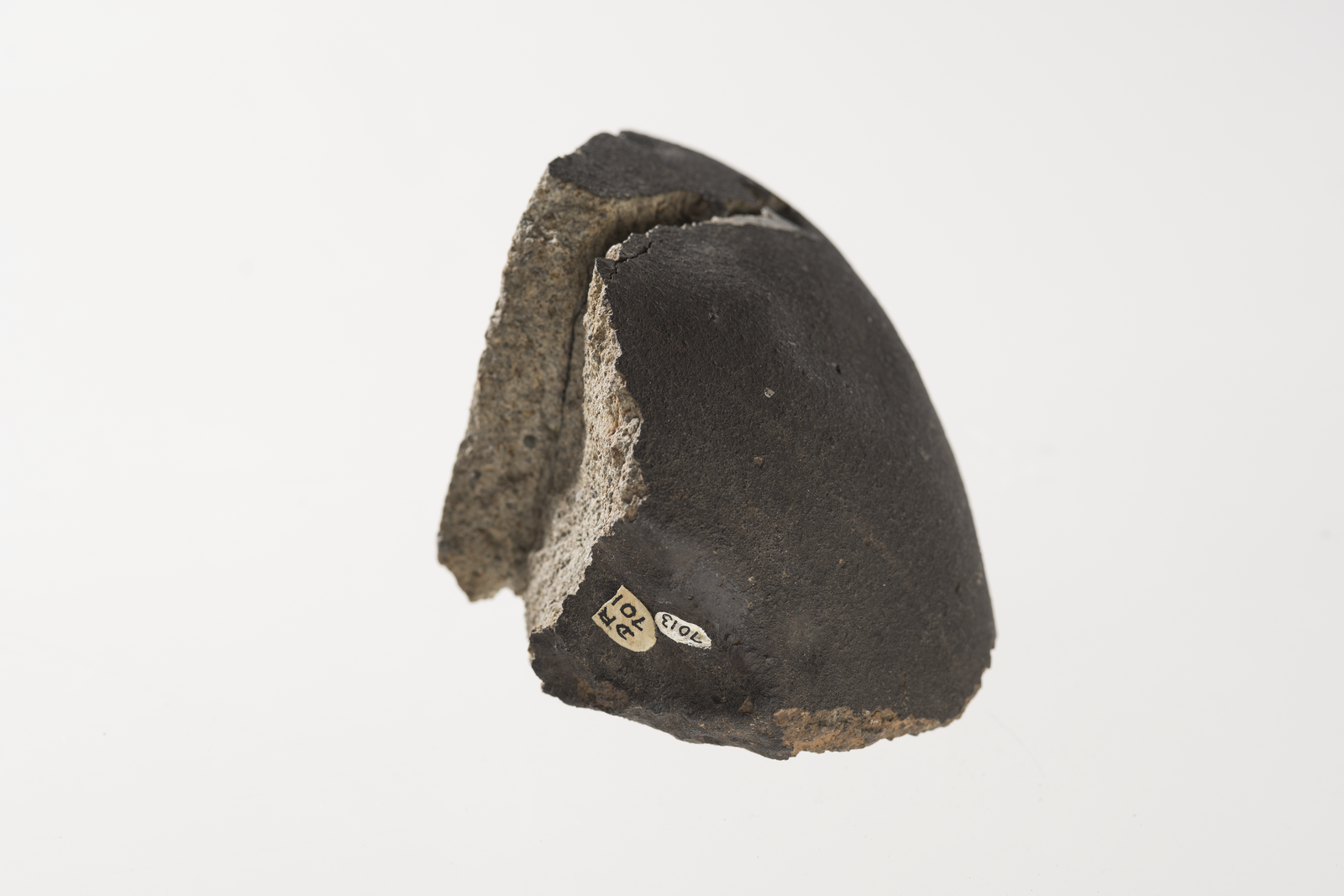
The Australian Museum holds a significant body of objects and specimens associated with Sir Douglas Mawson’s Antarctic work, spanning the Archives, Library, World Cultures, Mineralogy and Petrology, and Life Sciences Collections. Together, these materials reflect the scientific scope of Mawson’s expeditions and the practical realities of early Antarctic research, from specialised instruments and equipment to geological samples and biological specimens.
Selected highlights from the Mawson Collection are on display in the Westpac Long Gallery, within the Australian Museum’s permanent exhibition 200 Treasures of the Australian Museum. These highlights continue to connect contemporary audiences with the history of Antarctic exploration and scientific inquiry.
© Australian Museum

