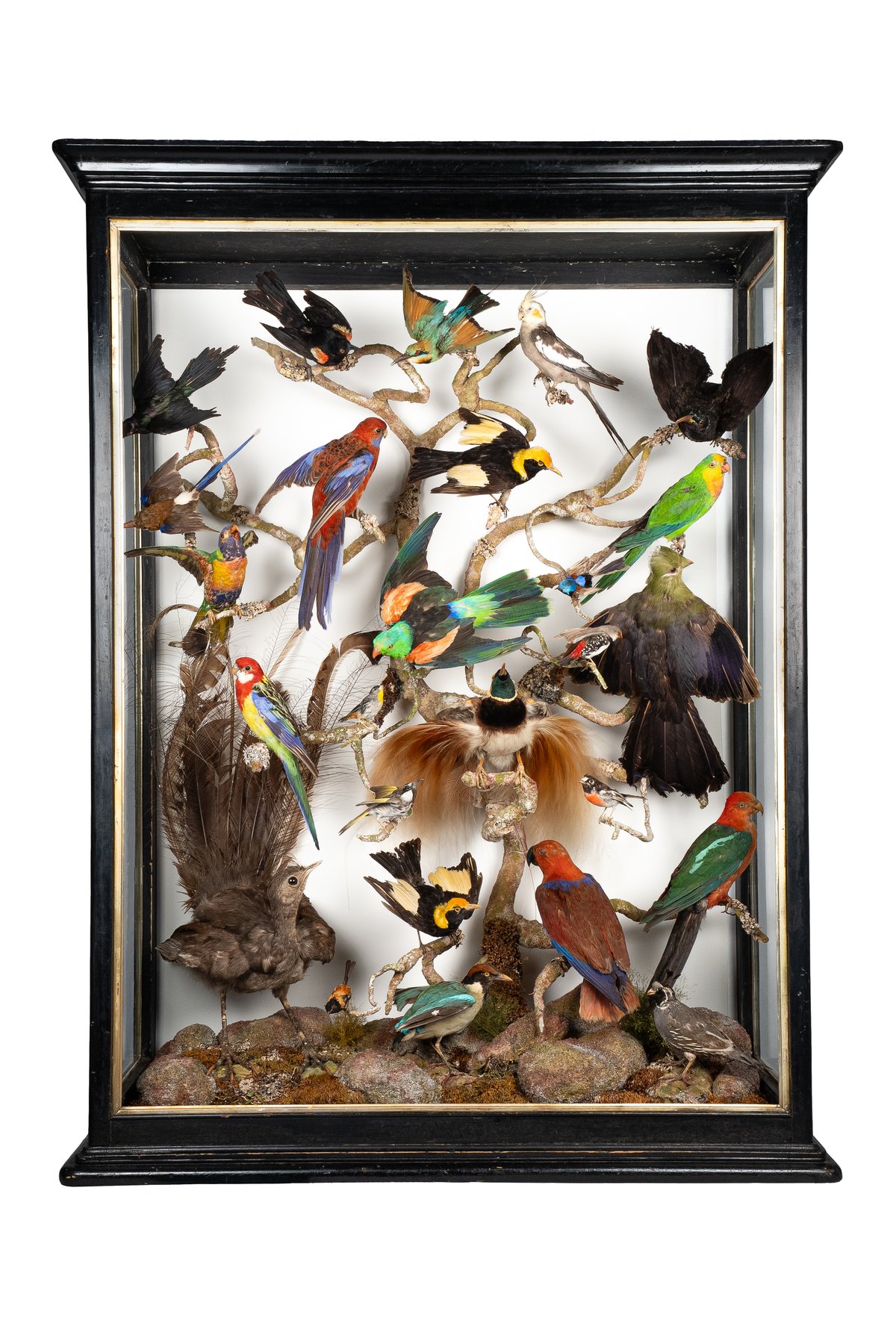
John William Roach
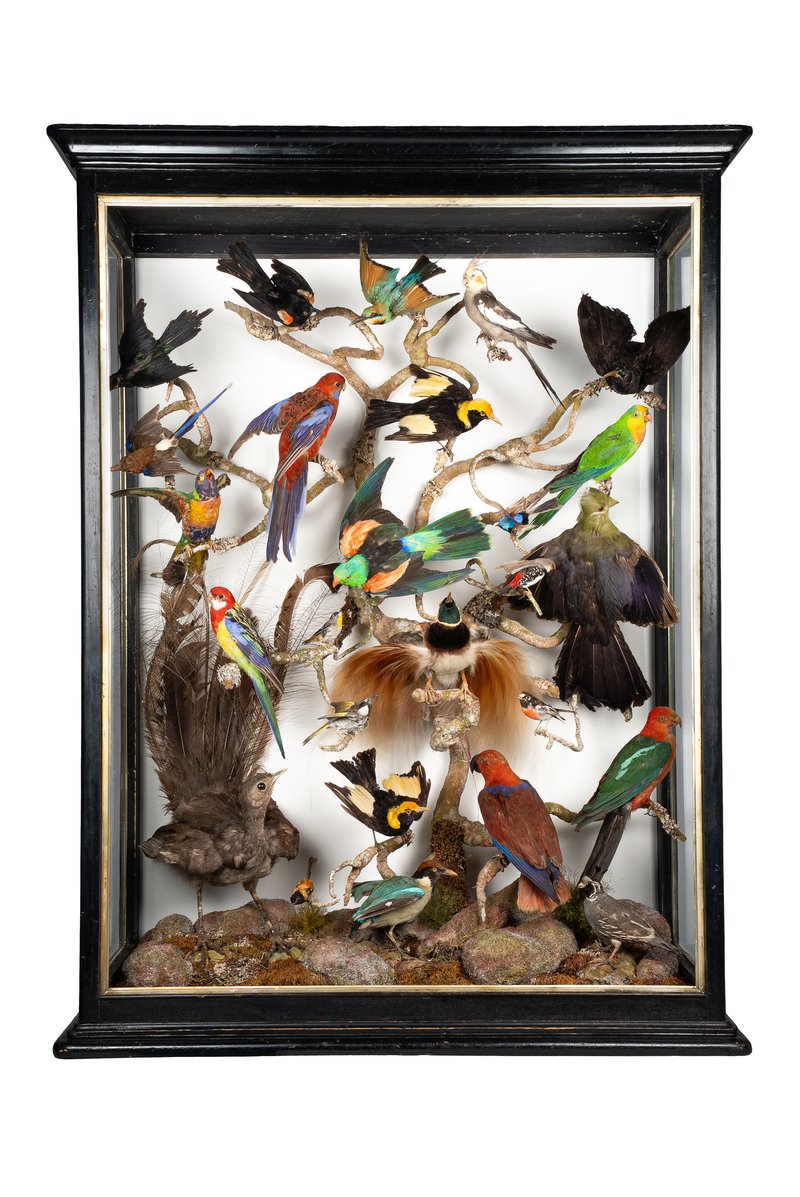 Click to enlarge image
© Australian Museum
Known as a rascally "bird-stuffer", former convict John William Roach (early 19th century) was one of the Australian Museum’s earliest taxidermists. His handiwork and collecting abilities helped shape the Australian Museum’s first collections, but his criminal tendencies meant his career was mired by one of the strangest specimen heists in early Sydney.
Early life and background
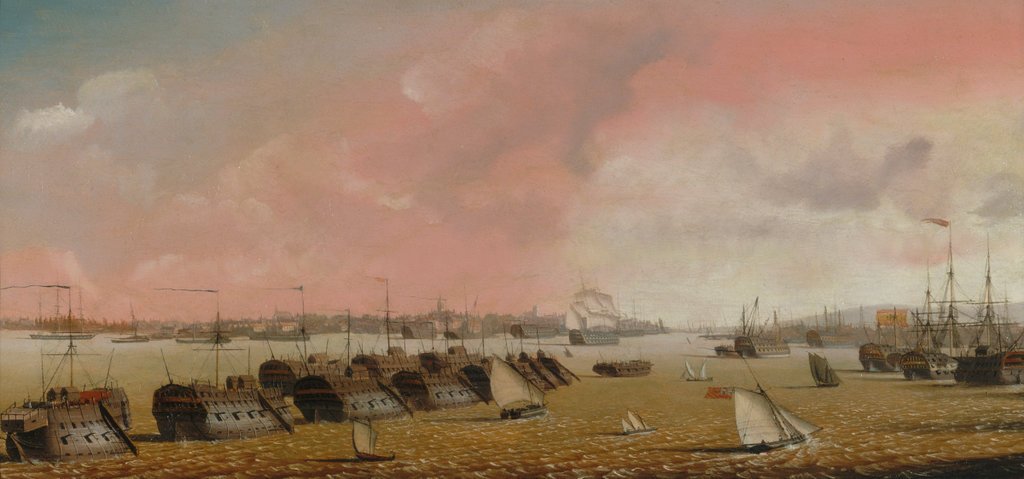
We don't know when Roach was born or much about his early life, but records show that Roach was a convict on the Aurora, a transportation ship that left Portsmouth, England in July and arrived in Sydney in November 1833. He had been transported for stealing a coat.
The records also fatefully stated that his profession back home had been "bird-stuffing". In a colony short on specialist skills but with big curiosity about the surrounding flora and fauna, Roach's profession quickly put him on the radar of colonial authorities.
Within a year, Roach came to the attention of Edward Deas Thomson, Clerk of the Legislative Council and acting administrator of the fledgling Museum following the death of its first Curator, William Holmes in 1829. In correspondence with the Colonial Secretary in 1834, Thomson proposed that John Roach be employed to preserve birds and other curiosities because he appeared particularly adept at mounting and arranging specimens.
© National Maritime Museum, Greenwich, London
Building the Museum’s early collections
Employed as a "collector and preserver", Roach quickly became integral to the Museum’s work. His duties included taxidermy, but also extended beyond the preparation room. For example, in 1836 he was attached to Surveyor‑General Sir Thomas Mitchell’s expedition into inland south‑eastern Australia, tasked with collecting and preparing zoological specimens on the Museum’s behalf.
Roach seems to have been ruthlessly efficient at collecting on this expedition. Mitchell’s assistant surveyor Granville Stapylton wrote that partly due to the "scoundrel Bird stuffer...the collection for the Museum is already very extensive."
After receiving a ticket‑of‑leave (which allowed convicts to work for themselves), Roach left the Museum in 1840. He set himself up in private practice as a taxidermist at 32 Hunter Street, Sydney. There, he advertised his services and displayed a menagerie of New South Wales animals.
The Sea Pig scandal
However, Roach’s ties to the Australian Museum were not so easily severed. In 1846, he decided to style himself as the ‘Curator of the Australian Museum’ and board a steamboat newly arrived from Moreton Bay. There, he stole a preserved dugong foetus, commonly referred to at the time as a ‘Sea Pig’, that had been clearly addressed to the actual Curator of the Australian Museum.
When the audacious theft was discovered, the Museum was in uproar. The real Curator at the time, William Sheridan Wall, was sent to retrieve the valuable specimen, which he returned to the Museum. He handed over the matter to the Law Officer, but for one reason or another, Roach was luckily spared from prosecution.
Legacy and impact
John William Roach's story offers a glimpse into the informal, personality‑driven world of early colonial science, where expertise was prized and even a ‘rascally bird stuffer’ could leave a lasting mark on a national institution. It's even possible that specimens he helped collect or stuff remain hidden somewhere in the collection today.