
Sir Joseph Banks
 Click to enlarge image
© Copyrighted work available under Creative Commons Attribution only licence CC BY 4.0 http://creativecommons.org/licenses/by/4.0/
Readers note: This is an excerpt from the 200 Treasures exhibition catalogue, developed in 2017. This content was written as a brief biography on why this person was included in the exhibition.
1743 - 1820
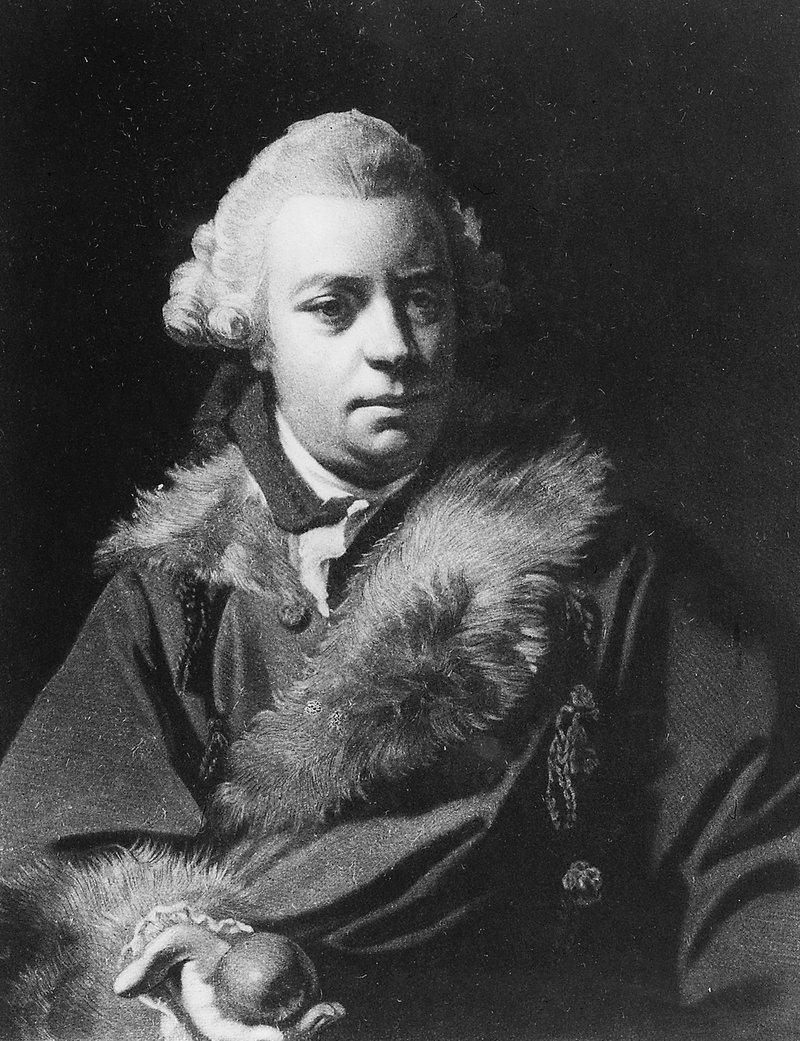
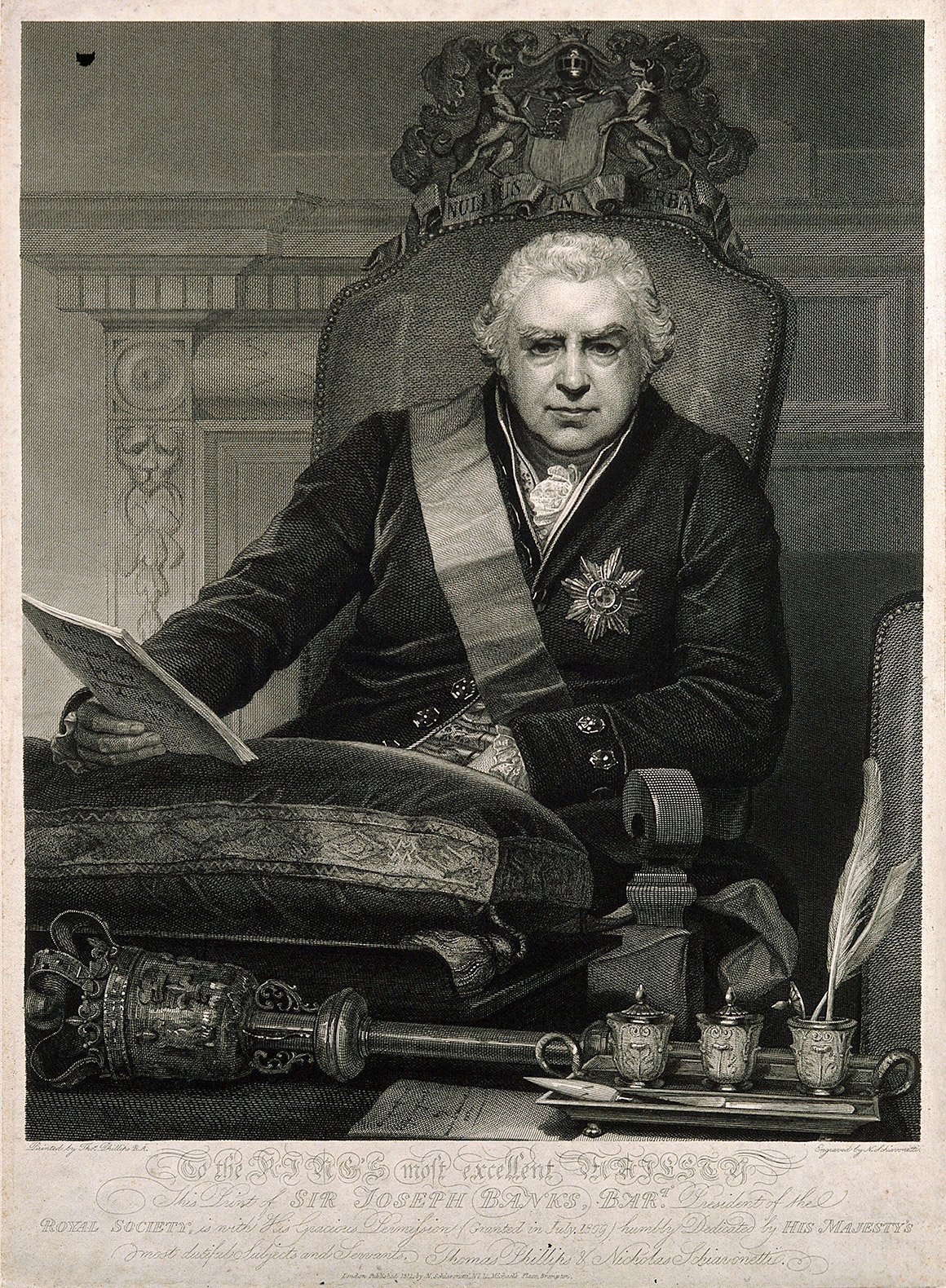
Joseph Banks shaped Australia’s history profoundly. Banks was the botanist on Captain Cook’s first Pacific voyage who would be at the epicentre of the scientific world for 40 years.
Banks was born in 1743 in England to a political family. He was more interested in plants than politics and studied botany at Oxford University. Banks became independently wealthy as a young man and left formal studies to pursue fieldwork. In 1766, he sailed to Newfoundland and Labrador, returning with a valuable collection of rock, plant and animal specimens.
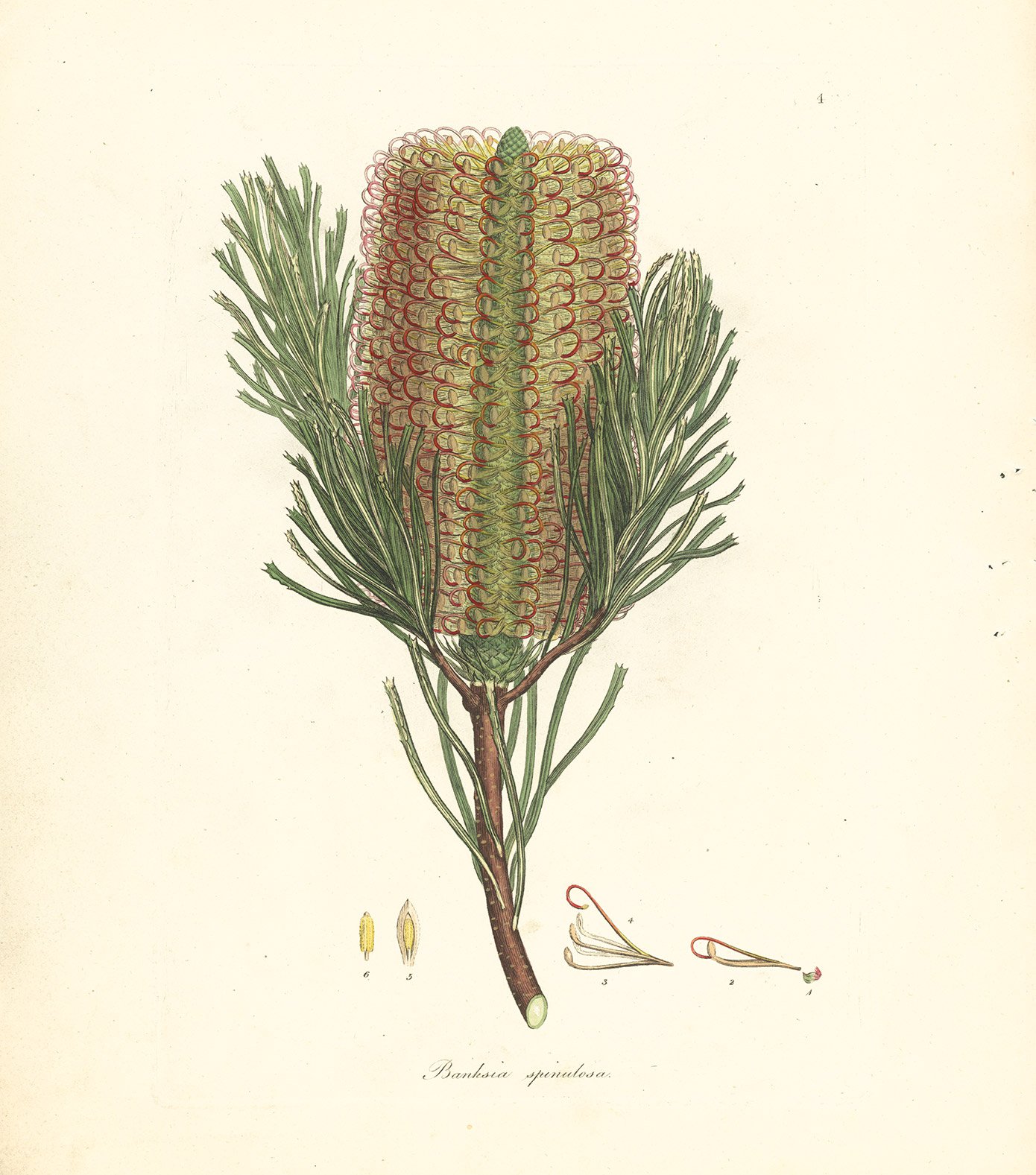
In 1768, Banks joined James Cook’s South Sea expedition to observe the transit of Venus in Tahiti and to claim lands in the Pacific for Britain (the voyage’s secret mission). It was the Age of Enlightenment, when accumulating knowledge was of paramount importance, so seven naturalists, collectors and artists sailed on HMS Endeavour along with Banks. They collected throughout their journey with Banks, gathering plant, bird, reptile, fish, mollusc and insect specimens. He also observed and took notes on the Indigenous worlds he encountered (his experiences with Tahitian women were particularly newsworthy back in the UK). After his return, Banks developed Kew Gardens and catalogued the array of natural specimens he had collected.
© National Library of Australia

In 1778, Banks was elected president of the Royal Society, making him a leading figure in the natural sciences over the next 40 years. Banks was also deeply involved in plans to establish a new British colony after the loss of its American ones due to the American Revolution. Several locations for a new colonial site were mooted but Banks, with his knowledge of Australia (which was very limited but the most extensive at the time) and his immense influence, championed Botany Bay (named in his honour by Captain Cook) in NSW. After the founding of the colony in present- day Sydney in 1788, Banks continued to shape it through advising the British government and early governors in Australia, and directing further scientific inquiries in the new continent, home to a plethora of scientific wonders.
© National Library of Australia

