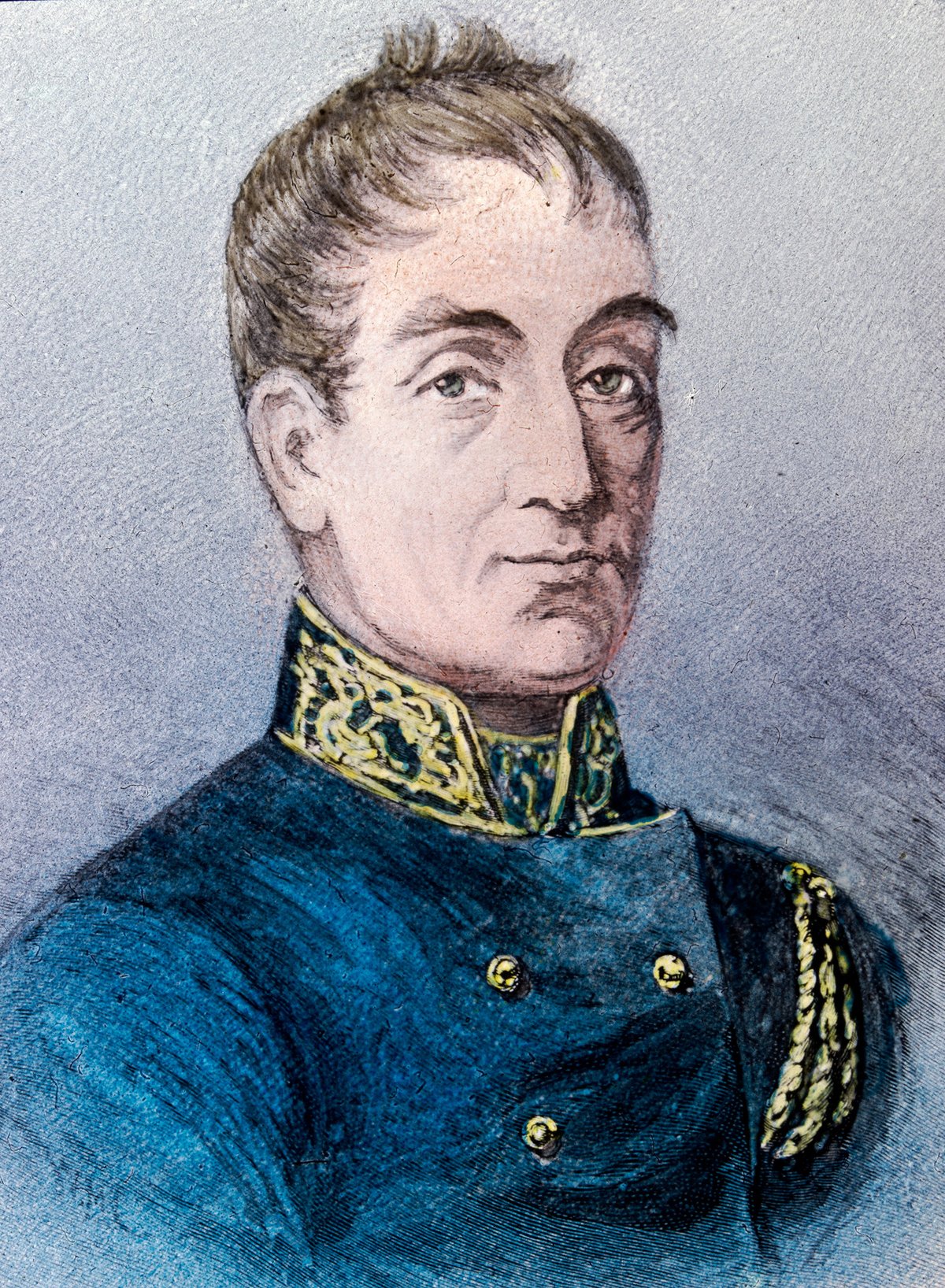
Govenor Lachlan and Elizabeth Macquarie CB
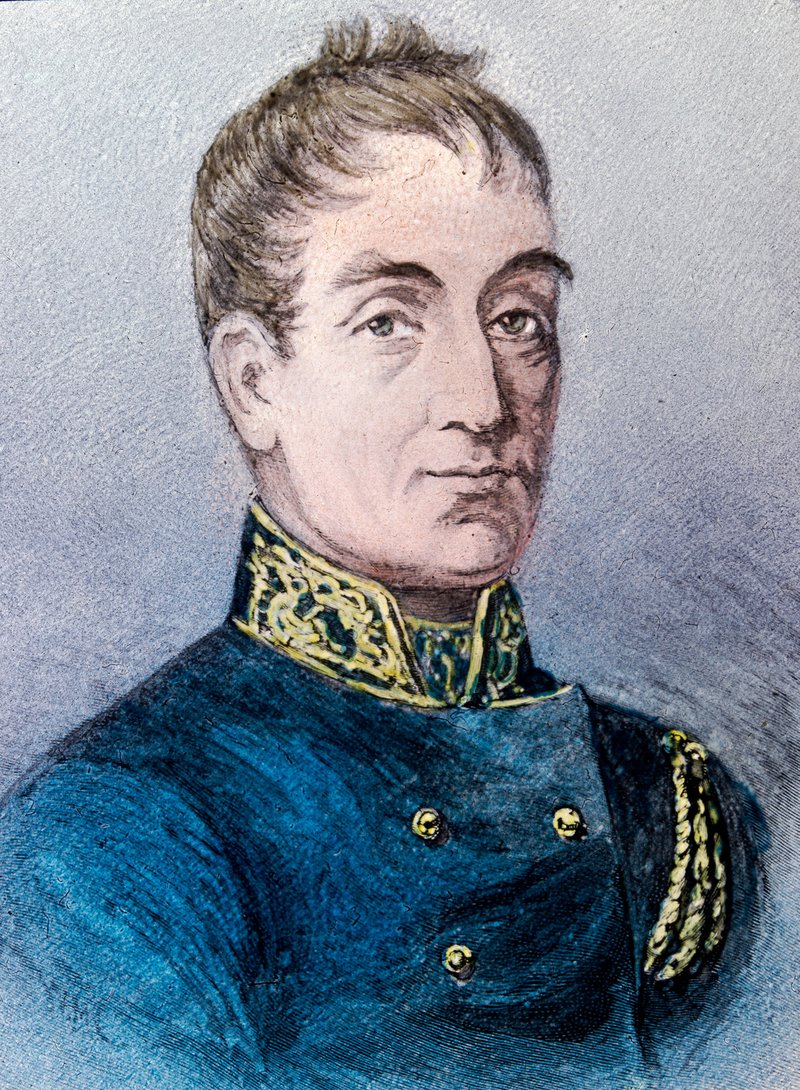 Click to enlarge image
© State Library of Victoria
Readers note: This is an excerpt from the 200 Treasures exhibition catalogue, developed in 2017. This content was written as a brief biography on why this person was included in the exhibition.
1762 - 1824; 1778 - 1835
When Lachlan Macquarie was appointed governor of NSW, the colony was in disarray.
William Bligh, his predecessor, had been ousted in the 1808 Rum Rebellion and authorities viewed the colony as immoral and disordered, falling well short of what they had aspired to create.
Macquarie was a Scot with 32 years of military experience, largely in India and Egypt. His brief was to uplift the colony by promoting education and marriage, reducing the consumption of alcohol, and boosting agriculture so that the economy would grow and colonists prosper.
Macquarie departed England in 1809 accompanied by his second wife, Elizabeth, arriving in Port Jackson in 1810. The governor’s ability to elevate the colony would rely as much on his wife as on himself. Their twelve- year tenure as the first couple of the colony was transformative and widely considered to be a golden age in the history of NSW.

© Mitchell Library, State Library of NSW
During Macquarie’s period of office, public works were undertaken on an unprecedented scale, and many of the 265 completed buildings remain landmarks to this day. Elizabeth, deeply interested in architecture and town planning, was involved in the great public works carried out by Macquarie’s chief architect, Francis Greenway, one of several emancipists whom Macquarie controversially appointed to positions of influence. Elizabeth designed the road around the point beyond the Sydney Domain, both of which bear her name. Schools were opened, including the Native Institution at Parramatta, which was one of the governor’s attempts to reset troubled relations between the colony and local Indigenous peoples.
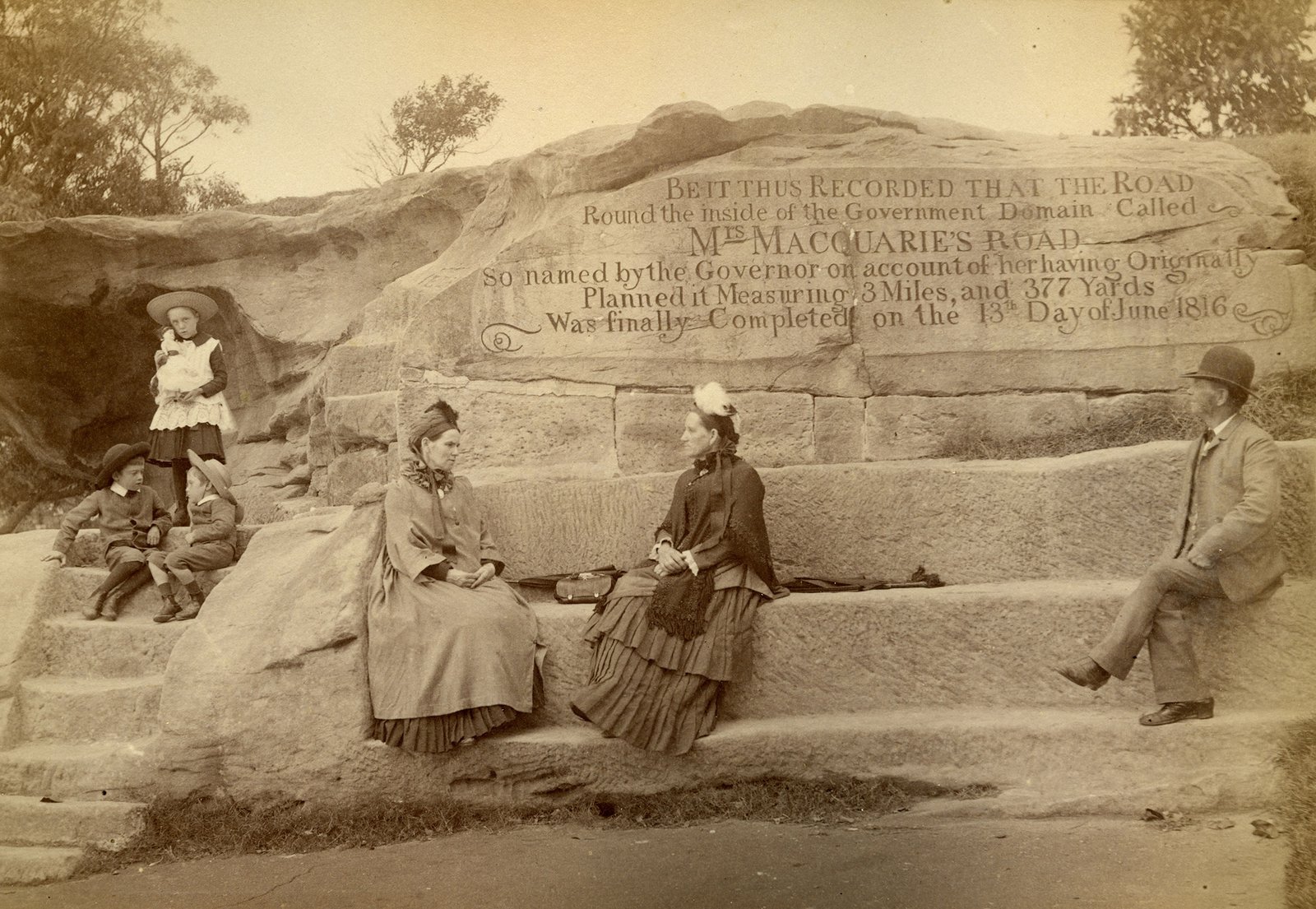
© Photo by George Freeman
The Macquaries’ enlightened attitude to Aboriginal people, although not always realised, was ahead of its time, as was their treatment of convicts. They attempted to dissolve the stigma of convictism and socialised with emancipists. Macquarie standardised the monetary functioning of the colony by establishing a bank (now Westpac) and a currency.

For all Macquarie’s good works, he developed powerful enemies who objected to his social attitudes and the directing of colonial resources to expensive public works and away from private enterprise. These detractors ultimately destroyed his reputation in England, bringing about his recall in 1822.
While Macquarie spent his final years trying to recover his reputation, upon his death in 1824, many readily acknowledged his visionary leadership of the colony.