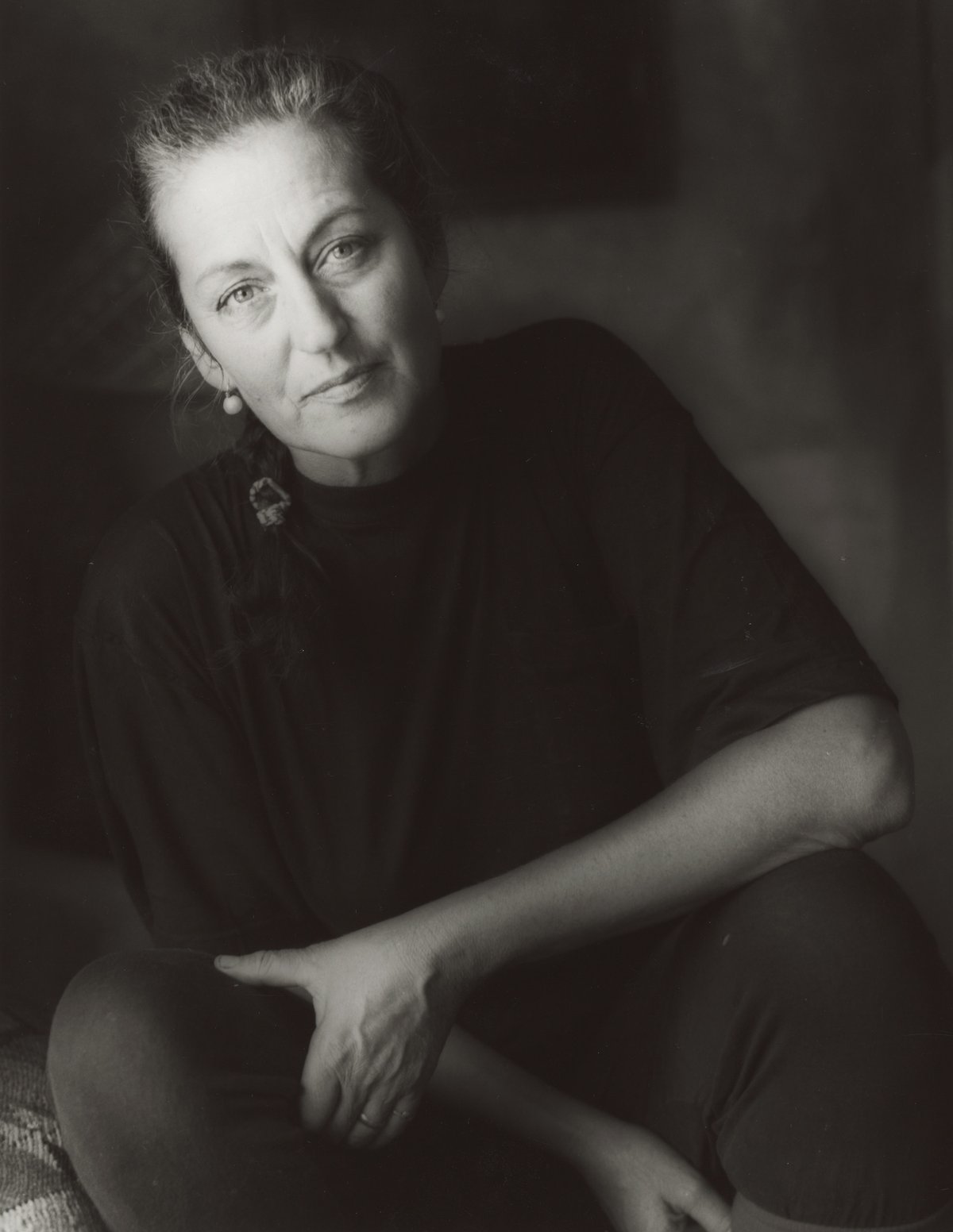
Germaine Greer
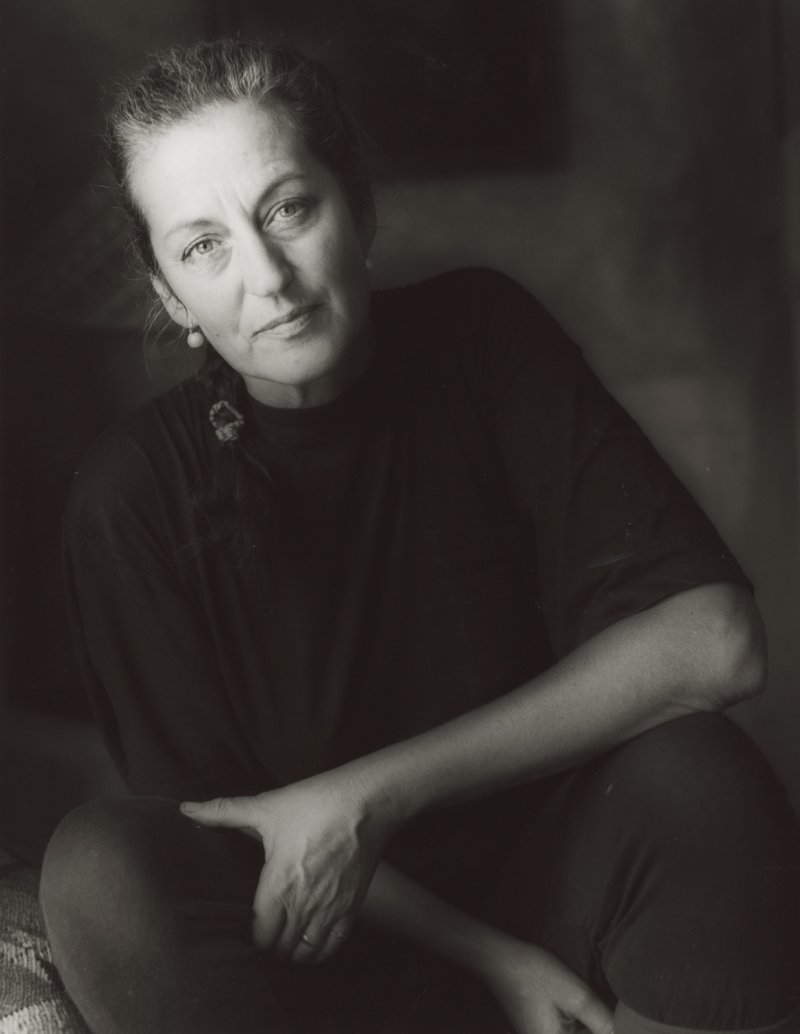 Click to enlarge image
© Jacqueline Mitelman
Readers note: This is an excerpt from the 200 Treasures exhibition catalogue, developed in 2017. This content was written as a brief biography on why this person was included in the exhibition.
1939 - present
Germaine Greer, a Catholic schoolgirl from Melbourne, became the most famous feminist in the world. Born to a conservative middle-class family, Greer rebelled against the social constraints clearly evident in postwar Melbourne. She was deeply influenced by the ferment of ideas and politics at the University of Melbourne,
where she graduated in English and French literature. She transferred to the University of Sydney for her postgraduate literature studies. There, she joined the legendary group ‘The Push’, which ‘united social and political criticism with drinking, gambling, sex and anarchy’.
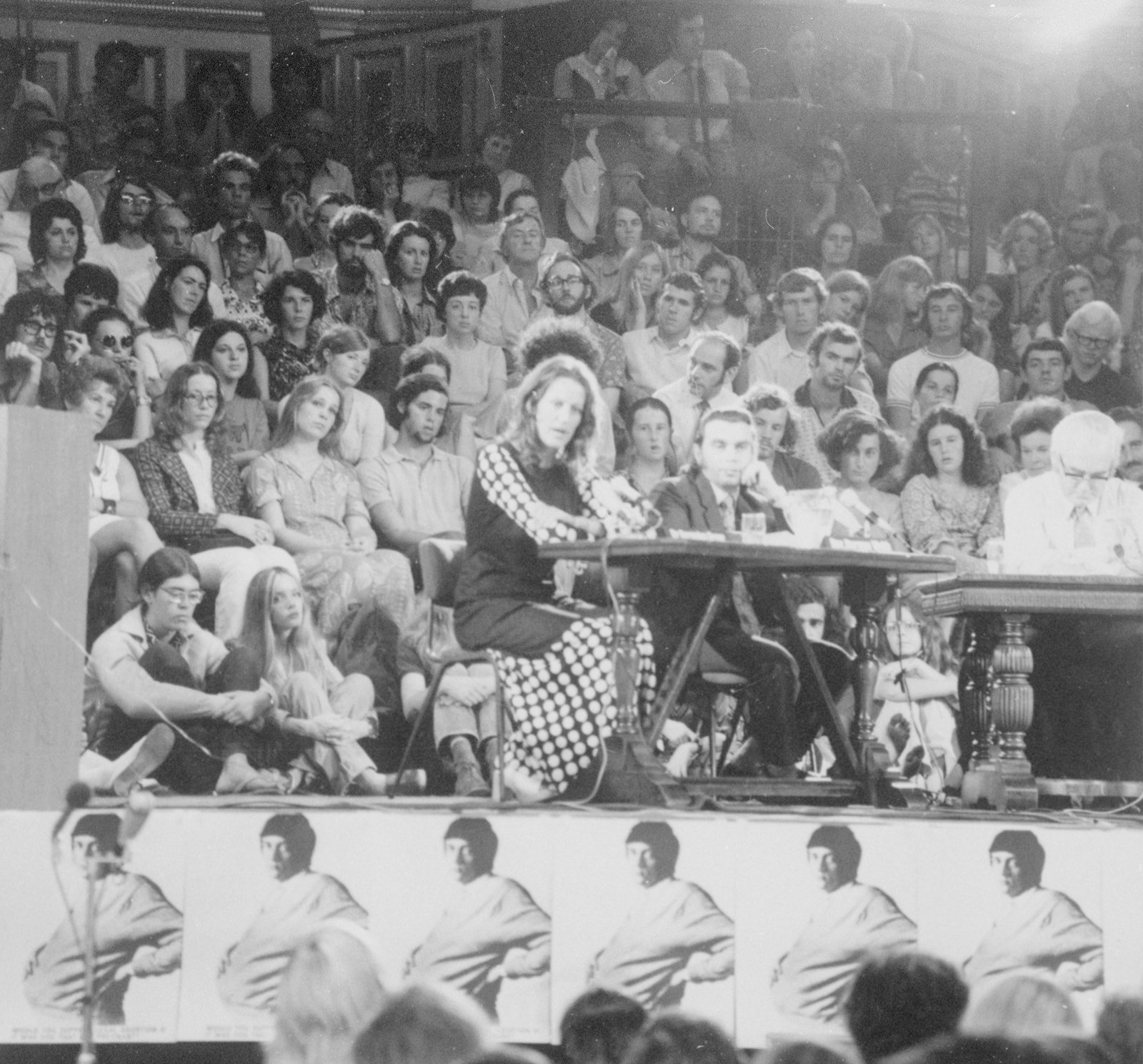
© State Library of New South Wales
Having obtained her master’s degree, Greer left Australia in 1964 to commence PhD studies on Shakespeare at the women-only Newnham College, Cambridge, in the UK. Greer remained closely associated with many Australians in London at the time and began writing provocative columns for the Oz magazine about sex, bodies, promiscuity and gender relations. The ideas Greer first tested in this forum were amplified in her book The Female Eunuch. First published in 1970, The Female Eunuch would become one of the most influential books of the century and catapulted Greer to international fame. At the time of this publication, the feminist movement was gaining momentum on many fronts.

The quick-witted Greer, who was also telegenic and never shied from the spotlight, became the media’s go-to feminist. In a Life cover story of 1971, Greer was described as the ‘saucy feminist that even men like’. Greer cast a big shadow that obscured many other actors in the larger story of feminism and the causes they championed. She took up academic appointments in the US and UK, and today retains a high public profile as a social commentator. Most recently, Greer’s copious archive of personal papers has been opened to the public at the University of Melbourne. In these documents lie more extraordinary layers to the Greer story and to her times.