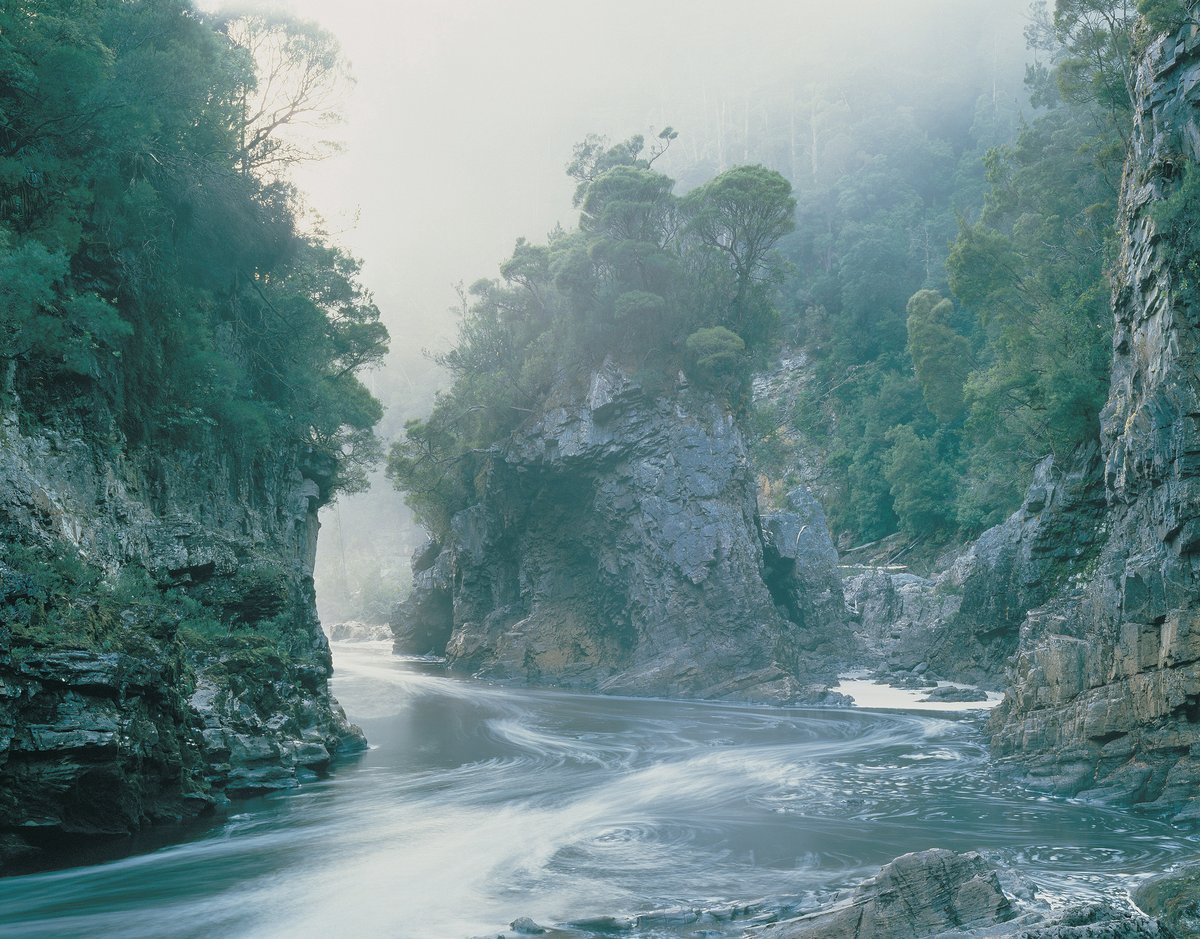
Olegas Truchanas and Peter Dombrovskis
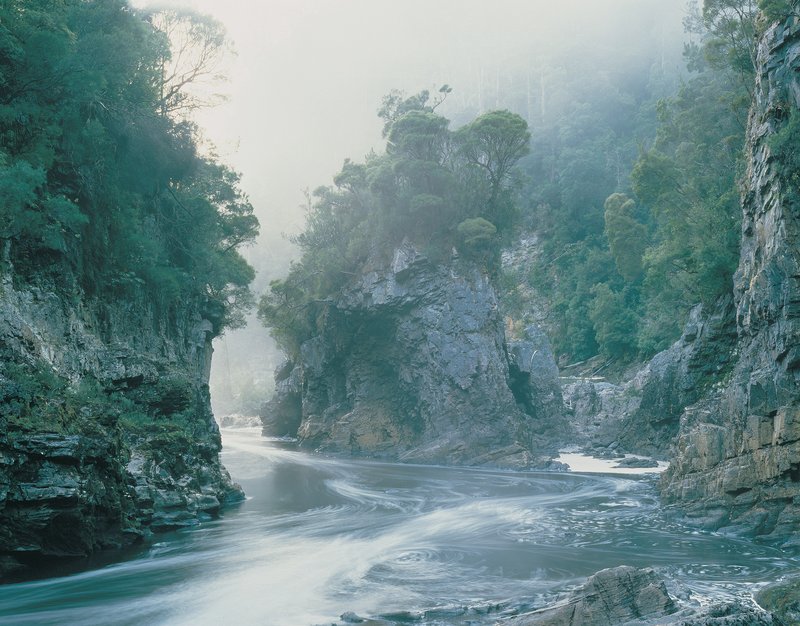 Click to enlarge image
© Liz Dombrovskis
Readers note: This is an excerpt from the 200 Treasures exhibition catalogue, developed in 2017. This content was written as a brief biography on why this person was included in the exhibition.
1923 - 1972; 1945 - 1996
Olegas Truchanas arrived in Melbourne in 1949 after being displaced from his native Lithuania due to the ravages of World War II. After settling in Tasmania he began work with the Hydro-Electric Commission (HEC) in 1951.
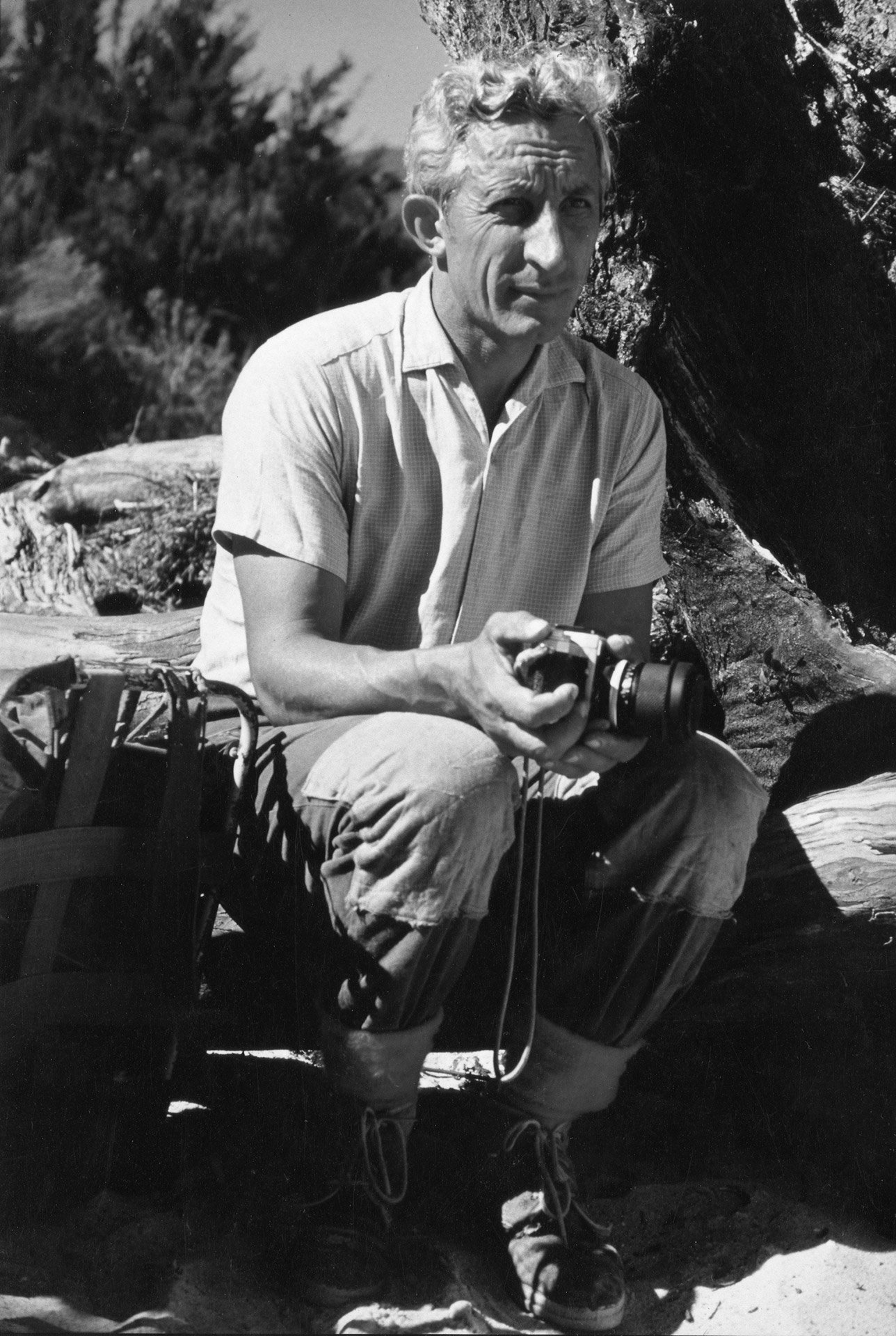
© Melva Truchanas
Truchanas fell in love with the state’s south-west wilderness and it was this passion that set him on a collision course with his employer. Truchanas ran adventure camps and brought the spectacular wild river region to the attention of others. His most enduring means of revealing the natural treasures of this region was photography.
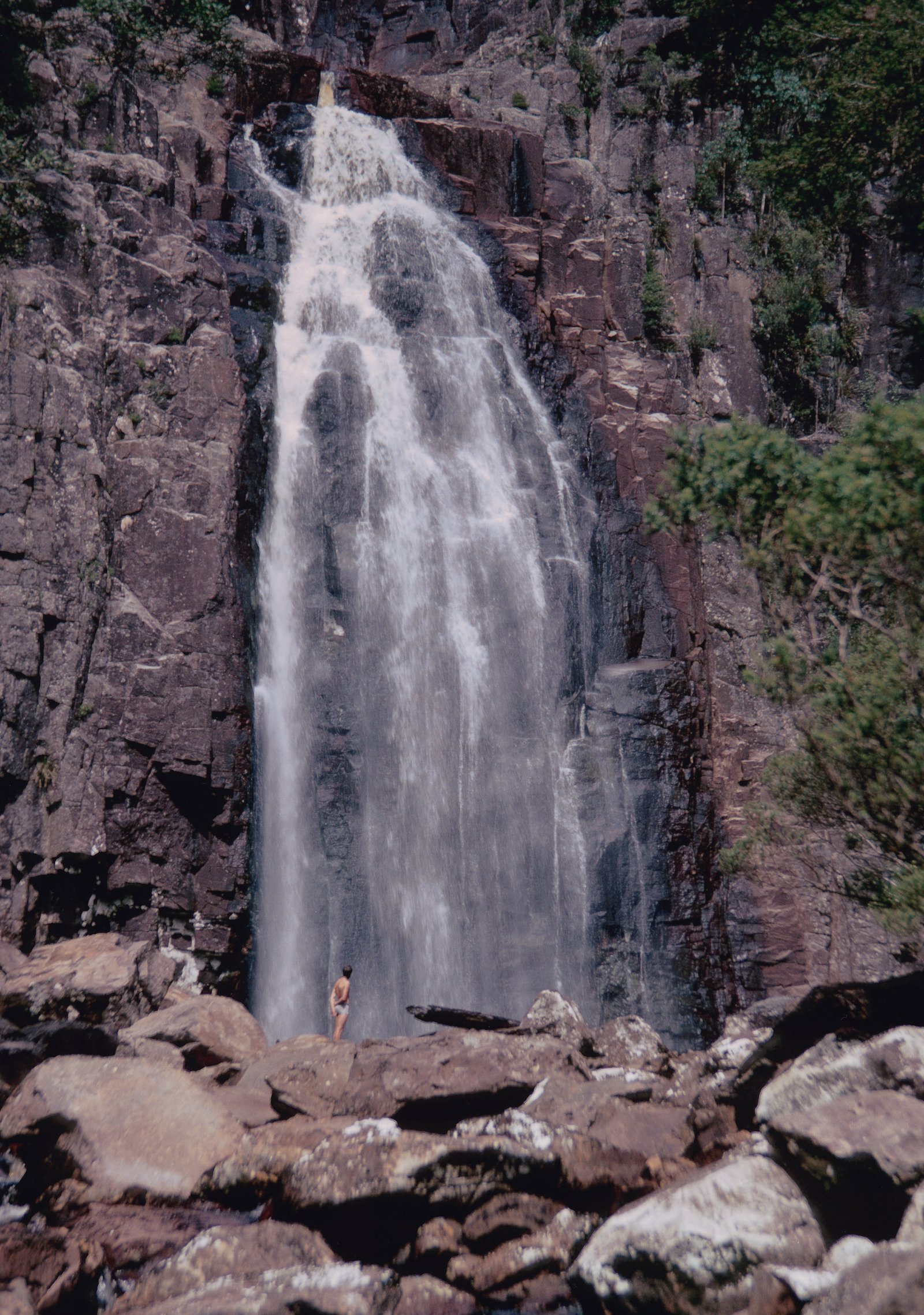
© National Library of Australia
During the 1960s, Truchanas began teaching photography to a recently arrived migrant boy, Peter Dombrovskis, born in Germany to Latvian parents. Both men’s photographic talents brought them international recognition. (Dombrovskis was inducted into the International Photography Hall of Fame in the USA in 2003.) Their stunning images of wilderness were potent, effective weapons in the war with the HEC as it moved forward with plans to harness the power of the wild rivers and dam them.
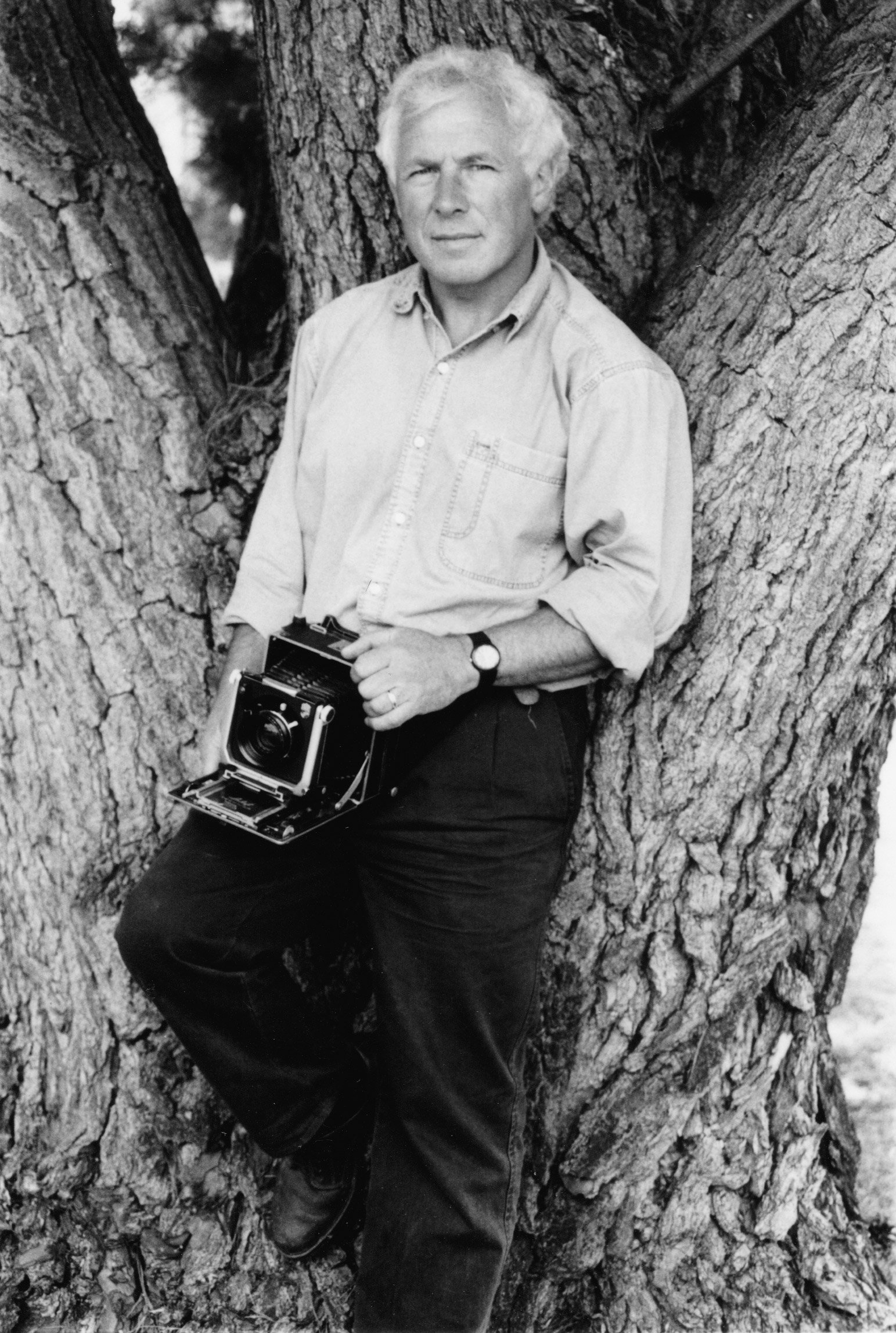
© Liz Dombrovskis

Truchanas gave public lectures explaining what would be lost were this to occur. Despite this, Lake Pedder was flooded – the catalyst for the No Dams environmental movement - as the HEC next moved to dam the Franklin River. Truchanas resigned from the HEC and set out to photograph ‘The Splits’ on the Gordon River. En route, in January 1972, he slipped in Lake Pedder and drowned. With the death of his father figure, Dombrovskis’s work assumed a central place in the bitter campaign to save the Tasmanian wilderness. His raw photographic masterpieces were vital to the ultimate success of the campaign in 1983, inspiring Australians throughout the country to become passionate about this wild country they had never seen. Dombrovskis died in 1996 while photographing the Western Arthur Ranges in south-west Tasmania.