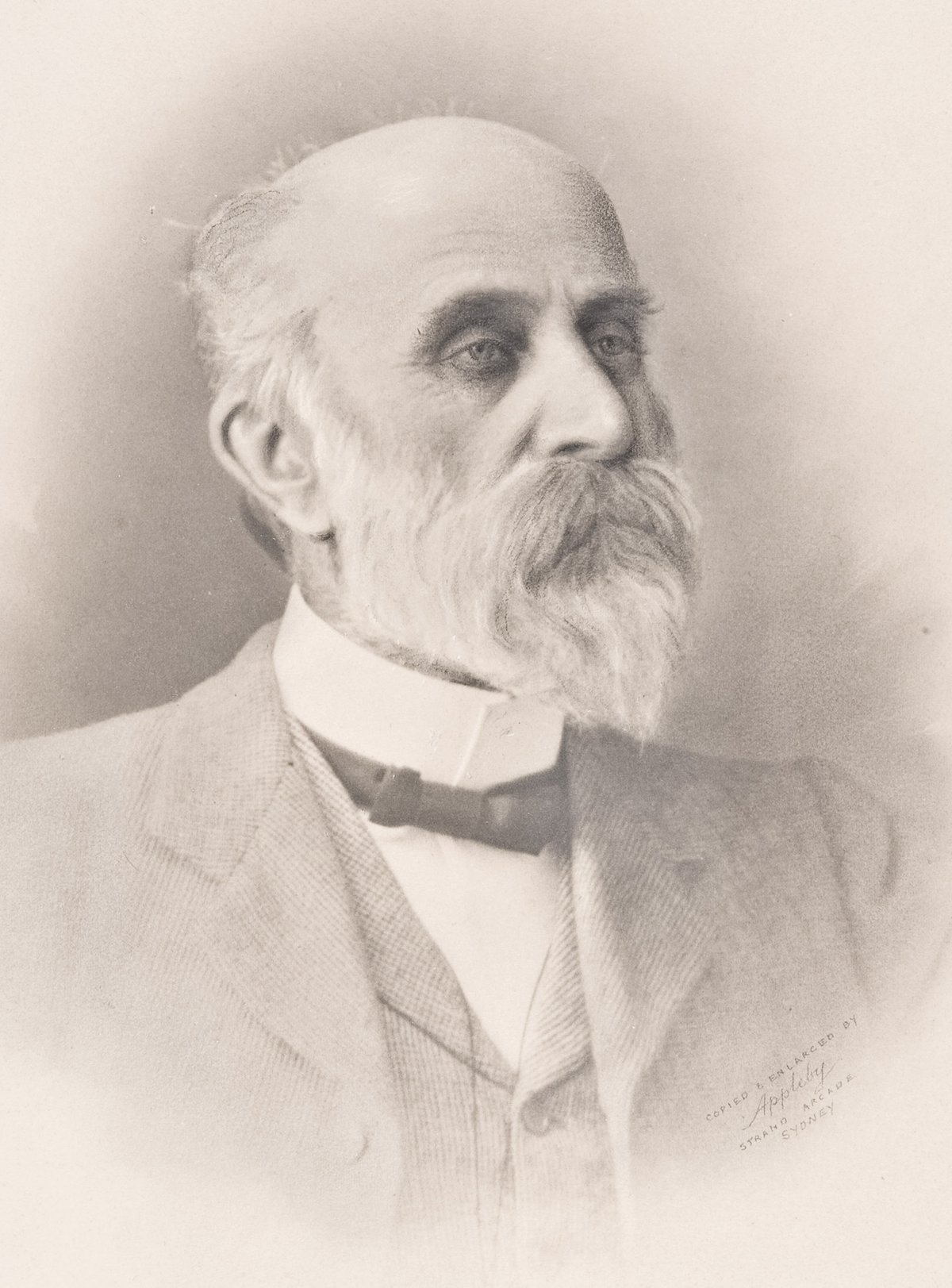
James Barnet
 Click to enlarge image
© Australian Museum Archives
Readers note: This is an excerpt from the 200 Treasures exhibition catalogue, developed in 2017. This content was written as a brief biography on why this person was included in the exhibition.
1827 - 1904
James Johnstone Barnet left a formidable mark on the built landscape of New South Wales. Born in Scotland in 1827, and the son of a builder, Barnet emigrated to Sydney with his wife, Amy, in 1854. He had been schooled in drawing, design and architecture, and upon arrival in the colony took up an appointment as a clerk of works at the University of Sydney, four years after its inception. Emulating the great universities of Britain, the first university in Australia required monumental buildings, and Barnet oversaw construction of its sandstone centerpiece, the Great Hall, which was officially opened in 1859.
The following year, Barnet joined the Colonial Architect’s Office and was subsequently appointed Colonial Architect, a position he held for 25 years. In this role, Barnet oversaw an immense building program across the colony of New South Wales, spanning the gold rush and the boom years that followed. During this period, civic pride flourished and funds flowed for public buildings of high architectural merit and style.
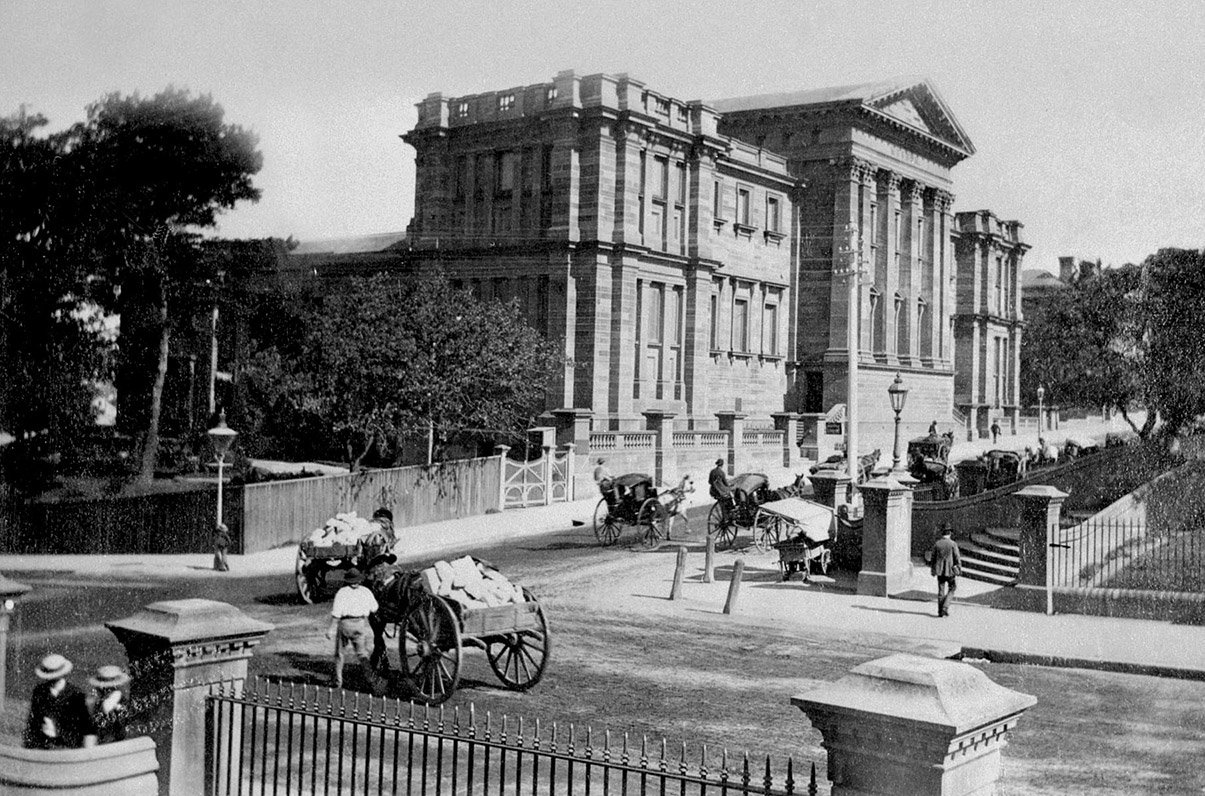
© Australian Museum Archives

Barnet oversaw the design and construction of hundreds of police stations, courthouses, post offices and lighthouses, often of an ornate style. He designed and supervised the construction of a cluster of Sydney’s iconic sandstone buildings, including the General Post Office in Martin Place, the Public Library, the Colonial Secretary’s Office on Macquarie Street, the Department of Lands Building on Bridge Street, Customs House at Circular Quay, Mortuary Station and a new wing of the Australian Museum.
Despite his impressive body of work, criticism dogged his final years in office. Questions about his work standards became more prevalent and were the subject of a royal commission in 1890 whose damning findings ended his distinguished career. He died 14 years later.