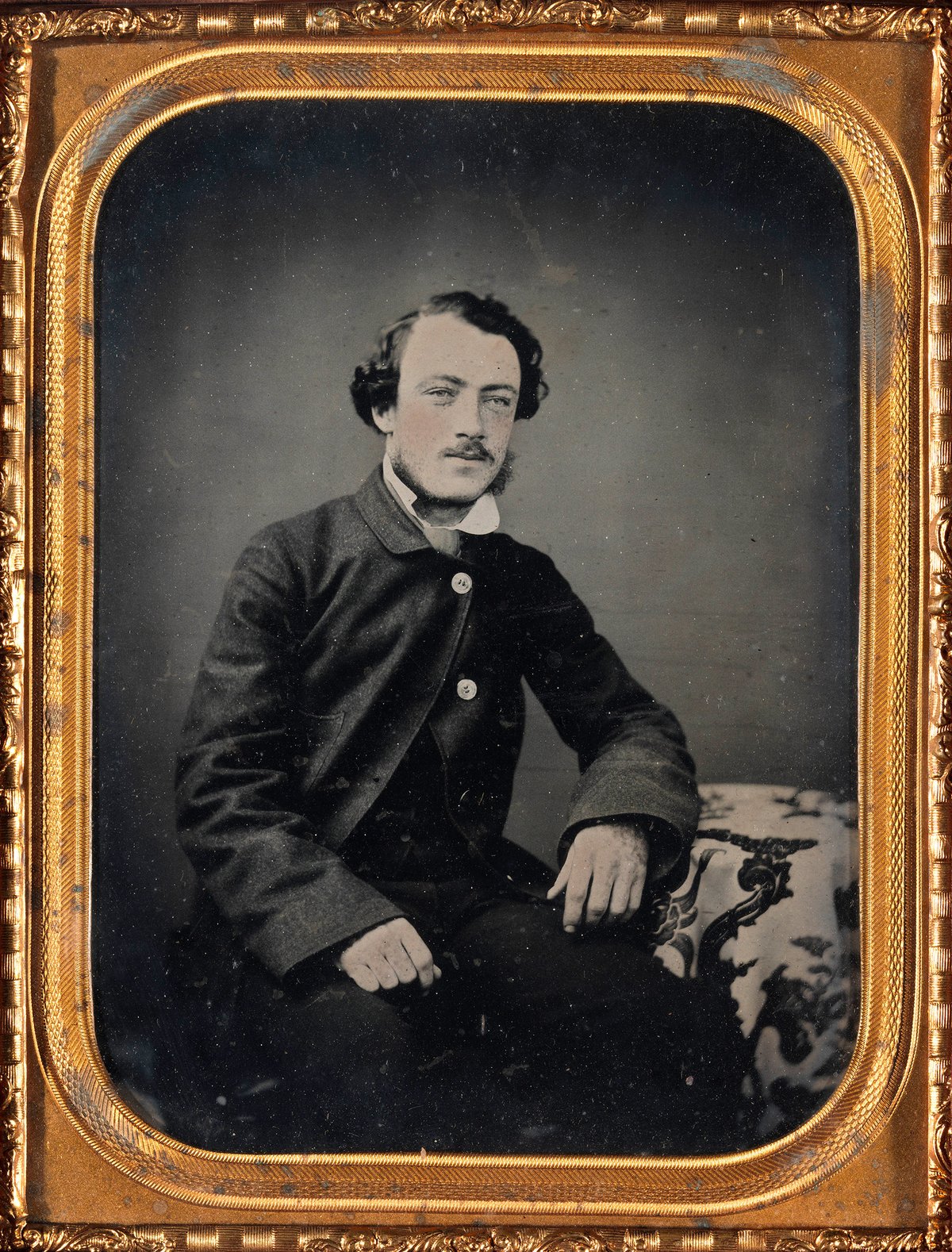
Thomas Wills
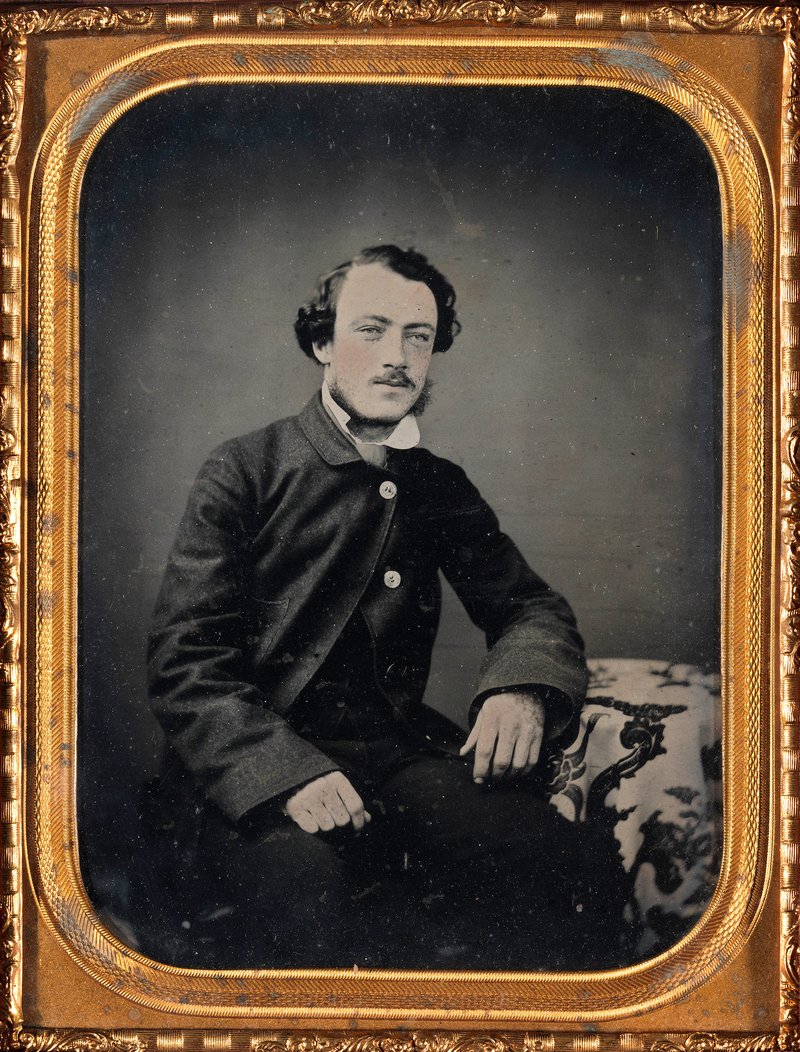 Click to enlarge image
© National Portrait Gallery, Canberra
Readers note: This is an excerpt from the 200 Treasures exhibition catalogue, developed in 2017. This content was written as a brief biography on why this person was included in the exhibition.
1835 - 1880
Thomas Wills, cricketer, but best known for devising the game of Australian Rules football, was the oldest son of Horatio and Elizabeth Wills. Horatio had risen to be a pastoralist and a Victorian politician, and his pastoral acquisitions saw him conduct epic droving expeditions, the first from the Sydney region to the Port Phillip district in 1839. Wills was only four years old when he took part in this unprecedented movement of settlers and stock over great distances, an event that his father likened to Noah’s Ark.
© State Library of Queensland
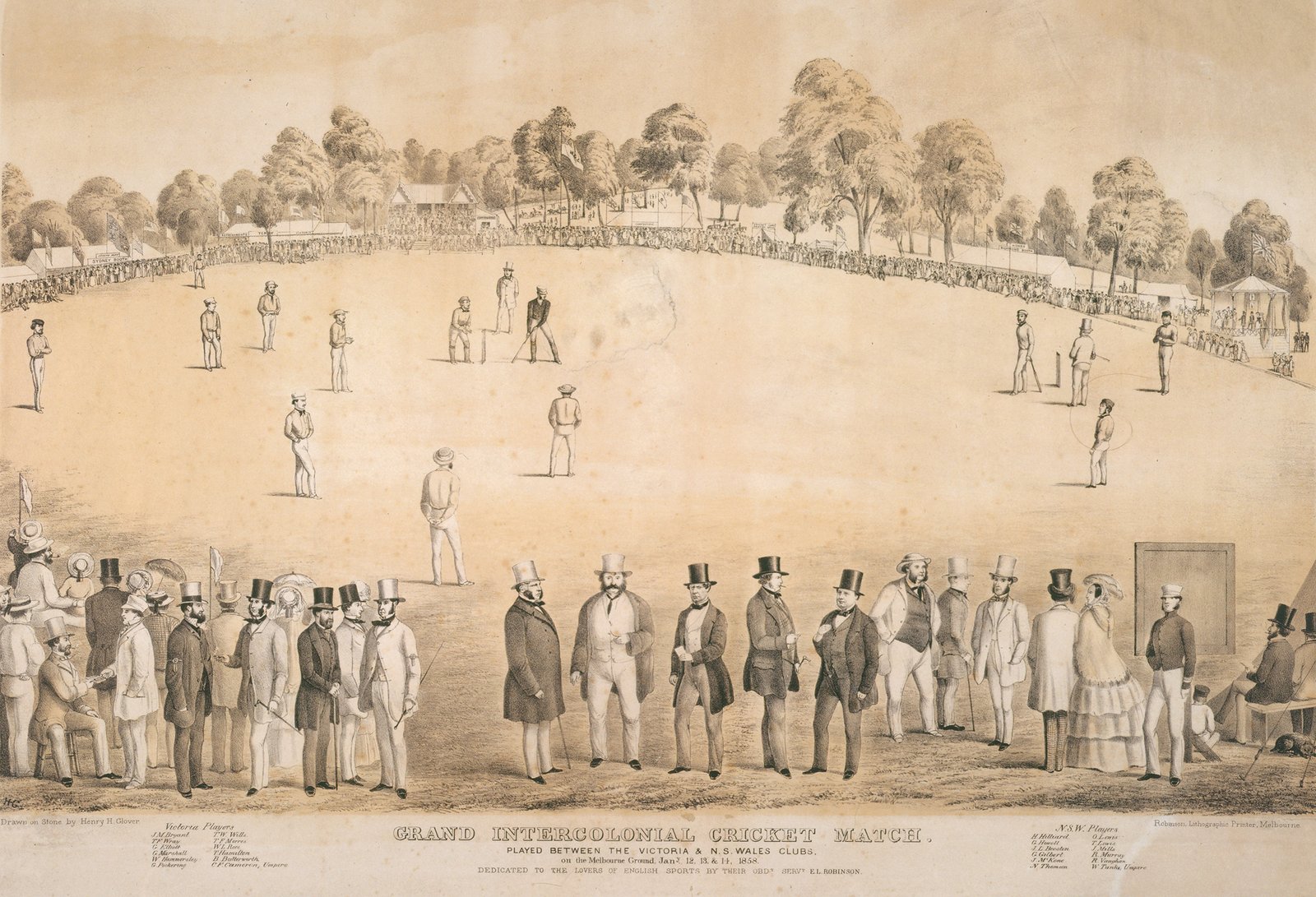
The Wills family spent time in Europe and the UK in the 1850s and Tom attended Rugby School as a teenager, where he played cricket and the game of football named after that school. When the family returned to Australia, Wills captained the Victorian cricket team and became a household name.
© State Library of Victoria
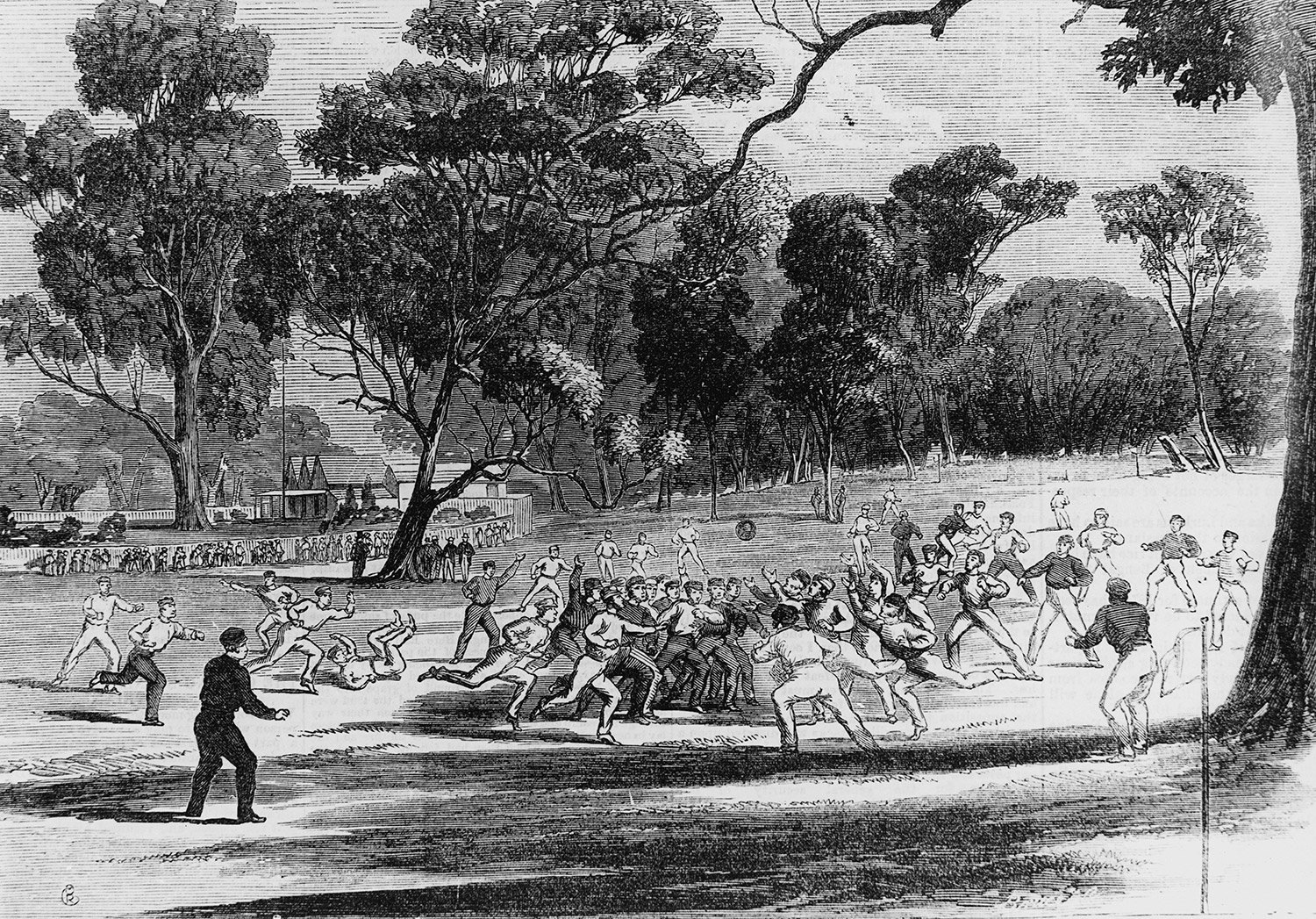
In 1858, he devised a version of football that would keep cricketers fit during the winter months; this is the game that became Australian Rules football, also known as AFL (Australian Football League). Wills founded the Melbourne Football Club in 1859 and codified the rules of the game. Shortly after, he joined his father for his second epic droving expedition. They and a retinue of servants left Geelong in January 1861 by ship for Brisbane. There, they assembled more than 10,000 head of sheep, horses and cattle and drove them for 16 weeks to reach the new property, Cullin-La-Ringo, on the Dawson River. The party arrived in October 1861, and on the seventeenth of that month, was attacked by local Aboriginal people. Wills was one of three survivors. Brutal reprisals ensued, igniting cycles of violence on the Queensland frontier. Wills returned to Victoria and continued to play football and cricket.

In 1866, despite his experiences in Queensland, and to the surprise of many, he helped assemble and then captained and coached the first Aboriginal cricket team for an intercolonial competition. Wills’s cricketing career petered out in the 1870s, and trauma from the massacre led to alcoholism and then to suicide: he ended his life by stabbing himself in the heart.