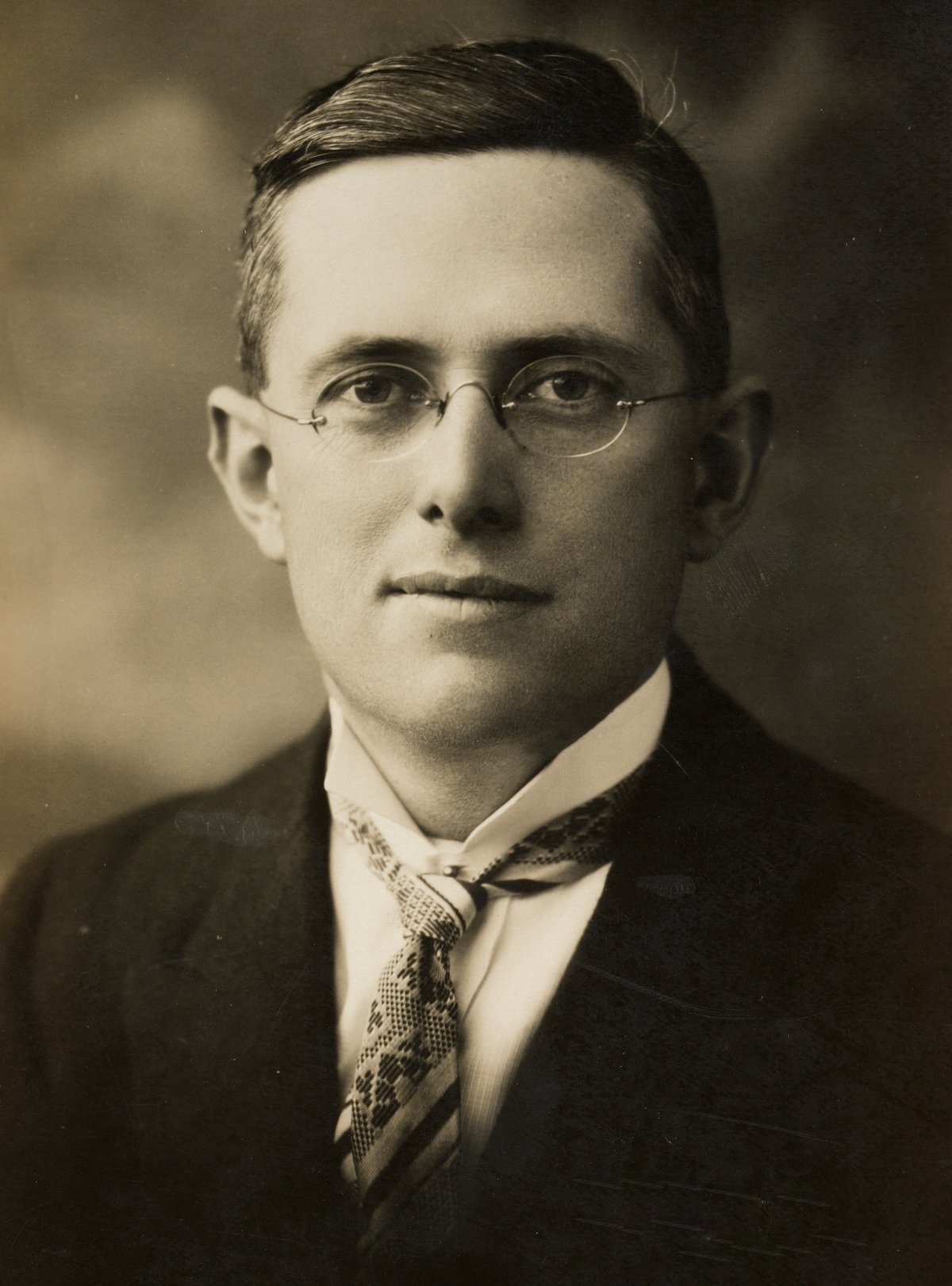
Dr Herbert Evatt KC, KStJ
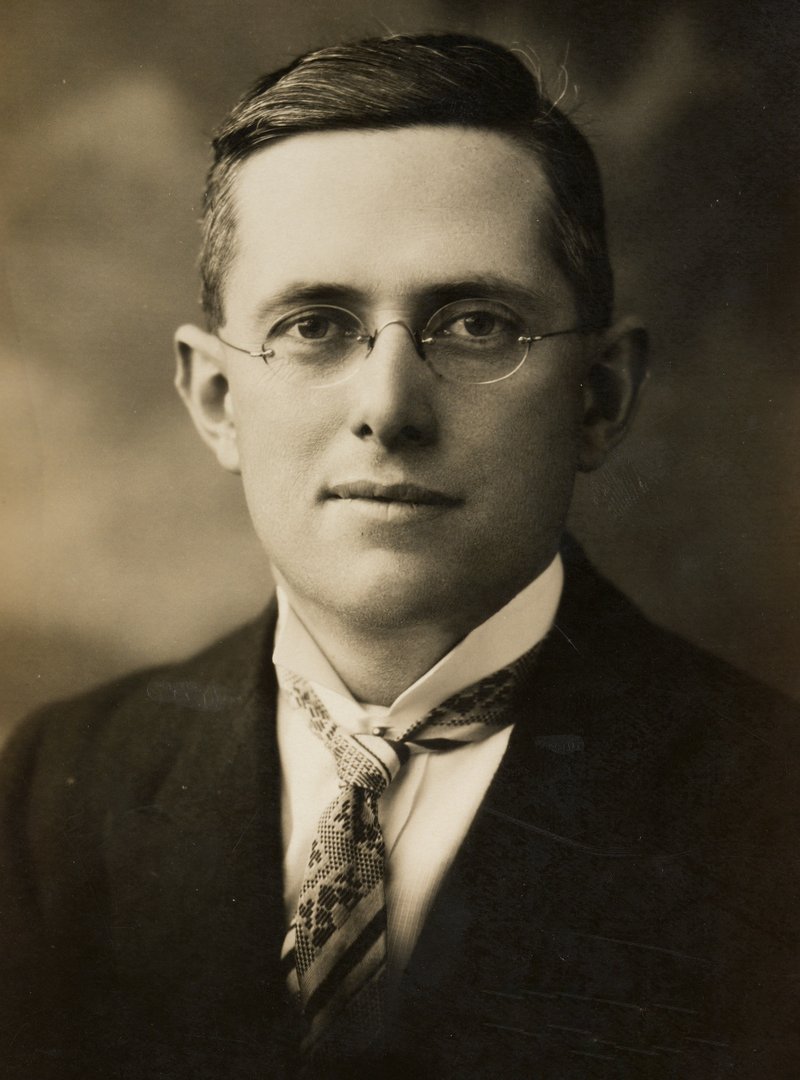 Click to enlarge image
© State Library of NSW
Readers note: This is an excerpt from the 200 Treasures exhibition catalogue, developed in 2017. This content was written as a brief biography on why this person was included in the exhibition.
1894 - 1965
Herbert Vere (Bert) Evatt was a leading figure in the legal fraternity and in Labor politics during tumultuous times in Australia. Born in East Maitland, NSW, his scholarly abilities were evident at school and at the University of Sydney, where he graduated in 1918 with first-class honours in both arts and law. Evatt joined the Australian Labor Party in 1918, and in the same year was admitted to the Bar. He was elected to the NSW Legislative Assembly in the seat of Balmain in 1925.
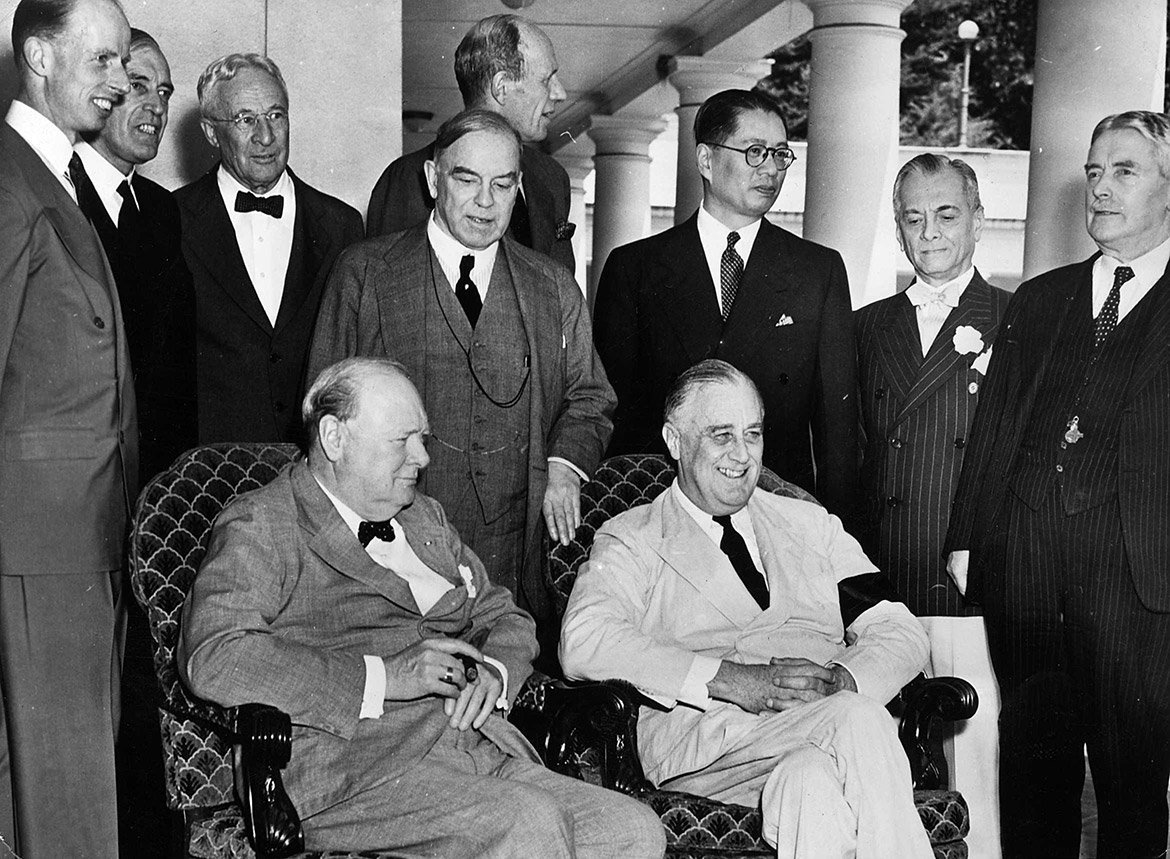
© State Library of Victoria
In 1929 he was appointed a justice to the High Court in 1929 at the age of 36, making him the youngest person elevated to Australia’s highest court. While serving on the High Court Evatt wrote numerous books about law and history. Not content with his legal career, he returned to politics when he won the federal seat of Barton. Within two years, he was both Labor’s Attorney General and Minister for External Affairs under Prime Minister John Curtin, holding both vital portfolios during World War II. At the war’s end, Evatt represented Australia at numerous international forums, including the San Francisco Conference and the United Nations Security Council. He was also first president of the Atomic Energy Commission.
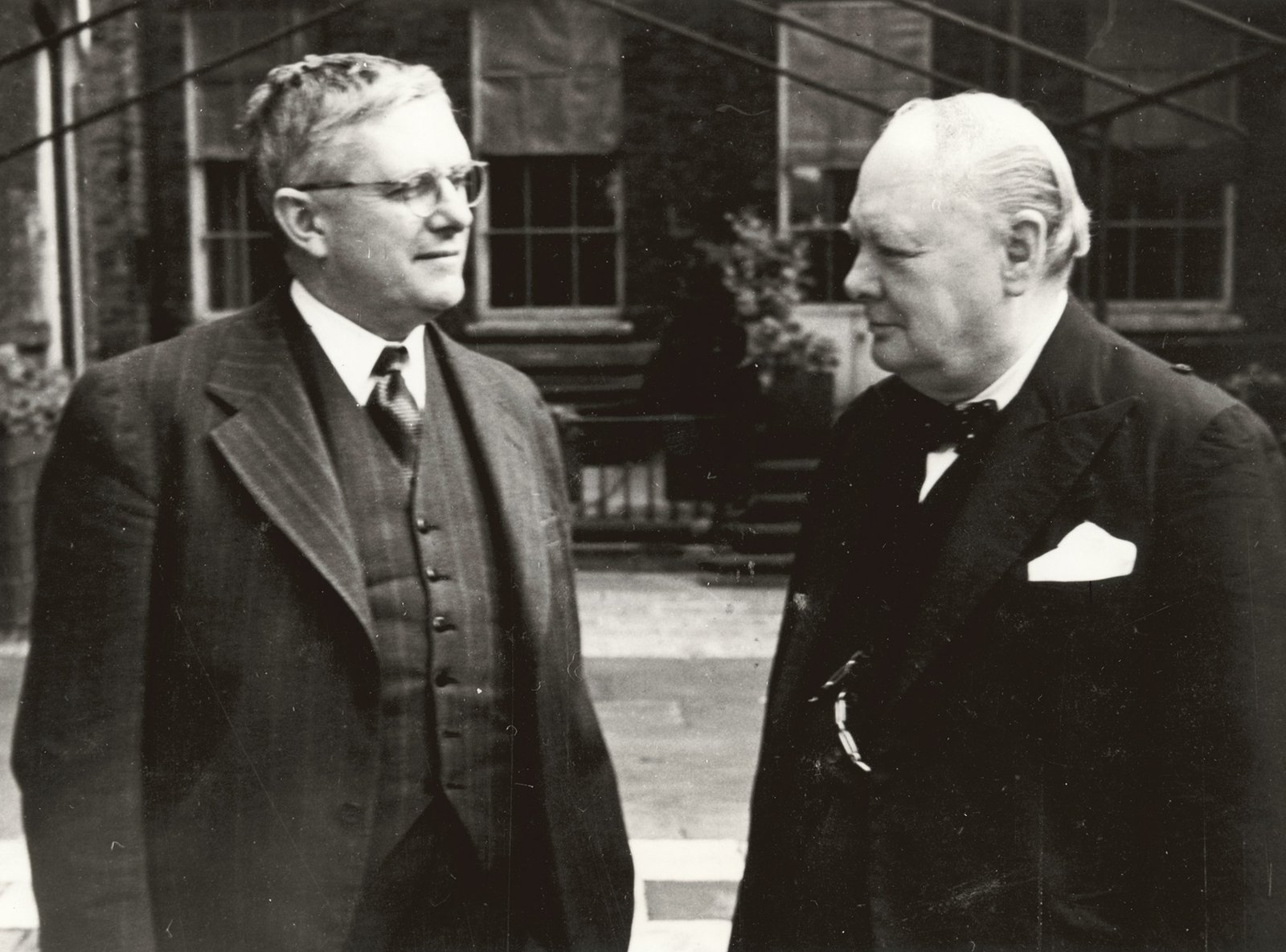
© National Library of Australia

In 1951, following the death of Ben Chifley, he gained leadership of the Labor Party at a time when Prime Minister Robert Menzies was waging war on Communism and had called a referendum to ban it. Evatt resoundingly supported a ‘no’ vote, and through his ‘vigorous barnstorming’ campaigns the referendum was defeated. Yet, right-wing elements in the Labor Party were dissatisfied. After the 1954 spy incident the Petrov Affair, the Labor Party split in 1955, relegating the party to the ‘political wilderness’ until 1972. After the bitter party split, Evatt stayed on as Labor leader until 1959. He was then appointed as NSW chief justice but his health deteriorated and he died in 1965.