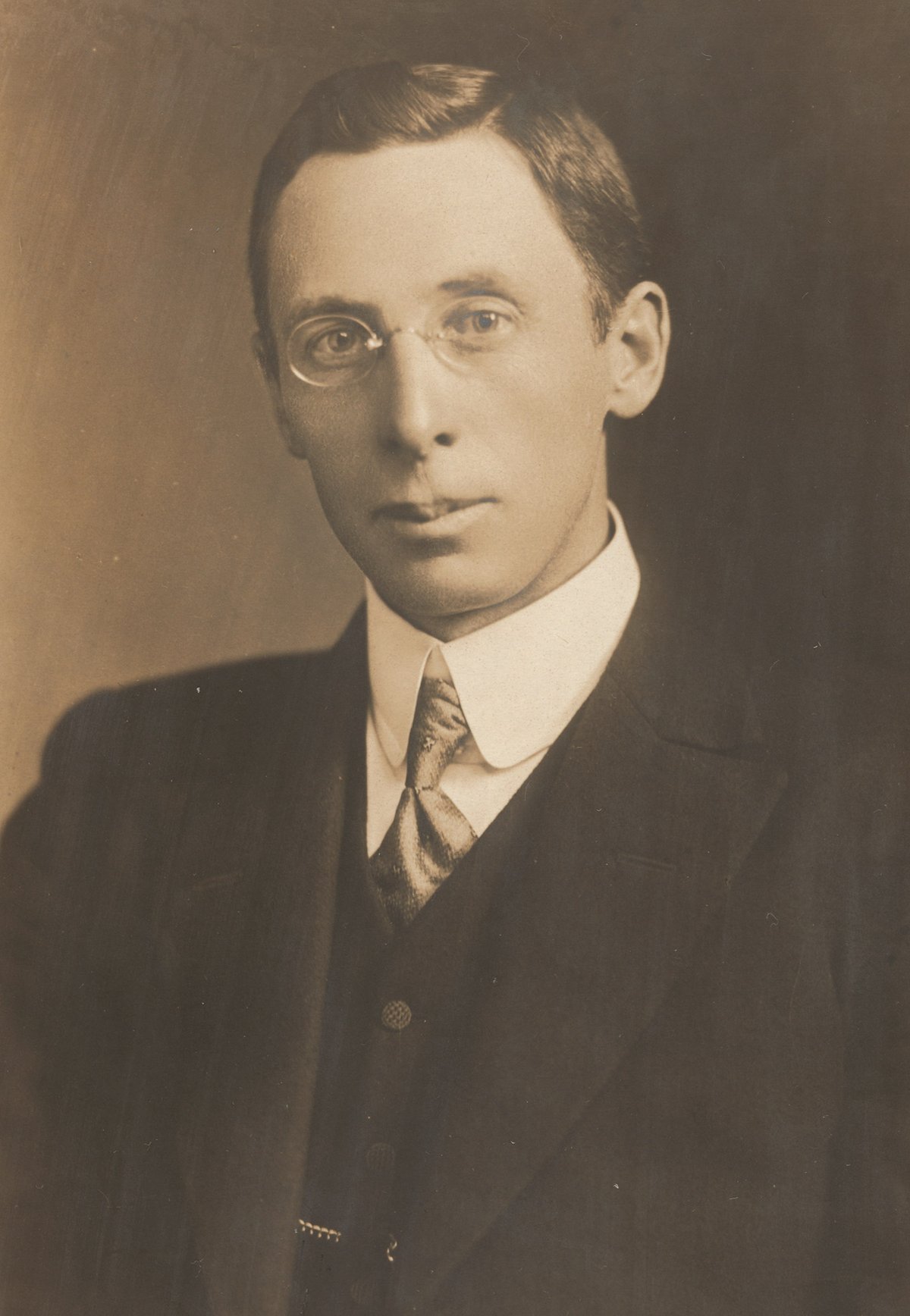
John Flynn OBE
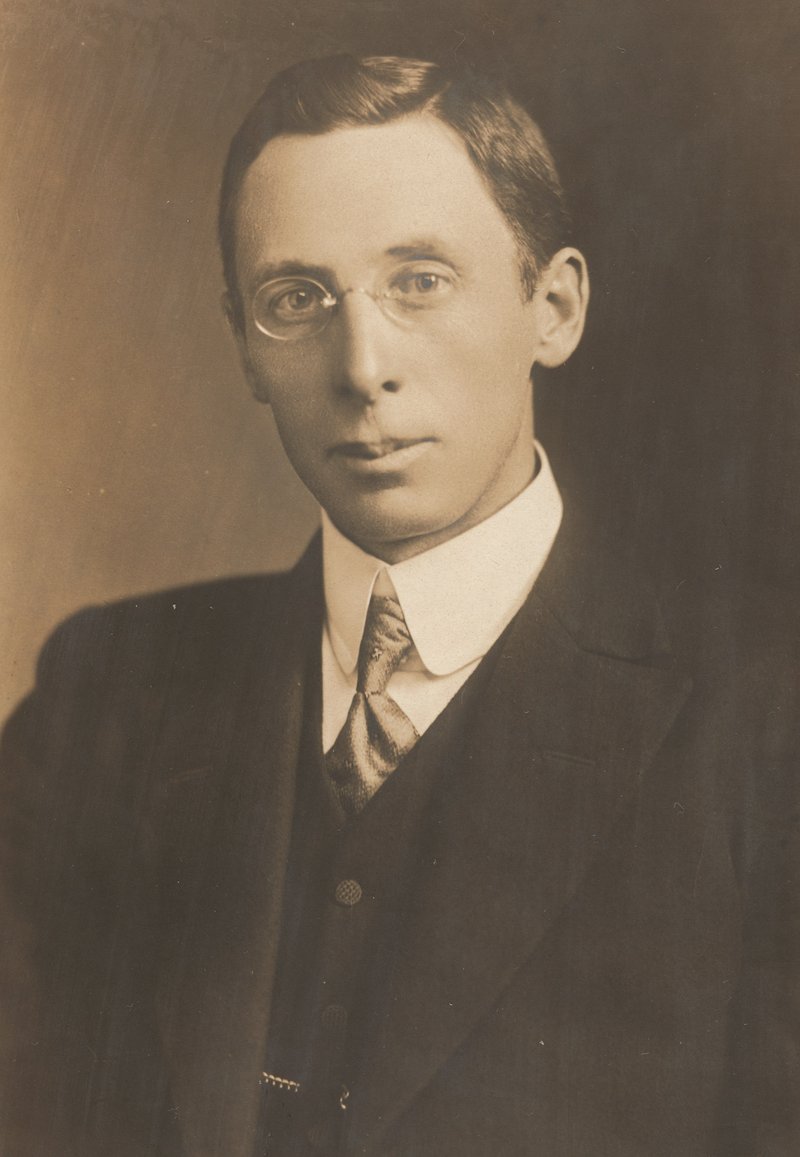 Click to enlarge image
© National Library of Australia.
Readers note: This is an excerpt from the 200 Treasures exhibition catalogue, developed in 2017. This content was written as a brief biography on why this person was included in the exhibition.
1880 - 1951
When Reverend John Flynn was appointed the superintendent of the Australian Inland Mission (AIM) of the Presbyterian Church in 1912, the European population in the Northern Territory was a mere 1500, with very few women.
© Royal Flying Doctor Service.
Flynn’s objective was to provide medical services and communication links to shrink the vast distances and crippling effects of isolation and make Australia’s outback a less formidable place for white women and European families to settle. The question of services for the majority Indigenous population was entangled with potent racial politics that prevailed during Flynn’s time at the helm of the AIM. Flynn has been both condemned for ignoring the plight of Indigenous people and defended for extending medical services to them and attacking the pervasive racist culture of the outback. To achieve the objectives across such a large and inhospitable region required both great ingenuity and funding.
© Royal Flying Doctor Service
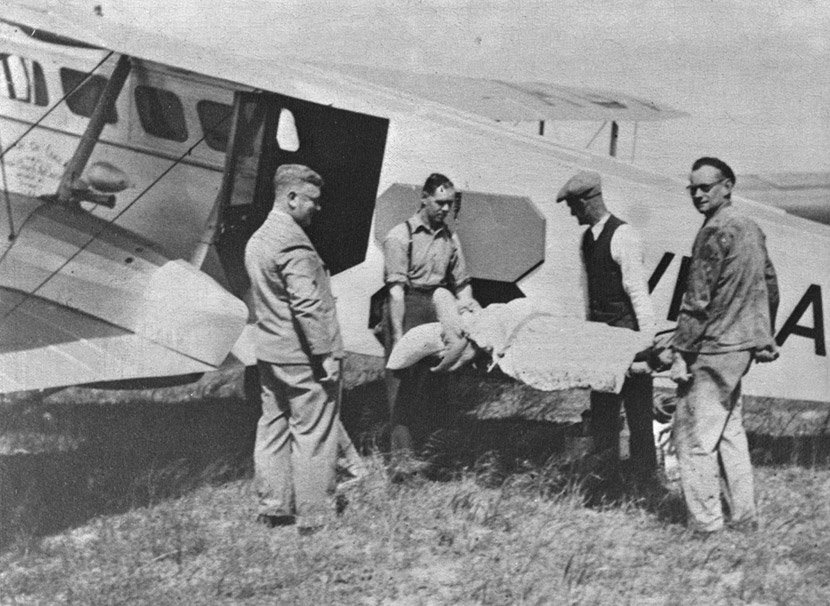
Land-based travel for medical services was clearly not an option, so, from 1929, Flynn worked in partnership with Wilmot Hudson Fysh, a founder of the fledgling Queensland and Northern Territory Aerial Services Ltd (Qantas), to advance his idea of a ‘sky doctor’ network. From this collaboration, the Royal Flying Doctor Service (as it became known in 1956) was born. It was an expensive undertaking and nearly failed due to the crippling effects of the Great Depression. But, again, Flynn’s ingenuity came into play. Publicity in southern cities about the real-life heroics of doctors, in particular Dr Allan Vickers who undertook numerous hazardous flights to remote locations, helped fill the coffers, enabling the service to survive and expand.

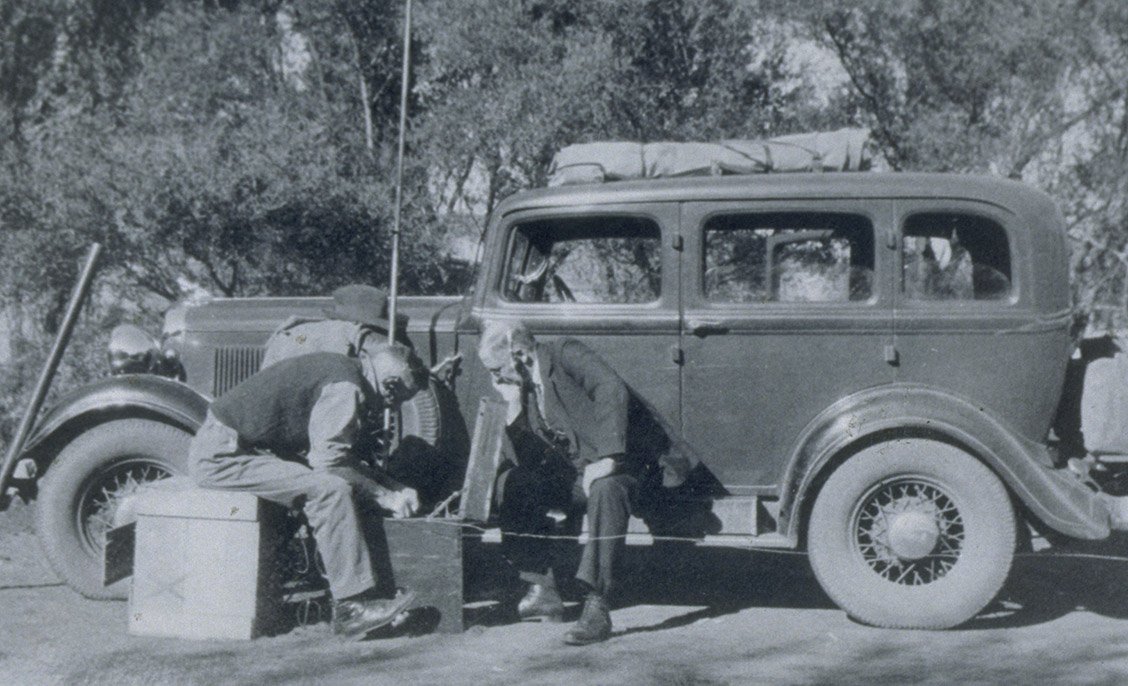
Under Flynn, AIM also pioneered two-way voice communication, invented by Alfred Traeger, which transformed the outback and provided the infrastructure for School of the Air broadcasts from 1950, a year before Flynn died. For his revolutionising work Flynn became a revered figure who is memorialised throughout the outback and beyond to this day.