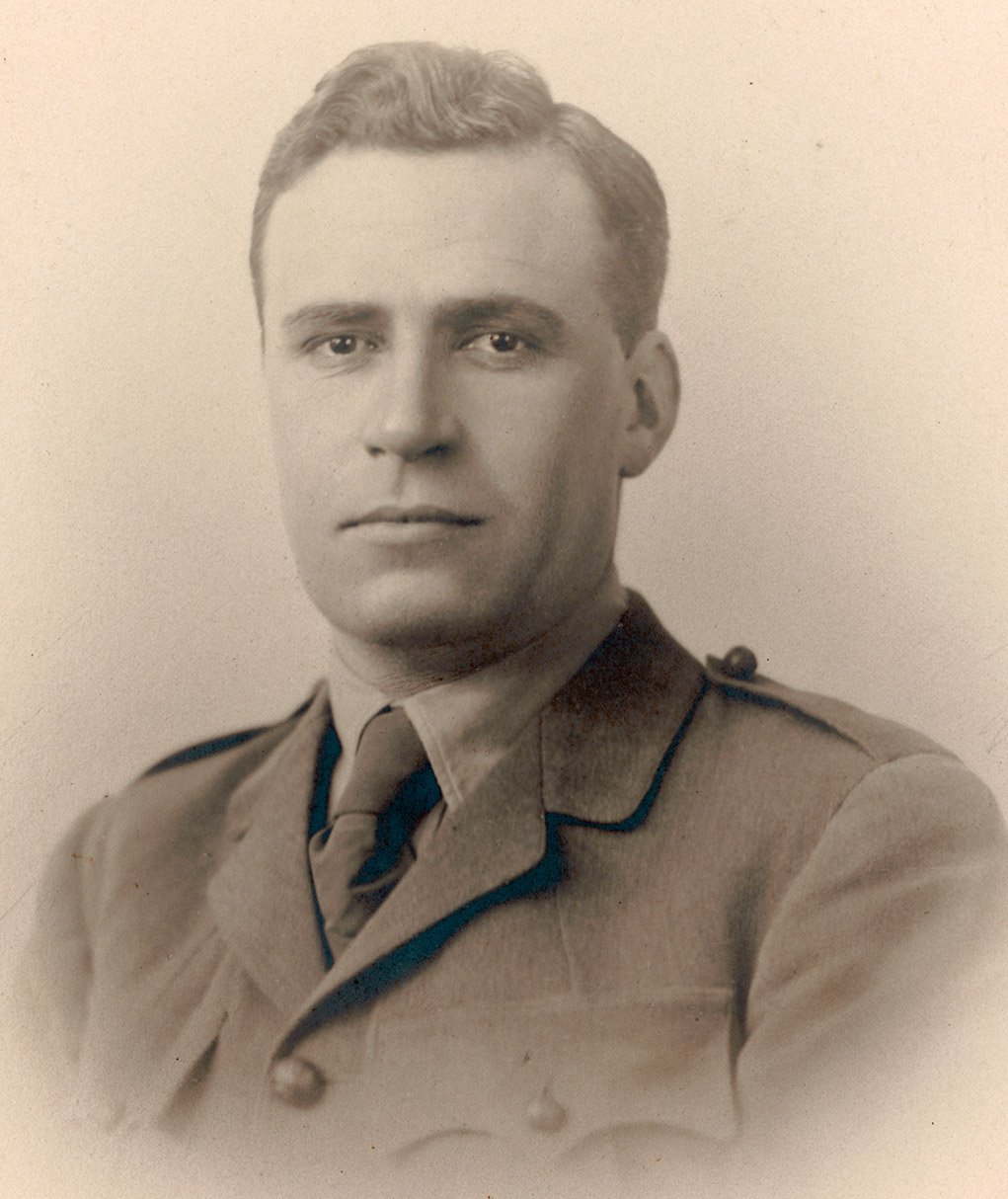
The Murdoch Family
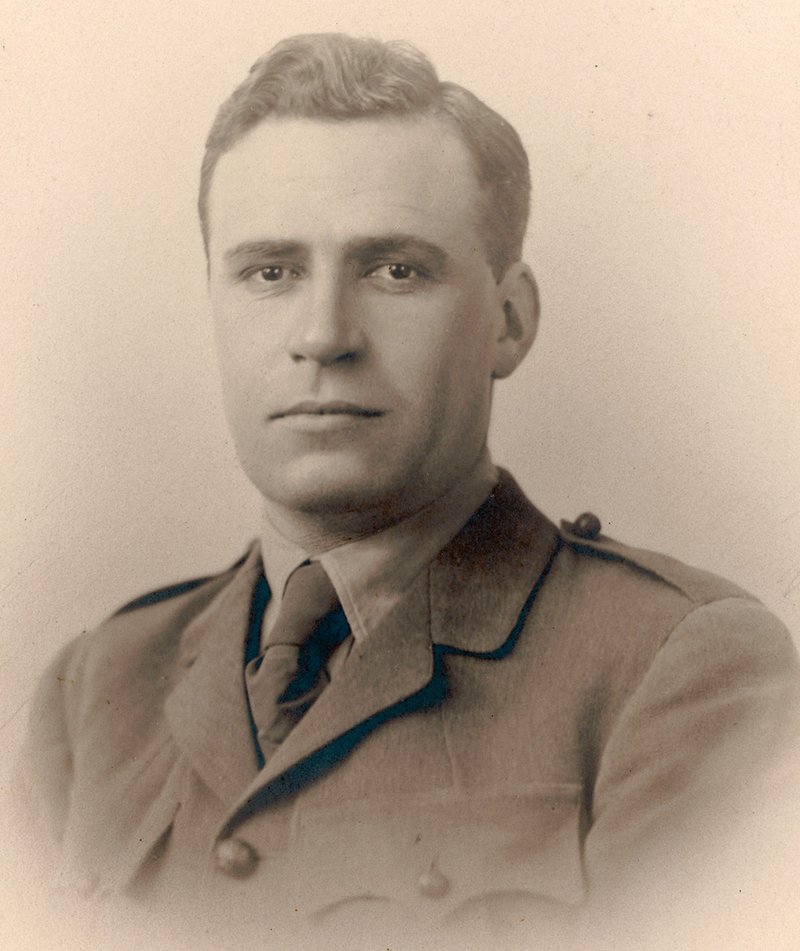 Click to enlarge image
© National Library of Australia
Readers note: This is an excerpt from the 200 Treasures exhibition catalogue, developed in 2017. This content was written as a brief biography on why this person was included in the exhibition.
Keith (1885–1952), Elisabeth AC, DBE (1909–2012), Rupert AC, KCSG (1931–present)
In two generations, the Murdoch family built a global media empire unlike any the world had seen.
Patrick Murdoch, a Scottish minister, and his wife, Annie, emigrated to Australia at the behest of the Presbyterian Church, eventually settling in Camberwell, in Melbourne.
Keith, their second son, was born in 1885. As a young man, he made many connections with members of the Melbourne establishment – then the seat of Australian political power – that would prove useful in his chosen career of journalism. These connections, aided by his strong work ethic and ability to write shorthand, landed him his first job with The Age.
In 1908, he sailed for London, primarily to seek treatment for a crippling stammer. Despite introductions, he was devastated by his inability to secure work as a journalist, a rejection by the London press that his son, Rupert, would, in time, dramatically redress.
In 1911, Keith returned to The Age and became the Commonwealth parliamentary reporter, a role in which he made strong connections with leading politicians.
In 1912, he moved to The Sun newspaper as their Melbourne political correspondent and, when World War I broke out, he was sent to London as managing editor of the United Cable Service. There, Keith tracked the Gallipoli campaign and, in late August 1915, visited the battlefield for four days. This visit precipitated his much-publicised attack on British military leadership, fanning the ANZAC myth and giving him a profile in London that he used to advance his career. He was aware of the power he possessed to shape public opinion in Australia, through the reports he fed to 250 papers and through his close contacts with powerful politicians of the day. He also learned the power of populism, celebrity and sensationalism.
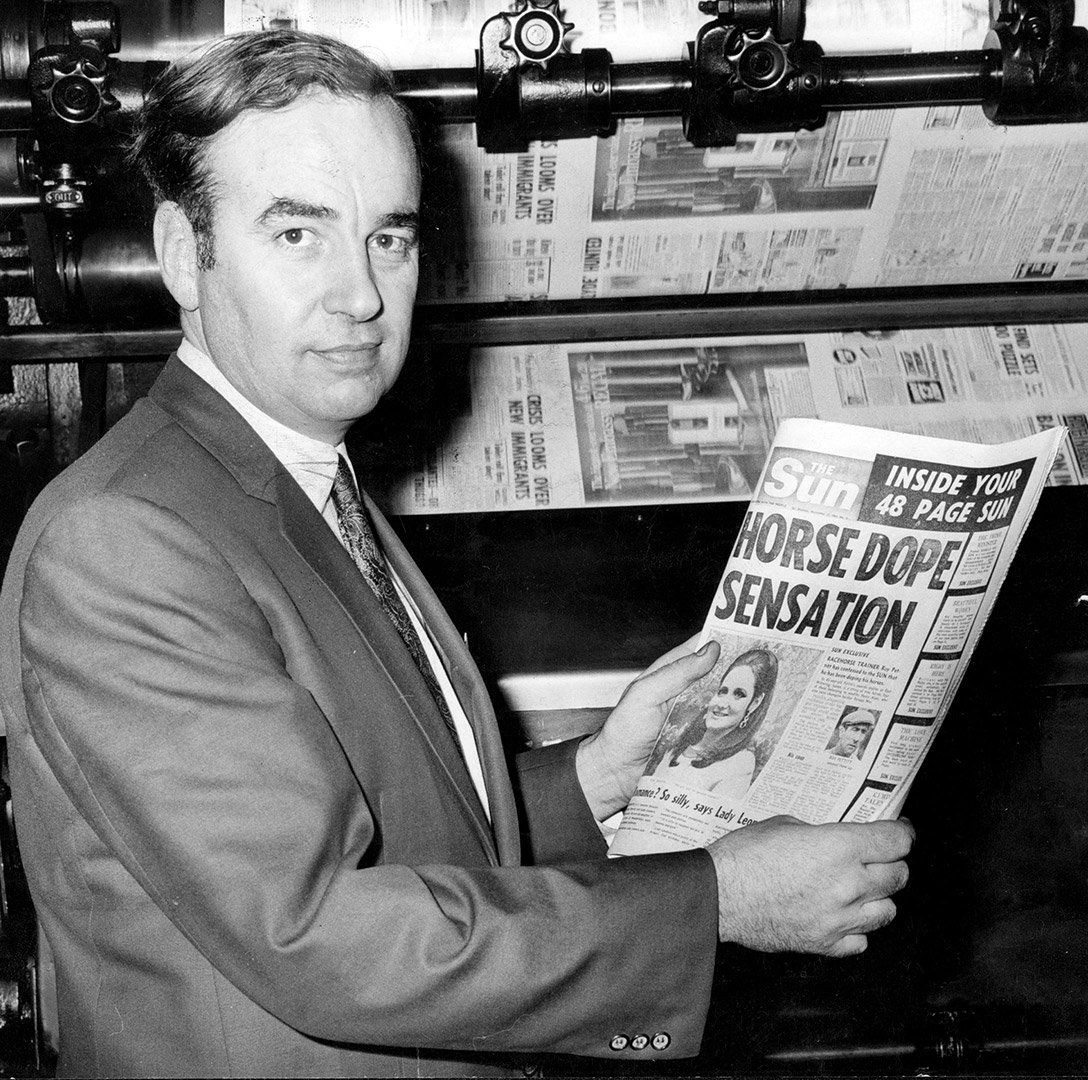
© Photo News Ltd Archives
Back in Australia, Keith began acquiring interstate media outlets that strongly advocated conservative politics. Within a decade, he had interests in 11 papers and 65 radio stations. Keith Murdoch was knighted in 1933 and died in 1952. His son, Rupert, would translate his father’s wealth, mass media ownership and political influence into a global empire.
Rupert acquired daily and weekly newspapers throughout Australia, and from 1968, bought British newspapers, his first offensive being the weekly News of the World (a tabloid that was closed in disgrace in 2011) and then the daily The Sun, which milked crime, sport and sex. In 1979, he established News Corporation – the juggernaut for his global rise in the 1980s and 1990s.
When he became a US citizen in 1985, Rupert purchased a major stake in 20th Century Fox, expanding it to Fox News (which became a voice of the Republican Party) and Fox Sports. Rupert also extended his interests into Asia with Star TV, and moved into book publishing and ‘new media’ on the internet. A consummate media tycoon, Rupert remains a polarising figure.
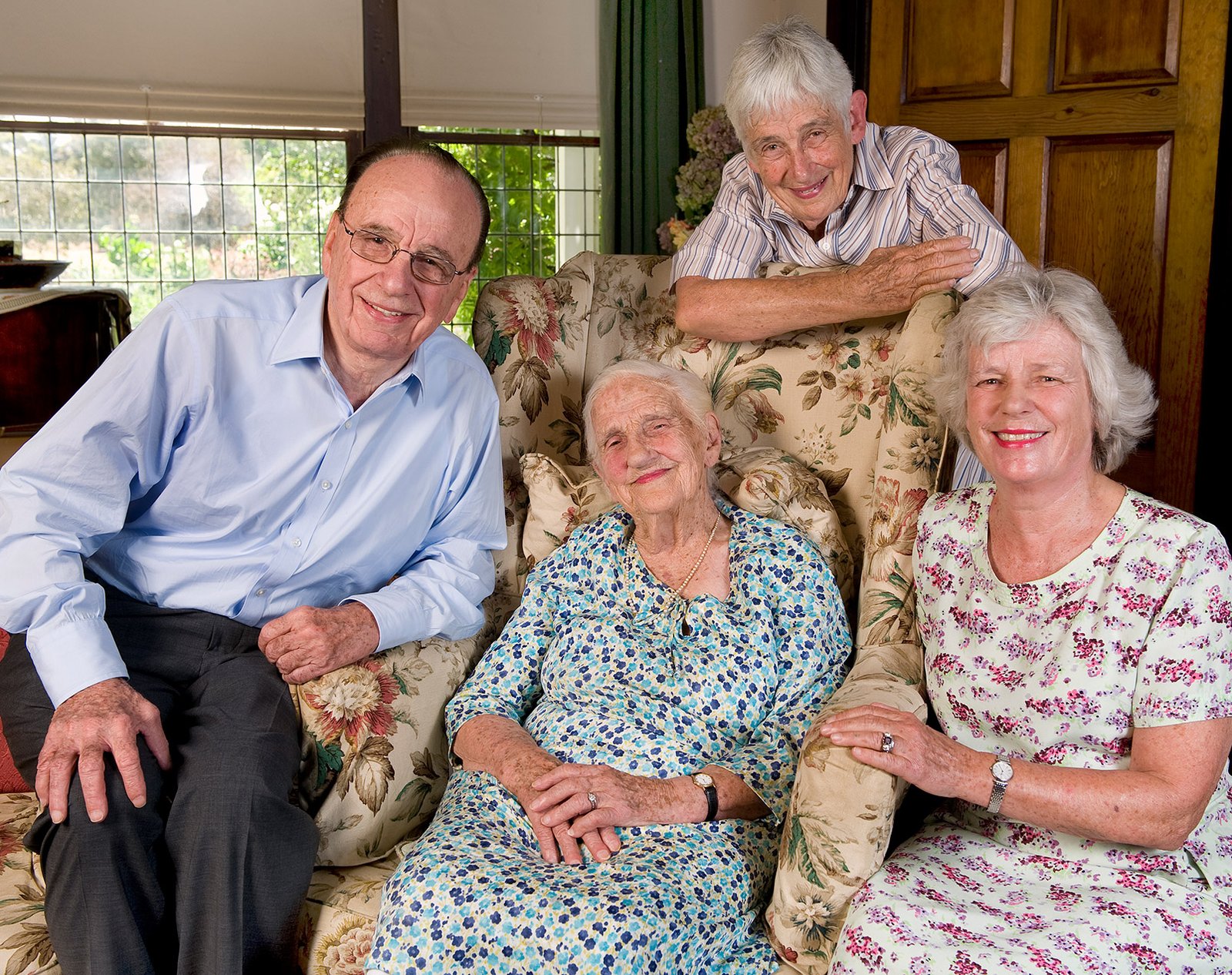
© Craig Borrow

Keith’s wife and Rupert’s mother, Elisabeth Murdoch, developed a different family legacy. From the age of 16 until her death at the age of 103, Dame Elisabeth devoted herself to philanthropy. She gave her name, her prodigious energy and financial resources to more than 100 causes that supported sick children, the arts, social welfare, hospitals and medical research. When she died in 2012, she was accorded a state funeral.