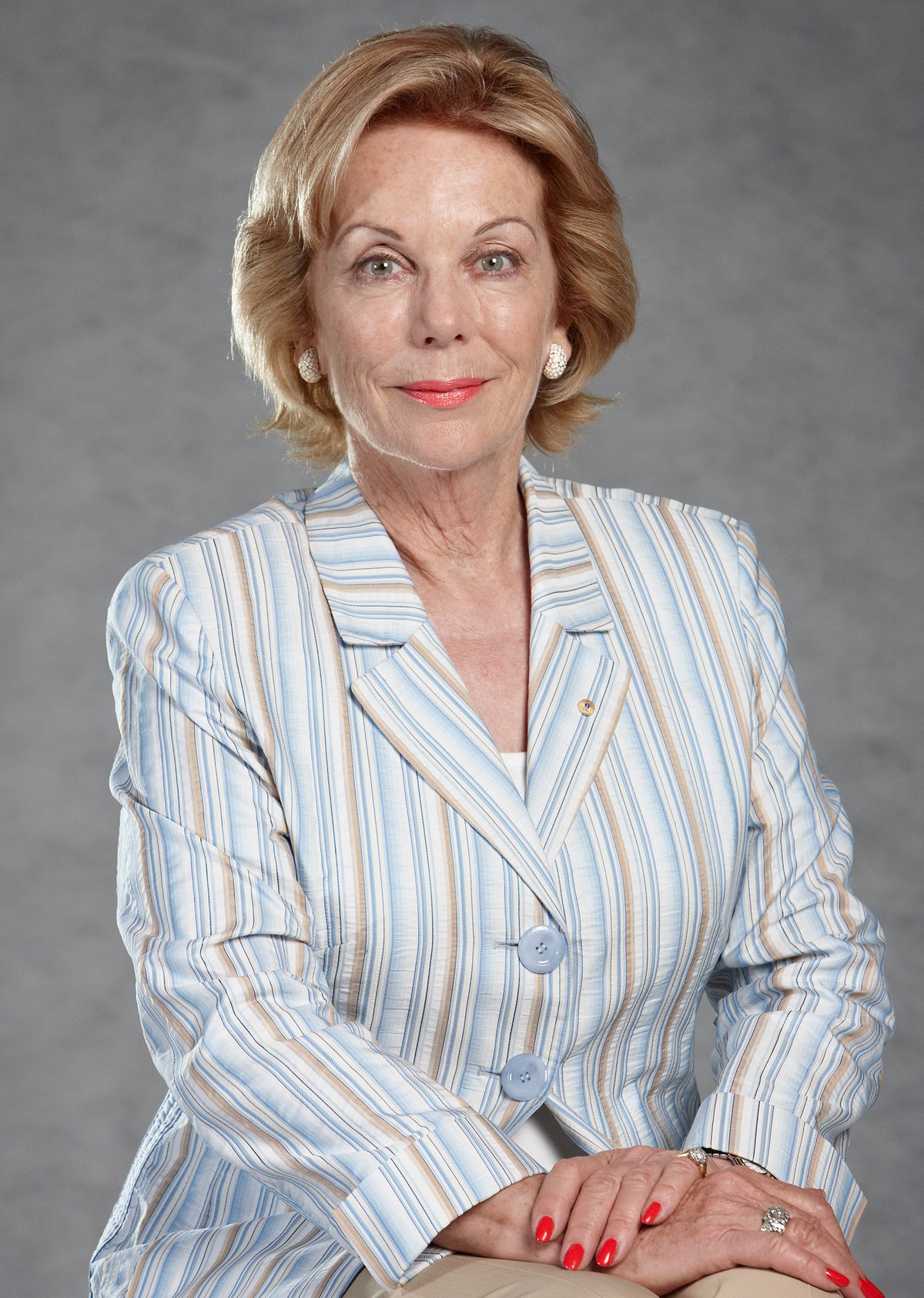
Ita Buttrose AO, OBE
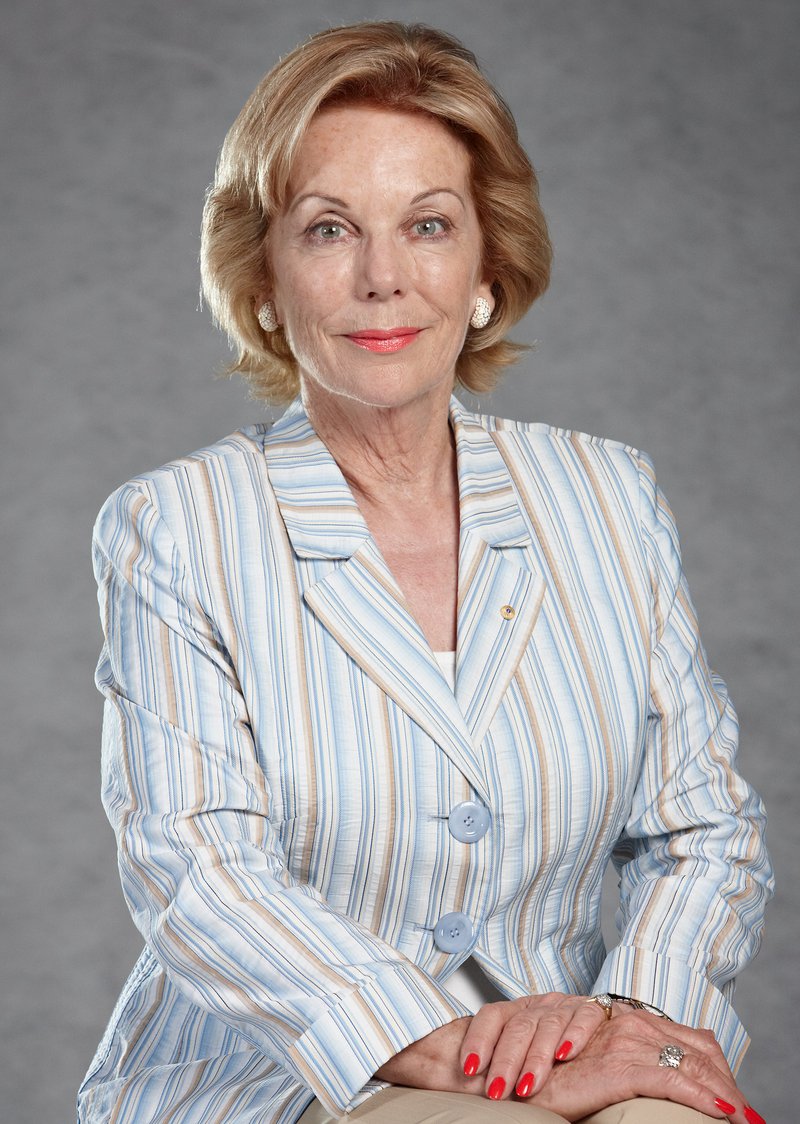 Click to enlarge image
© National Library of Australia
Readers note: This is an excerpt from the 200 Treasures exhibition catalogue, developed in 2017. This content was written as a brief biography on why this person was included in the exhibition.
1942 - present
Ita Buttrose started out as a copygirl and became an iconic figure of second-wave feminism. She broke many barriers for women and was an inspiration to many women. She was born in 1942, in Potts Point, Sydney, to Mary Clare and Charles Oswald Buttrose. Her father’s career as a journalist took the family to New York for several years when she was
an infant.
Buttrose left school aged 15 and got her first job working for Frank Packer’s Australian Consolidated Press (ACP) at the Australian Women’s Weekly. Starting on the lowest rung of the ladder as a copygirl, she advanced to the position of cadet journalist on the The Daily Telegraph and The Sunday Telegraph, and was appointed women’s editor of the Telegraph at the age of 23.
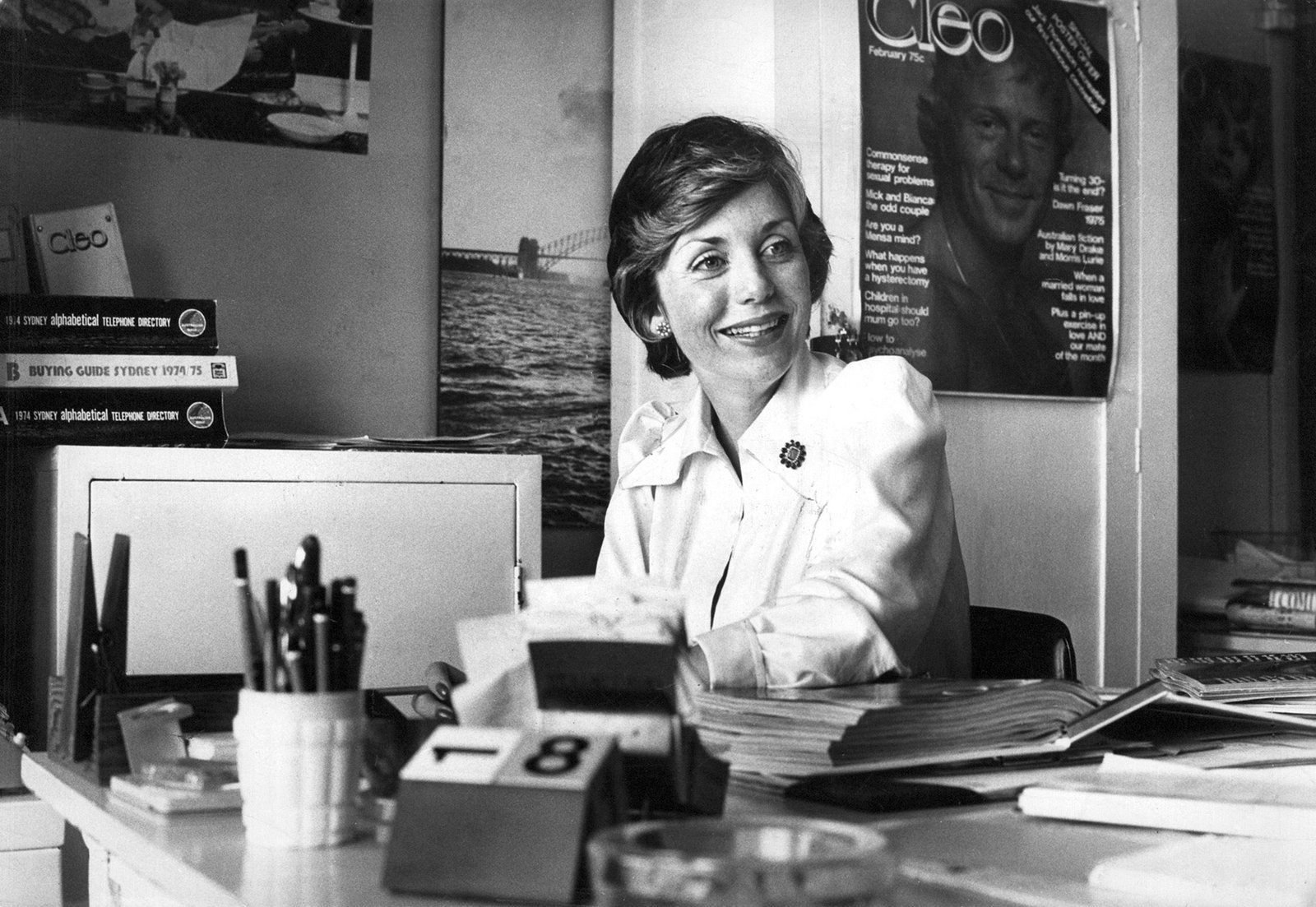
© News Ltd
After travelling and working overseas, and caring for her first child, Buttrose returned to ACP. In 1971, she founded a new magazine, Cleo, a groundbreaking publication that discussed topical issues – particularly sexuality – on women’s terms. Cleo also flipped the common feature of female centrefolds to men. Meanwhile Buttrose pushed through barriers and continued editing the magazine while pregnant with her second child.
In 1975, she became editor of The Australian Women’s Weekly, and, in 1978, head of ACP’s women’s division. In 1981, she moved to Rupert Murdoch’s rival media empire as editor-in-chief of The Daily Telegraph and The Sunday Telegraph (now owned by News Limited), the first woman to hold such a position in Australia. Buttrose’s role as a leader of ideas and expression was solidified in 1980 when Australia’s leading band, Cold Chisel, then known more for its celebration of male culture, wrote an ode to her, Ita.
Since the 1980s, Buttrose has remained at the forefront of the media. She has published many books, appeared on television, championed many causes, served on various advisory boards and received numerous honours. Buttrose has worked tirelessly in health care, serving on the National Advisory Committee on AIDS in the 1980s, and in recent years working with Alzheimer’s Australia, where she has pushed for increased funding for research into dementia and for care for the elderly and vulnerable. Buttrose is also patron of Macular Disease Foundation Australia.

Since the 1980s, Buttrose has remained at the forefront of the media. She has published many books, appeared on television, championed many causes, served on various advisory boards and received numerous honours. Buttrose has worked tirelessly in health care, serving on the National Advisory Committee on AIDS in the 1980s, and in recent years working with Alzheimer’s Australia, where she has pushed for increased funding for research into dementia and for care for the elderly and vulnerable. Buttrose is also patron of Macular Disease Foundation Australia.