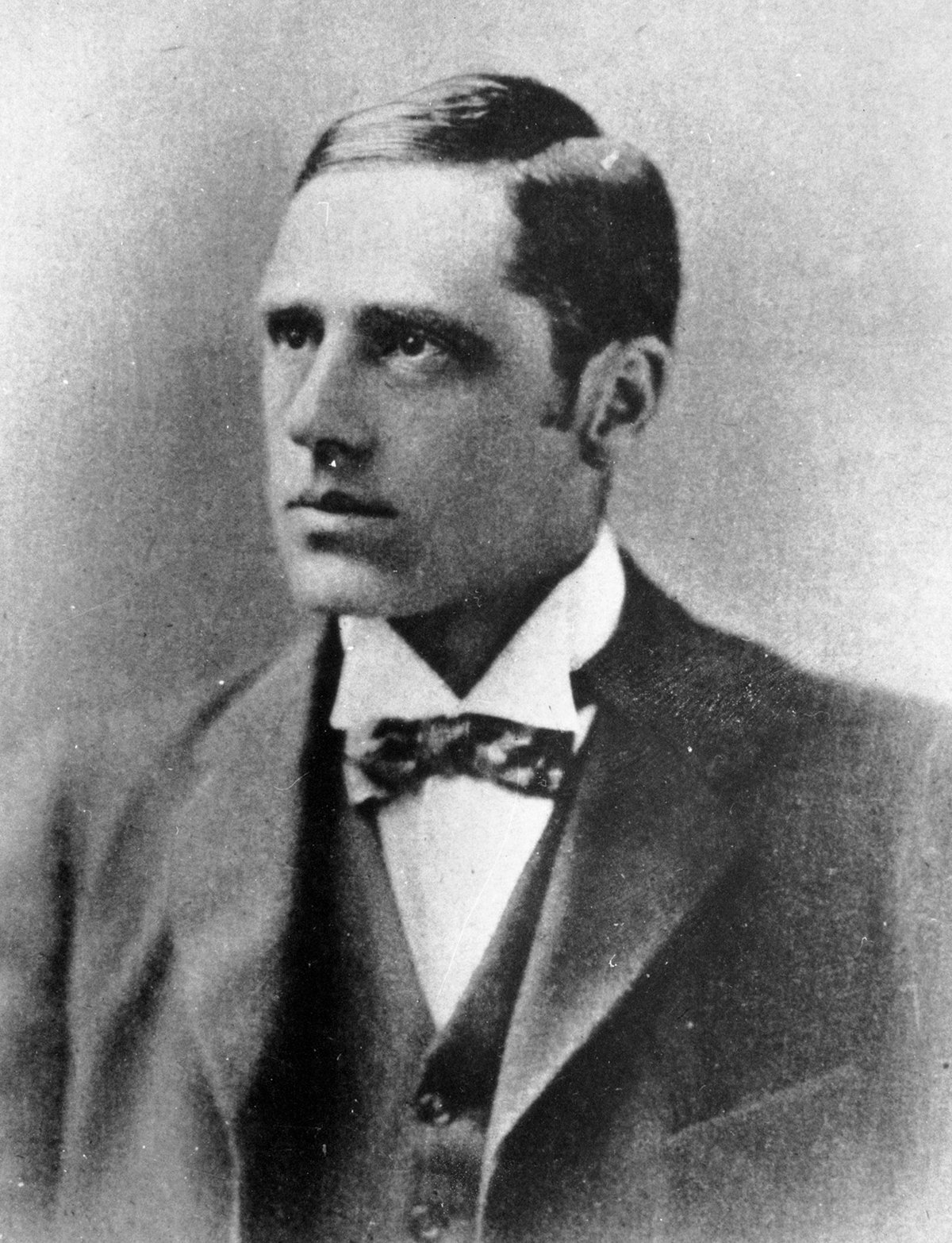
Andrew Barton ‘Banjo’ Paterson CBE
 Click to enlarge image
© State Library of Queensland
Readers note: This is an excerpt from the 200 Treasures exhibition catalogue, developed in 2017. This content was written as a brief biography on why this person was included in the exhibition.
1864 - 1941
When Banjo Paterson died in 1941, one obituary stated he ‘was one of those fortunate men who, dying, are yet never dead, since the work they have done in their life ... continue[s] as part of the national life’. This prediction has been proved correct: Paterson enjoys ‘true immortality’ through his much-loved poems, stories and lyrics. He was a leading figure in the cultural nationalist movement of the late nineteenth century. Like others in this movement, Paterson celebrated the people of the Australian bush, considered the heart and soul of the new country. Paterson’s pen made a hero of a ‘stripling on a small and weedy beast’ who could outride all other mountain men and tame ‘the wild bush horses’ in The Man from Snowy River (1890). His other great poems included Clancy of the Overflow (1895), The Man from Ironbark (1892) and Mulga Bill’s Bicycle (1896).
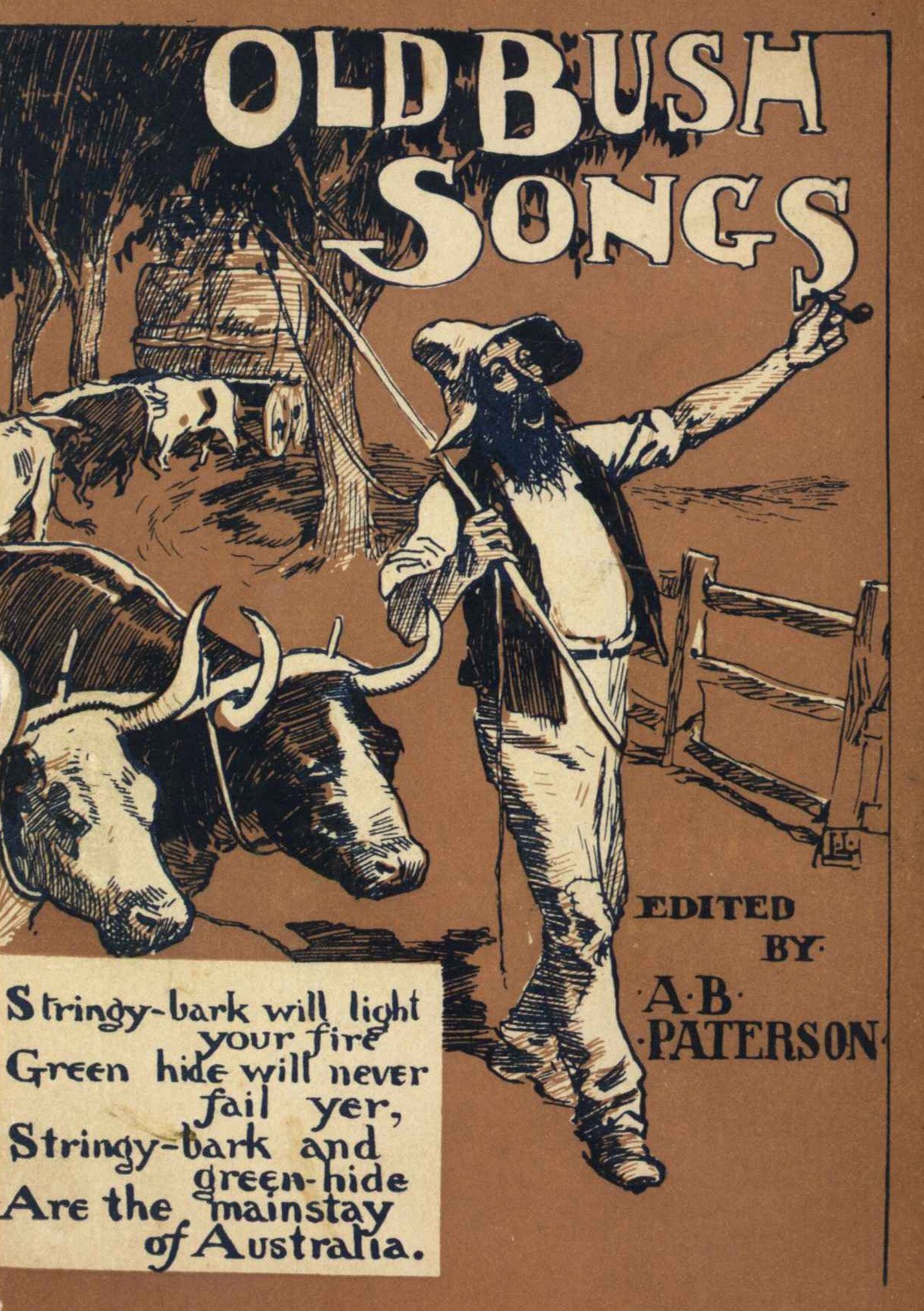
© Angus & Robertson, 1906
Perhaps his greatest contribution to Australia’s cultural lexicon was the words to Waltzing Matilda, a song he probably co-wrote with Christina Macpherson around 1895 (the question of authorship of this song was much discussed during Paterson’s lifetime).
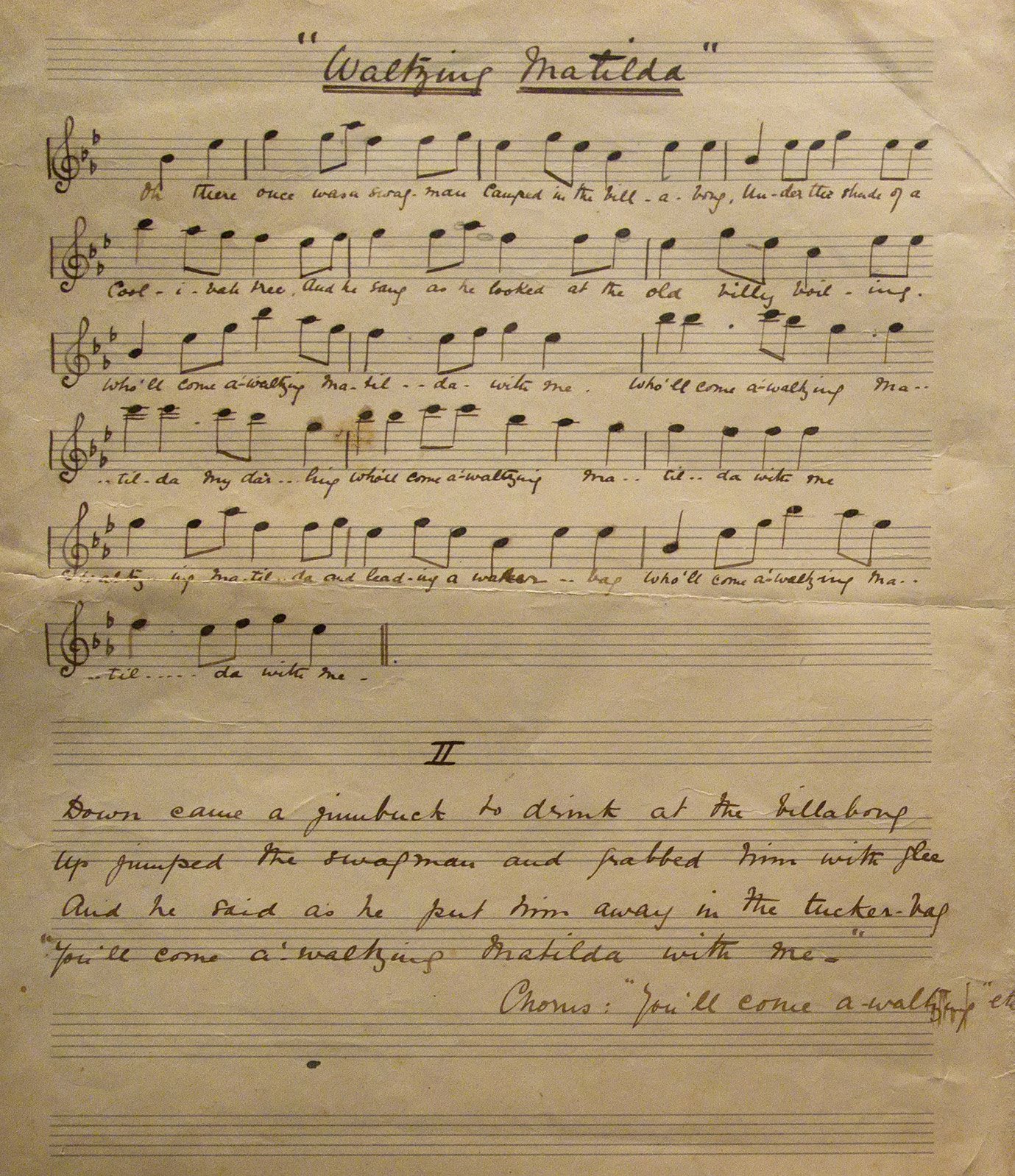
© Public domain

Paterson was a man of the bush himself, born at Narrambla, near Orange, NSW, in 1864. He gravitated to Sydney for his schooling and university education, and qualified as a solicitor. His passion, though, was writing and he joined the Sydney-based writers, such as Henry Lawson, who published in the Bulletin and other periodicals.
During the Boer War, Paterson worked as a war correspondent and wrote numerous poems to commemorate this event. In World War I, he drove an ambulance and then published works inspired by his experience. He continued to publish until 1939, two years before his death.