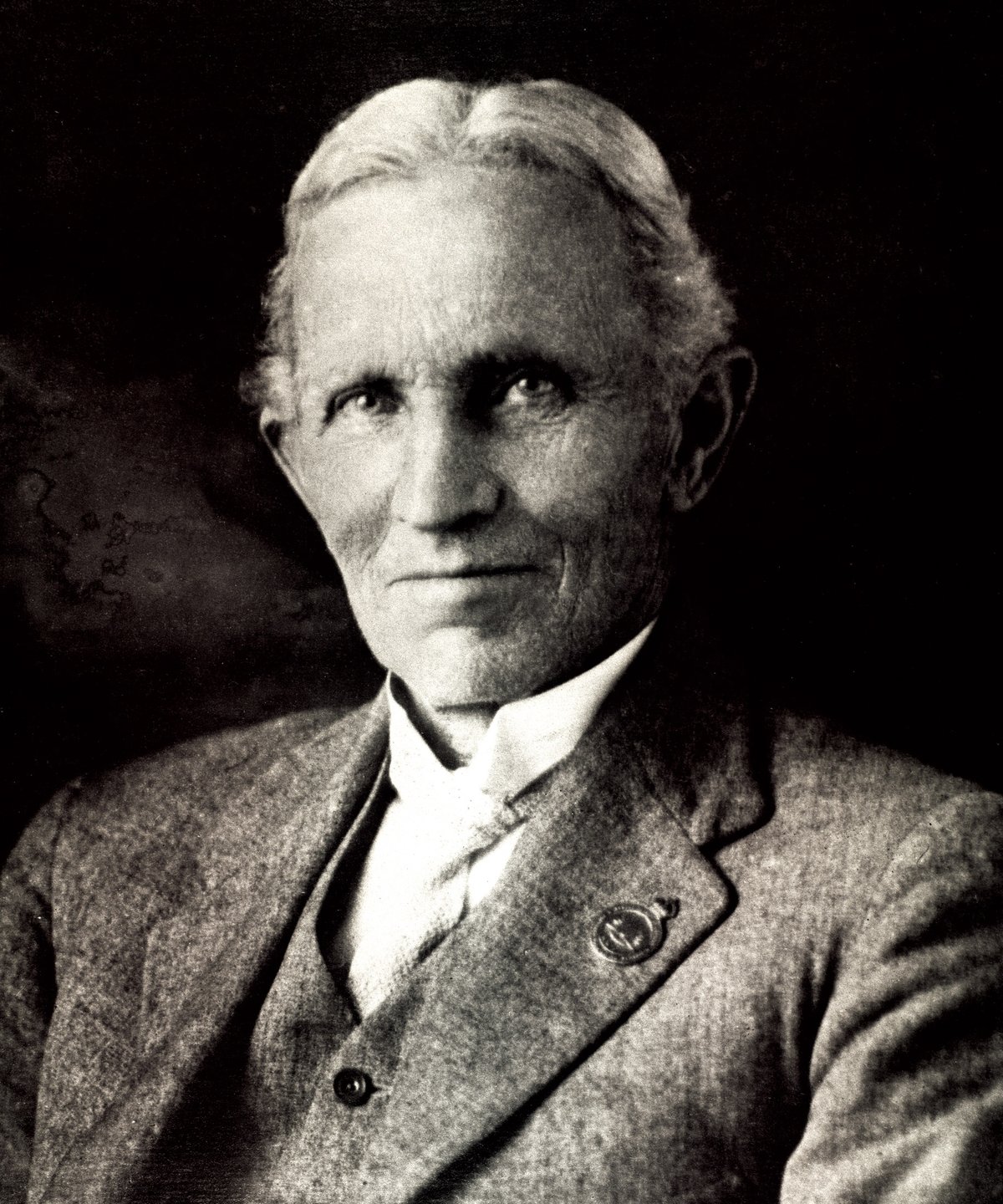
Sir Tannatt Edgeworth David KBE, CMG, DSO, FRS
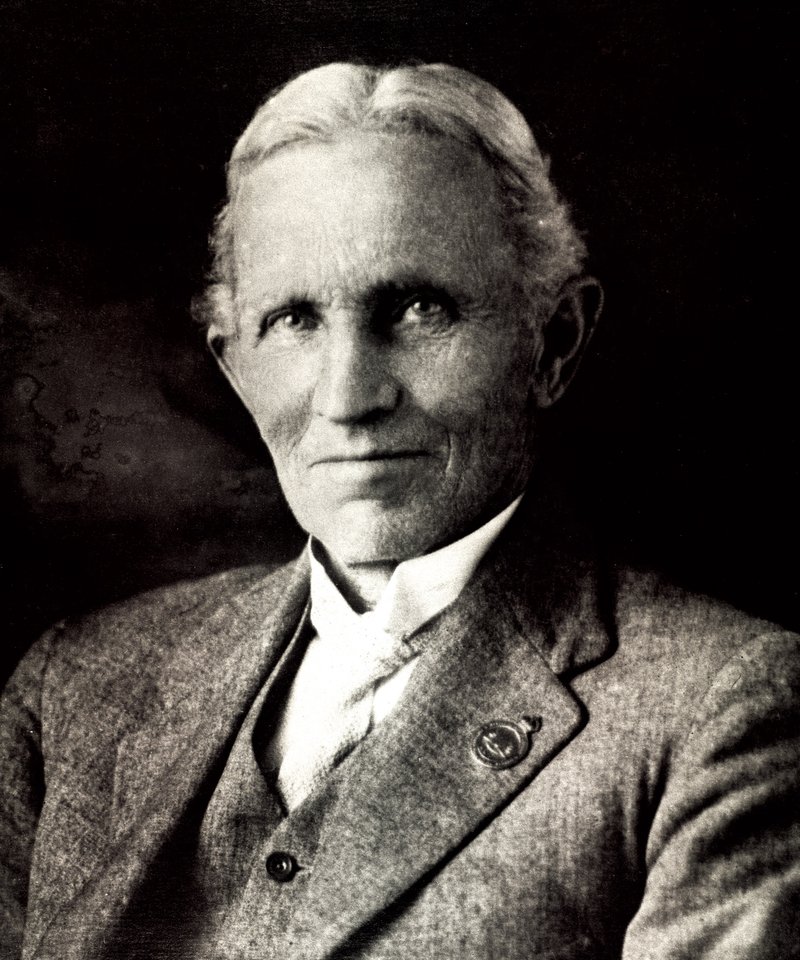 Click to enlarge image
© Public domain
Readers note: This is an excerpt from the 200 Treasures exhibition catalogue, developed in 2017. This content was written as a brief biography on why this person was included in the exhibition.
1858 - 1934
Sir Tannatt William Edgeworth David dominated the field of geological sciences in Australia for more than four decades, and was lauded internationally.
Born in Glamorganshire, Wales, in 1858, David studied at Oxford University with the intention of taking holy orders, like his father, but a world tour (which brought him to Melbourne) and then further studies in geology back at Oxford put David on a scientific path. A vacancy for an assistant geological surveyor in NSW drew David again to Australia; he arrived in Sydney in 1882. Among his many studies of mineral and water resources in the colony, his greatest contribution was the discovery of the South Maitland coal seam in 1886. At this time, he gave public lectures, which he enjoyed, and was appointed William Hilton Hovell lecturer in physical geology.
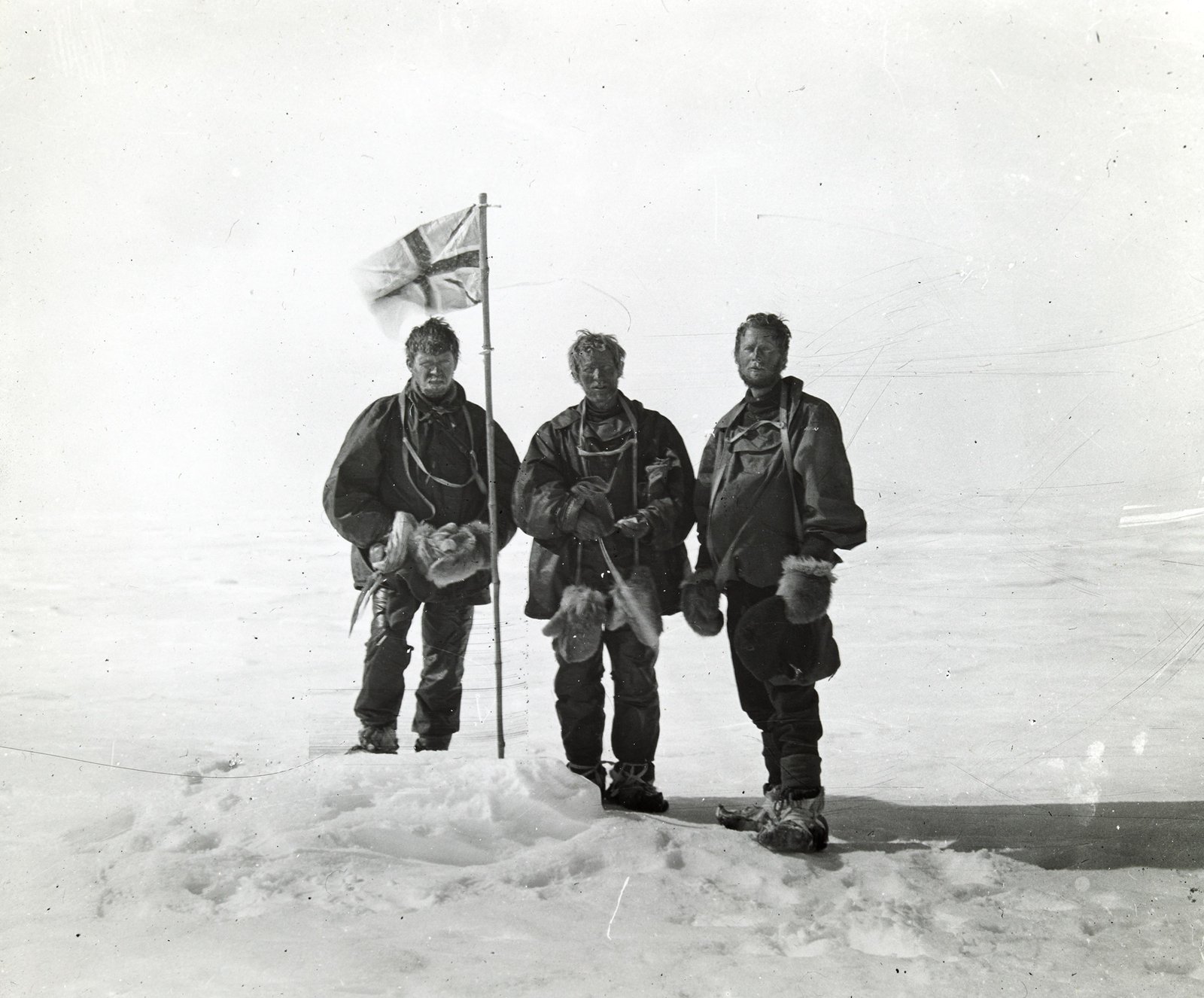
© State Library of Victoria

In 1891 he became professor of geology at the University of Sydney. There, David built his international reputation through his research on the remote coral atoll of Funafuti in the Ellice Islands, which supported Charles Darwin’s theory that coral atolls grow on slowly sinking platforms. His work on glaciation overturned the conventional thinking of the day that the Pleistocene Great Ice Age was a unique event.
In 1907, David joined Ernest Shackleton’s British expedition to Antarctica, along with his former student Douglas Mawson. The expedition included an arduous four-month trek covering more than 600 miles and elevations over 6500 feet. David returned to Sydney in 1909. During World War I, he enlisted in the Australian Imperial Force (AIF) and deployed his invaluable knowledge to assist in trench and tunnel building. In 1932, he published the Geological Map of the Commonwealth of Australia, the most comprehensive study at that time. He died in 1934 with many international professional honours and a knighthood to his name.