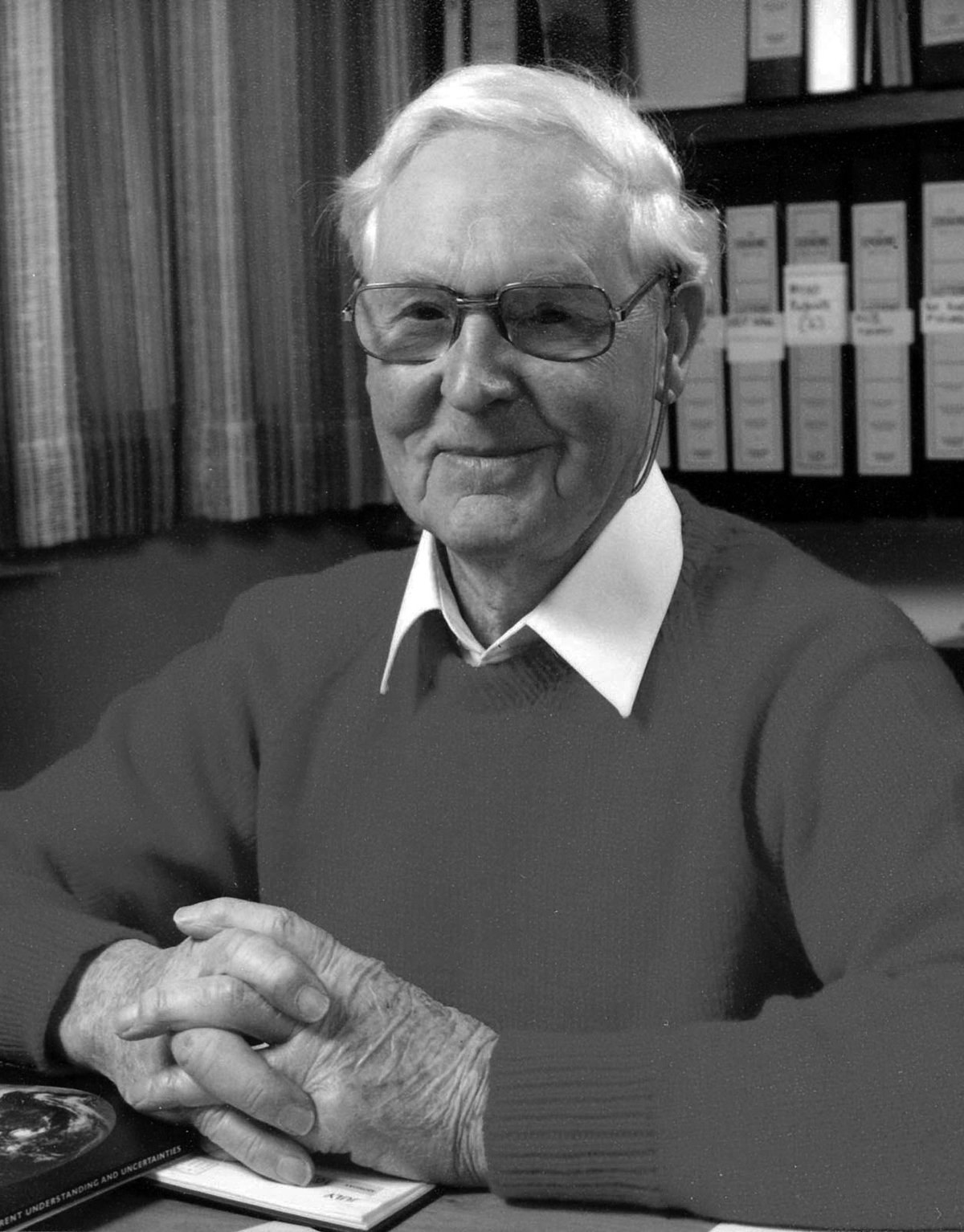
Professor Emeritus Frank Fenner AC, CMG, FRS, FAA
 Click to enlarge image
© Public domain
Readers note: This is an excerpt from the 200 Treasures exhibition catalogue, developed in 2017. This content was written as a brief biography on why this person was included in the exhibition.
1914 - 2010
Frank Fenner had an extraordinary career as a scientist specialising in virology and microbiology. In a career with many highlights, perhaps the greatest and most unique moment was when he declared that smallpox, the disease that had killed millions over centuries, had been eradicated. Fenner’s declaration came in 1980 after the last-known case of the disease had been recorded in Somalia in 1977.
Fenner was born in Ballarat, Victoria, in 1914, and earned degrees in medicine and surgery from the University of Adelaide in 1938. He received a Diploma of Tropical Medicine from the University of Sydney in 1940, and then joined the war effort, enlisting in the Australian Army Medical Corps and serving in Palestine, Egypt, New Guinea and Borneo. In New Guinea, his focus was on abating malaria and other tropical diseases that ravaged Australian troops.
After the war, he was recruited by Frank Macfarlane Burnet to continue his work at the Walter and Eliza Hall Institute of Medical Research in Melbourne. His research shifted to pox viruses and he discovered mousepox, from which he could model the incubation period of smallpox, chickenpox and measles. He led efforts to contain the rabbit plague that was wreaking havoc on farms by introducing the myxoma virus into the population. Rabbit numbers plummeted but soon recovered when they developed resistance to the virus.
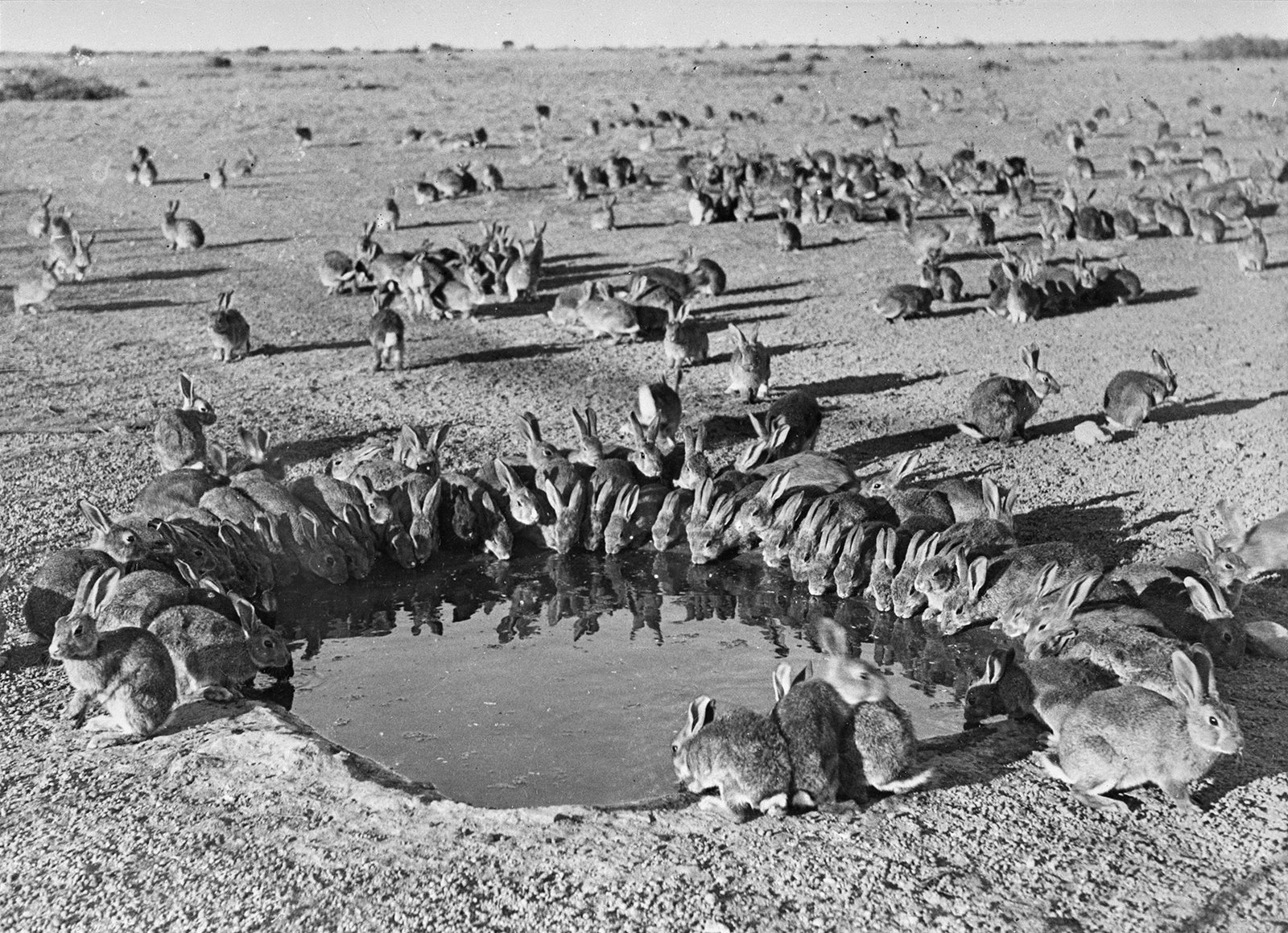
© National Archives of Australia

In 1969, Fenner began advising the World Health Organization on smallpox eradication. He also helped found the John Curtin School of Medicine at the Australian National University (ANU) and was its director from 1967 to 1973. Fenner also served as director of the Centre for Resources and Environmental Studies at ANU, which was renamed the Fenner School of Environment and Society in 2007, three years before his death. Fenner received many illustrious awards for his extraordinary work.
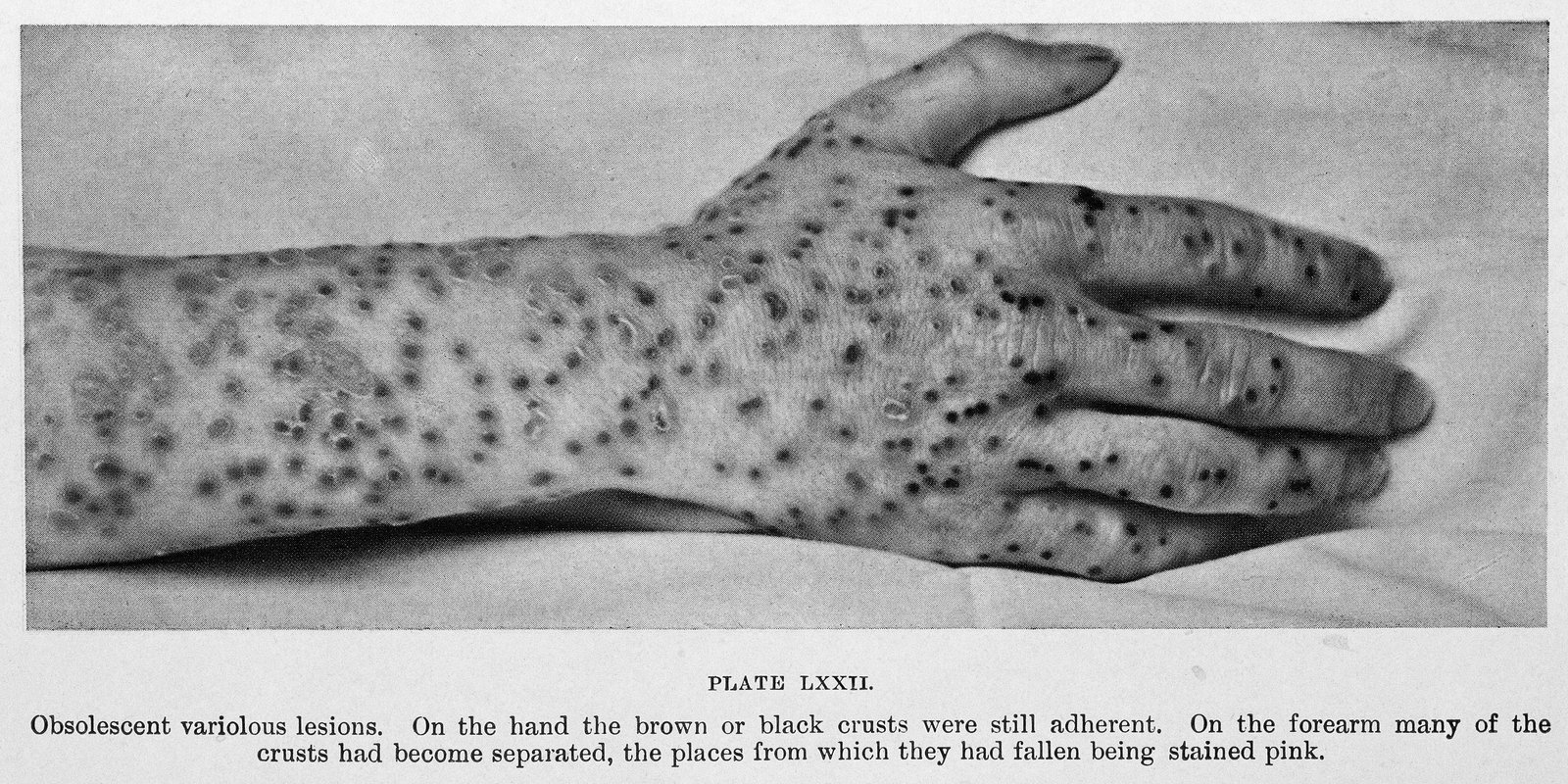
© Image from the Wellcome Library, London