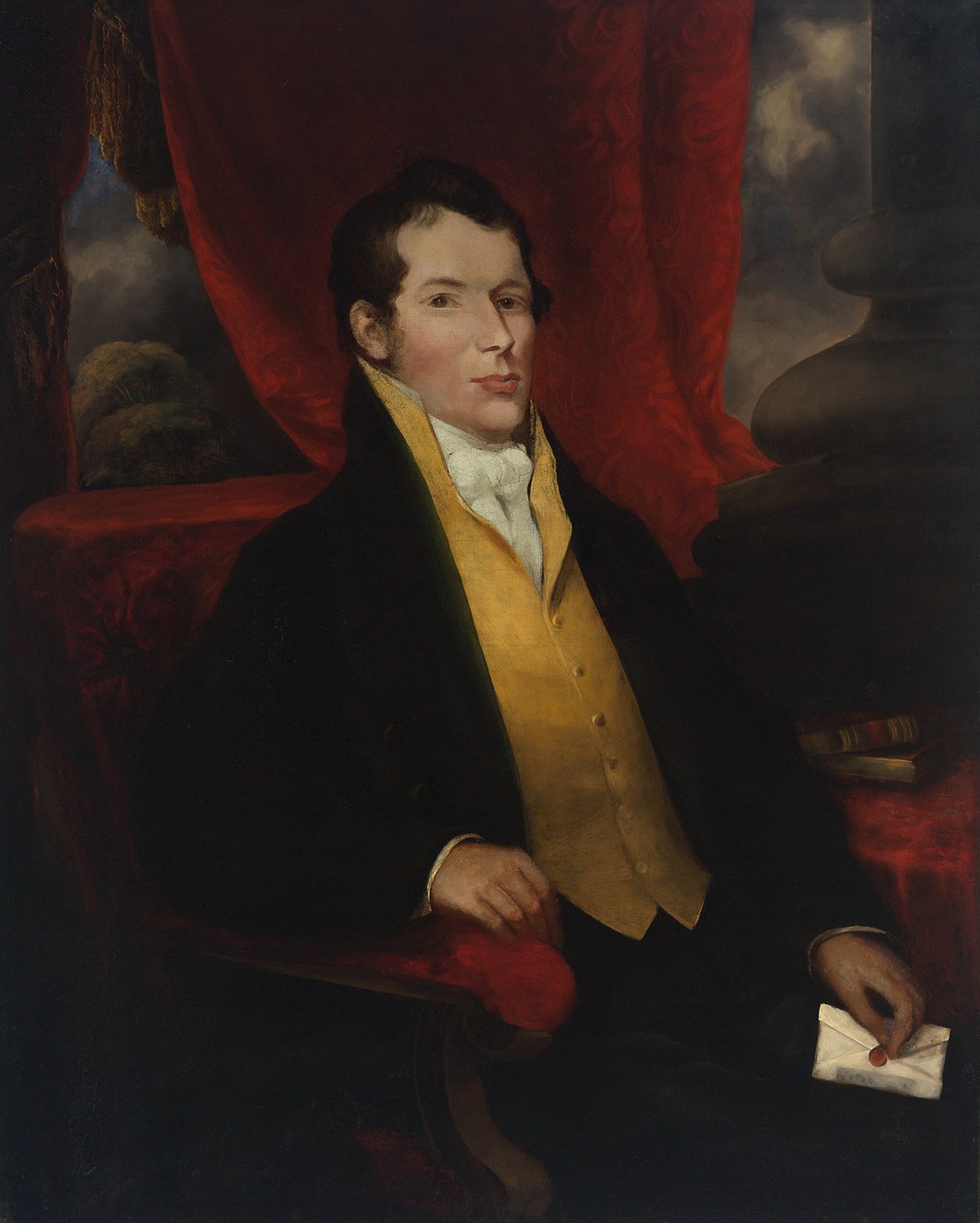
John and Elizabeth Macarthur
 Click to enlarge image
© Dixson Galleries, State Library of NSW
Readers note: This is an excerpt from the 200 Treasures exhibition catalogue, developed in 2017. This content was written as a brief biography on why this person was included in the exhibition.
1767 - 1834; 1766 - 1850
John and Elizabeth Macarthur together shaped early Sydney perhaps more than any other couple. Their historical legacy is extensive but John remains as much a polarising figure today as he was during his lifetime.
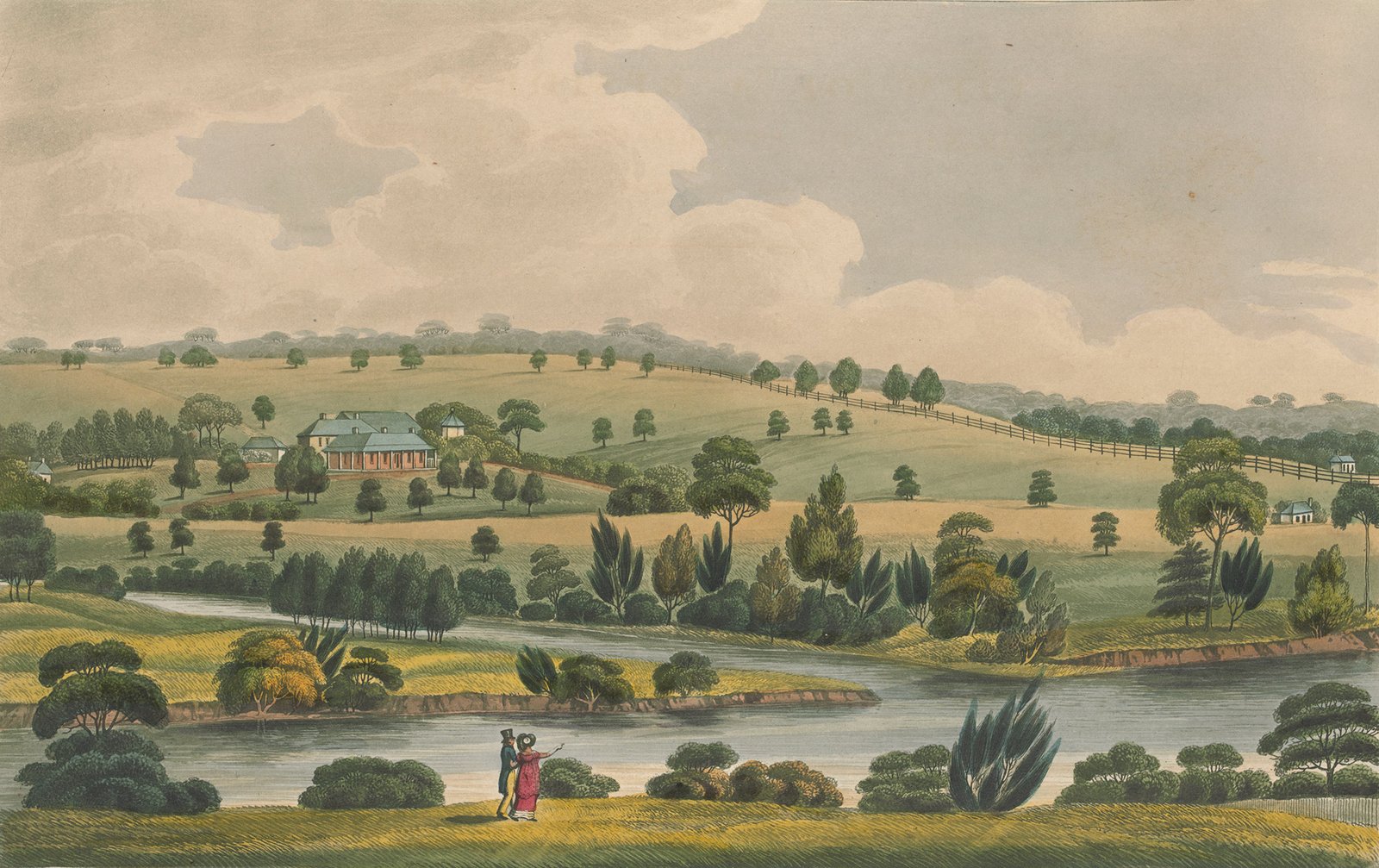
The couple married in 1788 just prior to their departure from the UK for the new settlement of Port Jackson. Macarthur, a newly appointed lieutenant in the New South Wales Corps, would sail with his new wife and their first child on the notorious Second Fleet, arriving in June 1790. Macarthur seized on the great opportunities available to him and acquired significant land holdings and established Elizabeth Farm at Parramatta, the first of a number of farms with rich soil and good water supplies.
© State Library of NSW
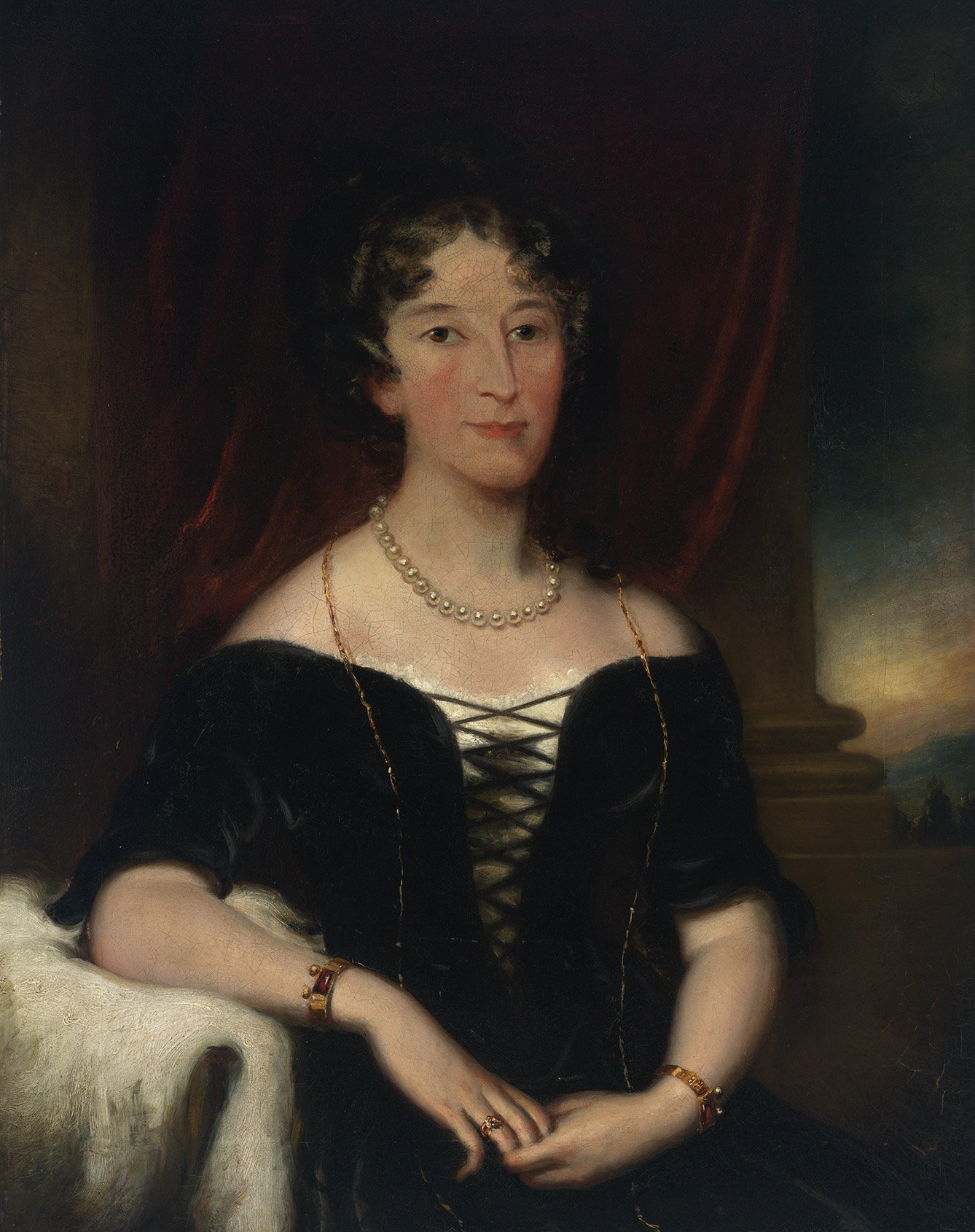
Elizabeth Macarthur was the first woman of refinement and beauty to reach the colony and was afforded great deference, even by her husband’s accumulating enemies. Her ability to create a warm domestic environment for her husband and their numerous children (she bore seven children in NSW) despite all the rigours of early colonial life was widely admired. Her husband’s ambitions, however, amassed troubles with governors Hunter and King, but it was his confrontation with William Bligh that brought matters to crisis point. By the time Bligh arrived in the colony in 1806, Macarthur effectively controlled the NSW Corps and other instruments of power in the colony, notably the granting of land and the assigning of convict labour. This clash led to the Rum Rebellion in January 1808, in which Bligh was deposed and exiled from the colony.
© Watercolour by Joseph Lycett, 1823

For his part, Macarthur was also dispatched from the colony in 1809, not returning until 1817; this was his second period of exile following one meted out to him between 1801 and 1805 for fighting a duel. During these extended absences, it fell to Elizabeth to manage the family’s pastoral affairs and to nurture the new flock of fine- wool merino sheep running on their farms. Macarthur used his time away from Australia lobbying well-connected patrons in England and furthering his own interests.
When Governor Macquarie resisted his plans for further enrichment, Macarthur set about destroying Macquarie’s reputation in England. Despite John’s tactics, the Macarthurs prevailed in their ambitions. They established Australia’s fine-wool industry, which not only benefited themselves but drove the Australian economy for generations to come.