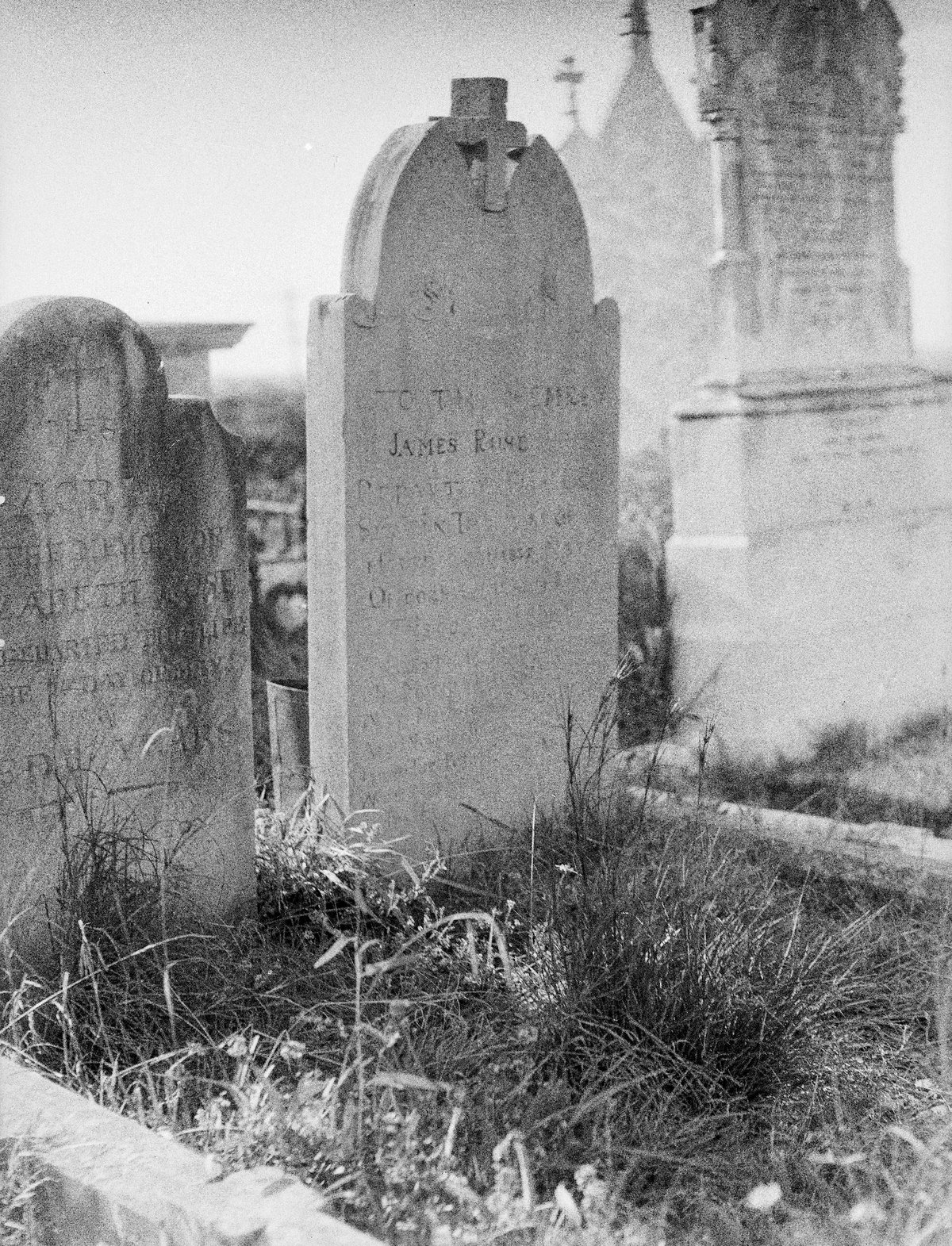
James and Elizabeth Ruse
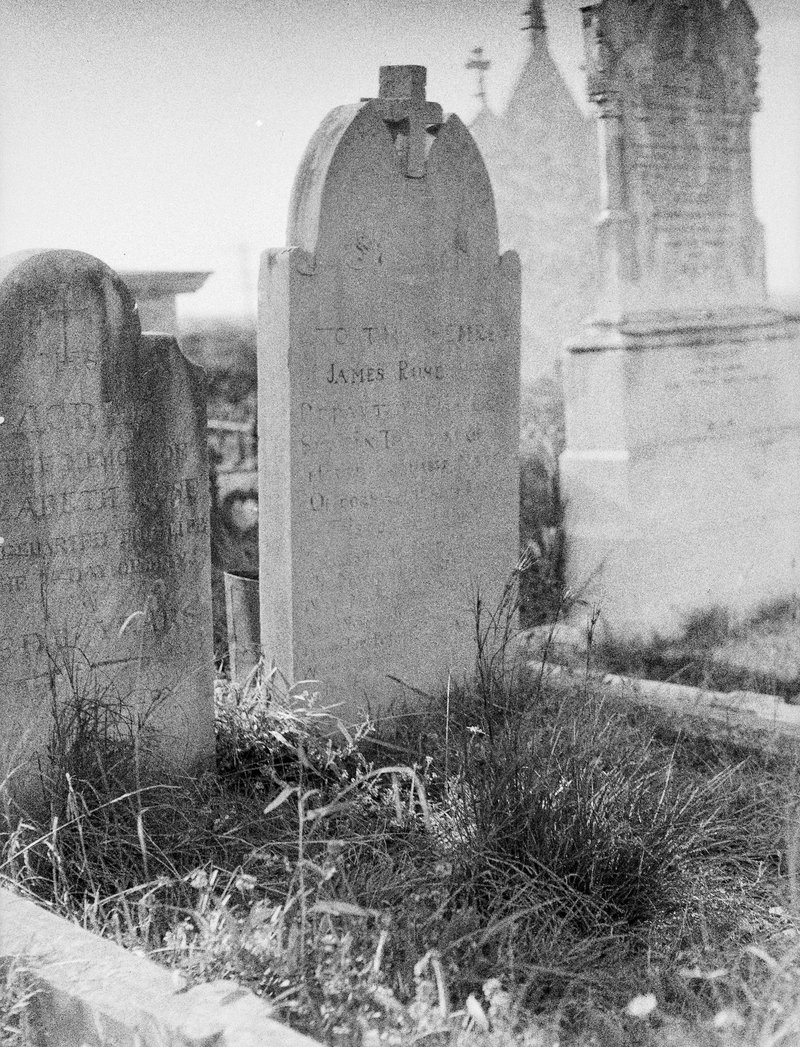 Click to enlarge image
© National Library of Australia
Readers note: This is an excerpt from the 200 Treasures exhibition catalogue, developed in 2017. This content was written as a brief biography on why this person was included in the exhibition.
1759 - 1837; 1769? - 1836
James Ruse ‘first trod the soil’ of Australia when the First Fleet arrived in January 1788. Colonel Johnson had claimed to be the first colonist to do so but he had been carried ashore on Ruse’s back. Ruse’s historical significance extends far beyond this detail: he and his wife Elizabeth became pioneers of agriculture in the colony.
Ruse, who was born in Cornwall, had been sentenced in 1782 for breaking and entering and was initially to be transported to Africa. Instead, he languished for five years on a prison hulk in Plymouth harbour before the scheme to settle New South Wales was formed, and he was sent out in the First Fleet on the Scarborough.
In 1789, claiming that his seven-year sentence had been served, he asked for a land grant. Without means to prove this claim, Governor Arthur Phillip permitted Ruse to farm a 30-acre allotment near Parramatta, on the outskirts of the colony, which was starving and in dire straits.
By November 1790, Experiment Farm, as Ruse’s farm was called, produced ‘an acre and a half of bearded wheat, half an acre of maize and a small kitchen garden’, at eight bushels an acre. Ruse was burning off timber, digging in the ashes and then hoeing the grass and weeds into the ground. Hoeing alongside him was his new wife, Elizabeth Parry. She was also a convict, transported for the theft of clothes, who had arrived on the Second Fleet.
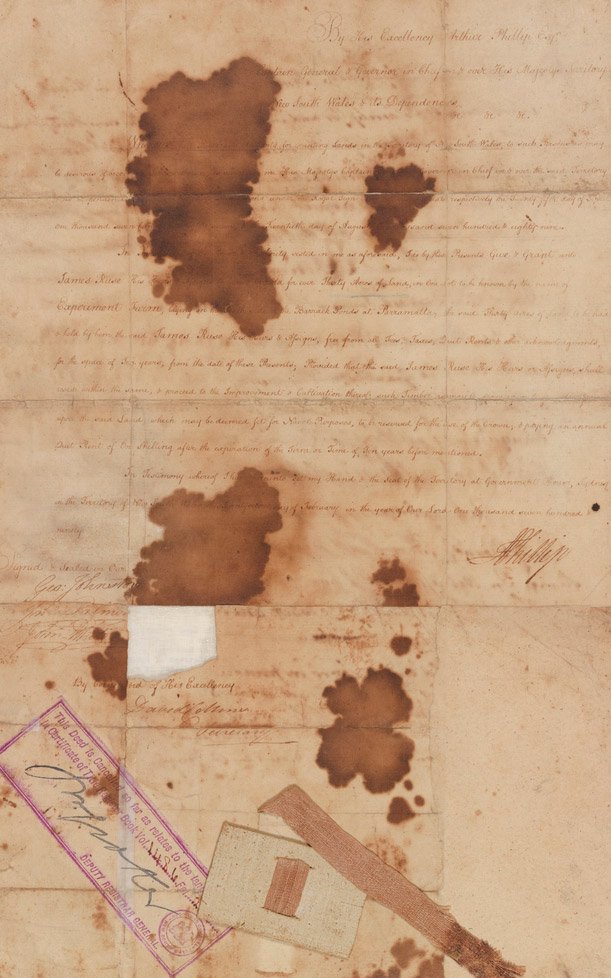
© State Library of NSW

By February 1791, Ruse was independent of government supplies and assistance, and for his industry, Phillip granted him his land, and his wife a pardon. The Ruses did not persevere with Experiment Farm and sold the land in 1794 to become some of the first settlers in the troubled Hawkesbury River area. Here, Ruse’s reformed nature was not so evident: he was charged with running a gambling school in his home, a pastime in keeping with the culture of the new settler outpost where the couple, who had five children, remained until 1828.