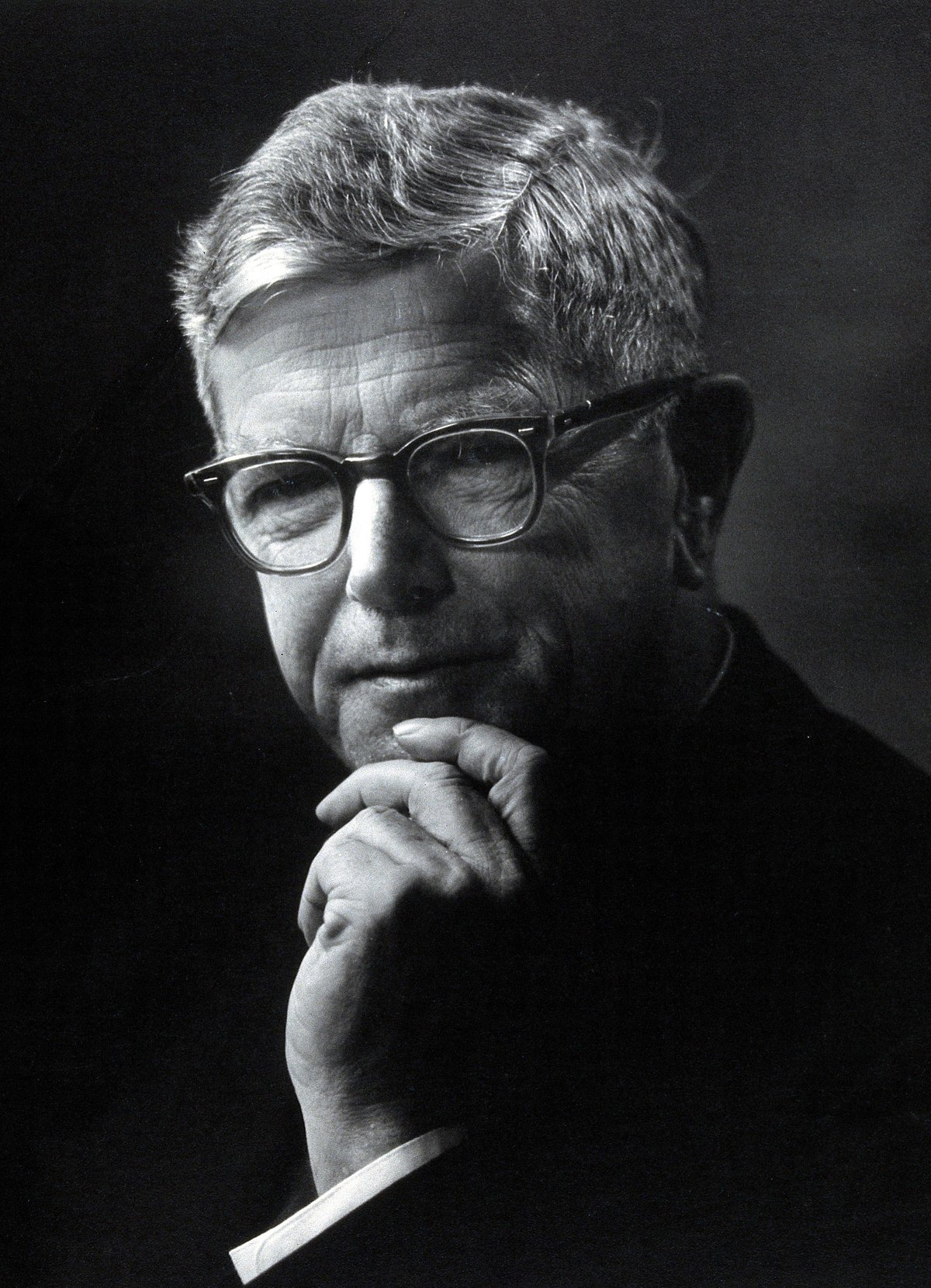
Sir Frank Macfarlane Burnet and Dame Annie Jean Macnamara
 Click to enlarge image
© Wellcome Library, London, UK.
Readers note: This is an excerpt from the 200 Treasures exhibition catalogue, developed in 2017. This content was written as a brief biography on why this person was included in the exhibition.
1899 - 1985; 1899 - 1968
Born several months apart in 1899, Frank Macfarlane Burnet and Annie Jean Macnamara transformed countless lives with their medical research.
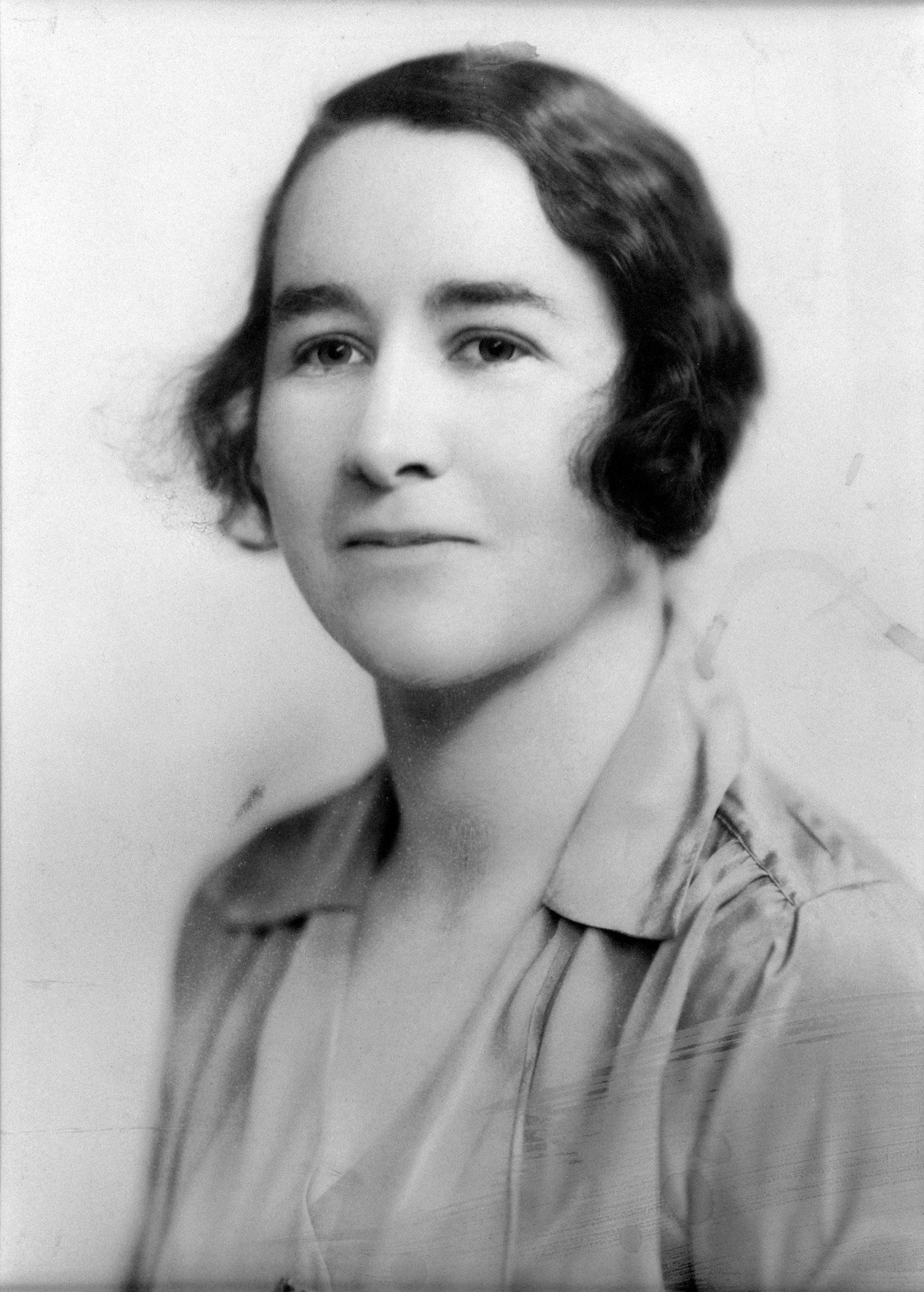
© National Portrait Gallery, Canberra
Macnamara was born in Beechworth, Victoria, and graduated from the University of Melbourne in 1922 with a medical degree. In her graduating class was Macfarlane Burnet from Traralgon, Victoria. Both would make enormous contributions to the study and understanding of viruses.
Following the polio epidemic of 1925, they worked together to uncover the mysteries of the devastating poliomyelitis, commonly known as infantile paralysis. Their findings, published in 1931, revealed there was more than one strain of the disease, a crucial step towards the development of the Salk vaccine in the 1950s.
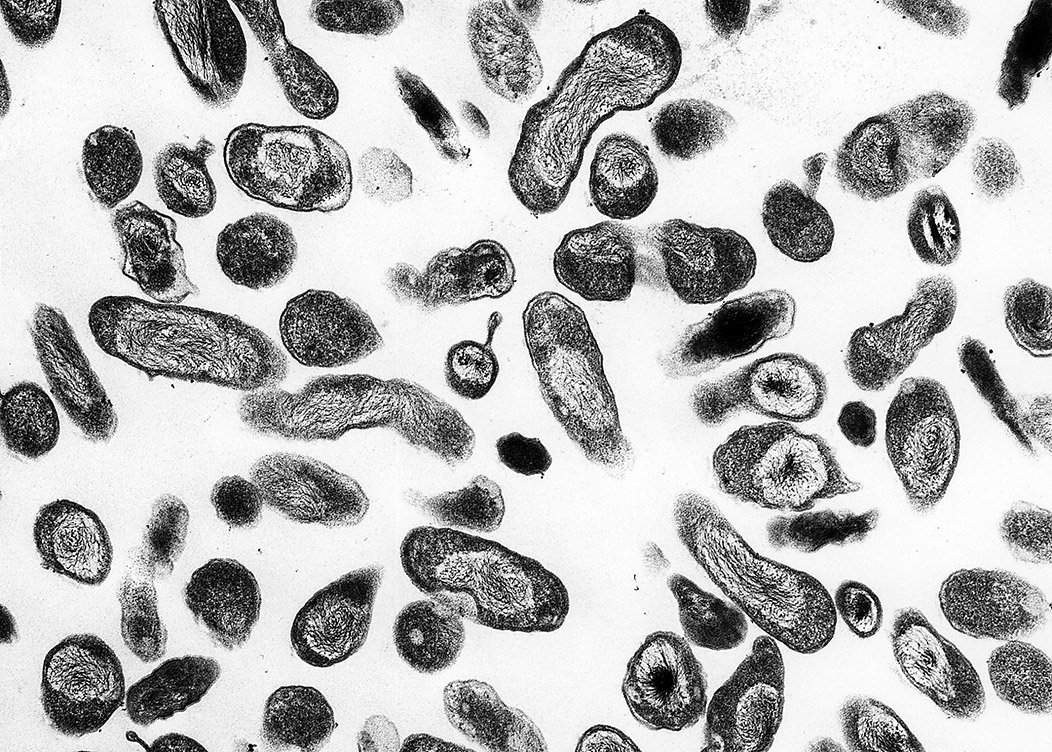
© National Institute of Allergy and Infectious Diseases, USA.
While Macnamara, who was made a Dame in 1935, continued to focus on virology and treated victims of paralysis until her death in 1968, her fields of expertise also included orthopaedics and the care of the disabled. She travelled internationally advising on care regimes and sat on numerous advisory bodies. In Melbourne, she held appointments at the Royal Melbourne Hospital and the Yooralla Hospital School for Crippled Children.
Like his colleague, Macfarlane Burnet’s extraordinary career was based almost entirely in Melbourne. He conducted landmark studies on viruses that cause influenza, cowpox, herpes and mumps at the Walter and Eliza Hall Institute of Medical Research, and was appointed director of this institute in 1944. In 1957, he redirected his work and that of the institute towards immunology. His research into antibody formation and the phenomenon of immunological tolerance led to his receiving the Nobel Prize in Physiology or Medicine in 1960, an honour he shared with three others.

In his distinguished, groundbreaking career, Macfarlane Burnet received many scientific awards and honorary degrees. He was knighted in 1951, and named the inaugural Australian of the Year in 1960. After retiring in 1978, he continued to research, and wrote and published books and papers, his last in 1983, two years before he died at age 86.