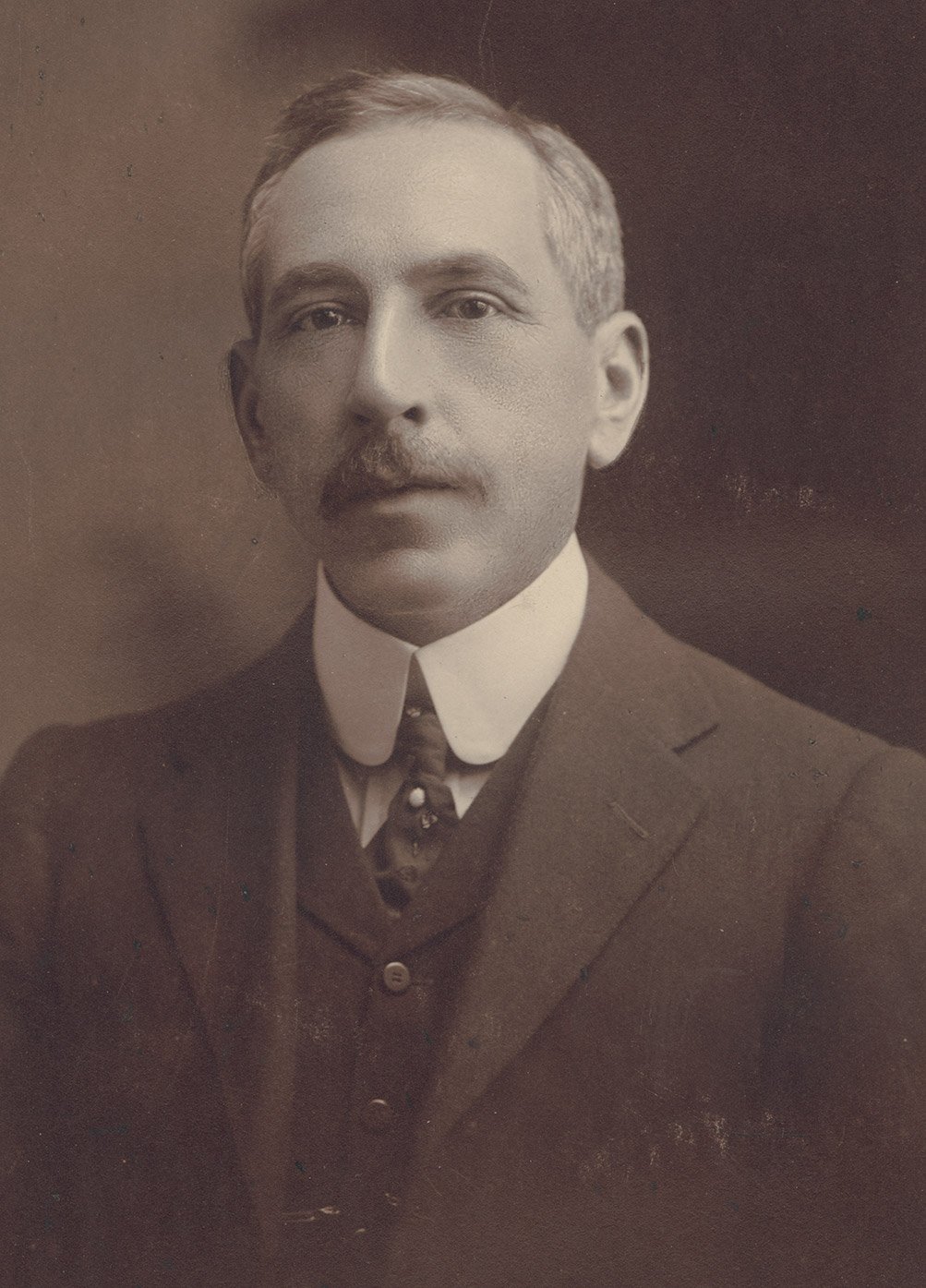
Billy Hughes CH, QC
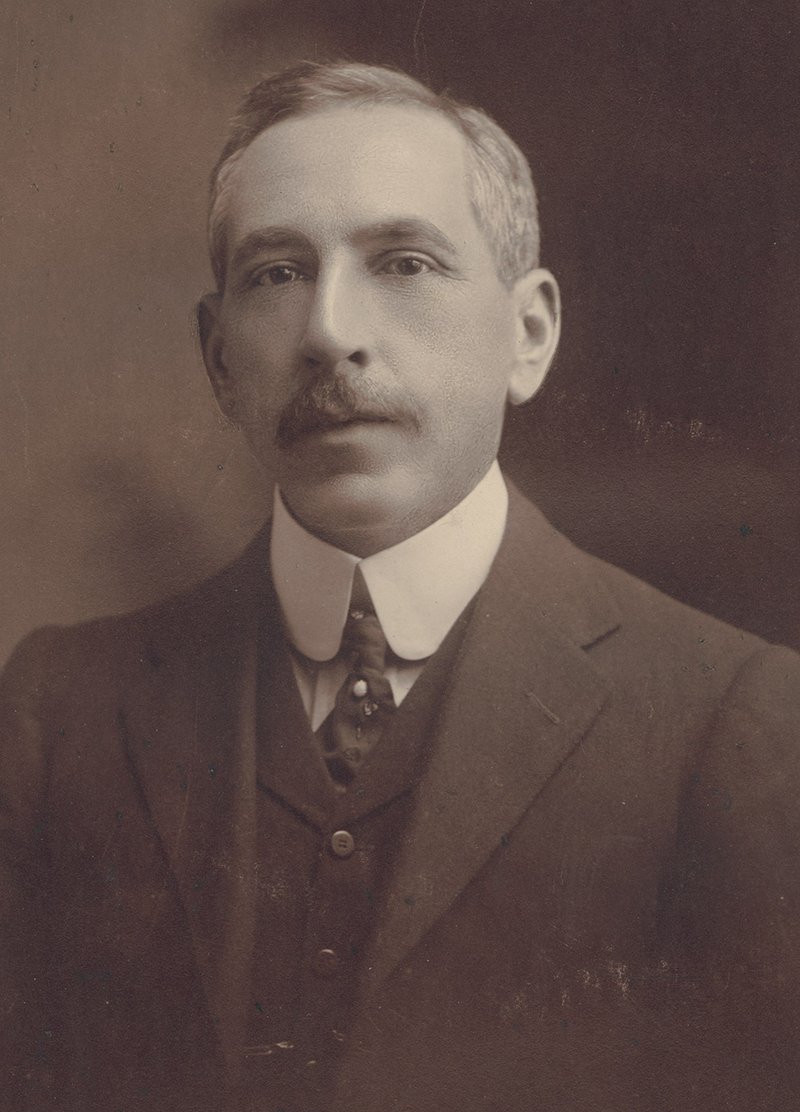 Click to enlarge image
© National Library of Australia.
Readers note: This is an excerpt from the 200 Treasures exhibition catalogue, developed in 2017. This content was written as a brief biography on why this person was included in the exhibition.
1862 - 1952
William Morris ‘Billy’ Hughes served in Australia’s parliament from its inception in 1901 until 1952, playing a leading role in the first 50 years of the Australian nation, including eight crucial years as prime minister.
Australia’s longest-serving parliamentarian was born in London in 1862, to Welsh parents, and spent his youth in both Wales and London. He did some teaching and military service before he migrated to Australia at age 22. Hughes struggled financially, taking on various blue-collar jobs before finding work in Sydney, where he met his future wife, Elizabeth Cutts, in 1890. They moved to the working-class suburb of Balmain and opened a mixed-business shop in their house, with Elizabeth taking in washing to make ends meet. Hughes was drawn to socialism and politics.
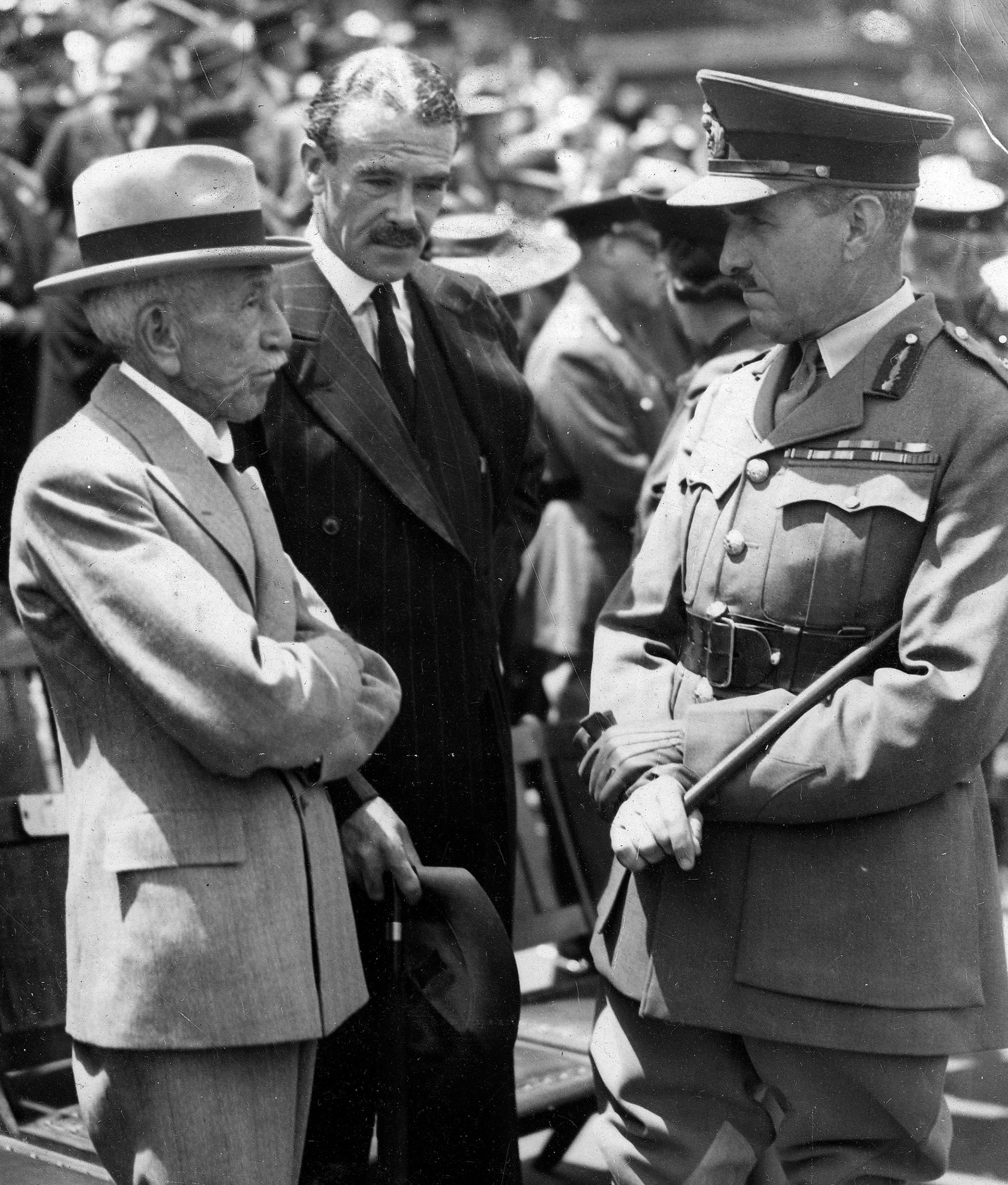
© From the State Library of Queensland
The Labor Party, formed in the 1890s amid the turmoil of rolling strikes, was where Hughes directed his energies. He won the seat of West Sydney in the first federal parliament in 1901, and became Labor’s leader and prime minister in October 1915, when his predecessor retired. Hughes would lead the country through the remainder of World War I. He became embroiled in the bitter issue of conscription, which went to referendum twice and was defeated on both occasions.

The Labor Party was against conscription and expelled Hughes for his support of it, as a result of which he founded the Nationalist Party and continued as prime minister until 1923. At the 1919 Paris peace conference, he strenuously argued against a racial equality clause in the League of Nations covenant as he feared this would end the ‘White Australia’ policy. He also secured the mandated territory of New Guinea as compensation for Australian lives lost and money expended in the war. He returned to Australia a hero. Although his prime ministership ended in 1923, Hughes’s controversial and multi-layered parliamentary career and political involvement continued for the rest of his life, ending with his death at age 90, in 1952.
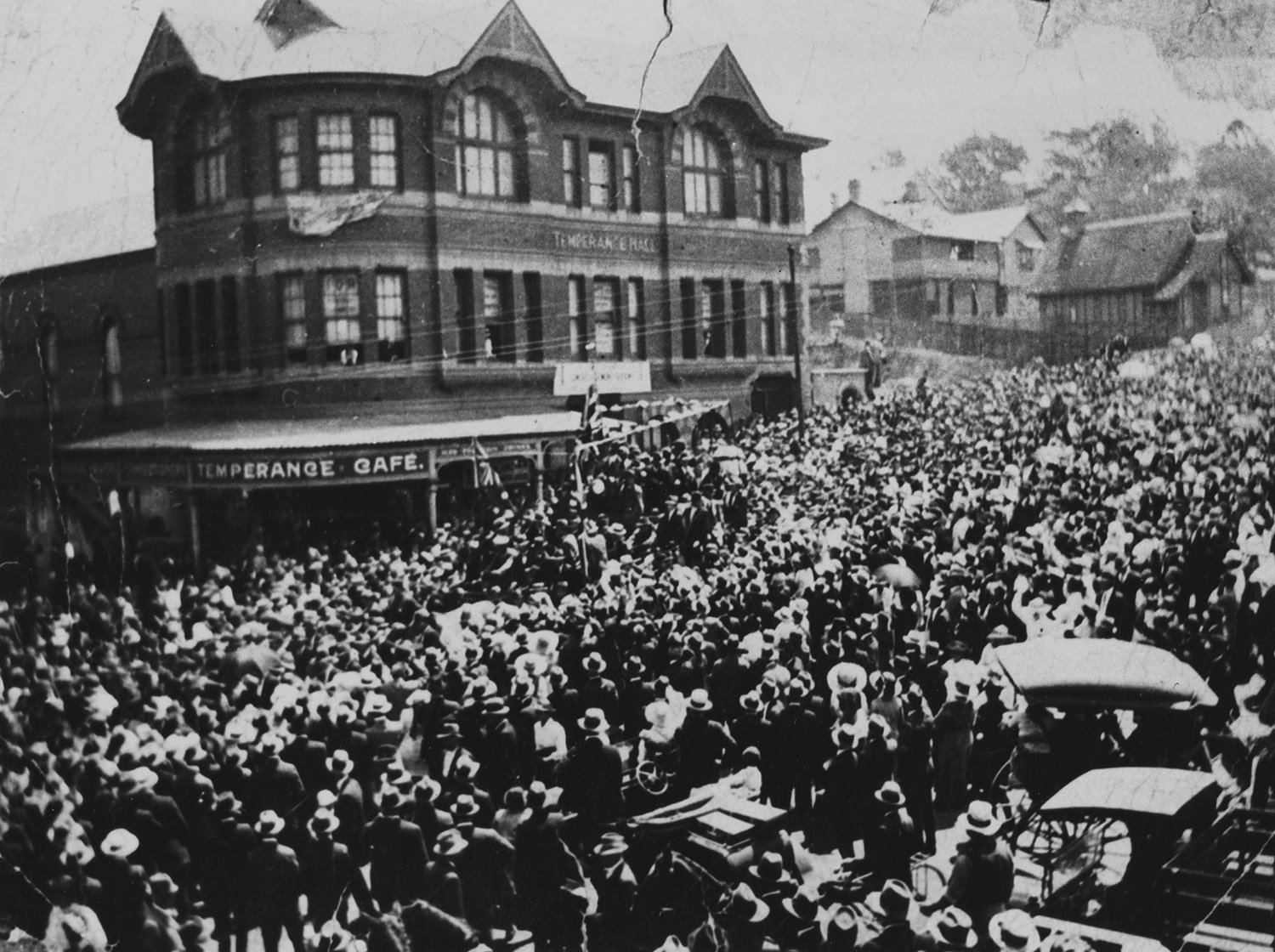
© From the State Library of Queensland