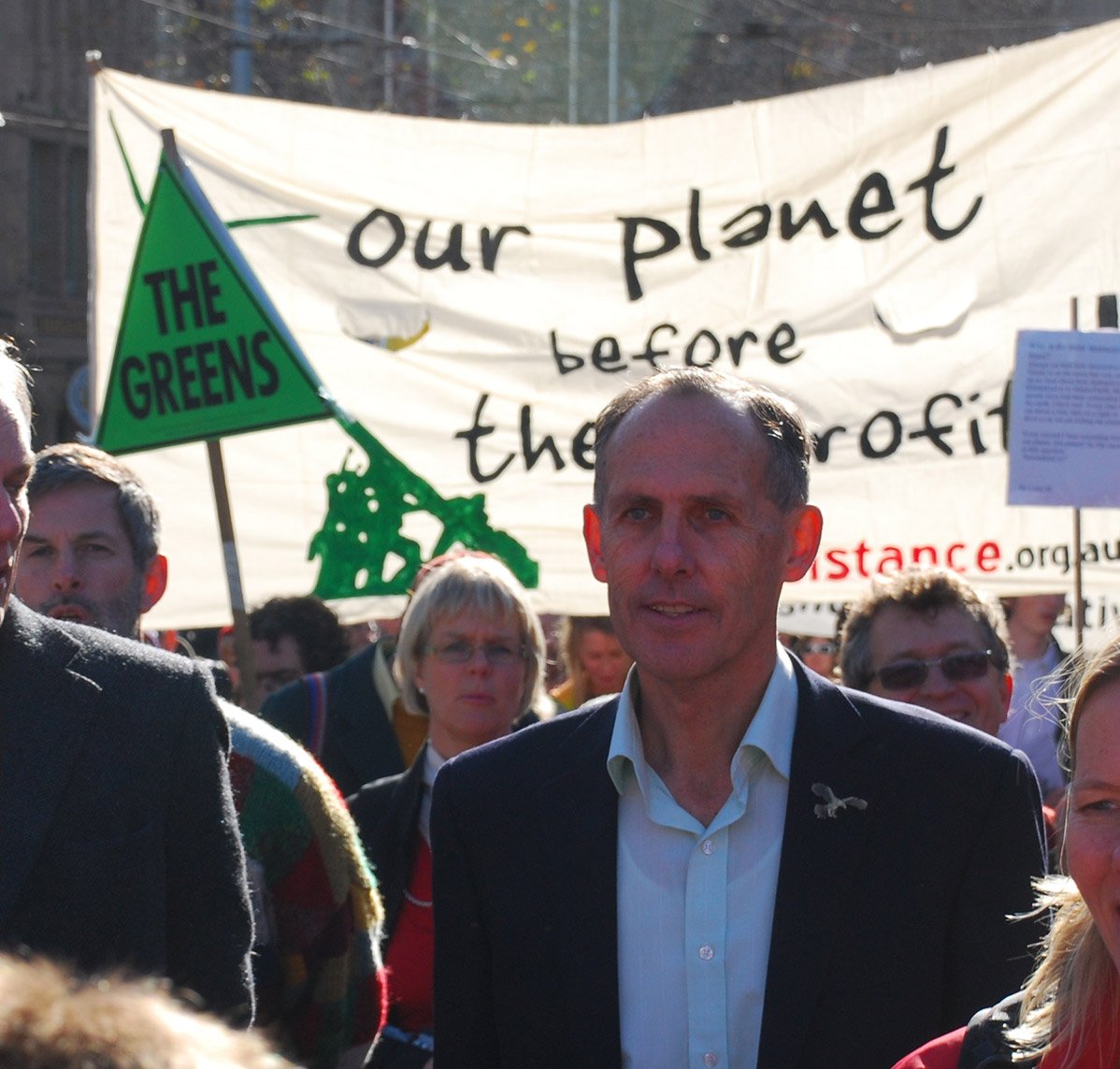
Dr Bob Brown
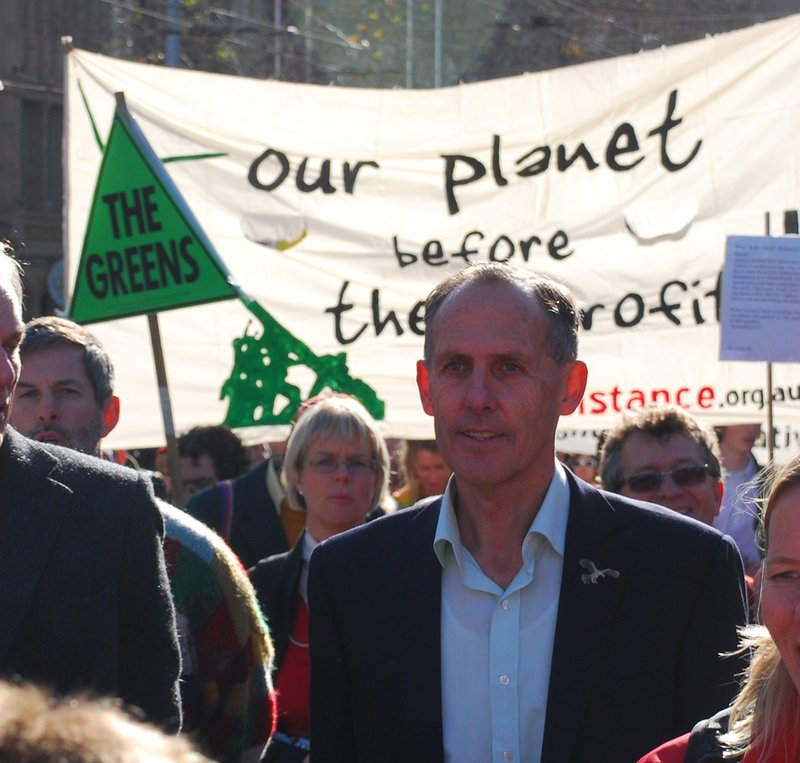 Click to enlarge image
© Creative Commons
Readers note: This is an excerpt from the 200 Treasures exhibition catalogue, developed in 2017. This content was written as a brief biography on why this person was included in the exhibition.
1944 - present
Bob Brown went to Tasmania in 1972 looking for the Tasmanian tiger. He
did not find the thylacine but instead discovered a political cause that drew him into the centre of the state’s politics and then those of the Australian nation.
Brown was born in Oberon, NSW, and graduated in medicine from the University of Sydney in 1968. His 1972 trip to Tasmania coincided with the growing protest movement against the flooding of Lake Pedder, part of the Hydro-Electric Commission’s project to dam rivers in the southwest Tasmanian wilderness. Captivated by the region’s wild beauty, Brown joined the Tasmanian Wilderness Society and other groups that were organising to prevent the damming of another wild river, the Franklin.
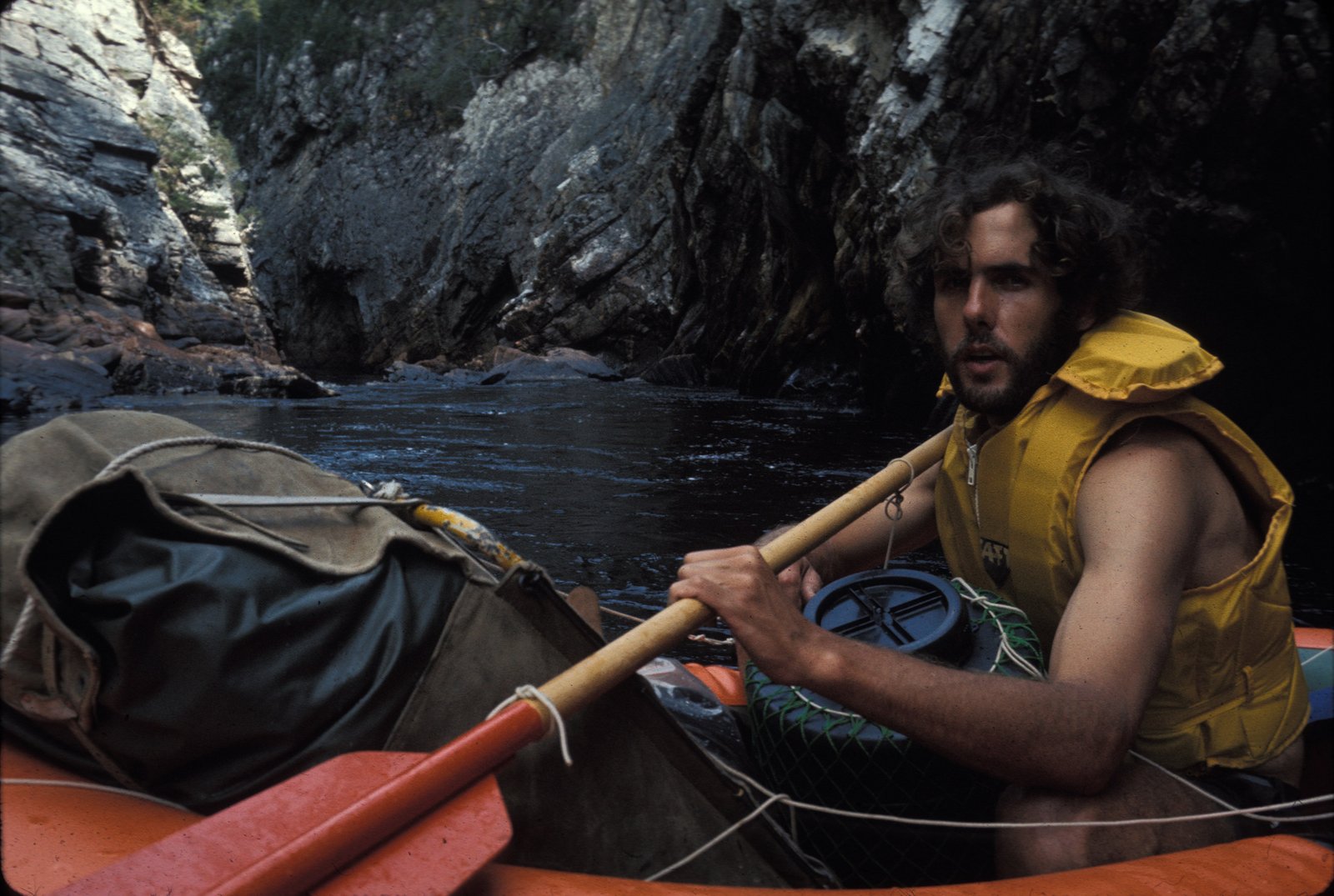
© Paul Smith
Passionate and articulate, Brown increasingly became the public face of the campaign, especially from 1978, when he became director of the Wilderness Society. This Tasmanian protest became a national movement, thanks to the savvy and multipronged No Dams campaign.
When Bob Hawke’s Labor Party promised federal intervention if elected to national office in 1983, the No Dams campaign achieved stunning success: the dam was stopped. The same year saw Brown elected to the seat of Denison in Tasmania’s House of Assembly. He assumed office the same day he was released from prison for taking part in a No Dams protest. He represented the seat of Denison until 1993, when he was elected to the Australian Senate, where he served Tasmania until his retirement in 2012. Brown was a driving force in forming the Greens Party and served as the party’s leader until 2012.

Brown also championed many social justice issues. In his maiden speech to the Senate he recounted, ‘I, as that young doctor in Launceston [in 1972], made it public that I am homosexual’ at a time when this was criminalised in Tasmania. This was another situation Brown helped change.
In 1990, he founded the Australian Bush Heritage Fund (now known as Bush Heritage Australia), an organisation dedicated to purchasing and preserving Australian bushland. Brown retired from politics in 2012. He set up the Bob Brown Foundation, and continues to be involved in its numerous environmental causes.