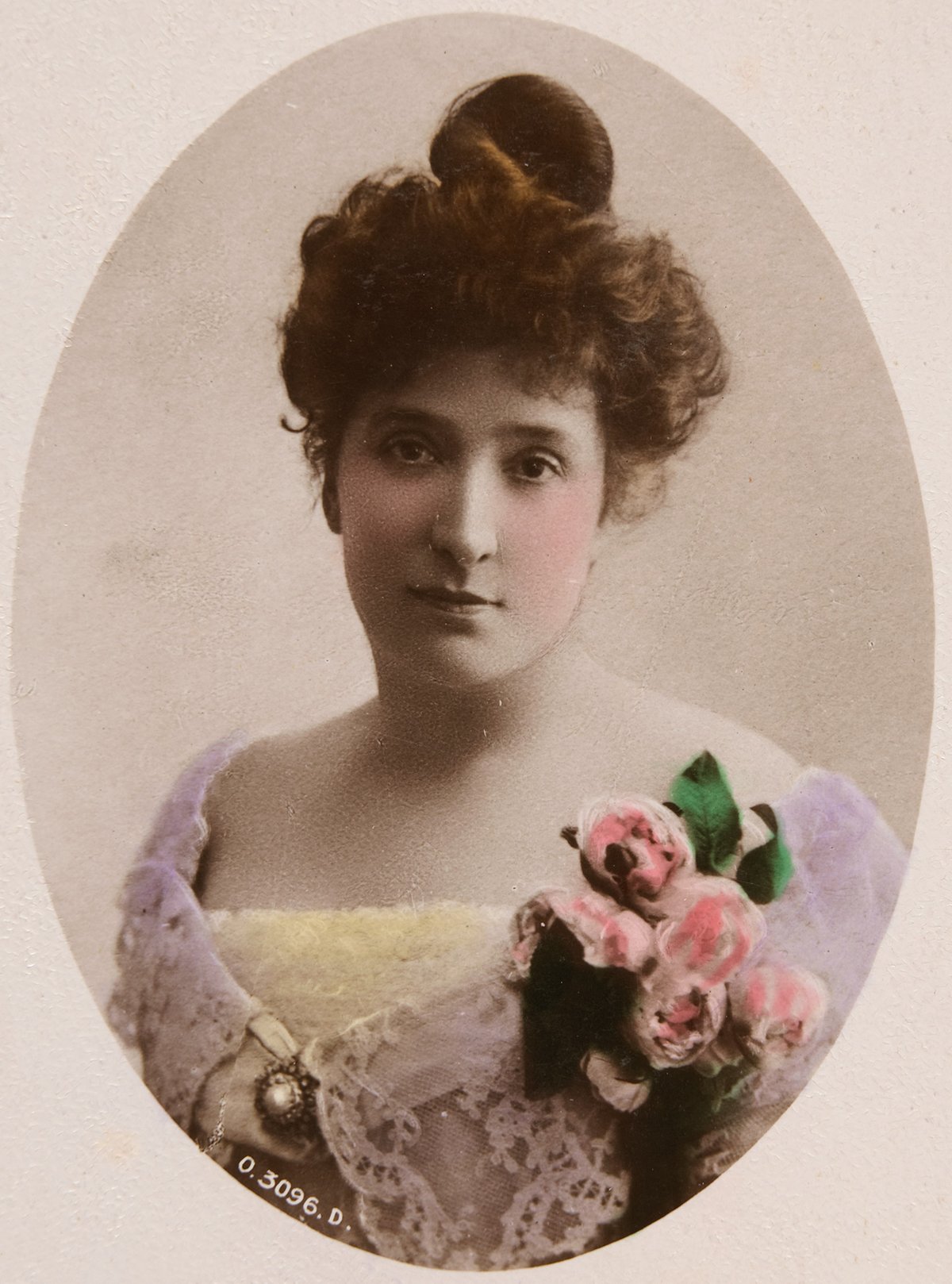
Dame NellIe Melba GBE
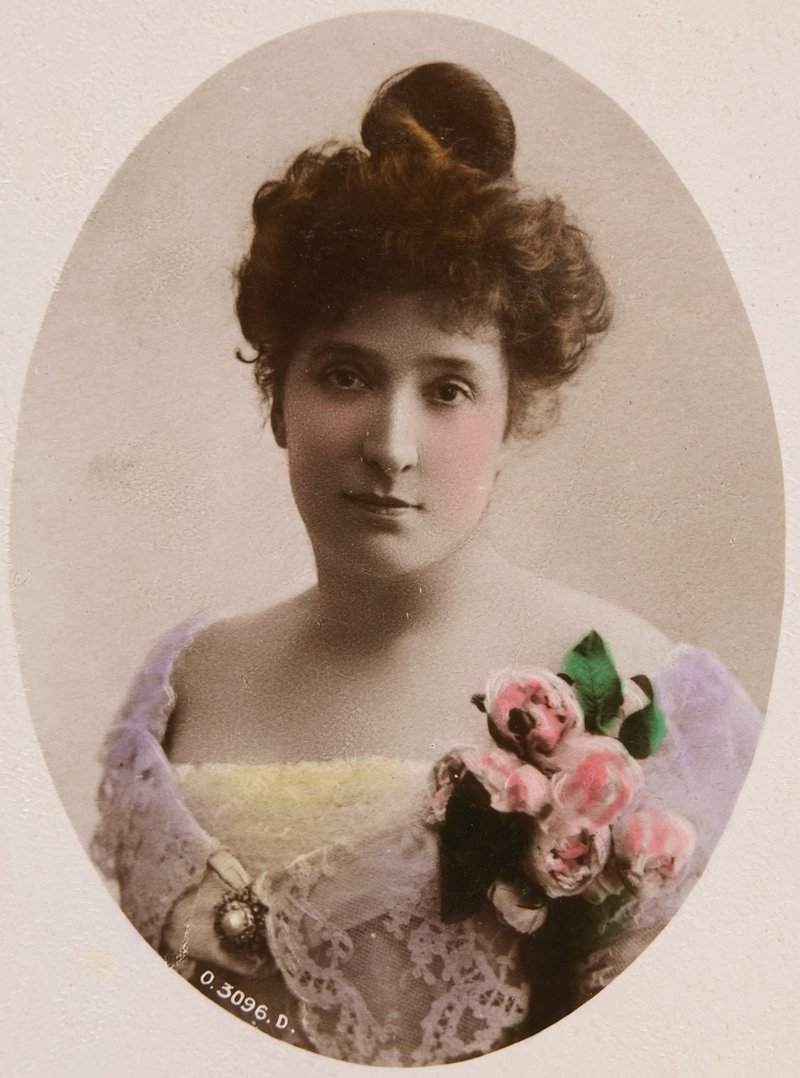 Click to enlarge image
© State Library of Victoria
Readers note: This is an excerpt from the 200 Treasures exhibition catalogue, developed in 2017. This content was written as a brief biography on why this person was included in the exhibition.
1861 - 1931
When Dame Nellie Melba died in Sydney in 1931, tributes flowed. They were led by King George V ‘who had known her for many years ... and appreciated her beautiful voice which has given pleasure in all parts of the world’. Melba was described in London as the ‘world’s greatest singer’ and in New York as the ‘empress of song’. Though she had mingled with crowned heads and the world’s richest and most famous, Melba was beloved by the Australian people. So much so that the train bearing her body back to Melbourne made many stops along the way for the large crowds that gathered to pay tribute to the woman who was perhaps Melbourne’s greatest daughter.
© State Library of Victoria
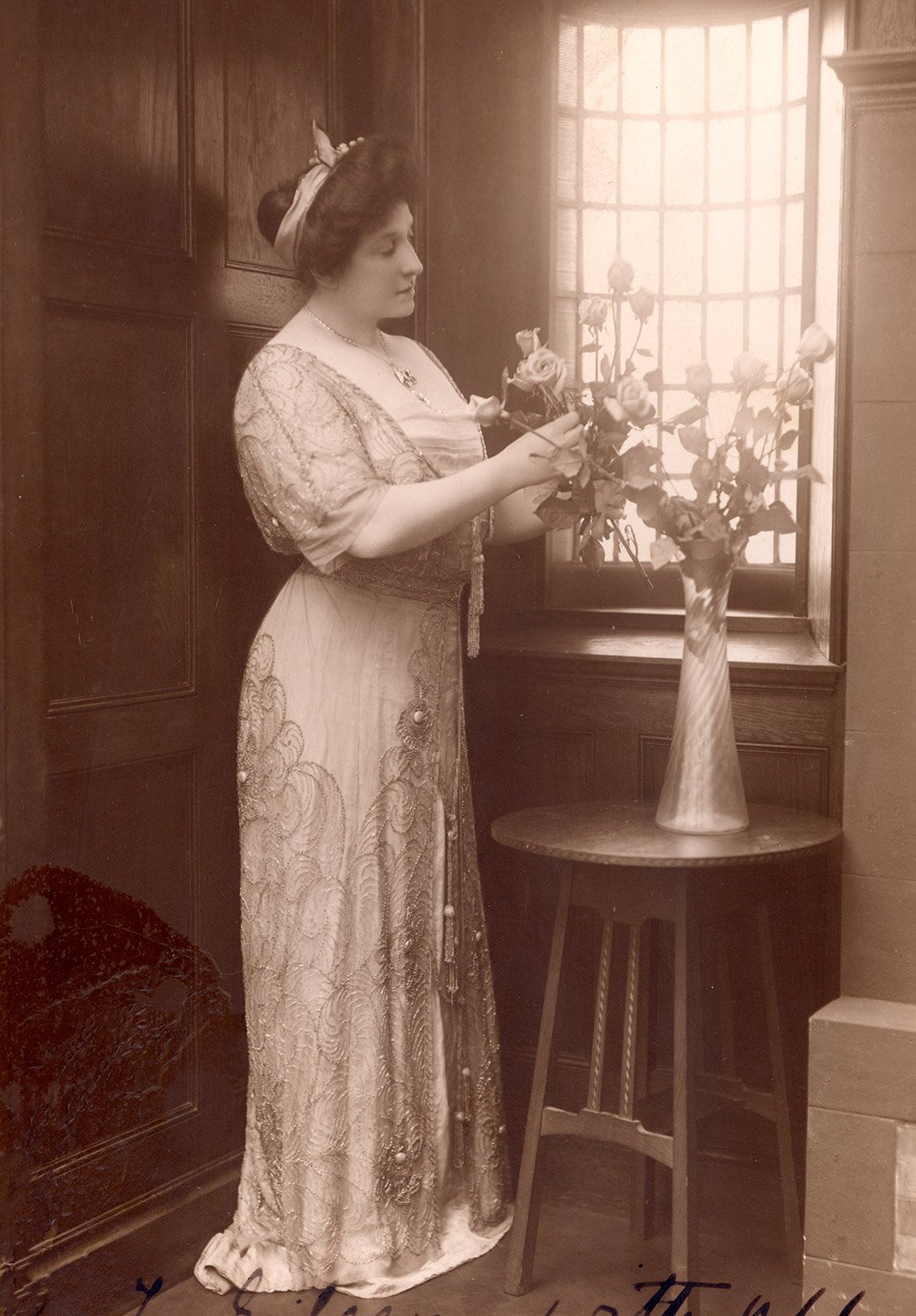
She was born Helen Porter Mitchell to musically accomplished parents and schooled at the Presbyterian Ladies College, Melbourne, where her talent for singing was fostered. She made her stage debut in Melbourne in 1884. Her European ‘conquest’ began when she debuted as an opera singer in Brussels in 1887. She adopted her stage name, Madame Melba, in honour of her birthplace. Her fame quickly spread around the world and her wealth accumulated along with her reputation. Critics struggled to find words to describe her voice; ‘it floats as pure and effortless as moonlight on a quiet sea’, wrote one. Through it all Melba encouraged young singers and remained ‘intensely Australian’.
© State Library of Queensland

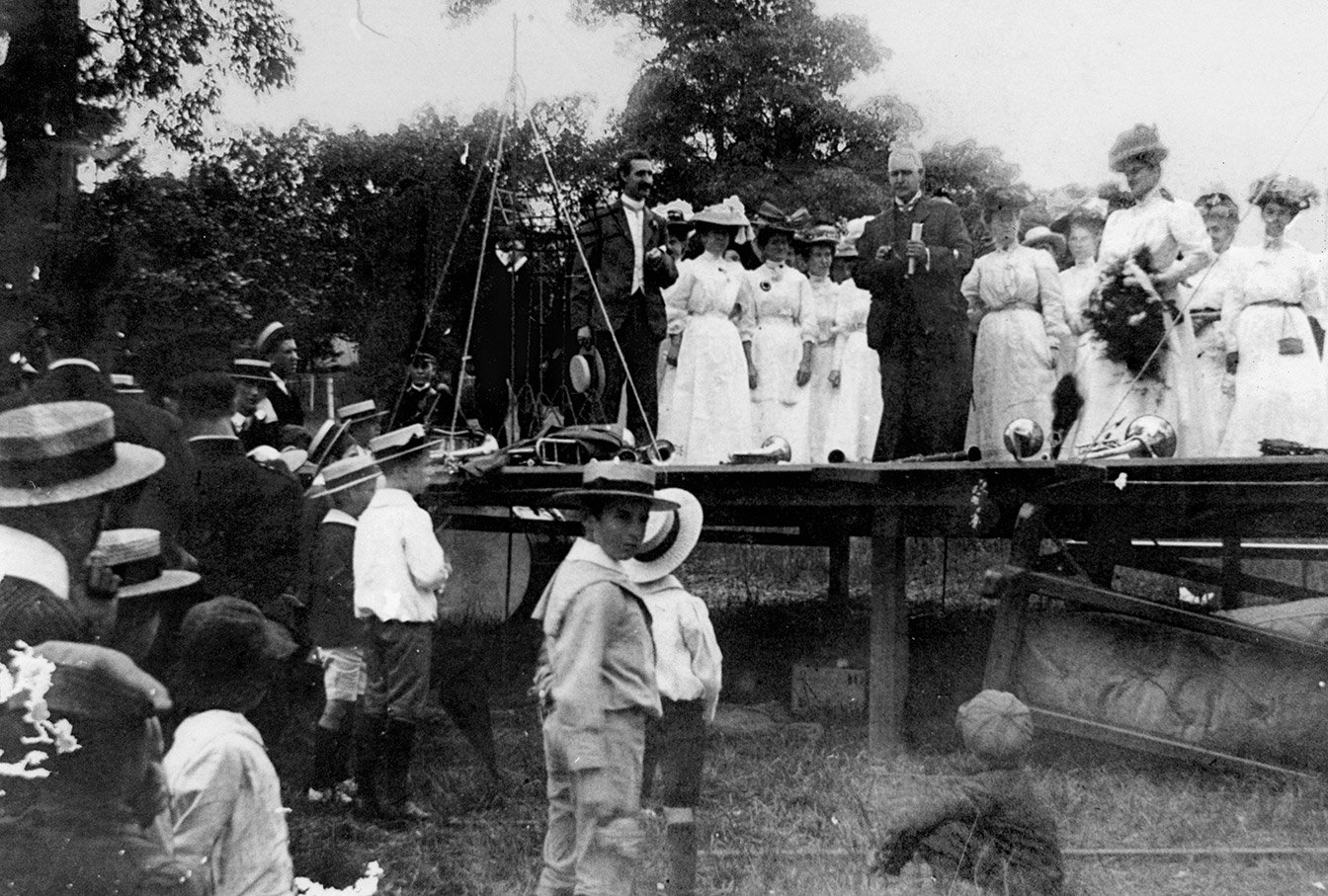
In 1909, she toured Australia, covering more than 10,000 miles from cities to remote towns. When World War I erupted, she raised ‘huge sums’ for the war effort and was made a Dame in 1918 for this and her services to music.
In 1921 and 1922, she returned to Melbourne for a series of popular concerts that drew huge audiences. When she learned that the ticket price was too much for some, she gave performances where no seat cost more than five shillings. Melba’s swan song lasted for years as she bade farewell to her global audiences, giving her final performance in 1928.