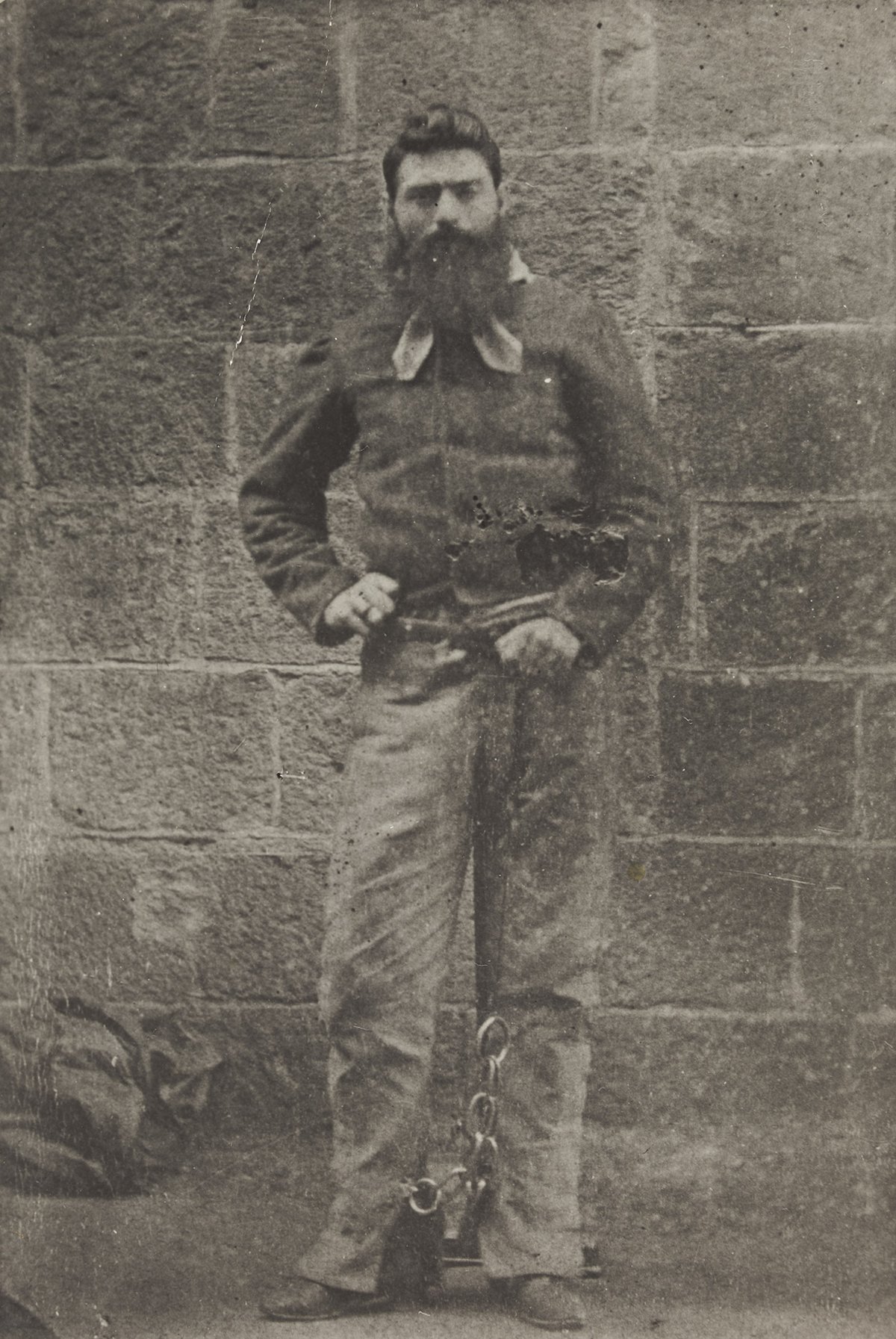
Ned Kelly
 Click to enlarge image
© State Library of Victoria.
Readers note: This is an excerpt from the 200 Treasures exhibition catalogue, developed in 2017. This content was written as a brief biography on why this person was included in the exhibition.
1855? - 1880
Ned Kelly is a towering legend in Australian folklore. He was one of the last bushrangers but his place in Australian myth is due to class, sectarianism (the clash between British Protestants and Irish Catholics), kinship ties and the reshaping of Australian society after the gold rushes.
Edward ‘Ned’ Kelly was born to Irish-born parents Ellen and John ‘Red’ Kelly in 1854 or 1855. Red was a convict transported to Van Diemen’s Land in 1842. The couple married in 1850 and after Red made sufficient money on the goldfields they bought a farm.
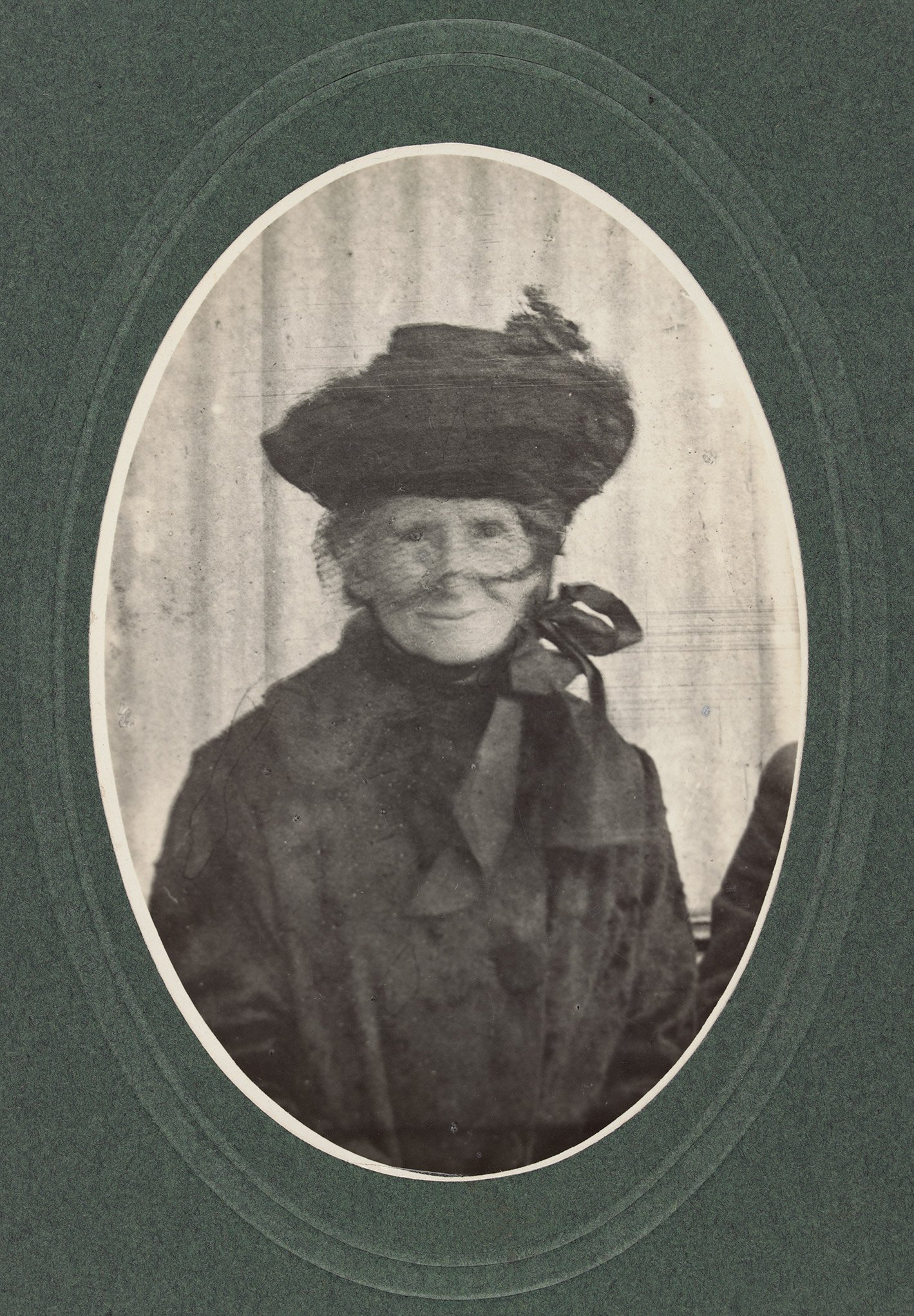
© State Library of Victoria
Life was harsh for Red and he died in 1866, leaving behind Ellen and seven children. Ned, the eldest son, aged 11, became the family protector. He and brothers Dan and James resorted to the theft of livestock and horses and soon fell foul of the law. Ned would later claim in his famous manifesto, the Jerilderie Letter, dictated to Bank of NSW teller Edwin Living, that wealthy squatters were the initial thieves of poor farmers’ animals, yet went unpunished, unlike the persecuted poor.
In 1877, when Constable Fitzpatrick went to arrest Dan Kelly for horse stealing, Ellen set upon him with a shovel. Fitzpatrick claimed the absent Ned had shot him. Ellen was sentenced to three years’ imprisonment, and warrants were issued for Ned and Dan. So began the saga of the brothers’ two years as outlaws (joined by two friends to form the ‘Kelly Gang’) in northern Victoria and southern NSW.
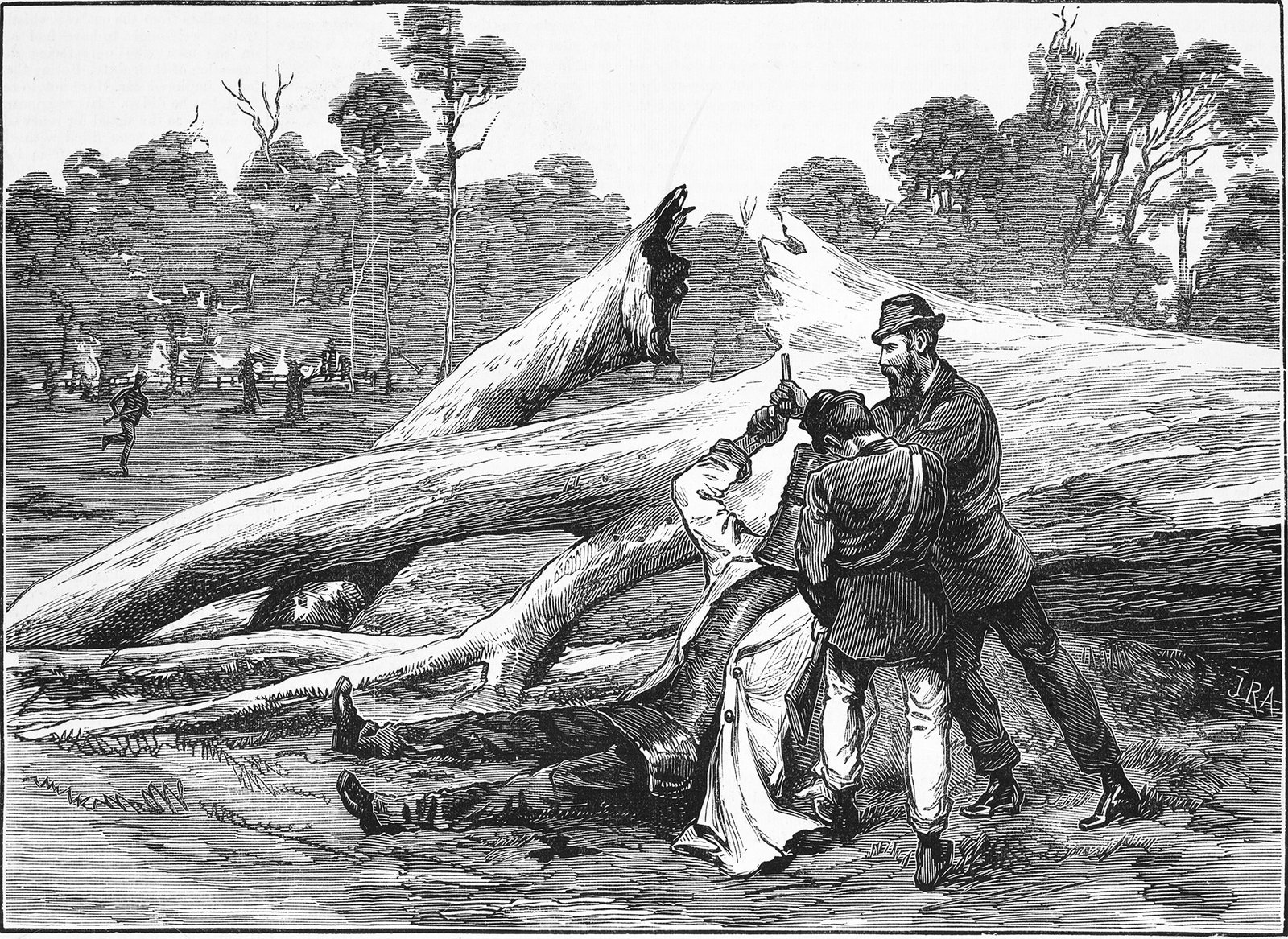
© State Library of Victoria

The Kellys made a number of celebrated hold-ups, where speeches were made and, on occasion, the mortgage documents of poor farmers were burned. At their last stand at Glenrowan, Ned donned armour forged from farm machinery but was captured and brought to Melbourne for a show trial when public sentiment ran high in his favour. He was found guilty of murder and hanged in 1880, aged 25, assuring him immortal, mythic status.
Many artists, writers and filmmakers have been fascinated by Kelly’s story ever since.