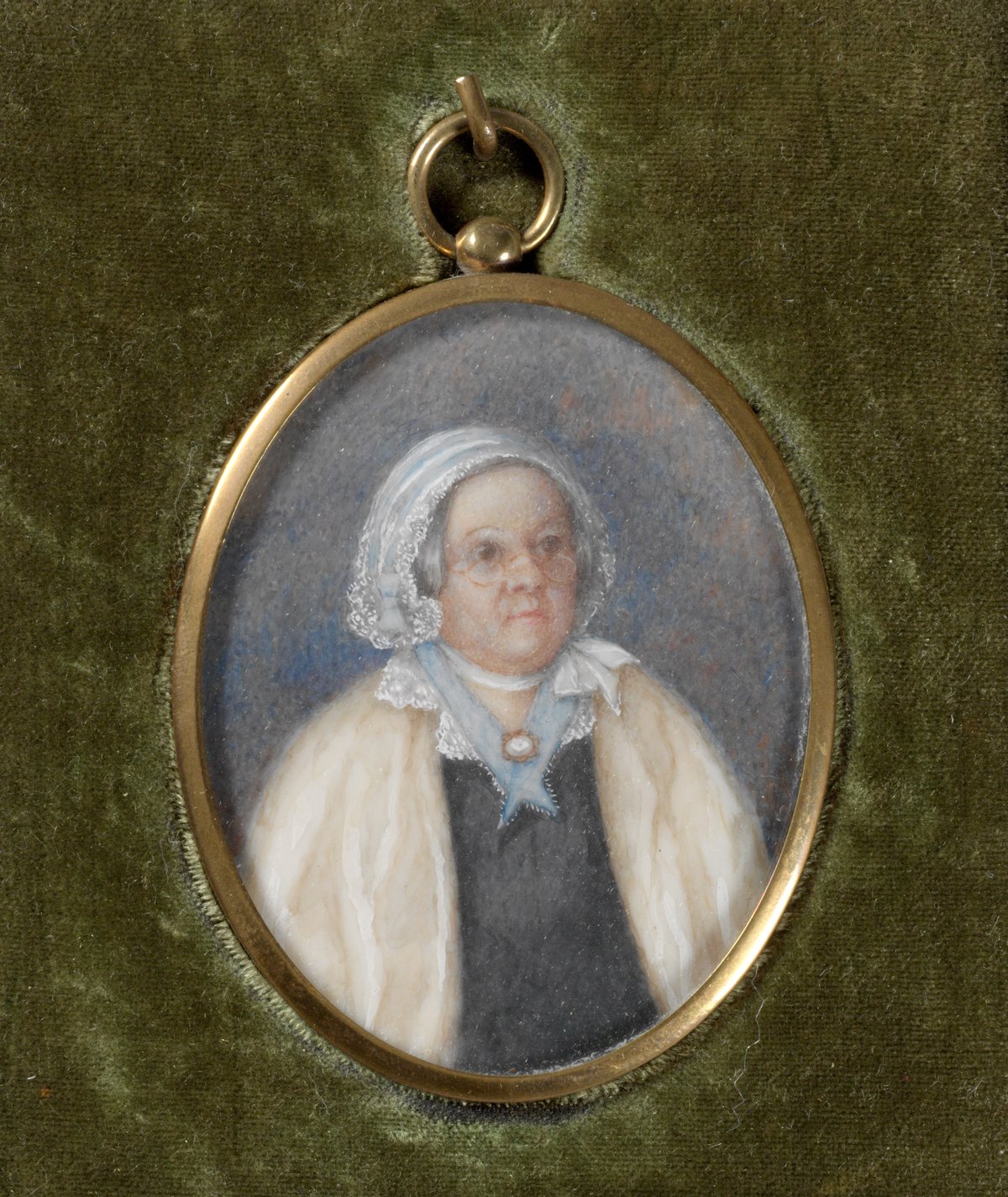
Mary Reibey
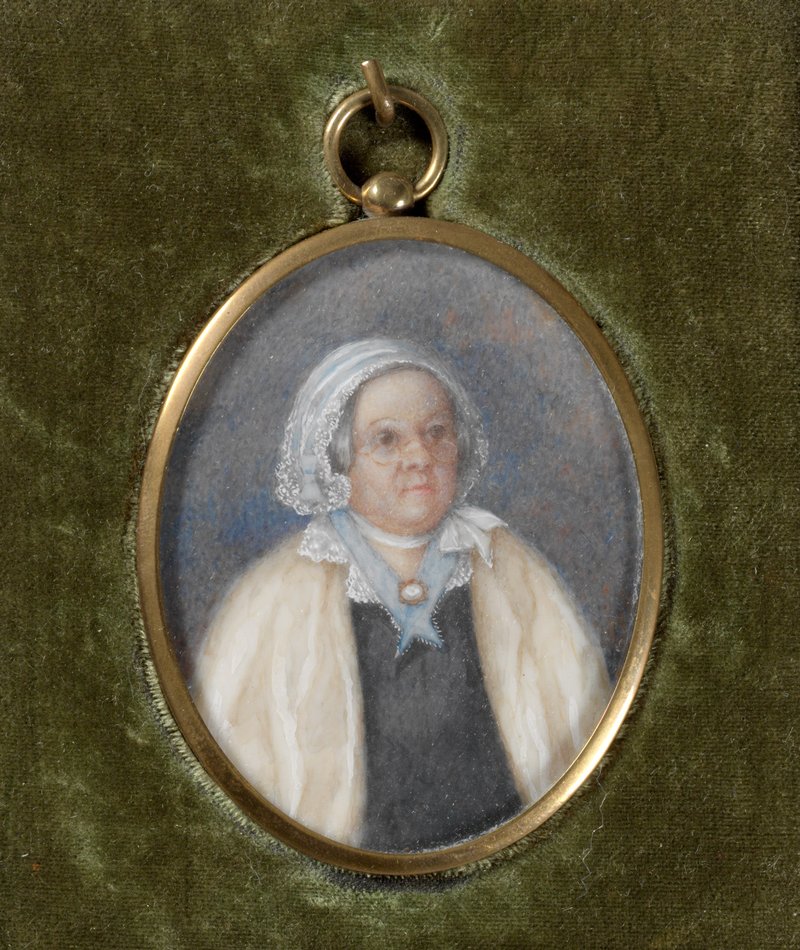 Click to enlarge image
© State Library of NSW
Readers note: This is an excerpt from the 200 Treasures exhibition catalogue, developed in 2017. This content was written as a brief biography on why this person was included in the exhibition.
1777 - 1855
Mary Haydock was transported to NSW from England for horse stealing when she was aged 13. Two years later, she married Irishman Thomas Reibey, whom she had met en route to Sydney and who worked for the British East India Company. At this time, the colony was expanding into the Hawkesbury region, and the Reibeys acquired property there and began a business transporting grain. Moving back to Sydney, they engaged in profitable mercantile activities that included Bass Strait sealing, and trading in cedar, coal and wheat, and from 1807, they extended their trading network into the Pacific islands.
Thomas died in 1811, and his business partner shortly after, leaving Mary with seven children and an array of businesses to run. Reibey was up to the task and distinguished herself for her business acumen. She bought more ships, and by 1820, had amassed a fortune worth approximately £20,000 and more than 1,000 acres of land. Her tough business methods included assaulting one of her male debtors in 1817.
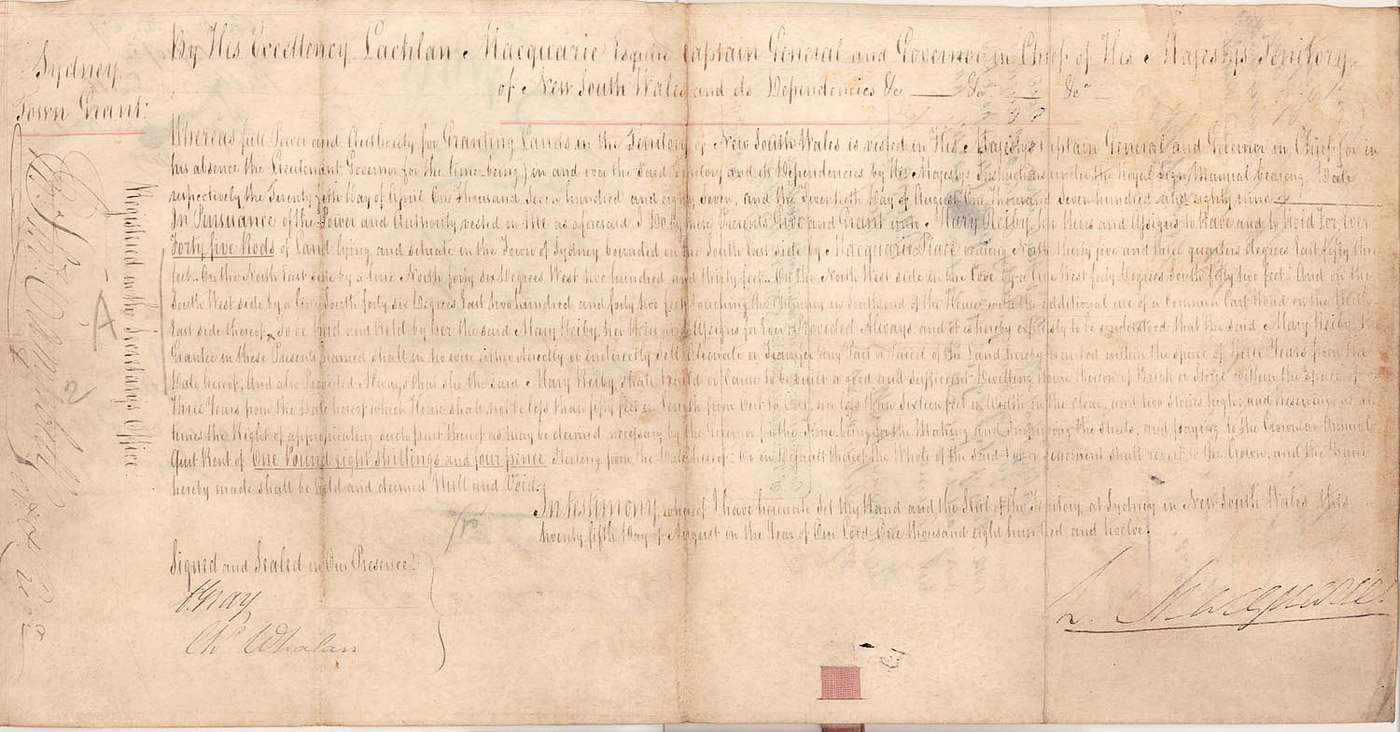
© State Library of NSW
Reibey benefited from Governor Lachlan Macquarie’s benevolent attitude to emancipists and she gained social respectability. She was involved in the founding of Macquarie’s Bank of NSW as the first landlord, and also ran a school. Yet she never acquired the polish required for acceptance into the upper echelons of colonial society and remained an outsider.

When Reibey visited England in 1820, she was a great curiosity, an embodiment of rapid upward social mobility and Macquarie’s improving social agenda. Reibey was the result of a fluid class structure that allowed convicts to transform their low station in life, a situation critics wanted urgently reformed.
On her return to Sydney, Reibey continued to prosper and she commenced a program of investing in property and constructing new buildings in Macquarie Place and George Street. In the 1840s, she was able to retire comfortably in Newtown, a suburb then on the edges of Sydney.