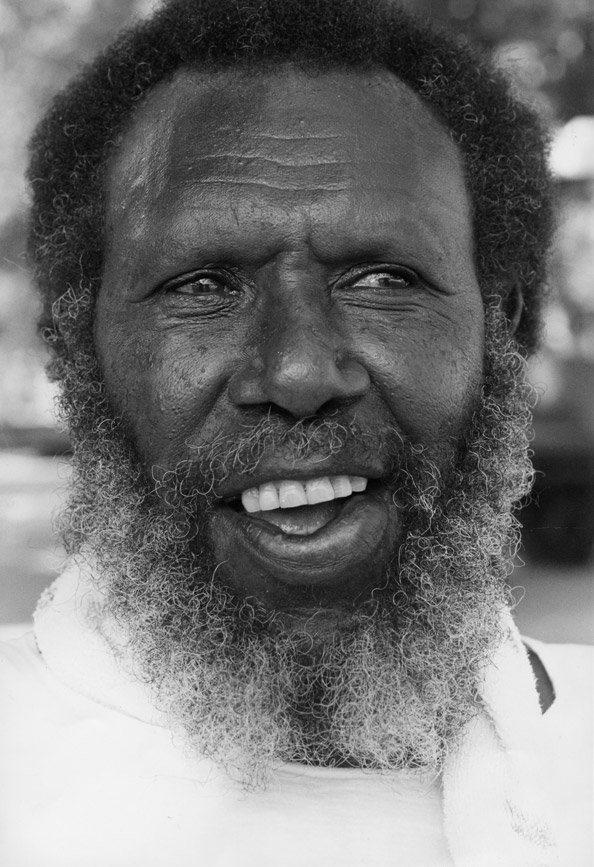
Eddie Mabo
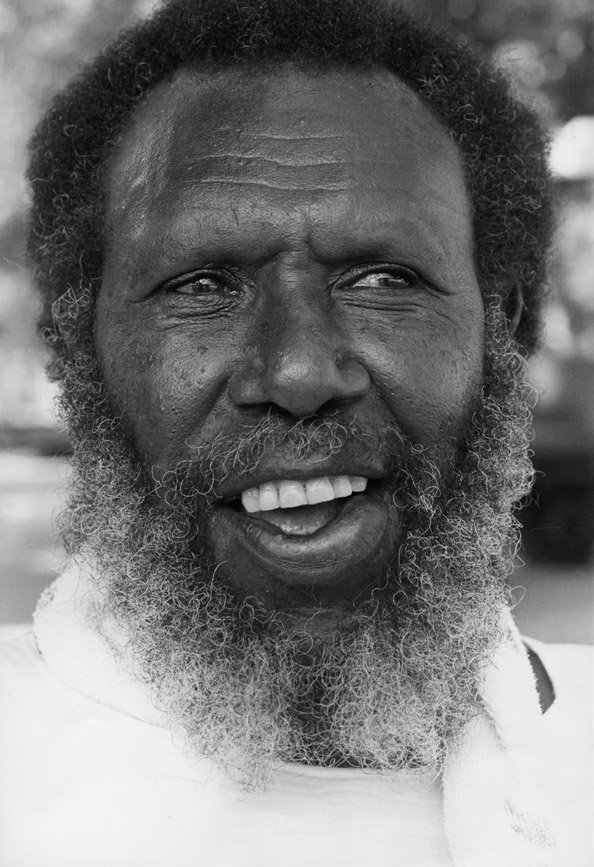 Click to enlarge image
© Jim McEwan
Readers note: This is an excerpt from the 200 Treasures exhibition catalogue, developed in 2017. This content was written as a brief biography on why this person was included in the exhibition.
1936 - 1992
The life of Eddie Koiki Mabo is an Australian David and Goliath story. He transformed Australian law and reset relations between white and Indigenous Australians. His insistence that he and other Mer Islanders, and not the Crown, were the owners of their land, propelled Mabo on a withering legal fight that went to the High Court of Australia; it delivered its landmark decision on the case in 1992.
Mabo was born in 1936 at Las on Mer Island in the Torres Strait. Mabo’s mother died five days after his birth, and his aunt and uncle adopted him. Mabo grew up steeped in Mer Island culture and his first language was Meriam. He first learnt English at school. Exiled from Mer for drinking alcohol, he gravitated to the mainland where he met his future wife, Bonita Nehow, whom he married in 1959.
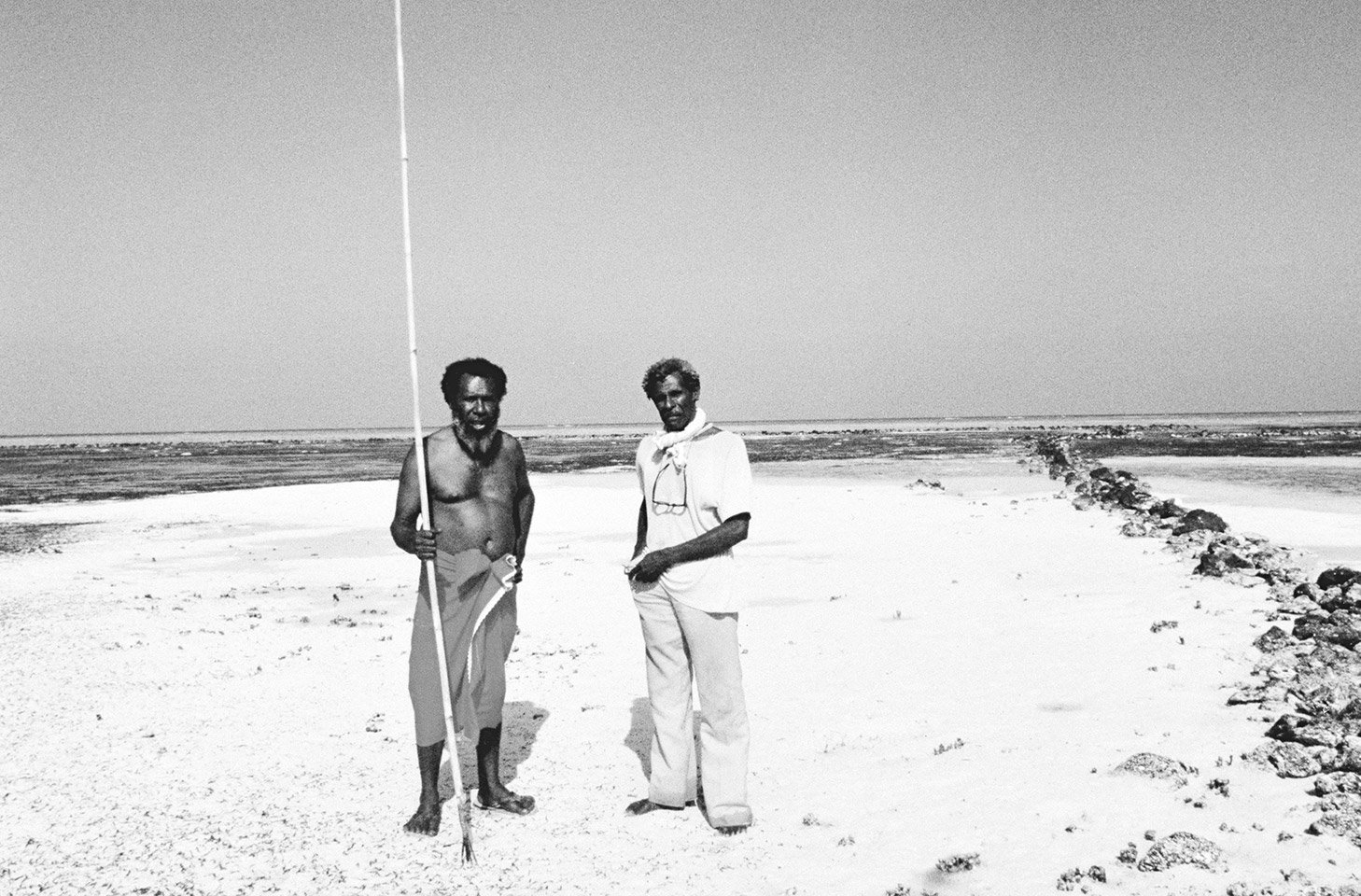
© National Archives of Australia
Mabo became involved in a raft of organisations, from being a representative for Torres Strait Islanders in various unions, to serving as secretary for the Aborigines Advancement League. He was involved in the 1967 referendum that shifted Indigenous affairs to the federal government. Through these associations, Mabo made some critical connections with academics in Cooktown and Townsville, among them Henry Reynolds and Noel Loos, for whom Mabo also gave occasional lectures. When they told Mabo that he and other Mer Island people were not the legal owners of their land, Mabo was rocked to his core. He set about challenging this with proceedings he initiated in 1982.

Ten years later, on 3 June 1992, the High Court delivered its decision in Mabo v Queensland: it overturned the notion of terra nullius, that the Australian land had no owners prior to British colonisation from 1788. Eddie Mabo did not live to see this day: he died of cancer five months before this decision.