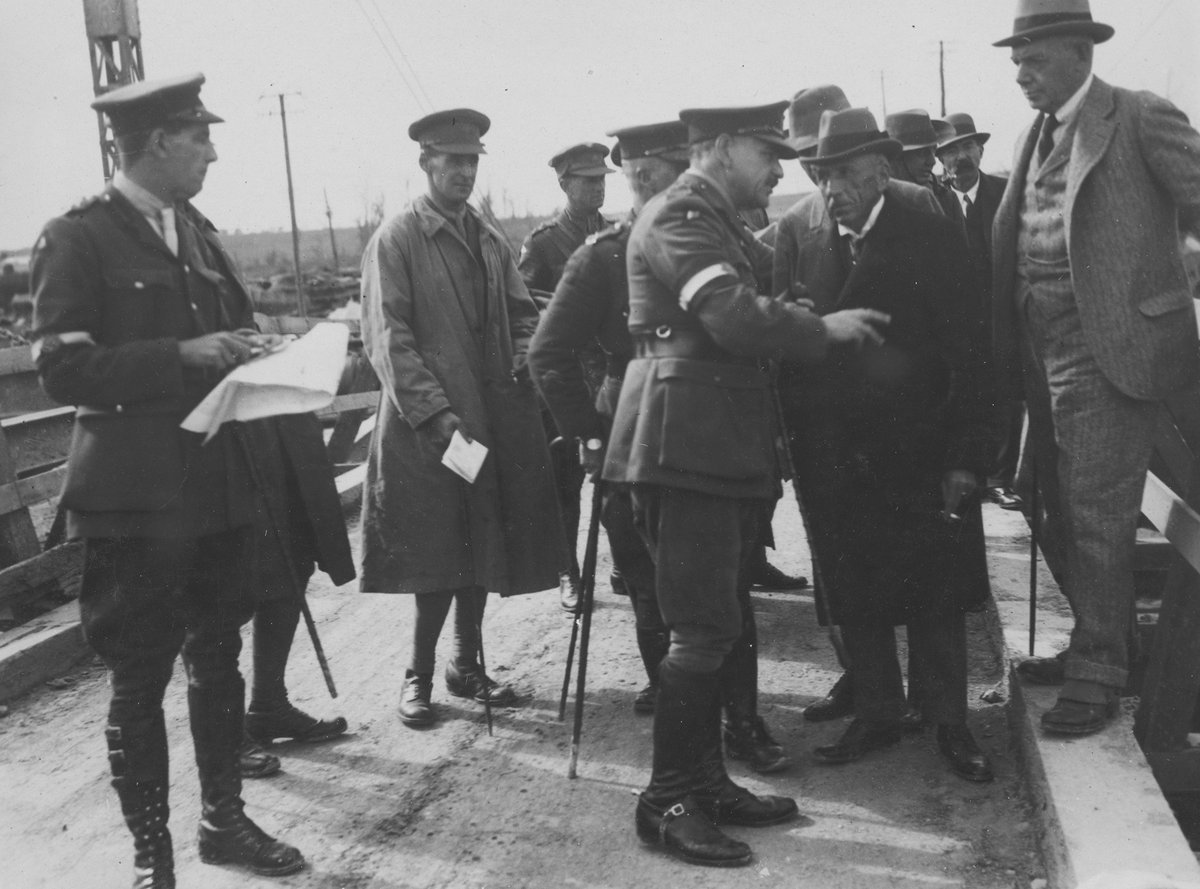
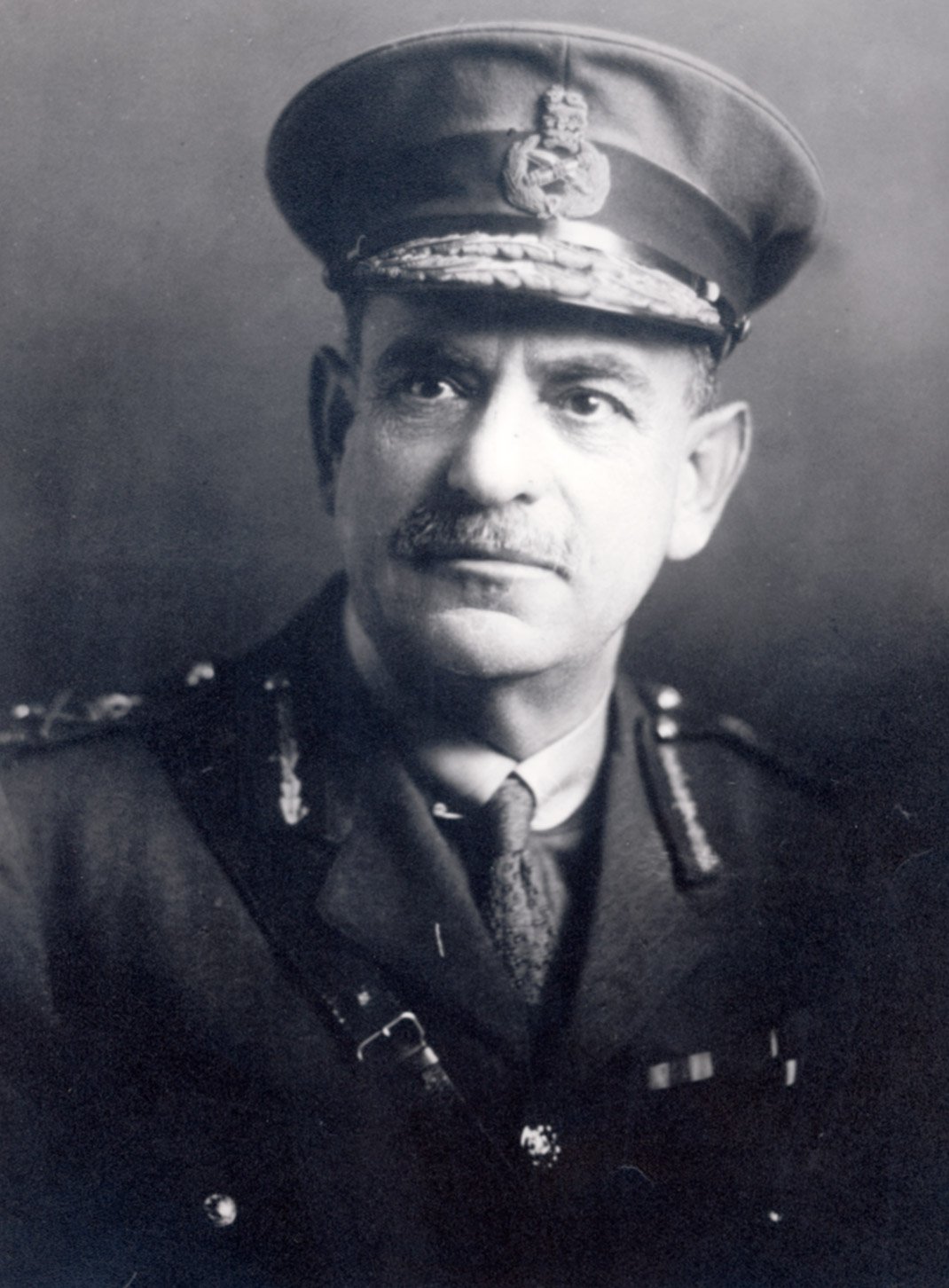
Sir John Monash CB, GCMG, KCB, VD
 Click to enlarge image
© National Library of Australia
Readers note: This is an excerpt from the 200 Treasures exhibition catalogue, developed in 2017. This content was written as a brief biography on why this person was included in the exhibition.
1865 - 1931
Melbourne witnessed solemn pageantry on an immense scale when it bade farewell to Australia’s greatest hero of World War I, General Sir John Monash, on 11 October 1931. It was estimated that 300,000 people filled Melbourne’s streets to listen to services at the Shrine of Remembrance and to pay their respects as the funeral cortege passed in a procession of 10,000 former and serving soliders. Such was Monash’s stature. He was a man described as ‘the Cincinnatus of Australia’, for his embodiment of the manliness and civic virtue of that famed Roman statesman and military leader.
Monash was born in 1865, in Melbourne, to Jewish parents who hailed from the Polish region of Prussia (that would become Germany). He studied engineering and arts at the University of Melbourne in the 1880s, graduating with three degrees in 1890. Monash worked as an engineer with a military commission (where he became fascinated by military theory) and in private practice, before returning to the army in 1908. There, he was involved in military mapping and also studied military history and sciences. His career and personal circumstances were on the rise.
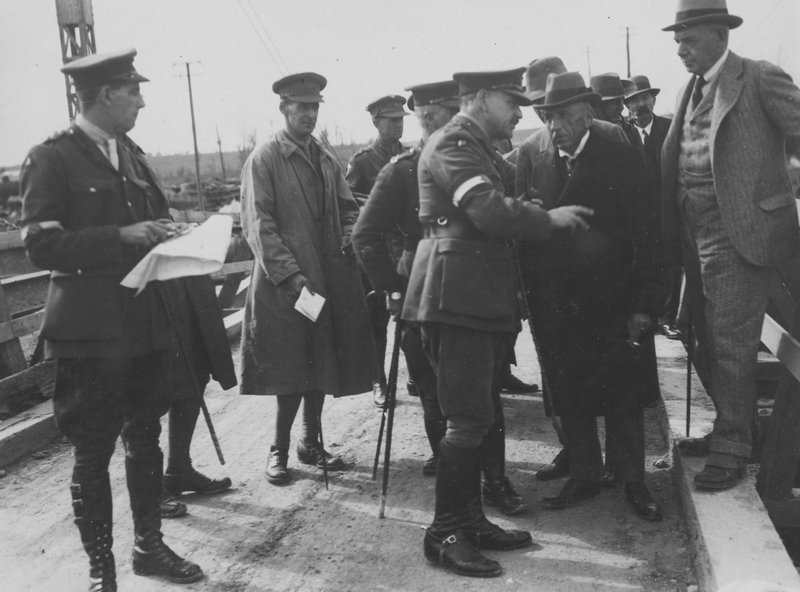
© State Library of Victoria

In 1913, he was appointed a colonel in the 13th Infantry Brigade. Monash’s career was on the ascent when World War I broke out. Lessons learned at Gallipoli, Messines and then Passchendaele aided Monash in devising strategies to break through the impasse of the Western Front in 1918. Monash’s finest hour was the Battle of Hamel in July 1918, which won him lavish praise for his ‘genius’ of commanding an array of forces. Monash was instrumental in transforming the final months of 1918 into a moving war, a decisive factor that finally led to the war’s end in November. General Sir John Monash returned to Australia a hero.
Monash’s greatest passion in his final years was building Melbourne’s Shrine of Remembrance; it was near completion when immense crowds gathered around it to farewell him in October 1931 in scenes described as ‘unforgettable’.