
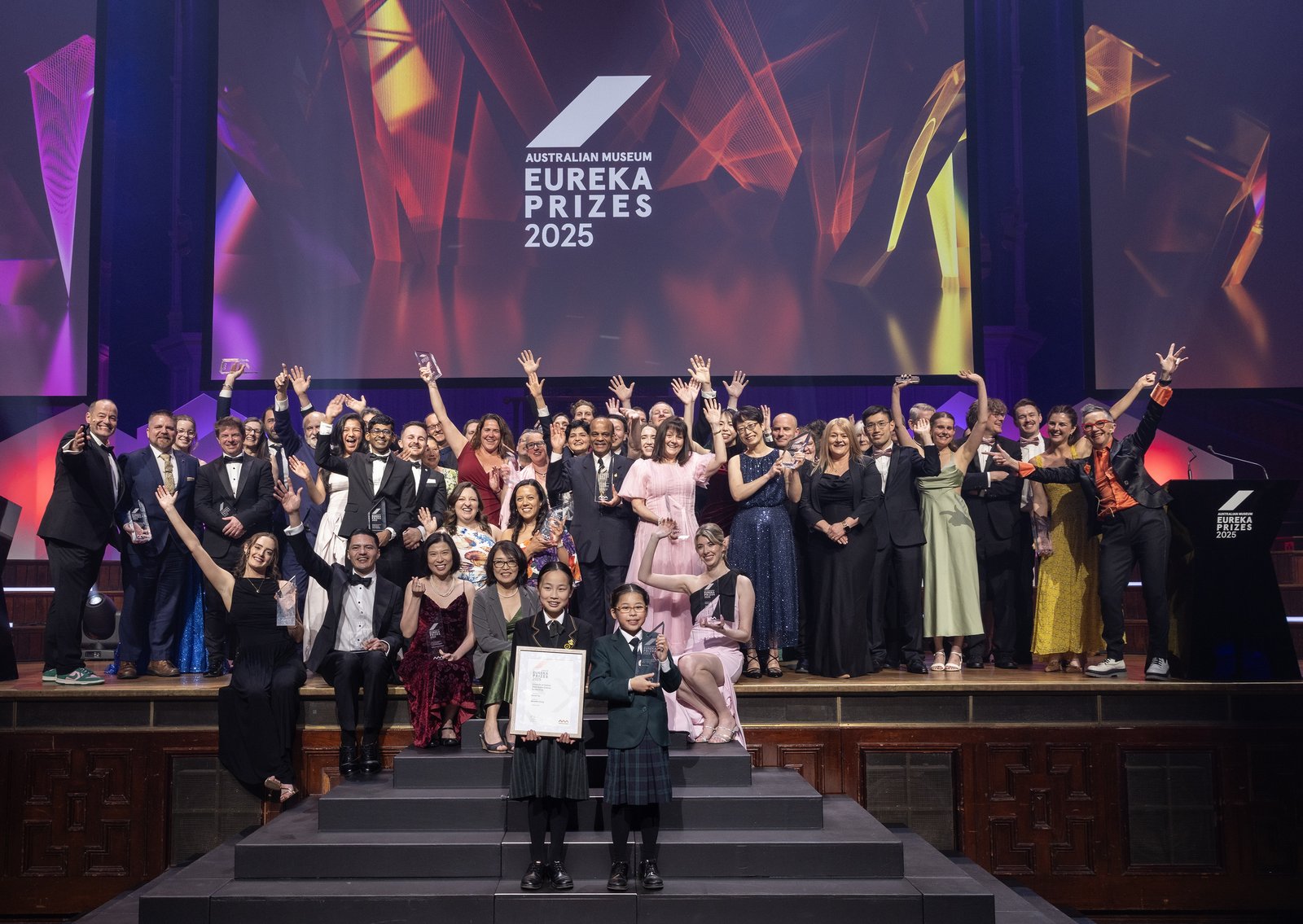
2025 Australian Museum Eureka Prizes winners
20 individuals and teams recognised across the categories of Research & Innovation, Leadership, Science Engagement and School Science.
On this page...
Research & Innovation
NSW Department of Climate Change, Energy, the Environment and Water Eureka Prize for Environmental Research
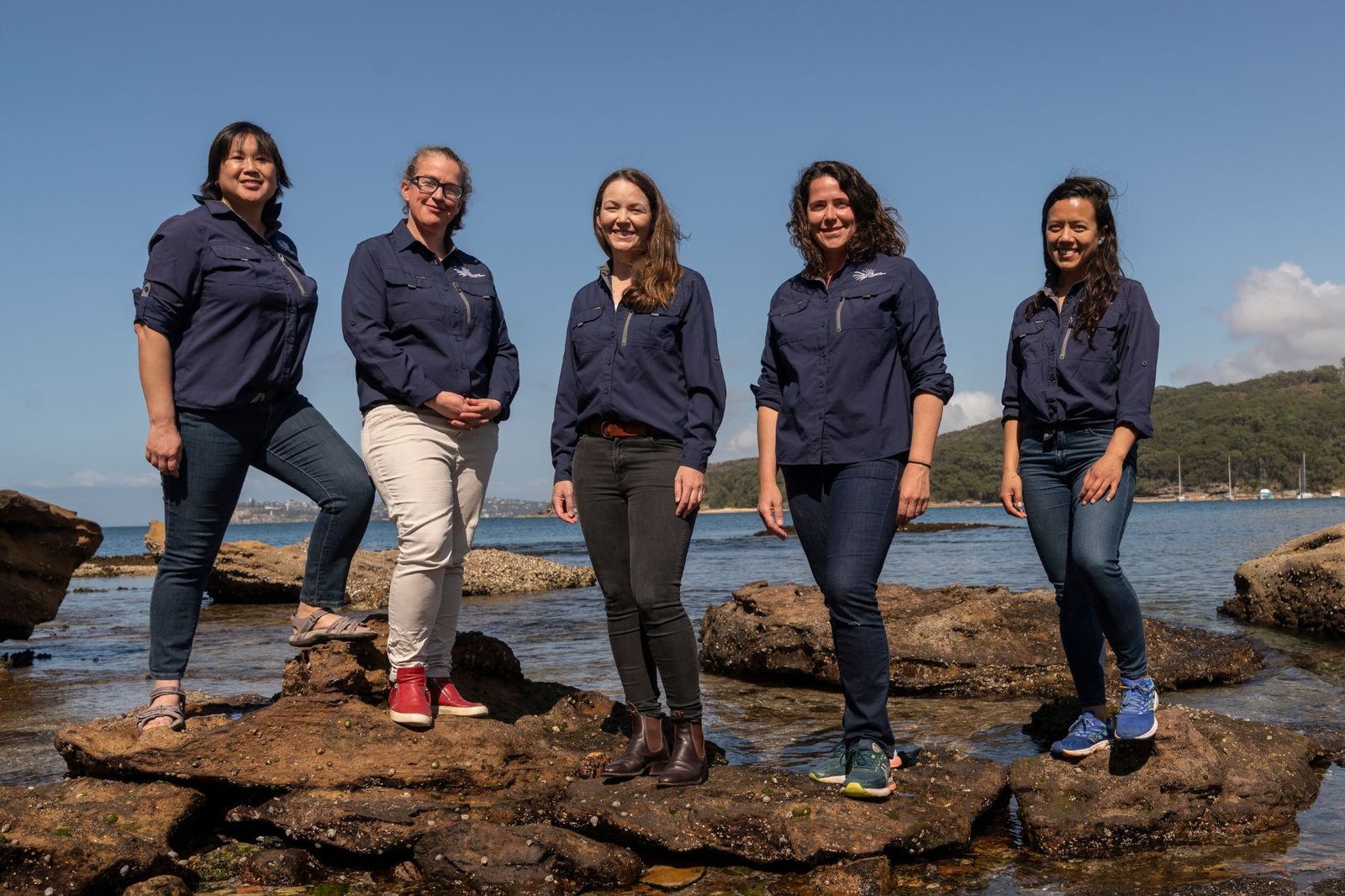
© Living Seawalls
Living Seawalls, Macquarie University; UNSW; and Sydney Institute of Marine Science
The Living Seawalls project transforms marine constructions into thriving habitats using modules shaped to mimic natural shoreline features. In Sydney Harbour, these attracted 115 species — 20 per cent more than plain seawalls. The research provides evidence for eco-engineering worldwide, showing how marine infrastructure can enhance biodiversity, water quality and climate resilience.
University of Technology Sydney and Australian Federal Police Eureka Prize for Excellence in Forensic Science
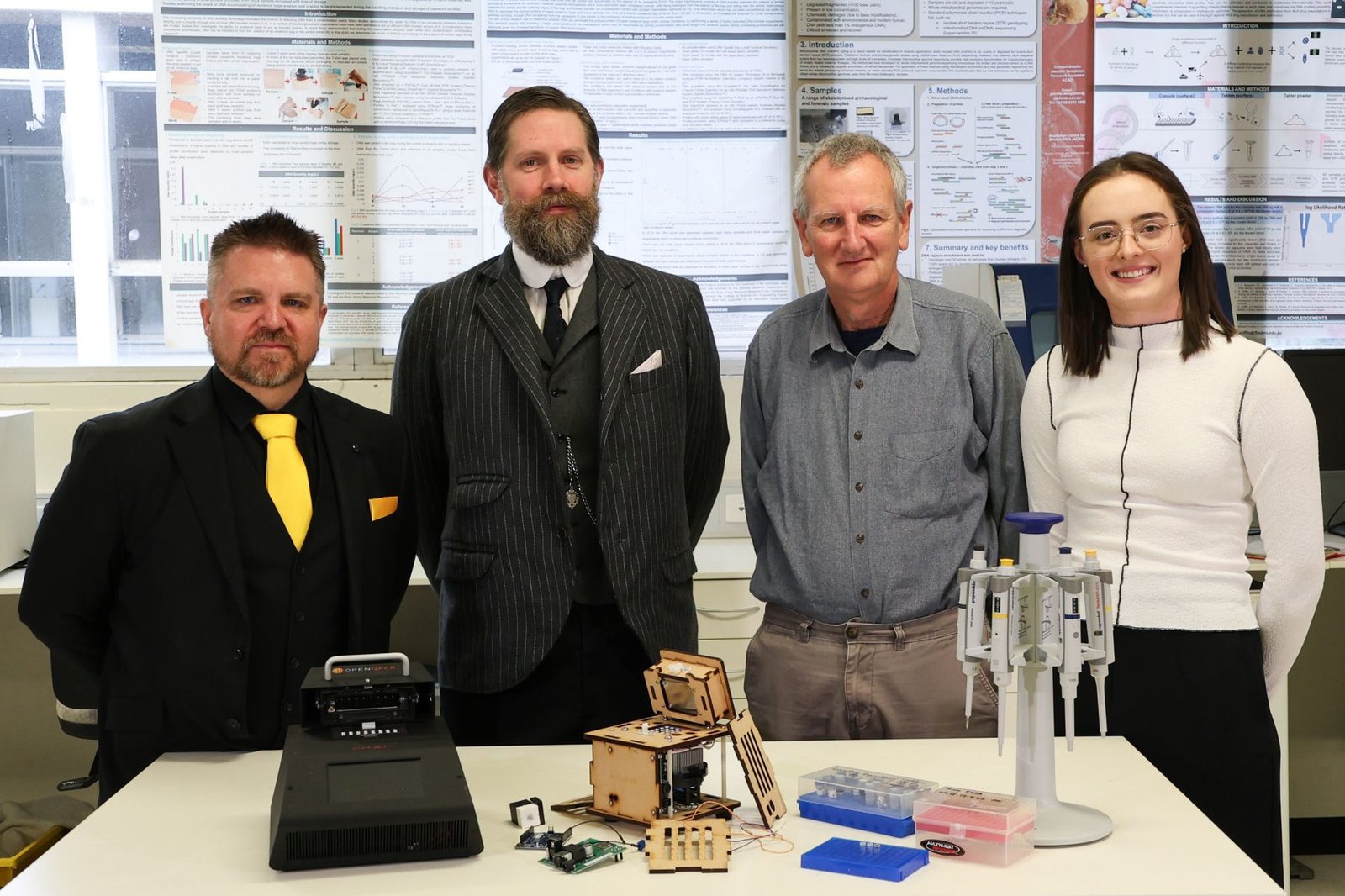
© Traci Klarenbeek
Towards a Smart PCR Process, Flinders University and Forensic Science SA
Towards a Smart PCR Process developed a DNA amplification system that uses real-time feedback and machine learning to adjust the process as it runs. This improves the quality of genetic data from degraded or low-level samples, increasing the chances of recovering usable results for forensic investigations and other scientific applications.
Aspire Scholarship Eureka Prize for Excellence in Interdisciplinary Scientific Research
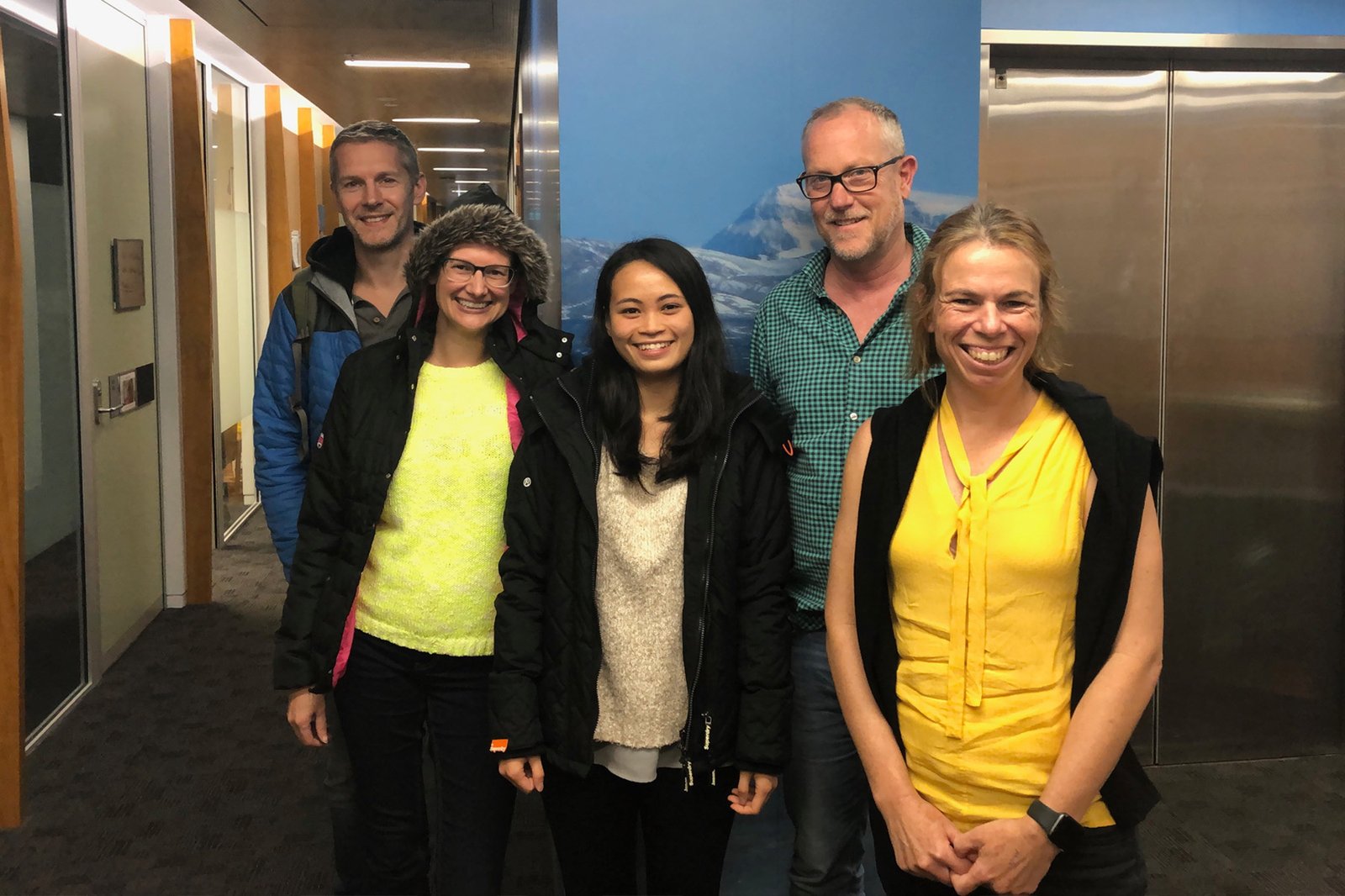
© Rosie Kidman
Octopus and Ice Sheet Team, James Cook University; CSIRO; and Antarctic Research Centre
Using modern octopus DNA, the Octopus and Ice Sheet Team discovered that biological connections between Antarctic octopus populations can only be explained if the West Antarctic Ice Sheet had previously collapsed. Their research dated the collapse at 120,000 years ago, the last time temperatures were 0.5–1.5°C above pre-industrial levels.
Australian Research Data Commons Eureka Prize for Excellence in Research Software
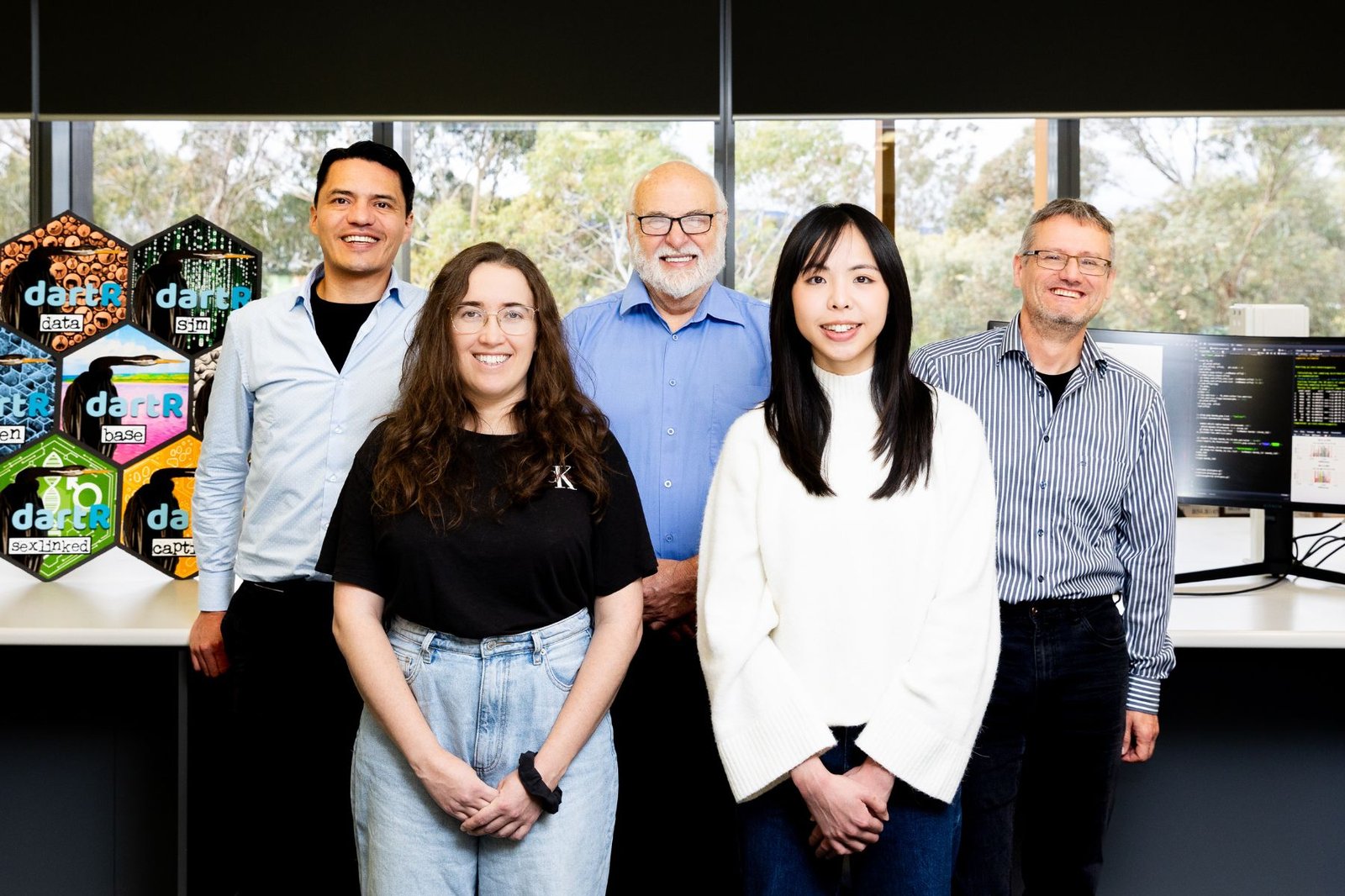
© University of Canberra
dartR, University of Canberra
The dartR team created free, open-source software that helps researchers around the world analyse complex genomic data. By supporting decisions in conservation, agriculture and health, dartR has transformed how genetic data is used – improving breeding programs, protecting endangered species and advancing research across more than 900 peer-reviewed studies.
Australian Infectious Diseases Research Centre Eureka Prize for Infectious Diseases Research
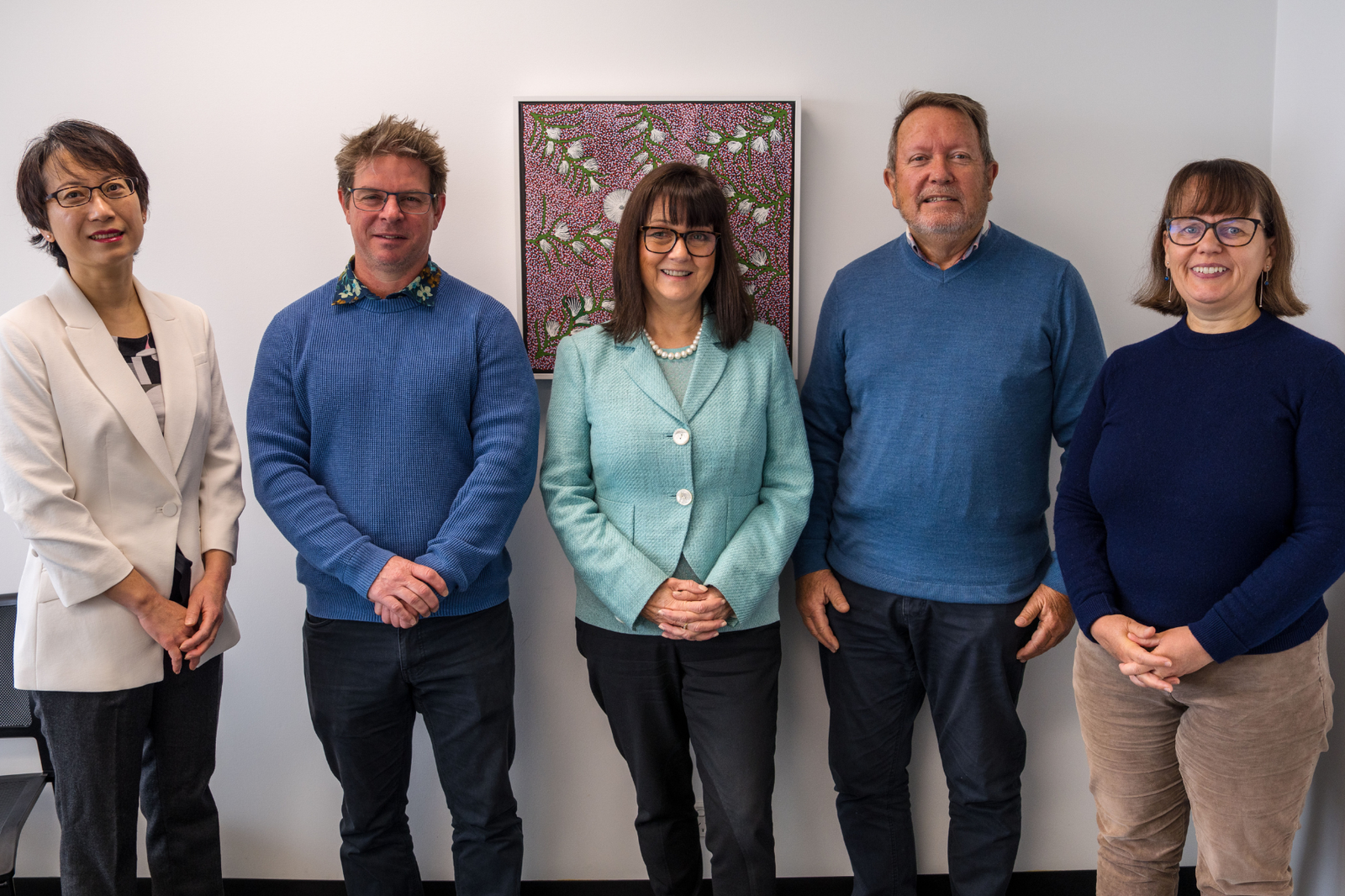
© University of Adelaide
Vaccines and Infectious Diseases Group, University of Adelaide; SA Pathology; Department for Health and Wellbeing, SA Health; Women's and Children's Hospital; and Northern Territory Health
The Vaccines and Infectious Diseases Group demonstrated that one vaccine can protect against both meningococcal B disease and gonorrhoea – two serious infections that disproportionately impact First Nations young people. Their research has changed global vaccine policy, informed national programs and offers a new strategy to curb gonorrhoea as antibiotic resistance grows.
ANSTO Eureka Prize for Innovative Use of Technology
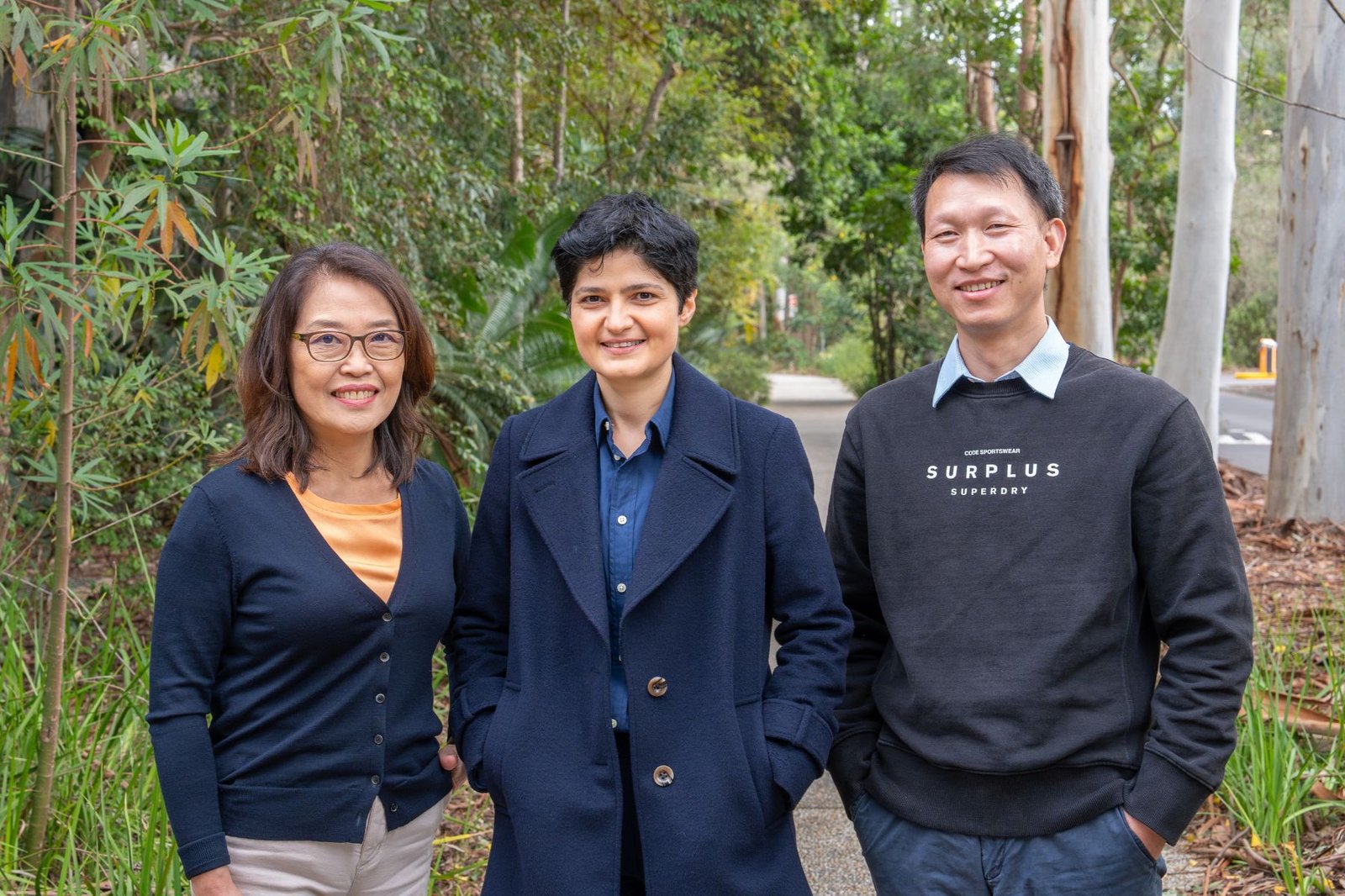
© Macquarie University
The Fission Chips Team, Macquarie University
In a paradigm shift for nanosensor production, Associate Professor Noushin Nasiri and her Fission Chips Team developed a cheaper, more efficient sensor using non-toxic vinegar in a special low-temperature joining technique. The sensors have a myriad of applications in smart, wearable systems, such as monitoring skin cancer risk or pregnancies in cattle.
Macquarie University Eureka Prize for Outstanding Early Career Researcher
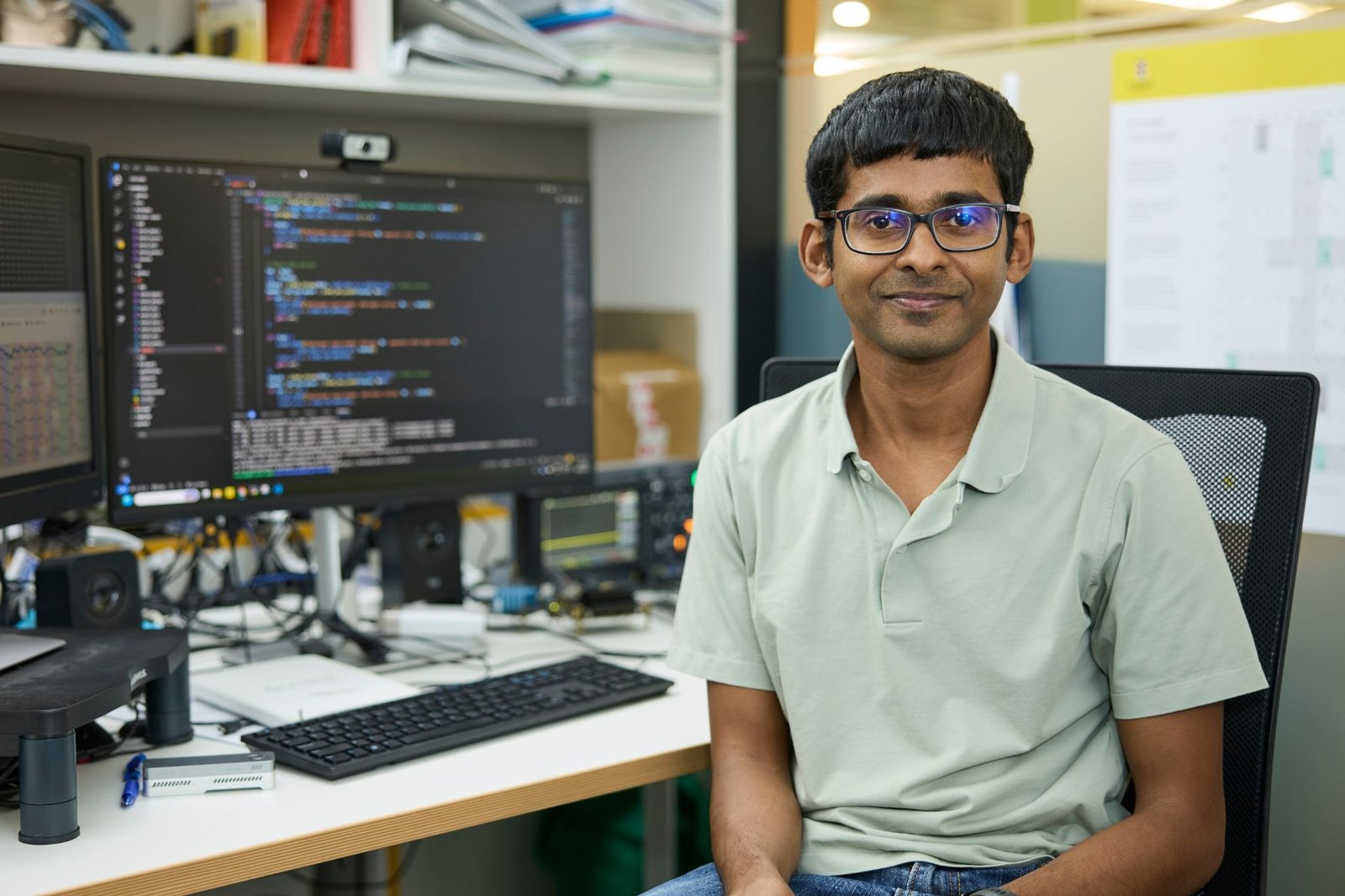
© UNSW Sydney
Dr Hasindu Gamaarachchi, UNSW and Garvan Institute of Medical Research
Modern genomic sequencing is completely changing fields such as agriculture, medicine and ecology. However, it generally requires huge supercomputers and long processing times. Dr Hasindu Gamaarachchi has developed new scalable, efficient and accessible computer processing, allowing more people to unlock the potential of genomic sequencing and democratising the whole field.
Department of Defence Eureka Prize for Outstanding Science in Safeguarding Australia
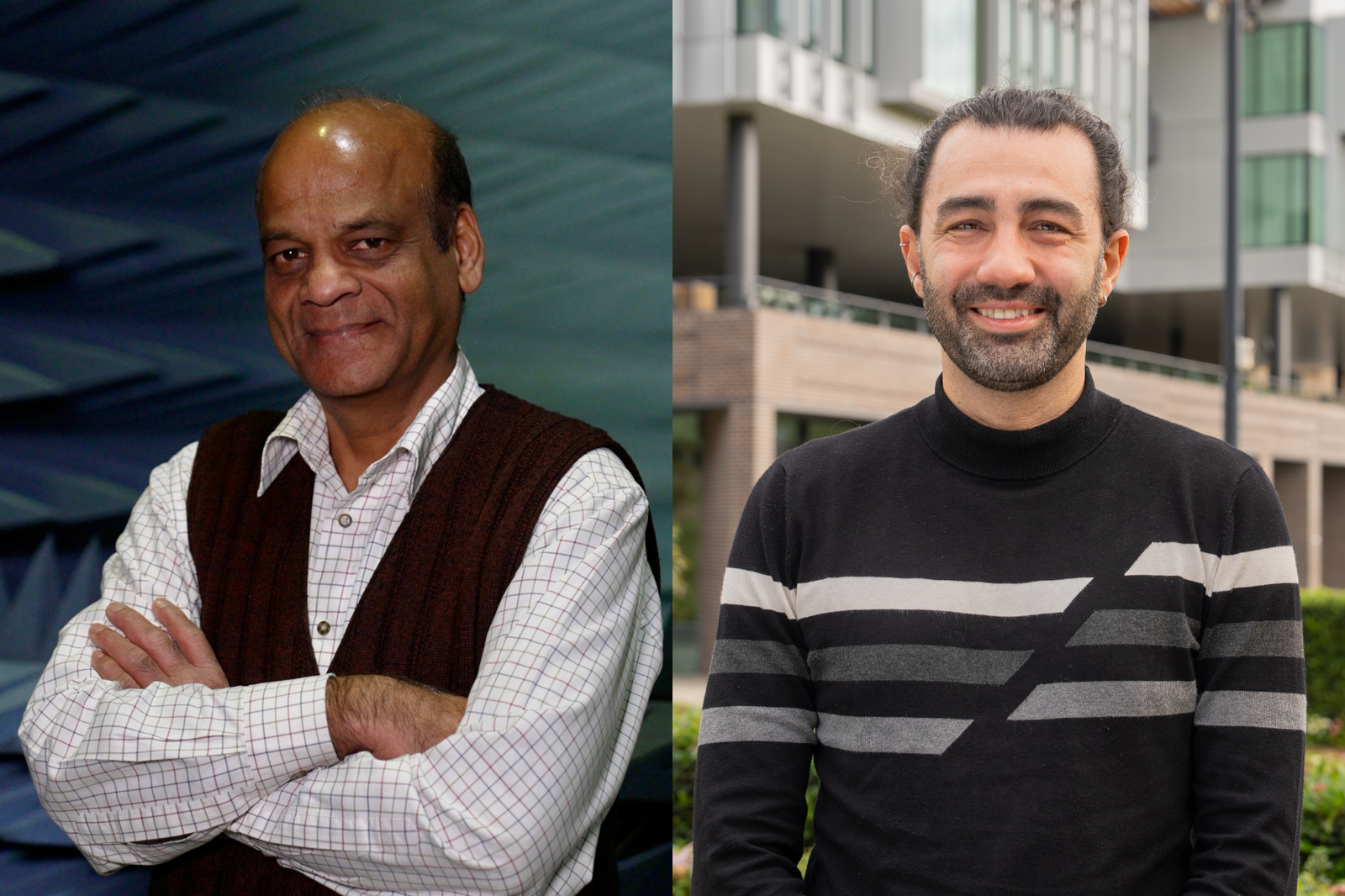
© Defence Science and Technology Group and Macquarie University
Dr Kamal Kant Gupta (Department of Defence) and Dr Jafar Shojaii (Macquarie University), University of Melbourne, Swinburne University of Technology.
Integrated circuits are ubiquitous, but are vulnerable to electromagnetic and particle radiation effects, typically found in space and high-interference environments. Using novel techniques and architectures, Dr Kamal Kant Gupta and Dr Jafar Shojaii have developed innovative interference-resistant chip designs, which can protect high-value Defence, satellite and civilian electronic systems.
UNSW Eureka Prize for Scientific Research
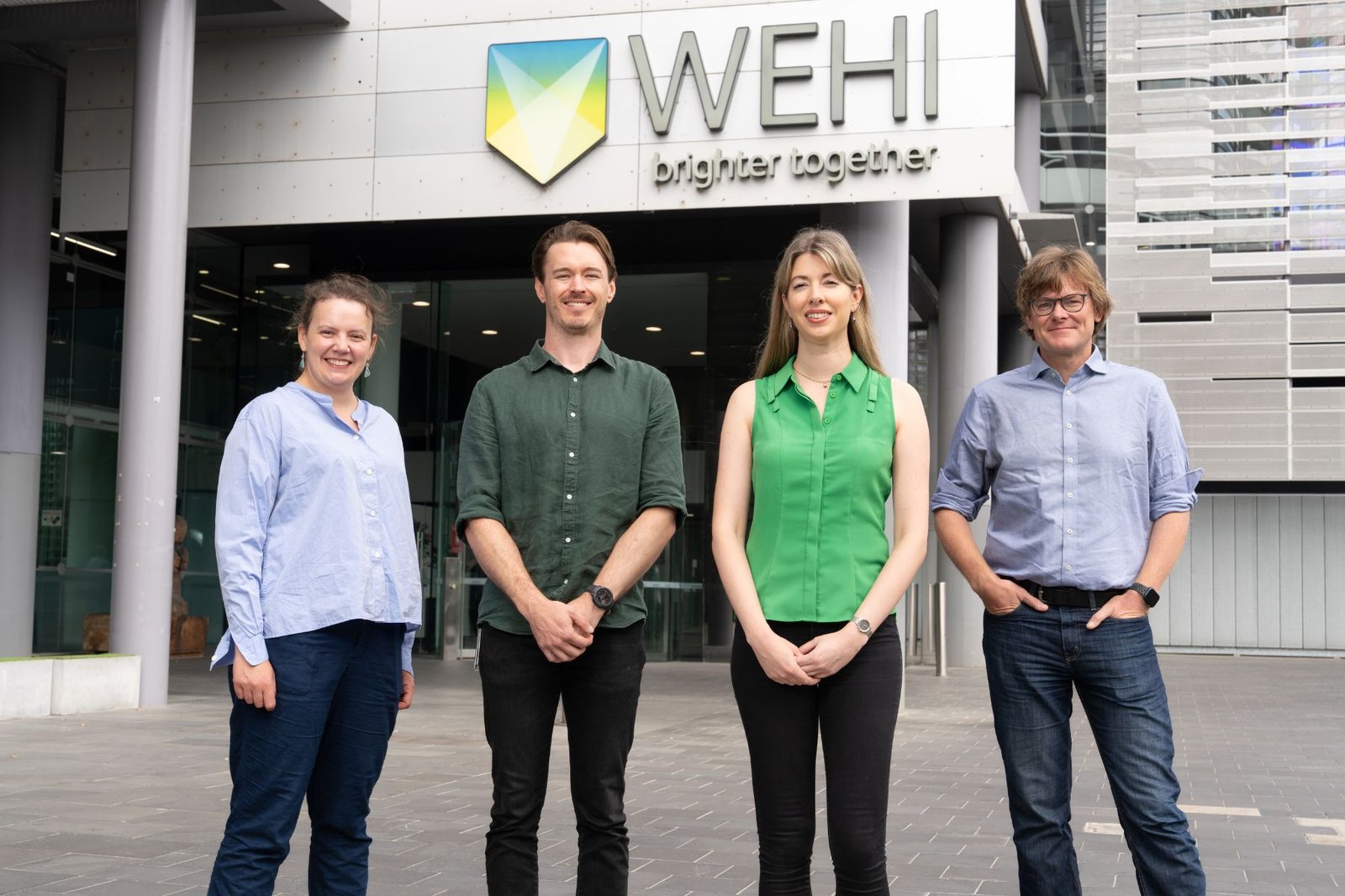
© WEHI
PINK1 Parkinson’s Disease Research Team, WEHI
The PINK1 Parkinson’s Disease Research Team has revealed the first 3D structure of a key protein linked to early onset Parkinson’s disease. By showing how the damage-sensing protein PINK1 attaches to mitochondria, they assist drug discovery – opening new paths to remove faulty cell components and slowing or halting disease progression.
University of Sydney Eureka Prize for Sustainability Research
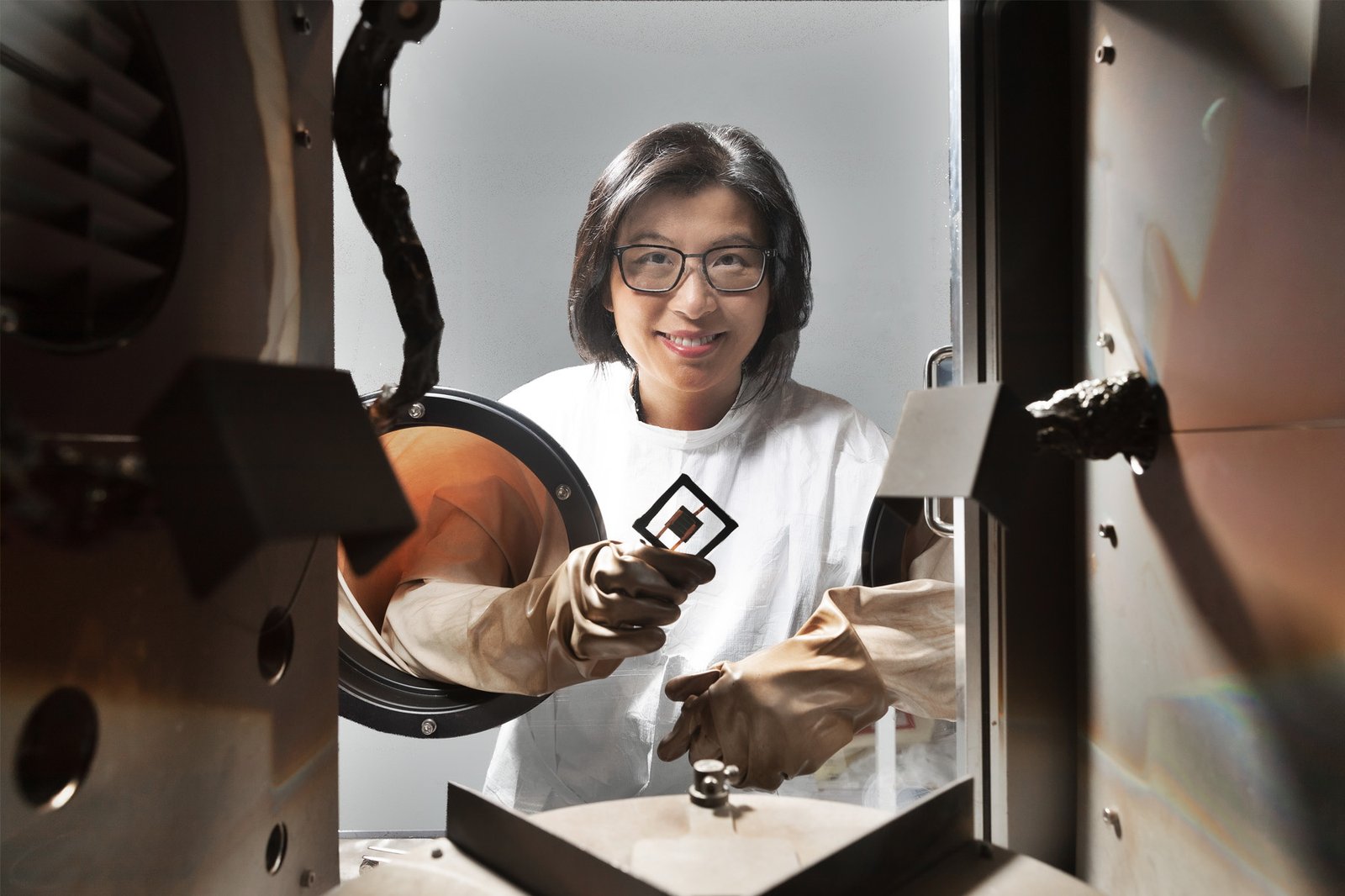
© Stefanie Zingsheim
Professor Anita Ho-Baillie, University of Sydney
Driving efficiency of solar cell energy conversion from about 30 per cent to 40 per cent, Professor Anita Ho-Baillie combines multiple semiconductor materials, such as metal halide perovskites, into one solar cell to better utilise the solar spectrum. She has solved thermal and moisture instability problems with perovskite solar cells, a major leap towards commercialisation.
Leadership
Eureka Prize for Emerging Leader in Science
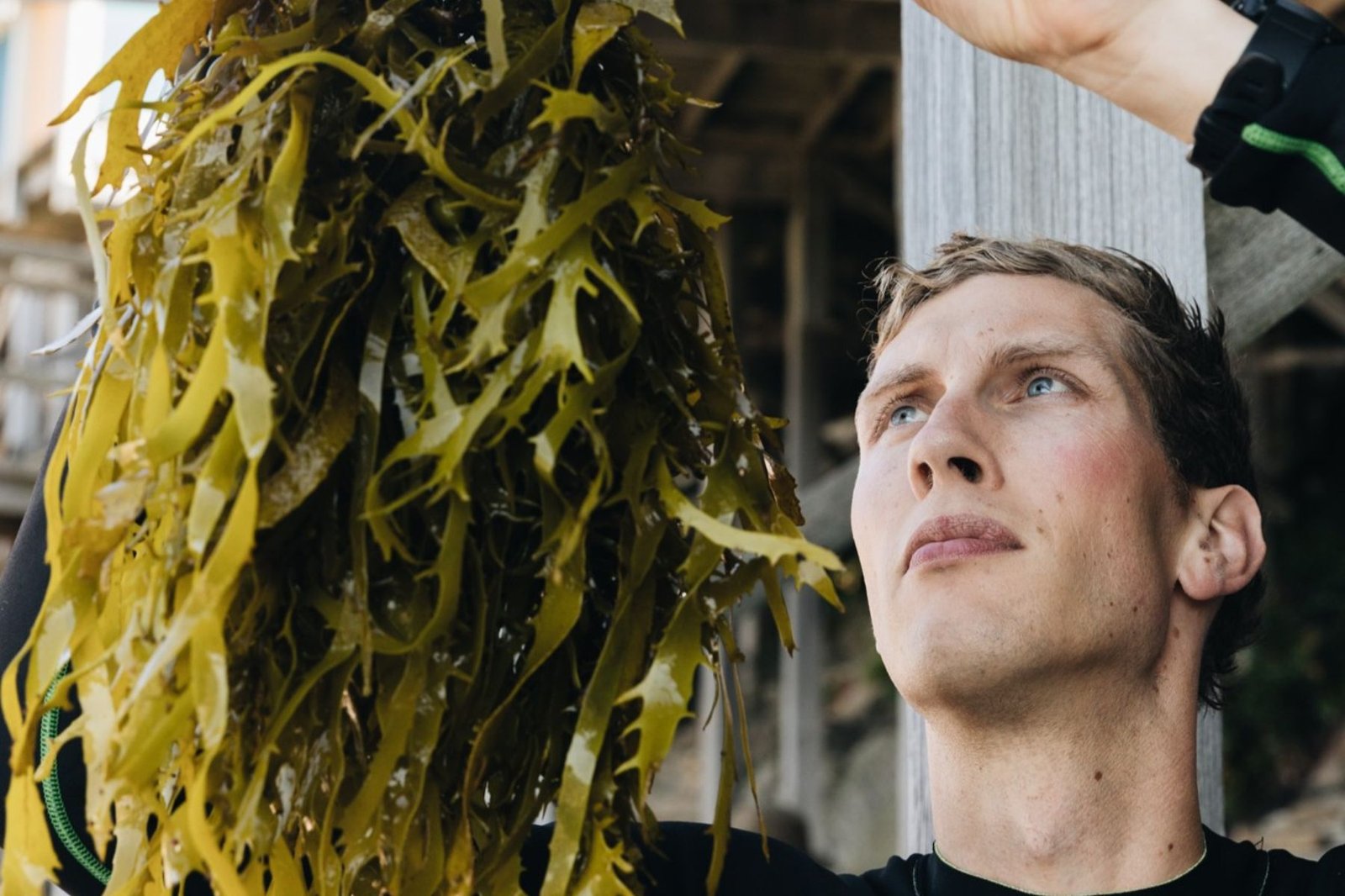
© UNSW
Dr Aaron Eger, UNSW and Kelp Forest Alliance
Dr Aaron Eger champions one of Earth’s most vital yet overlooked ecosystems: underwater kelp forests. He founded the Kelp Forest Alliance, uniting 340 organisations across 25 countries from science, community and policy. His leadership informs a global ambition to protect and restore 4 million hectares of kelp forests by 2040.
Eureka Prize for Leadership in Science
© Macquarie University
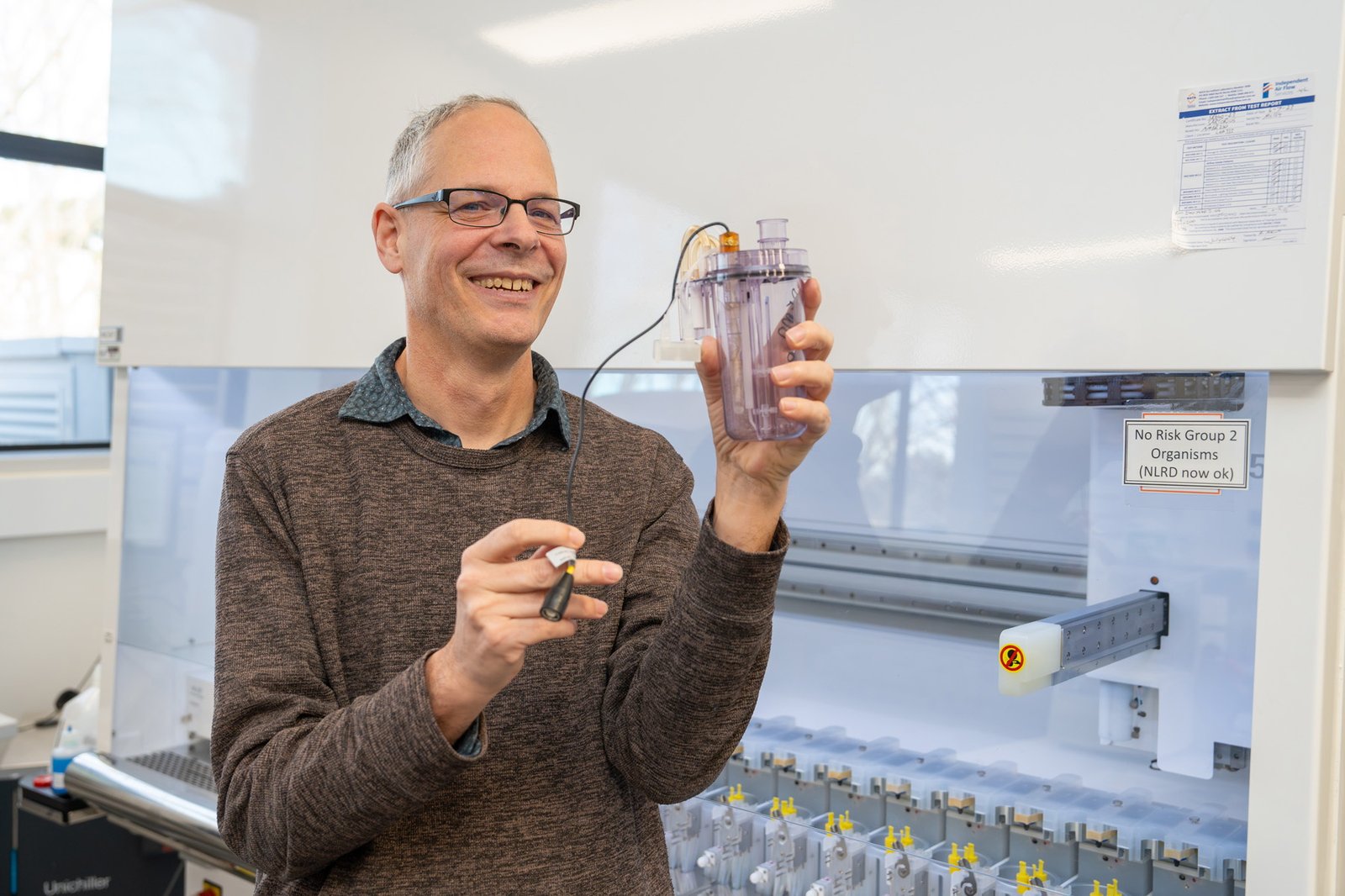
Distinguished Professor Ian Paulsen, Macquarie University
Distinguished Professor Ian Paulsen has transformed synthetic biology from a niche science in Australia to a national strength. He leads the Australian Genome Foundry and the ARC Centre of Excellence in Synthetic Biology, which has spun out nine start-up companies that have raised more than $200 million in venture capital.
University of Technology Sydney Eureka Prize for Outstanding Mentor of Researchers

© Queensland University of Technology
Professor Michael Milford, Queensland University of Technology
Testimonials describe Professor Michael Milford’s impact as life-and career-changing, with his mentees winning major grants, awards and leadership positions. From school students to senior professors across multiple disciplines, he has reached thousands around the world through both one-on-one mentoring and his highly successful video and podcast series Hacking Academia.
Science Engagement
Department of Industry, Science and Resources Eureka Prize for Innovation in Citizen Science
© Flinders University
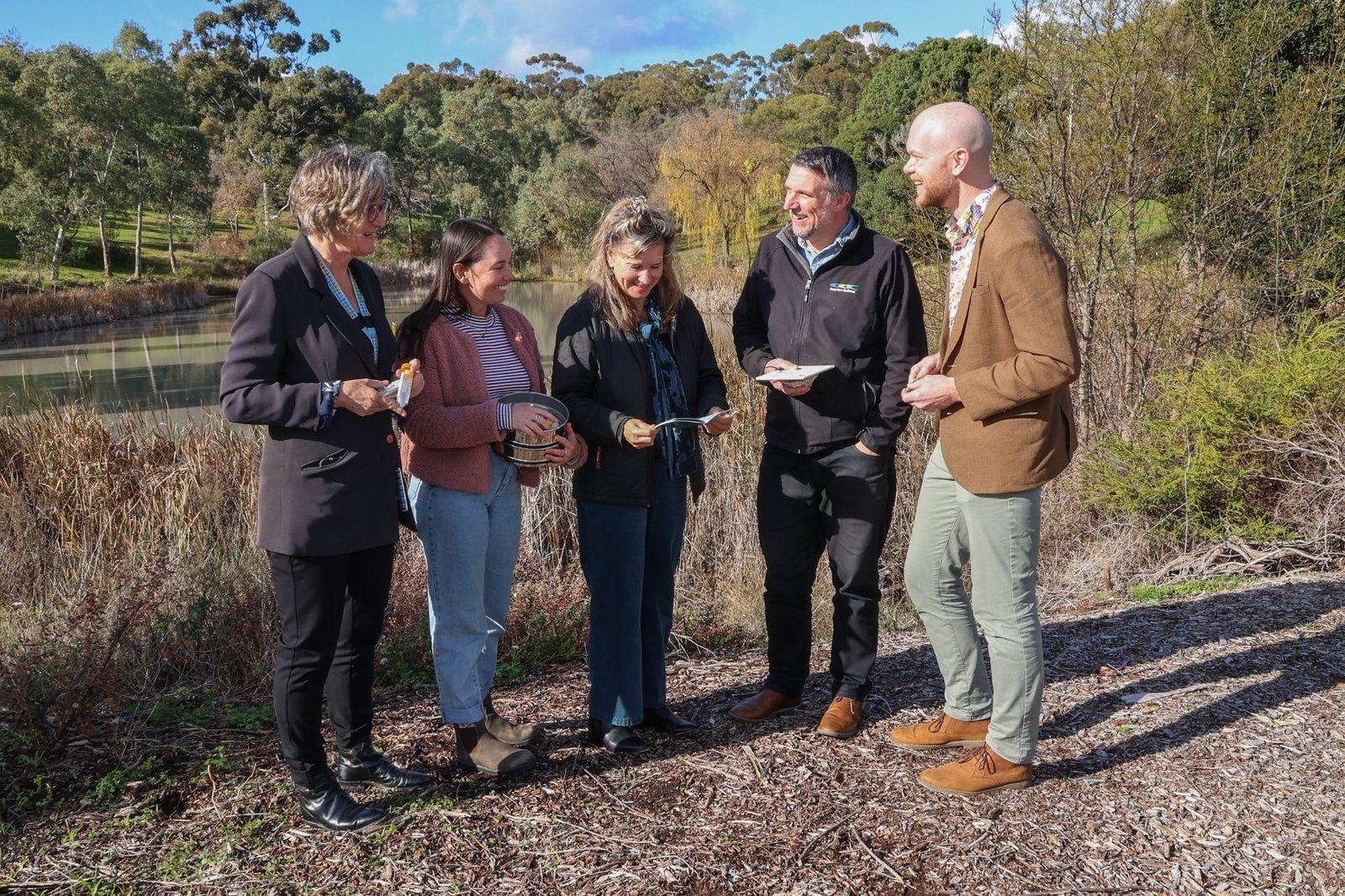
Passport2Recovery, Flinders University
Passport2Recovery provides critical insights into Kangaroo Island’s recovery after the 2020 bushfires. It unites 12 research programs in one website and app, including initiatives on native bees, roadkill and koala movements. More than 5,000 tourists from 47 countries have engaged with the program, gaining scientific literacy for future citizen science projects.
Celestino Eureka Prize for Promoting Understanding of Science
© Macquarie University
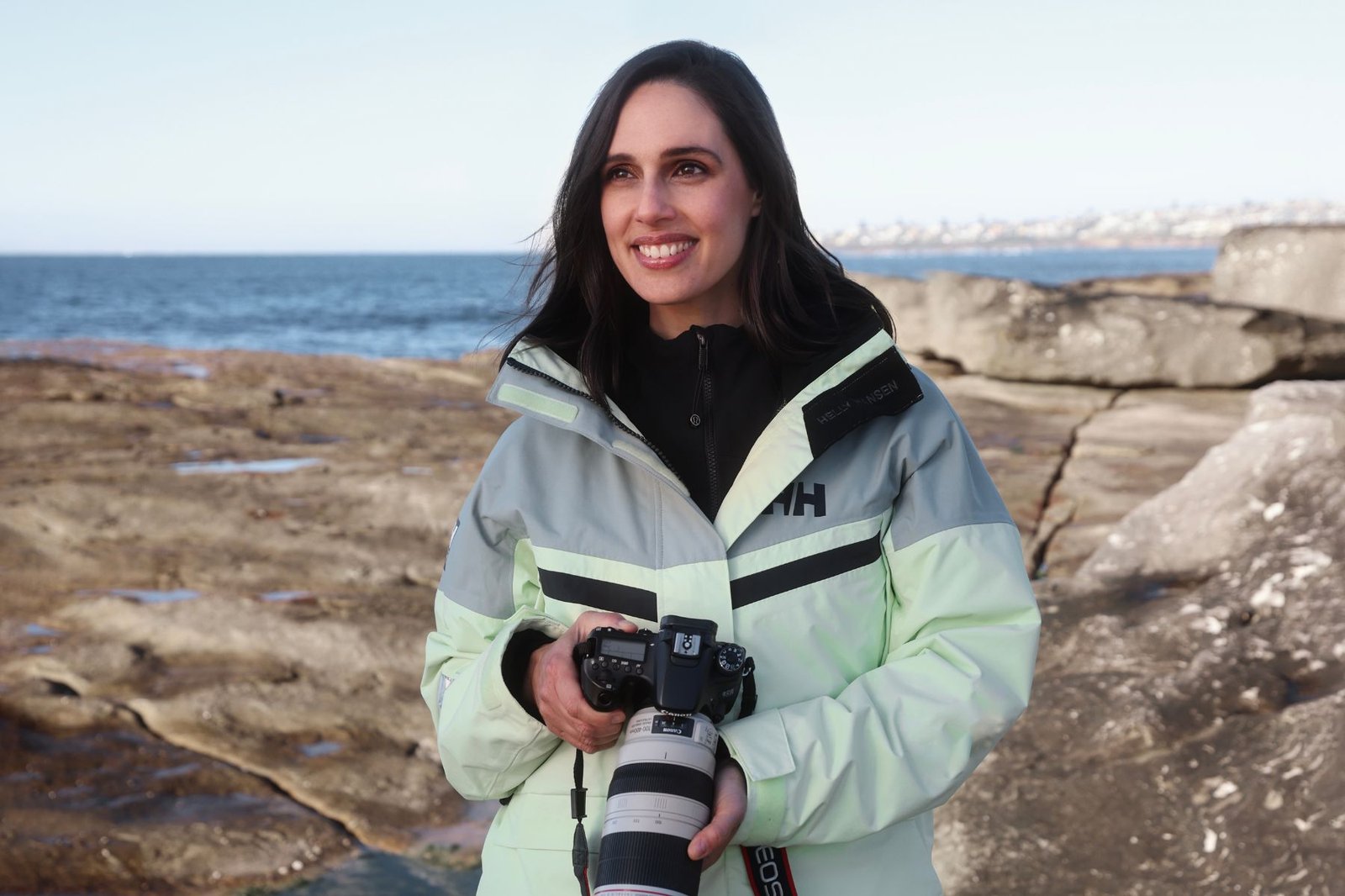
Dr Vanessa Pirotta, Macquarie University
From Play School to politics, Dr Vanessa Pirotta champions ocean conservation through clear, accessible science communication. A wildlife scientist specialising in whale research, she is a trusted media voice, an author and the founder of citizen science programs, helping Australians of all ages make informed decisions about the future of our marine ecosystems.
Australian Museum Eureka Prize for Science Journalism

© Australian Broadcasting Corporation
Tyne Logan and Ashley Kyd, Australian Broadcasting Corporation
Given a tip off about the fourth recorded global coral bleaching event, Tyne Logan and Ashley Kyd published an in-depth article the day the event was declared by the National Oceanic and Atmospheric Administration. It combines striking visuals, interactive data and personal stories to highlight the urgent crisis facing reefs worldwide.
Published by ABC News online on 16 April 2024
UNSW Eureka Prize for Societal Impact in Science
© University of Sydney
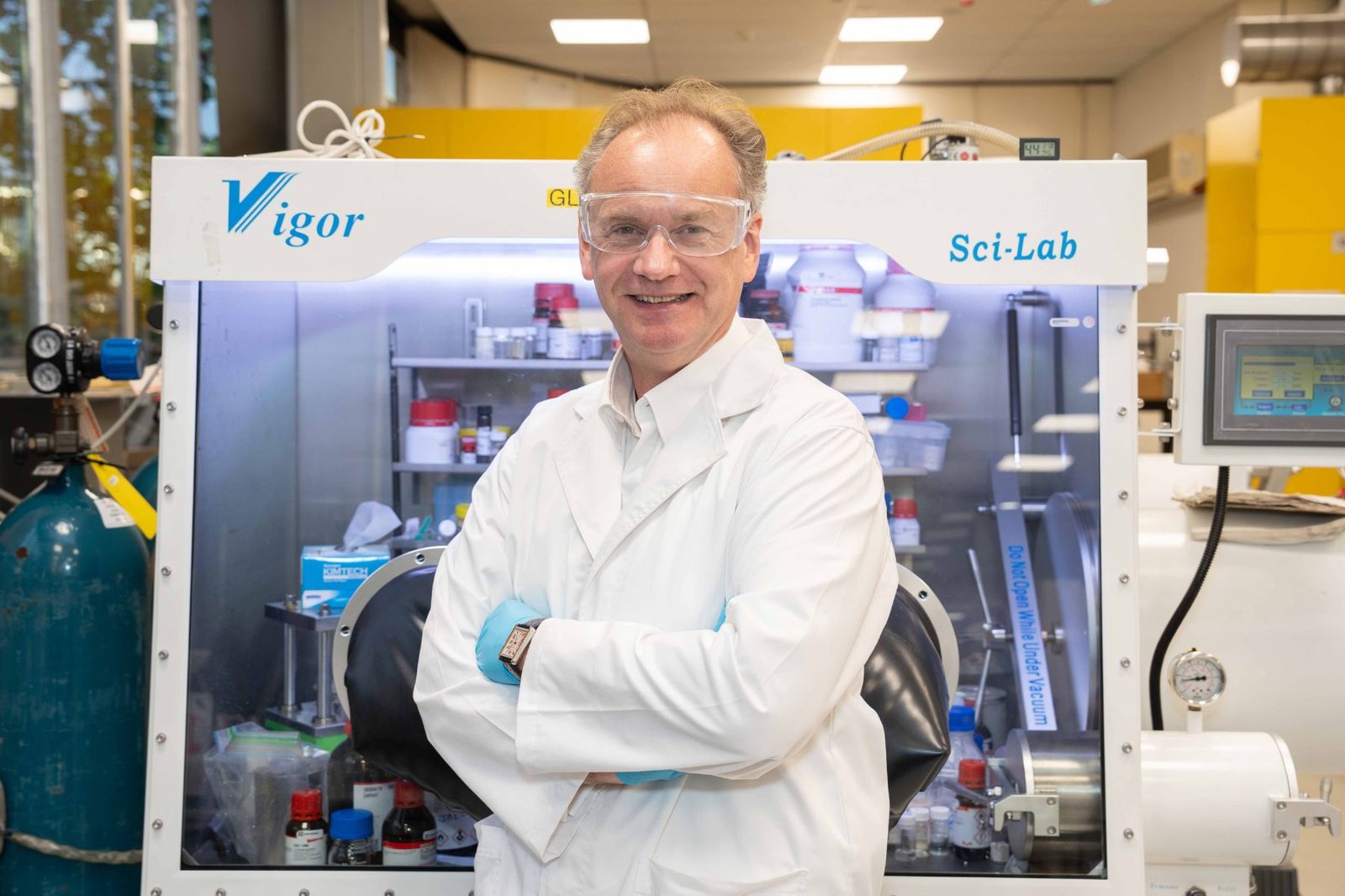
Professor Thomas Maschmeyer, University of Sydney
Professor Thomas Maschmeyer has developed a scalable technology that converts biomass and mixed plastics into sustainable aviation fuels and chemicals for the circular economy. By turning pollution into a valuable resource, his process reduces emissions, keeps waste out of landfill and helps industry decarbonise. International adoption is accelerating societal impact.
Department of Industry, Science and Resources Eureka Prize for STEM Inclusion
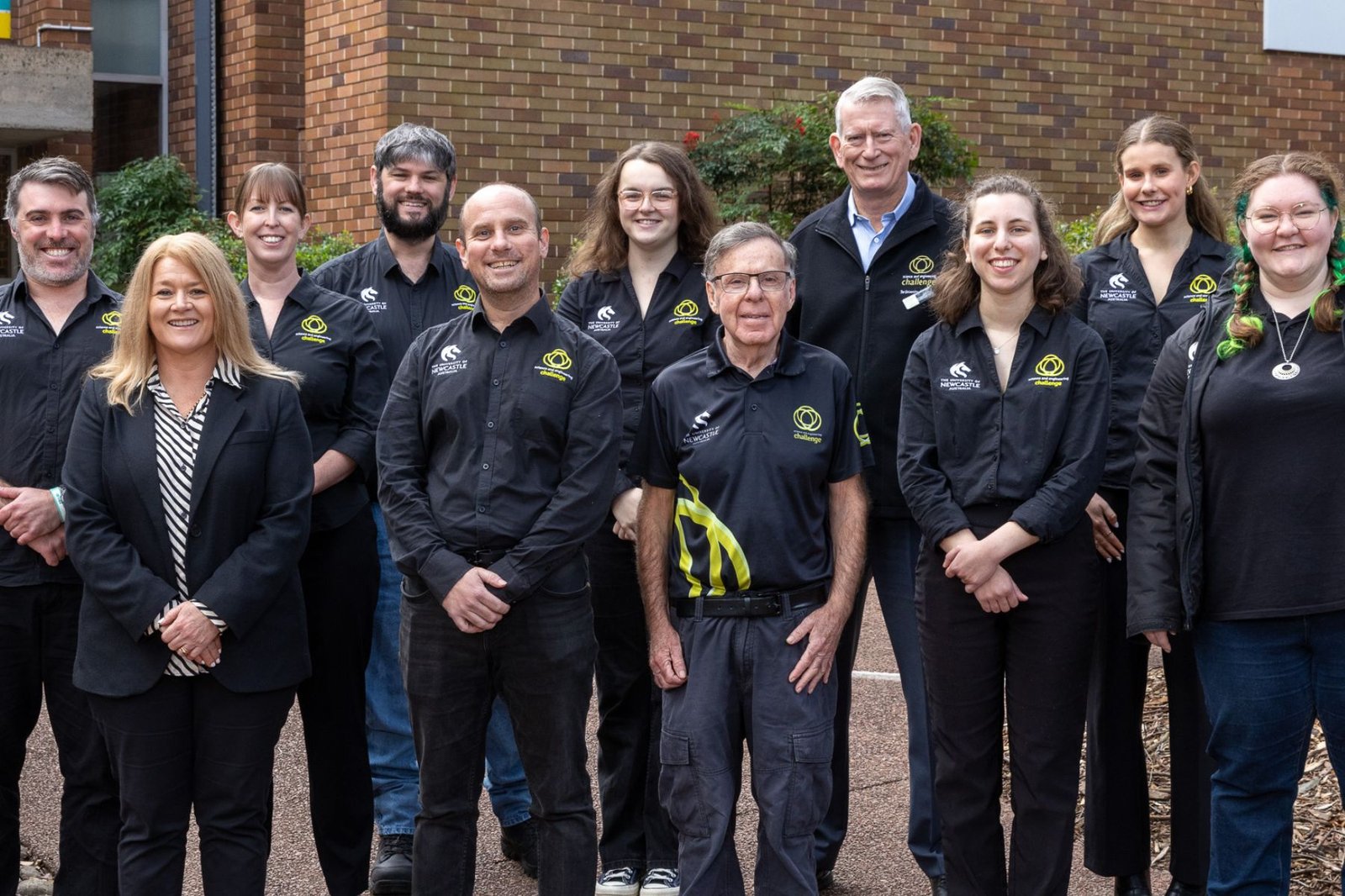
© University of Newcastle
Science and Engineering Challenge, University of Newcastle
The Science and Engineering Challenge is a national not-for-profit program that delivers 170 STEM outreach events across 88 Australian locations, reaching 25,000 students each year. More than half come from rural and remote areas, with many students experiencing economic or other disadvantage, as well as female and First Nations students.
School Science
University of Sydney Sleek Geeks Science Eureka Prize - Primary
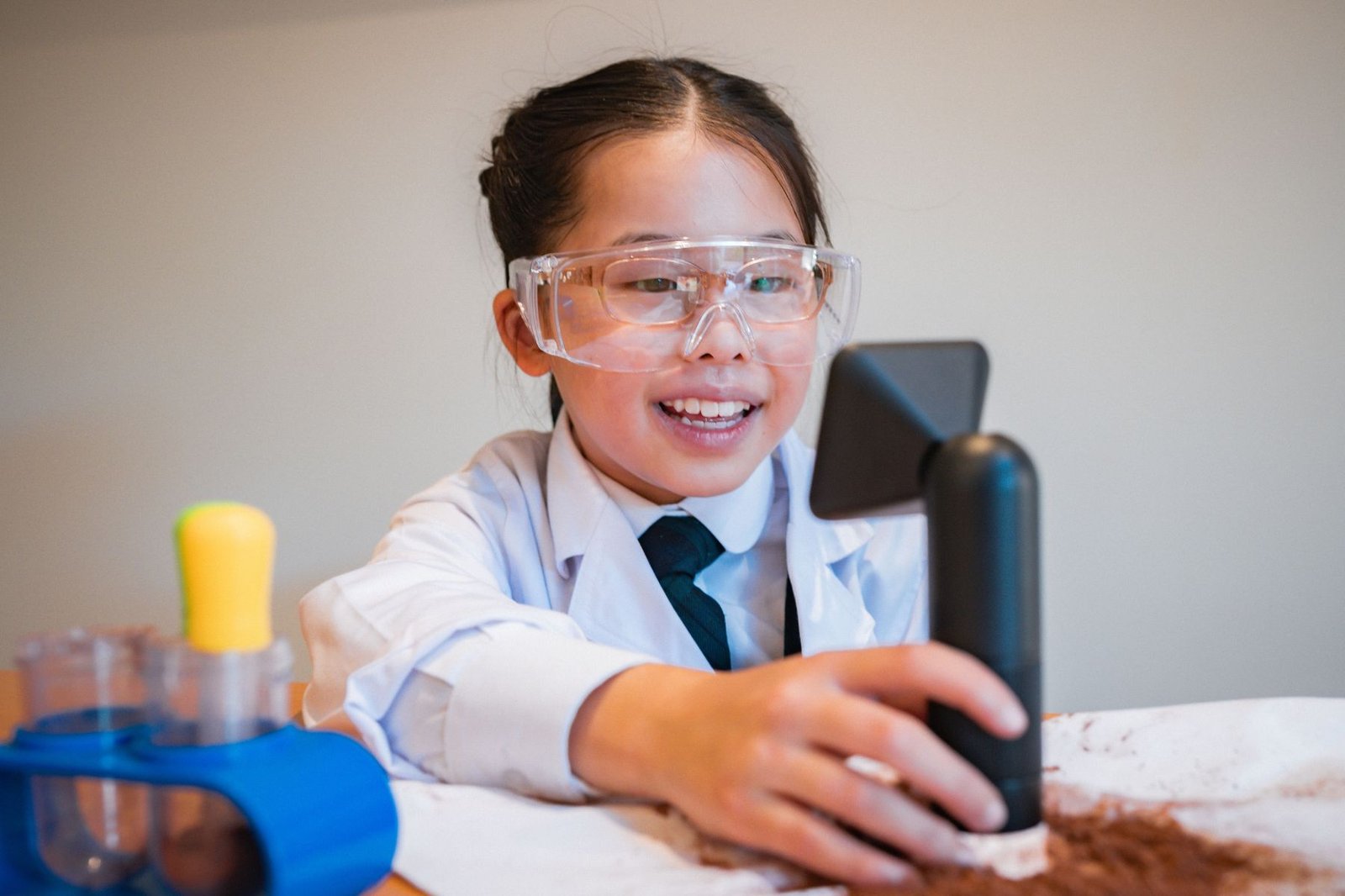
© Des Chu
Keira P., PLC Sydney, NSW
Keira, in Year 3, has designed and conducted an experiment to discover which thread count of cotton bedsheets is best at keeping out dust mite poo, while still allowing air through. Dusty’s Mitey Poo – Hidden Below includes lots of information about dust mites and features Keira in a ‘mitey’ costume.
University of Sydney Sleek Geeks Science Eureka Prize - Secondary
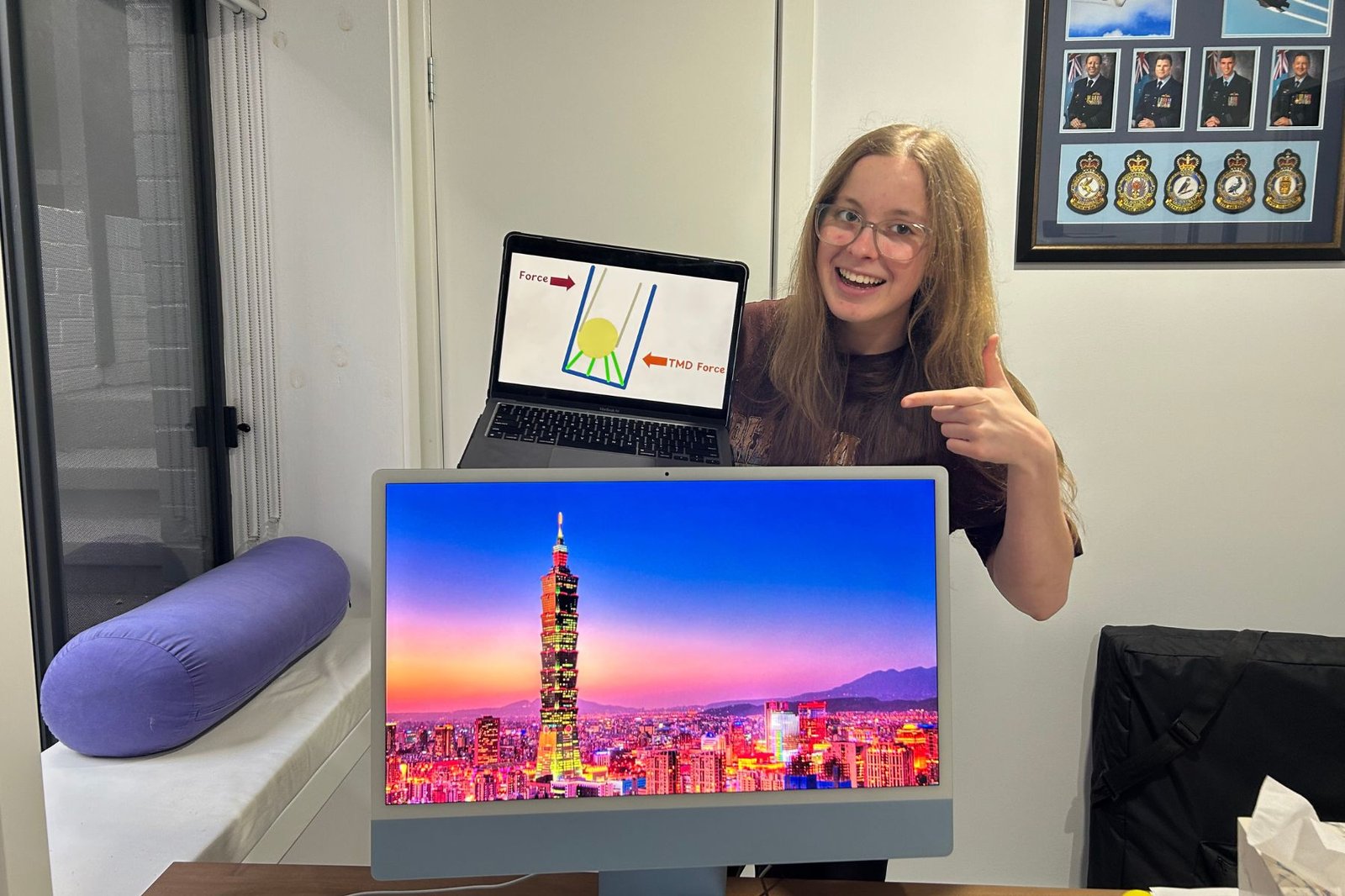
© Ariane M.
Sophie M., St Philip's Christian College, NSW
In Swing Smart to Stand Tall, 15-year-old Sophie explains how a giant pendulum helps stabilise a skyscraper during earthquakes and typhoons. Through clear narration and straightforward diagrams, she explores how engineering can protect lives above ground from seismic forces that originate below – bridging physics, design and the mechanics behind towering structures.
