
2025 Australian Museum Eureka Prizes finalists
59 entries were shortlisted for 19 Australian Museum Eureka Prizes.
On this page...
The Australian Museum has announced the 59 finalists selected for Australia’s leading science awards, the Australian Museum Eureka Prizes.
Finalists from all across Australia are in the running for the 2025 Australian Museum Eureka Prizes across four categories: Research and Innovation, Leadership, Science Engagement and School Science.
The Australian Museum Eureka Prizes are the nation’s premier science awards, celebrating the very best of Australian scientific discovery, invention, communication, innovation and leadership.
Learn about the 2025 AM Eureka Prizes finalists below.
Research & Innovation
NSW Department of Climate Change, Energy, the Environment and Water Eureka Prize for Environmental Research
Macquarie University; UNSW; and Sydney Institute of Marine Science
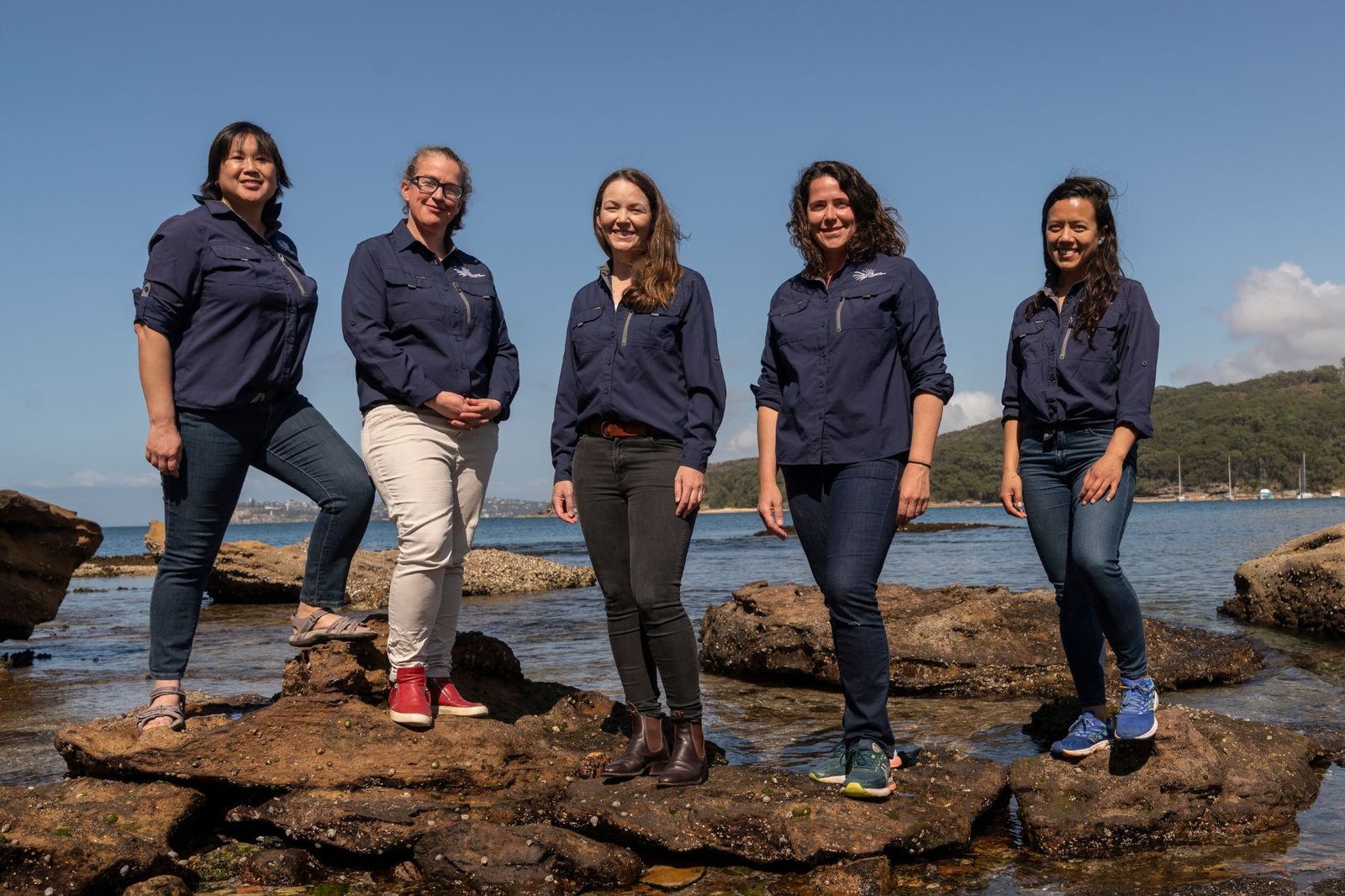
NSW Department of Climate Change, Energy, the Environment and Water Eureka Prize for Environmental Research. Living Sewalls, Macquarie University; UNSW; and Sydney Institute of Marine Science. Finalist team L-R: Dr Aria Lee, Associate Professor Melanie Bishop, Dr Katherine Dafforn, Dr Mariana Mayer Pinto & Dr Maria Vozzo.
Image: The Earthshot Prize© Living Seawalls
The Living Seawalls project transforms marine constructions into thriving habitats using modules shaped to mimic natural shoreline features. In Sydney Harbour, these attracted 115 species — 20 per cent more than plain seawalls. The research provides evidence for eco-engineering worldwide, showing how marine infrastructure can enhance biodiversity, water quality and climate resilience.
The University of Sydney
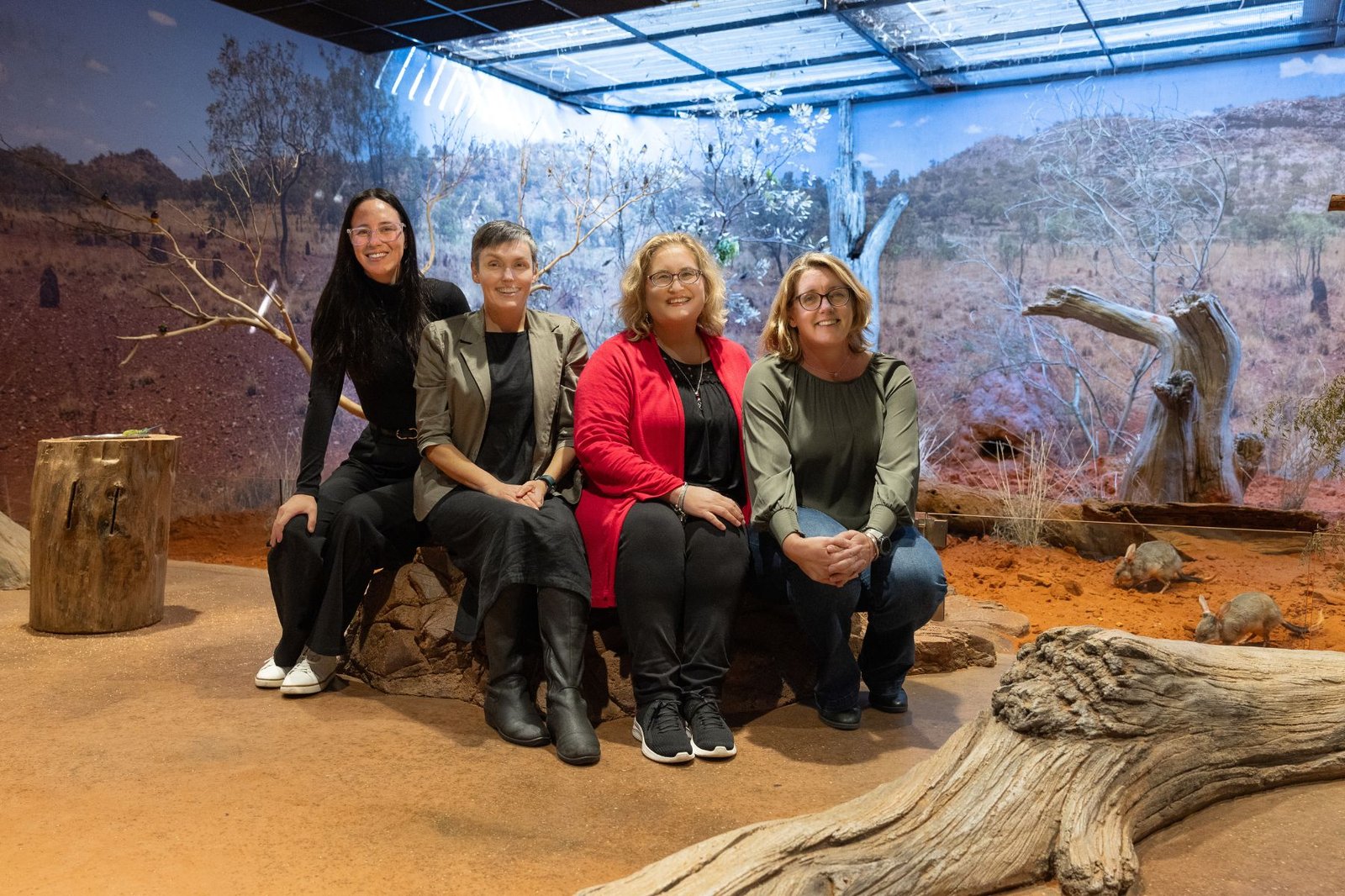
NSW Department of Climate Change, Energy, the Environment and Water Eureka Prize for Environmental Research. Threatened Species Initiative, University of Sydney. Finalist team L-R: Sarah Richmond, Kym Ottewell, Kathy Belov, Carolyn Hogg.
Image: supplied© Abril Felman
Working with 250 collaborators, the Threatened Species Initiative fuses cutting-edge genomics with on-the-ground conservation to save Australia’s most vulnerable species. They have generated data for 125 threatened species and created accessible online training tools — turning complex science into practical solutions that empowers decision makers and protects biodiversity from extinction.
University of Technology Sydney and Australian Federal Police Eureka Prize for Excellence in Forensic Science
Centre for Forensic Science, University of Technology Sydney; Uniting Sydney Medically Supervised Injecting Centre; NSW Ministry of Health; and Australian Federal Police
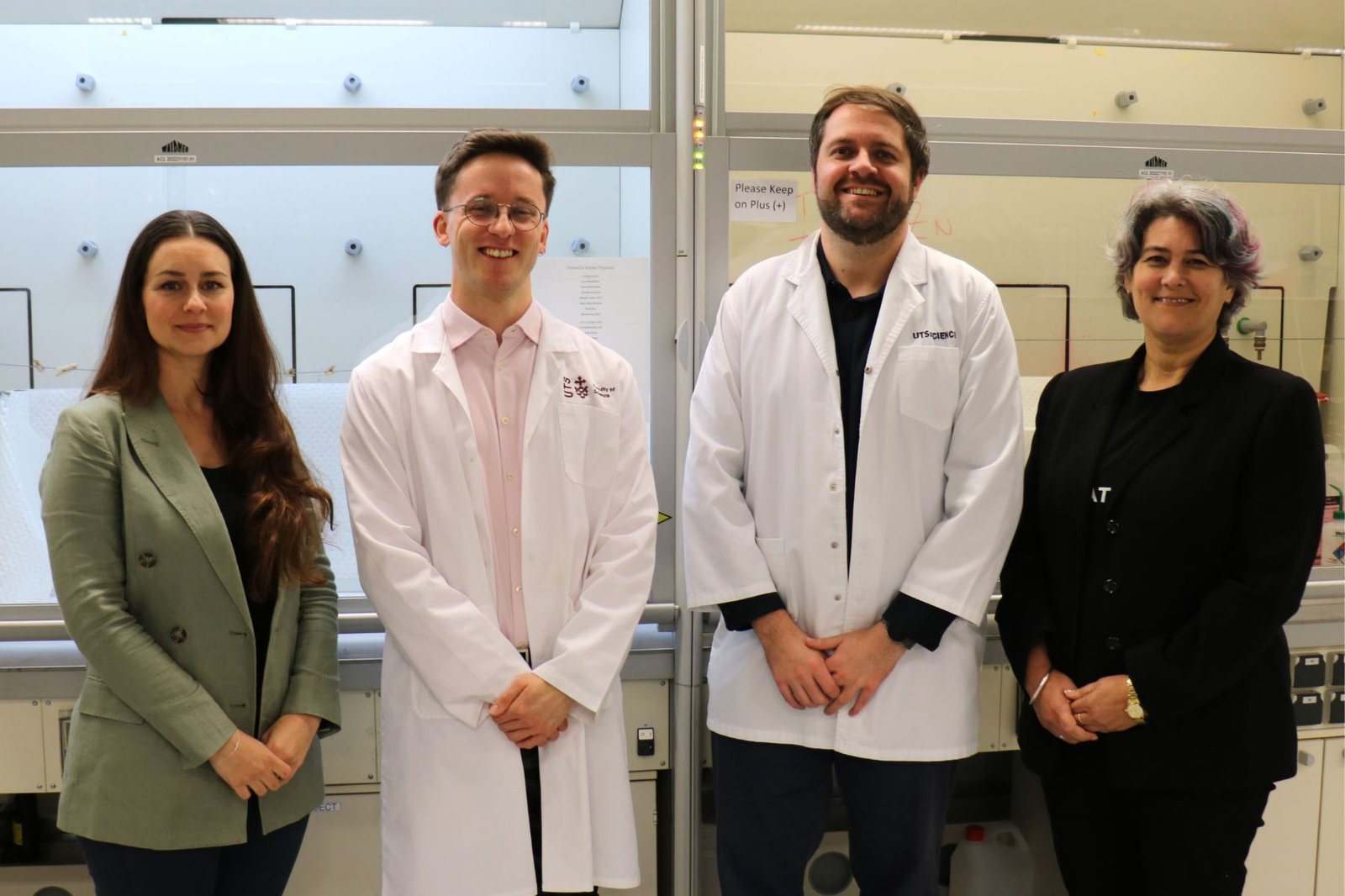
University of Technology Sydney and Australian Federal Police Eureka Prize for Excellence in Forensic Science. InSIGHT, University of Technology Sydney; Uniting Sydney Medically Supervised Injecting Centre; NSW Ministry of Health; and Australian Federal Police. Finalist team L-R: Dr Natasha Stojanovska, Harrison Fursman, Associate Professor Scott Chadwick and Dr Marianne Jauncey.
Image: Andrew Parker, UTS© Andrew Parker, UTS
Through a multidisciplinary approach, InSIGHT (Innovation in Substance use Intelligence Guiding Harm reduction through Traces) uses forensic science to improve understanding of drug use. By analysing used syringes and applying rapid near-infrared testing, it uncovers emerging risks and enables real-time responses that support community safety, harm reduction and public health.
The University of Sydney
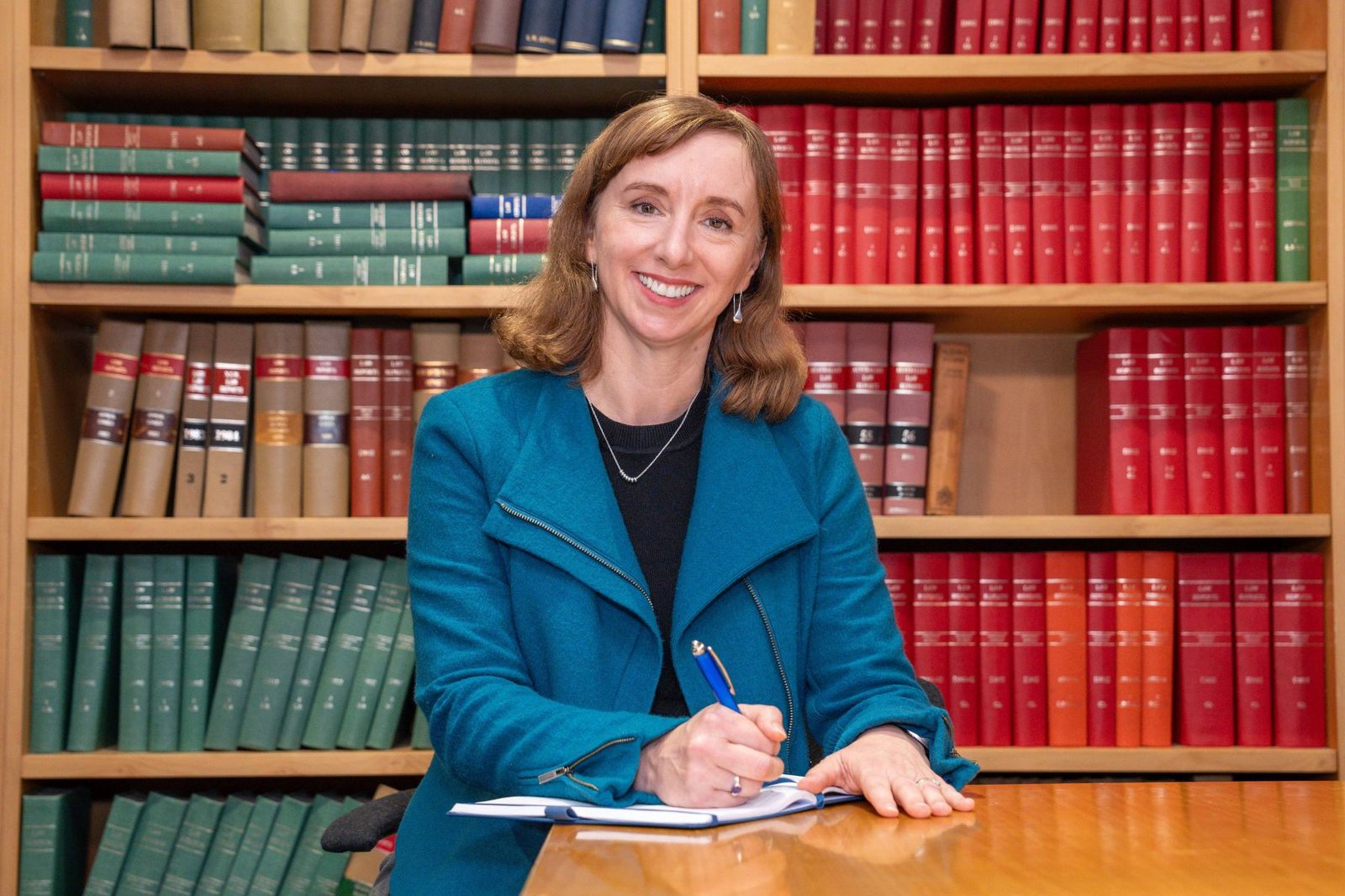
University of Technology Sydney and Australian Federal Police Eureka Prize for Excellence in Forensic Science. Associate Professor Helen Paterson, University of Sydney.
Image: Emlyn Crockett© Emlyn Crockett
Associate Professor Helen Paterson has transformed how legal systems understand memory in domestic violence cases. Her research shows that repeated trauma affects recall differently to single events. By developing and evaluating trauma-informed interviewing techniques, she is helping courts obtain more accurate, credible testimonies from victim-survivors.
Flinders University and Forensic Science SA
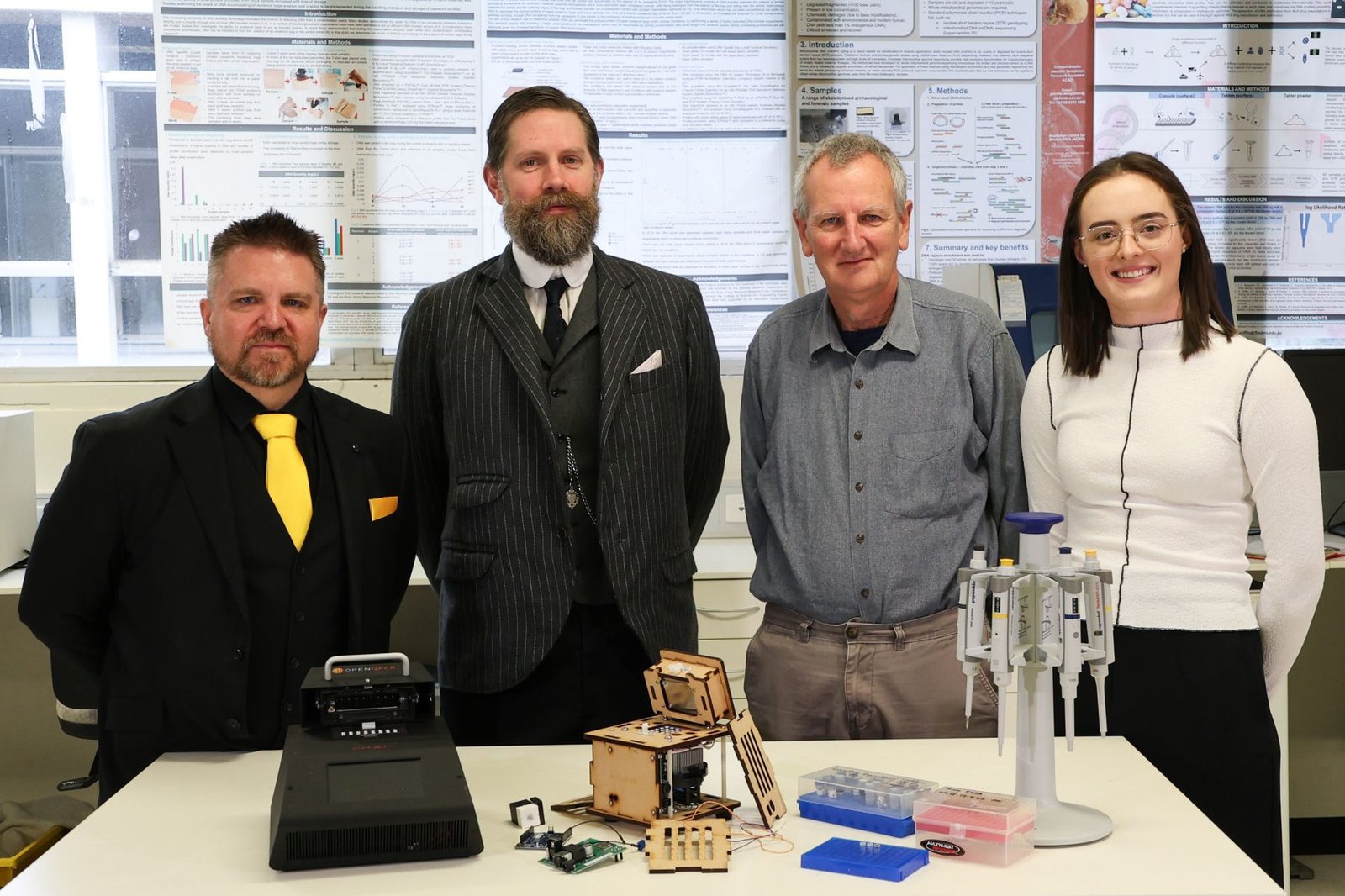
University of Technology Sydney and Australian Federal Police Eureka Prize for Excellence in Forensic Science. Towards a Smart PCR Process, Flinders University and Forensic Science SA. Finalist team L-R: Associate Professor Russell Brinkworth, Dr Duncan Taylor, Professor Adrian Linacre, PhD Candidate Caitlin McDonald.
Image: Traci Klarenbeek© Traci Klarenbeek
Towards a Smart PCR Process developed a DNA amplification system that uses real-time feedback and machine learning to adjust the process as it runs. This improves the quality of genetic data from degraded or low-level samples, increasing the chances of recovering usable results for forensic investigations and other scientific applications.
Aspire Scholarship Eureka Prize for Excellence in Interdisciplinary Scientific Research
Macquarie University; University of Wollongong; City University of Hong Kong; and University of Hong Kong
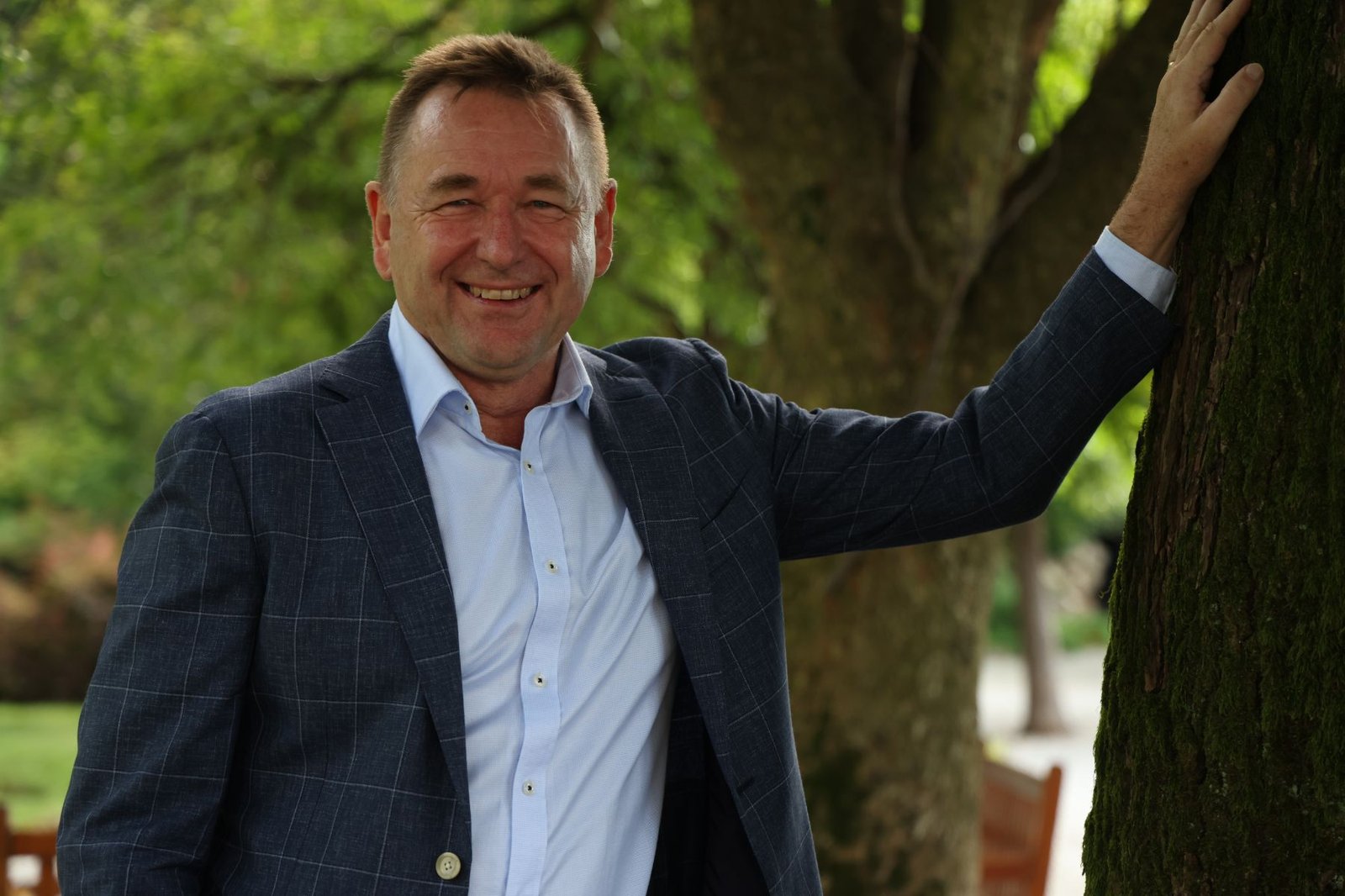
Aspire Scholarship Eureka Prize for Excellence in Interdisciplinary Scientific Research. The CrossCurrents Initiative, Macquarie University; University of Wollongong; City University of Hong Kong; and University of Hong Kong. Finalist team represented by Professor Neil Saintilan.
Image: Macquarie University© Macquarie University
The CrossCurrents Initiative integrates oceanography, ecology and climatology to address and model coastal ecosystem responses to sea-level rise. The world-leading sea-level and habitat modellers identified consistent drivers of coastal resilience and vulnerability and a critical threshold for sea-level rise beyond which coastal ecosystems struggle to adapt.
James Cook University; CSIRO; and Antarctic Research Centre
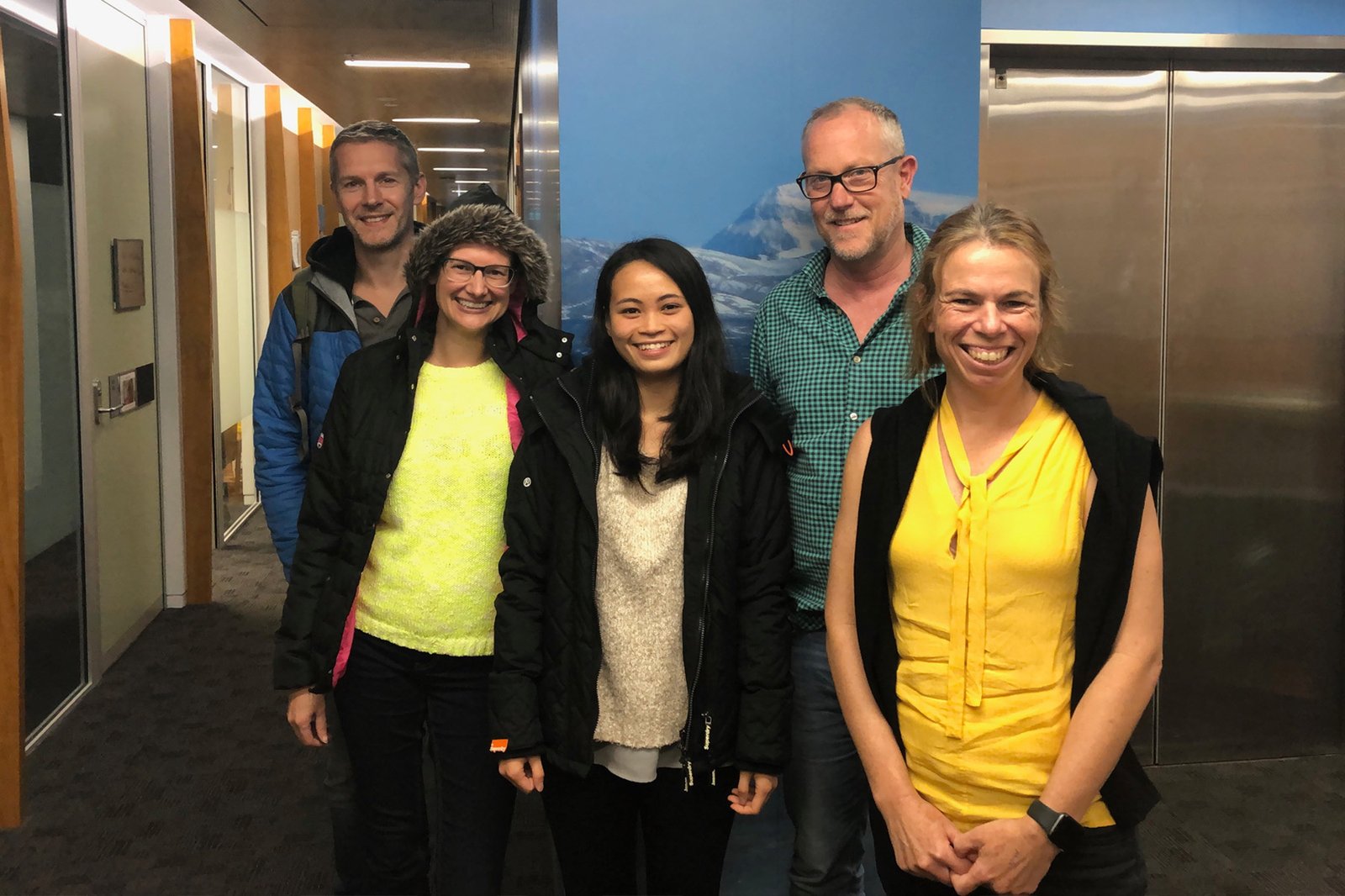
Aspire Scholarship Eureka Prize for Excellence in Interdisciplinary Scientific Research. Octopus and Ice Sheet Team, James Cook University; CSIRO; and Victoria University of Wellington. L to R: Nick Golledge, Nerida Wilson, Sally Lau, Tim Naish, Jan Strugnell.
Image: Rosie Kidman© Rosie Kidman
Using modern octopus DNA, the Octopus and Ice Sheet Team discovered that biological connections between Antarctic octopus populations can only be explained if the West Antarctic Ice Sheet had previously collapsed. Their research dated the collapse at 120,000 years ago, the last time temperatures were 0.5–1.5°C above pre-industrial levels.
University of Melbourne; University of Western Australia; Griffith University; University Centre for Rural Health; Arthritis and Osteoporosis Western Australia; and Arthritis Australia
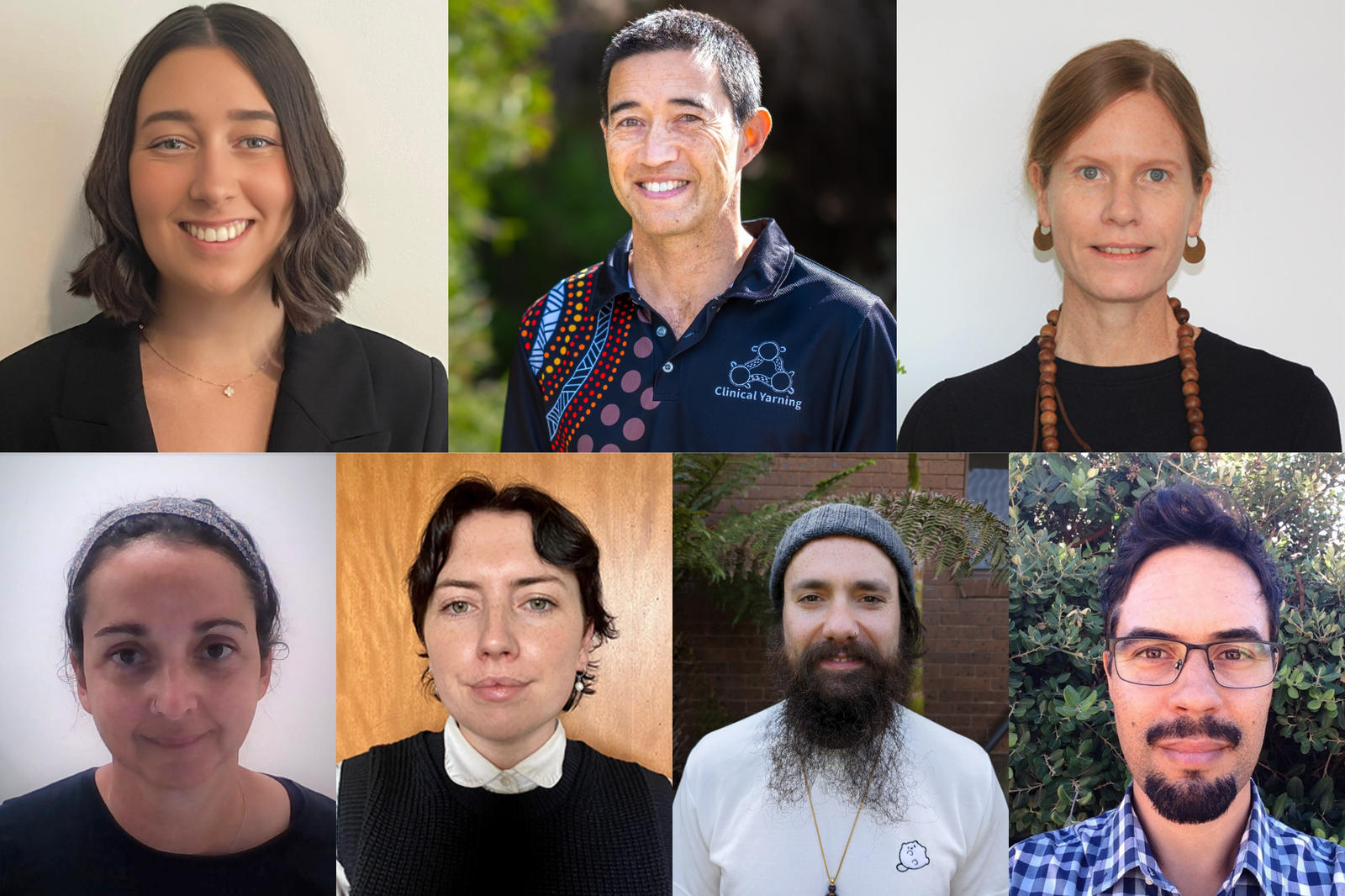
Aspire Scholarship Eureka Prize for Excellence in Interdisciplinary Scientific Research. Staying Strong with Arthritis, University of Melbourne; University of Western Australia; Griffith University; University Centre for Rural Health; Arthritis and Osteoporosis Western Australia; and Arthritis Australia. Finalist team L-R: Dr Brooke Conley, Associate Professor Ivan Lin, Dr Samantha Bunzli, Jane Linton, Dr Penny O’Brien, Ryan Prehn, Professor Jonathan Bullen.
Image: supplied© Australian Museum
Staying Strong with Arthritis co-created the first clinically and culturally informed arthritis education resources for Aboriginal and Torres Strait Islander peoples. Aboriginal and non-Indigenous clinician-researchers worked in partnership with Aboriginal and Torres Strait Islander communities, health services and artists to co-design a website, brochures and videos that promote living well with arthritis.
Australian Research Data Commons Eureka Prize for Excellence in Research Software
University of Canberra
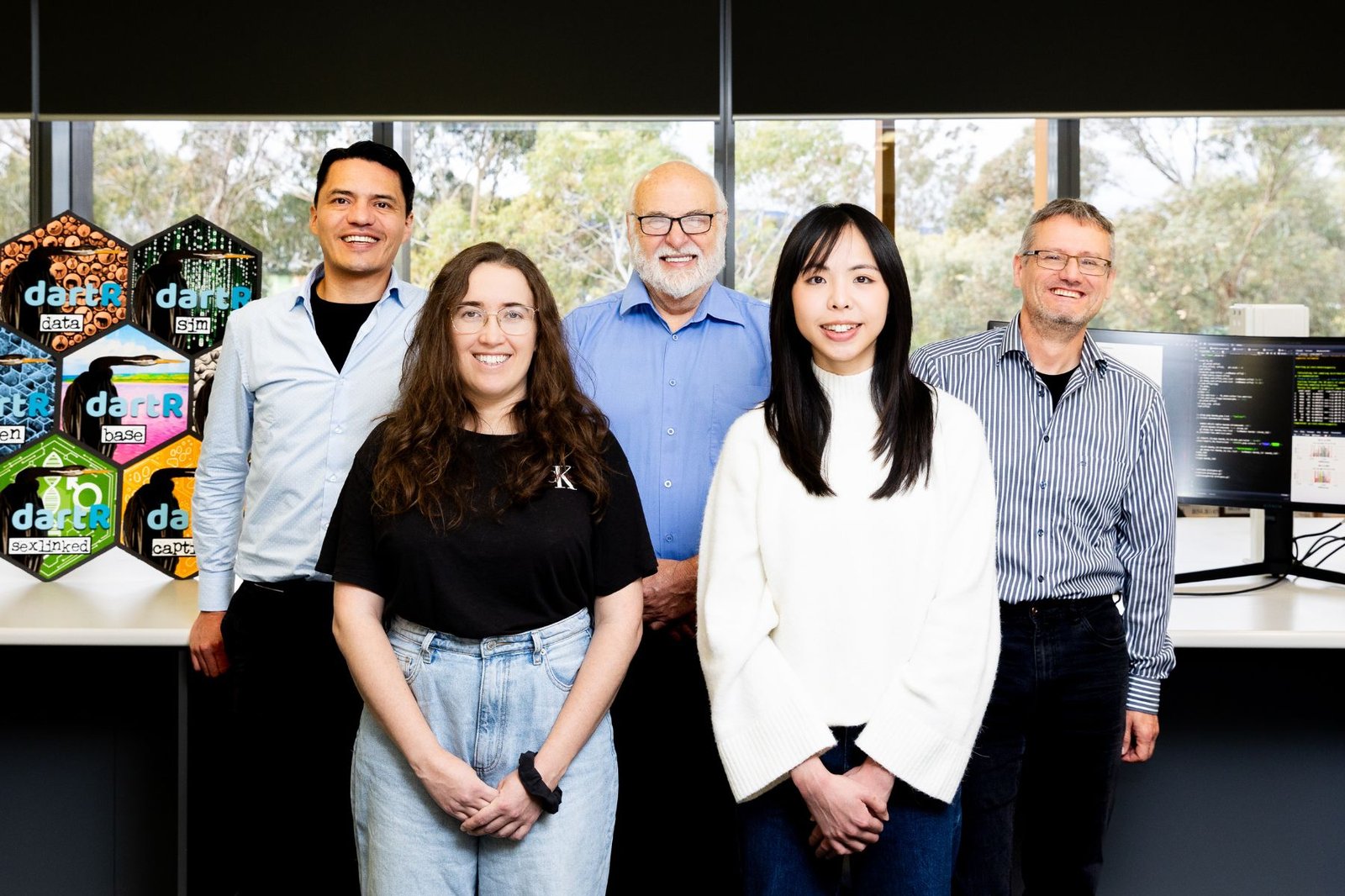
Australian Research Data Commons Eureka Prize for Excellence in Research Software. dartR, University of Canberra. Finalist team L-R. Luis Mijangos Araujo, Emily Stringer, Arthur Georges, Ching Ching Lau, Bernd Gruber.
Image: Liam Budge© University of Canberra
The dartR team created free, open-source software that helps researchers around the world analyse complex genomic data. By supporting decisions in conservation, agriculture and health, dartR has transformed how genetic data is used – improving breeding programs, protecting endangered species and advancing research across more than 900 peer-reviewed studies.
The University of Melbourne
Australian Research Data Commons Eureka Prize for Excellence in Research Software. mixOmics, University of Melbourne. Finalist team represented by Professor Kim-Anh Lê Cao.
Image: Mike Rennie© Mike Rennie
Released in 2009 by Professor Lê Cao’s team, mixOmics is free, open-source software that integrates multi-omics data – including genes, proteins and microbes – into clear biological insights. Now used by over 25,000 scientists annually across more than 100 countries, it drives breakthroughs in cancer, infectious disease and environmental science through patents, industry collaborations and global training.
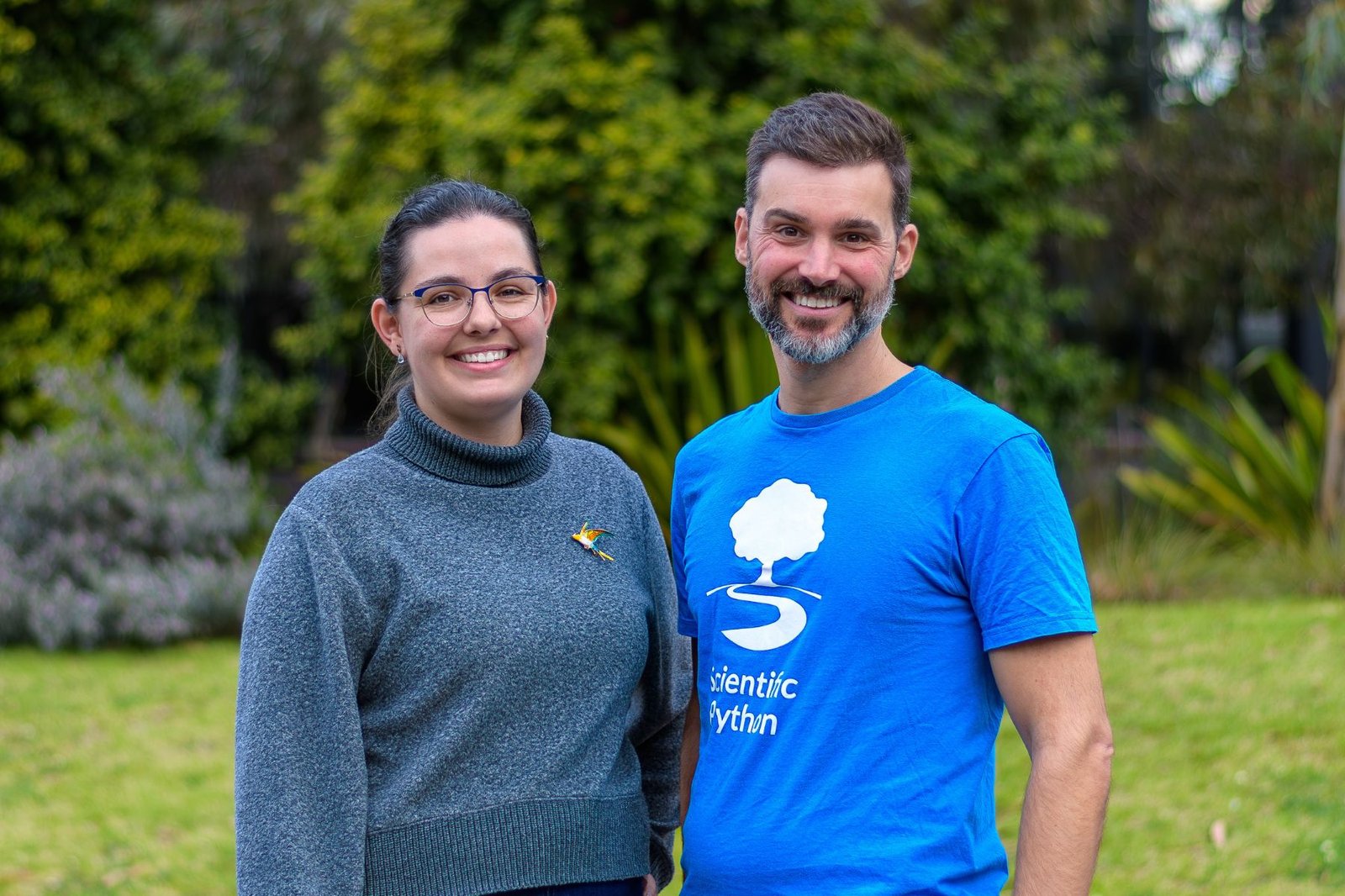
Australian Research Data Commons Eureka Prize for Excellence in Research Software. napari. Finalist team L-R: Draga Doncila Pop and Juan Nunez-Iglesias.
Image: Harish Sundar Raman© Harish Sundar Raman
napari helps scientists explore, annotate and analyse image data in 2D, 3D and beyond, across diverse fields including cell biology, astronomy, materials science and archaeology. It has been downloaded more than 5 million times and supports image analysis needs through a growing ecosystem of over 500 community-built plug-ins.
Australian Infectious Diseases Research Centre Eureka Prize for Infectious Diseases Research
The Peter Doherty Institute for Infection and Immunity, University of Melbourne
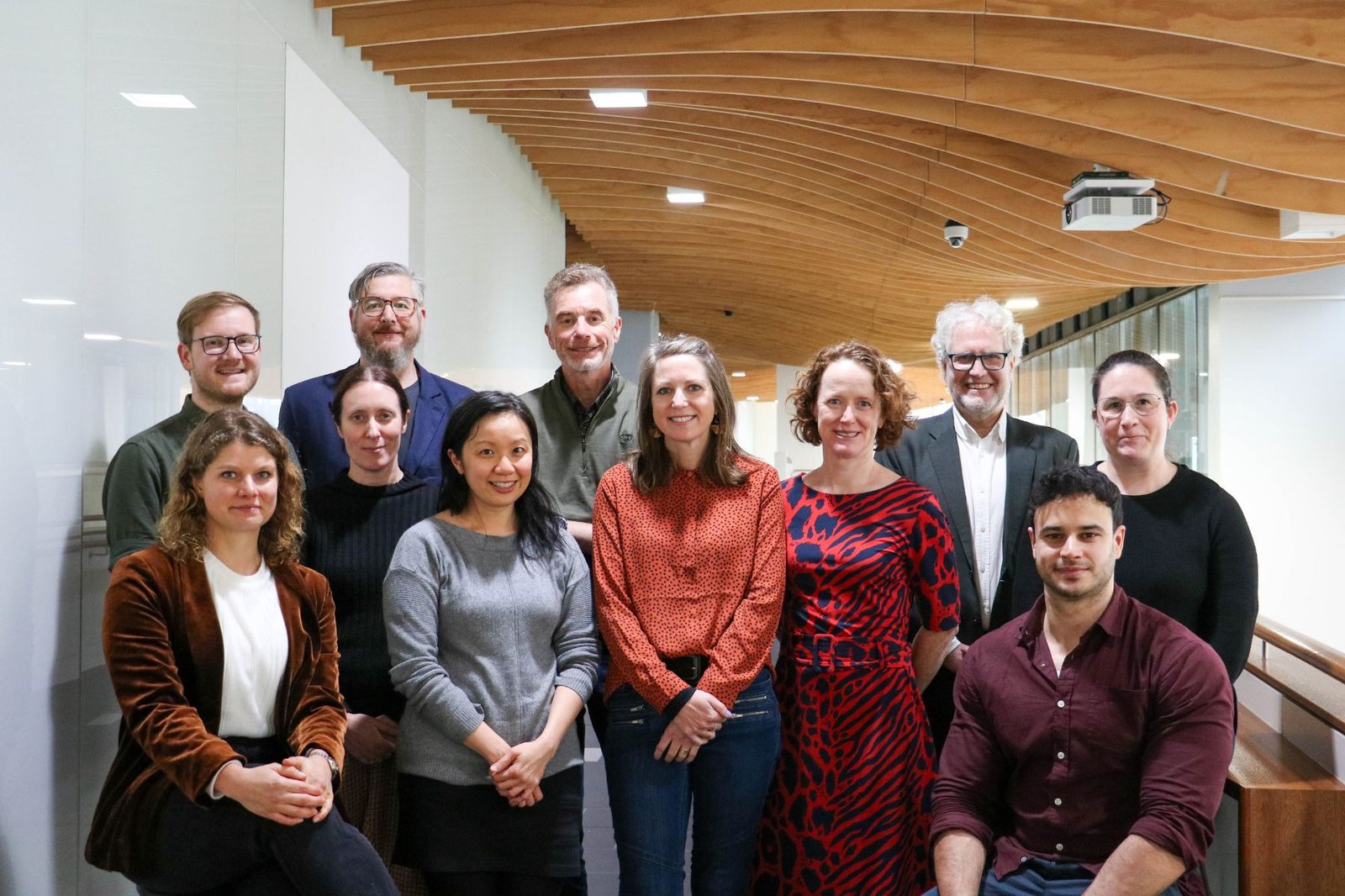
Australian Infectious Diseases Research Centre Eureka Prize for Infectious Diseases Research. Beating Buruli Ulcer Group, The Peter Doherty Institute for Infection and Immunity, the University of Melbourne. Finalist team, L-R: (Back) Dr Peter Mee, Nicholas Bell, Prof Tim Stinear, Prof Paul Johnson, Jessica Porter, (Front) Dr Veronique Paris, Dr Kim Blasdell, Dr Ee Laine Tay, Dr Emma Hobbs, Dr Katherine Gibney, Dr Andrew Buultjens.
Image: Rahul Ratwatte© University of Melbourne
For 80 years, how people contracted Buruli ulcer remained a mystery. Now – through advanced genomics and extensive fieldwork – the Beating Buruli Ulcer Group has shown mosquitoes can spread the infection to humans via possums. Their research is transforming public health messaging in Victoria and shaping worldwide responses to this tropical skin disease.
University of Adelaide; SA Pathology; Department for Health and Wellbeing, SA Health; Women's and Children's Hospital; and Northern Territory Health
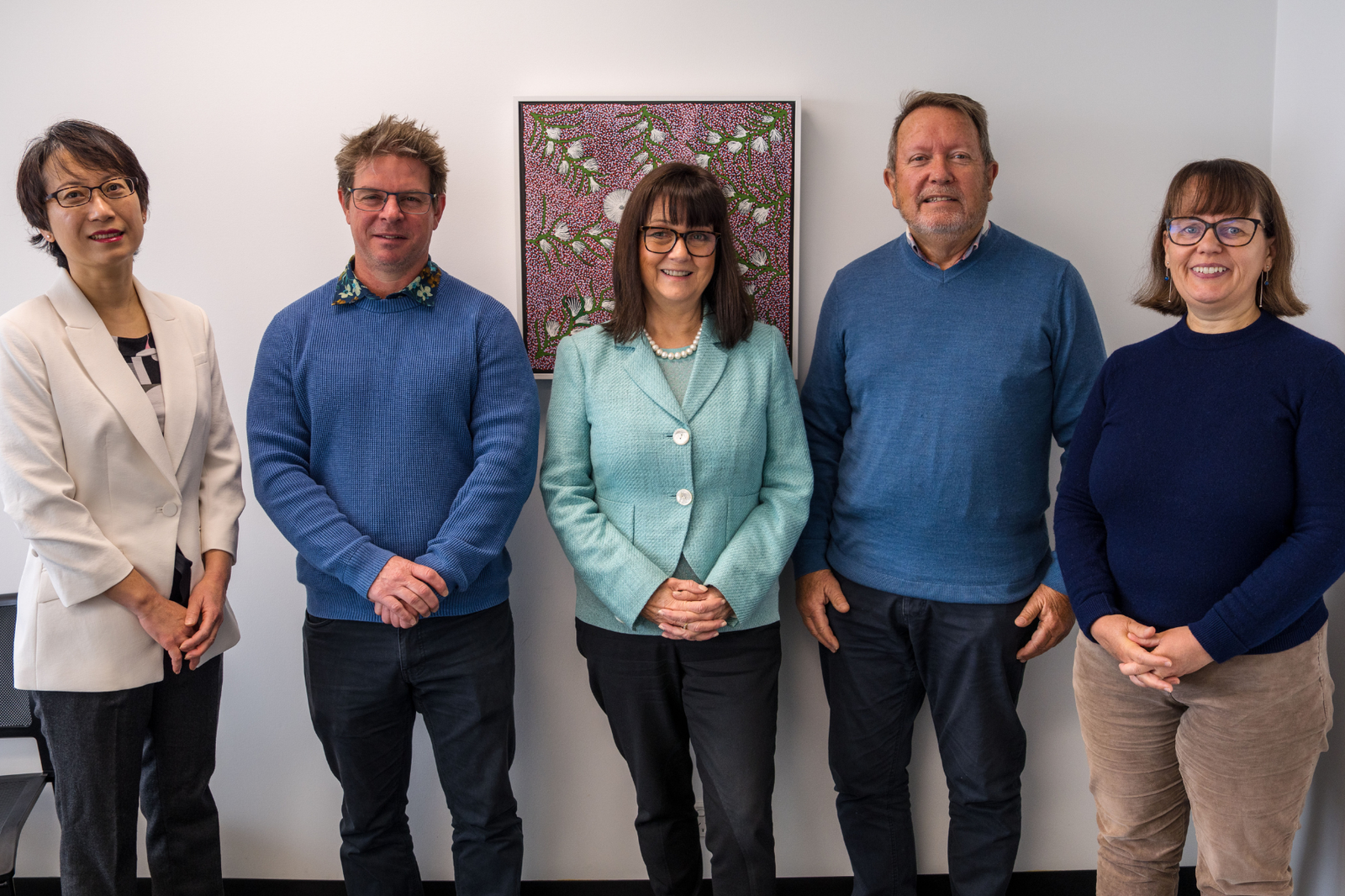
Australian Infectious Diseases Research Centre Eureka Prize for Infectious Diseases Research. Vaccines and Infectious Diseases Group, University of Adelaide; SA Pathology; Department for Health and Wellbeing, SA Health; Women's and Children's Hospital; and Northern Territory Health. Finalist team L-R: Dr Bing Wang, Dr Mark McMillan, Professor Helen Marshall, Mr Andrew Lawrence, Dr Louise Flood.
Image: University of Adelaide© University of Adelaide
The Vaccines and Infectious Diseases Group demonstrated that one vaccine can protect against both meningococcal B disease and gonorrhoea – two serious infections that disproportionately impact First Nations young people. Their research has changed global vaccine policy, informed national programs and offers a new strategy to curb gonorrhoea as antibiotic resistance grows.
The University of Sydney; Sydney Vietnam Institute; National Lung Hospital, Vietnam; Sydney Infectious Diseases Institute; the Burnet Institute; and University of Melbourne.
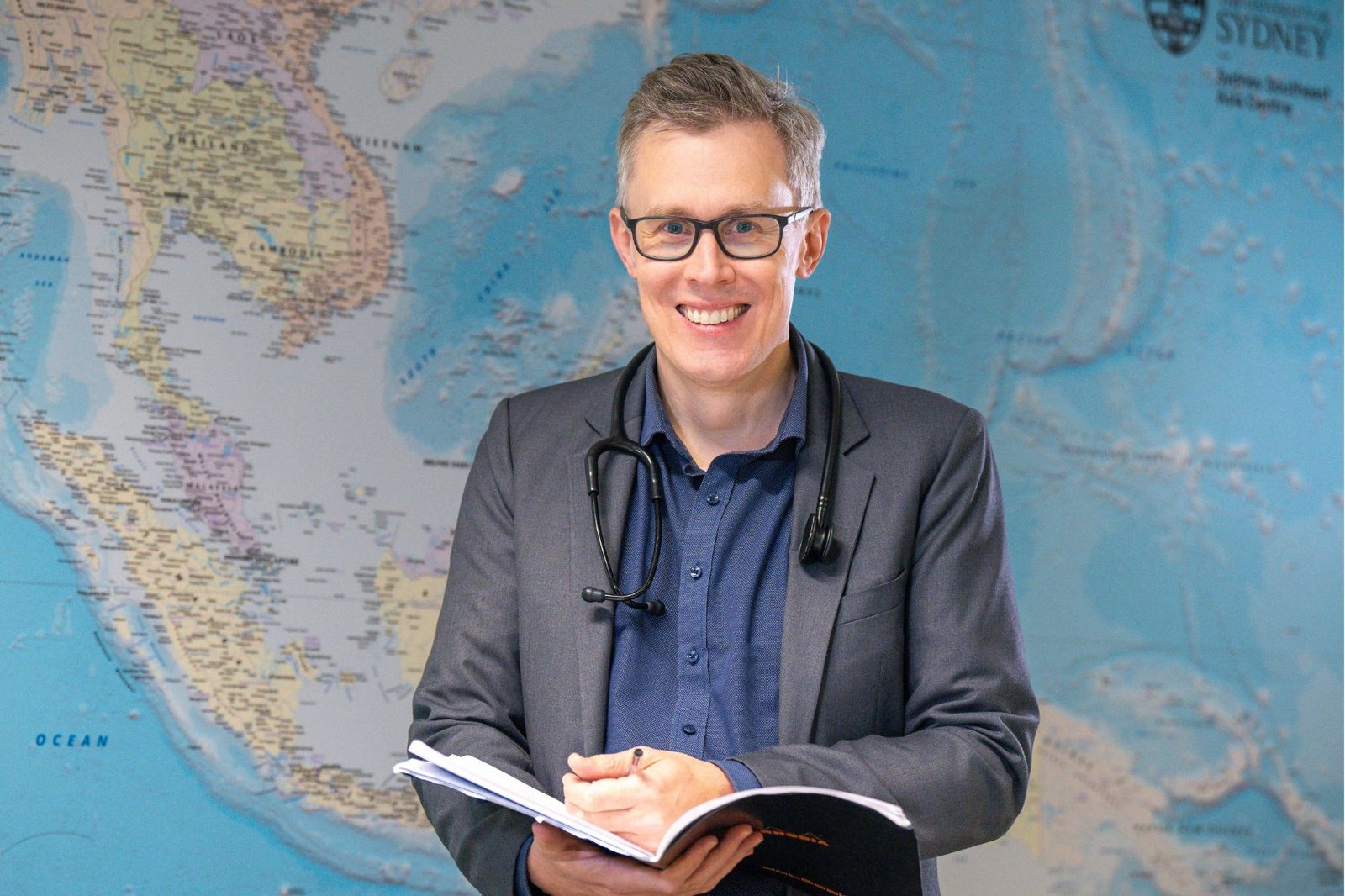
Australian Infectious Diseases Research Centre Eureka Prize for Infectious Diseases Research. VQUIN Trial, University of Sydney; Sydney Vietnam Institute; National Lung Hospital, Vietnam; Sydney Infectious Diseases Institute; the Burnet Institute; and University of Melbourne. Finalist team represented by Professor Greg Fox.
Image: Supplied© University of Sydney
The VQUIN Trial tackled the urgent global challenge of drug-resistant tuberculosis, showing that a six-month course of the antibiotic levofloxacin safely cut disease incidence by 60 per cent among exposed household contacts. Conducted in Vietnam, it changed global policy and now underpins World Health Organization guidance in Vietnam, South Africa and Australia.
ANSTO Eureka Prize for Innovative Use of Technology
Macquarie University
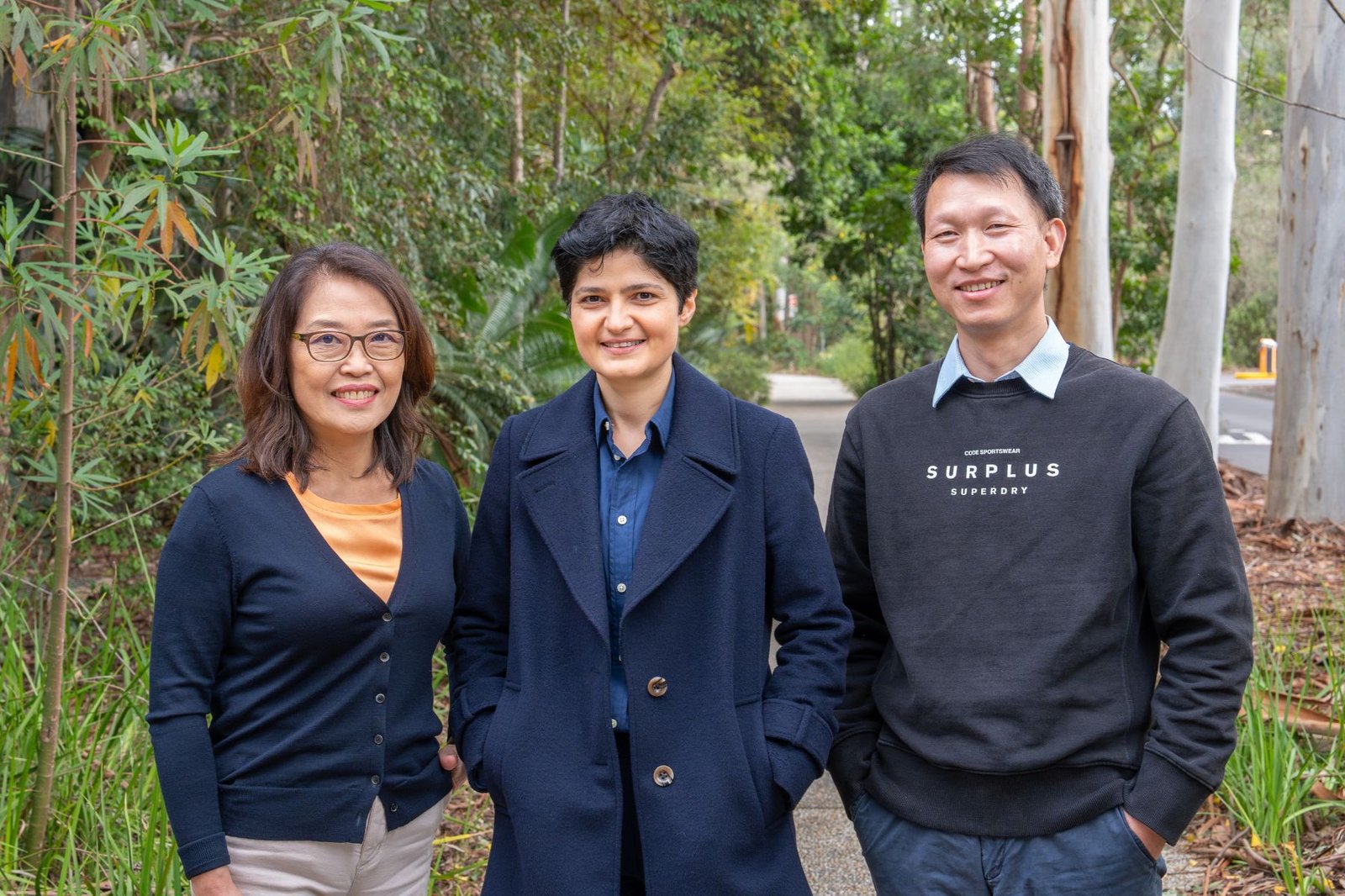
ANSTO Eureka Prize for Innovative Use of Technology. The Fission Chips Team, Macquarie University. Finalist team L-R: Professor Shujuan Huang, Associate Professor Noushin Nasiri, Dr Jayden Chen.
Image: Macquarie University© Macquarie University
In a paradigm shift for nanosensor production, Associate Professor Noushin Nasiri and her Fission Chips Team developed a cheaper, more efficient sensor using non-toxic vinegar in a special low-temperature joining technique. The sensors have a myriad of applications in smart, wearable systems, such as monitoring skin cancer risk or pregnancies in cattle.
CSIRO
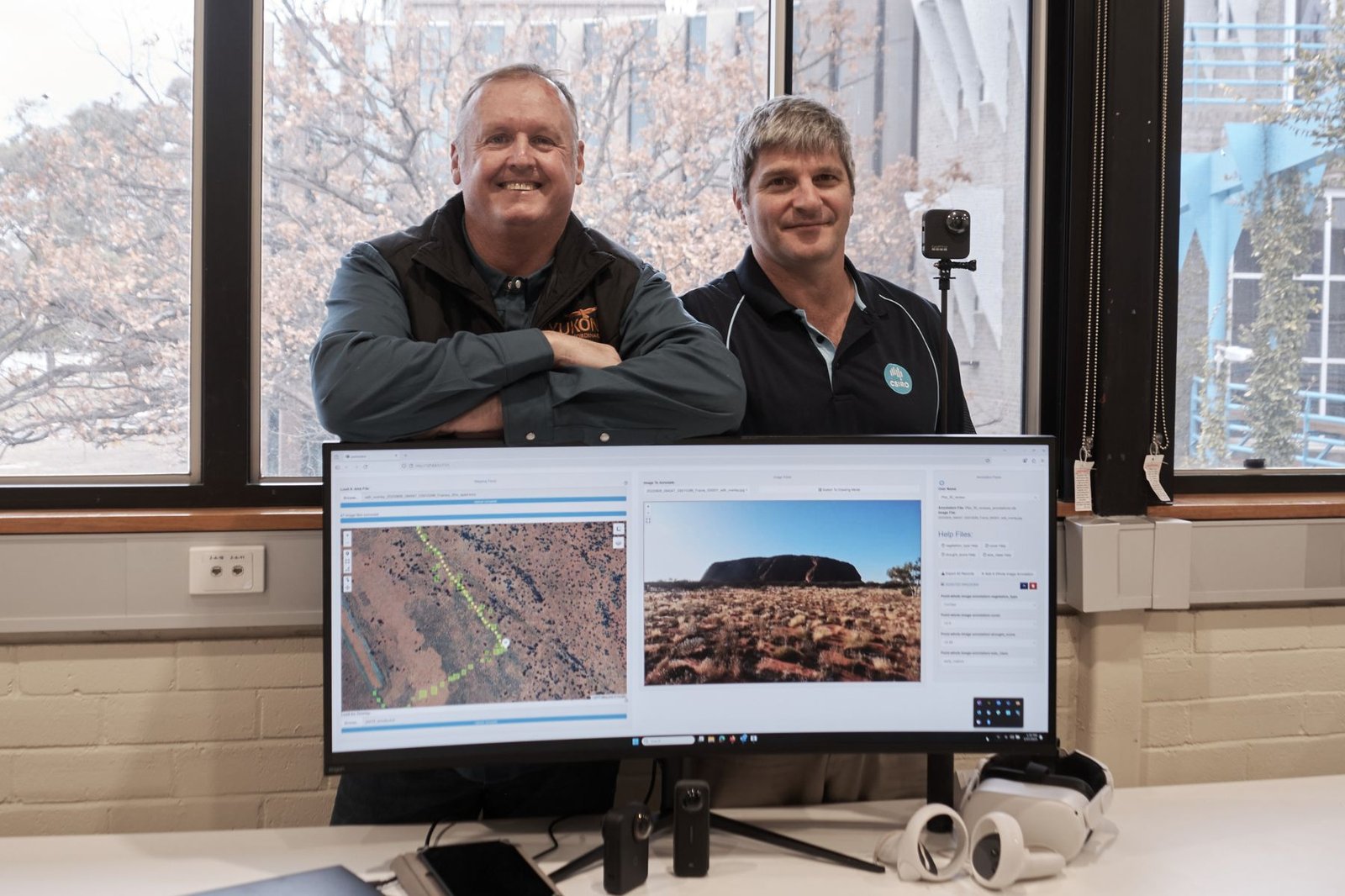
ANSTO Eureka Prize for Innovative Use of Technology. Robert Godfree and Nunzio Knerr, CSIRO.
Image: CSIRO© CSIRO
Field researchers can now extract vast amounts of ecological data from 360-degree imagery in a fraction of the time of traditional methods, thanks to CSIRO’s pannotator. This open-source, customisable software developed by Robert Godfree and Nunzio Knerr supports geospatial analysis and provides a foundation for integrating AI models, helping researchers address complex environmental questions.
UNSW
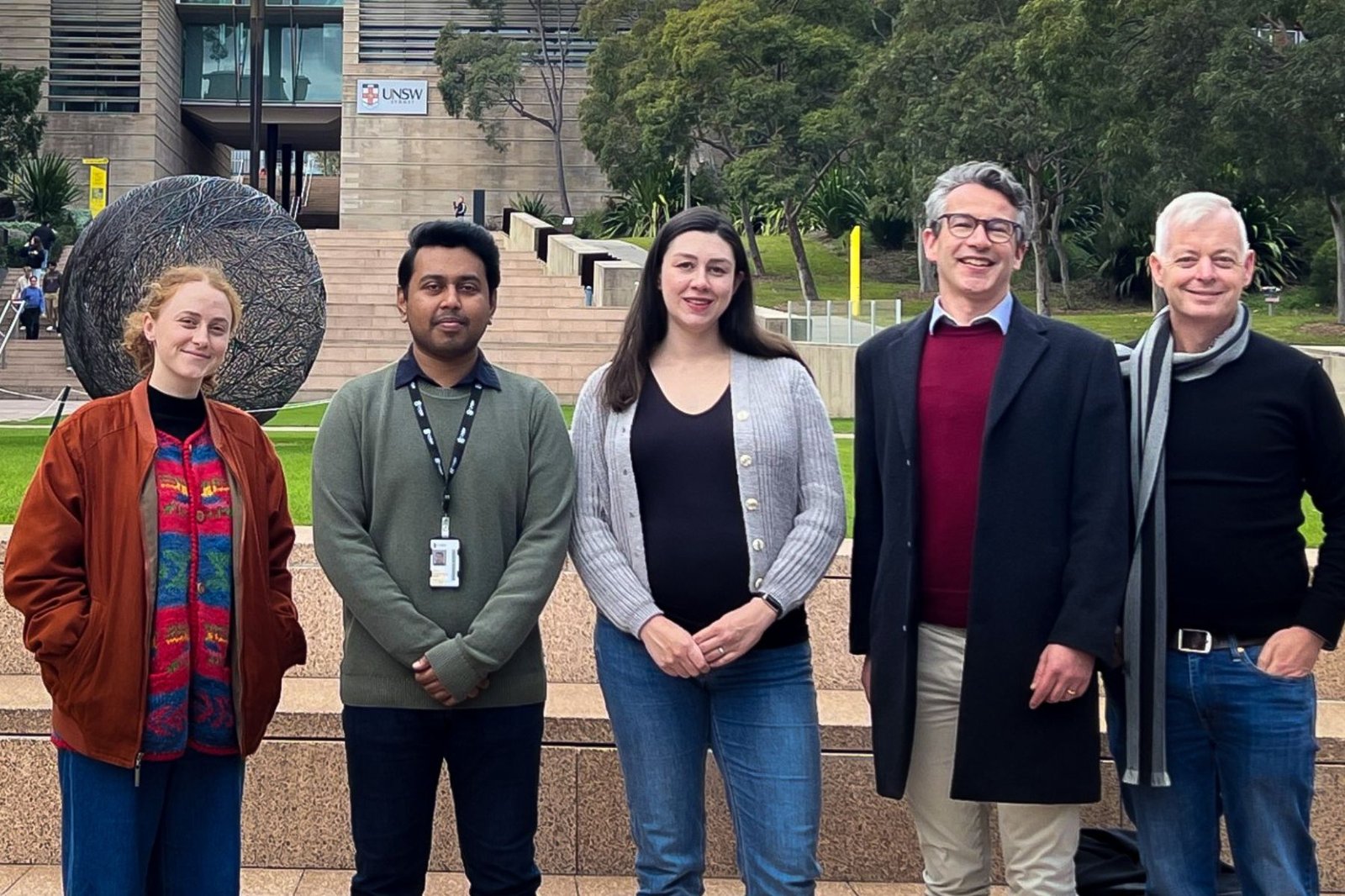
ANSTO Eureka Prize for Innovative Use of Technology. UNSW Night-Time Solar Team.
Image: Supplied© UNSW
In a world first, the UNSW Night-Time Solar Team generated electricity from the emission of light, rather than its absorption, using a thermoradiative diode similar to materials in night-vision goggles. Because large quantities of the Earth’s heat are radiated as infrared light, electrical power can be generated at night.
Macquarie University Eureka Prize for Outstanding Early Career Researcher
UNSW and Garvan Institute of Medical Research
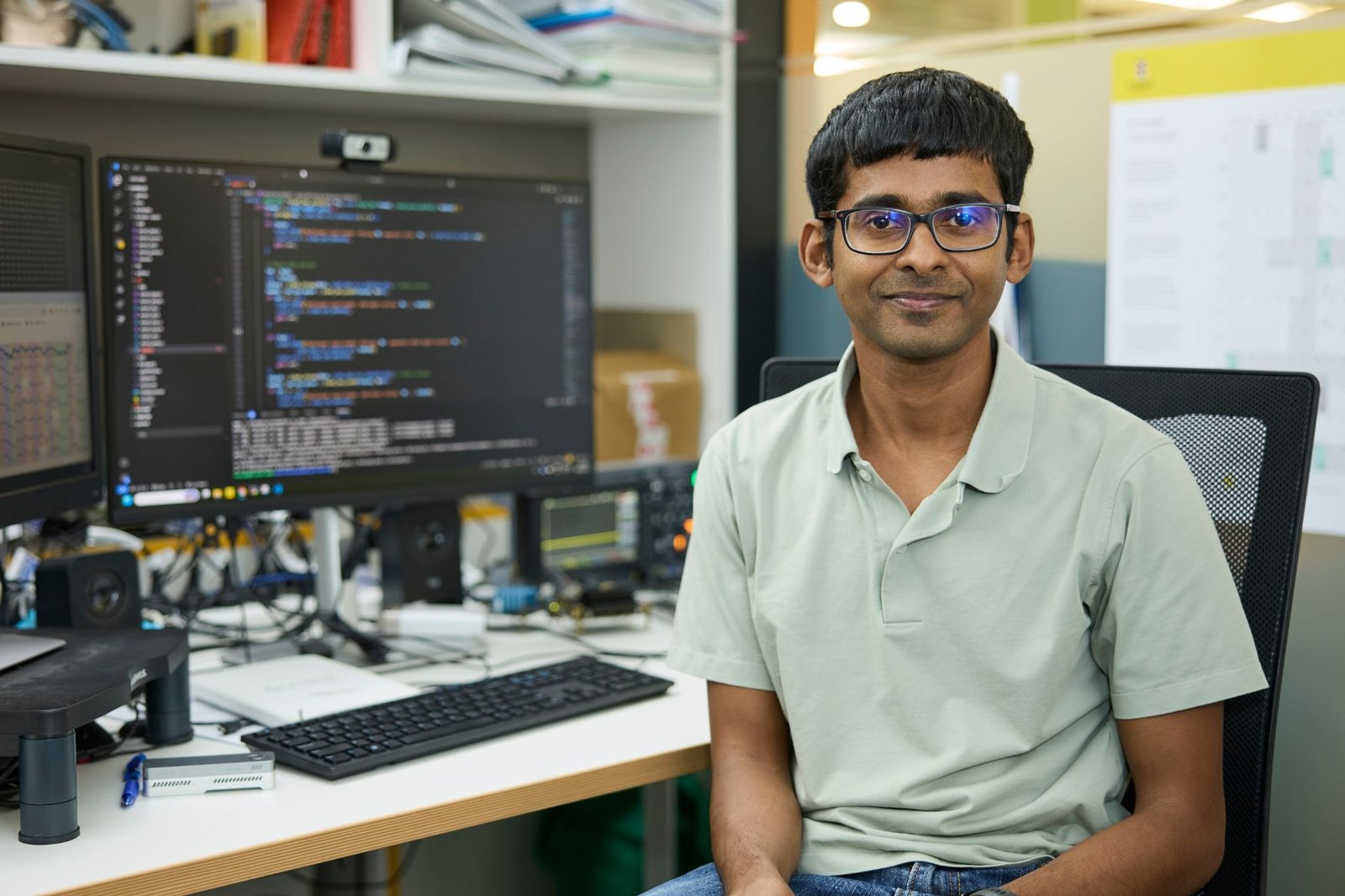
Macquarie University Eureka Prize for Outstanding Early Career Researcher. Dr Hasindu Gamaarachchi, UNSW and Garvan Institute of Medical Research.
Image: UNSW Sydney© UNSW Sydney
Modern genomic sequencing is completely changing fields such as agriculture, medicine and ecology. However, it generally requires huge supercomputers and long processing times. Dr Hasindu Gamaarachchi has developed new scalable, efficient and accessible computer processing, allowing more people to unlock the potential of genomic sequencing and democratising the whole field.
University of Technology Sydney
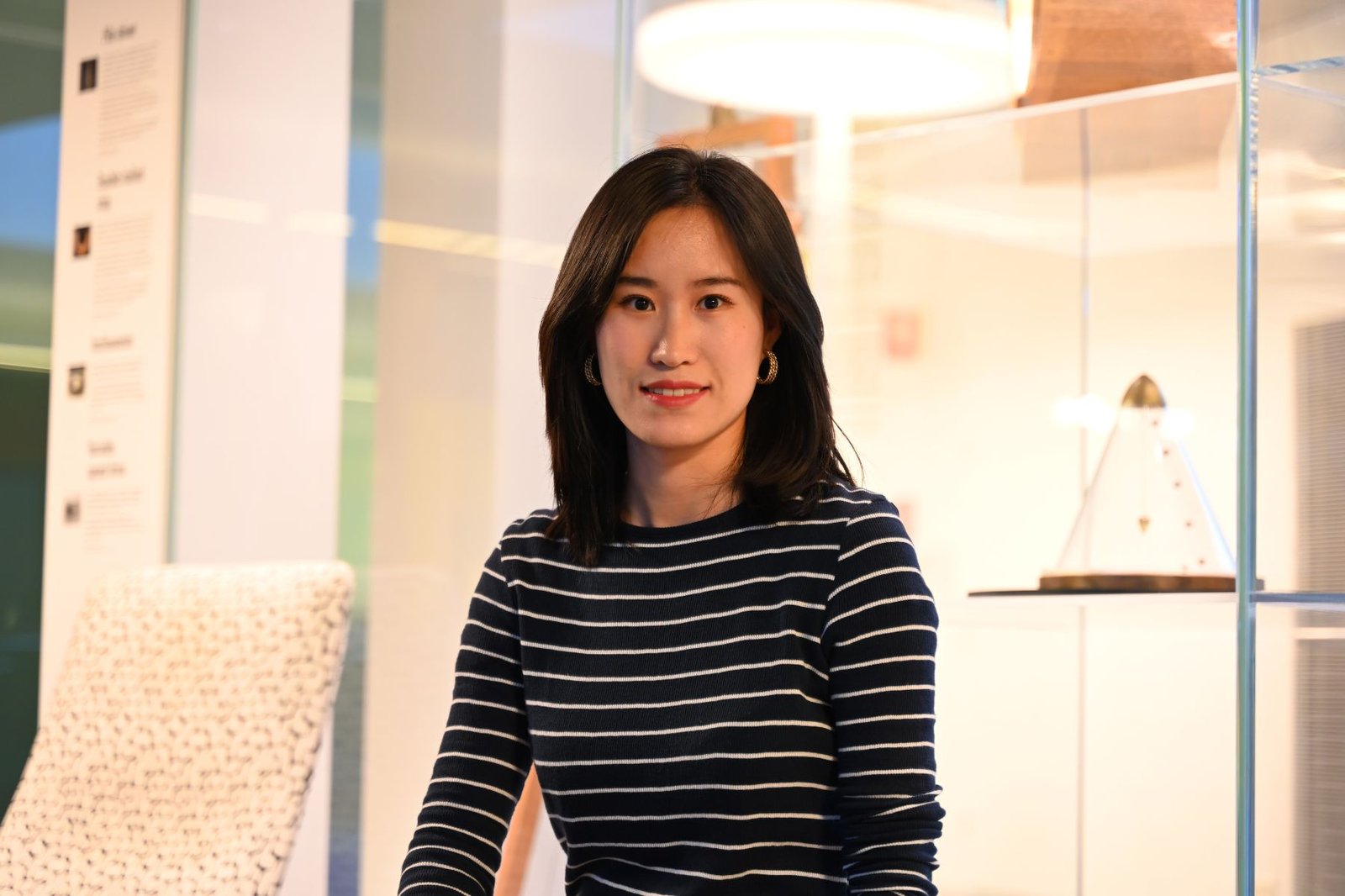
Macquarie University Eureka Prize for Outstanding Early Career Researcher. Dr Xuan Li, University of Technology Sydney.
Image: University of Technology Sydney© University of Technology Sydney
Dr Xuan Li has created the drainage systems of the future, proving they work in real infrastructure in Australia and overseas. They can accurately predict hospitalisations related to infectious diseases, reduce urban flood volumes and extend sewer life by 40 per cent through inexpensive antimicrobial agents embedded in the concrete.
The University of Sydney
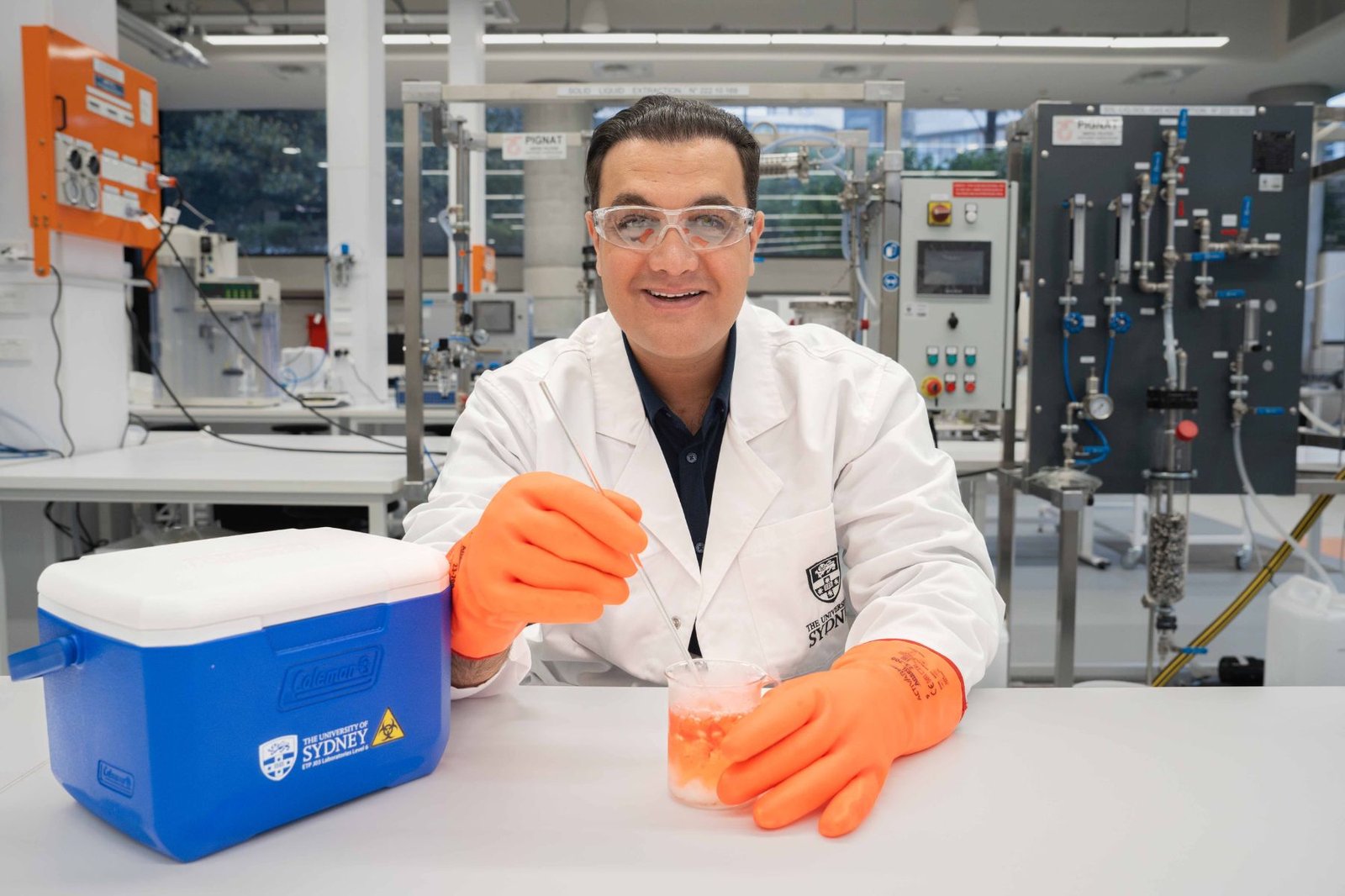
Macquarie University Eureka Prize for Outstanding Early Career Researcher. Dr Arman Siavashi, the University of Sydney.
Image: Emlyn Crockett© University of Sydney
Dr Arman Siahvashi pioneers advanced cryogenic technologies to efficiently liquefy clean hydrogen at low cost. He has helped secure $11.5 million in funding, earned 18 awards and fellowships and built strong national and international collaborations, driving novel clean solutions to cut emissions and build a sustainable future across the energy, aviation and space industries.
Department of Defence Eureka Prize for Outstanding Science in Safeguarding Australia
Dr Kamal Kant Gupta (Department of Defence) and Dr Jafar Shojaii (Macquarie University), University of Melbourne, Swinburne University of Technology.
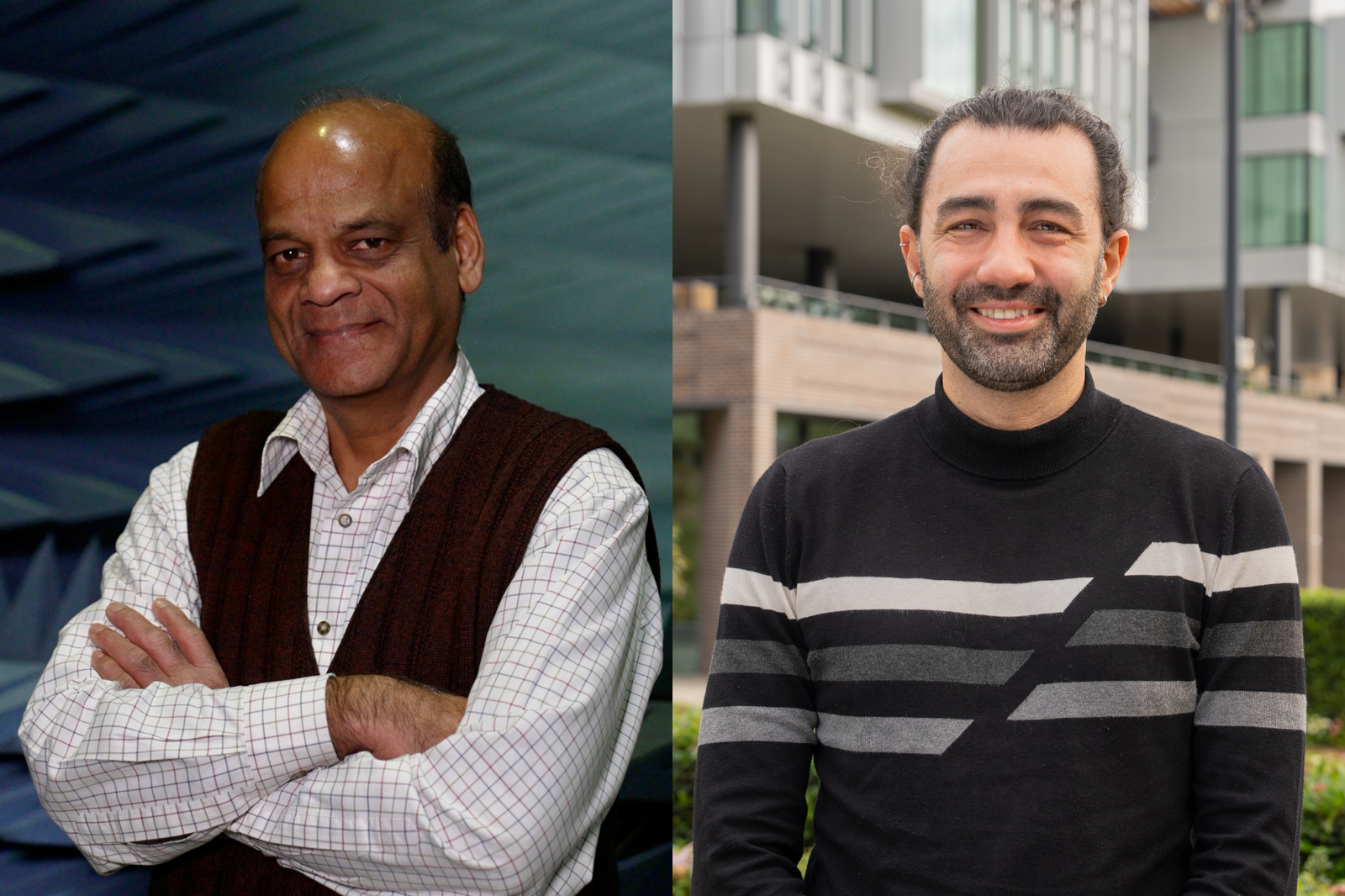
Department of Defence Eureka Prize for Outstanding Science in Safeguarding Australia. Dr Kamal Kant Gupta and Dr Jafar Shojaii Finalist team L-R: Dr Kamal Kant Gupta (Department of Defence) and Dr Jafar Shojaii (Macquarie University), University of Melbourne, Swinburne University of Technology.
Image: Defence Science and Technology Group and Macquarie University© Defence Science and Technology Group and Macquarie University
Integrated circuits are ubiquitous, but are vulnerable to electromagnetic and particle radiation effects, typically found in space and high-interference environments. Using novel techniques and architectures, Dr Kamal Kant Gupta and Dr Jafar Shojaii have developed innovative interference-resistant chip designs, which can protect high-value Defence, satellite and civilian electronic systems.
University of Adelaide and University of Queensland
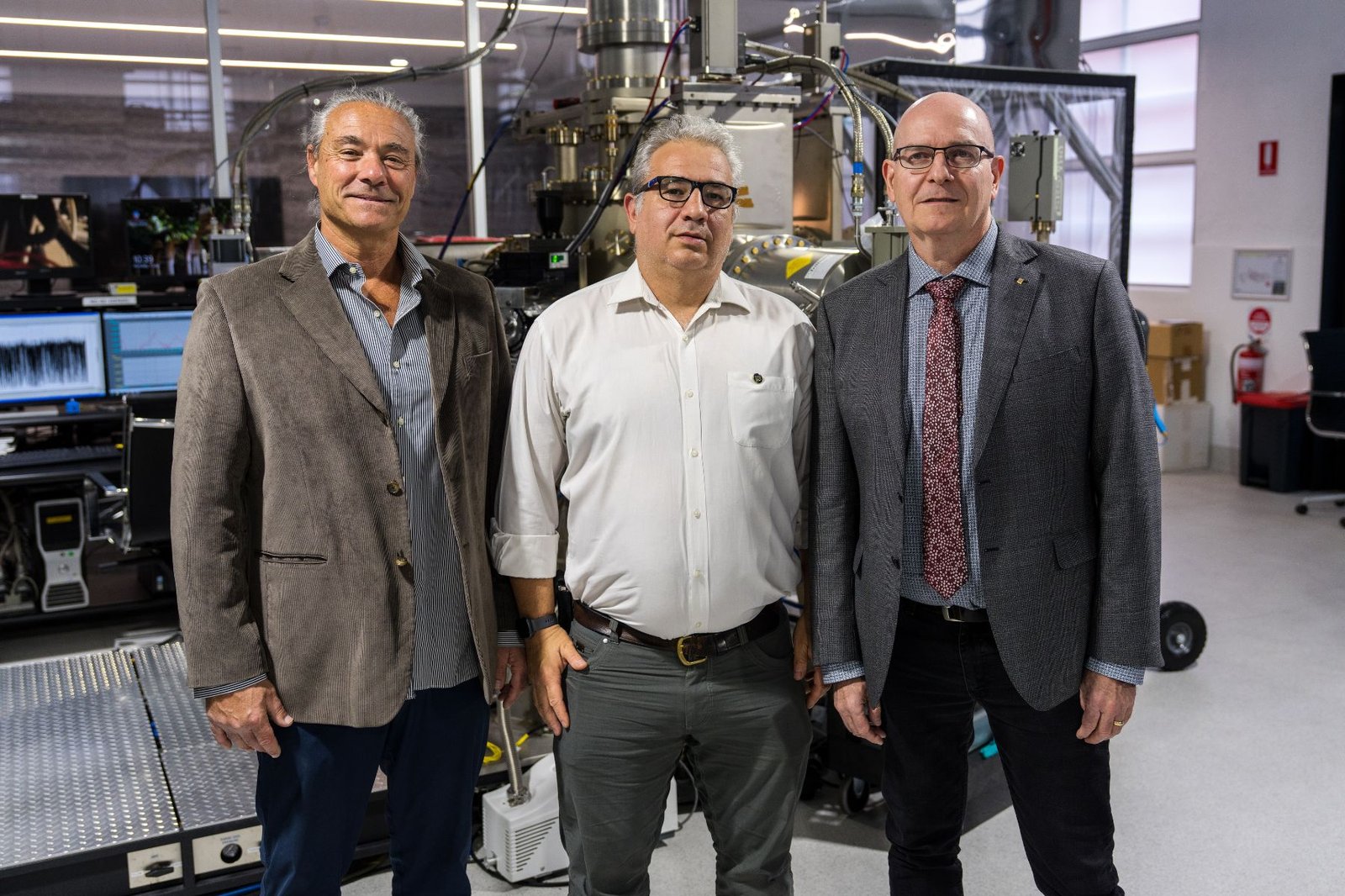
Department of Defence Eureka Prize for Outstanding Science in Safeguarding Australia. Jesper Munch Quantum Laboratories Team, University of Adelaide and University of Queensland. Finalist team L-R: Professor Petar Atanackovic, Dr Giuseppe Carlo Tettamanzi, Professor Christophe Fumeaux. Not pictured: Dr Alan Gardin.
Image: University of Adelaide© Adelaide University
The Jesper Munch Quantum Laboratories Team developed a new class of quantum antennas to detect signals better, faster and earlier. It could allow Defence Forces to detect assets up to 10 times further than any current technology. The antennas also have potential applications in mineral detection, healthcare and data transmission.
University of Technology Sydney
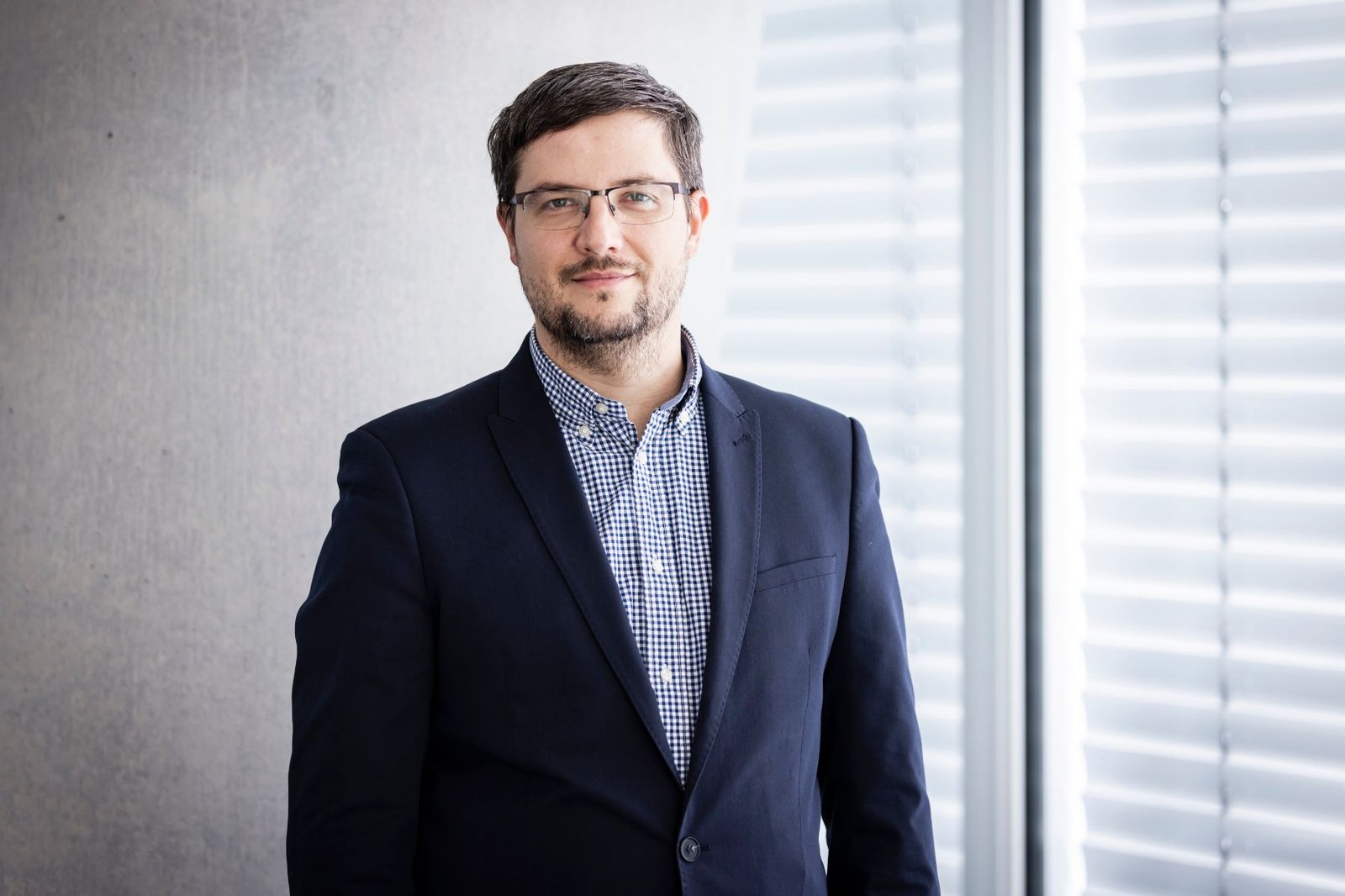
Department of Defence Eureka Prize for Outstanding Science in Safeguarding Australia. Associate Professor Marian-Andrei Rizoiu, University of Technology Sydney.
Image: Andy Roberts© University of Technology Sydney
Associate Professor Marian-Andrei Rizoiu protects Australia’s interests through new models that detect digital threats. Replacing current effort-intensive processes to identify malevolent agents, his mathematical models analyse responses and reactions to harmful content. They also determine how consumption of misinformation can lead to violent extremist acts – vital for national security agencies.
UNSW Eureka Prize for Scientific Research
Western Sydney University
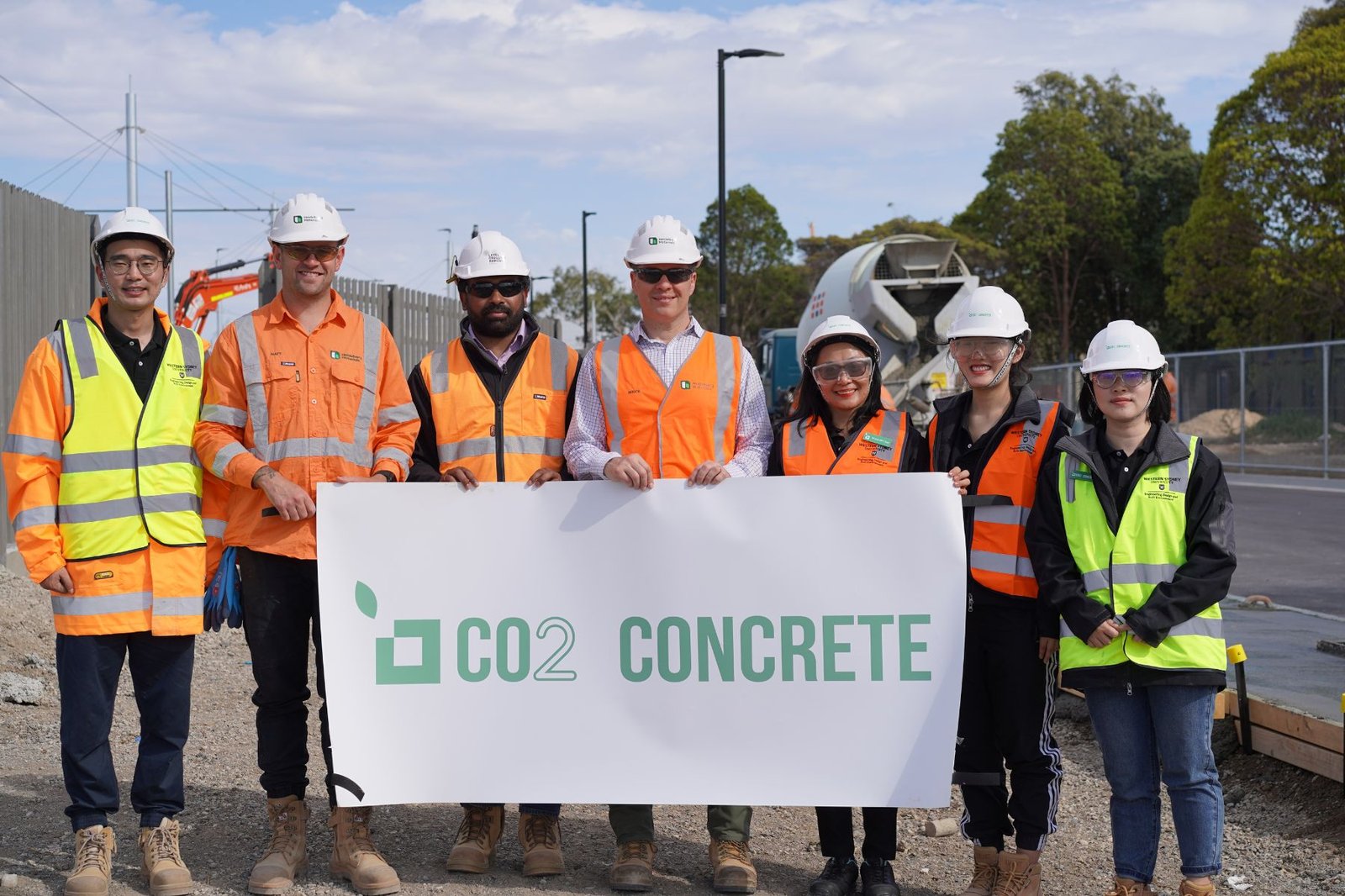
UNSW Eureka Prize for Scientific Research. CO2 Concrete, Western Sydney University. Pictured L-R: Lei Liu, Matt Dockary, Tibin Thomas, Bruce Ryan, Vivian Tam, Mingxue Ma, Yijun Zhou.
Image: supplied© Australian Museum
CO2 Concrete injects carbon dioxide into recycled aggregate, making stronger and more durable recycled concrete. By turning construction waste into high-performance material, it reduces emissions and landfill. Used in major infrastructure builds with up to 60 per cent recycled content, concrete suppliers have a practical way to lower their environmental impact.
UNSW
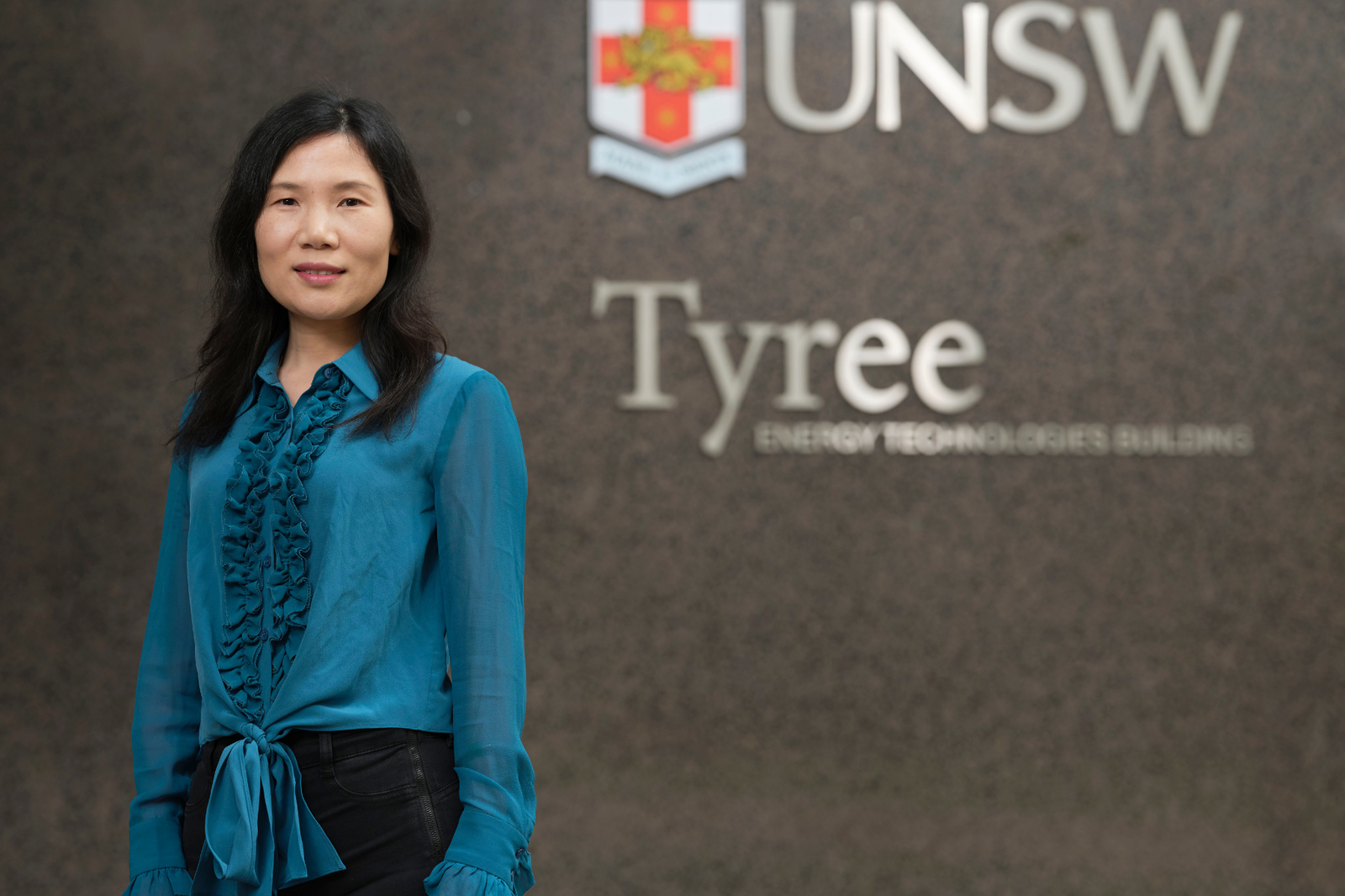
UNSW Eureka Prize for Scientific Research. Scientia Professor Xiaojing Hao, UNSW.
Image: UNSW© UNSW
Scientia Professor Xiaojing Hao set world efficiency records in kesterite solar cells – made from non-toxic, widely available materials – and other chalcogenide and perovskite cells. She also developed a method to pinpoint and reduce energy loss in thin-film photovoltaics, supporting the development of cheaper, greener solar technologies essential to future renewable energy systems.
WEHI
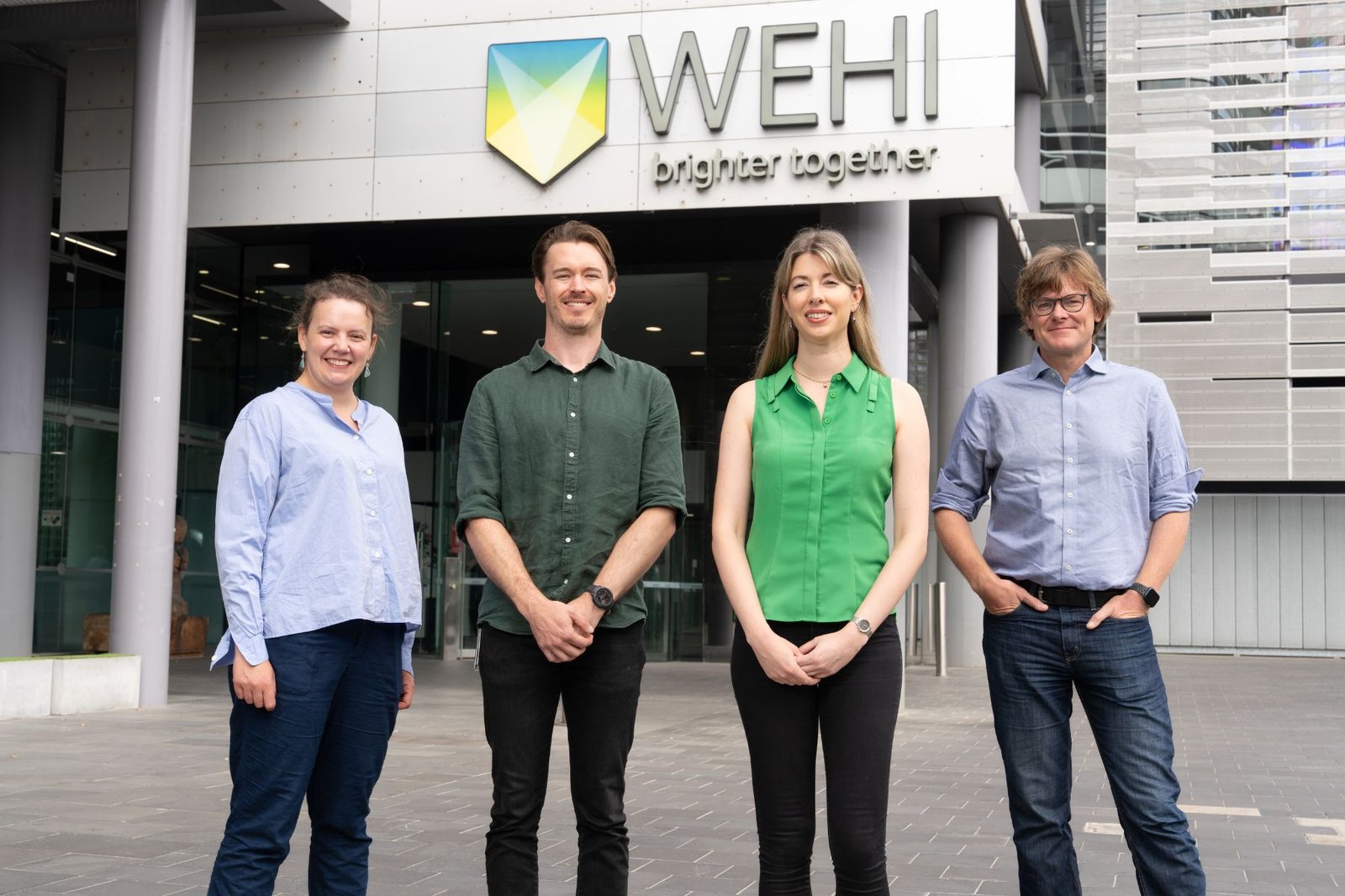
UNSW Eureka Prize for Scientific Research. PINK1 Parkinson's Disease Research Team, WEHI. Finalist team L-R: Dr Alisa Glukhova, Dr Nicholas Kirk, Dr Sylvie Callegari, Professor David Komander.
Image: WEHI© WEHI
The PINK1 Parkinson’s Disease Research Team has revealed the first 3D structure of a key protein linked to early onset Parkinson’s disease. By showing how the damage-sensing protein PINK1 attaches to mitochondria, they assist drug discovery – opening new paths to remove faulty cell components and slowing or halting disease progression.
University of Sydney Eureka Prize for Sustainability Research
The University of Sydney
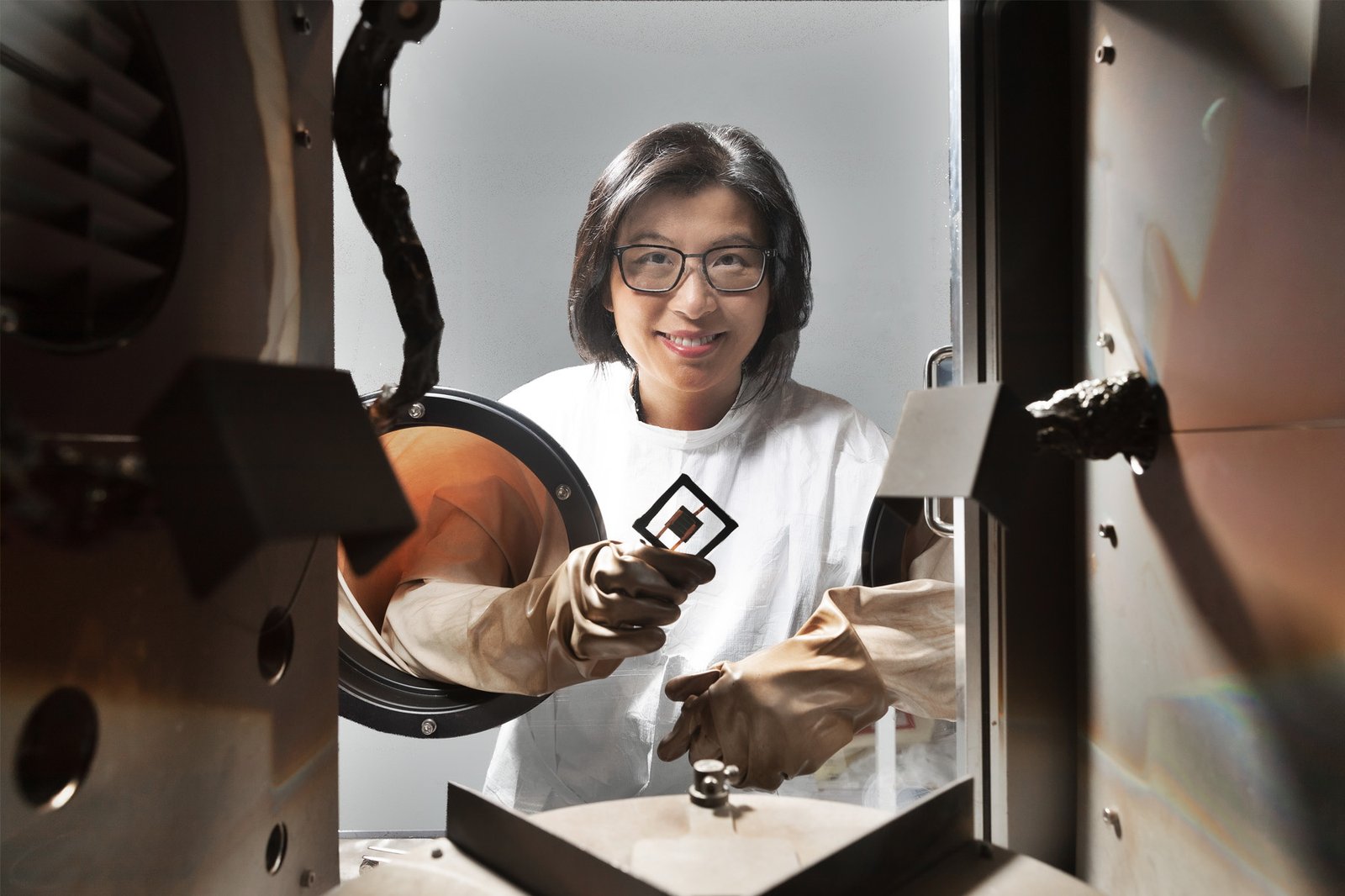
University of Sydney Eureka Prize for Sustainability Research. Professor Anita Ho-Baillie, University of Sydney.
Image: Stefanie Zingsheim© Stefanie Zingsheim
Driving efficiency of solar cell energy conversion from about 30 per cent to 40 per cent, Professor Anita Ho-Baillie combines multiple semiconductor materials, such as metal halide perovskites, into one solar cell to better utilise the solar spectrum. She has solved thermal and moisture instability problems with perovskite solar cells, a major leap towards commercialisation.
The University of Sydney
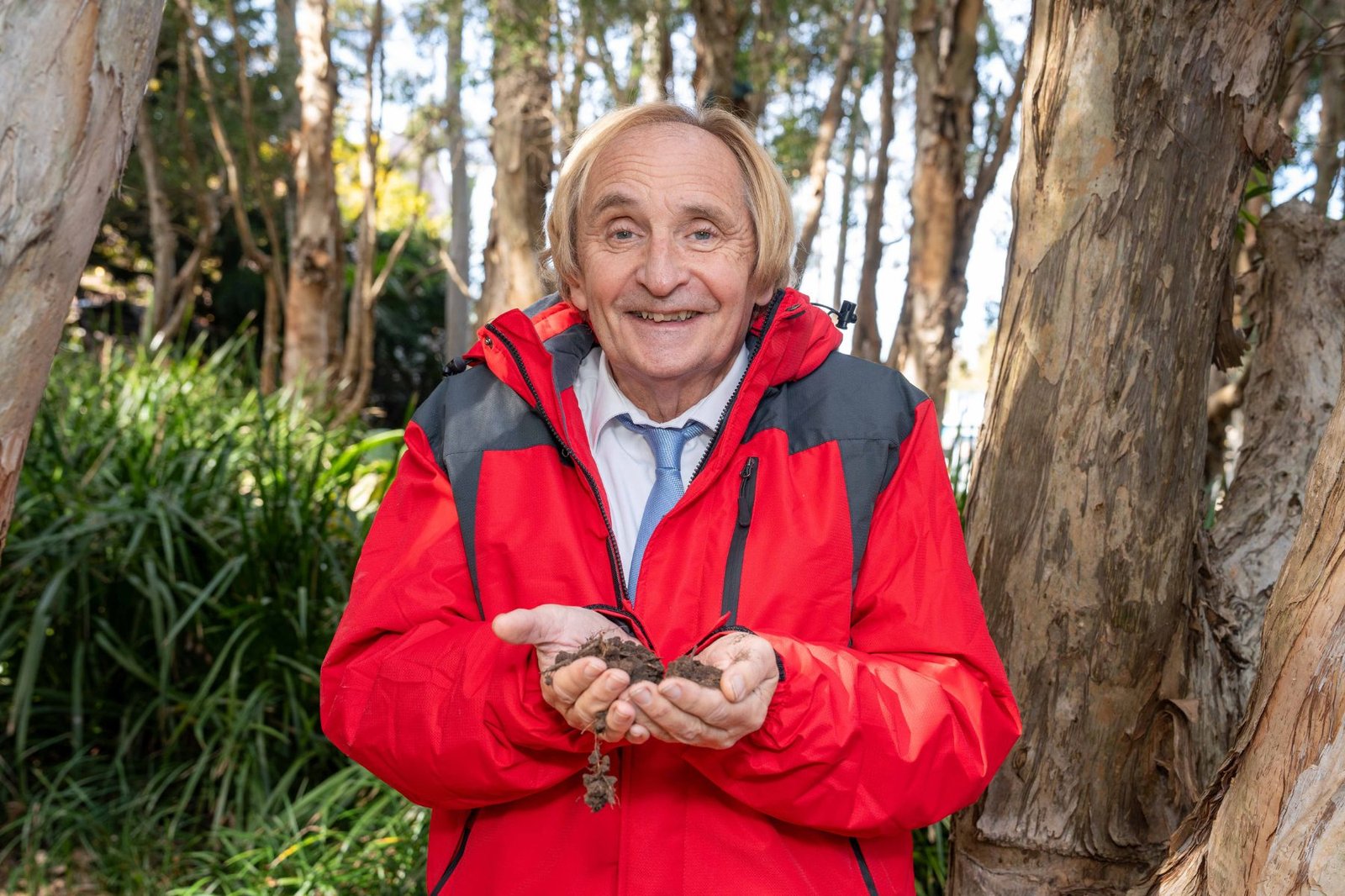
University of Sydney Eureka Prize for Sustainability Research. Professor Alex McBratney, University of Sydney.
Image: University of Sydney© University of Sydney
Combining sensors, satellites, computer modelling and microbial ecology, Professor Alex McBratney has developed smart tools to make agriculture more productive and sustainable. They help trap atmospheric carbon in soils and create healthier environments for future generations. The tools and methods have been adopted in Australian agriculture and around the world.
UNSW
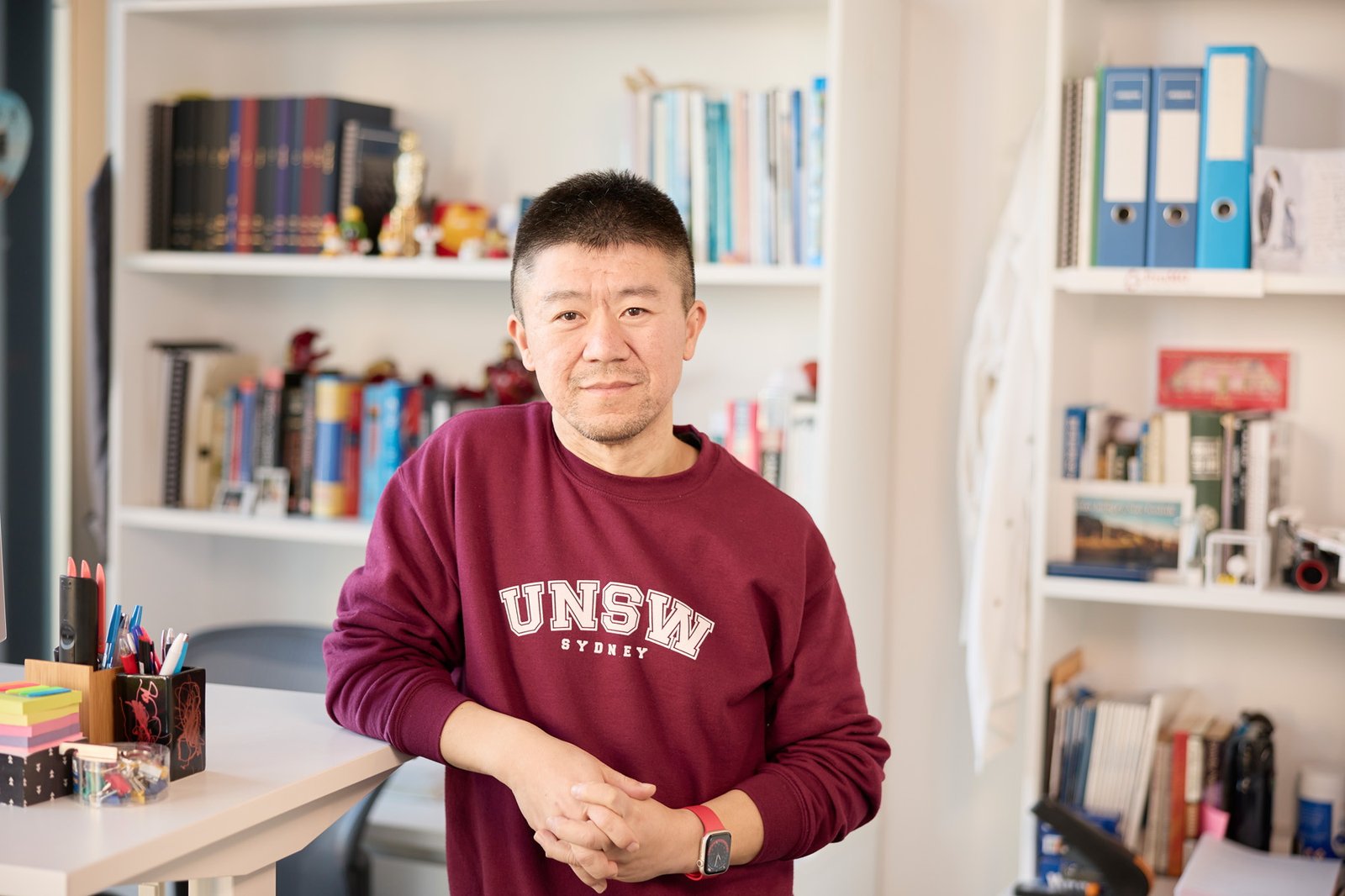
University of Sydney Eureka Prize for Sustainability Research. Professor Yansong Shen, UNSW.
Image: Richard Freeman© Richard Freeman
With an estimated 1.7 million tonnes of solar panels coming to the end of their life in 2030, Professor Yansong Shen has developed a novel, low-cost, complete recycling system that diverts all waste from landfill and provides a supply of rare materials – such as silver – for new panels.
Leadership
Eureka Prize for Emerging Leader in Science
UNSW and Kelp Forest Alliance
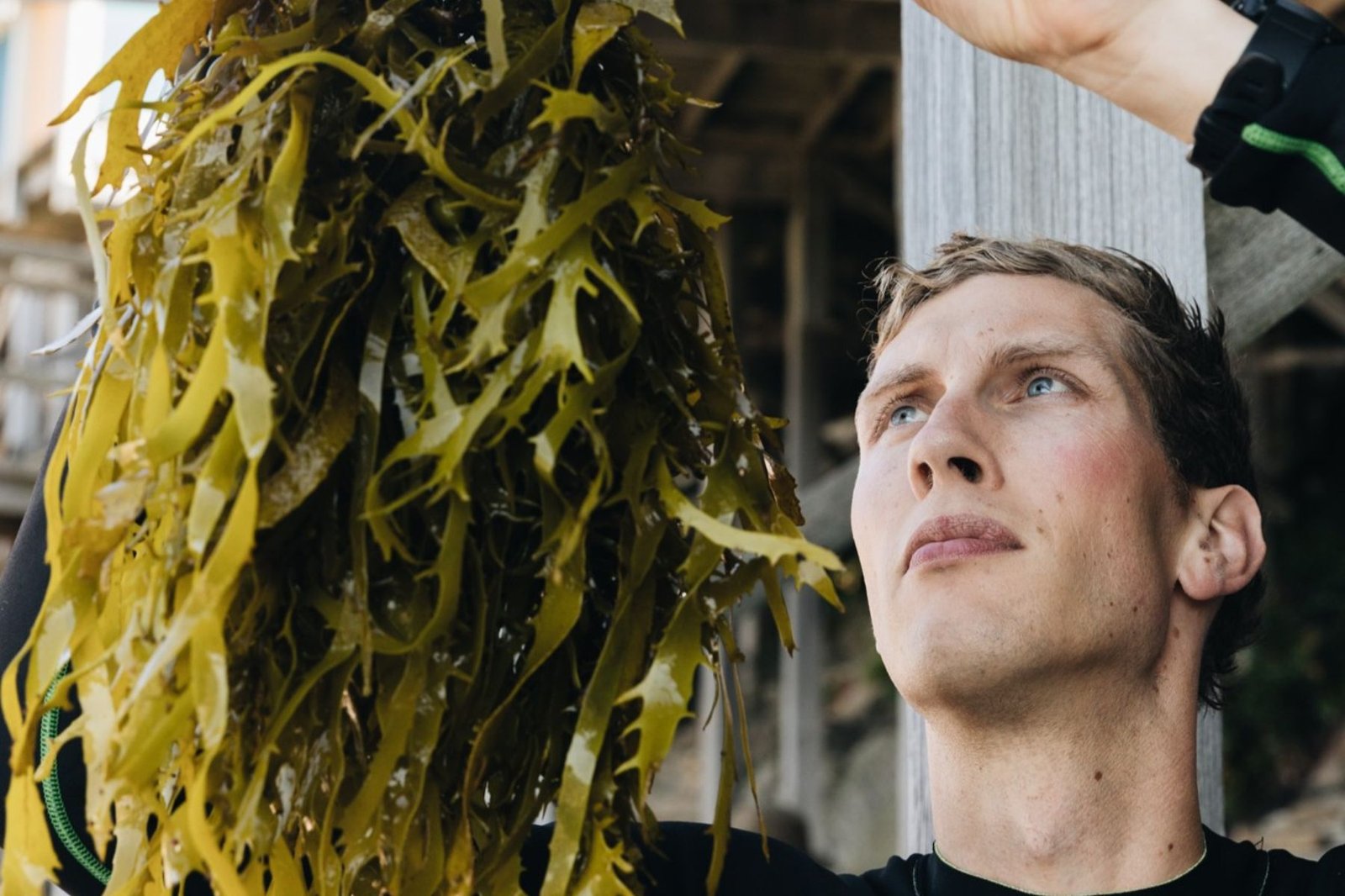
Eureka Prize for Emerging Leader in Science. Dr Aaron Eger, UNSW and Kelp Forest Alliance.
Image: UNSW© UNSW
Dr Aaron Eger champions one of Earth’s most vital yet overlooked ecosystems: underwater kelp forests. He founded the Kelp Forest Alliance, uniting 340 organisations across 25 countries from science, community and policy. His leadership informs a global ambition to protect and restore 4 million hectares of kelp forests by 2040.
Western Sydney University
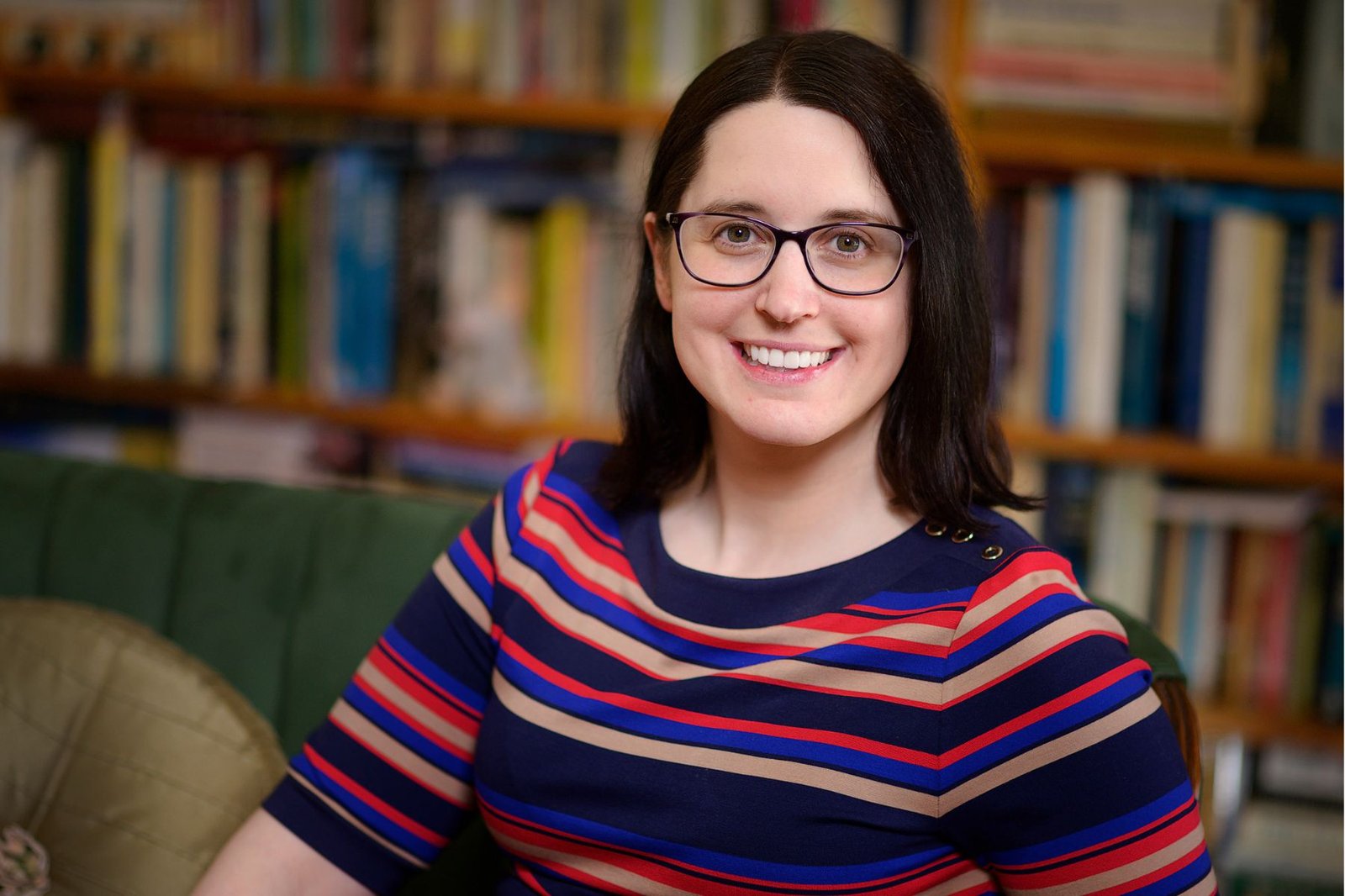
Eureka Prize for Emerging Leader in Science. Professor Gemma Sharp, Western Sydney University.
Image: Ben Searcy© Western Sydney University
Professor Gemma Sharp has transformed global understanding and care for people with body image, eating and weight disorders. Her research and digital tools have supported hundreds of thousands worldwide. As Founding Director of the Consortium for Research in Eating Disorders, she unites voices across five continents to drive inclusive, evidence-based change.
The Peter Doherty Institute for Infection and Immunity, University of Melbourne
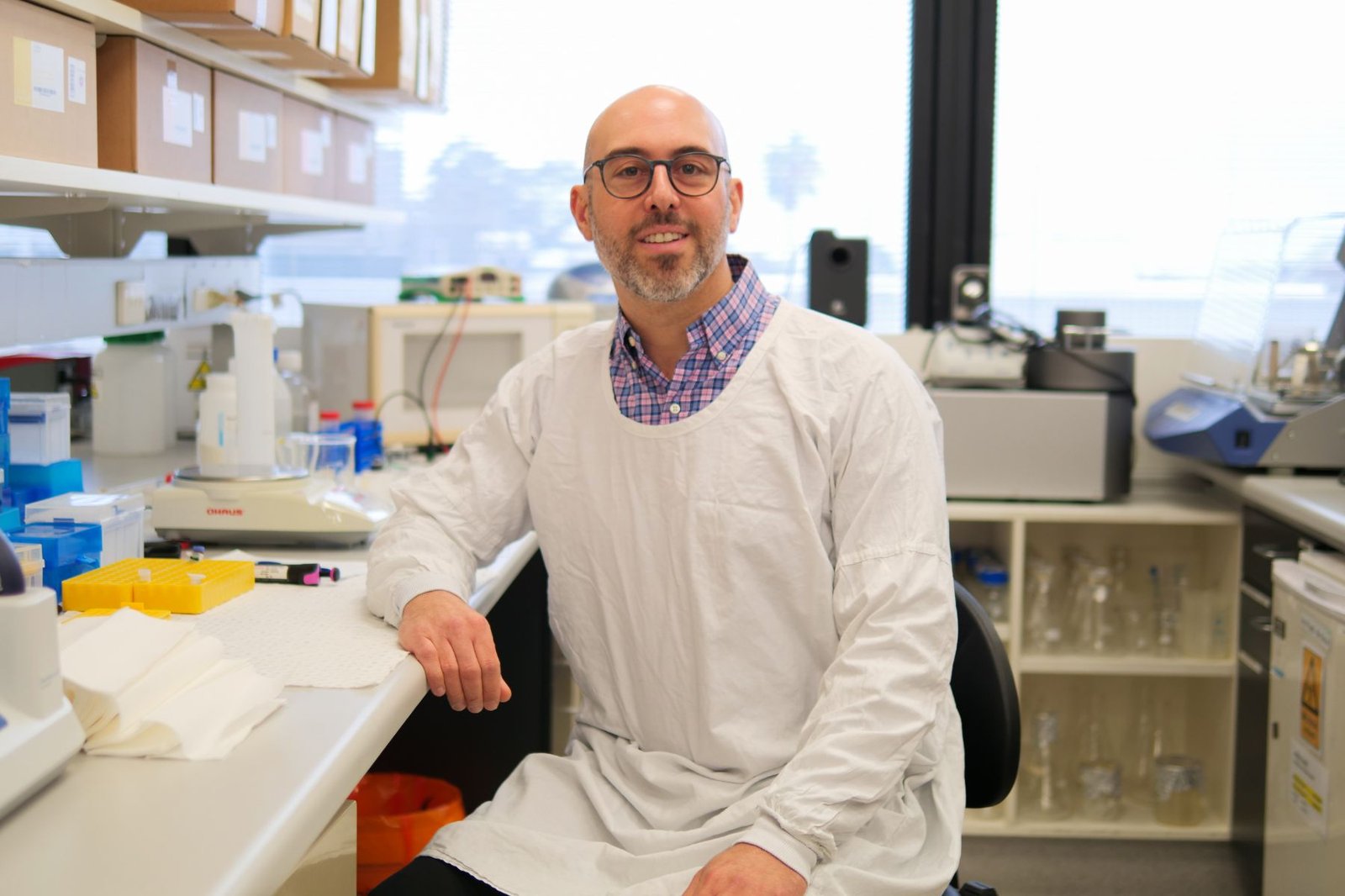
Eureka Prize for Emerging Leader in Science. Professor Jason Trubiano, University of Melbourne.
Image: Doherty Institute© Doherty Institute
Professor Jason Trubiano has transformed antibiotic allergy management, helping thousands of patients access safer, more effective treatments. His research and tools are used in hospitals across Australia and internationally. Through diagnostic innovations, and by leading training programs and global networks, he is improving prescribing practices and tackling antimicrobial resistance.
Eureka Prize for Leadership in Science
Australian National University
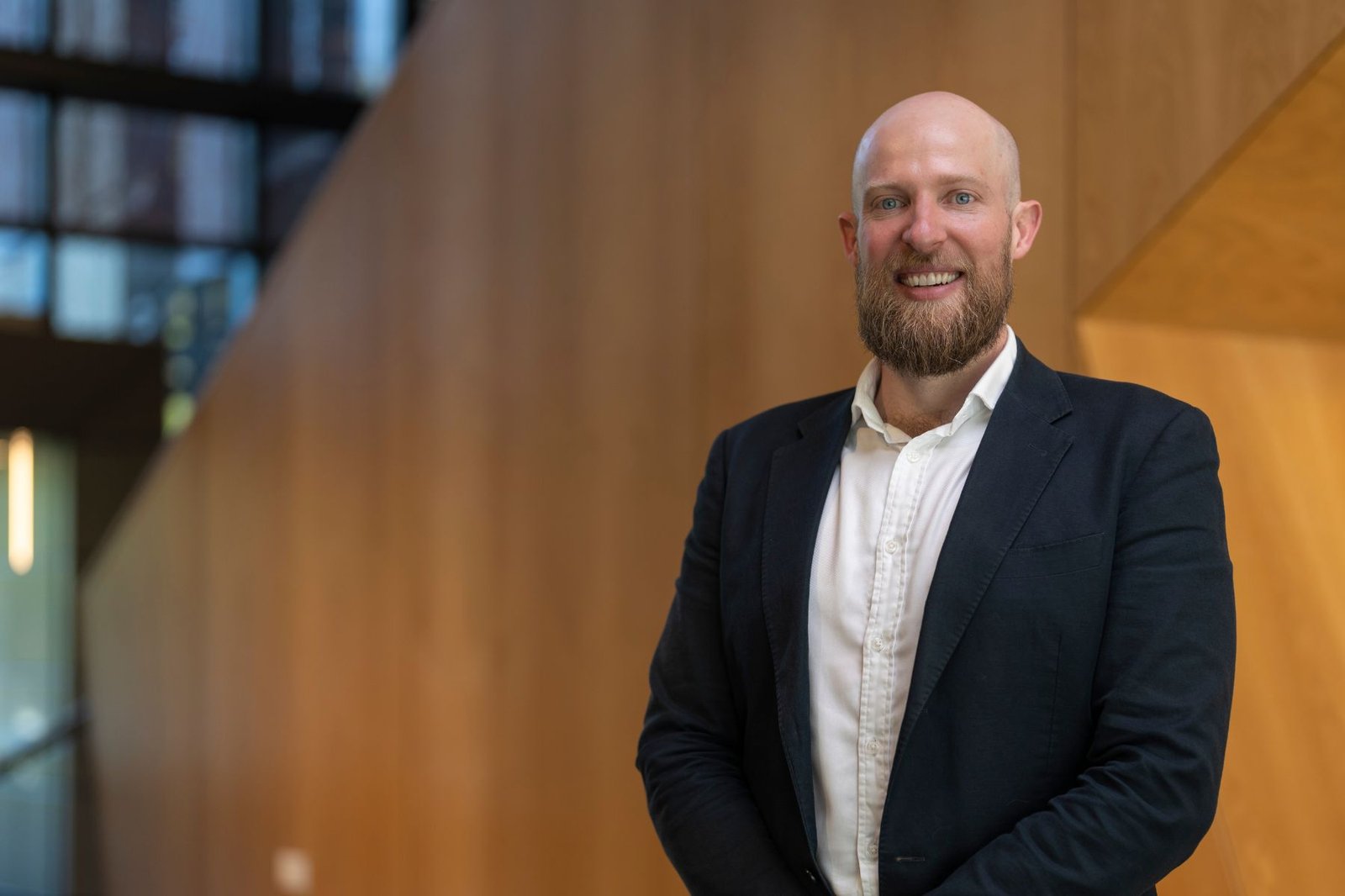
Eureka Prize for Leadership in Science. Professor Lachlan Blackhall, Australian National University.
Image: Supplied© Australian National University
Professor Lachlan Blackhall is leading Australia’s energy transition through science, strategy and collaboration. He is a founder of Reposit Power, the Battery Storage and Grid Integration Program and the Interoperability Steering Committee, linking research, industry, policy and regulation to accelerate the transition to a more equitable energy system.
University of Adelaide
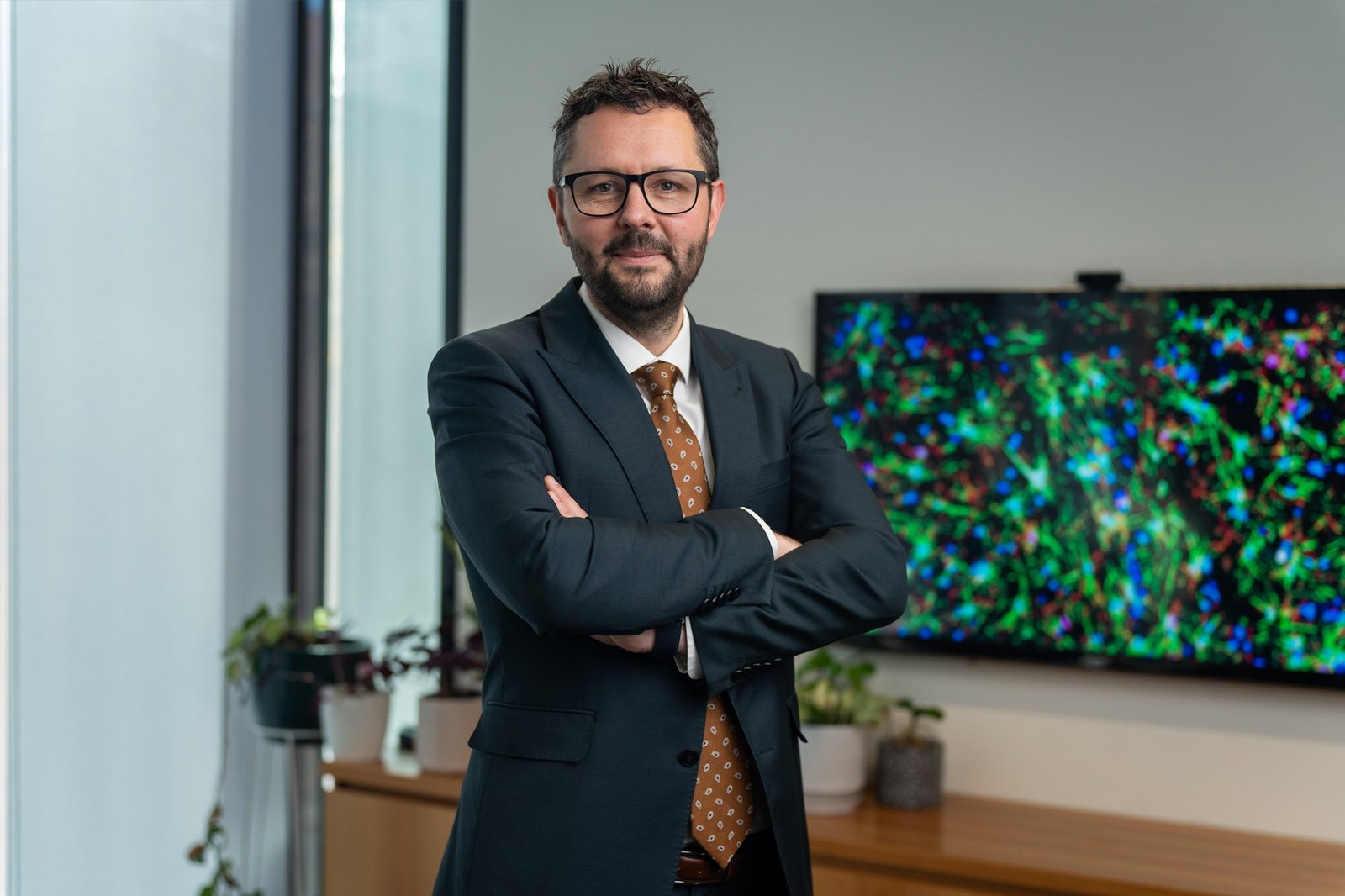
Eureka Prize for Leadership in Science. Professor Mark Hutchinson, University of Adelaide.
Image: Nelson Da Silva© Nelson Da Silva
Professor Mark Hutchinson is reshaping Australia’s research and innovation landscape. As Director of the ARC Centre of Excellence for Nanoscale BioPhotonics, he pioneered a bench-to-boardroom model that has led to 19 spin-outs. He also helped establish the $1.6 billion Australian Economic Accelerator and advises Cabinet on national science priorities.
Macquarie University
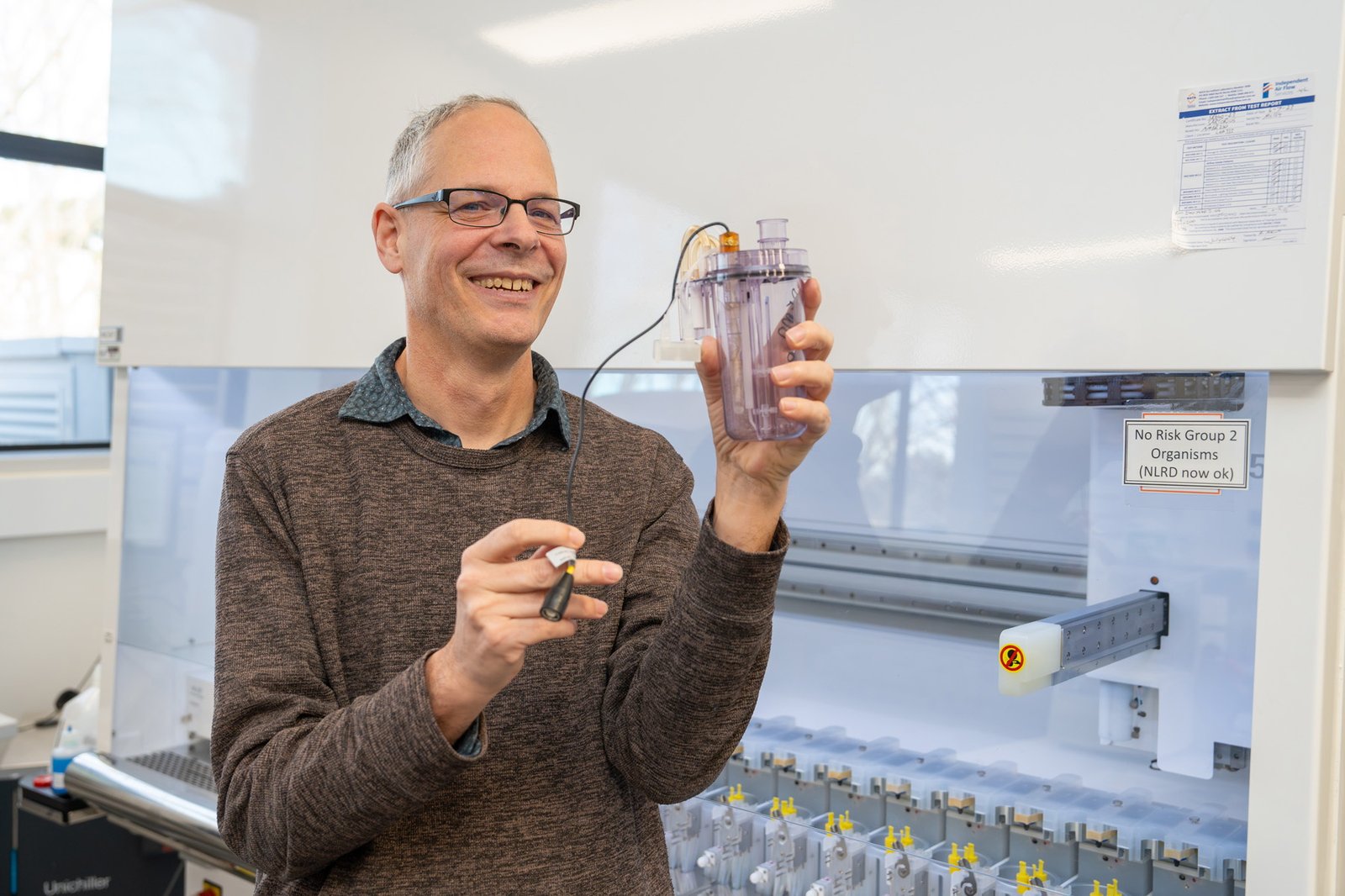
Eureka Prize for Leadership in Science. Distinguished Professor Ian Paulsen, Macquarie University.
Image: Joanne Samuel© Macquarie University
Distinguished Professor Ian Paulsen has transformed synthetic biology from a niche science in Australia to a national strength. He leads the Australian Genome Foundry and the ARC Centre of Excellence in Synthetic Biology, which has spun out nine start-up companies that have raised more than $200 million in venture capital.
University of Technology Sydney Eureka Prize for Outstanding Mentor of Researchers
The University of Sydney
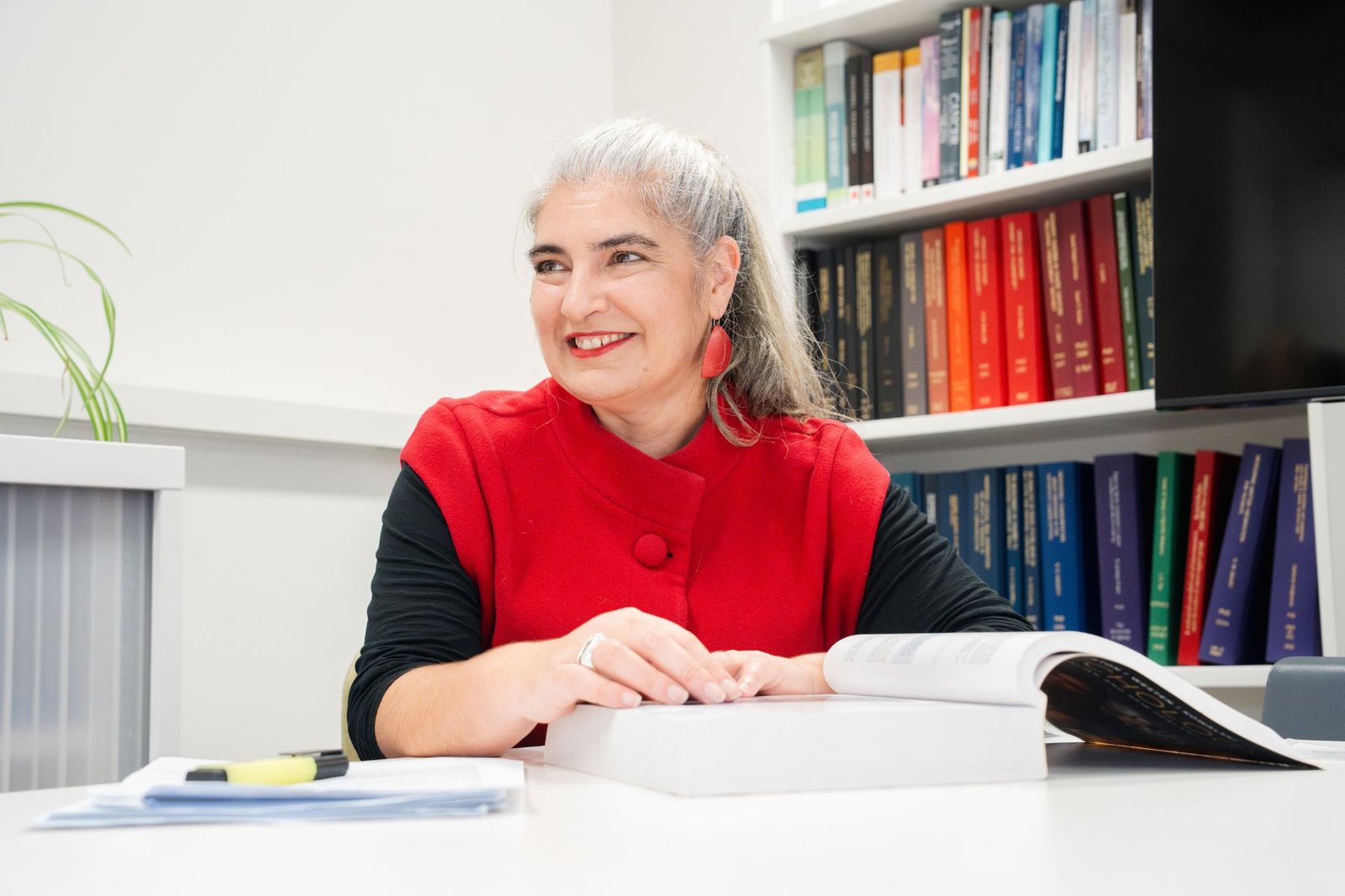
University of Technology Sydney Eureka Prize for Outstanding Mentor of Researchers. Professor Haryana Dhillon, the University of Sydney.
Image: University of Sydney© University of Sydney
With a dedicated open-door policy and an explicit career goal to mentor and train the next generation, psycho-oncology researcher Professor Haryana Dhillon has poured time into her students from honours to post-doc for two decades. Haryana has won multiple supervision awards, and their students have won university medals including thesis awards.
The University of Melbourne
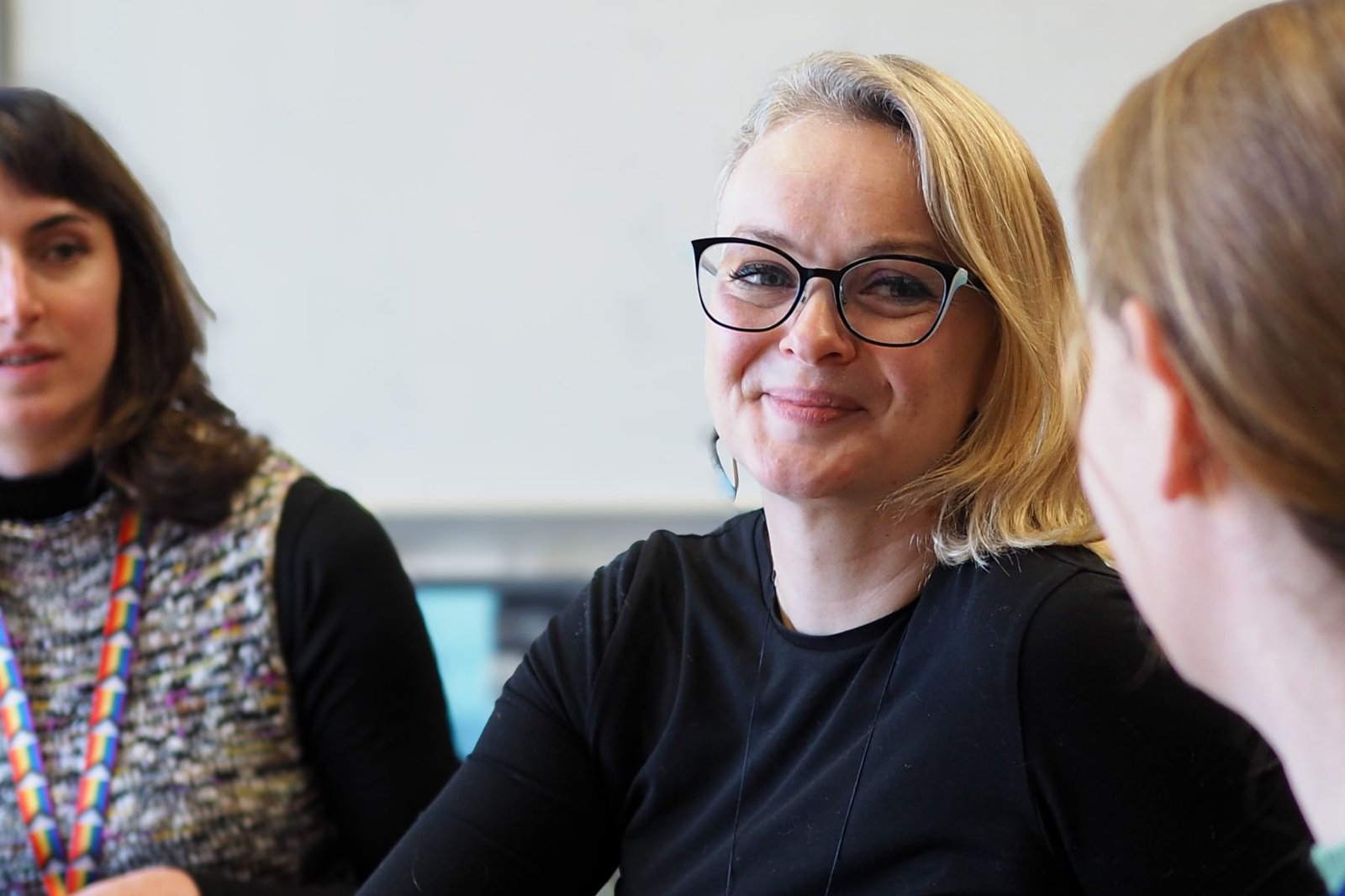
University of Technology Sydney Eureka Prize for Outstanding Mentor of Researchers. Associate Professor Karen Lamb, University of Melbourne.
Image: University of Melbourne© University of Melbourne
In 2020, Associate Professor Karen Lamb single-handedly created a national mentoring program for statisticians in Australia that has supported more than 200 statisticians. She has advised on mentoring programs internationally in Canada, the UK and New Zealand and advocated for diversity in statistical publications and academic promotions.
Queensland University of Technology
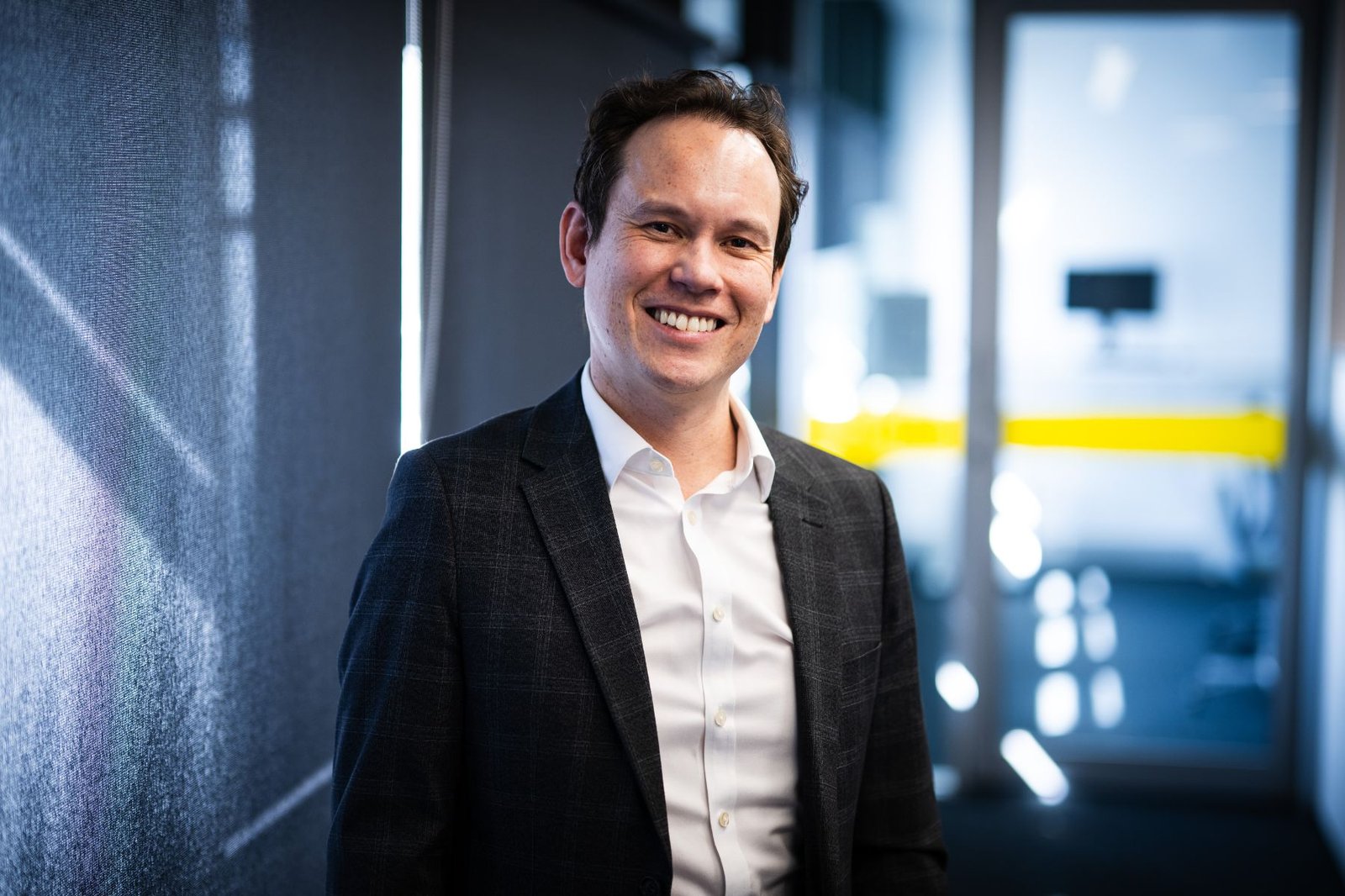
University of Technology Sydney Eureka Prize for Outstanding Mentor of Researchers. Professor Michael Milford, Queensland University of Technology.
Image: Tony Phillips© Queensland University of Technology
Testimonials describe Professor Michael Milford’s impact as life-and career-changing, with his mentees winning major grants, awards and leadership positions. From school students to senior professors across multiple disciplines, he has reached thousands around the world through both one-on-one mentoring and his highly successful video and podcast series Hacking Academia.
Science Engagement
Department of Industry, Science and Resources Eureka Prize for Innovation in Citizen Science
Murdoch University
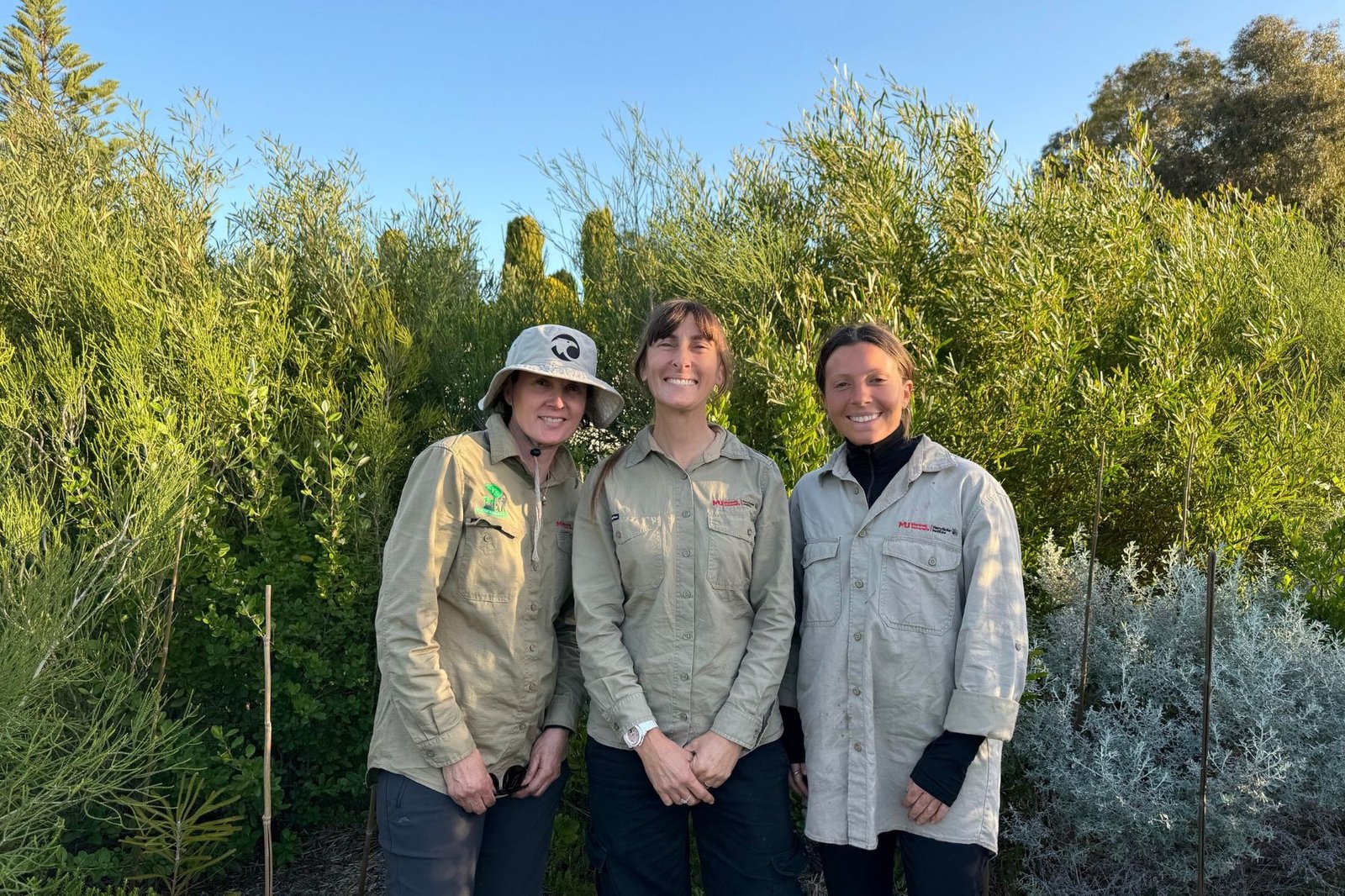
Department of Industry, Science and Resources Eureka Prize for Innovation in Citizen Science Miyawaki Forest Outreach Program, Murdoch University. Finalist team L-R: Ms Ainsley Andrew, Dr Grey Coupland, Ms Jessica Porchez.
Image: Alexy Duquenne© Murdoch University
Recognised by UNESCO as a global Green Citizens project, the Miyawaki Forest Outreach Program engages Western Australian school students to plant, nurture and study small, dense, fast-maturing forests that invigorate urban environments. Seventeen schools have taken up the project, with links to Miyawaki forest programs and networks around the world.
Flinders University
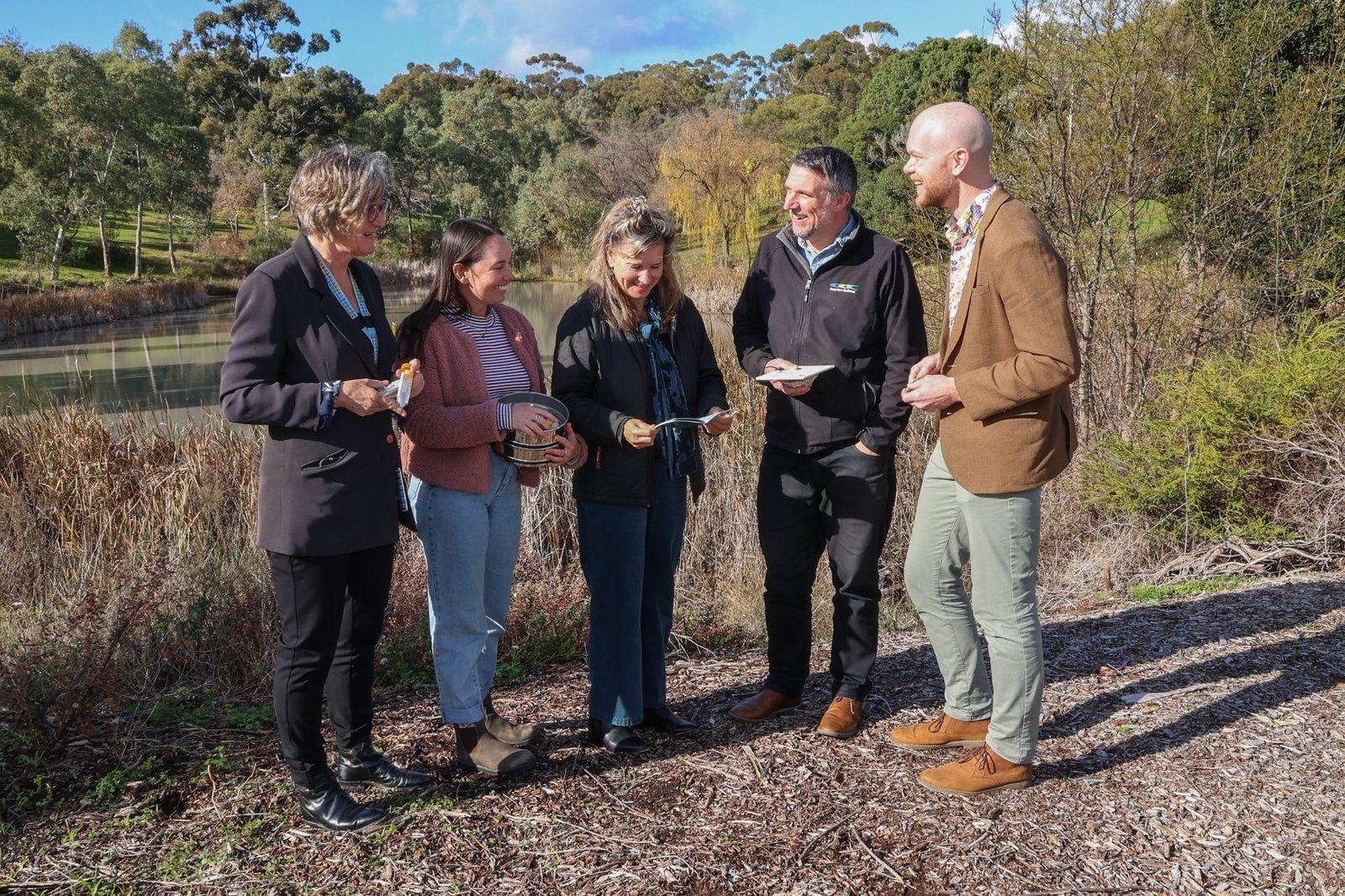
Department of Industry, Science and Resources Eureka Prize for Innovation in Citizen Science. Passport2Recovery, Flinders University. Finalist team L-R: Professor Kirstin Ross, Dr Cassie Hoepner, Professor Karen Burke da Silva, Dr Ryan Baring and Dr Julian Beaman.
Image: Traci Klarenbeek© Flinders University
Passport2Recovery provides critical insights into Kangaroo Island’s recovery after the 2020 bushfires. It unites 12 research programs in one website and app, including initiatives on native bees, roadkill and koala movements. More than 5,000 tourists from 47 countries have engaged with the program, gaining scientific literacy for future citizen science projects.
Sunshine Coast Council; University of the Sunshine Coast; and project partners
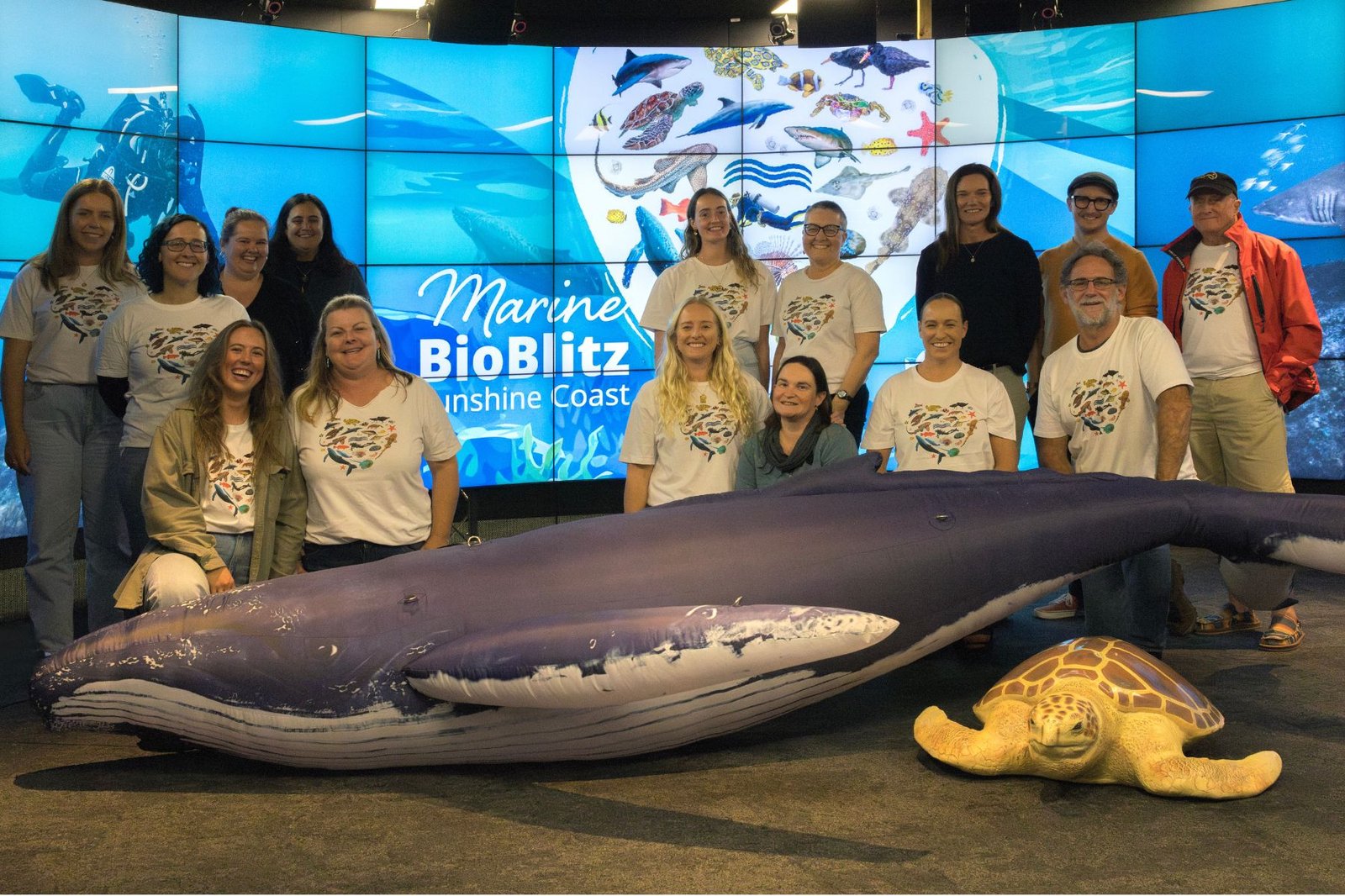
Department of Industry, Science and Resources Eureka Prize for Innovation in Citizen Science Sunshine Coast Marine BioBlitz, Sunshine Coast Council; University of the Sunshine Coast; and project partners. Representatives from the finalist team L-R: Georgina Hume, Alexis Leavengood, Emily Gregory, Leah Barclay, Janine Fuller, Kirrily Sneddon, Kate Hofmeister, Melina Keane, Stefanie Reif, Leisa Baldwin, Jodi Salmond, Leanda Garvie, Ste Everington, Darren Jew, Gary Cobb.
Image: Marcia Grimm© Sunshine Coast Council
More than 800 participants – including schoolchildren, business owners, tourists and Traditional Owners – surveyed marine life across 50km of coastline in the Sunshine Coast UNESCO Biosphere over three days in August 2024. Alongside STEM professionals, they documented hundreds of species while highlighting the power of accessible, community-led science in shaping conservation.
Celestino Eureka Prize for Promoting Understanding of Science
University of Tasmania
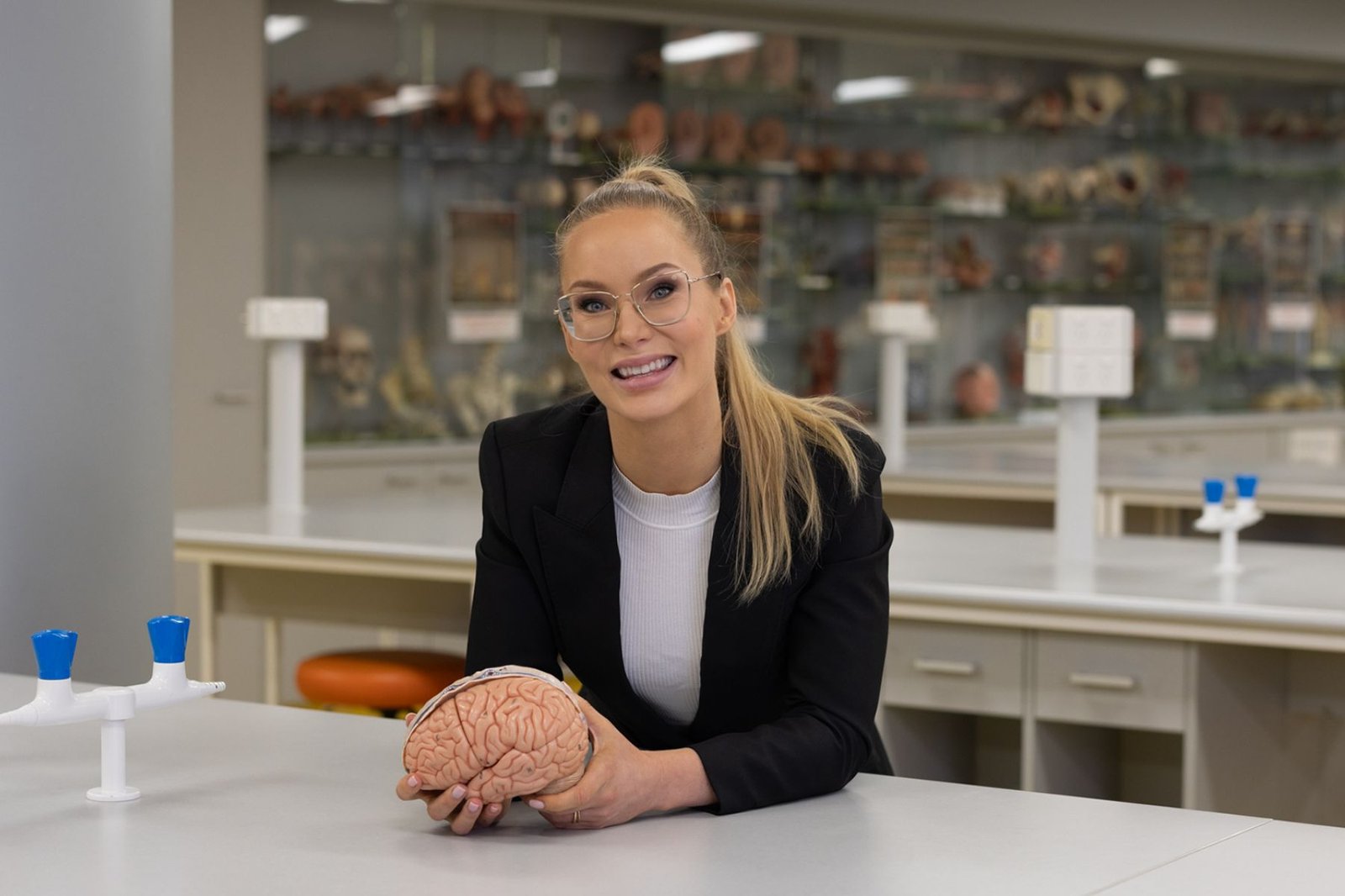
Celestino Eureka Prize for Promoting Understanding of Science. Dr Lila Landowski, University of Tasmania.
Image: Jo Hanuszewicz© Jo Hanuszewicz
Blending storytelling, humour and neuroscience, Dr Lila Landowski reaches millions through keynotes, media and videos. Her footage of neurons connecting and TEDx talk are used in classrooms worldwide. As a World Health Organization Fides health ambassador and Vice President of Science and Technology Australia, she also helps shape policy and fight misinformation.
Macquarie University
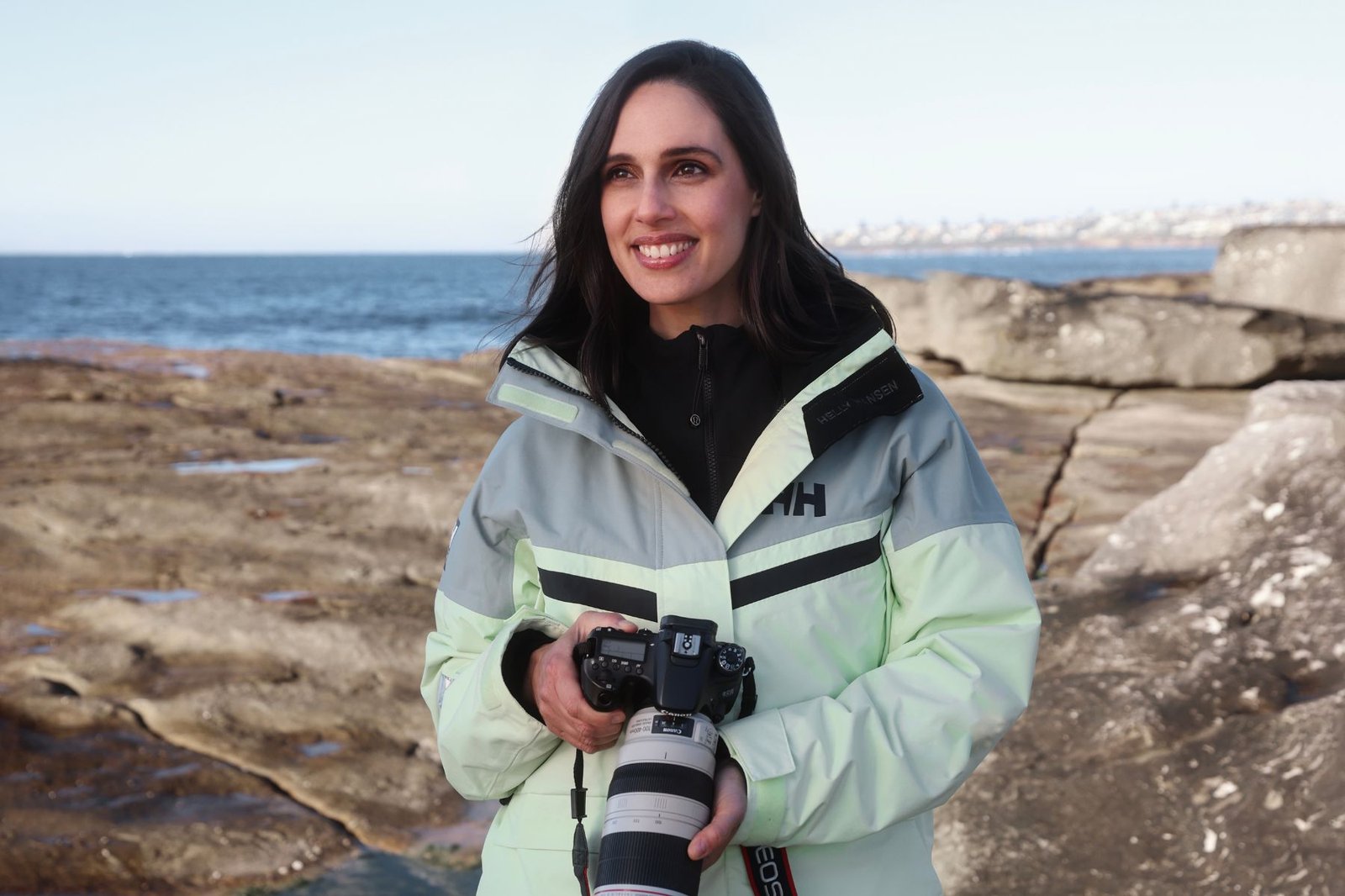
Celestino Eureka Prize for Promoting Understanding of Science. Dr Vanessa Pirotta, Macquarie University.
Image: Macquarie University© Macquarie University
From Play School to politics, Dr Vanessa Pirotta champions ocean conservation through clear, accessible science communication. A wildlife scientist specialising in whale research, she is a trusted media voice, an author and the founder of citizen science programs, helping Australians of all ages make informed decisions about the future of our marine ecosystems.
Australian Museum and UNSW
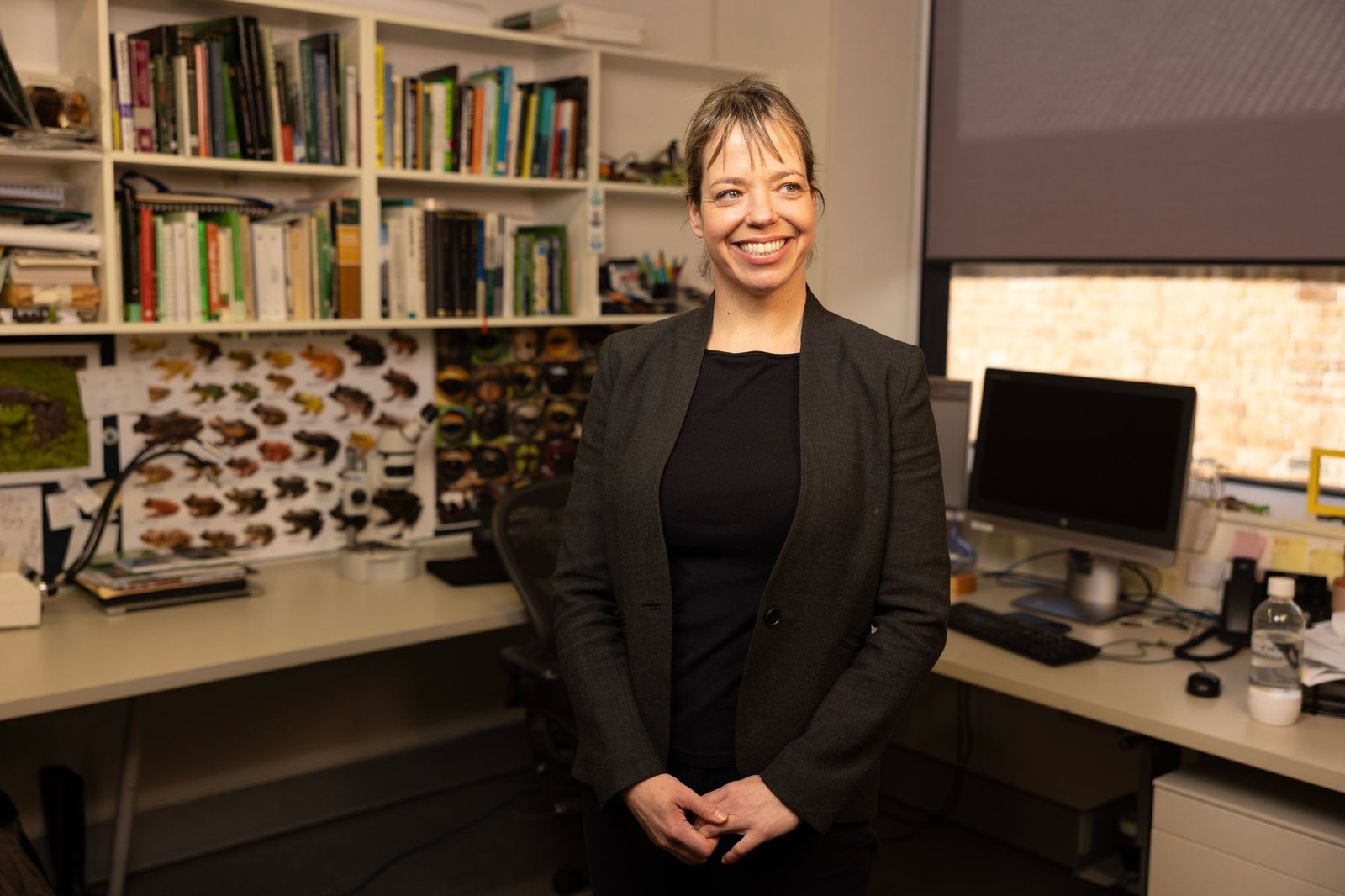
Celestino Eureka Prize for Promoting Understanding of Science. Dr Jodi Rowley, Australian Museum and UNSW.
Image: Australian Museum© Australian Museum
Dr Jodi Rowley connects the public with science and biodiversity through stories from the field – searching for frogs in remote places, uncovering rare species and sharing the thrill of discovery. With a strong media presence, including ABC Radio and The Conversation, she also leads the national citizen science project, FrogID.
Australian Museum Eureka Prize for Science Journalism
Australian Broadcasting Corporation
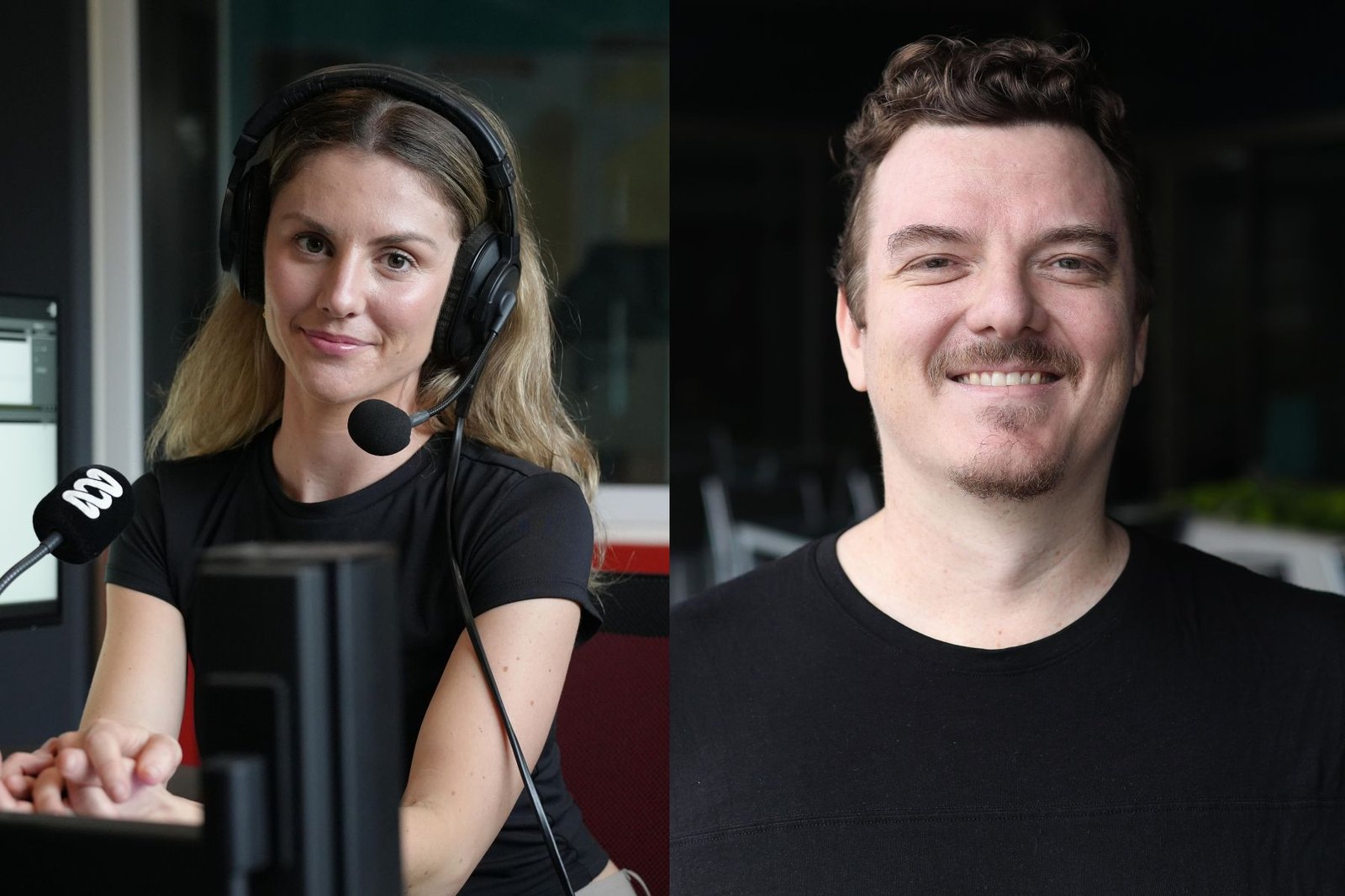
Australian Museum Eureka Prize for Science Journalism. Tyne Logan and Ashley Kyd, ABC.
Image: Australian Broadcasting Corporation© Australian Broadcasting Corporation
Given a tip off about the fourth recorded global coral bleaching event, Tyne Logan and Ashley Kyd published an in-depth article the day the event was declared by the National Oceanic and Atmospheric Administration. It combines striking visuals, interactive data and personal stories to highlight the urgent crisis facing reefs worldwide.
Published by ABC News online on 16 April 2024
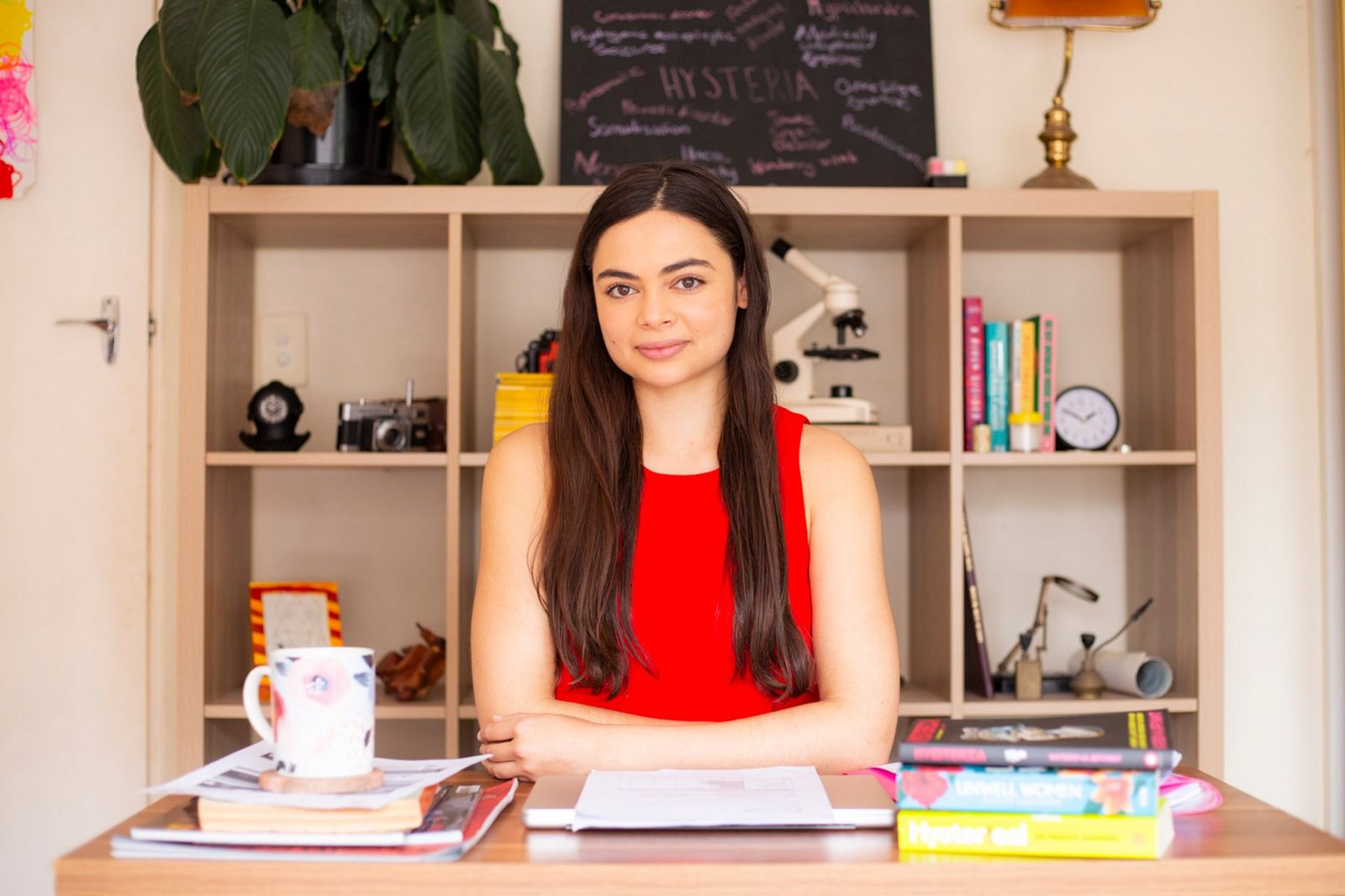
Australian Museum Eureka Prize for Science Journalism. Hysteria producer, writer and director Maddie Massy, representing the finalist team. Not pictured: Margie Bryant, Tejas Bhat and Henry Zwartz.
Image: Henry Zwartz© Henry Zwartz
Many women feel dismissed when seeking healthcare. Enter Hysteria, a 14-part series about the barriers women face in a health system designed mostly by men, for men. Distributed via social media, the one-minute episodes by Maddie Massy, Margie Bryant, Tejas Bhat and Henry Zwartz include insights from professionals, scientists, politicians, and women.
Instagram, TikTok and YouTube, 10 March 2025
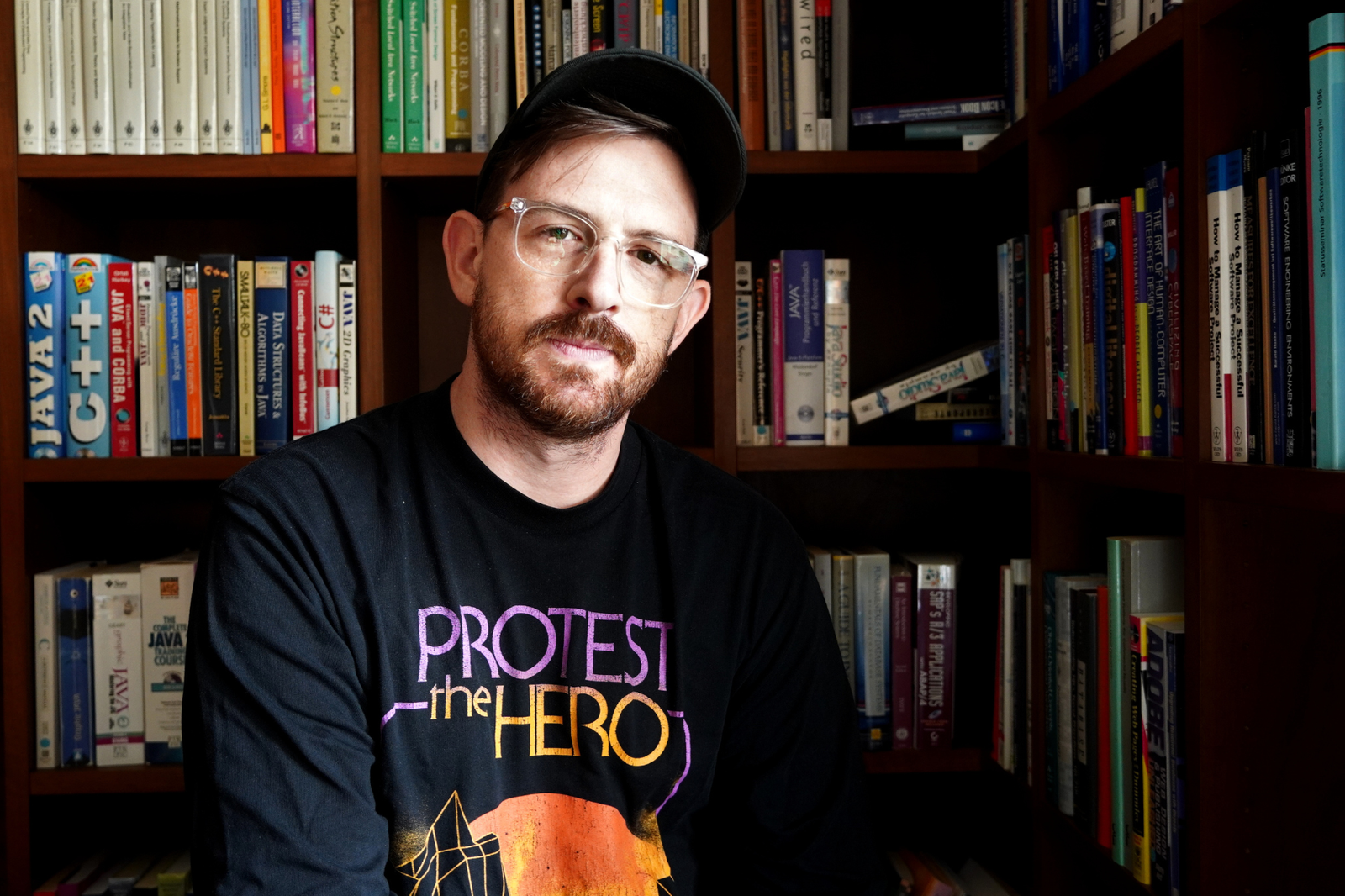
Australian Museum Eureka Prize for Science Journalism. Dr Jackson Ryan.
Image: Supplied© Jackson Ryan
Highlighting difficult issues rarely covered in any depth, Dr Jackson Ryan has written news reports, essays and longform features in The Monthly and The Saturday Paper on scientific misconduct and misinformation. Risking litigation, his work examines allegations of research integrity breaches against high-profile researchers and how they're investigated by major Australian universities.
Published by The Saturday Paper 13 July 2024, and The Monthly 1 August 2024 and 1 March 2025.
UNSW Eureka Prize for Societal Impact in Science
The University of Sydney
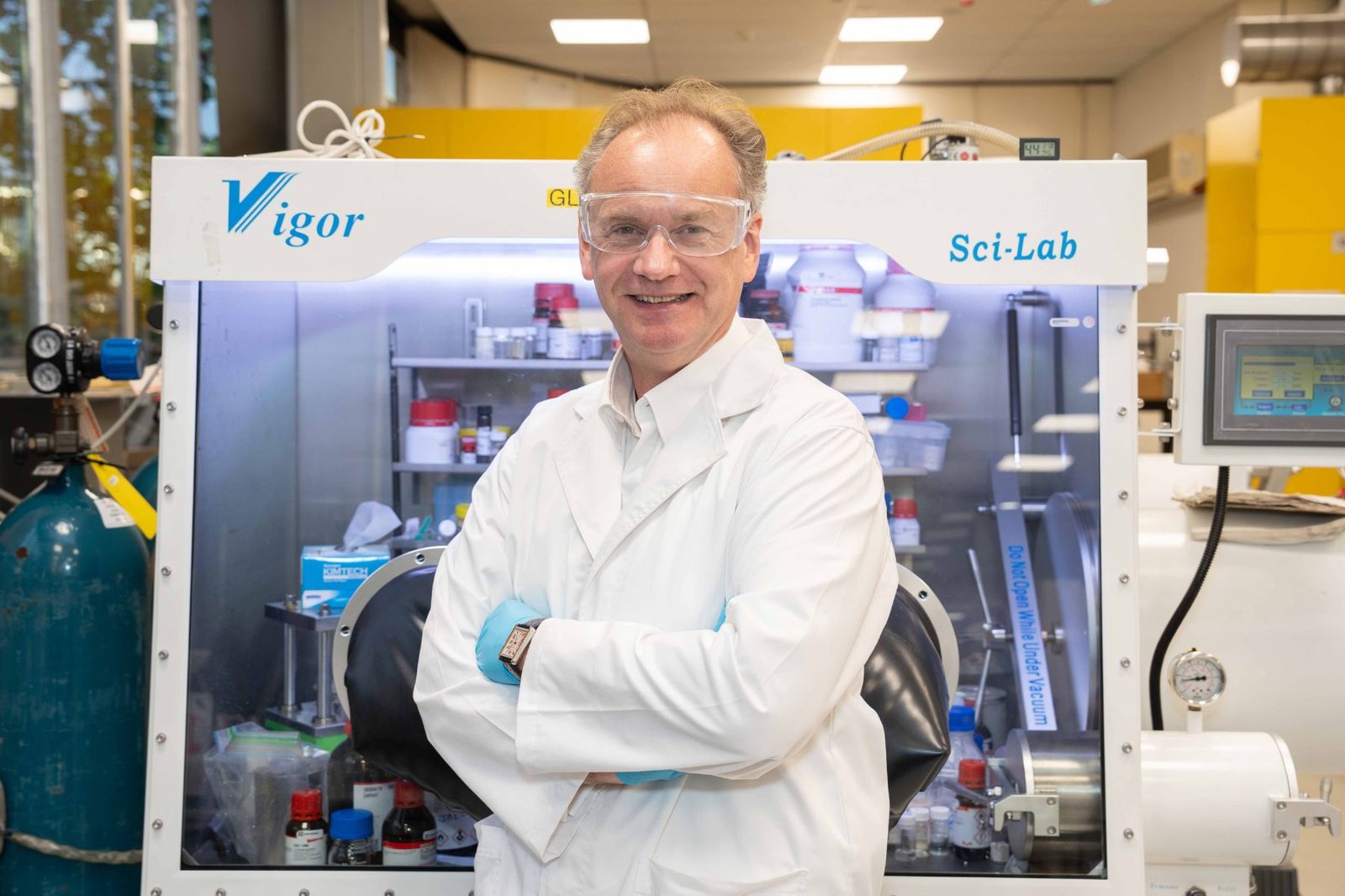
UNSW Eureka Prize for Societal Impact in Science. Professor Thomas Maschmeyer, University of Sydney.
Image: Emlyn Crockett© University of Sydney
Professor Thomas Maschmeyer has developed a scalable technology that converts biomass and mixed plastics into sustainable aviation fuels and chemicals for the circular economy. By turning pollution into a valuable resource, his process reduces emissions, keeps waste out of landfill and helps industry decarbonise. International adoption is accelerating societal impact.
La Trobe University and National Ageing Research Institute
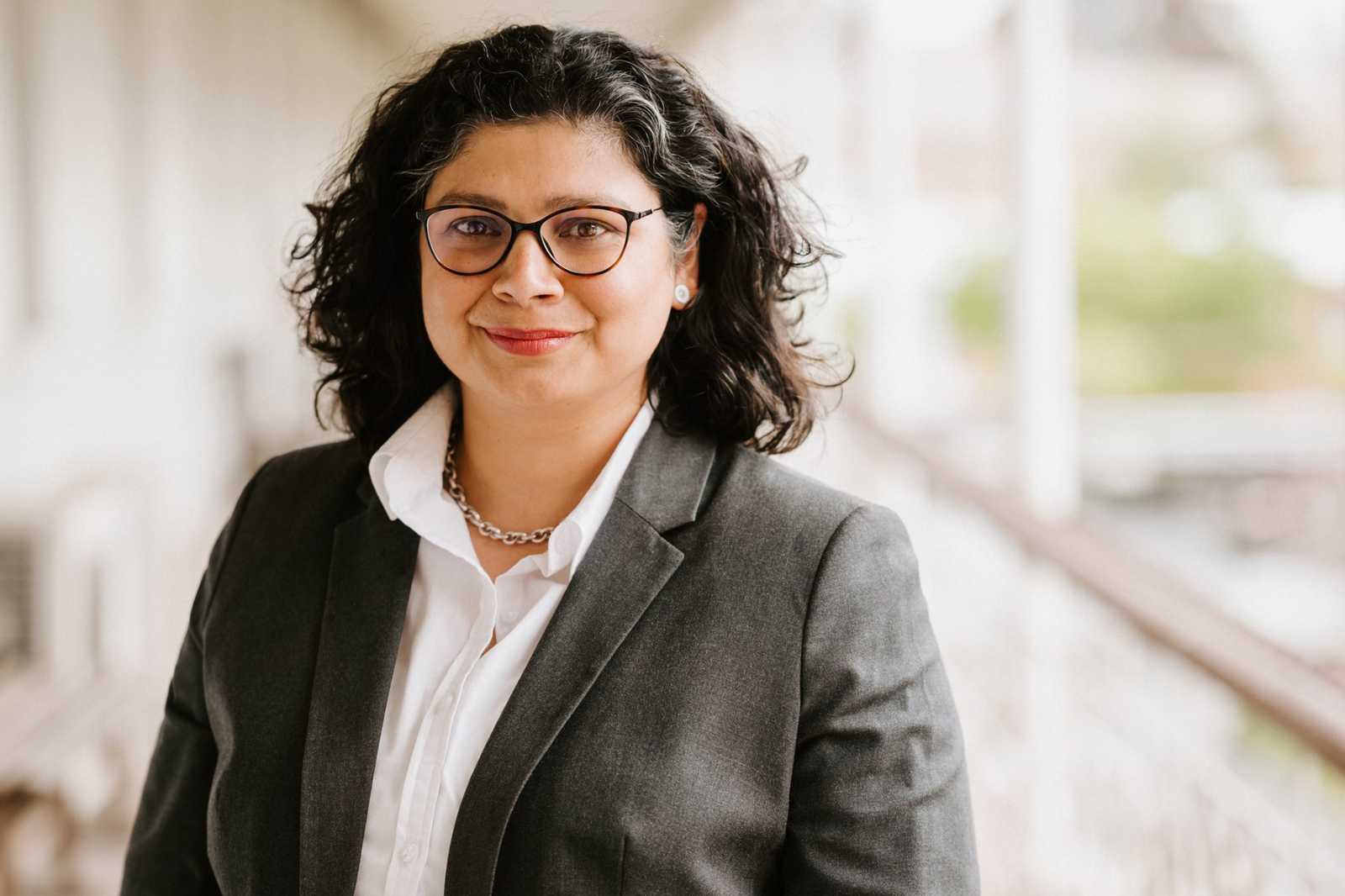
UNSW Eureka Prize for Societal Impact in Science. The MINDSET Team, La Trobe University and Ageing Research Institute. Professor Bianca Brijnath, representing the team.
Image: Bree Dunbar© Bree Dunbar
The MINDSET Team co-designed and trialled online training to enhance interpreter-mediated dementia assessments, significantly improving communication between patients and clinicians. Nationwide, 865 interpreters completed the training, addressing a critical barrier to timely diagnosis for non-English speakers. Now supporting Australia’s National Dementia Plan, the program is being replicated in seven European countries.
The University of Sydney
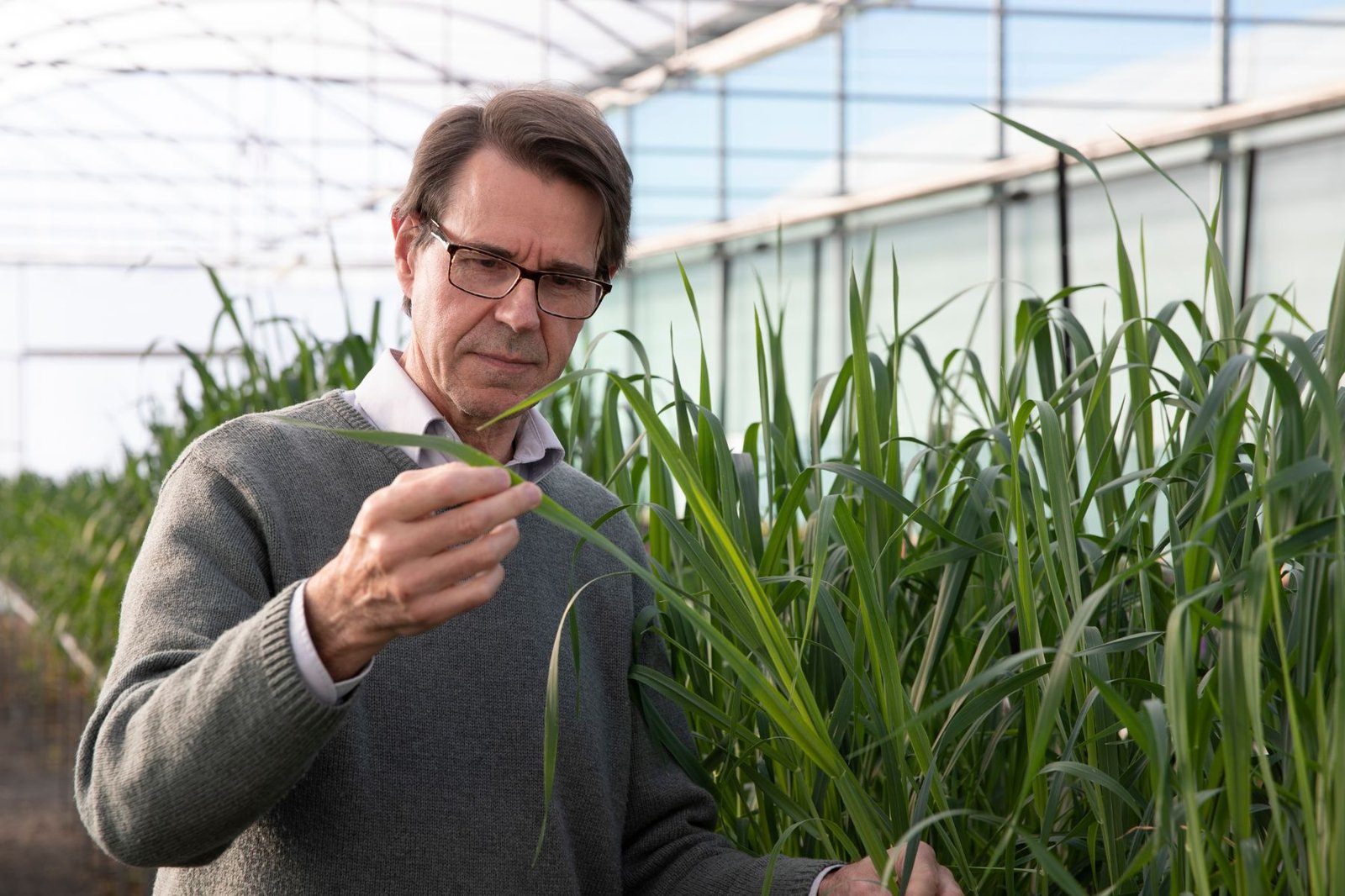
UNSW Eureka Prize for Societal Impact in Science. Professor Robert Park, University of Sydney.
Image: University of Sydney© University of Sydney
Professor Robert Park monitors cereal rust pathogens and develops genetically resistant cereals to stop them. By linking long-term pathogen surveillance with resistance breeding, his work protects harvests, cuts fungicide use and boosts food security in Australia, East Africa, South Asia and other regions vulnerable to devastating rust outbreaks.
Department of Industry, Science and Resources Eureka Prize for STEM Inclusion
Australian Academy of Technological Sciences and Engineering
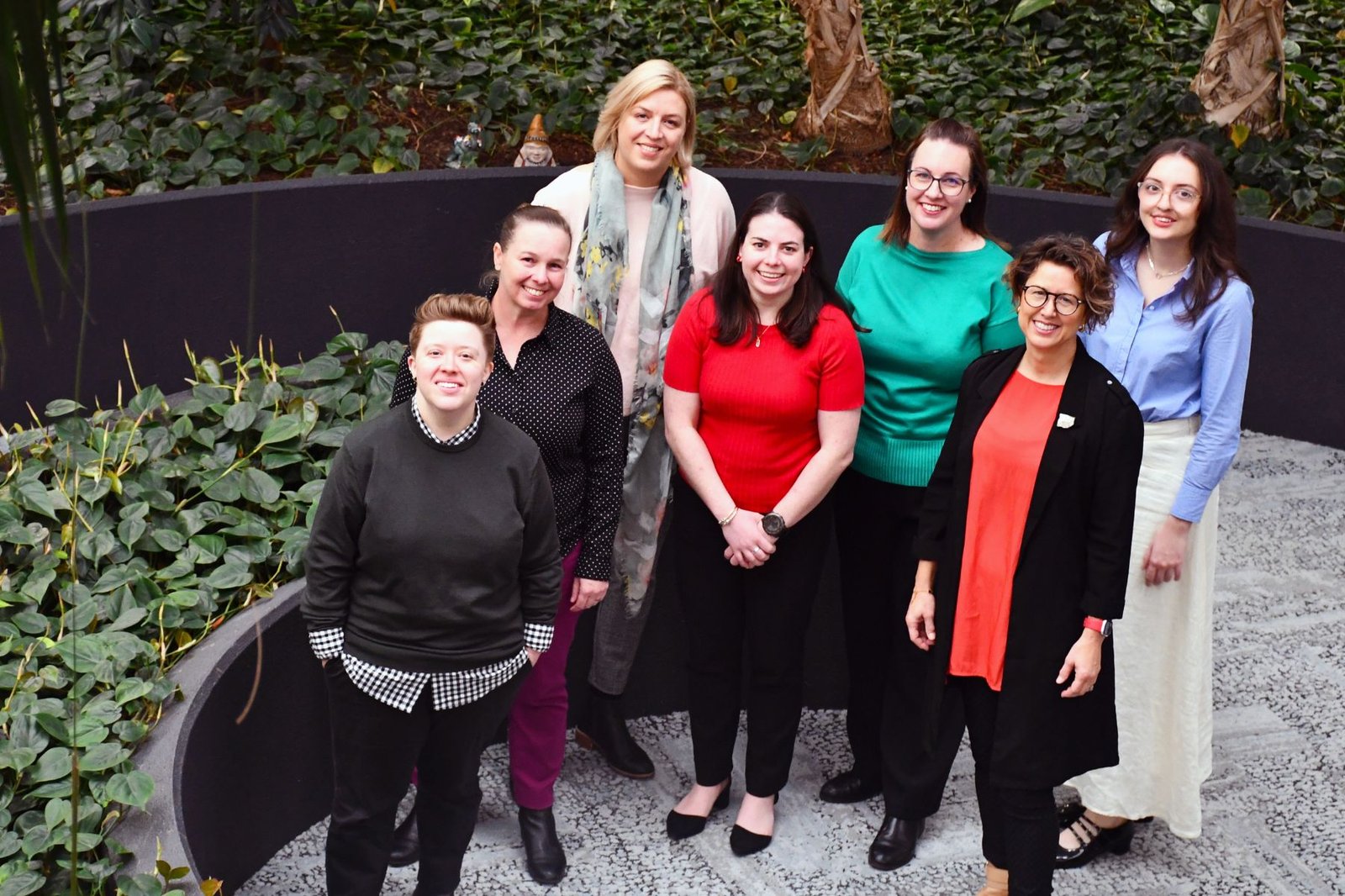
Department of Industry, Science and Resources Eureka Prize for STEM Inclusion. Elevate: Boosting Diversity in STEM Program, Australian Academy of Technological Sciences and Engineering. Finalist team L-R: Isabelle Walsh, Dr Emma Wensing, Dr Alison Every, Georgia Elliott, Georgina Ovin, Kylie Walker and Emily O’Neill.
Image: Adam Huttner-Koros© Australian Academy of Technological Sciences and Engineering
Built by and for diverse people, the Elevate program increases participation in tertiary science, tech and engineering education by providing hundreds of scholarships to women and non-binary people who face barriers to attending university. The life-changing program’s unique approach is transforming the face of Australia’s future STEM leadership.
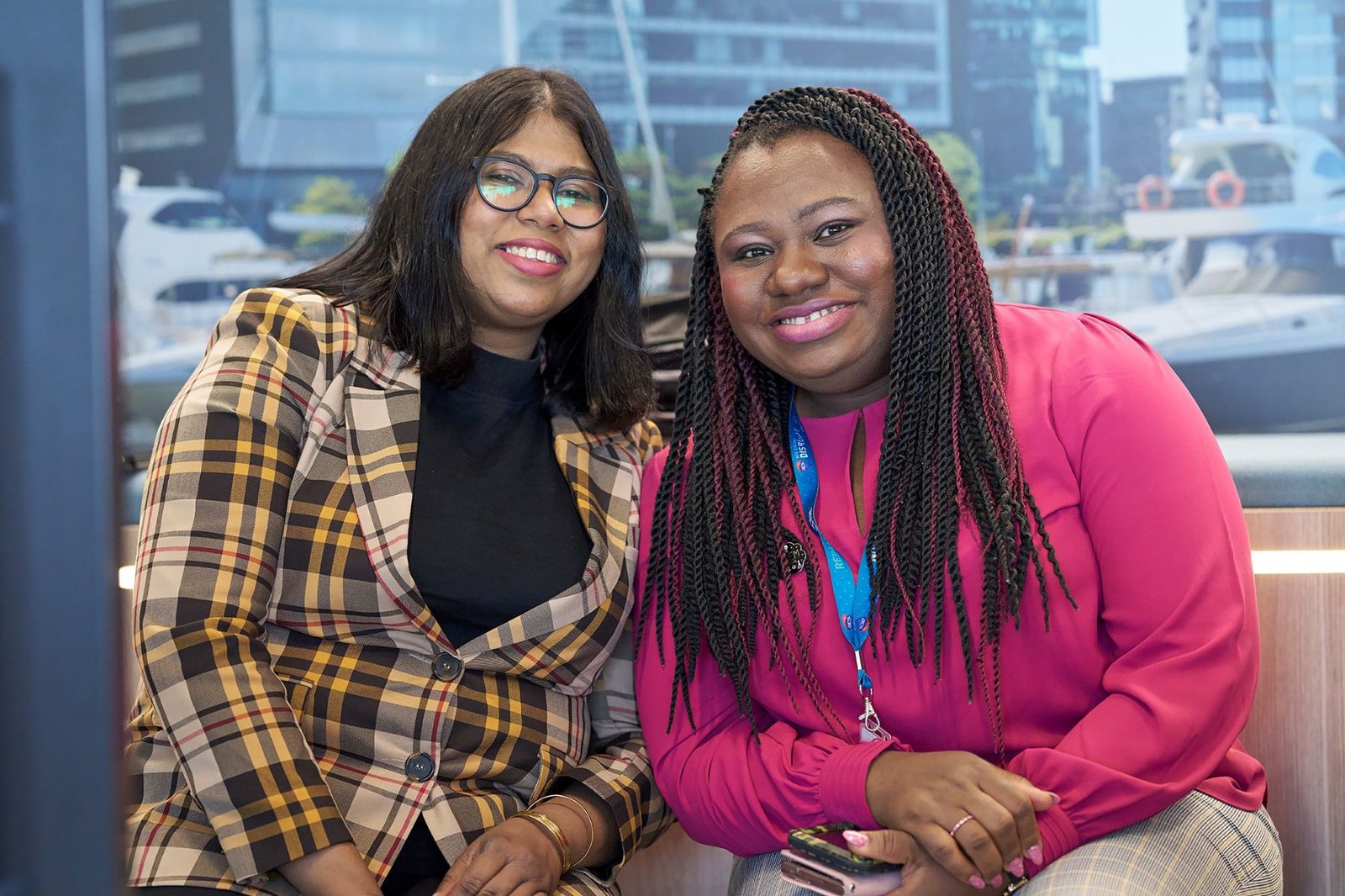
Department of Industry, Science and Resources Eureka Prize for STEM Inclusion. iSTEM Co
Image: Supplied© iSTEM Co
iSTEM Co is a women-led research, consulting and recruit-tech business dedicated to creating fair and equal opportunities for women in STEM. Since 2022, it has supported more than 150 women in gaining STEM jobs and growing their careers, including those from First Nations communities and other diverse cultural backgrounds.
University of Newcastle
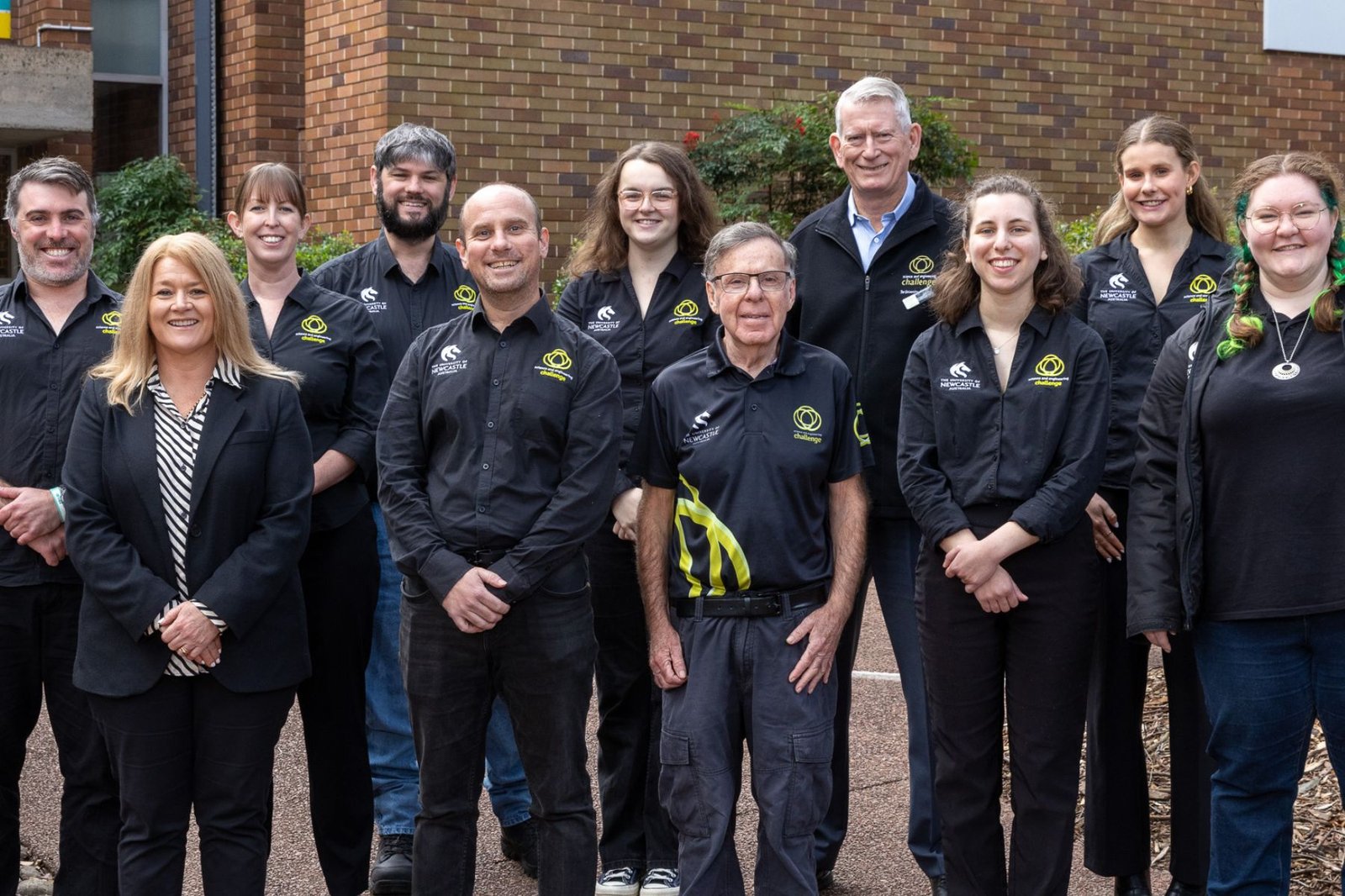
Department of Industry, Science and Resources Eureka Prize for STEM Inclusion. Science and Engineering Challenge, University of Newcastle. Finalist team L-R: Pete Newman, Debbie Delbridge, Lisa Campbell, Chris Hendry, Mick Cassey, Liv Clarkson, Neville Want, John O'Connor, Anna Popowicz, Alice Hollott, Chase Padgett.
Image: University of Newcastle© University of Newcastle
The Science and Engineering Challenge is a national not-for-profit program that delivers 170 STEM outreach events across 88 Australian locations, reaching 25,000 students each year. More than half come from rural and remote areas, with many students experiencing economic or other disadvantage, as well as female and First Nations students.
School Science
University of Sydney Sleek Geeks Science Eureka Prize - Primary
PLC Sydney, NSW
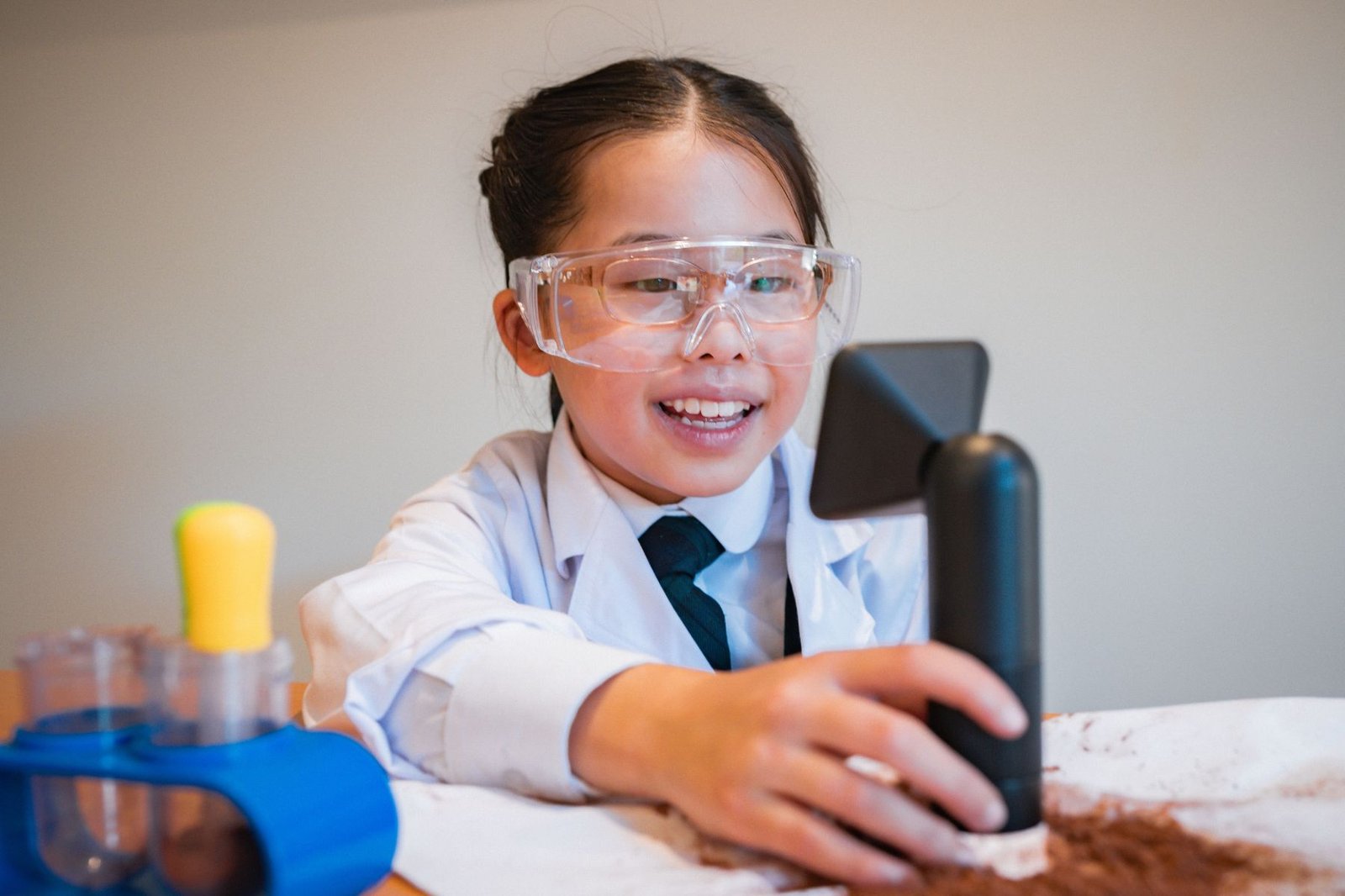
University of Sydney Sleek Geeks Science Eureka Prize - Primary. Keira P., PLC Sydney, NSW.
Image: Des Chu© Des Chu
Keira, in Year 3, has designed and conducted an experiment to discover which thread count of cotton bedsheets is best at keeping out dust mite poo, while still allowing air through. Dusty’s Mitey Poo – Hidden Below includes lots of information about dust mites and features Keira in a ‘mitey’ costume.
Varsity College, Qld
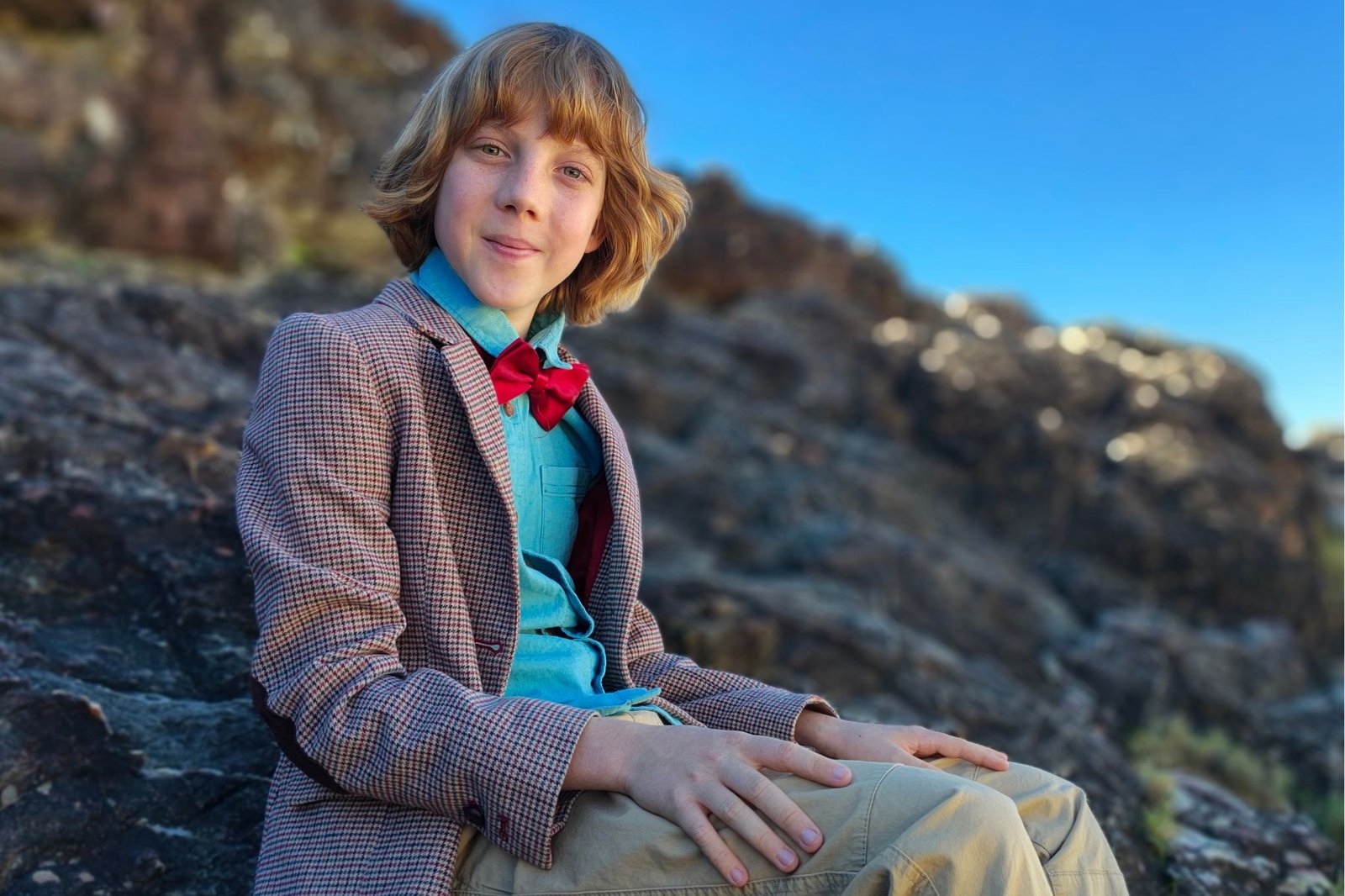
University of Sydney Sleek Geeks Science Eureka Prize - Primary. Barnaby Y., Varsity College, QLD.
Image: Christina Y.© Christina Y.
With quirky characters acted out by Year 6 student Barnaby, sung mnemonics and even a chocolate-coated analogy, Above and Below the Earth is an entertaining, funny, fast-paced romp about a young Jules Verne fan who explores the fascinating layers of our planet from its core to its atmosphere.
Abbotsleigh, NSW

University of Sydney Sleek Geeks Science Eureka Prize - Primary. Meredith Z., Abbotsleigh, NSW
Image: Fan Bai© Fan Bai
“Keep exploring and stay curious,” says Meredith enthusiastically at the end of her film Animal Habitats: Above and Below The Surface. The Year 5 student summarises features of aerial, terrestrial, subterranean and marine habitats, using a mix of video and her own drawings to explore animal adaptations to their surroundings.
University of Sydney Sleek Geeks Science Eureka Prize - Secondary
Viewbank College, Vic
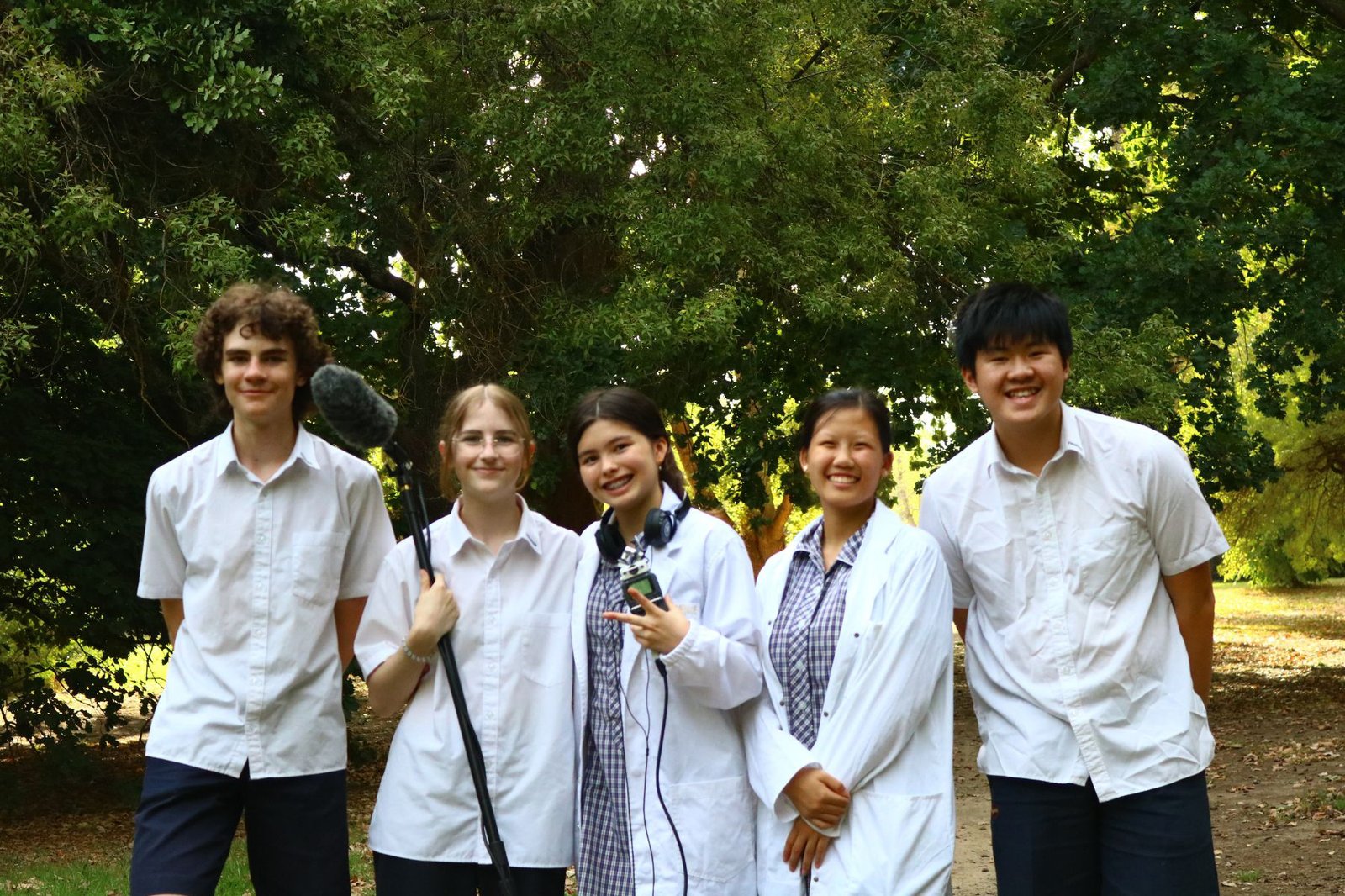
University of Sydney Sleek Geeks Science Eureka Prize - Secondary. Noah C., Aiden K., Paige T., Tahlia W. and Madeline Z., Viewbank College, VIC.
Image: Viewbank College© Viewbank College
Combining handmade graphics, animation and engaging narration, The Science of Talking Trees reveals how trees communicate through both root networks and airborne chemicals. By exploring the hidden ways trees interact with their environment, the Year 10 students highlight a complex natural system often missed by those who only see the surface.
Lauriston Girls' School, Vic
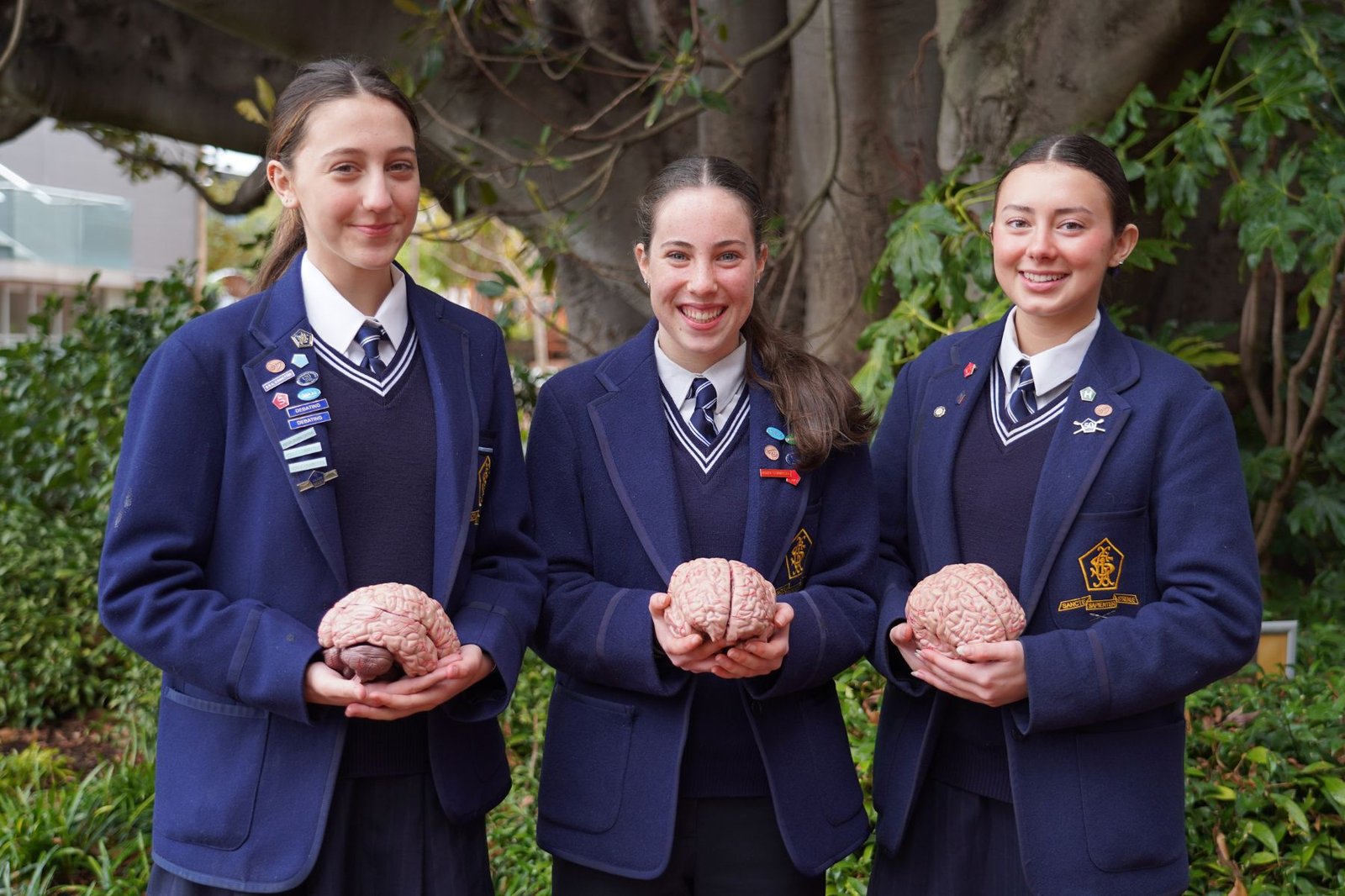
University of Sydney Sleek Geeks Science Eureka Prize - Secondary. Daisy G., Grace O. and Jacqui Z., Lauriston Girls' School, VIC.
Image: Lauriston Girls' School© Lauriston Girls' School
In The Brain Beneath Your Feet, these Year 11 students explore the hidden intelligence of fungi through the underground mycorrhizal network – often called the ‘wood wide web’. Using clear narration and simple animation, the film explains how fungi communicate, share resources and support trees through vast, unseen networks.
St Philip's Christian College, NSW
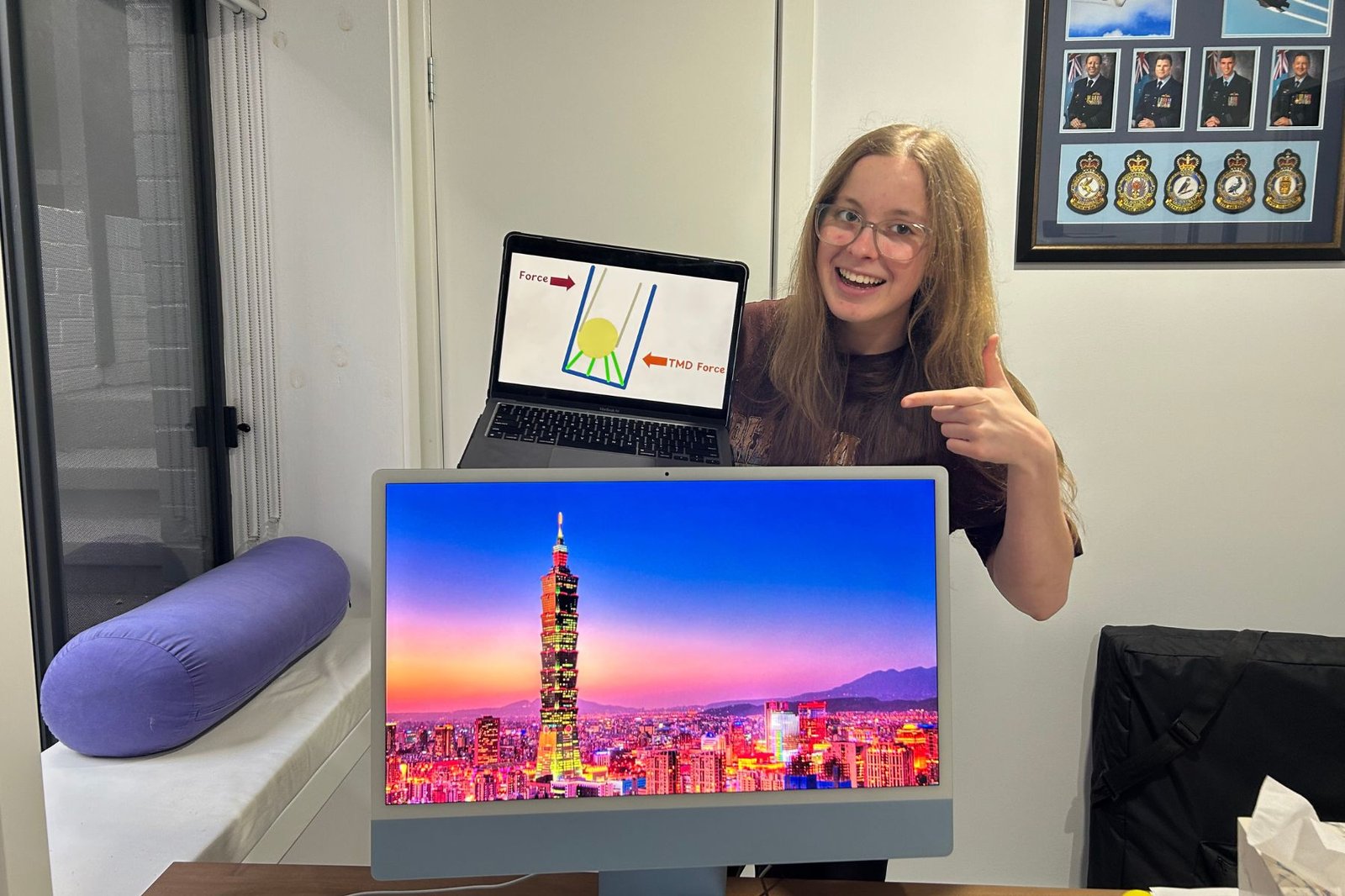
University of Sydney Sleek Geeks Science Eureka Prize - Secondary. Sophie M., St Philip's Christian College, NSW.
Image: Ariane M.© Ariane M.
In Swing Smart to Stand Tall, 15-year-old Sophie explains how a giant pendulum helps stabilise a skyscraper during earthquakes and typhoons. Through clear narration and straightforward diagrams, she explores how engineering can protect lives above ground from seismic forces that originate below – bridging physics, design and the mechanics behind towering structures.
University of Sydney Sleek Geeks Science - Highly Commended
Sleek Geeks Science Highly Commended - Primary School
- Coral Spawning: Keeping Our Oceans Alive, Josie B., Little Grove Primary School, WA
- Australia’s Sleeping Giants – Volcanoes & Hidden Power!, Alexander C., Whitsunday Anglican School, QLD
- Fish Busters: The Truth About Countershading, Jeremy G., Freshwater Christian College, QLD
- Sweet Science: What’s Bee-low the Surface?, Frankie H., Lake Illawarra Public School, NSW
- Mangrove Mystery: The Secret World of Roots Above and Below, Kaitlyn L., PLC Sydney
- What’s About to Transpire?, Henry M., Cudgegong Valley Public School, NSW
- Under Pressure, Elizabeth O., PLC Sydney
- Space Junk: The Invisible Threat Above, Aaron P., Marshall Road State School, QLD
- Below the Cool Canopies, Eleanor P., PLC Sydney
- The Magic of Refraction, Charlotte V., Queenwood School for Girls
- Being Buoyant Below, Eugenia Y., PLC Sydney
Sleek Geeks Science Highly Commended - Secondary School
- Above and Below: It’s All Relative, Dylan D., Balmoral State High School, QLD
- Ants: The Life Cycle of Super-organisms, James G., Newington College, NSW
- Green Cows?, Jemma G., Kedron State High School, QLD
- The Sky & The Sea – Ocean Acidification, Addison H., Unity College, QLD
- How Do Satellites Up Above Help Us Down Below?, Jethro M., Marist Catholic College Penshurst, NSW
- An Investigation on Flame Tests: Electrons Moving Above and Below, Dev P., Angadjot S. and Zarif W., Penrith Selective High School, NSW
- Battlefield Body - The Immune System Strikes Back, Iestyn R., St Johns Anglican College - Forest Lake, QLD
- A Different Kind of Rainbow, Neomi V., Abbotsleigh, NSW
