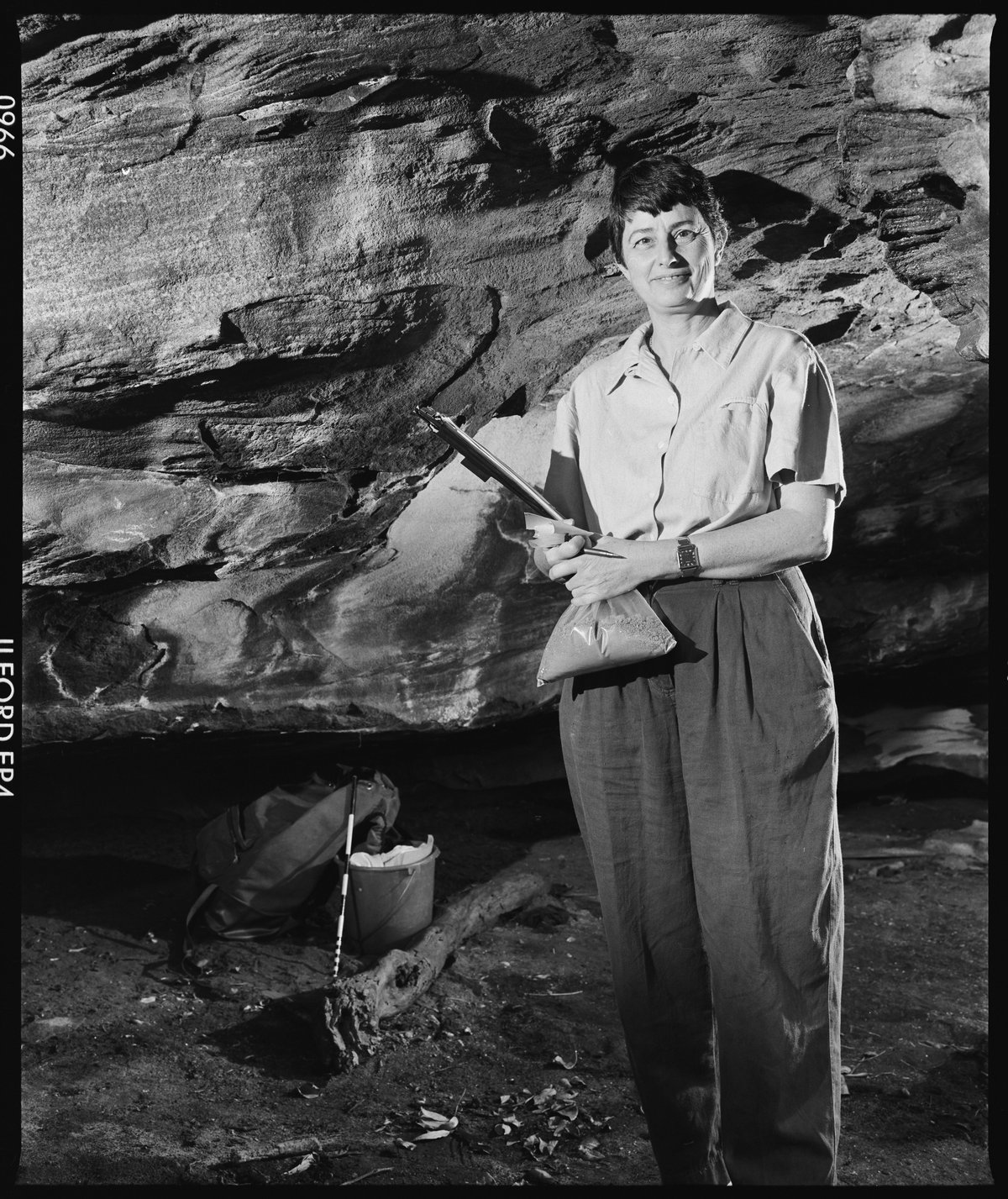
Val Attenbrow
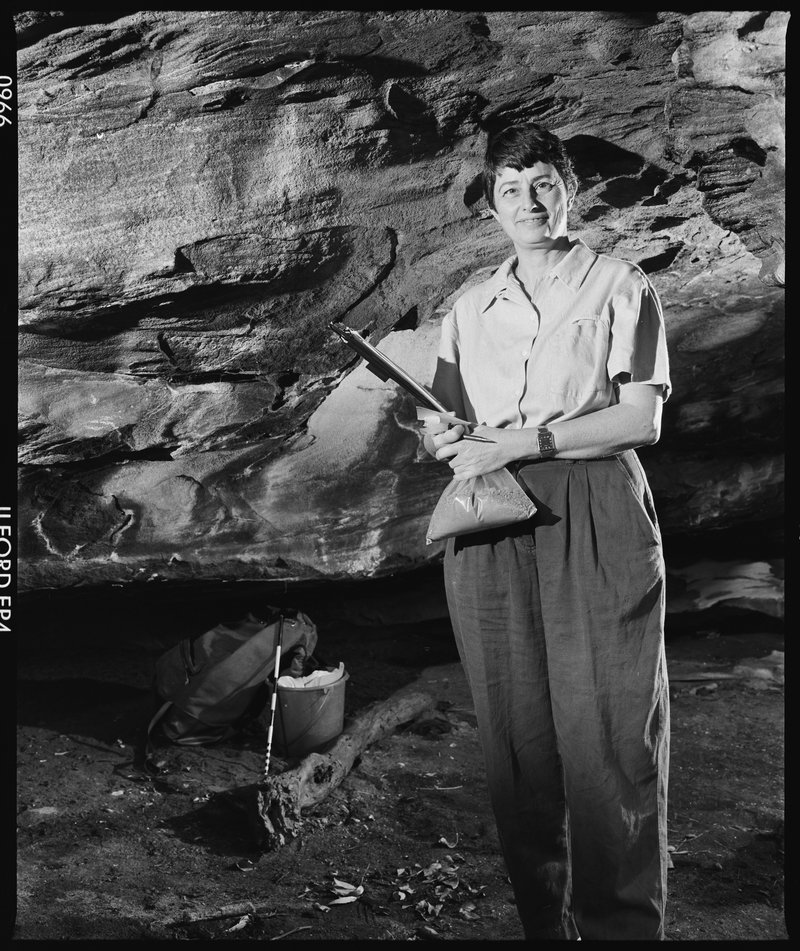 Click to enlarge image
© Australian Museum
Dr Valerie (Val) Jane Attenbrow FAHA (1942-2026) was an Australian archaeologist and long‑time researcher at the Australian Museum, whose scholarship, integrity, leadership and generosity shaped the field of Aboriginal archaeology for more than four decades. Through over 80 articles and several major books and projects, Dr Attenbrow became an integral part of a generation of female researchers who fundamentally transformed the landscape of Australian archaeology.
© Australian Museum
Early life and background
Val’s interest in archaeology was sparked during a five‑year stay in Europe in the 1960s. After returning to Sydney, she decided to complete formal training in archaeology at the University of Sydney because of the amazing historical sites she'd seen during her travels. To support herself through her degree as a mature-age student, she worked as a secretary and frequently took extended lunch breaks to attend her midday lectures. Her tenacity and passion for the field saw her graduate with Honours in 1976, laying the groundwork for future doctoral study.
It was just an interest; I never thought I would ever get a job in archaeology. Soon I started going to work part time and did archaeology part time. I'd always thought I'd end up going back to doing full-time secretarial work, but I enjoyed it [archaeology]. Dr Val Attenbrow. Oral history recorded in 2020.
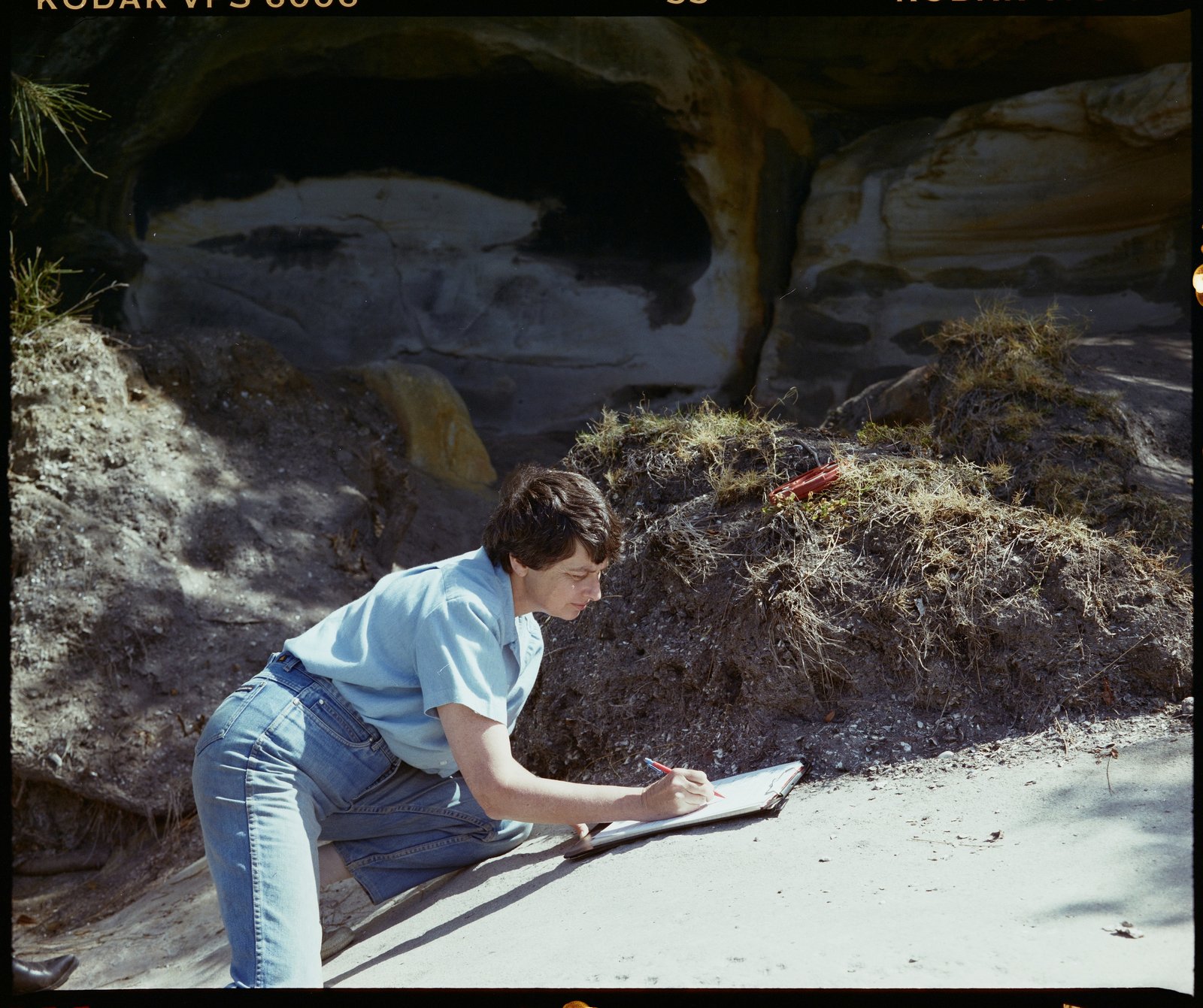
Initially focused on European and Classical archaeology, Val’s direction shifted thanks to her love of bushwalking and the influence of key mentors, which slowly drew her towards Australian Aboriginal archaeology. After her graduation, she serendipitously landed a role working part-time on excavation projects for the NSW National Parks and Wildlife Service, while continuing her work as a secretary to make ends meet. She also did some consultation work for different projects around Sydney Harbour and the Hawkesbury. This work brought her into close contact with a diverse range of Aboriginal archaeological sites, leading her to complete her PhD research on the Mangrove Creek catchment in New South Wales in 1987.
Joining the Australian Museum
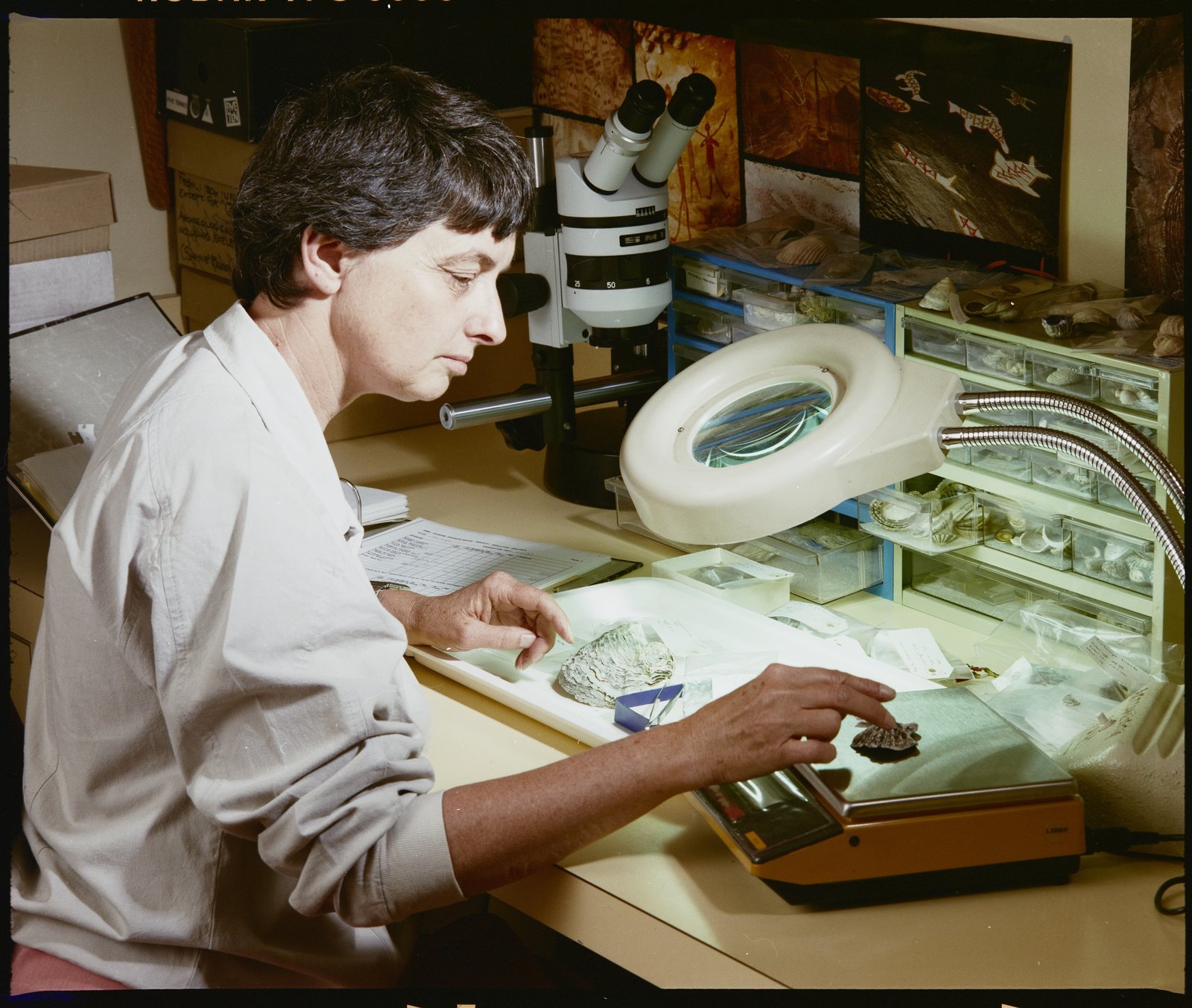
With her PhD and several key fieldwork projects now under her belt, Val made the jump to the museum sector, officially joining the AM in 1989 as the Principal Research Scientist within the Anthropology Research Section. Her role initially focused on research for the Lightning Brothers Project in the Northern Territory. In the same year, she also launched the ground-breaking Port Jackson Archaeological Project, which focused on the Sydney Basin. Ultimately, her role at the AM allowed her to focus on and develop her strengths: combining research excellence with a strong commitment to cultural heritage management and Aboriginal engagement. Over the years, her commitment to the Australian Museum's research and community of scientists meant that she became a Senior Fellow, known as one of the institution's most trusted and admired scholars.
I never really feel comfortable standing up in front of people, talking. Being a lecturer didn't necessarily appeal to me greatly. I must say I did apply for a tutorship at one stage, which I didn't get, probably because they knew I wasn't aimed for a university career. But when the museum job came up, I thought that I'd like to belong that Institution. Dr Val Attenbrow. Oral history recorded in 2020.
© Australian Museum
Publishing Sydney's Aboriginal Past
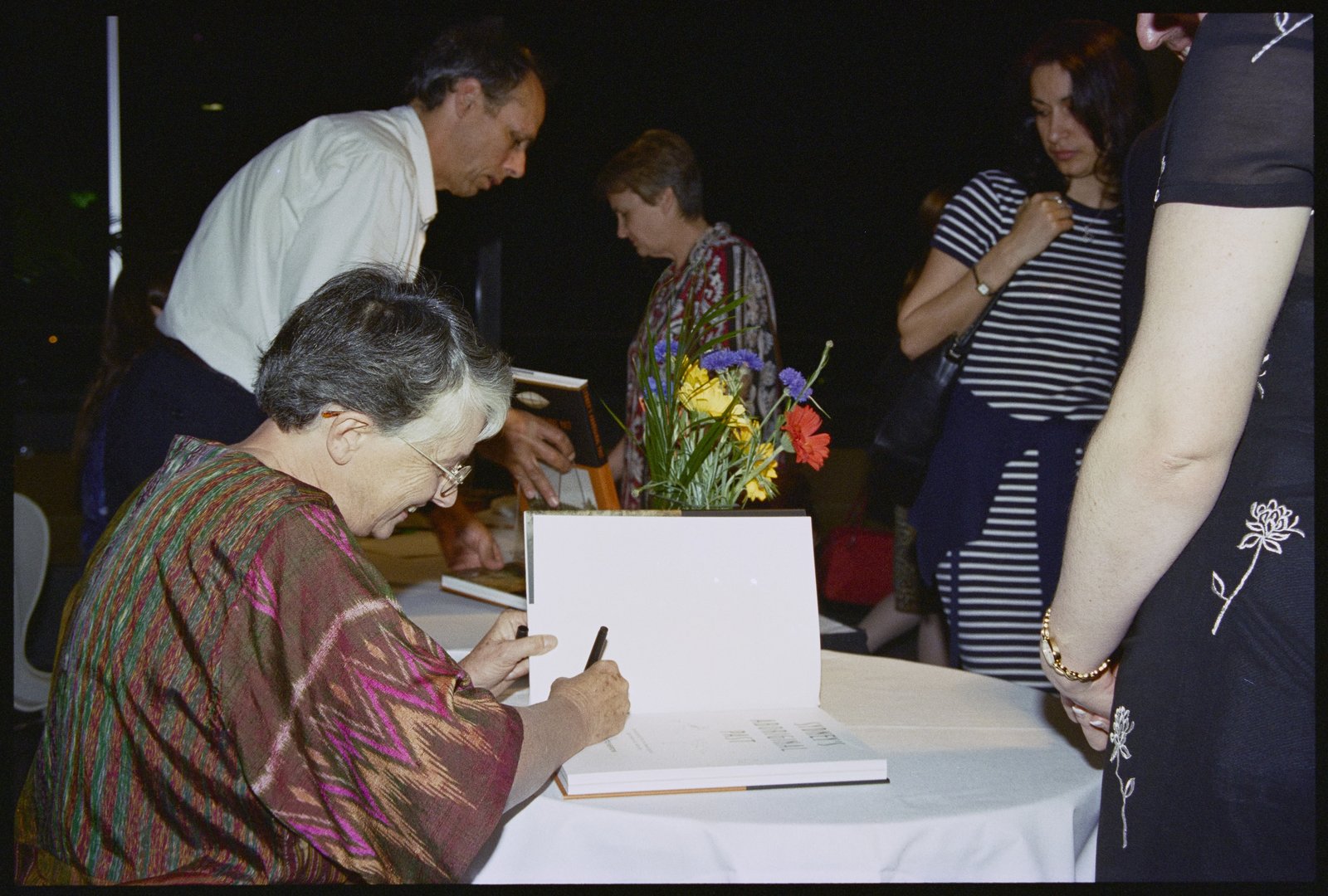
One of Dr Attenbrow's most significant contributions to Aboriginal archaeology was comprehensive book on the Aboriginal prehistory of the Sydney Area, entitled Sydney’s Aboriginal Past. Investigating the Archaeological and Historical Records (2002: second edition in 2010), published during her time at the AM. At the time of publication, it won the inaugural John Mulvaney Book Award from the AAA (2004) and was featured in a special display at the Australian Museum. Today, the book is still used by researchers at the AM and in other fields.
The book drew on the latest data and evidence from multiple disciplines, as well as oral histories of Aboriginal people, to reveal the long-standing presence and diversity of Aboriginal life in Sydney before British colonisation. Val's research and fieldwork for the book spanned stone tools to local rock art to consultation with local Aboriginal groups on language names, making it one of the largest academic studies of the archaeology of the Sydney region.
© Australian Museum
Legacy and impact
Val’s outstanding career was recognised with several important awards during her lifetime, including the AMRI Lifetime Achievement Award (2020), Life Membership of the Australian Archaeological Association, the Mulvaney Book Award, and election as a Fellow of the Australian Academy of the Humanities.
Beyond her scholarly achievements, however, Val was a meticulous and principled researcher, a generous mentor and a deeply respected colleague. As a Senior Fellow, she was known to come into the AM for a coffee and catch-up with her colleagues (both old and new), continuing to share her knowledge in her retirement. Today, her work remains as an outstanding contribution to archaeology, heritage practice and public understanding of Australia’s deep past.

© Australian Museum
In the Australian Museum Collection
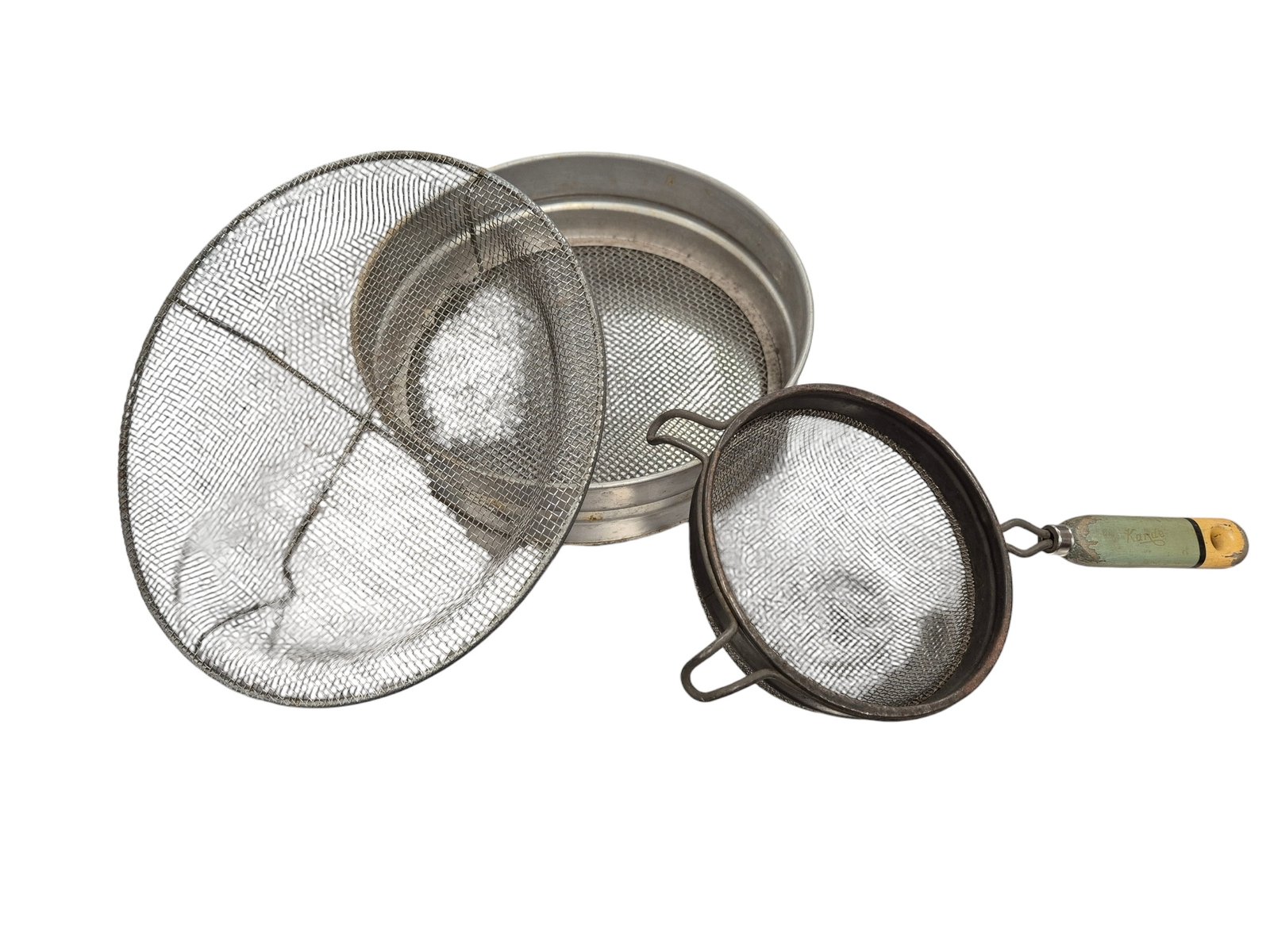
Due to her extensive and varied career, Dr Val Attenbrow left behind a large collection, entrusting it to the AM's care for generations to come. This collection spans her personal and working papers (held in the Archives), some of the cultural objects from her excavations (held in the First Nations Collections) and her books (held in the Research Library). Together, these collections paint an intricate picture of a decades-long career, filled with passion for archaeology, community consultation and mentorship.
© Australian Museum