
2026 Australian Museum Eureka Prizes finalists
58 entries were shortlisted for 19 Australian Museum Eureka Prizes.
On this page...
The Australian Museum has announced the 58 finalists selected for Australia’s leading science awards, the Australian Museum Eureka Prizes.
Finalists from all across Australia are in the running for the 2026 Australian Museum Eureka Prizes across four categories: Research and Innovation, Leadership, Science Engagement and School Science.
The Australian Museum Eureka Prizes are the nation’s premier science awards, celebrating the very best of Australian scientific discovery, invention, communication, innovation and leadership.
Learn about the 2026 AM Eureka Prizes finalists below.
Research & Innovation
NSW Department of Climate Change, Energy, the Environment and Water Eureka Prize for Environmental Research
CSIRO and Bureau of Meteorology
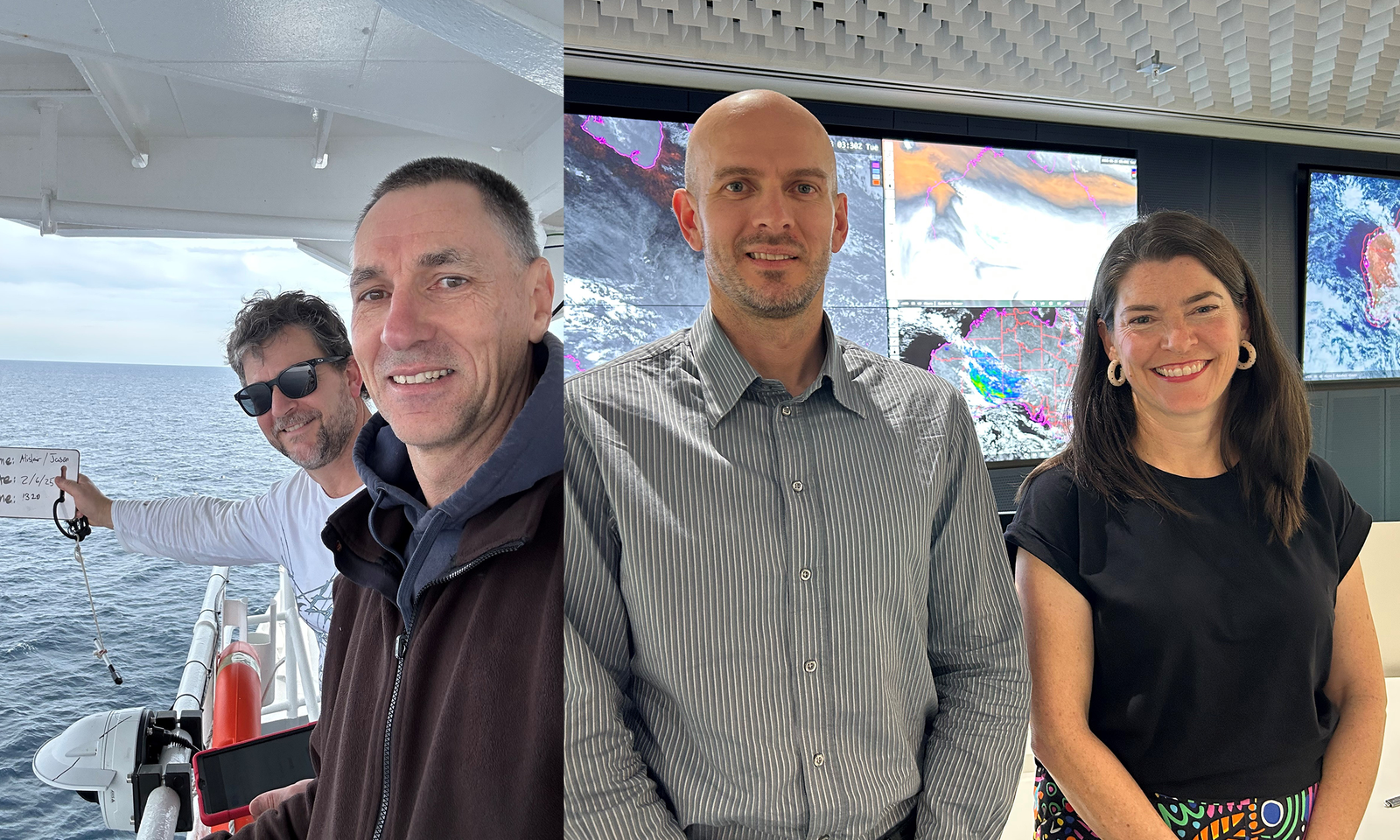
Department of Climate Change, Energy, the Environment and Water Eureka Prize for Environmental Research. Marine Heatwave Forecasts, CSIRO and Bureau of Meteorology. Finalist team (L-R): Jason Hartog, Alistair Hobday, Grant Smith and Claire Spillman
Image: Alistair Hobday and BOM© Alistair Hobday and BOM
Marine Heatwave Forecasts delivered Australia’s first operational long-range forecasts for unusually warm ocean temperatures. Developed by the Bureau of Meteorology and CSIRO from 2020 to 2025, the service gives marine industries, conservation managers and coastal communities weeks to months of warning, helping them to prepare early and protect vulnerable ecosystems.
CSIRO
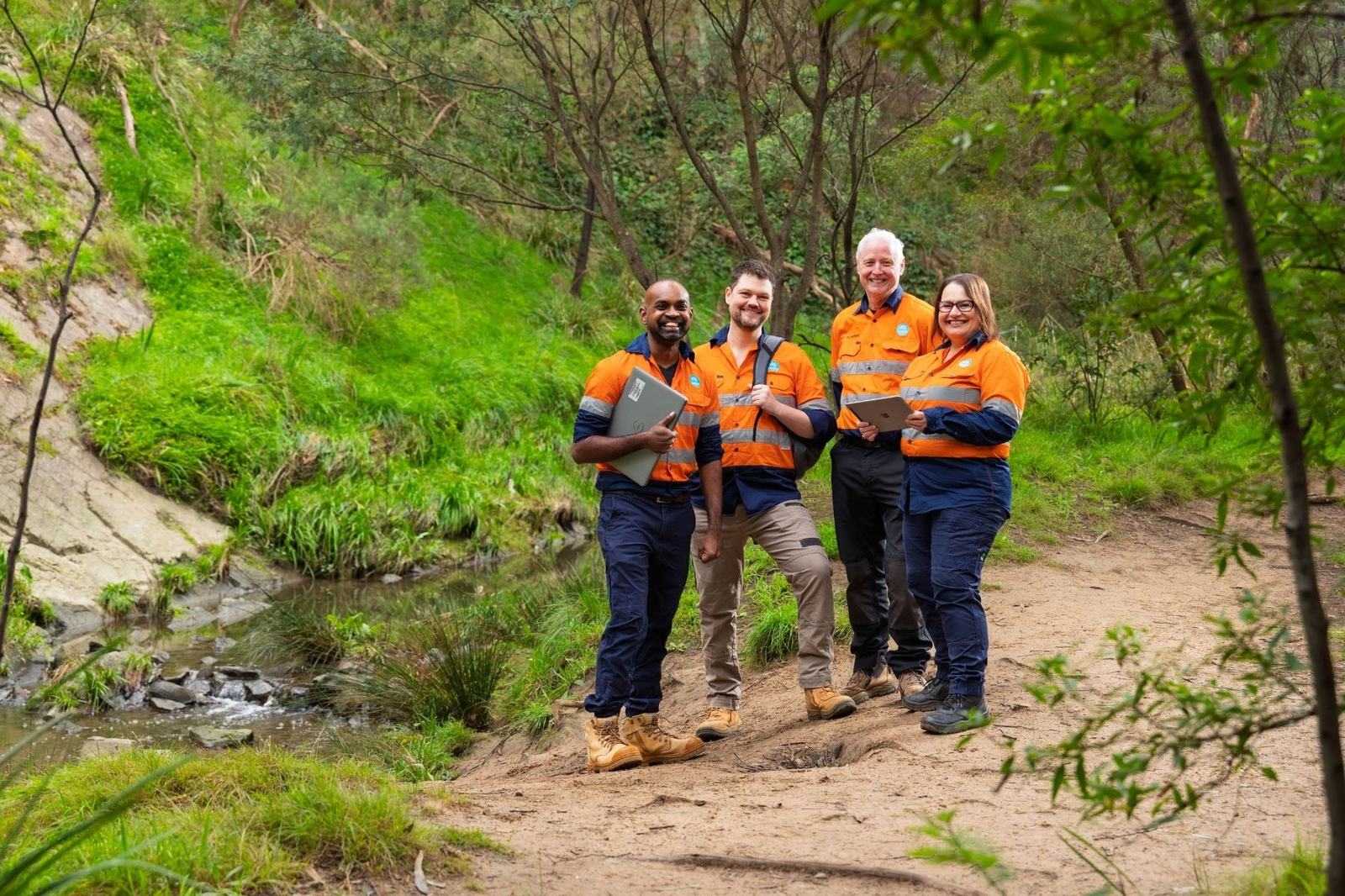
NSW Department of Climate Change, Energy, the Environment and Water Eureka Prize for Environmental Research. Vesi™ Field Innovation and Environmental Monitoring, CSIRO. Finalist team L-R: Dr Krishnan Murugappan, Dr David Macedo, Mr Tony Kilpatrick and Ms Daniella Caruso.
Image: Chris Diprose© CSIRO
The Vesi™ Field Innovation and Environmental Monitoring team integrates electrochemical sensors, rugged field hardware, and data systems to deliver real-time water quality monitoring where manual sampling falls short. Proven in national trials, their platform detects environmental risks earlier, helping to protect waterways, aquifers, and ecosystems in harsh or remote conditions.
UNSW; Ecological Horizons; NSW National Parks and Wildlife Service; and Taronga Conservation Society
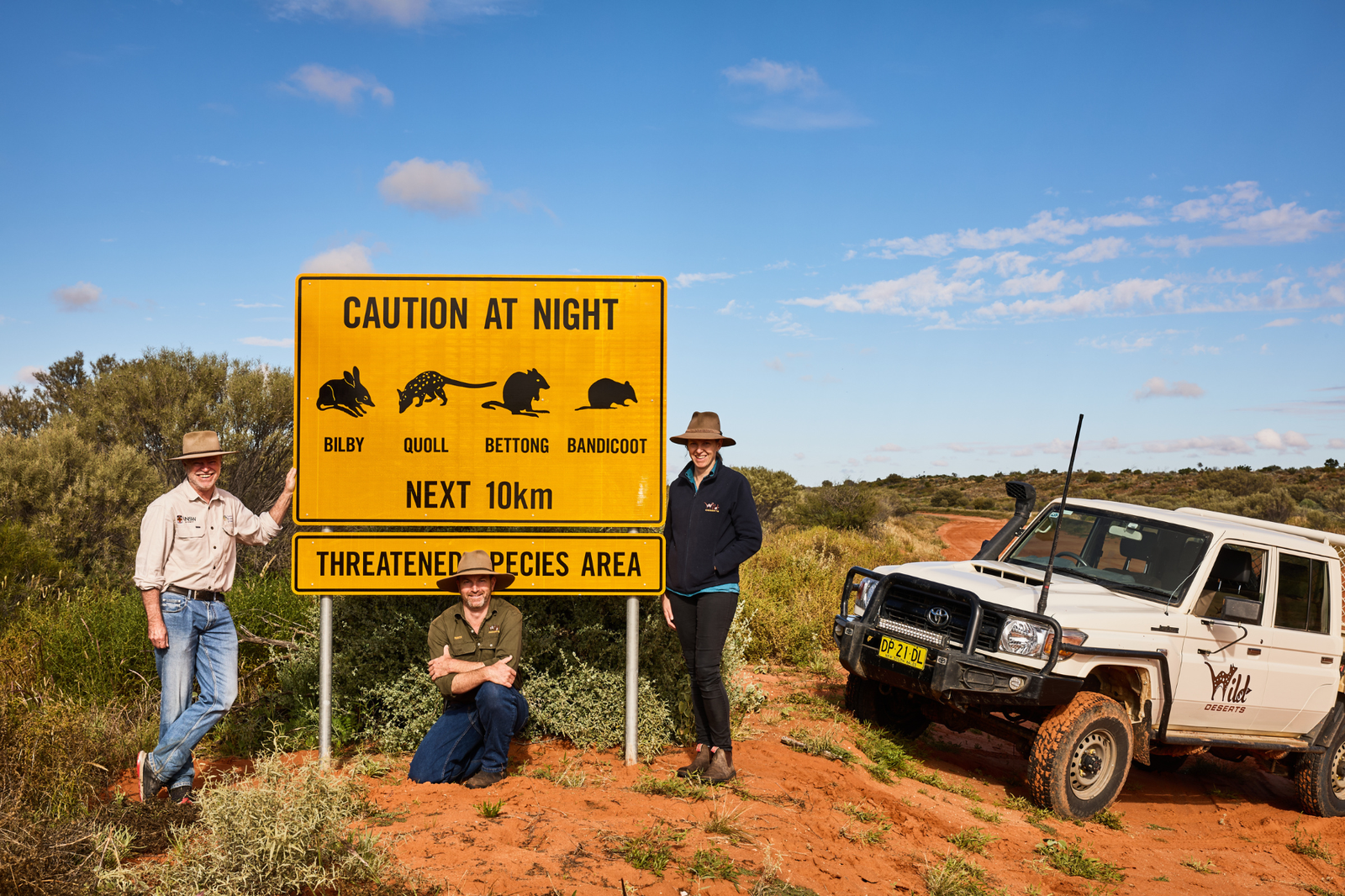
NSW Department of Climate Change, Energy, the Environment and Water Eureka Prize for Environmental Research. Wild Deserts Program, UNSW. Finalist team L-R: Professor Richard Kingsford, Dr Reece Pedler and Dr Rebecca West
Image: UNSW Sydney© UNSW Sydney
The Wild Deserts Program is restoring Sturt National Park’s desert ecosystems through science-led conservation, adaptive management and partnership-driven innovation. By controlling overabundant kangaroos and invasive predators, it has helped locally extinct native mammals re-establish beyond safe havens and once again perform their important roles in the ecosystem.
Australian Research Data Commons Eureka Prize for Excellence in Data Platforms
QCIF Digital Research
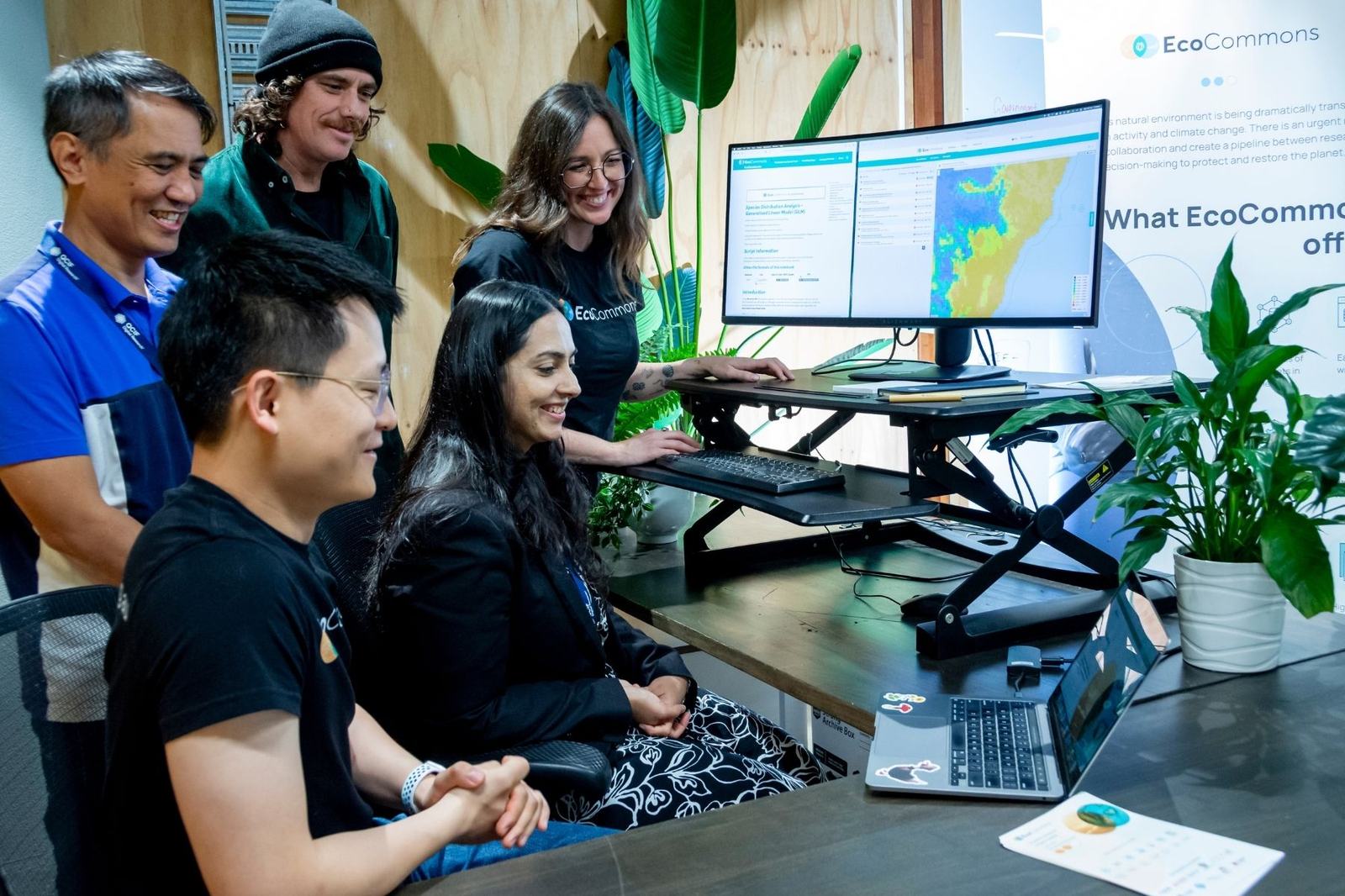
Australian Research Data Commons Eureka Prize for Excellence in Data Platforms. EcoCommons Australia, QCIF Digital Research. Finalist team L-R: Angelo Maynes, Ryan Newis, Jenna Wraith, Xiang Zhao (Zhao), Ooroosa Ali.
Image: Stephen Bird© QCIF Digital Research
EcoCommons Australia integrates thousands of environmental datasets from different institutions into an easy-to-use, cloud-based platform to help tackle climate change, species loss and ecosystem management. Finding hidden populations of endangered species and helping more than 2,000 researchers and government agencies make faster decisions about conservation priorities are two key benefits.
The University of Queensland
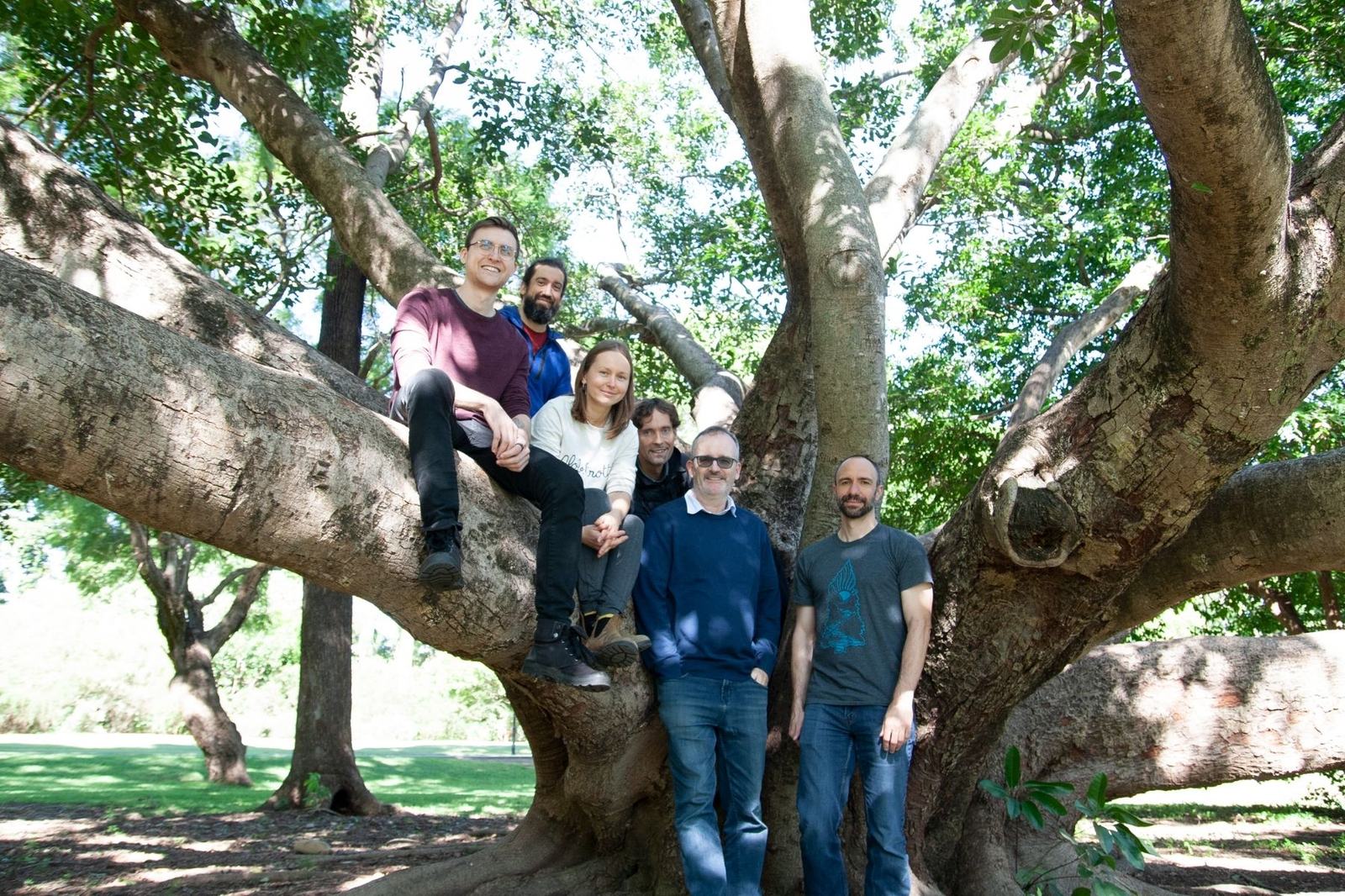
Australian Research Data Commons Eureka Prize for Excellence in Data Platforms. Genome Taxonomy Database, The University of Queensland. Finalist team L-R: Aaron Mussig, Pierre-Alain Chaumeil, Maria (Masha) Chuvochina, Chris Rinke, Phil Hugenholtz and Donovan Parks.
Image: Maria Chuvochina© Maria Chuvochina
With more than 1,000 new microbial species sequenced per month, the Genome Taxonomy Database was created in 2017 to standardise the classification of bacteria and archaea. Queried more than 10,000 times a month, the website has become a leading global resource for microbial taxonomy.
The University of Sydney
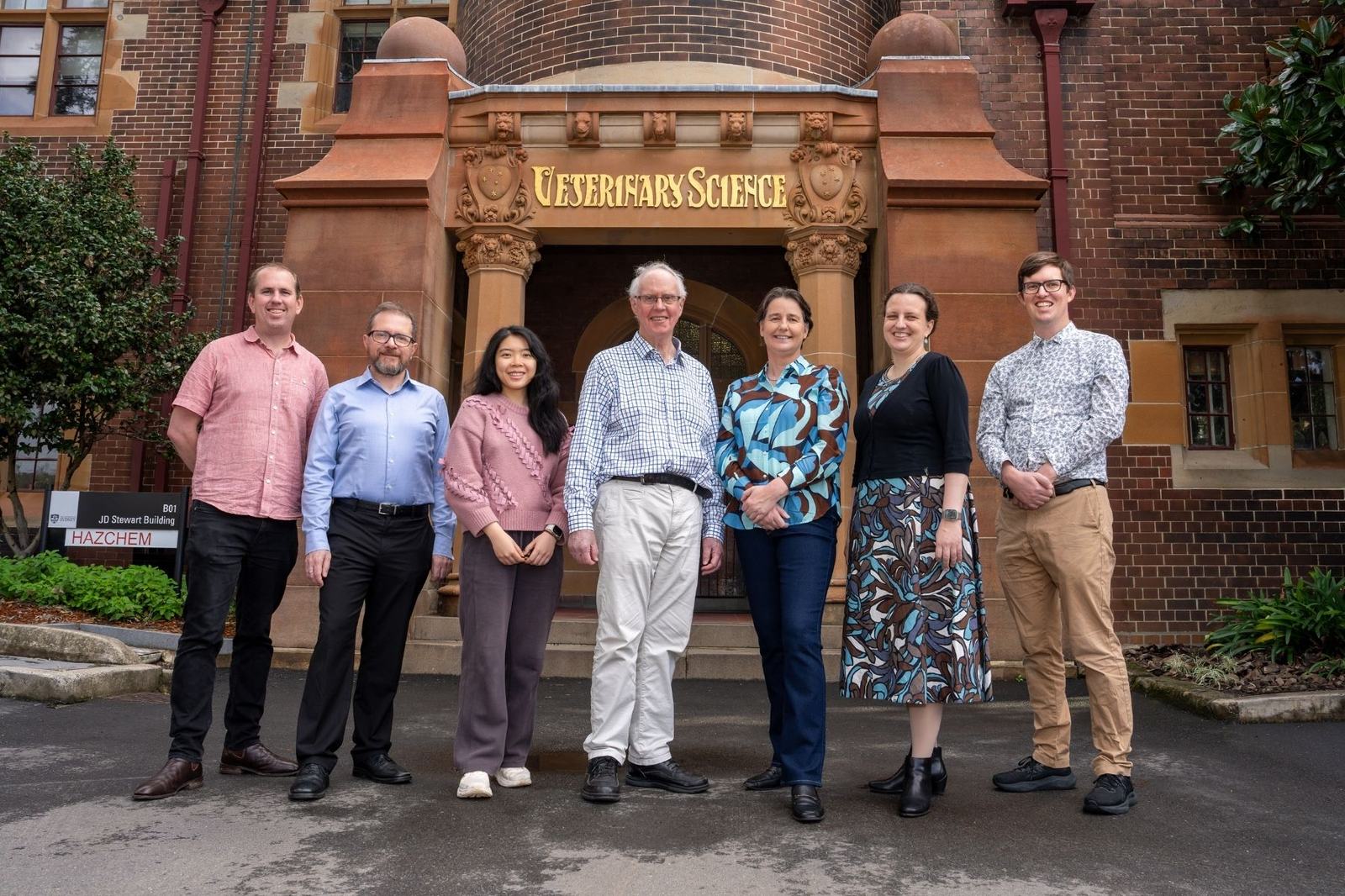
Australian Research Data Commons Eureka Prize for Excellence in Data Platforms. Online Mendelian Inheritance in Animals (OMIA), University of Sydney. Finalist team L-R: Dr Tim White, Mr Michael Lynch, Ms Xinwei Luo, Emeritus Professor Frank Nicholas, Associate Professor Imke Tammen, Dr Darya Vanichkina, Mr Marius Mather.
Image: Emlyn Crockett© Emlyn Crockett
Online Mendelian Inheritance in Animals is a free, comprehensive database for single-gene disorders, traits and related DNA variants in more than 750 animal species. Over 31 years, OMIA has become an authoritative resource for researchers, veterinarians and animal breeders, with 362,000 users from 183 countries in the past year alone.
University of Technology Sydney and Australian Federal Police Eureka Prize for Excellence in Forensic Science
University of Technology Sydney; Queensland Police Service; Australian Federal Police; Defence Science and Technology Group; NSW Police Force; Australian Society of Forensic Odontology Inc.; and NSW Forensic Odontology Unit
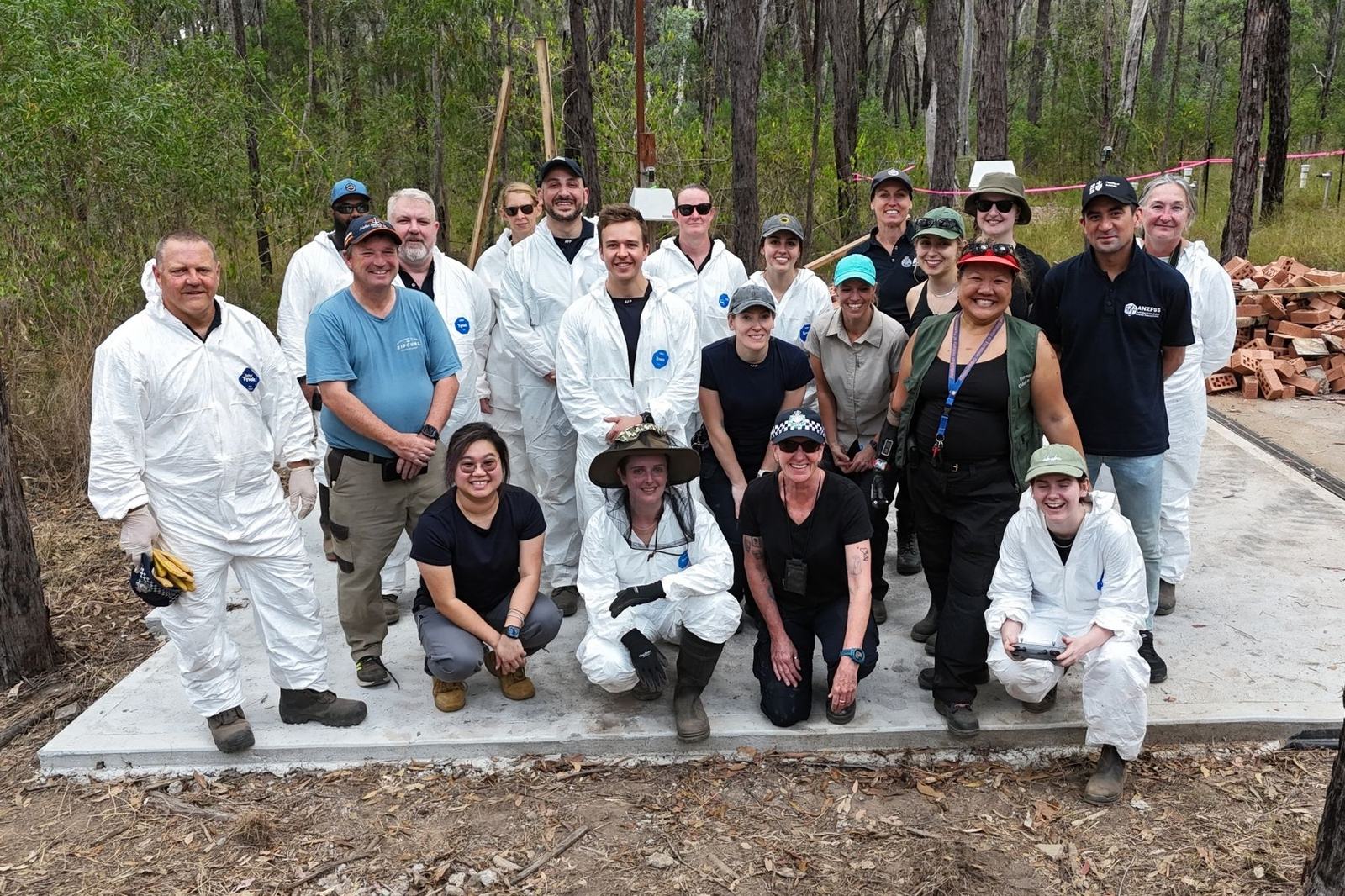
University of Technology Sydney and Australian Federal Police Eureka Prize for Excellence in Forensic Science. Enhancing Australia’s Disaster Response, University of Technology Sydney; Queensland Police Service; Australian Federal Police; Defence Science and Technology Group; NSW Police Force; Australian Society of Forensic Odontology Inc. and NSW Forensic Odontology Unit. Finalist team: Associate Professor Maiken Ueland, Senior Sergeant Ritchie Callaghan, Dr Mark Tahtouh and Dr Selina Leow; (absent) Dr Dana Michalski and Ms Alison Sears.
Image: AFTER© AFTER
The Enhancing Australia’s Disaster Response team uses Australia’s only specialist facility where donated human remains can be ethically studied to test forensic methods in disaster exercises. Uniting researchers, police, Defence and forensic practitioners, the team evaluated tools for finding and identifying victims and trained professionals to strengthen national disaster readiness.
The University of Sydney
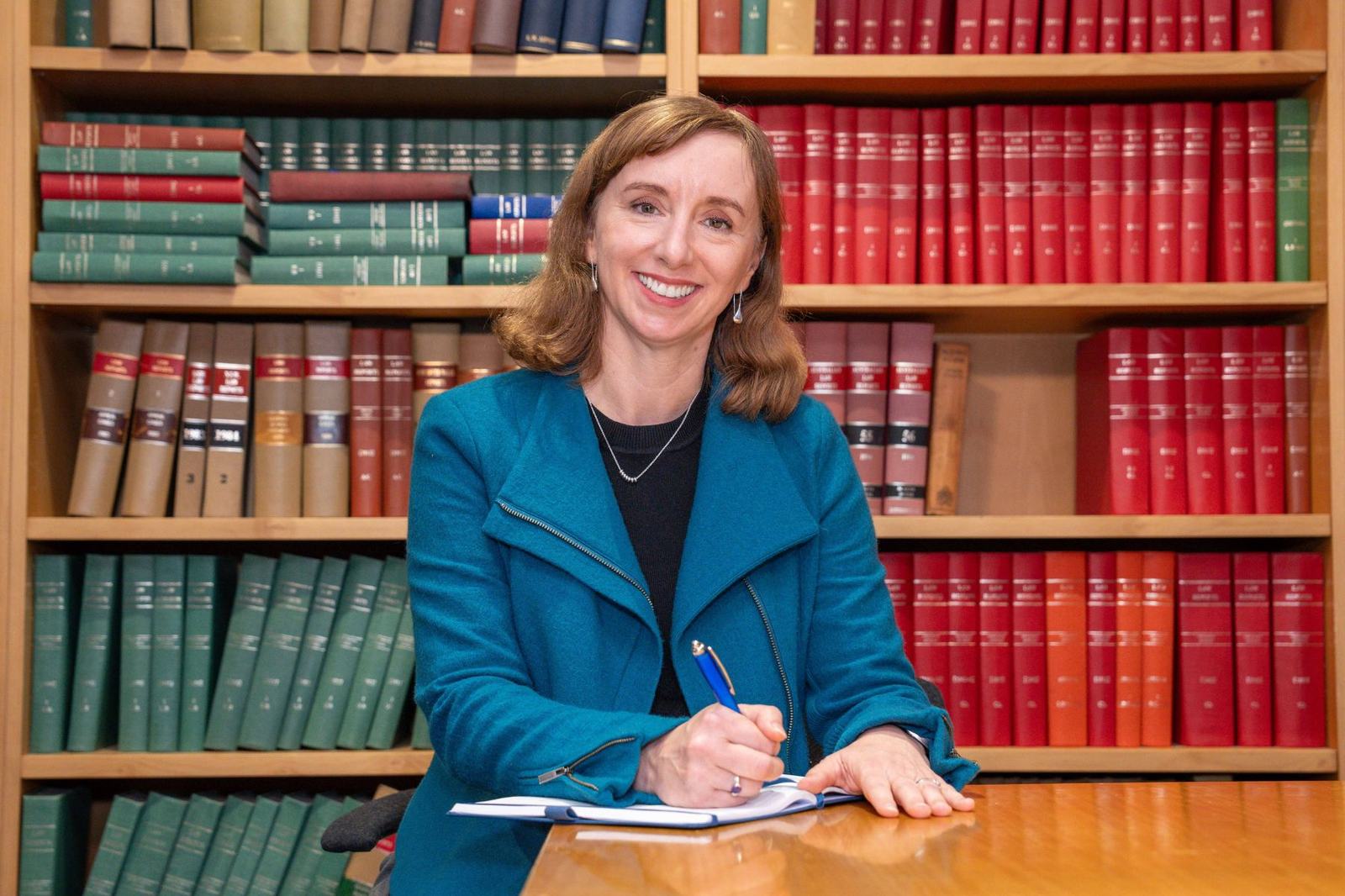
University of Technology Sydney and Australian Federal Police Eureka Prize for Excellence in Forensic Science. Associate Professor Helen Paterson, University of Sydney.
Image: Emlyn Crockett© Emlyn Crockett
Associate Professor Helen Paterson is advancing how police and courts understand victim-survivor testimony in domestic and family violence cases. Her research shows how repeated abuse and coercive control affect memory, informing improved interviewing practices, credibility assessment, and legal interpretation to support more accurate investigations and fairer justice outcomes.
Australian National University
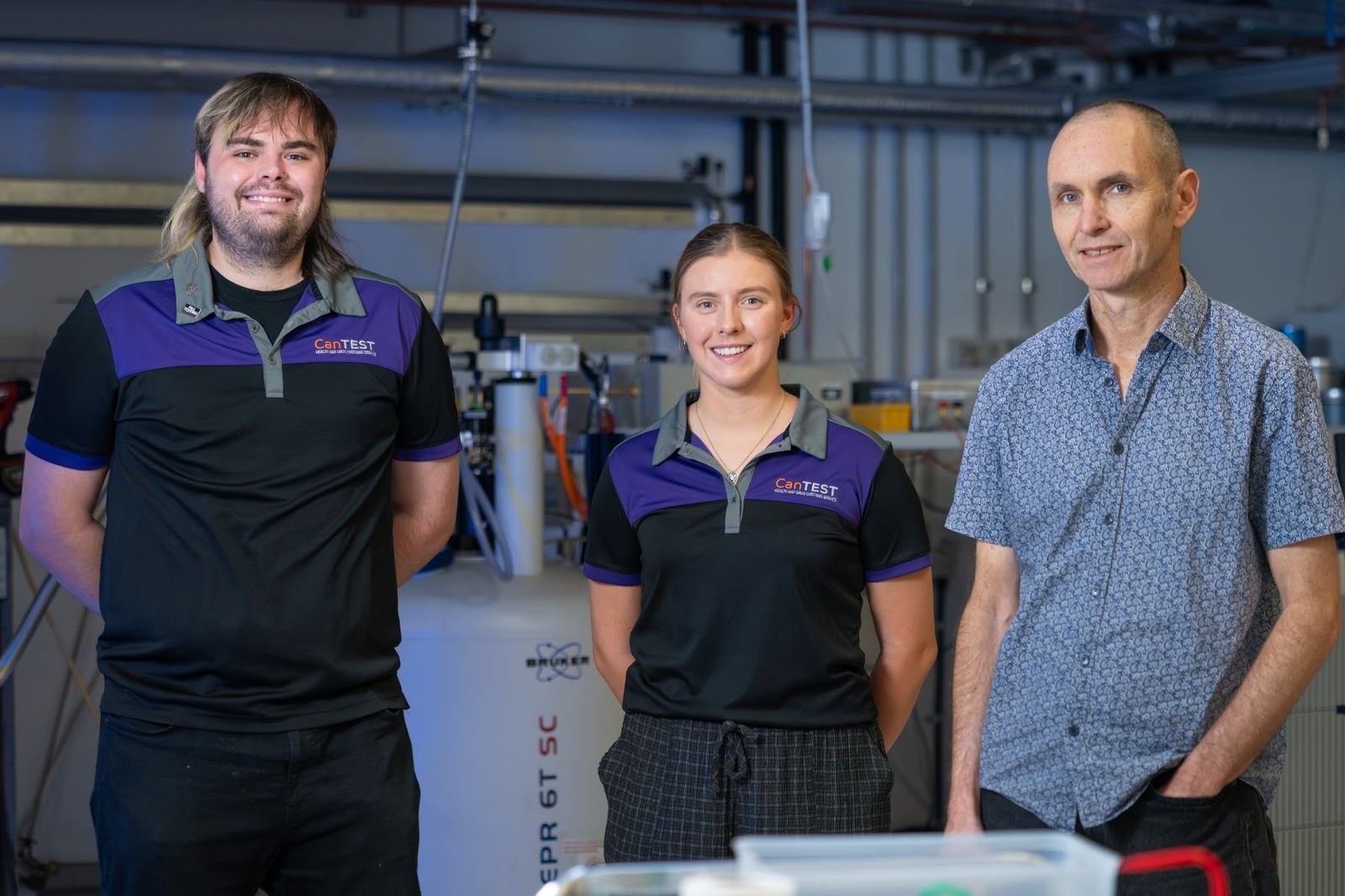
University of Technology Sydney and Australian Federal Police Eureka Prize for Excellence in Forensic Science. Testing Traces Team, Australian National University. Finalist team L - R: Blake Curtis, Jessica Algar and Professor Malcolm McLeod
Image: Nic Vevers© ANU
Testing Traces Team rapidly identifies and characterises dangerous new drugs from tiny residues left after drug checking, before routine tests catch up. Sharing results immediately helps health authorities respond within days, protecting communities from potent stimulants and synthetic opioids, while informing international safety assessments and global drug control.
Eureka Prize for Excellence in Interdisciplinary Scientific Research
The University of Sydney
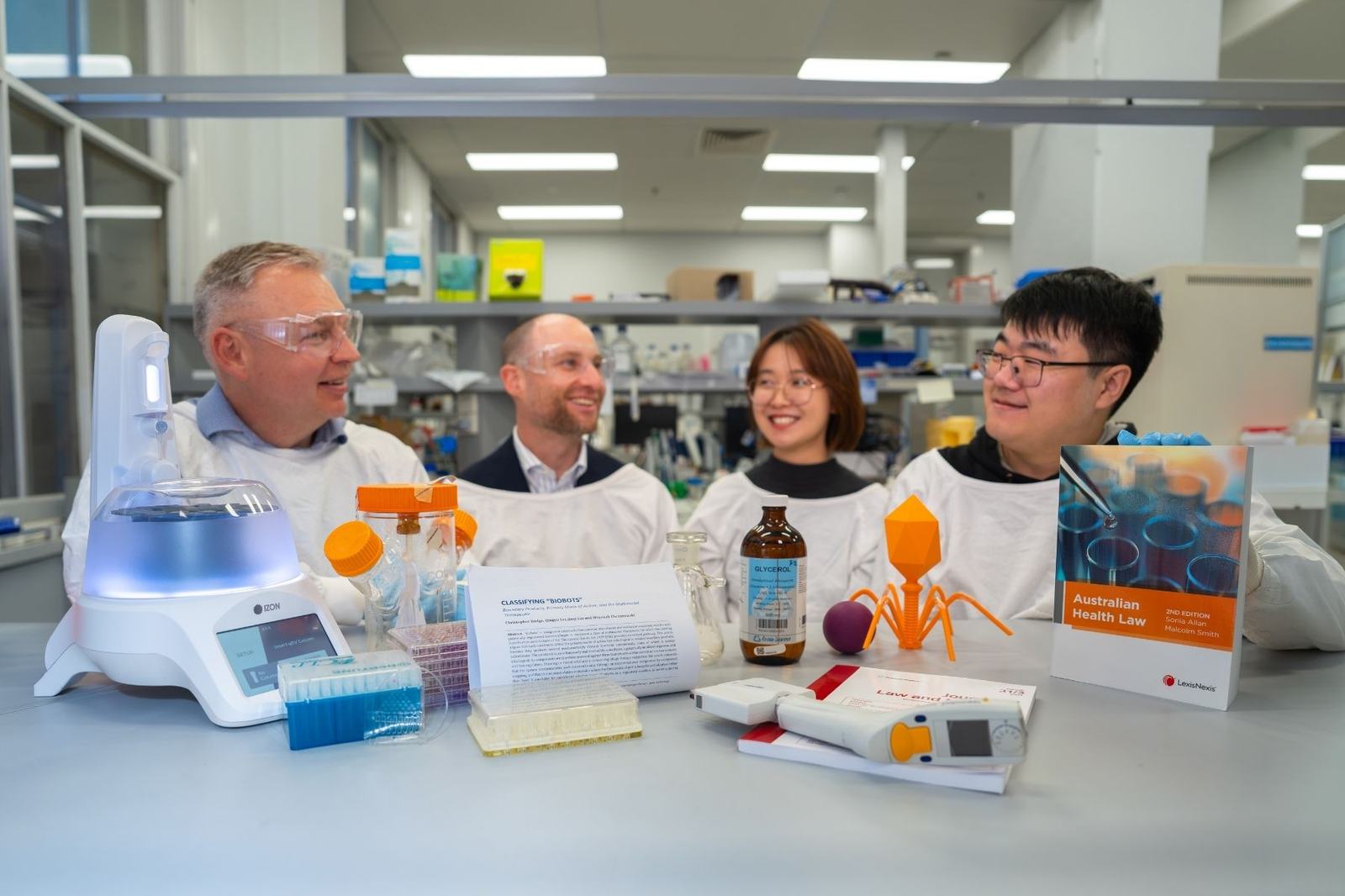
Eureka Prize for Excellence in Interdisciplinary Scientific Research. Biobots, The University of Sydney. Finalist team L-R: Wojciech Chrzanowski, Christopher Rudge, Qingyu (Sarah) Lei, Jiaqi Liu; (absent) Elizabeth New.
Image: Emlyn Crockett© Emlyn Crockett
Biobots are the first multifunctional medicine for epidermolysis bullosa, an incurable, often fatal, skin disorder. By pairing nanobioengineered, tissue-repairing vesicles from the vaginal microbiome with bacteriophages, they simultaneously control infection, stimulate the immune system, rebalance the microbiome and drive functional repair, establishing an entirely new treatment class for rare diseases.
The University of Sydney
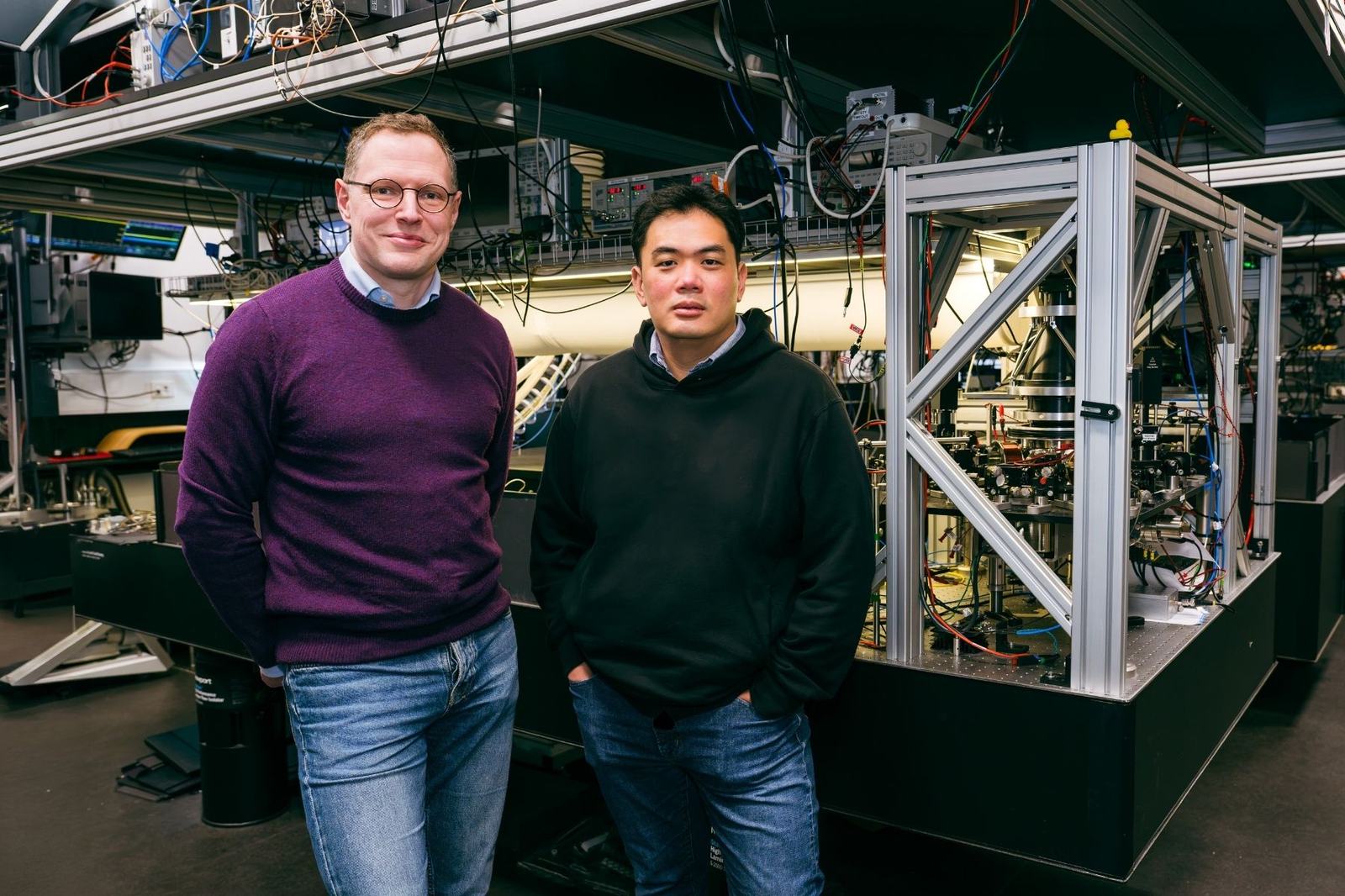
Eureka Prize for Excellence in Interdisciplinary Scientific Research. Professor Ivan Kassal (left) and Associate Professor Ting Rei Tan (right), The University of Sydney.
Image: Emlyn Crockett© Emlyn Crockett
Achieving a step change in the way quantum computers can simulate complex molecular function, Professor Ivan Kassal and Associate Professor Ting Rei Tan improved quantum resource efficiency by more than a million-fold, leading to advances in materials, energy and drug discovery. They use one of Australia’s most powerful quantum devices.
University of Tasmania
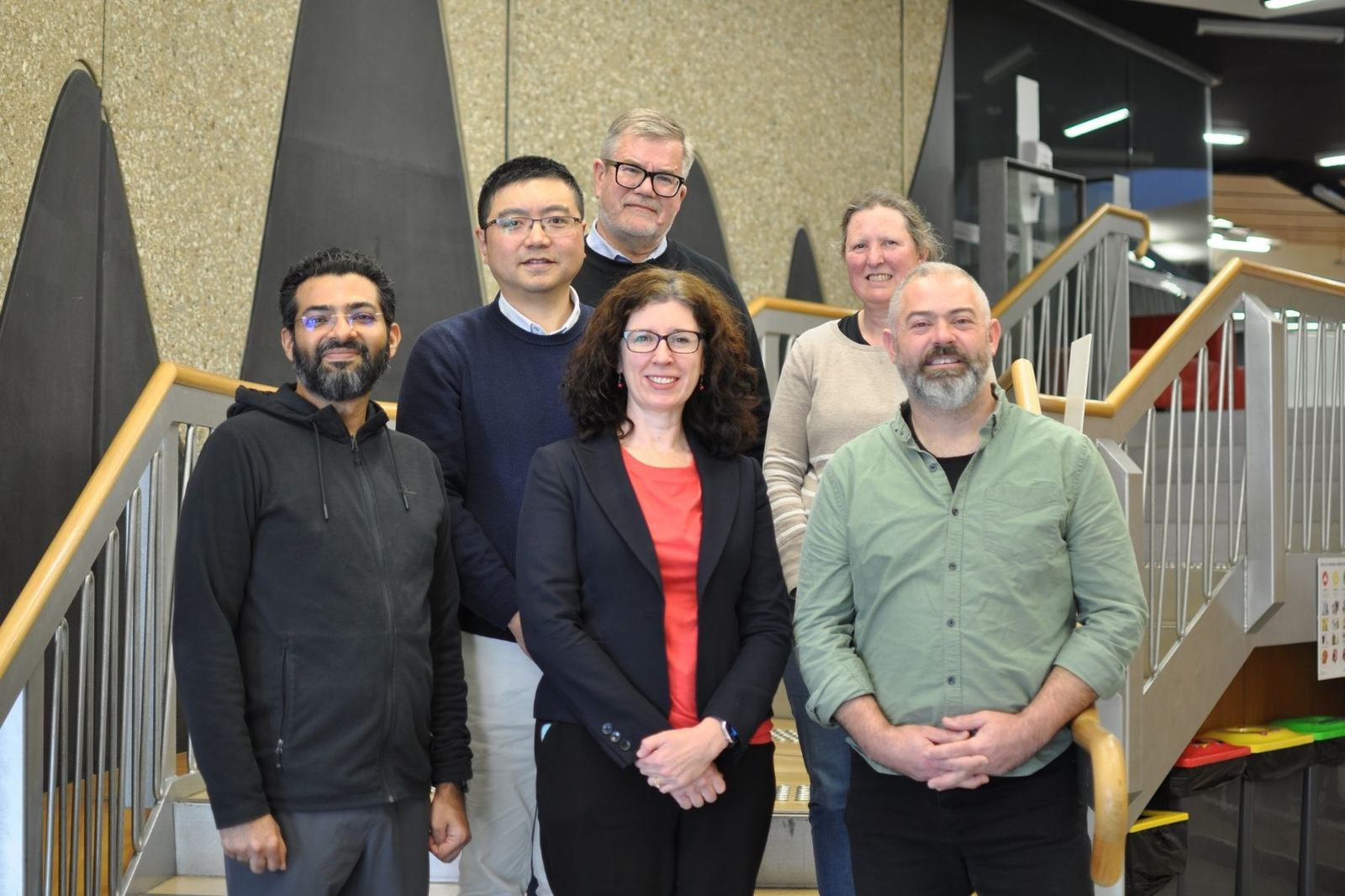
Eureka Prize for Excellence in Interdisciplinary Scientific Research. TAS Test, University of Tasmania. Finalist team L-R: Dr Muhammad Bilal Amin, Associate Professor Quan Bai, Professor James Vickers, Professor Jane Alty, Professor Anna King and Dr Aidan Bindoff.
Image: Andrew Phipps© University of Tasmania
TAS Test connects artificial intelligence with clinical neurology to detect dementia before symptoms appear. By translating subtle changes in hand movement and language into actionable clinical insights, this interdisciplinary platform enables earlier intervention, improving outcomes while helping healthcare systems address the growing burden of neurodegenerative disease.
Australian Infectious Diseases Research Centre Eureka Prize for Infectious Diseases Research
WEHI and MSD
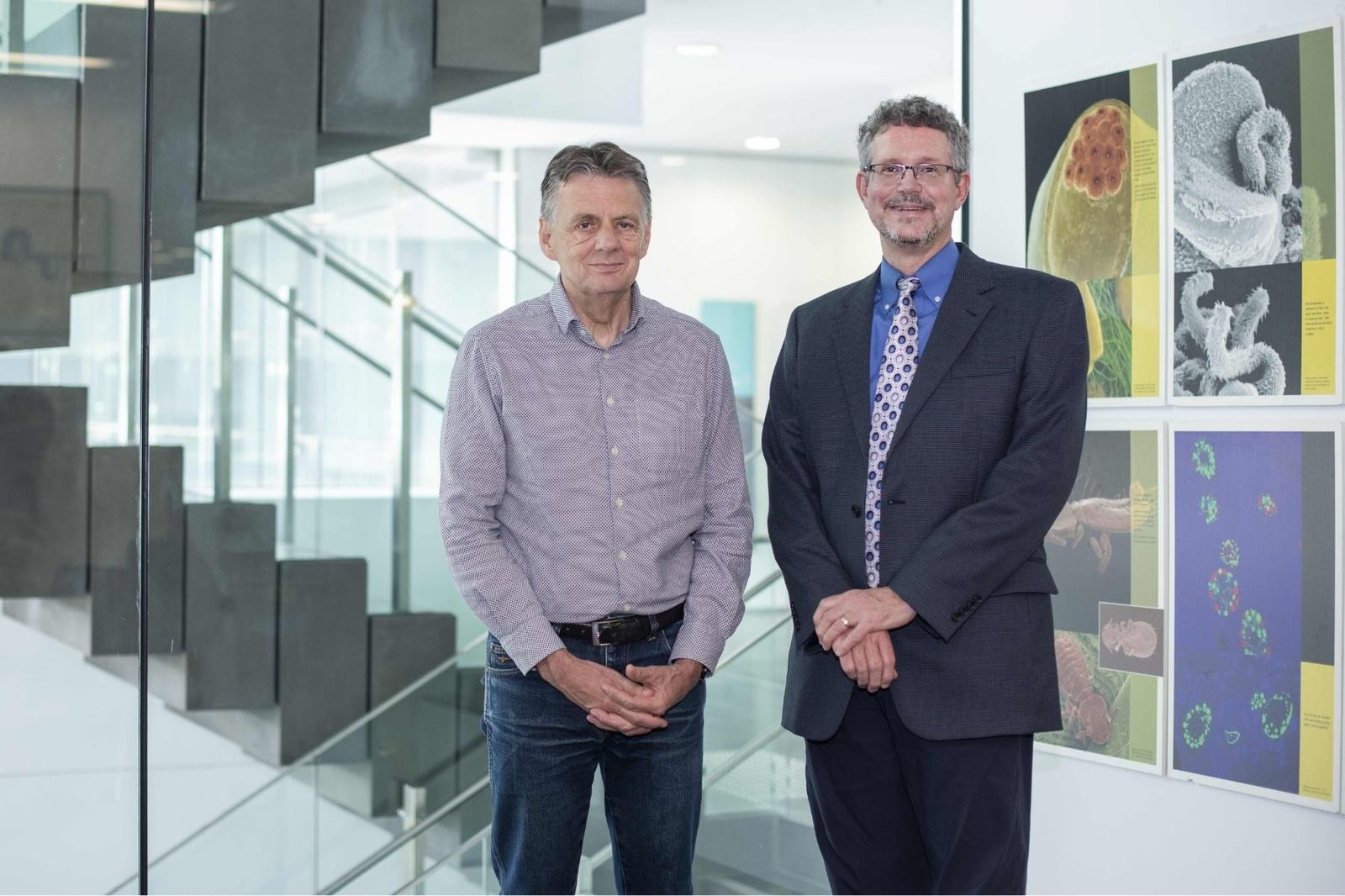
Australian Infectious Diseases Research Centre Eureka Prize for Infectious Diseases Research. Antimalarial Drug Discovery Collaboration, WEHI and MSD. Finalist team L-R: Professor Alan Cowman (WEHI) and David Olsen (formerly of MSD)
Image: WEHI© WEHI
Antimalarial Drug Discovery Collaboration developed a new class of antimalarial drugs that target two essential parasite proteins at once, making resistance harder to develop. Now progressing through clinical development, these compounds work across multiple parasite life stages and could help treat drug-resistant malaria while reducing transmission and saving lives worldwide.
Flinders University
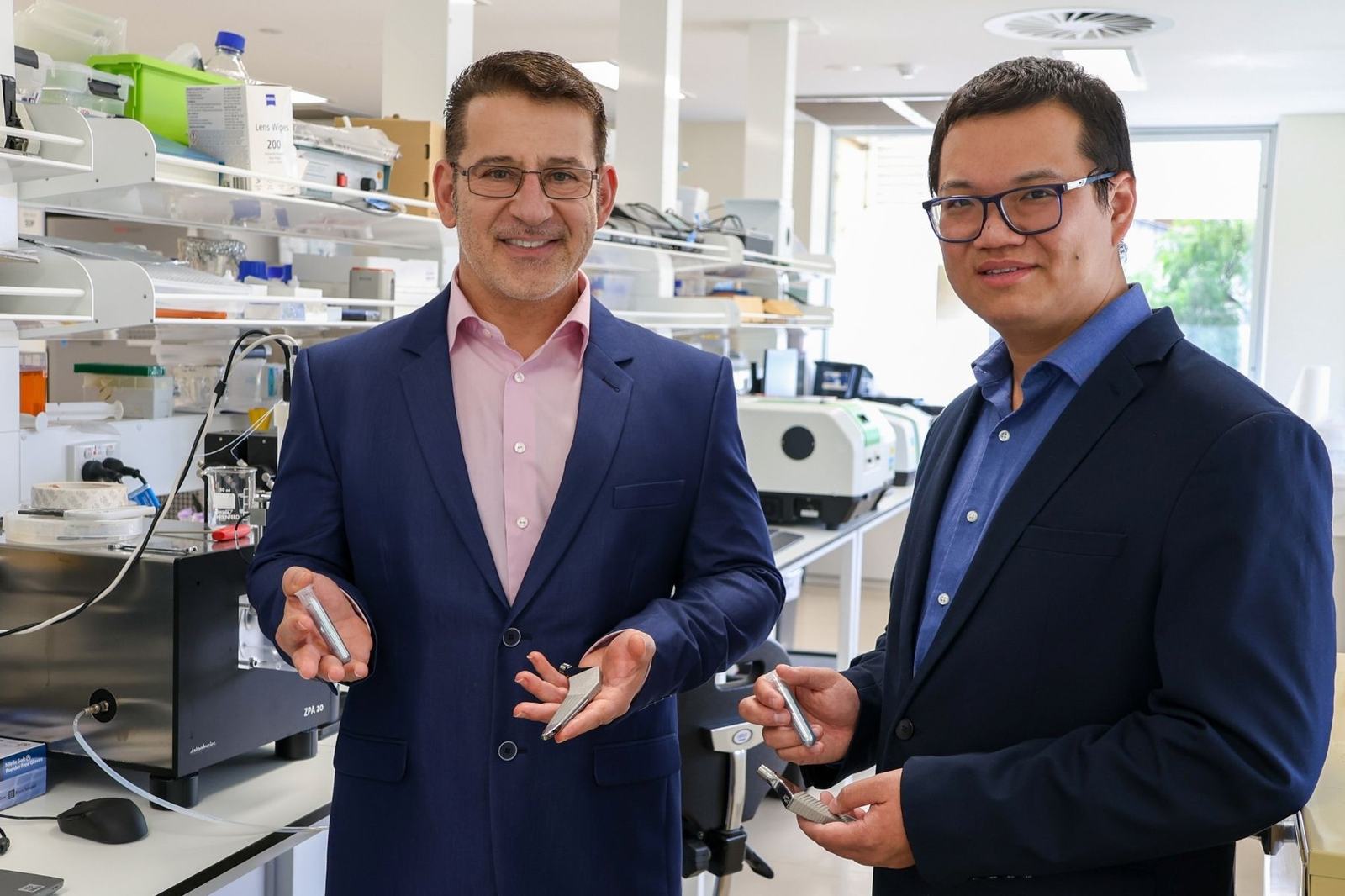
Australian Infectious Diseases Research Centre Eureka Prize for Infectious Diseases Research. Biomedical Nanoengineering Laboratory, Flinders University. Finalist team, L-R: Professor Krasimir Vasilev and Associate Professor Vi Khanh Truong.
Image: Traci Klarenbeek© Flinders University
Biomedical Nanoengineering Laboratory has developed gallium-based, liquid-metal coatings for medical implants that fight infection without antibiotics. Validated in laboratory and preclinical testing, the implant-ready surfaces kill drug-resistant bacteria while supporting bone growth and tissue integration, offering a scalable way to reduce implant infections and improve recovery in clinical settings.
Melbourne Sexual Health Centre; Monash University; and Alfred Health
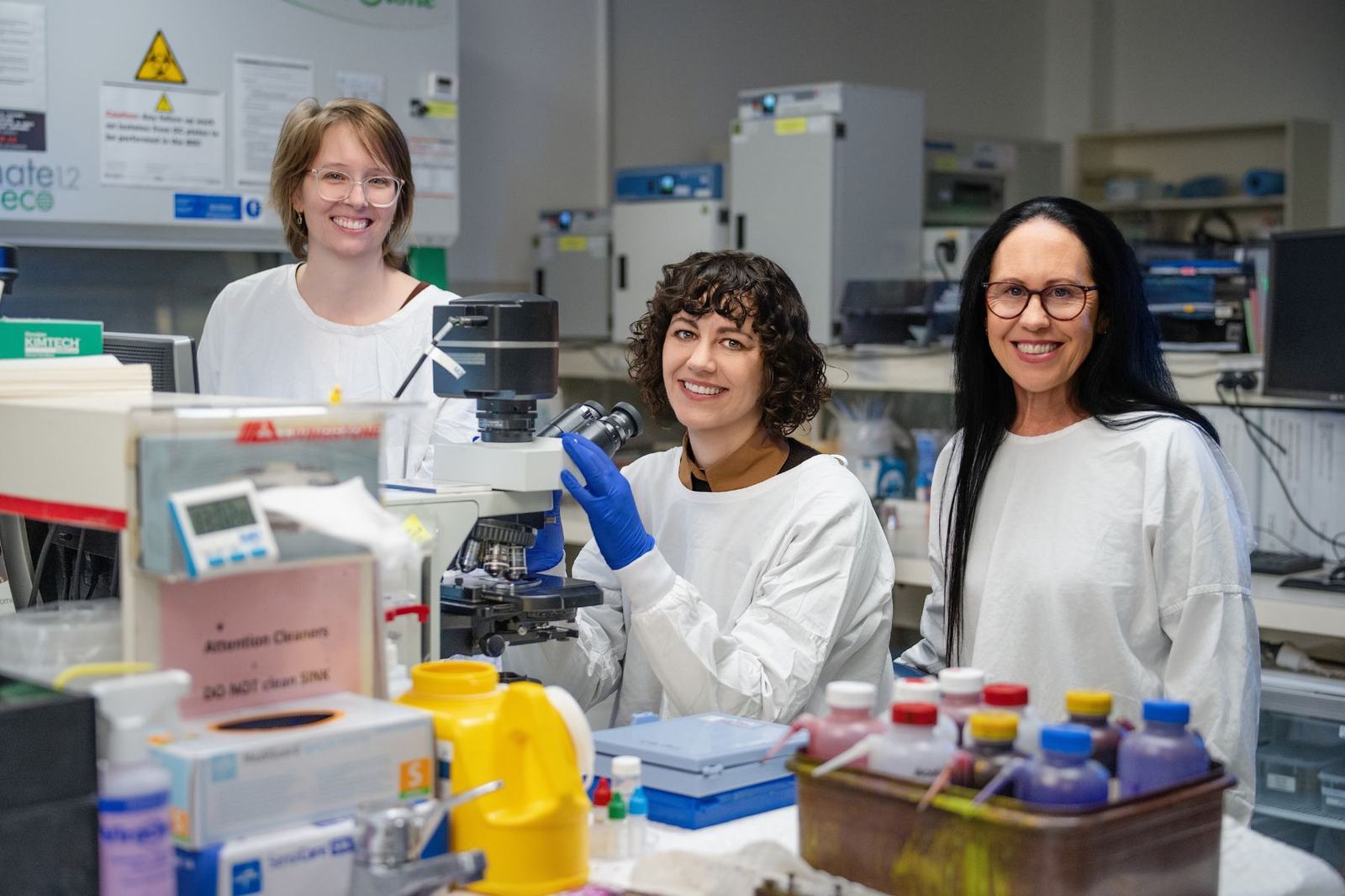
Australian Infectious Diseases Research Centre Eureka Prize for Infectious Diseases Research. Women’s Microbiome Innovation Group, Melbourne Sexual Health Centre; Monash University; and Alfred Health. Finalist team L-R: Dr Erica Plummer, Professor Catriona Bradshaw, Dr Lenka Vodstrcil.
Image: Michelle McFarlane© Monash University
Women’s Microbiome Innovation Group challenged the prevailing dogma that bacterial vaginosis is a bacterial imbalance and proved it is sexually transmitted. The StepUp trial showed treating male partners improves bacterial vaginosis cure and is cost-effective. Partner treatment is transforming global clinical practice for an infection affecting one in four women.
Eureka Prize for Innovative Use of Technology
RMIT University
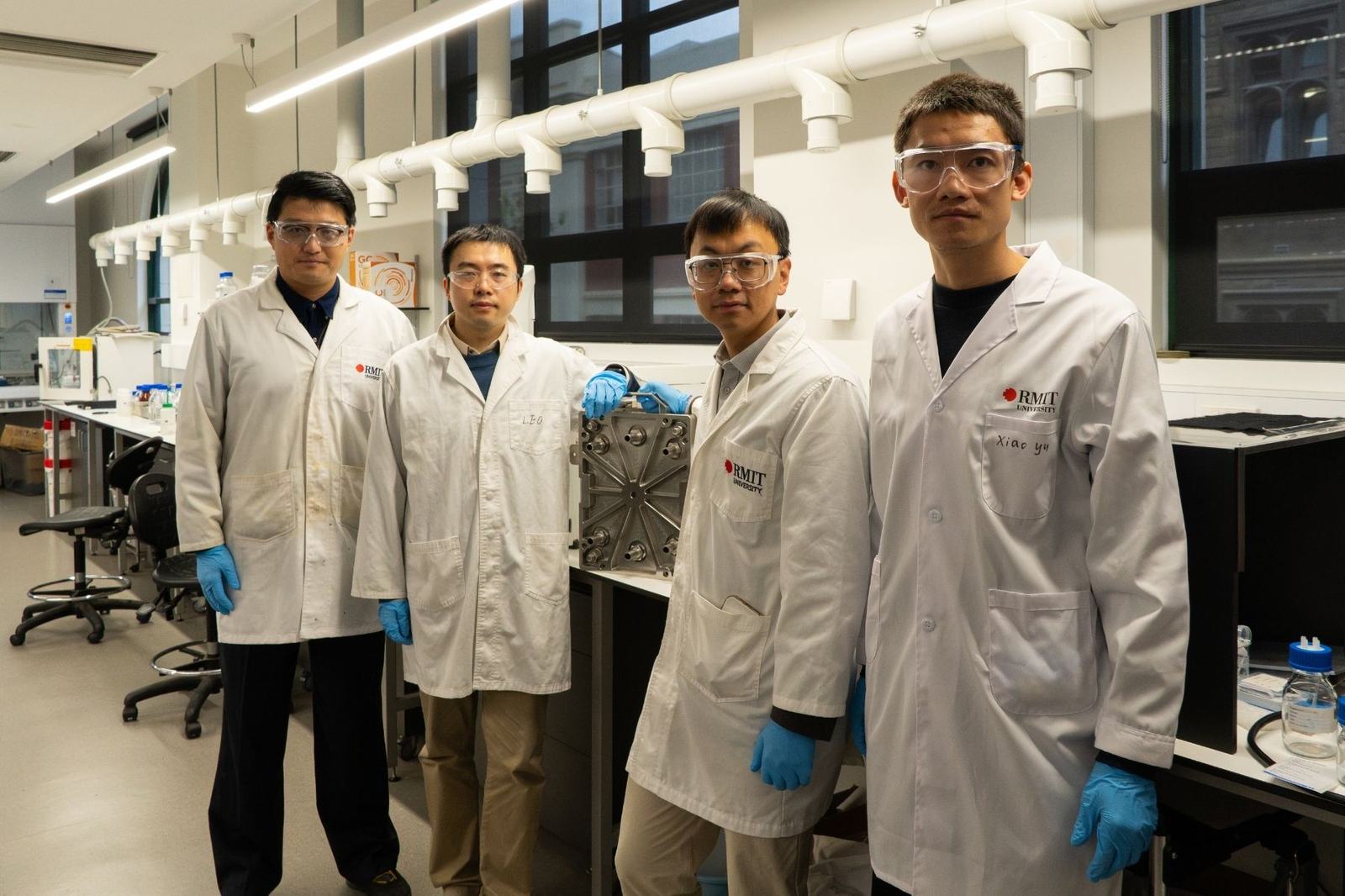
Eureka Prize for Innovative Use of Technology. C2X, RMIT University. Finalist team L-R: Dr Yitong Li, Dr Lei Zhang, Distinguished Professor Tianyi Ma, Dr Peng Li.
Image: Aaron Alvarez© Aaron Alvarez
C2X integrates CO2 capture and conversion into a single process, reducing the cost, energy loss and engineering complexity of traditional systems. This practical and novel pathway to lower-emission fuels and value-added chemicals has been demonstrated with Victorian industry partners, including major industrial emitters and biogas manufacturers.
University of Melbourne; University of Western Australia; and Lions Eye Institute
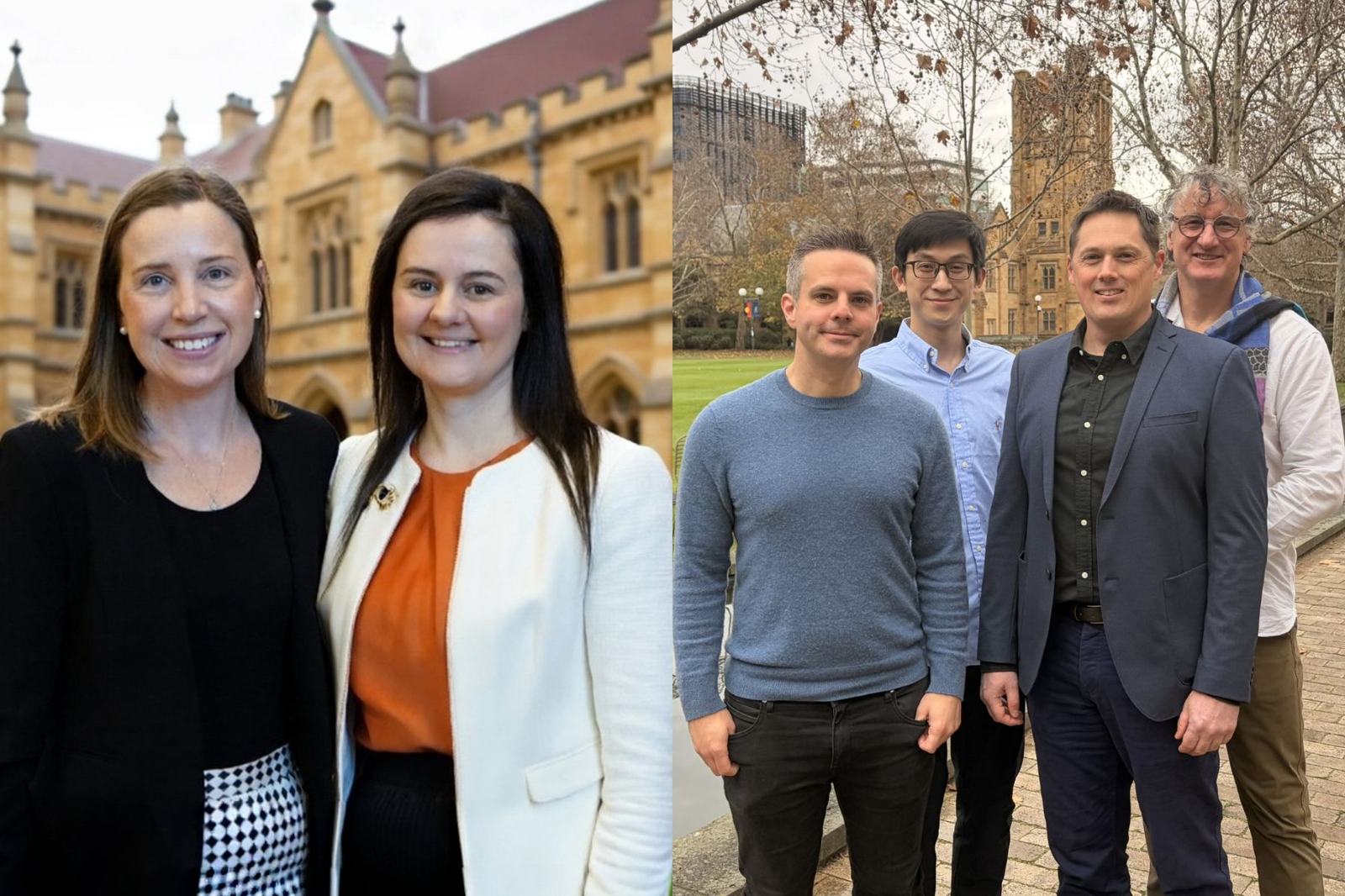
Eureka Prize for Innovative Use of Technology. Fun-IVCM, University of Melbourne; University of Western Australia; and Lions Eye Institute. Finalist team L-R: Associate Professor Holly Chinnery, Professor Laura Downie, Dr Phillip Bedggood, Dr Mengliang Wu, Professor Scott Mueller, Professor Andrew Metha.
Image: Jakeb Fair© University of Melbourne
Overturning a long-held understanding of the eye’s immune system, this new, high-resolution videography technology enables experts to observe immune cells moving in real time, within the living human cornea. Called Functional In Vivo Confocal Microscopy (Fun-IVCM), the technology captures immune cell behaviour, transforming immune monitoring and the evaluation of treatments.
The University of Sydney
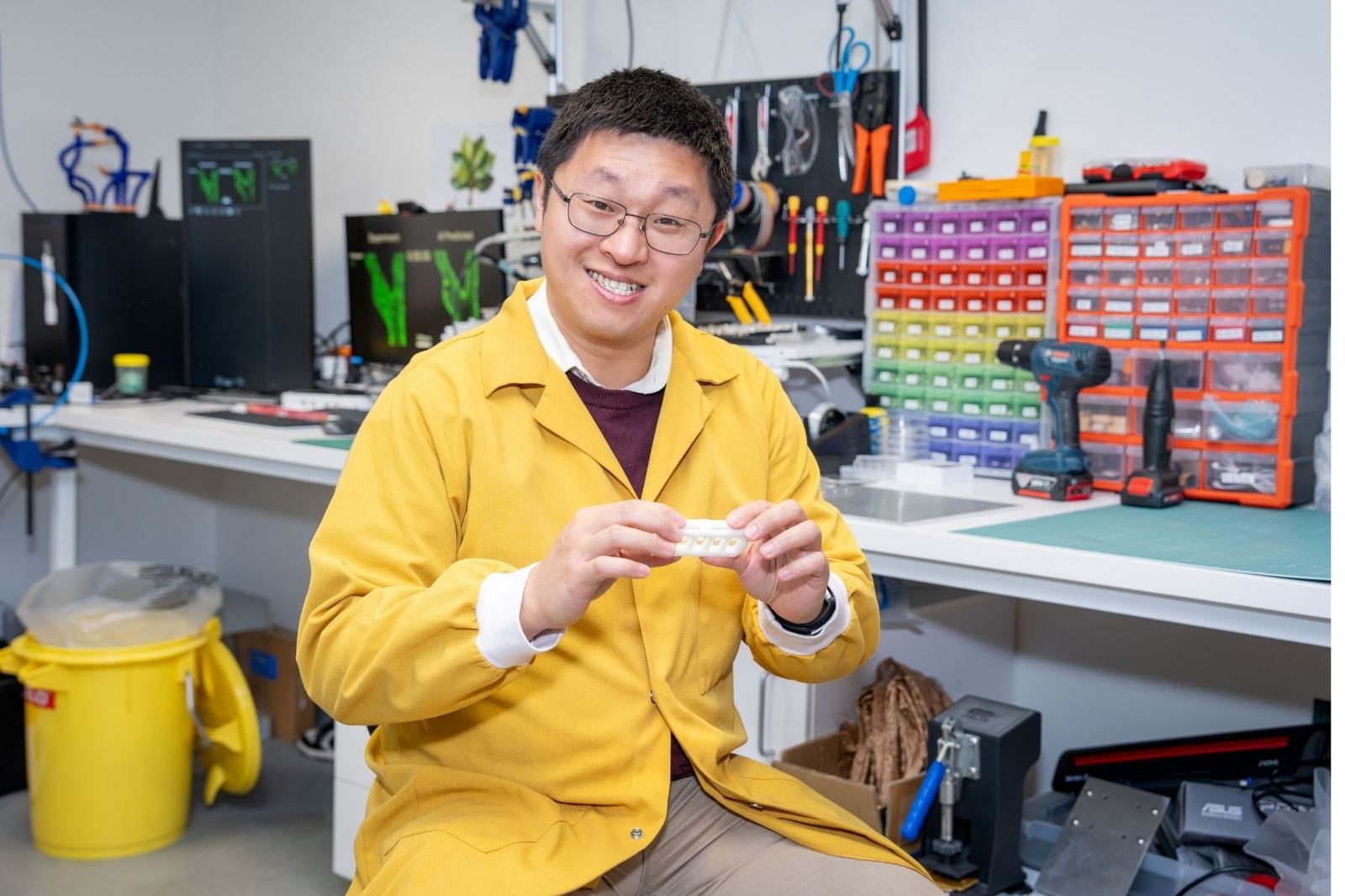
Eureka Prize for Innovative Use of Technology. Professor Arnold Lining Ju, The University of Sydney.
Image: Emlyn Crockett© Emlyn Crockett
By developing a ‘physical twin’ for personalised stroke prevention along with ultrafast 3D printing and generative AI, Professor Arnold Lining Ju has shifted remote cardiovascular care from population-averaged statistics to patient-specific medicine. The technology provides automated, precise diagnostics where doctors are scarce, transforming stroke prevention for thousands of Telestroke patients.
Macquarie University Eureka Prize for Outstanding Early Career Researcher
UNSW and Neuroscience Research Australia
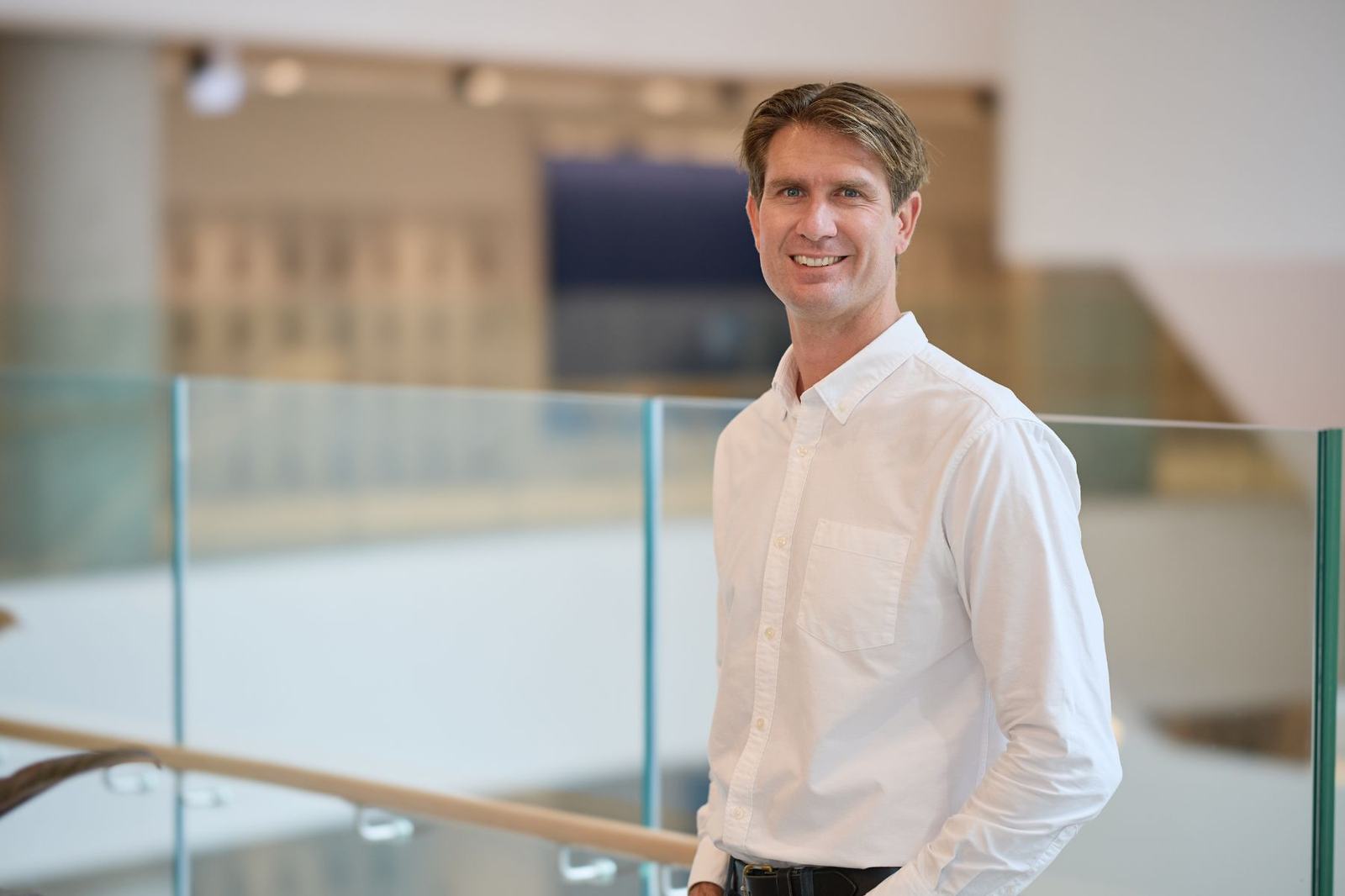
Macquarie University Eureka Prize for Outstanding Early Career Researcher. Dr Aidan Cashin, UNSW and Neuroscience Research Australia.
Image: UNSW© UNSW
Dr Aidan Cashin is changing chronic pain care by determining which treatments help, why they work and how to deliver them widely. His research clarified whether back pain medicines help or harm, developed a non-drug program that improves recovery and is now shaping clinical training, digital care and international trials.
The University of Queensland
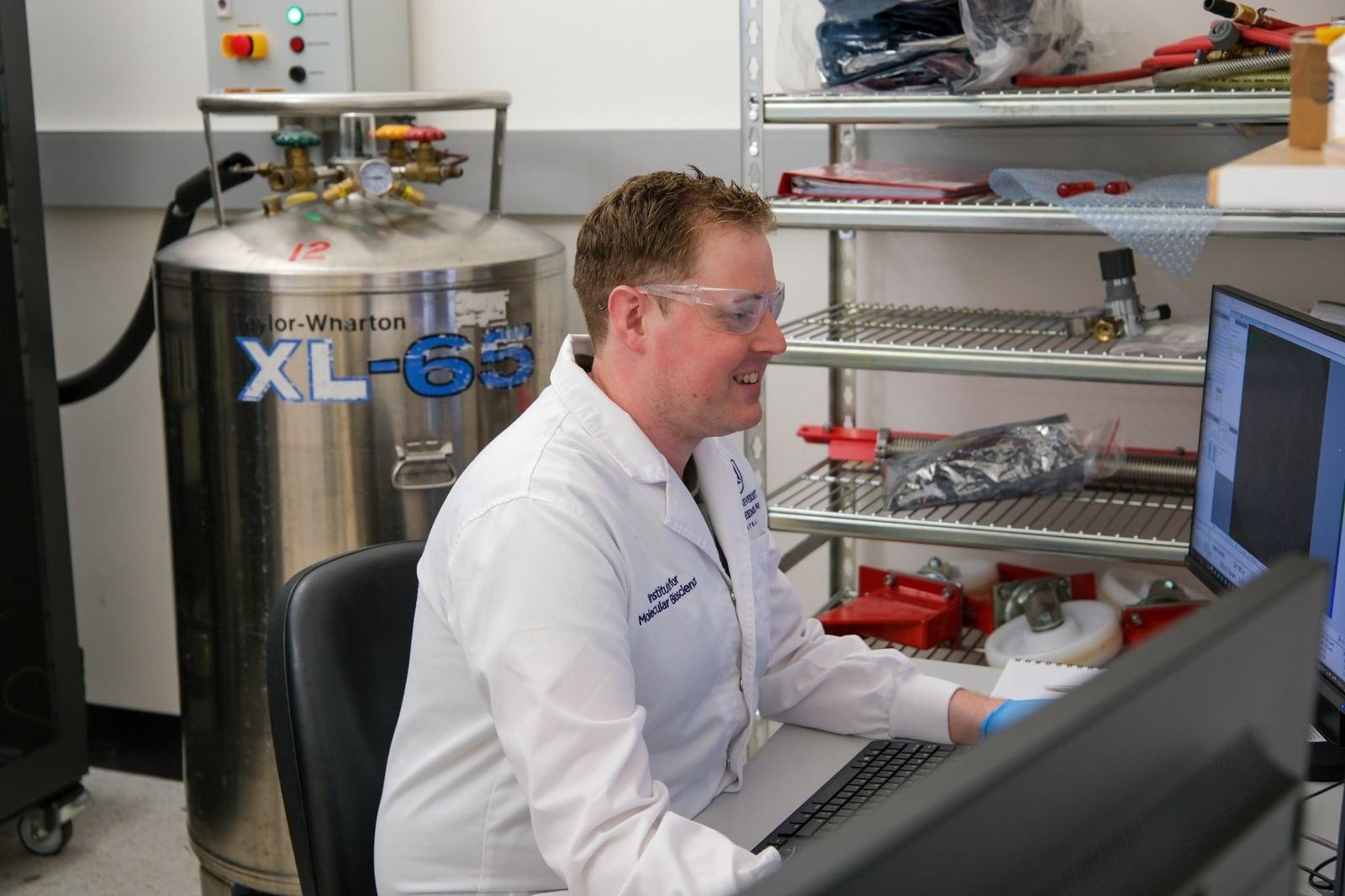
Macquarie University Eureka Prize for Outstanding Early Career Researcher. Dr Michael Healy, The University of Queensland.
Image: Jessica McGaw© Institute of Molecular Bioscience, University of Queensland
Dr Michael Healy is revealing how proteins move inside cells. His work explains how mutations contribute to developmental disorders and may guide future treatments. Using electron microscopy, crystallography and AI modelling, he defined the structure of Commander, a 16-part protein complex that directs cellular traffic, pinpointing disease-linked mutations.
University of Technology Sydney
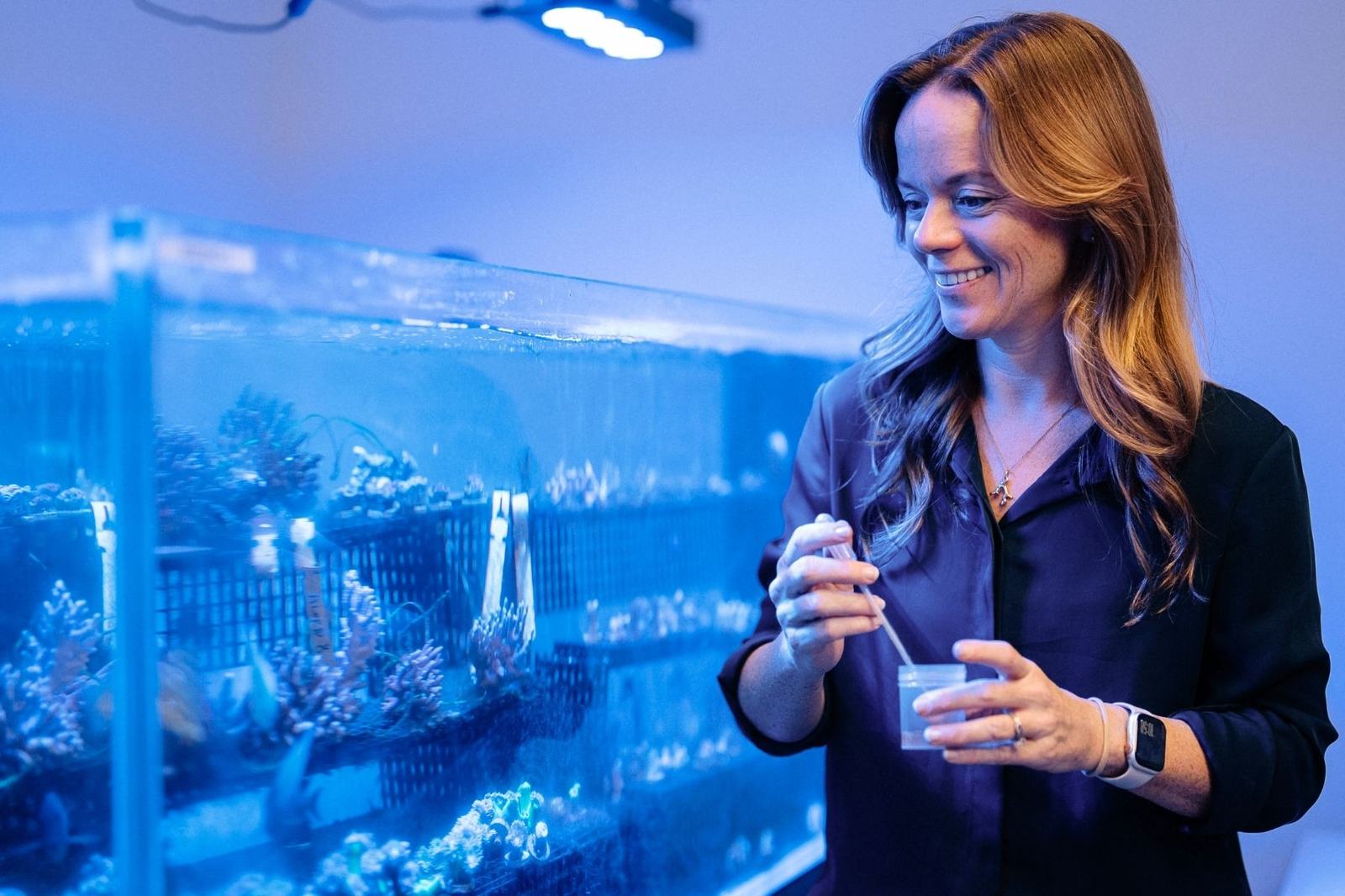
Macquarie University Eureka Prize for Outstanding Early Career Researcher. Dr Jen Matthews, University of Technology Sydney.
Image: Philip Warring© University of Technology Sydney
Dr Jen Matthews has reframed coral resilience as a matter of nutrition and metabolic balance. By combining advanced chemistry, nutrition and nanotechnology, she showed targeted supplements can double larval survival under heat stress, creating ‘coral baby food’ now used across reef restoration, aquaculture and Traditional Owner-led reef management programs.
Department of Defence Eureka Prize for Outstanding Science in Safeguarding Australia
The University of Sydney and Redbelly Network
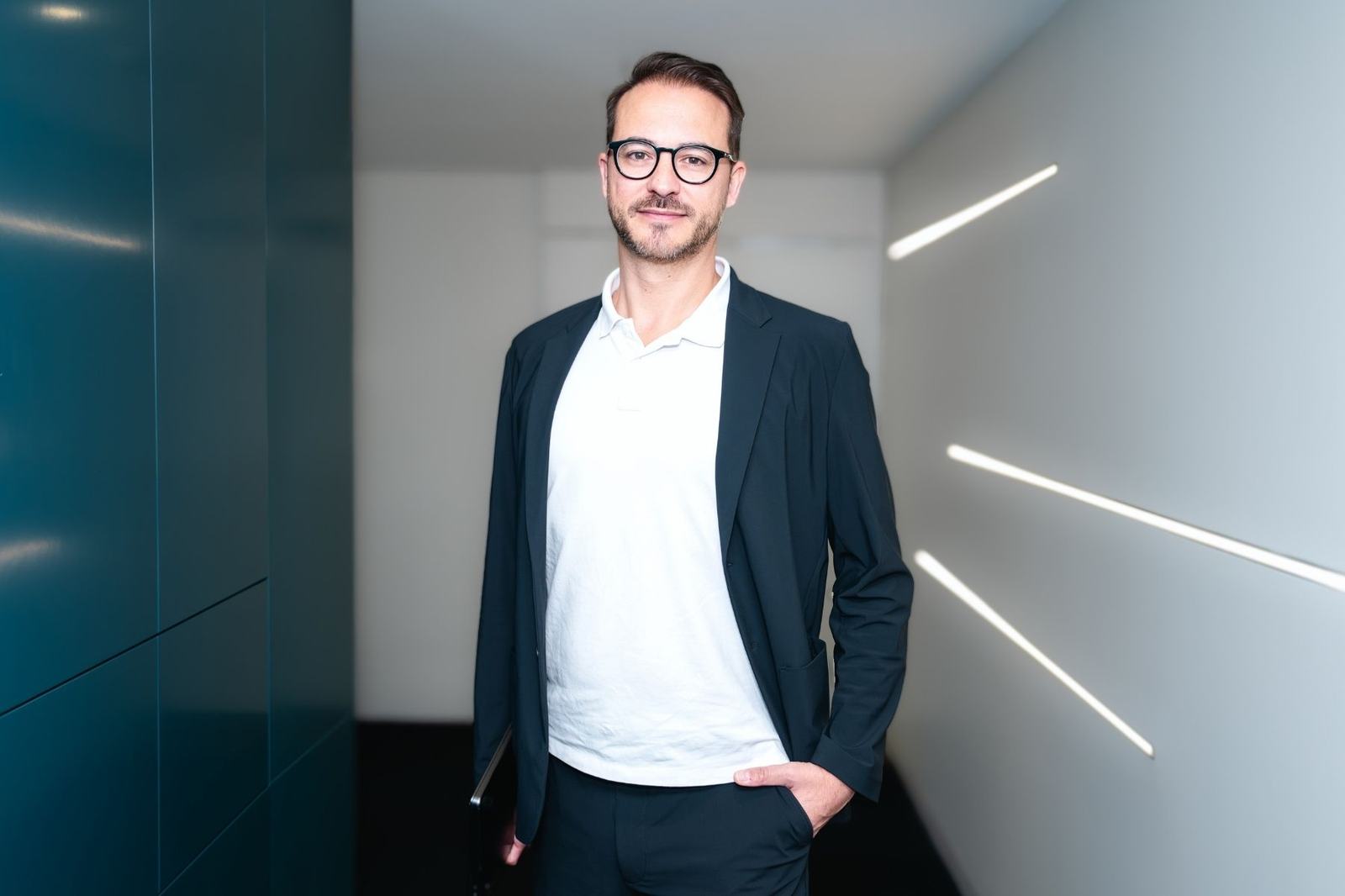
Department of Defence Eureka Prize for Outstanding Science in Safeguarding Australia. Professor Vincent Gramoli, The University of Sydney and Redbelly Network.
Image: Emlyn Crockett© Emlyn Crockett
Professor Vincent Gramoli researched and designed the Redbelly Blockchain, commercialising it with Redbelly Network. The cybersecurity software innovation enables users to exchange assets more securely, safeguarding Australia’s financial resilience. It is one of the fastest blockchains in production and was selected by the Reserve Bank of Australia to participate in the Project Acacia research initiative .
UNSW Eureka Prize for Scientific Research
UNSW
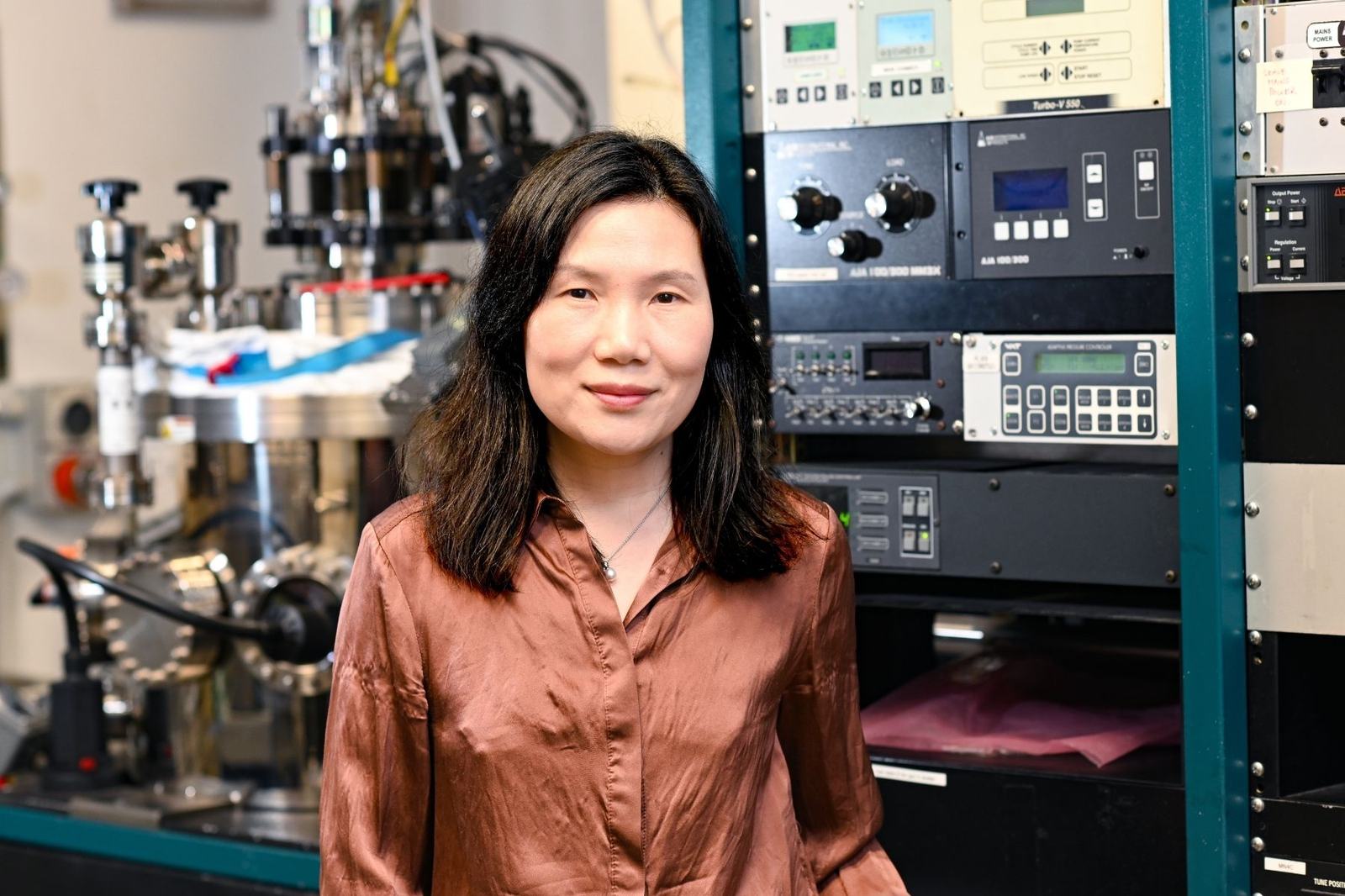
UNSW Eureka Prize for Scientific Research. Scientia Professor Xiaojing Hao, UNSW.
Image: Rob Largent© Rob Largent
Scientia Professor Xiaojing Hao is making next-generation solar cells more efficient, durable and sustainable by tackling defects that waste captured sunlight. Her diagnostic platform pinpoints where energy is lost, helping set world records in four leading materials that can layer above silicon in stacked solar cells, and developing higher-performing panels.
Peter MacCallum Cancer Centre
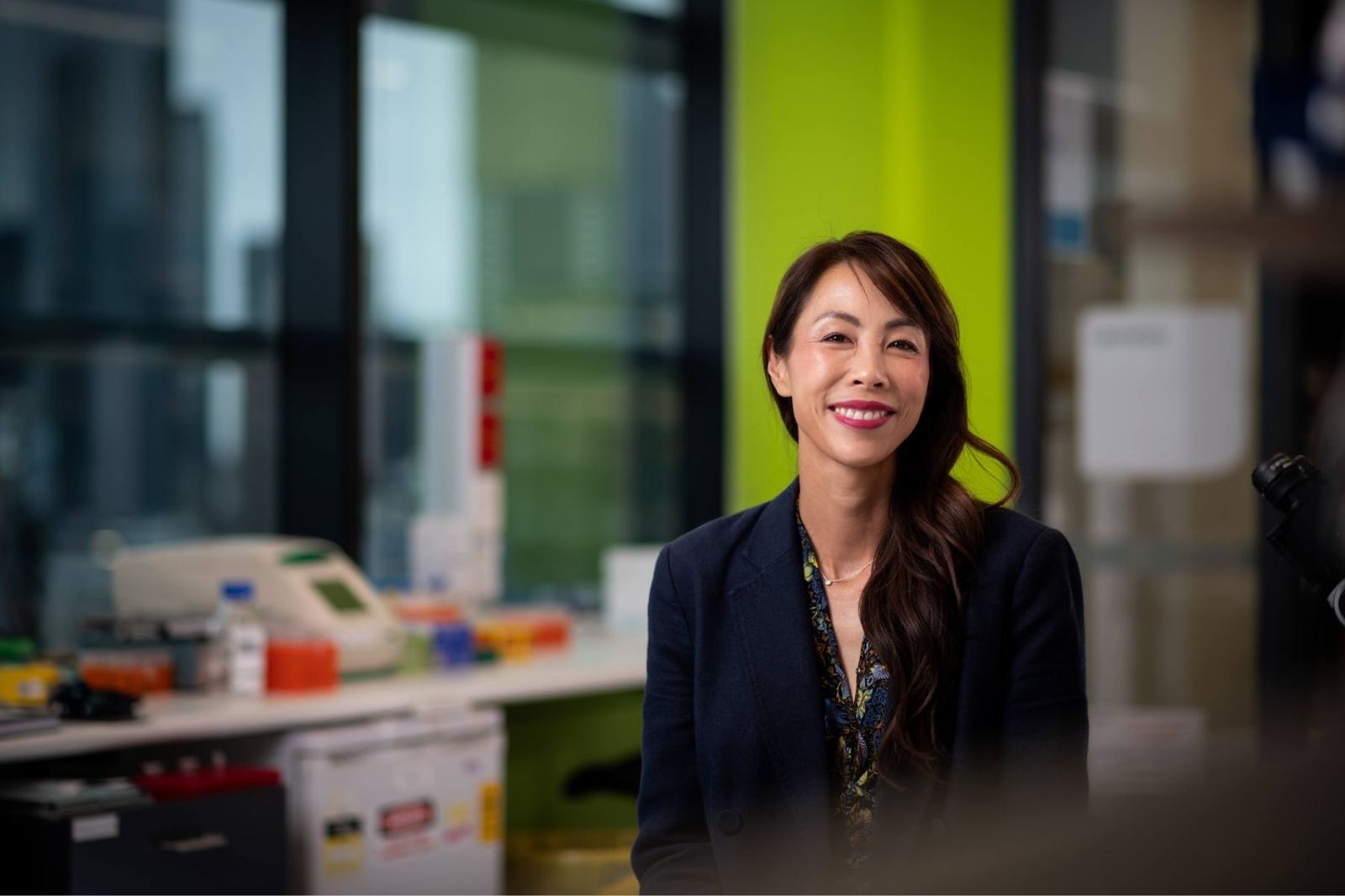
UNSW Eureka Prize for Scientific Research. Professor Sherene Loi, Peter MacCallum Cancer Centre.
Image: Darren James Photography© Darren James Photography
Professor Sherene Loi has shown how pregnancy and breastfeeding can reduce breast cancer risk. She identified the mechanism as long-lived immune memory in the breast, carried by protective T cells. The findings open new directions for prevention, risk prediction and future immune-based strategies for women at risk of breast cancer.
The University of Sydney and Melanoma Institute Australia
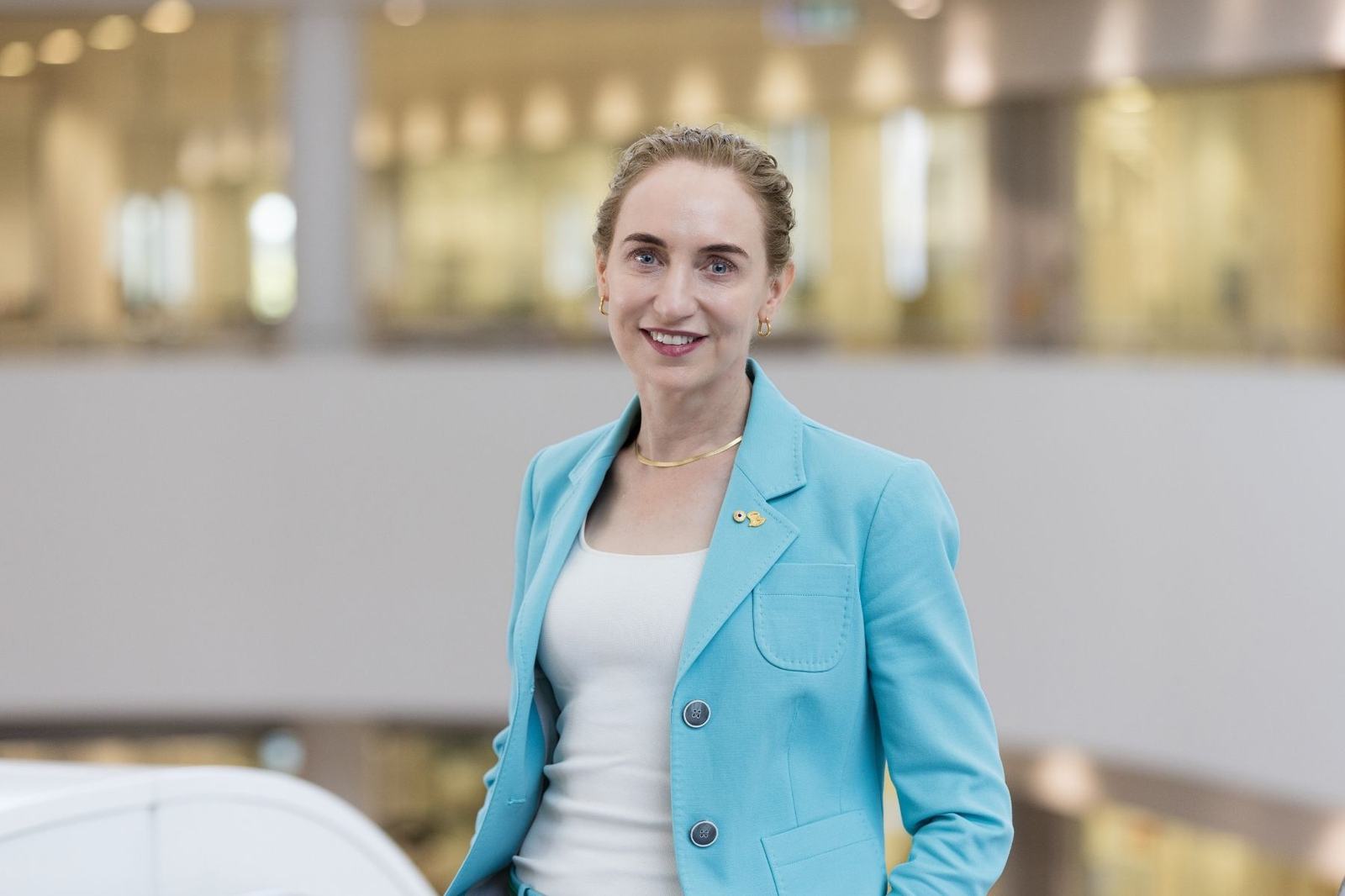
UNSW Eureka Prize for Scientific Research. Professor Georgina Long AO, The University of Sydney and Melanoma Institute Australia.
Image: Peter Tabor© Peter Tabor
Professor Georgina Long transformed melanoma care by pioneering neoadjuvant immunotherapy, given before surgery, and leading international drug development. Her research reduced recurrence or death risk by 68%, lifted survival 10-fold in stage IV disease and 24-fold in brain metastases, and created tools to identify patients needing new approaches.
Eureka Prize for Sustainability Research
UNSW
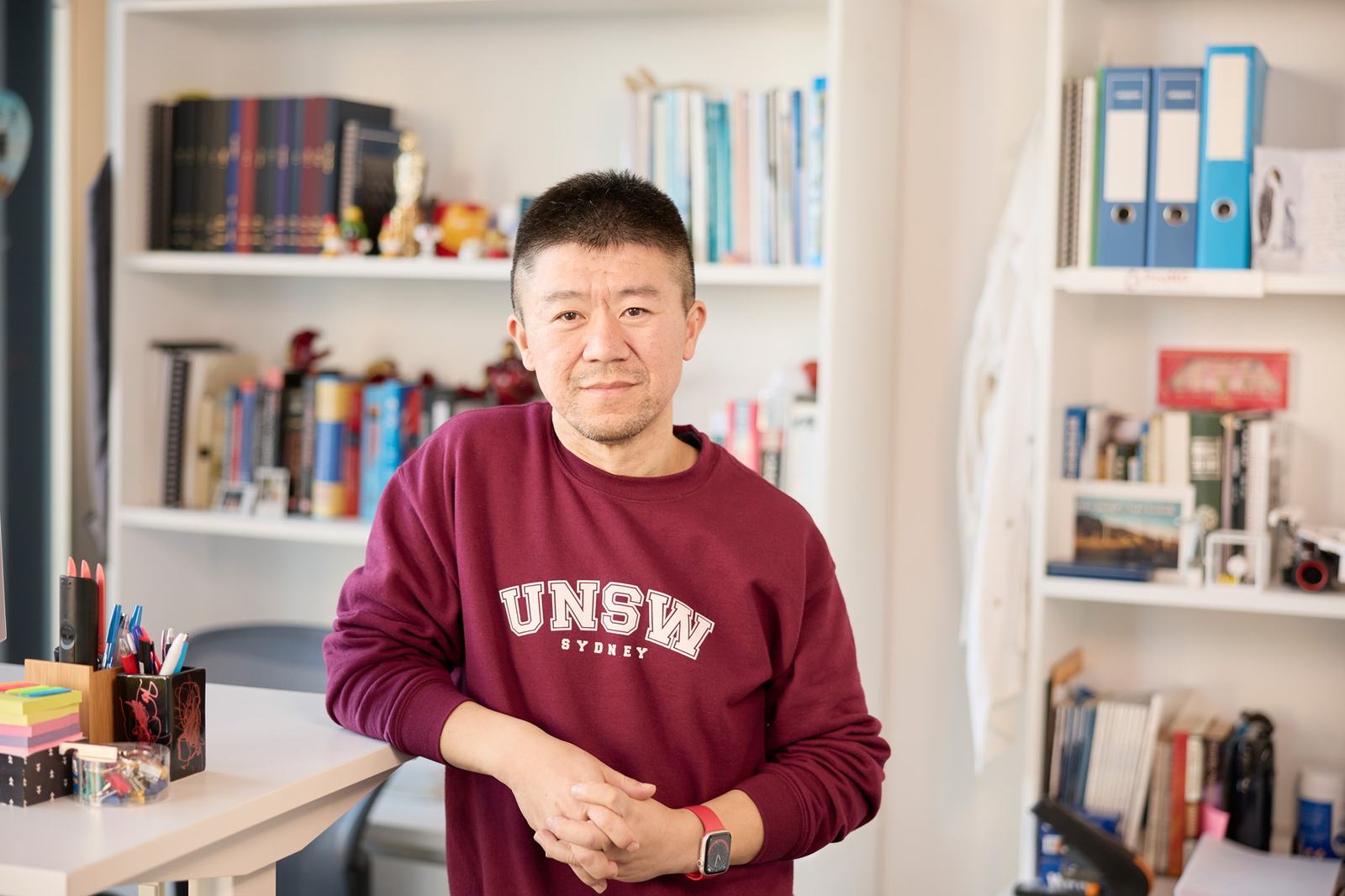
Eureka Prize for Sustainability Research. Professor Yansong Shen, UNSW.
Image: Richard Freeman© Richard Freeman
Professor Yansong Shen has developed a low-cost, scalable, portable process to recover the valuable metals and silicon from used solar panels. With an estimated 60–78 million tonnes of panels requiring recycling by 2050, this end-to-end technology could recover valuable metals, including silver, and support more sustainable solar-waste management.
UNSW
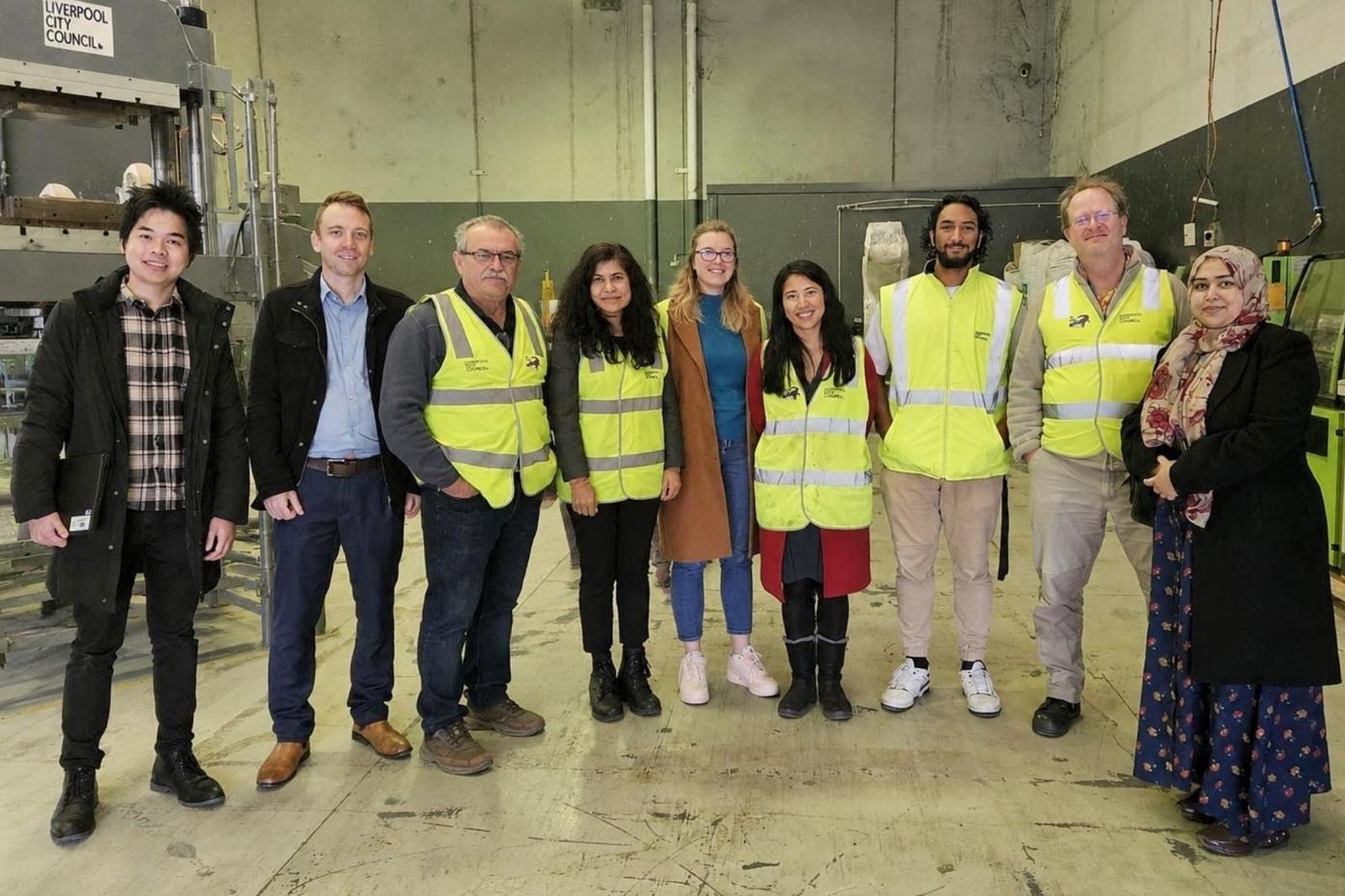
University of Sydney Eureka Prize for Sustainability Research. Finalist team SMaRT@UNSW, UNSW.
Image: Dr. Heriyanto© UNSW
SMaRT@UNSW has developed microrecycling science so that complex, modern waste streams can be transformed into value-added materials. The technologies reform e-waste, plastics and textiles into products on site through decentralised, scalable MICROfactories, reducing emissions, landfill and reliance on imported materials and products.
Griffith University; Queensland Government; and City of Moreton Bay
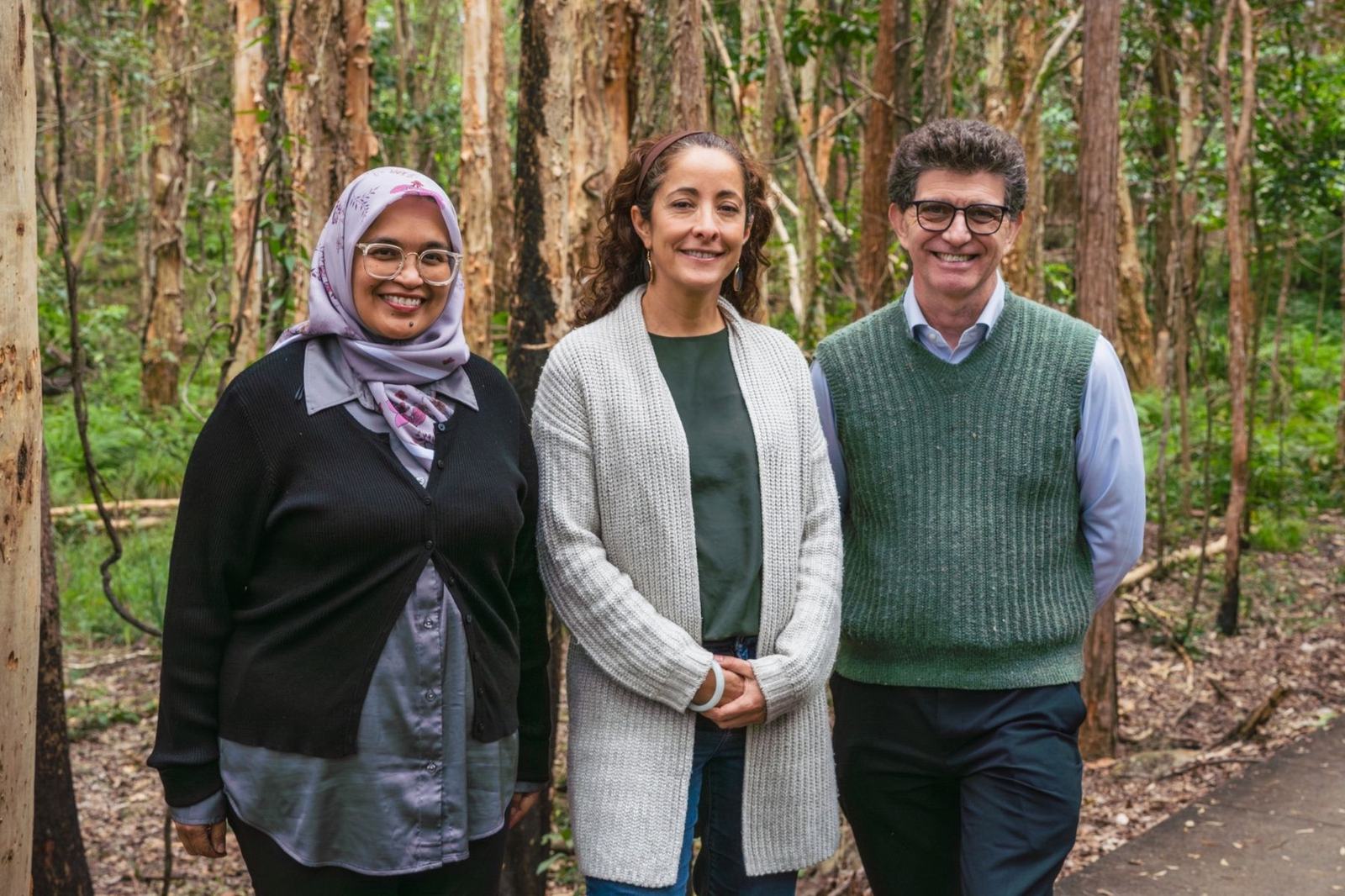
Eureka Prize for Sustainability Research. Wetlands Team, Griffith University; Queensland Government; and City of Moreton Bay. Finalist team L-R: Syezlin Hasan, Fernanda Adame and Jim Smart; (absent) Carla Wegscheidl, Suzette Argent and Emad Kavehei.
Image: Andrew Thomson© Andrew Thomson
The Wetlands Team showed that wetlands efficiently remove nitrate, the most environmentally damaging form of nitrogen affecting the Great Barrier Reef, and identified the best conditions for them to work in agricultural catchments. Their findings informed the Reef 2050 Wetlands Strategy and secured $50 million for wetland creation, restoration and management.
Leadership
University of Sydney Eureka Prize for Emerging Leader in Science, Technology and Engineering
The University of Sydney
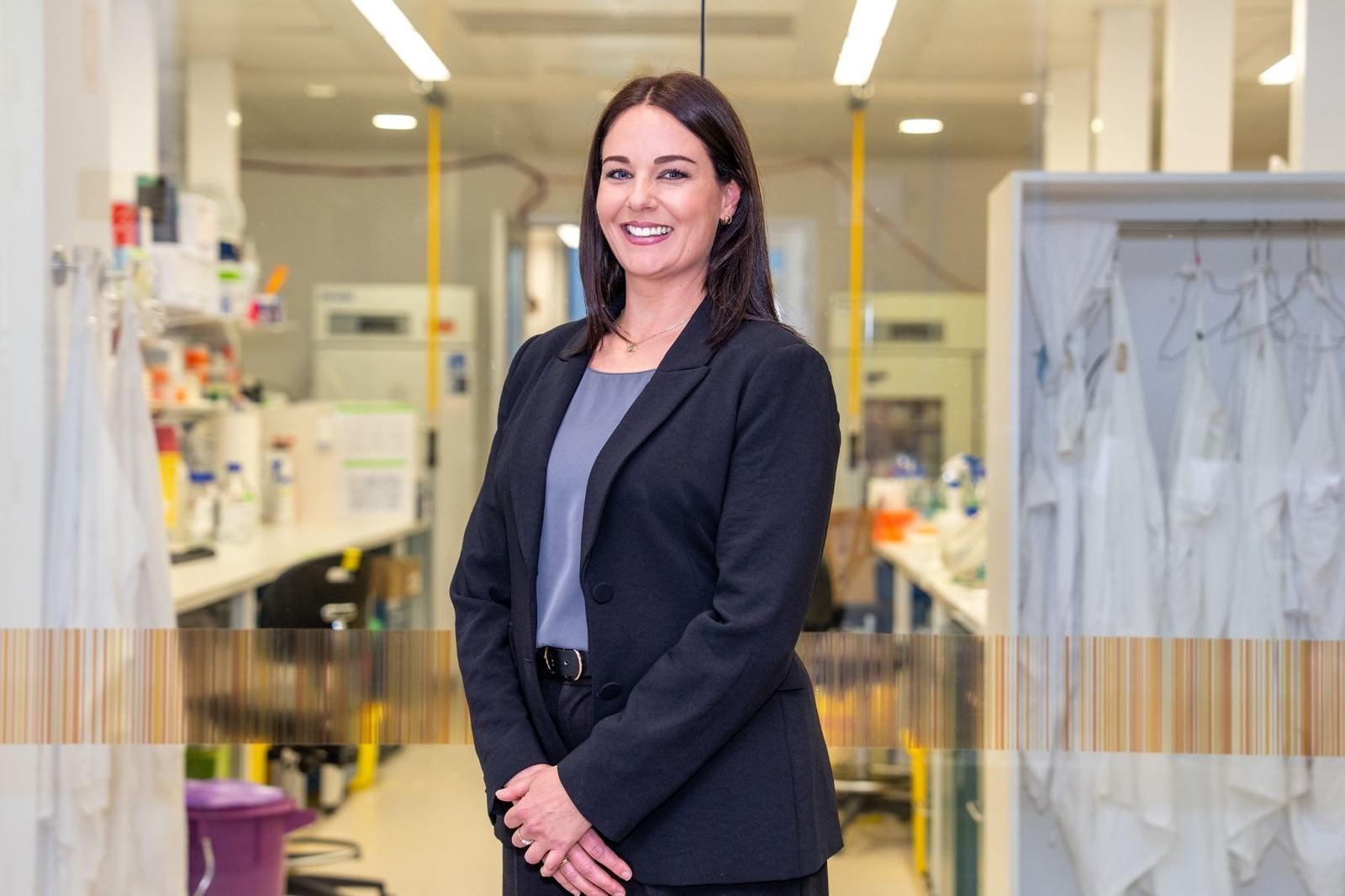
University of Sydney Eureka Prize for Emerging Leader in Science, Technology and Engineering. Dr Natalie Matosin, The University of Sydney.
Image: Emlyn Crockett© Emlyn Crockett
Dr Natalie Matosin is building world-first chemical, cellular and molecular maps of human brain disorders, showing the changes that occur in conditions such as depression and dementia. Leading international collaborators across 10 countries, she connects donated brain-tissue research with drug development, policy change, national infrastructure and community impact.
Adelaide University
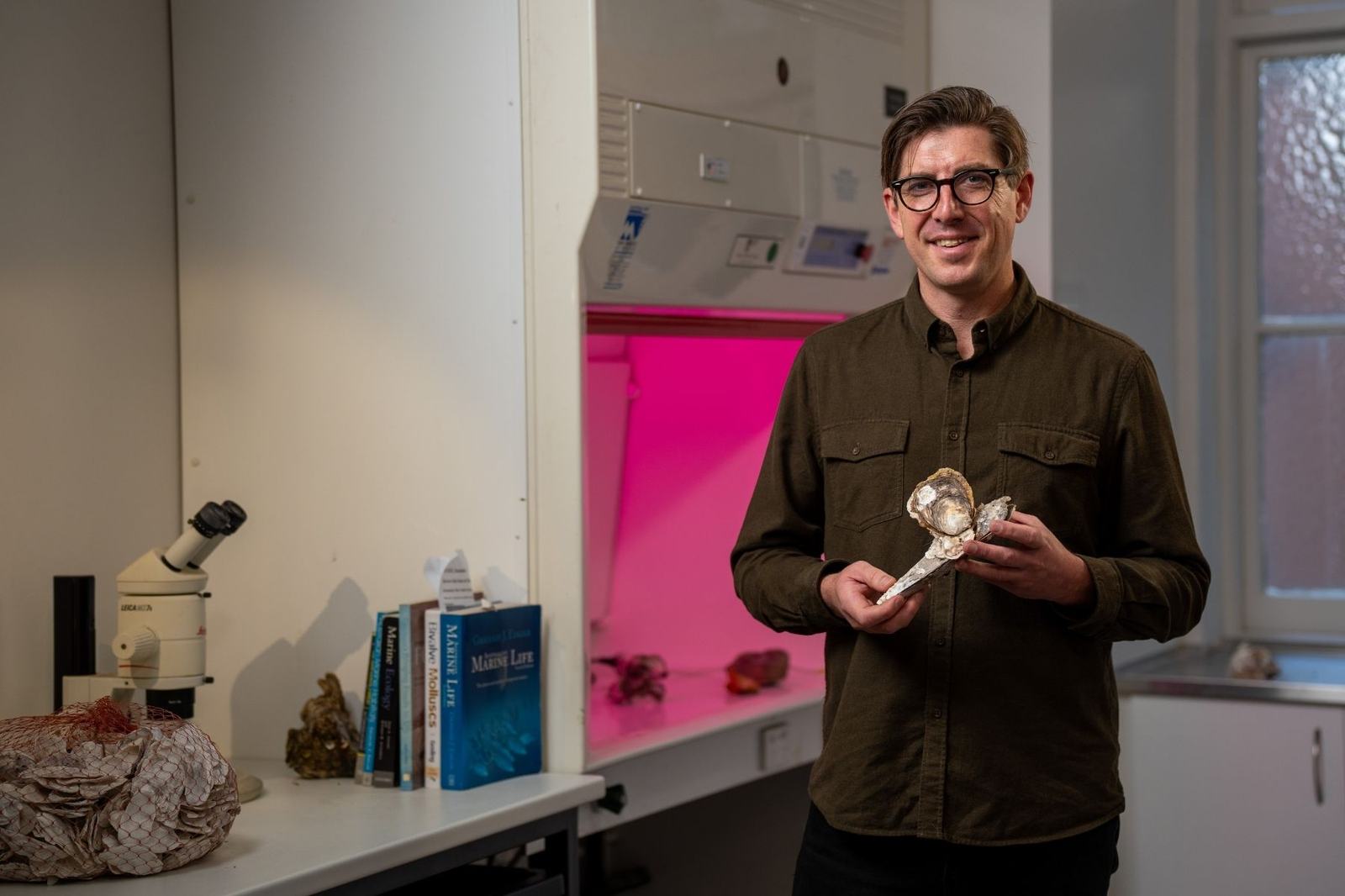
University of Sydney Eureka Prize for Emerging Leader in Science, Technology and Engineering. Dr Dominic McAfee, Adelaide University.
Image: Nelson Da Silva© Nelson Da Silva
Dr Dominic McAfee is reversing coastal habitat loss by putting communities at the centre of marine restoration. His whole-of-society approach links science with schools, Aboriginal organisations, coastal industries and volunteers, rebuilding shellfish reefs at scale and strengthening the connections between people, ecosystems and the nearshore habitats on which they depend.
Monash University
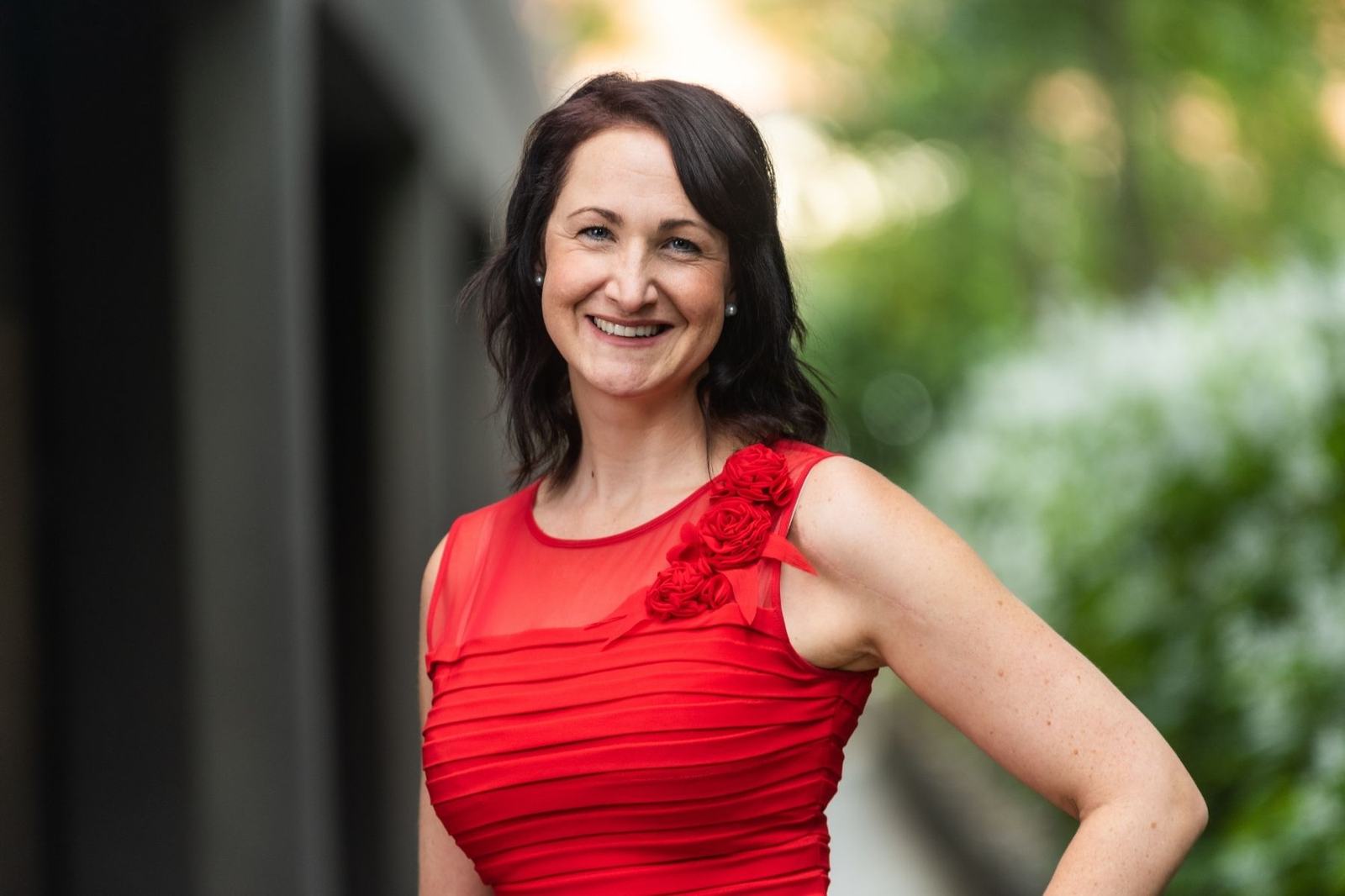
University of Sydney Eureka Prize for Emerging Leader in Science, Technology and Engineering. Dr Jane Tiller, Monash University.
Image: Michelle McFarlane© Michelle McFarlane
Dr Jane Tiller led a research-driven campaign that in 2026 helped ban Australian life insurers from using genetic test results to discriminate in underwriting. By uniting researchers, clinicians, patient groups and policymakers, she removed a major barrier to potentially life-saving genomic testing, expanding opportunities for equitable access to preventive medicine.
University of Sydney Eureka Prize for Leadership in Science
Adelaide University
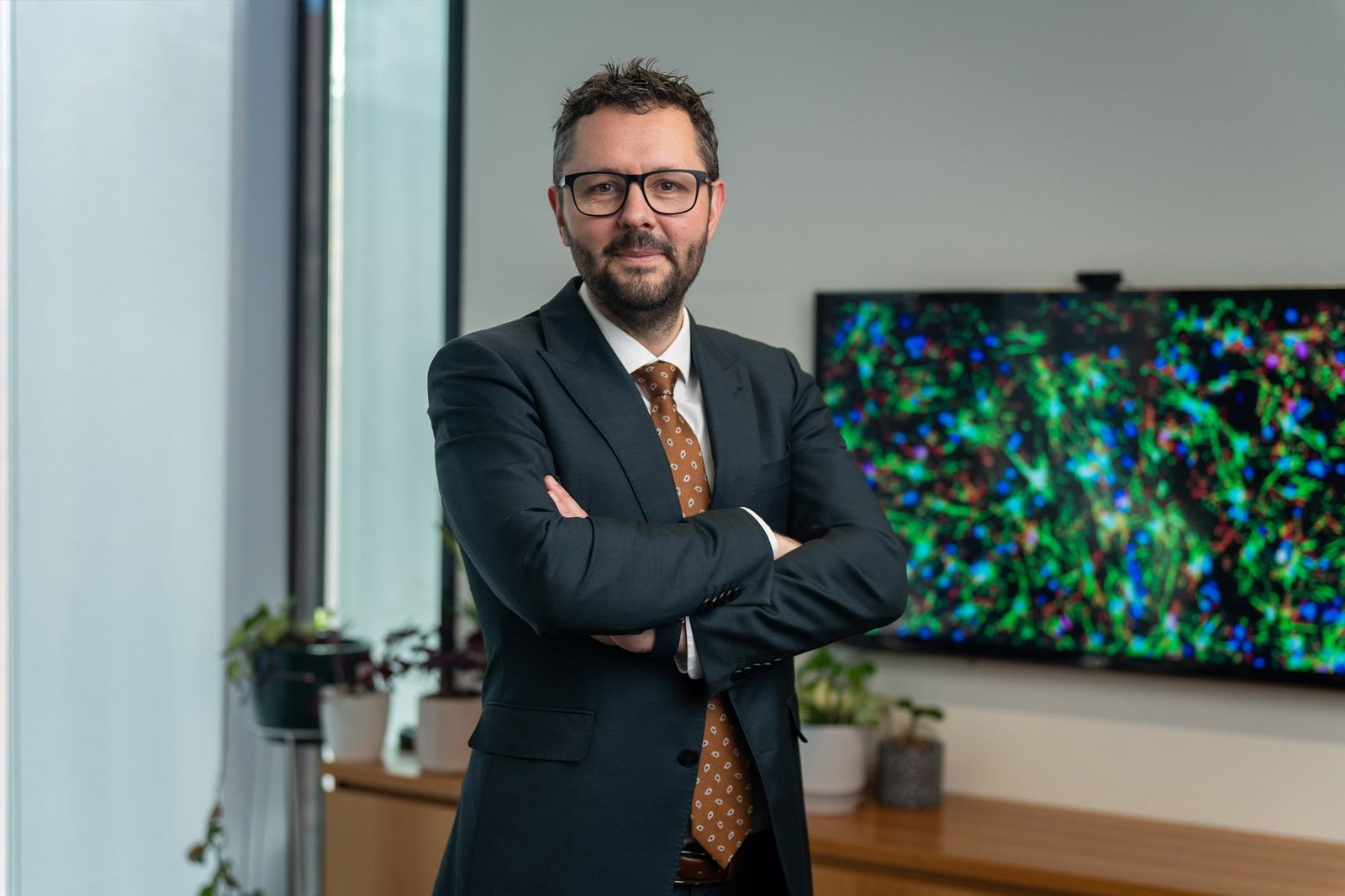
University of Sydney Eureka Prize for Leadership in Science. Professor Mark Hutchinson, Adelaide University.
Image: Amy Duncan© Adelaide University
Professor Mark Hutchinson has turned a scientific insight into a movement, building a new research field, commercialising discoveries at scale and reshaping national policy. He pioneered neuroimmunopharmacology, trains Australia’s scientist-entrepreneurs and helped generate 19 spin-out companies worth $515 million through the ARC Centre of Excellence for Nanoscale BioPhotonics.
The University of Sydney
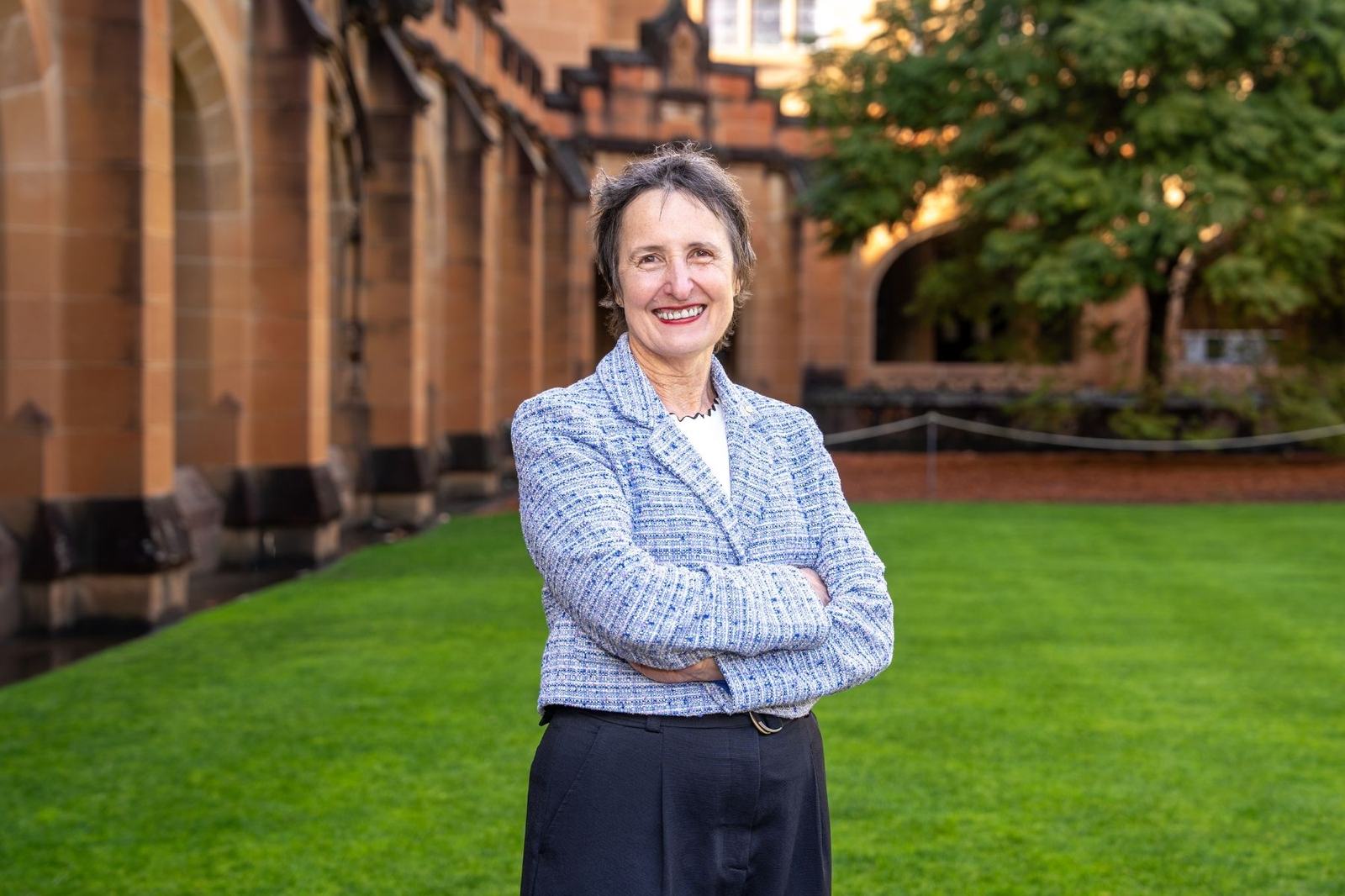
University of Sydney Eureka Prize for Leadership in Science. Distinguished Professor Maree Teesson, The University of Sydney.
Image: Emlyn Crockett© Emlyn Crockett
Distinguished Professor Maree Teesson is an international leader in mental health and substance use research, especially the overlap between these disorders. As Director of the Matilda Centre, the largest research centre of its kind, she has advanced prevention and treatment, including school-based programs reaching 300,000 students in Australia and overseas.
SYNthesis BioVentures
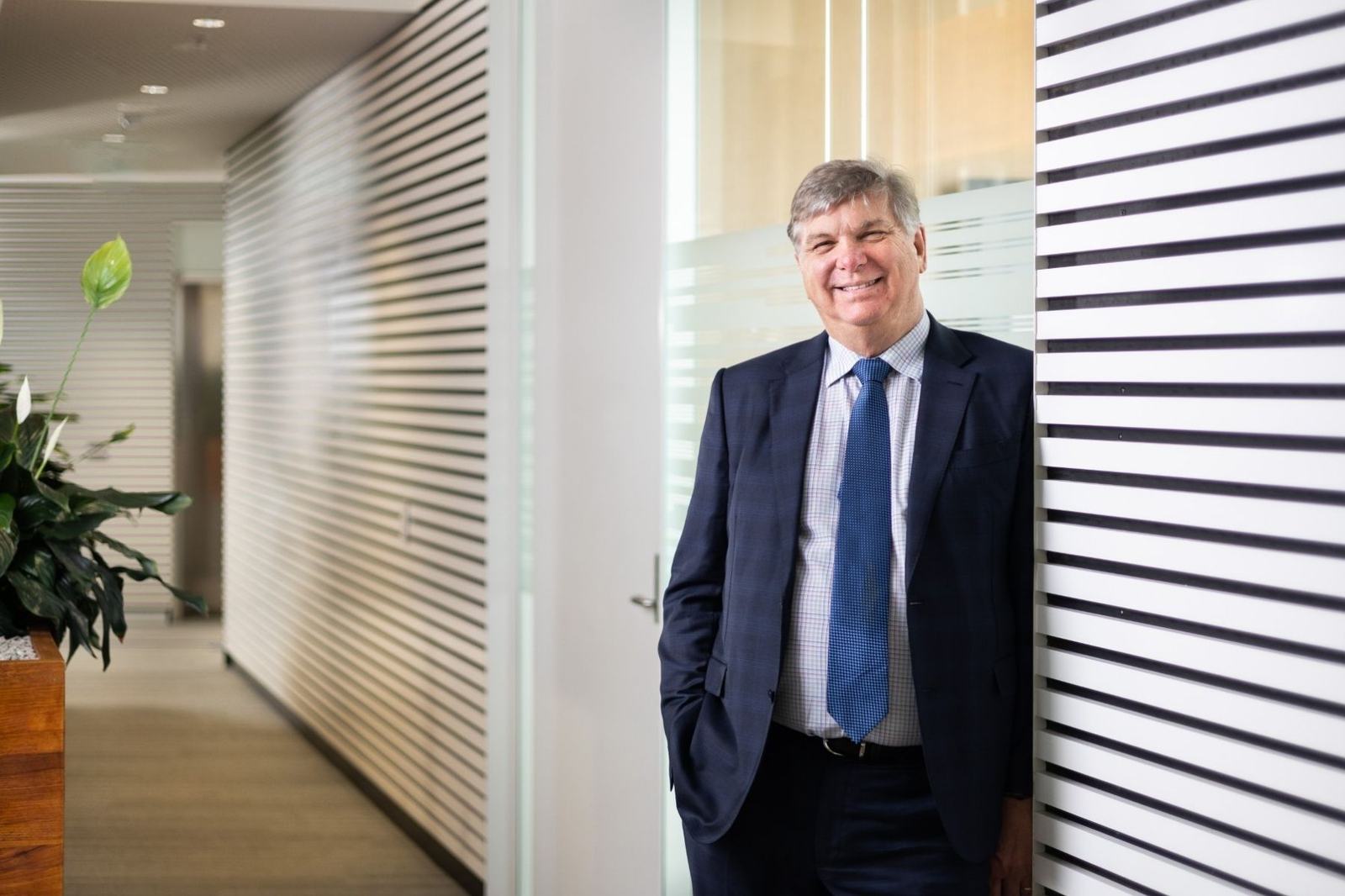
University of Sydney Eureka Prize for Leadership in Science. Professor Andrew Wilks, SYNthesis BioVentures.
Image: Peter Casamento© Casamento Photography
Professor Andrew Wilks is a passionate advocate for the translation of basic science into transformative therapeutic drugs. His discovery of JAK kinases — proteins that help cells respond to signals — underpins targeted therapies including momelotinib for myelofibrosis, while his leadership has built companies, mentored scientists and helped Australian research reach patients.
University of Technology Sydney Eureka Prize for Outstanding Mentor of Researchers
NSW Department of Climate Change, Energy, the Environment and Water
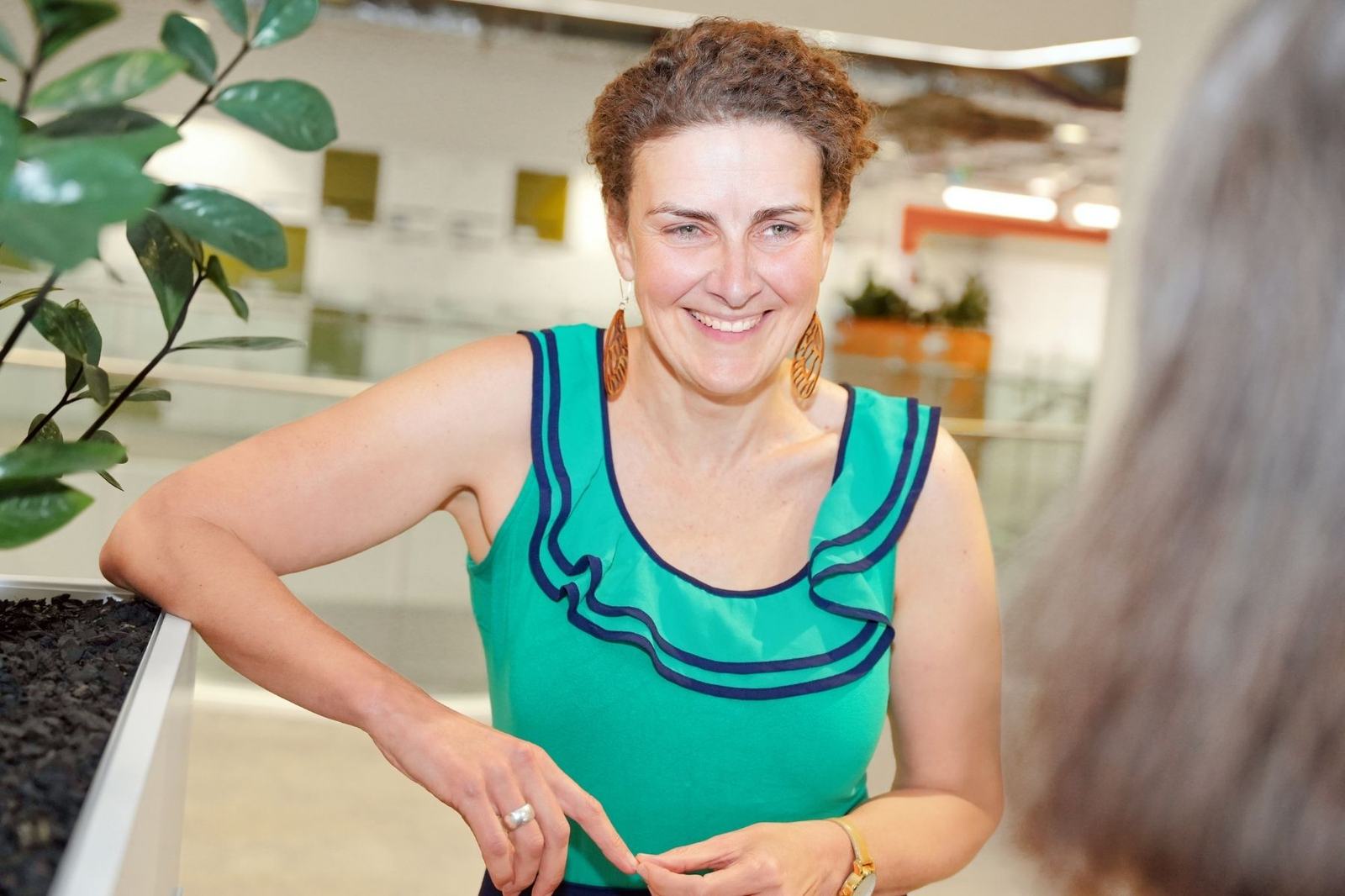
University of Technology Sydney Eureka Prize for Outstanding Mentor of Researchers. Laura Babian, NSW Department of Climate Change, Energy, the Environment and Water.
Image: Nino Kalogeropoulos© DCCEEW
Laura Babian strengthens NSW Government science by creating inclusive mentoring pathways. Through direct mentoring, Emerging Champions, Uplifting Senior Scientists and the STEMinista network for women in science leadership, she has supported people across all career stages to build confidence, progress their careers and improve representation across NSW environmental research.
ARC Centre of Excellence for Weather of the 21st Century and University of Tasmania
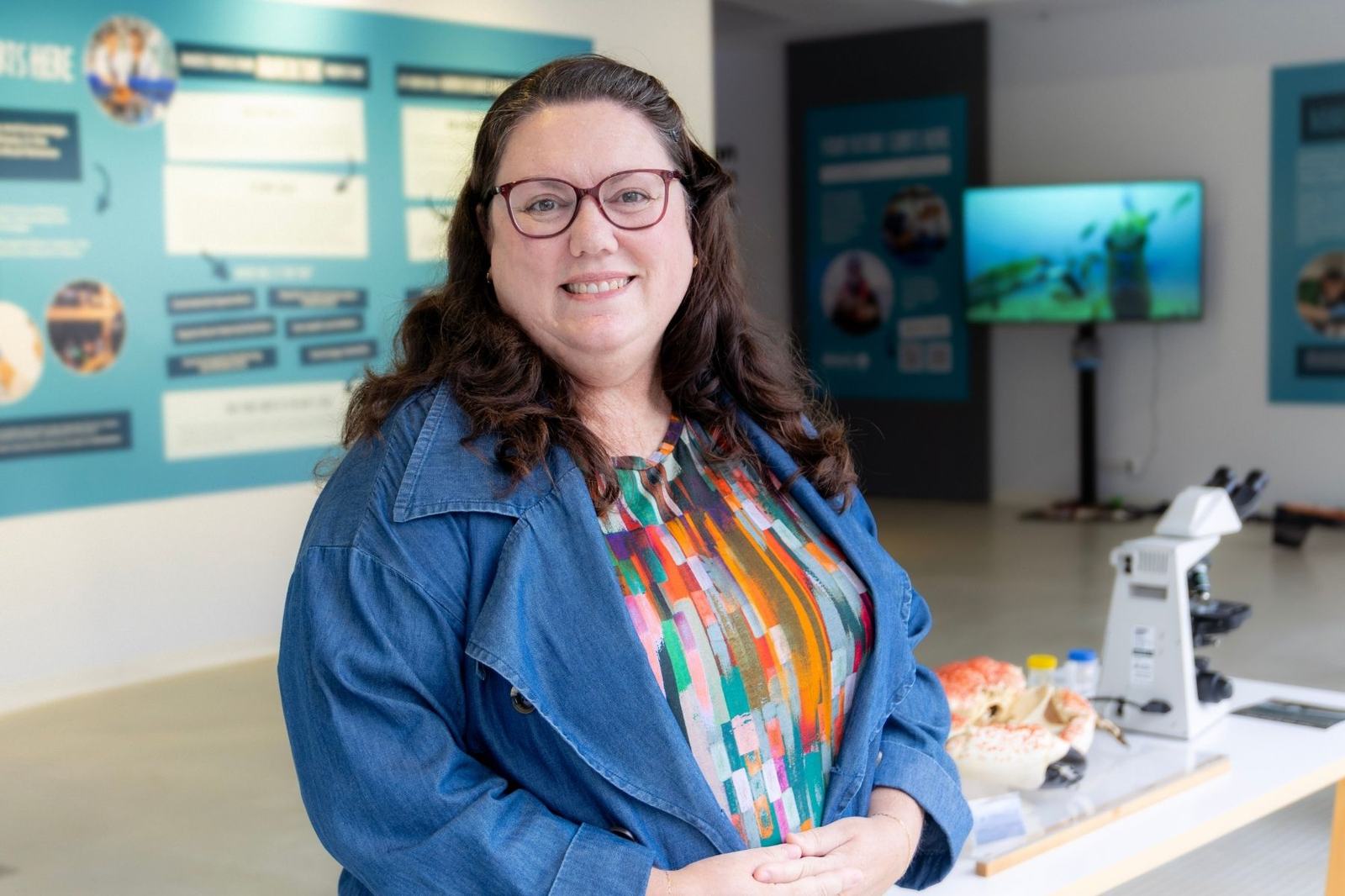
University of Technology Sydney Eureka Prize for Outstanding Mentor of Researchers. Professor Melissa Hart, ARC Centre of Excellence for Weather of the 21st Century and University of Tasmania.
Image: Peter W Allen© Peter W Allen
Professor Melissa Hart has built a mentoring program for climate and weather researchers across three ARC Centres of Excellence. Over 13 years, she has supported close to 1,000 researchers with training in leadership, communication, wellbeing and inclusion, while taking her kindness-led approach globally through the World Climate Research Program Academy.
University of Melbourne
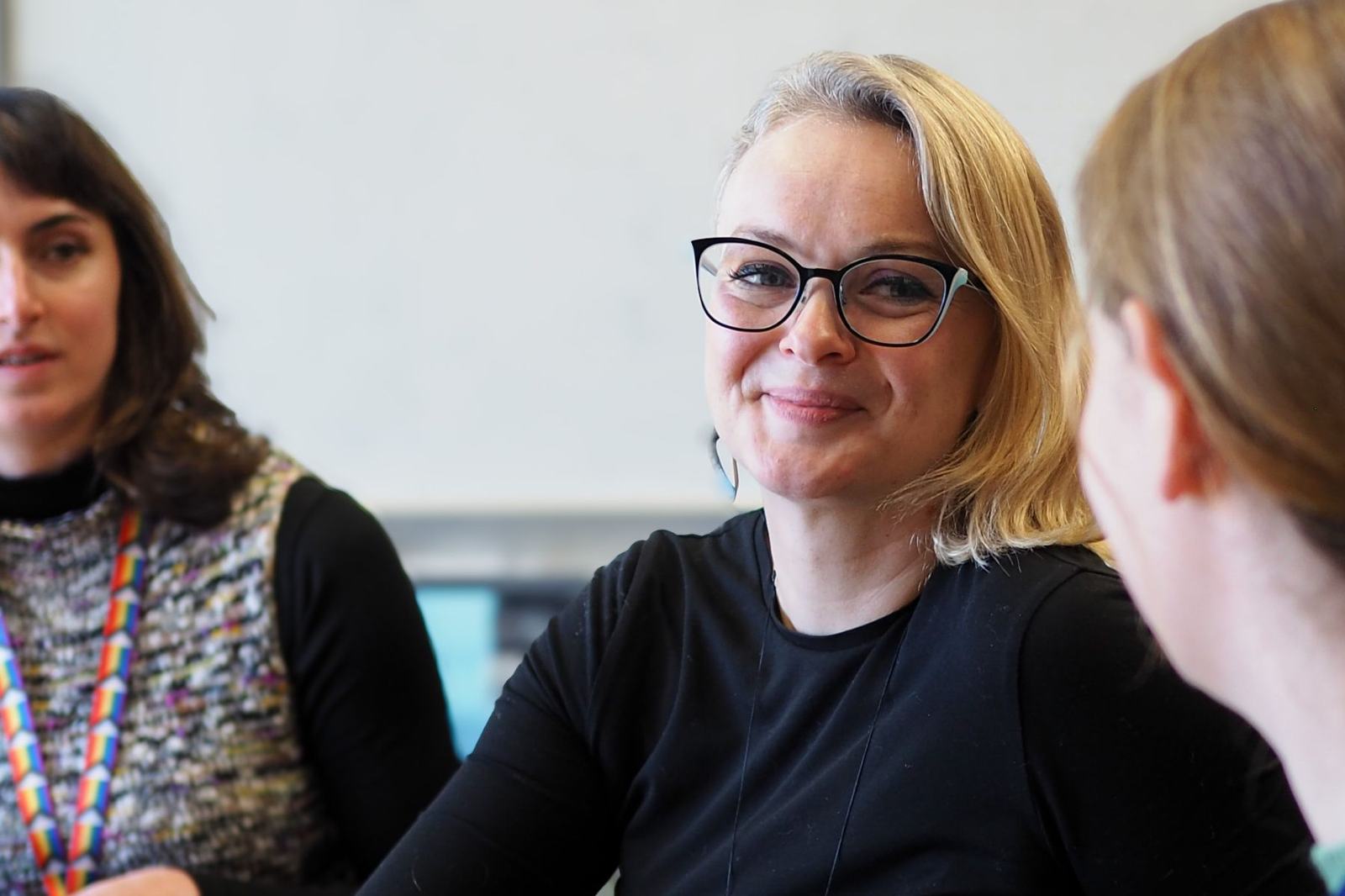
University of Technology Sydney Eureka Prize for Outstanding Mentor of Researchers. Associate Professor Karen Lamb, University of Melbourne.
Image: Jakeb Fair© University of Melbourne
Associate Professor Karen Lamb has ensured Australian statisticians’ careers are enriched by mentorship. She created the Statistical Society of Australia’s national mentoring program, supporting more than 200 statisticians, and assisted mentoring program development in the UK, New Zealand and Canada. Her inclusive approach builds confidence, leadership and belonging in STEM.
Science Engagement
Department of Industry, Science and Resources Eureka Prize for Innovation in Citizen Science
Earthwatch Institute; Great Barrier Reef Foundation; and Cairns and Far North Environment Centre
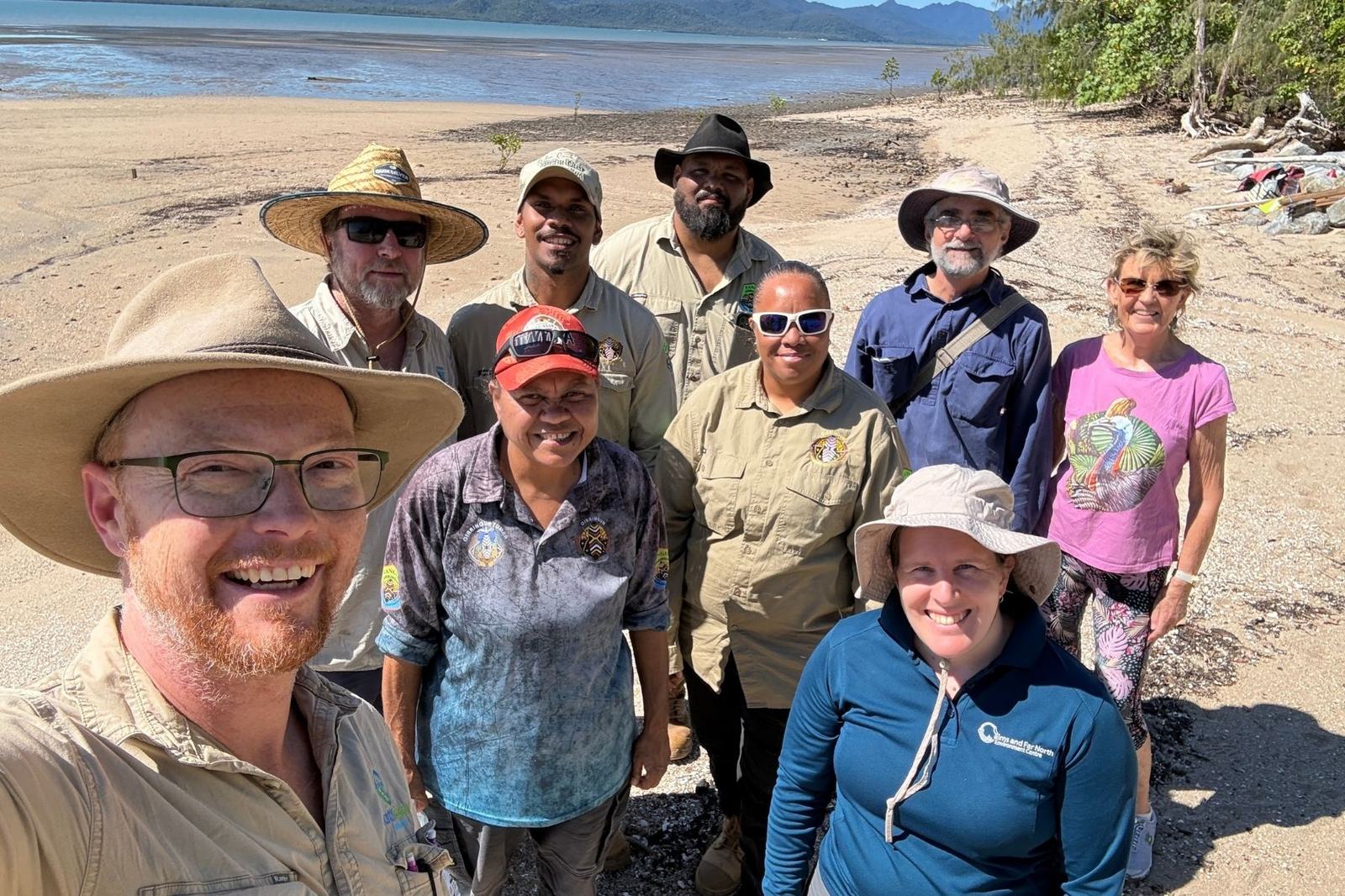
Department of Industry, Science and Resources Eureka Prize for Innovation in Citizen Science Mangrove Watch, Earthwatch Institute; Great Barrier Reef Foundation; and Cairns and Far North Environment Centre. Representatives from the finalist team L-R: Jock Mackenzie, Damon Sydes, Girringun Rangers (Evelyn, Talisha, Emmett, Elliot), Vito Napoli and Gabi Plumm.
Image: Jock Mackenzie© Jock Mackenzie
The MangroveWatch Local Action Plan model supports Traditional Owners and communities to transform citizen science data and local knowledge into coastal wetland conservation and restoration. The program has now been replicated in four regions, with more than 10,000 people contributing to monitoring and protecting local mangroves.
Murdoch University
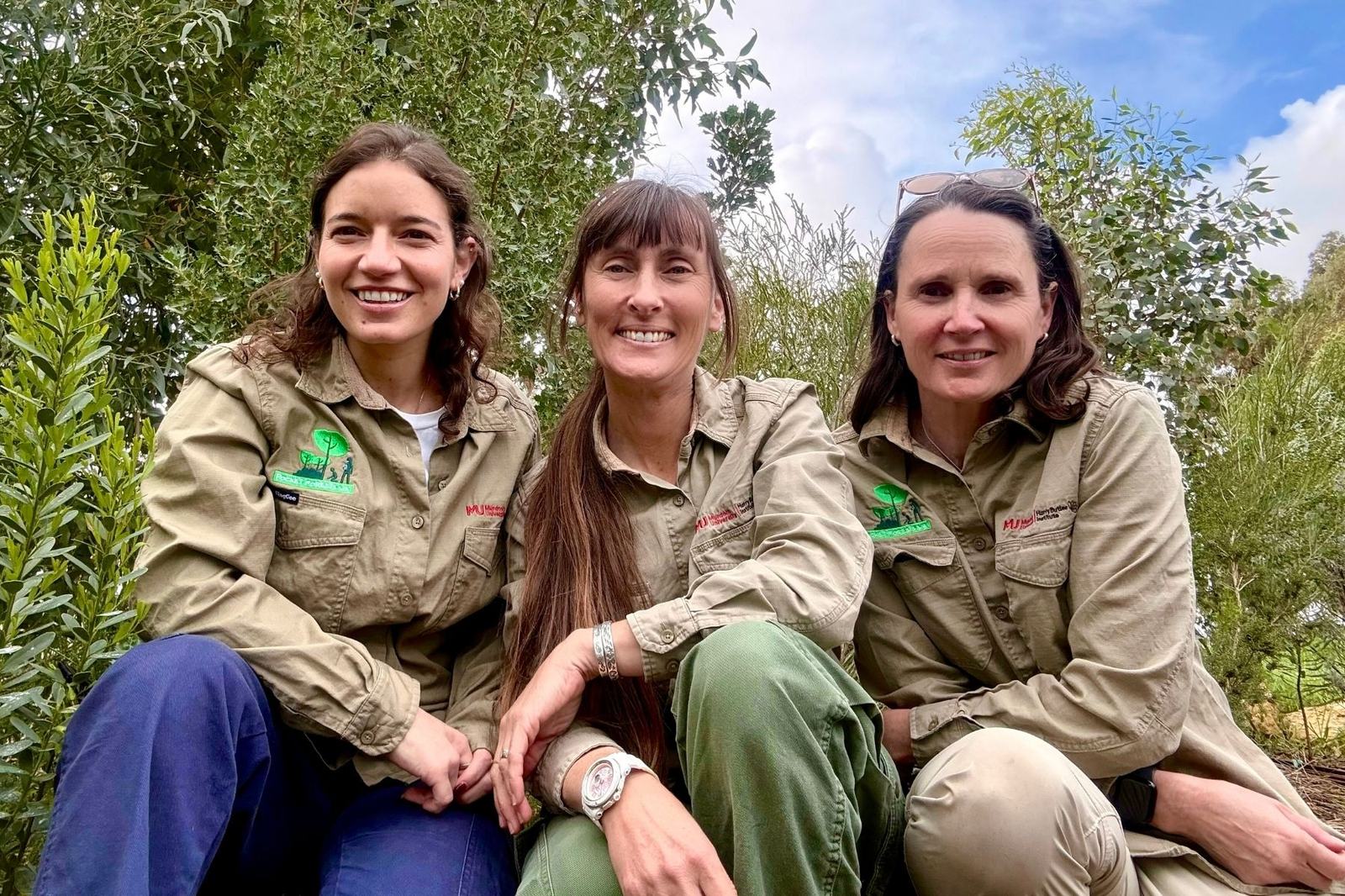
Department of Industry, Science and Resources Eureka Prize for Innovation in Citizen Science Miyawaki Forest Program, Murdoch University. Finalist team L-R: Innes Zevallos Labarthe, Grey Coupland and Ainsley Andrew.
Image: Dr Grey Coupland© Harry Butler Institute, Murdoch University
Since 2021, the Miyawaki Forest Program has brought more than 5,200 participants together to plant 22 fast-growing forests in schools and communities. Through planting, nurturing, observation and experiments, participants have greened local landscapes and reconnected with nature, while the forests have increased biodiversity and reduced local temperatures.
University of Western Australia
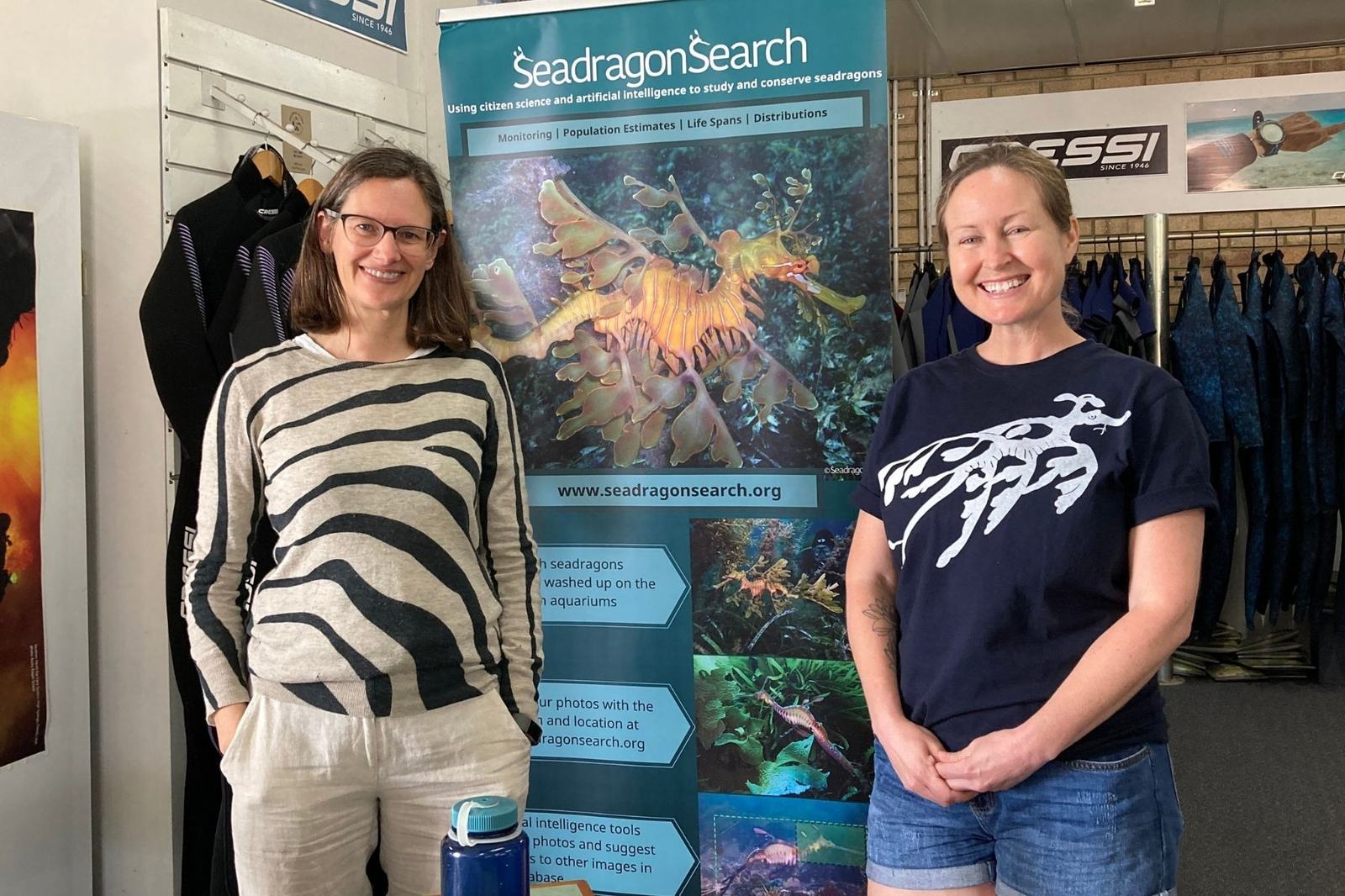
Department of Industry, Science and Resources Eureka Prize for Innovation in Citizen Science. SeadragonSearch, University of Western Australia. Finalist team L-R: Nerida Wilson and Chrissy Tustison
Image: Nerida Wilson© Nerida Wilson
SeadragonSearch is a community-driven research initiative that uses artificial intelligence and underwater photography to identify and track individual wild seadragons across Australia. By combining citizen science with machine learning, the project helps researchers monitor populations, understand habitats, study long-term trends and support evidence-based conservation of these marine species.
Celestino Eureka Prize for Promoting Understanding of Science
Swinburne University of Technology
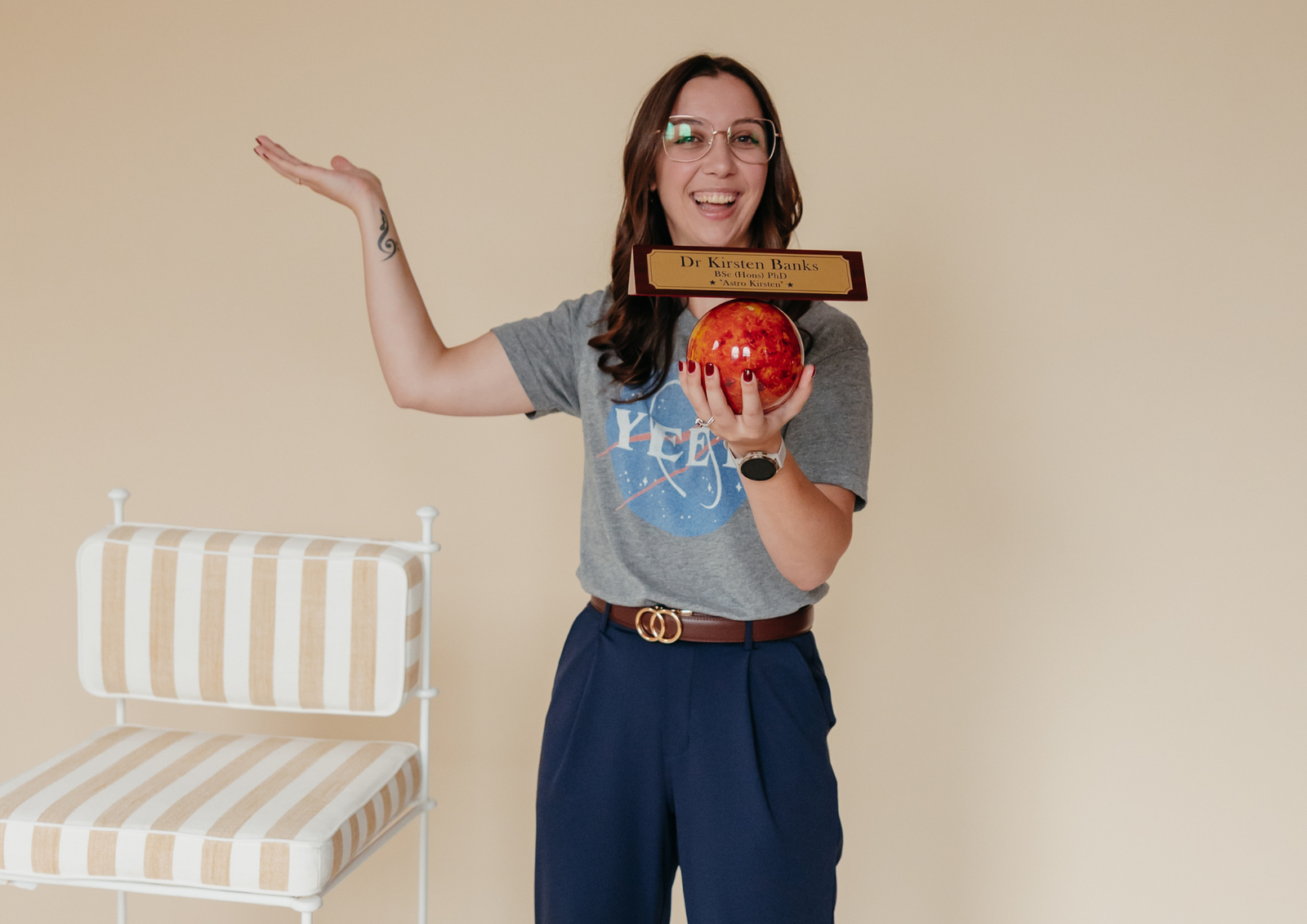
Celestino Eureka Prize for Promoting Understanding of Science. Dr Kirsten Banks, Swinburne University of Technology.
Image: Vienna Marie Creative© Future Women
Dr Kirsten Banks is a Wiradjuri astrophysicist bridging gaps in space science for audiences often missed by traditional science communication. Reaching nearly one million followers and 115 million views in 2025, she combines social media, broadcast commentary, live events, school programs and First Nations astronomy advocacy to make astrophysics accessible.
The University of Sydney
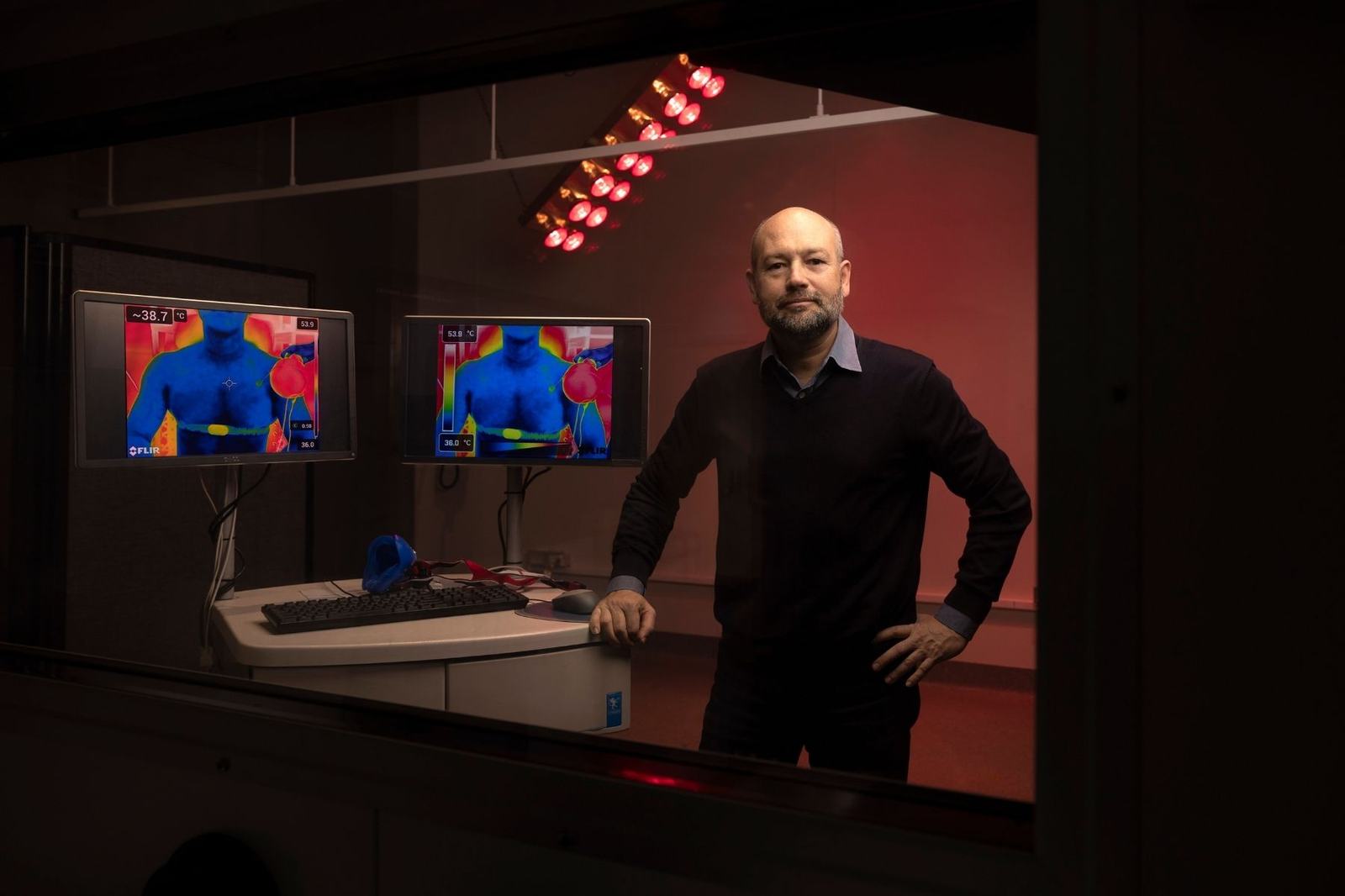
Celestino Eureka Prize for Promoting Understanding of Science. Professor Ollie Jay, The University of Sydney.
Image: supplied by Professor Ollie Jay© supplied by Professor Ollie Jay
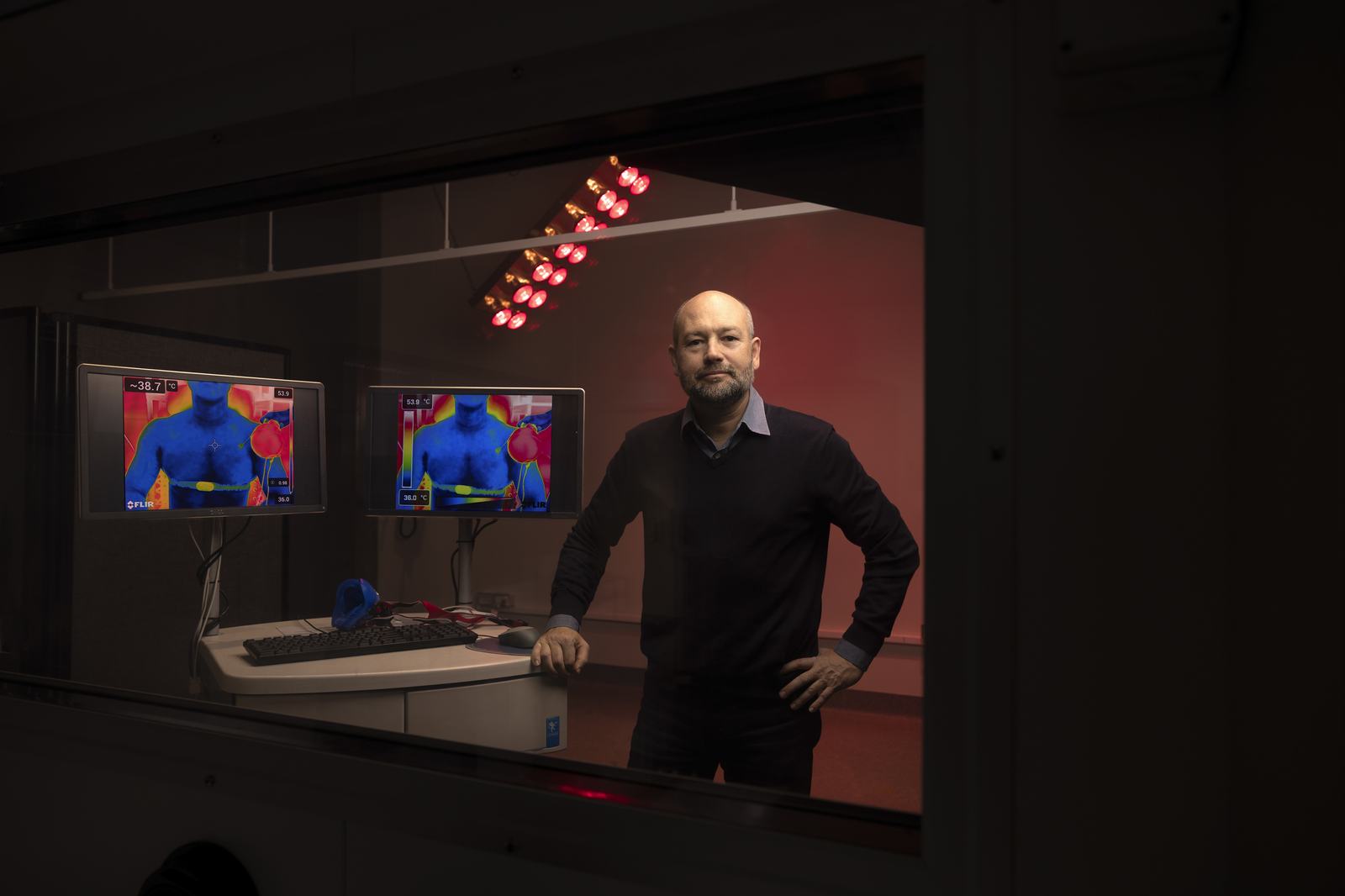
Professor Ollie Jay turns physiology research into practical advice people can use during extreme heat. His work informs World Health Organization guidance, state health campaigns, sports policies, clinical education and digital alerts. In a warming world, that advice helps people choose effective, low-cost and sustainable cooling actions quickly and safely.
University of Tasmania and Science and Technology Australia
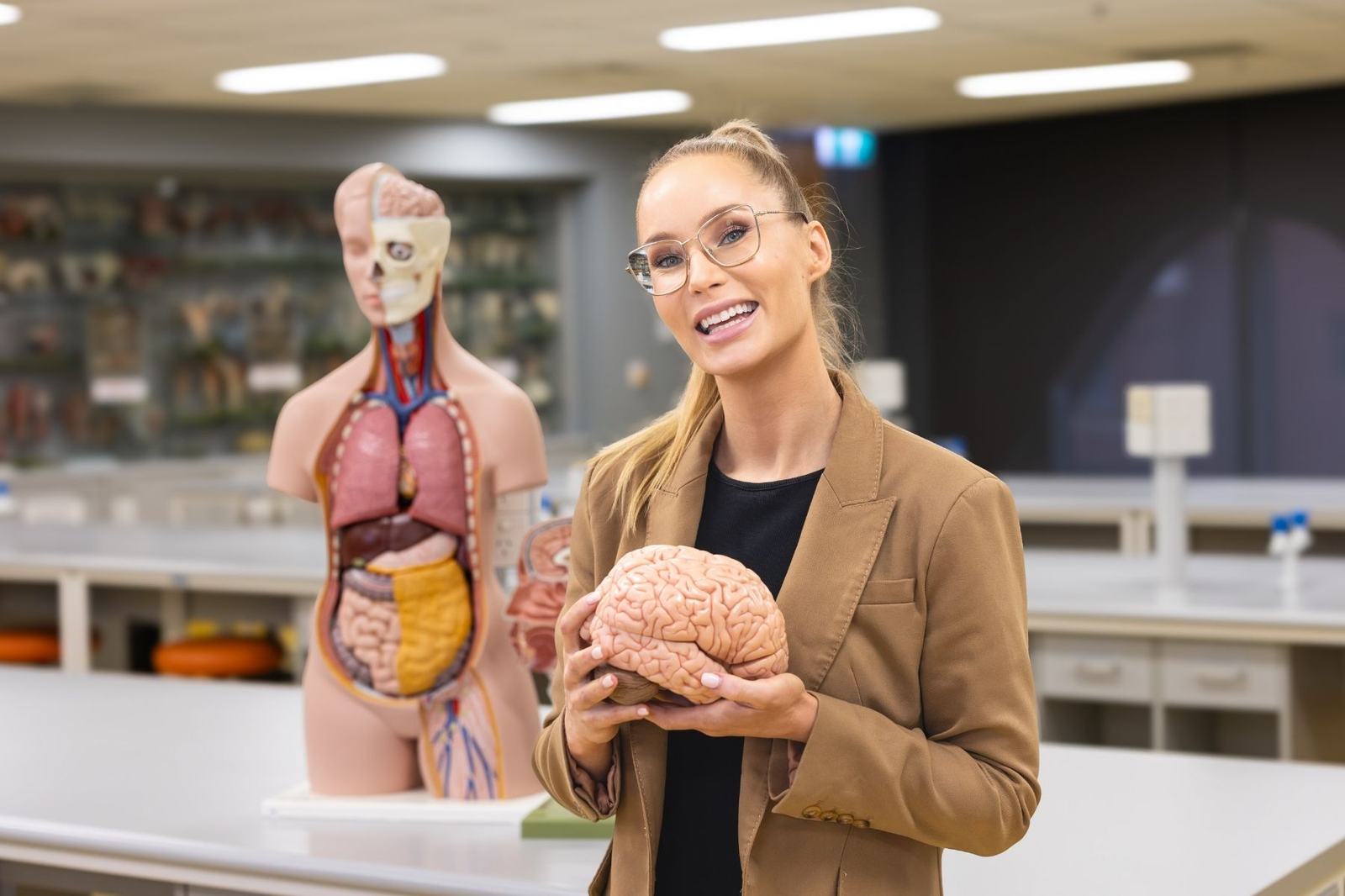
Celestino Eureka Prize for Promoting Understanding of Science. Dr Lila Landowski, University of Tasmania; and Science & Technology Australia.
Image: Rory Dick© Rory Dick
Dr Lila Landowski makes neuroscience accessible through her TEDx talk, viral videos and media appearances. She has appeared in hundreds of stories, reaching more than 46 million people in the past year, translating brain science, combating misinformation as a World Health Organization Fides ambassador and inspiring diverse audiences into STEM.
Australian Museum Eureka Prize for Science Journalism
ABC Science Friction
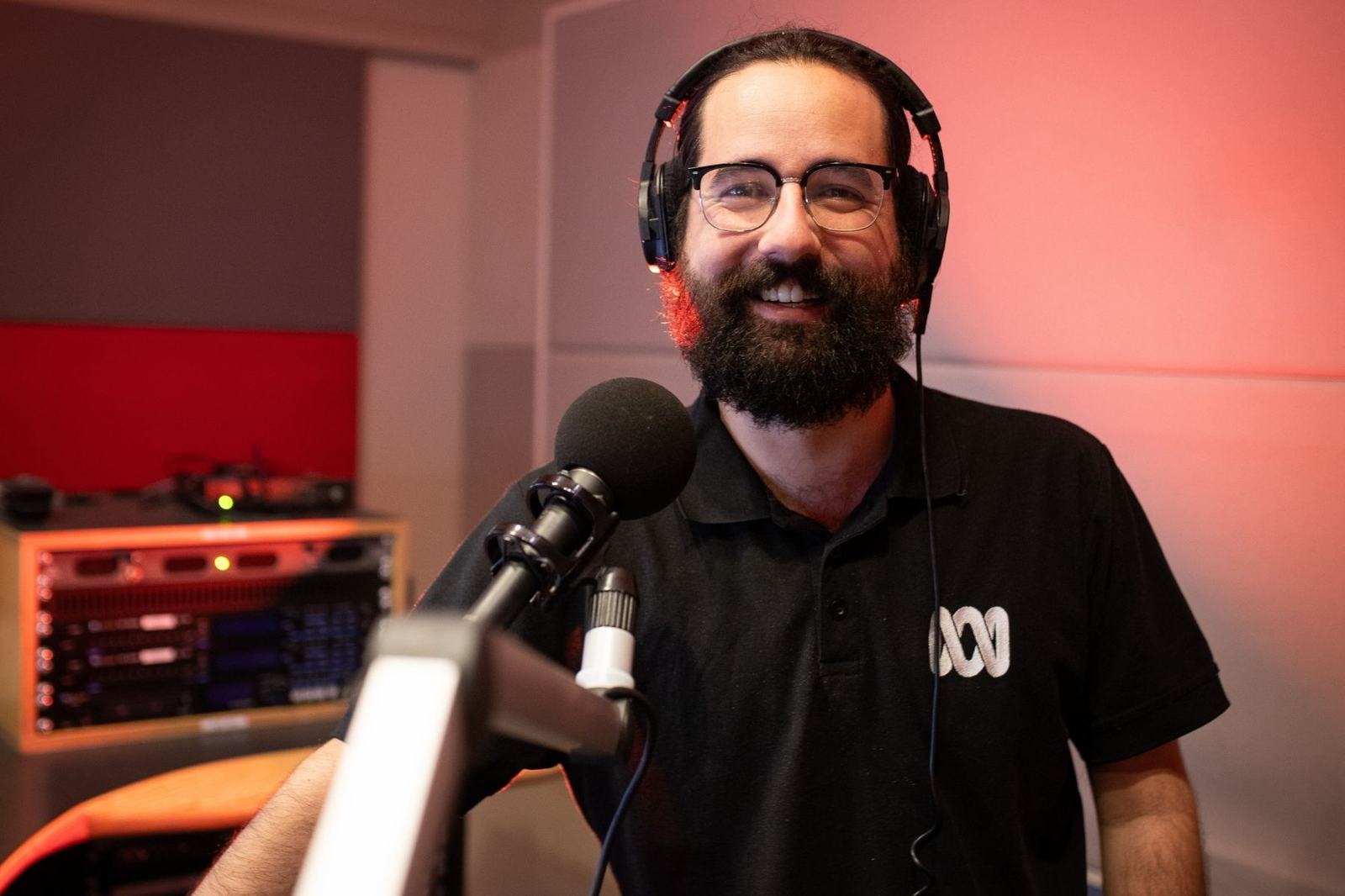
Australian Museum Eureka Prize for Science Journalism. Artificial Evolution, ABC Science Friction. Finalist team representative Peter de Kruijff.
Image: Kenith Png© ABC
Artificial Evolution is a four-part podcast from Radio National on gene technologies and ethics, investigating everything from Dolly the sheep to today’s genetic innovations. The podcast explores advances such as somatic cell cloning and CRISPR genetic editing, covering uses in agriculture, conservation and transplanting animal organs into humans.
Published by ABC Science Friction on Wednesday 3 September 2025.
The Age and Brisbane Times
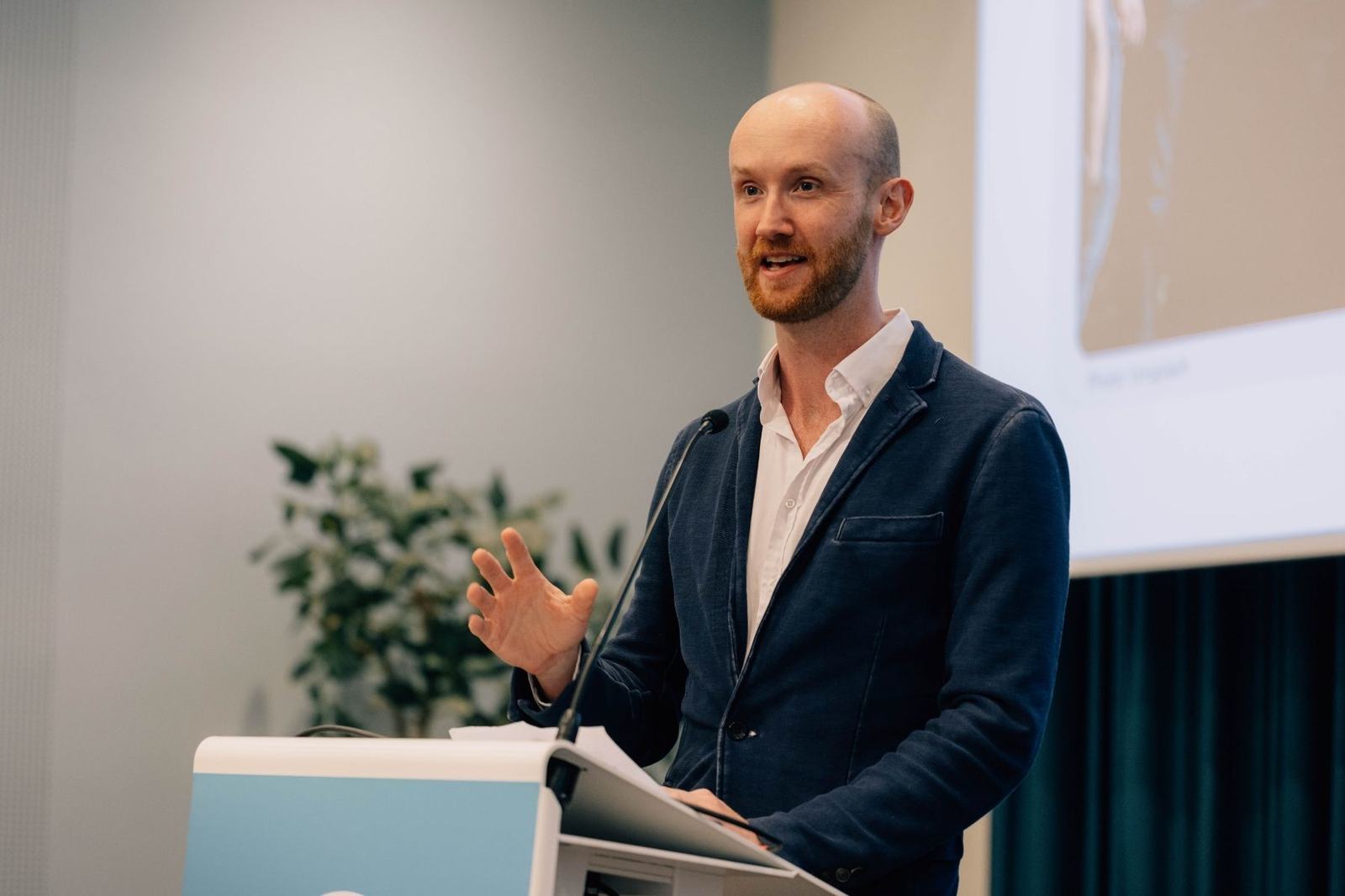
Australian Museum Eureka Prize for Science Journalism. Follow the Mice, Liam Mannix, The Age; (absent) William Davis, Brisbane Times
Image: supplied by Liam Mannix© supplied by Liam Mannix
After four years of research, Liam Mannix and William Davis published their investigative articles revealing major scientific misconduct at leading research institutions, including the fabrication of animal experiments for drugs in development. Read by more than 130,000 people, the articles revealed science’s dark underbelly and led to calls for reform.
Published in The Age on Saturday 26 July 2025 and Sunday 27 July 2025.
Springer Nature
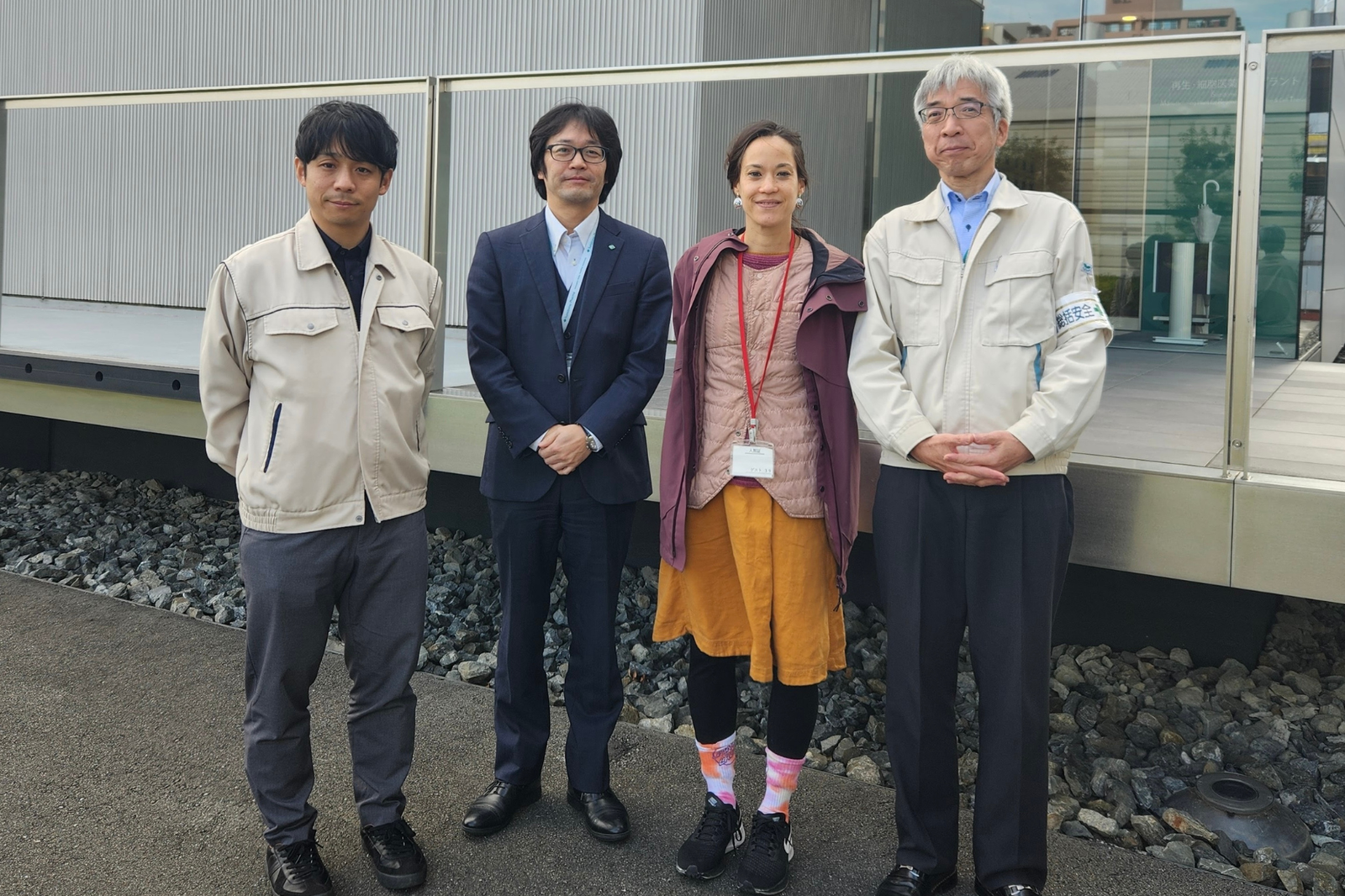
Australian Museum Eureka Prize for Science Journalism. Smriti Mallapaty (second right), Springer Nature
Image: Smriti Mallapaty© Smriti Mallapaty
In Japan Stem Cell Clinic, Smriti Mallapaty examines regenerative therapies using induced pluripotent stem cells, which can be reprogrammed into many cell types. Drawing on interviews with researchers in laboratories, production plants and hospitals across Japan, her feature explores the country’s move toward becoming the first to approve these technologies for use in humans.
Published by Nature.com on Wednesday 16 April 2025.
UNSW Eureka Prize for Societal Impact in Science
CSIRO
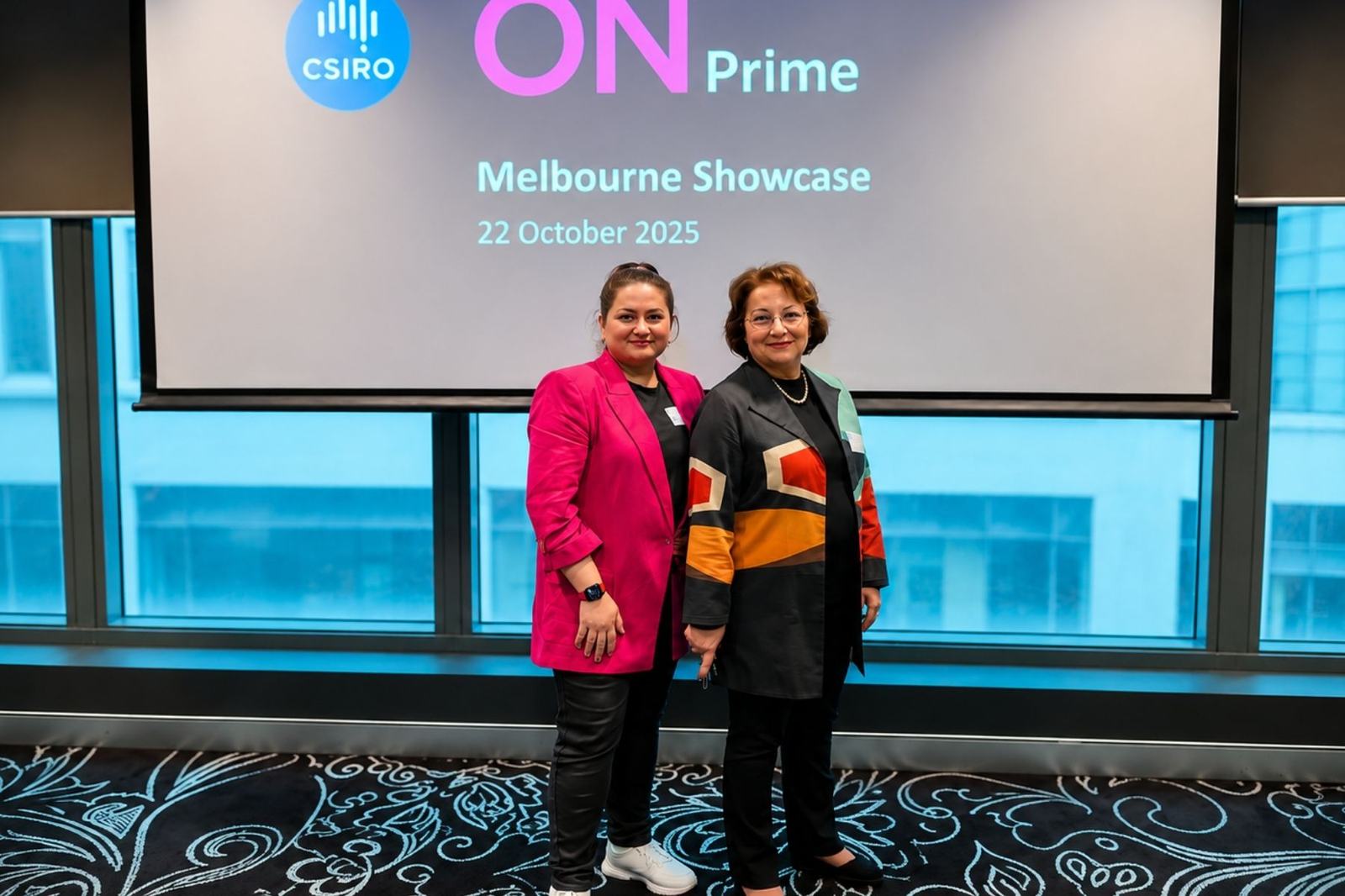
UNSW Eureka Prize for Societal Impact in Science. AI Diversity and Inclusion, CSIRO. Finalist team L-R: Muneera Bano and Professor Didar Zowghi.
Image: Muneera Bano© Muneera Bano
As artificial intelligence increasingly shapes everyday decisions, ensuring safety and equity is critical. CSIRO researchers have developed a framework, guidelines and tools to help identify exclusion risks before AI harm occurs. This is informing government policies and industry practices, helping organisations build and use AI systems that serve everyone.
The Matilda Centre for Research in Mental Health and Substance Use, University of Sydney; University of Queensland; Curtin University; Monash University; UNSW; and University of Newcastle.
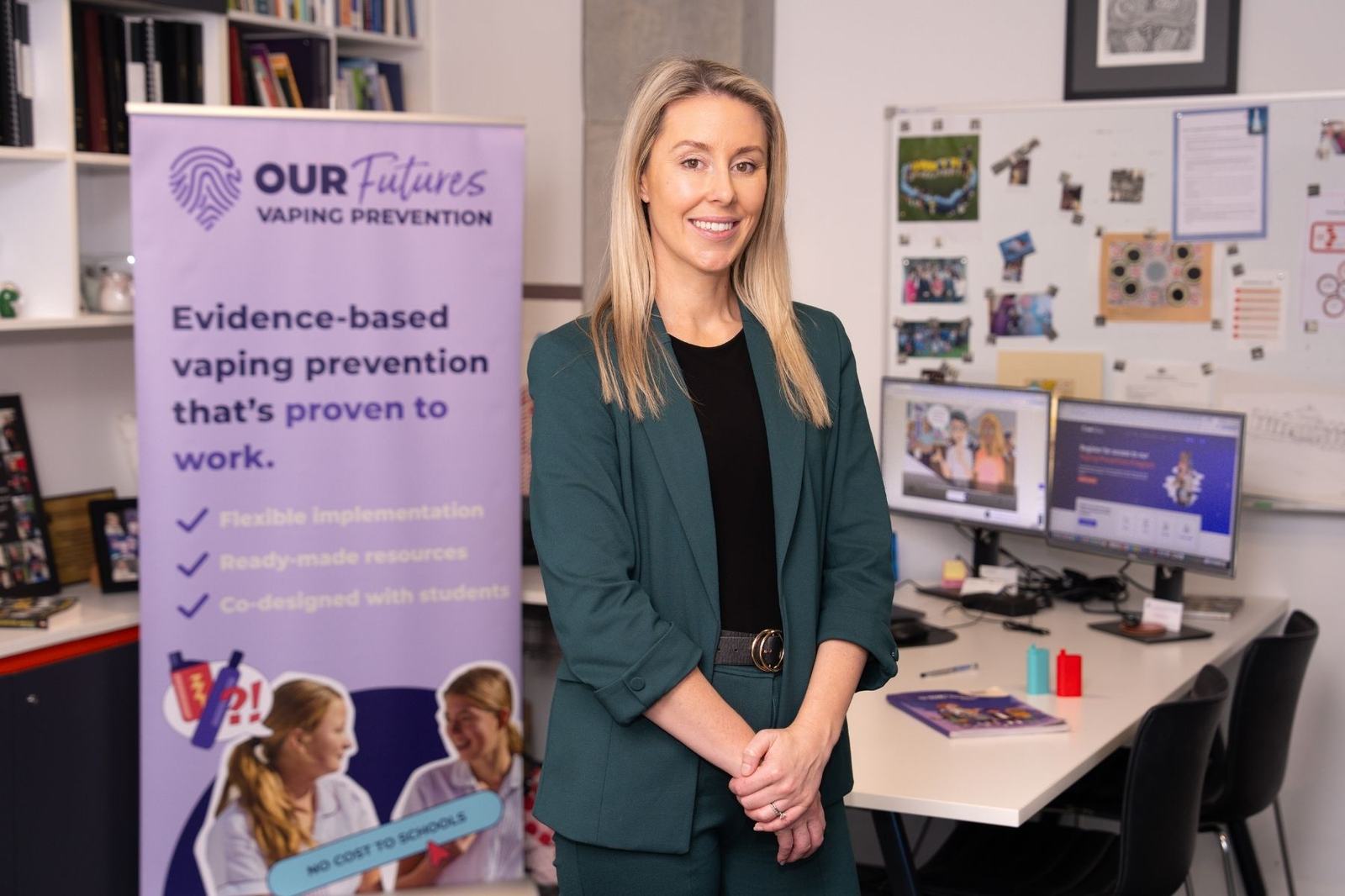
UNSW Eureka Prize for Societal Impact in Science. OurFutures Vaping Program, The Matilda Centre for Research in Mental Health and Substance Use, The University of Sydney; The University of Queensland; Curtin University; Monash University; UNSW; and University of Newcastle. Finalist team representative Dr Lauren Gardner.
Image: Emlyn Crockett© Emlyn Crockett
OurFutures Vaping Program empowers adolescents to avoid vaping through evidence-based digital lessons co-designed with students and teachers. Trialled in 40 schools, it reduced the odds of vaping by 65% after one year. It has now reached more than 300,000 students, providing practical health and wellbeing education nationwide.
UNSW
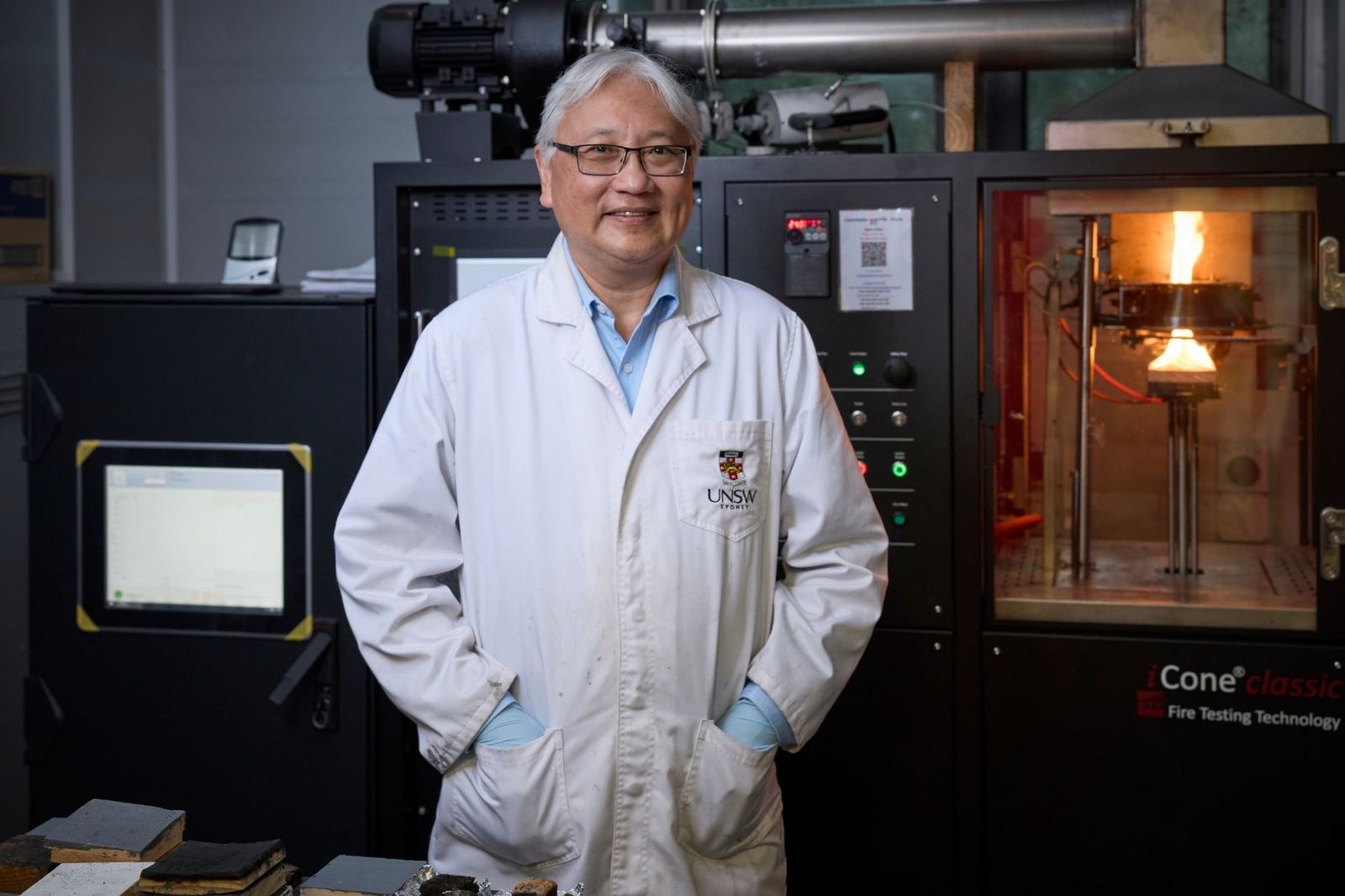
UNSW Eureka Prize for Societal Impact in Science. Professor Guan Yeoh, UNSW.
Image: Lee Henderson© UNSW
Professor Guan Yeoh, with Flame Security International, developed FSA FIRECOAT, a non-toxic intumescent paint that helps protect homes in bushfire-prone areas – when heated, it swells to form a dense protective barrier that shields surfaces from fire. It’s now sold in Australia, Canada and the United States.
Department of Industry, Science and Resources Eureka Prize for STEM Inclusion
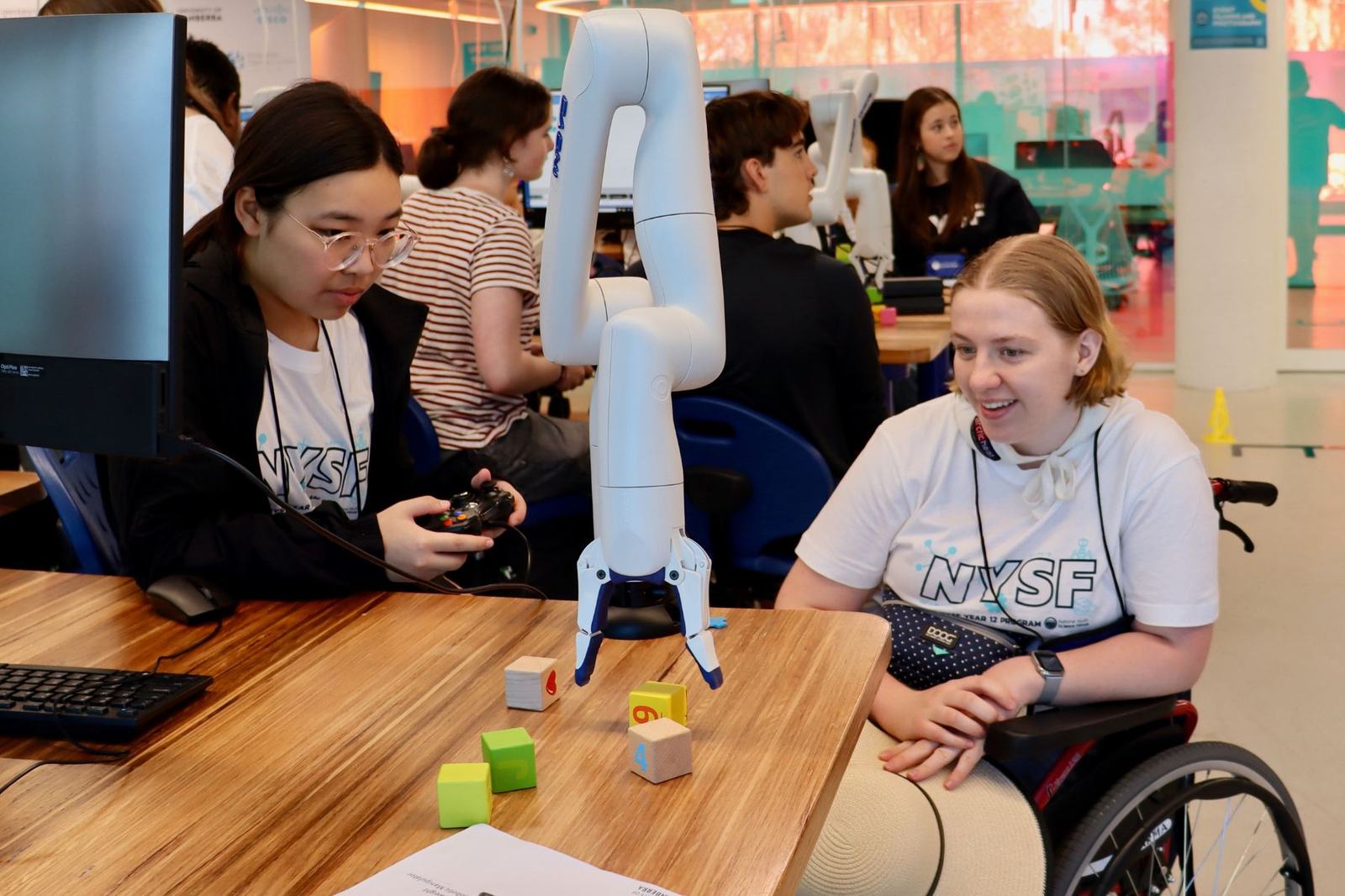
Department of Industry, Science and Resources Eureka Prize for STEM Inclusion. National Youth Science Program. Finalist team National Youth Science Forum Year 12 Program Participants
Image: supplied by National Youth Science Forum© National Youth Science Forum
The National Youth Science Forum Year 12 Program is a national, nine-day youth-led residential initiative connecting diverse students with STEM facilities, people and pathways. Supporting more than 3,000 students since 2021, it prioritises student potential and interest in STEM over academic achievement, removing barriers for regional, remote and underrepresented Australians.
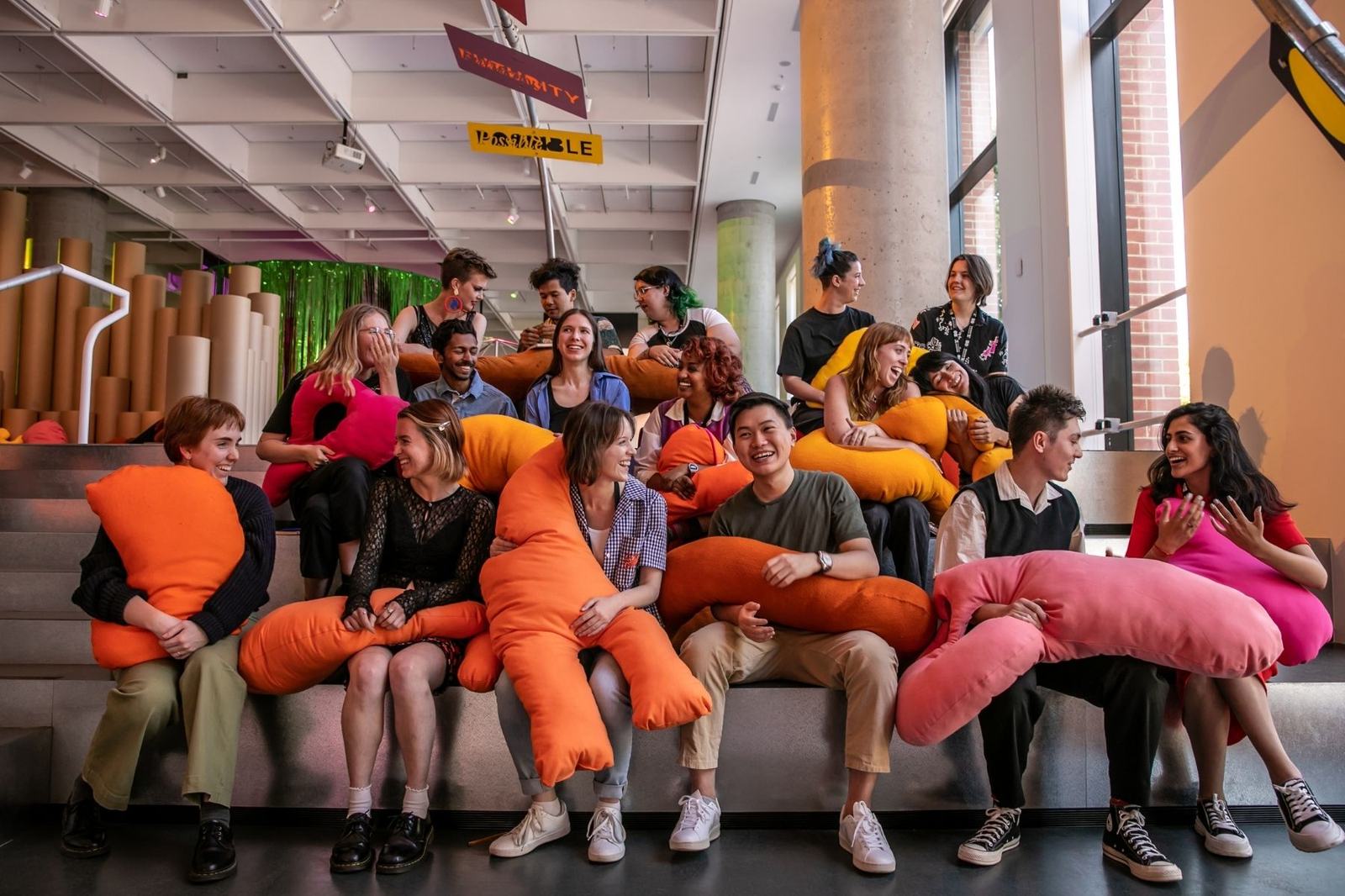
Department of Industry, Science and Resources Eureka Prize for STEM Inclusion. Finalist team Science Gallery Melbourne.
Image: Alan Weedon© Alan Weedon
Through co-design, free access and inclusive practices, the University of Melbourne’s Science Gallery empowers underrepresented communities in STEM. Blending science, creativity and culture, its exhibitions and programs have attracted 350,000 people since 2021 and achieved inspiring levels of engagement with young women, diverse and disadvantaged audiences.
Engaging Children/Community In Science (ECIS) and Curtin University
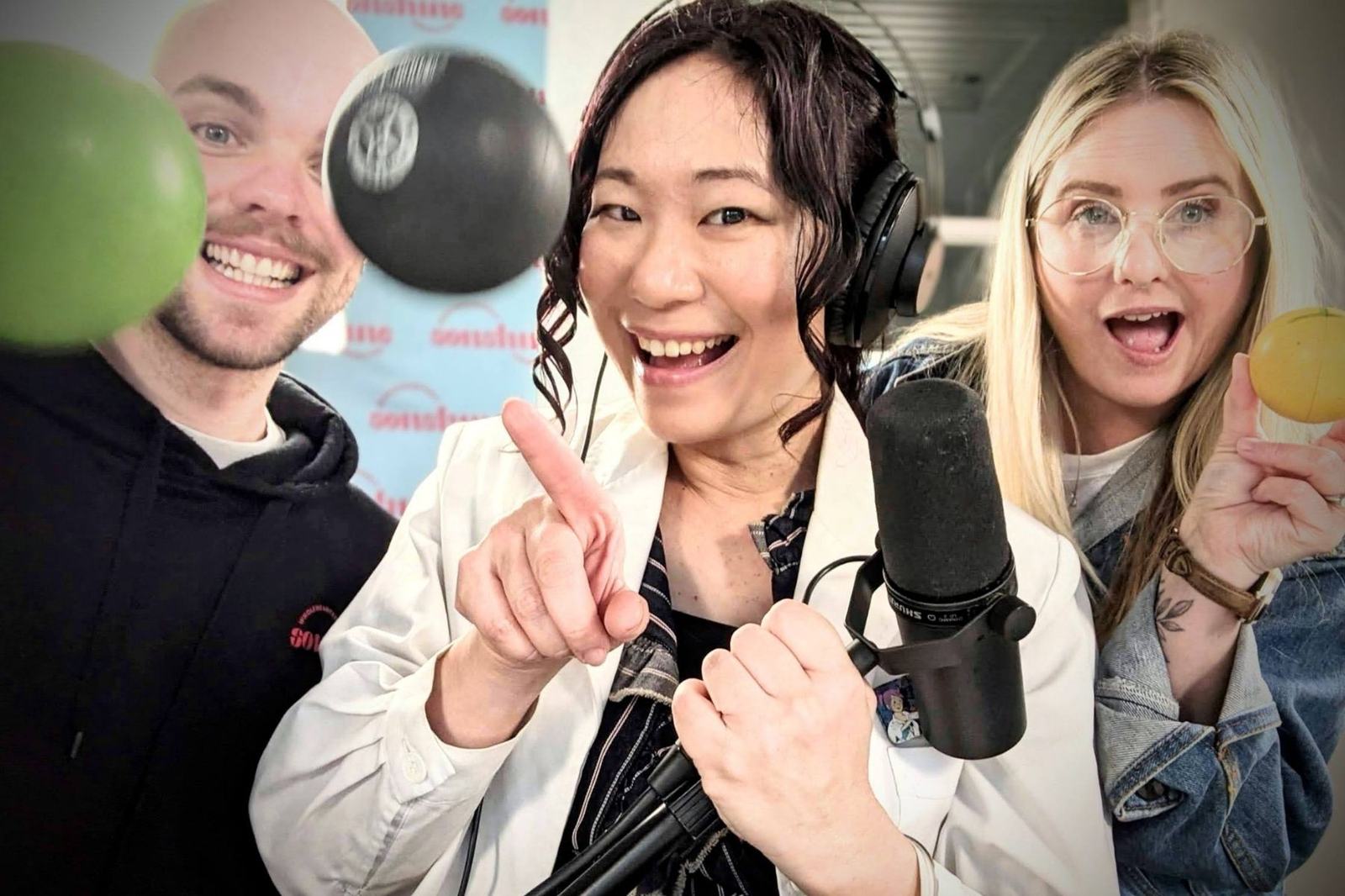
Department of Industry, Science and Resources Eureka Prize for STEM Inclusion. Dr Rina Wong (Fu)
Image: Telana Sladen© Rina Fu
Dr Rina Wong’s Engaging Children/Community In Science initiative has engaged more than 15,000 participants through 268 workshops for everyone from toddlers to seniors, with a focus on people with disabilities and those from diverse backgrounds. Using animation, songs and theatre, the workshops affirm the idea that science is for everyone.
School Science
Australian Museum School Science Eureka Prize - Primary
Queenwood Junior School, NSW
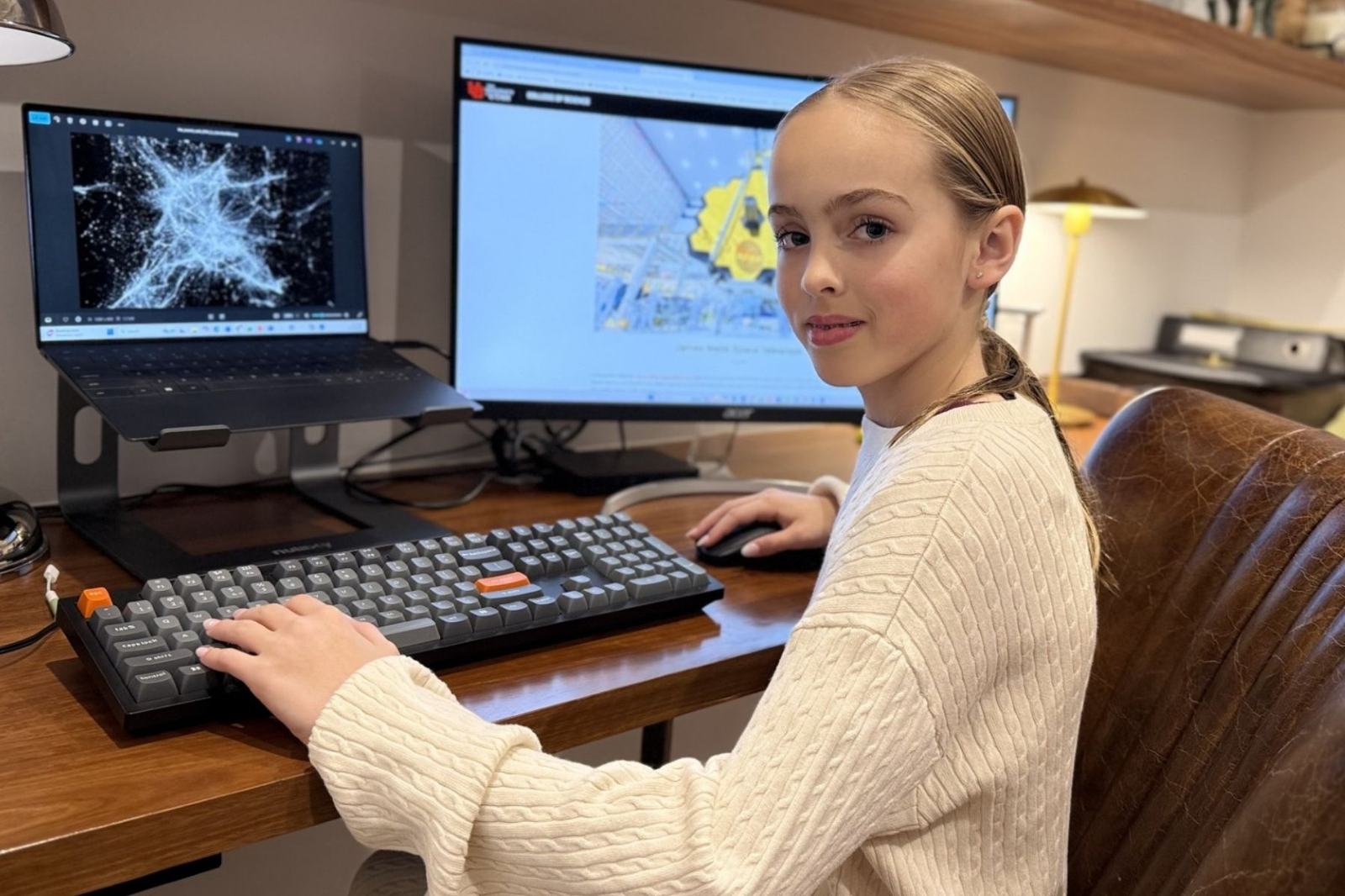
Australian Museum School Science Eureka Prize - Primary. Freya C., Queenwood Junior School, NSW.
Image: Katja C© Katja C
In Cosmic Patterns, Freya uses magnets to represent dark matter and gravity, then glowing stones and thread in a stop-motion sequence to show the cosmic web. Her film explains that galaxies are not randomly distributed across the Universe, but form patterns at the largest scales.
Homeschool Perth, WA
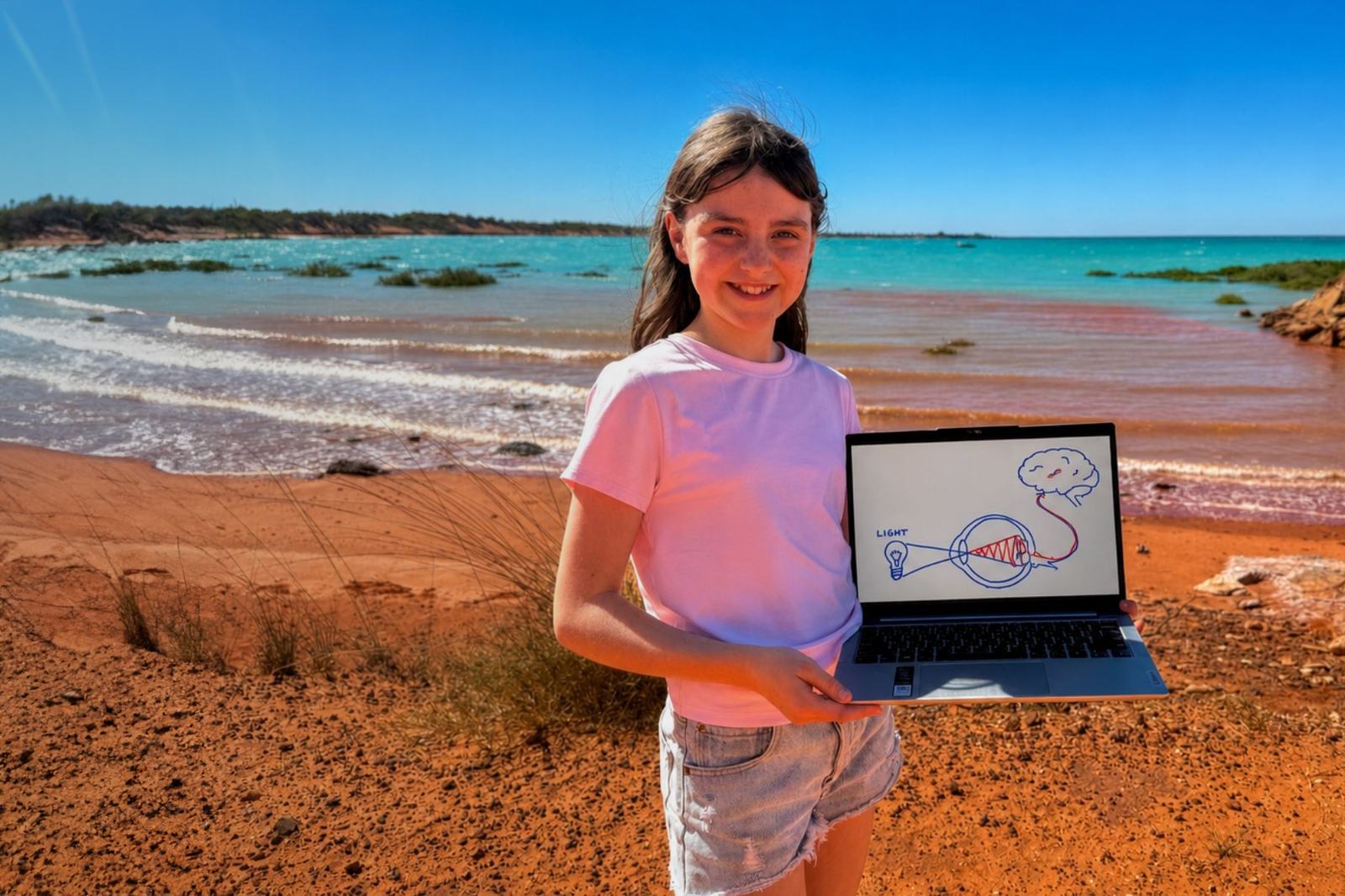
Australian Museum School Science Eureka Prize - Primary. Poppy H., Homeschool Perth, WA.
Image: Rennae H© Rennae H
Poppy’s delightful, humorous film How the Brain Processes Patterns focuses on her love of optical illusions, including one on a wall near her dance studio, and the neuroscience behind them. She conducted a study to see whether adults or children are more likely to be deceived by these illusions.
Knox Preparatory School, NSW
Australian Museum School Science Eureka Prize - Primary. Madoc T., Knox Preparatory School, NSW.
Image: Ganna P© Ganna P
Conducting an experiment with his peers, Madoc takes a hilarious look at a serious subject in Which One is Real? The Patterns Behind Deep Fakes. Using a talking kangaroo, Anthony Albanese and a fake version of himself, Madoc explains how deepfakes are made and why they can be dangerous.
Australian Museum School Science Eureka Prize - Secondary
Homeschool Karrinyup, WA
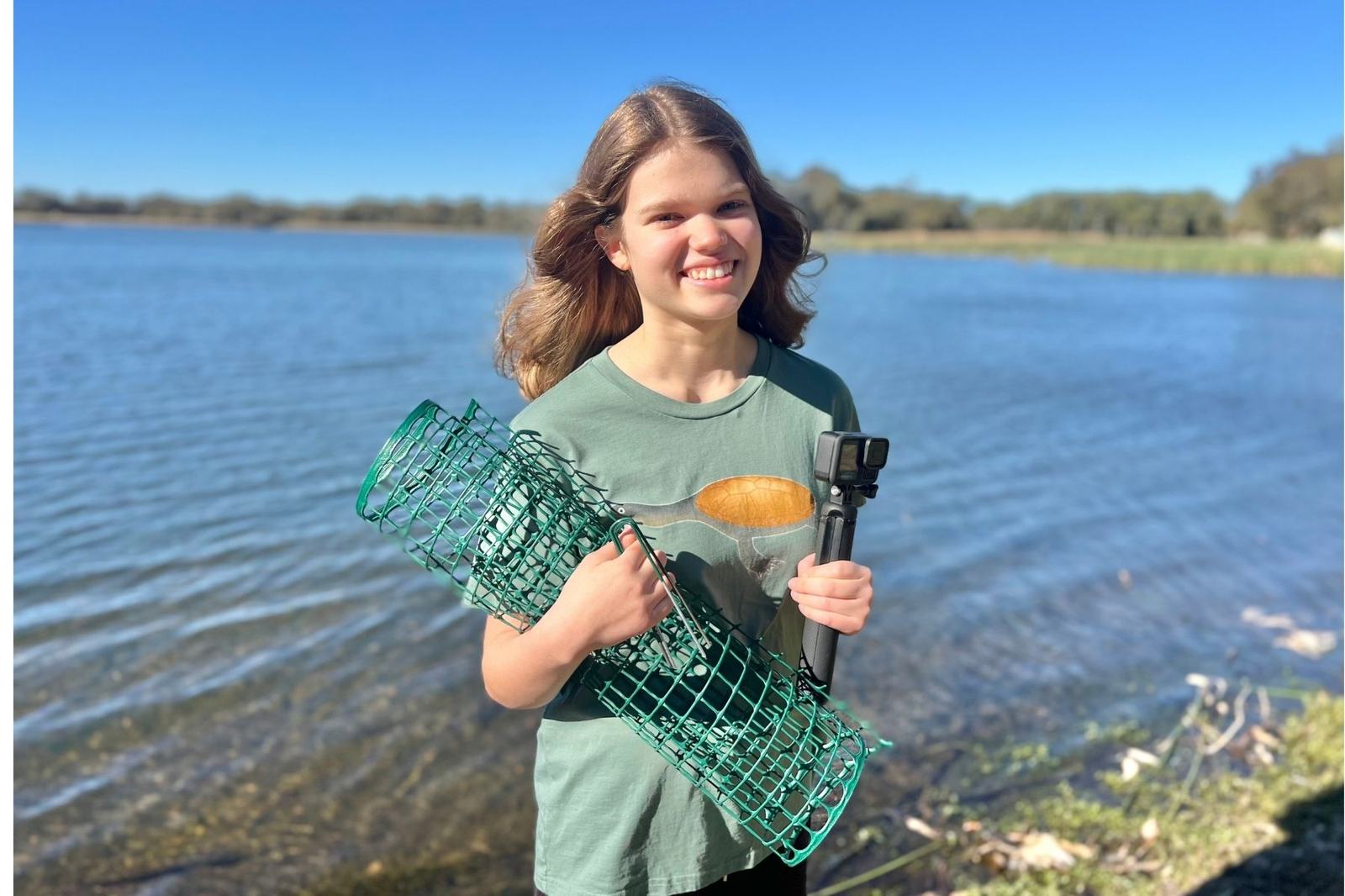
Australian Museum School Science Eureka Prize - Secondary. Mille B., Homeschool Karrinyup, WA.
Image: Belinda B© Belinda B
In Freshwater Turtle Nesting: From Patterns to Protection, 13-year-old Millie explains that freshwater turtles follow predictable patterns when choosing nest sites. As an official Turtle Tracker volunteer in Perth, she reveals how these patterns can predict nesting hotspots with 90% accuracy and guide local protection measures, such as turtle-safe roads.
Abbotsleigh, NSW
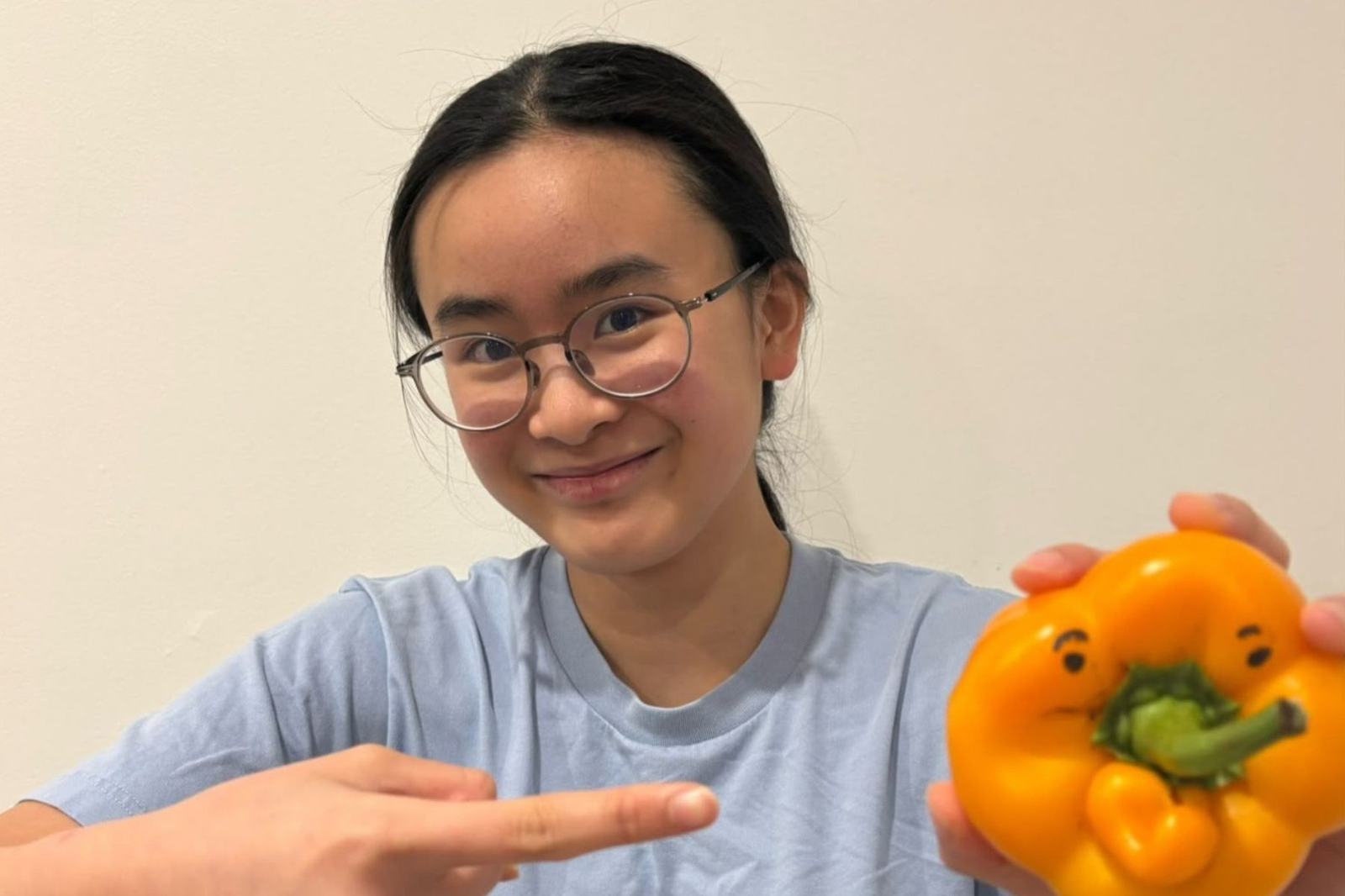
Australian Museum School Science Eureka Prize - Secondary. Abelia C., Abbotsleigh, NSW.
Image: Edite T© Edite T
In Pareidolia – Faces in the Noise, Abelia explores why humans often perceive patterns such as faces in random or ambiguous visual cues. Using humorous, colourful illustrations, Abelia explains that, from an evolutionary perspective, human pattern recognition helps people quickly recognise others and respond to potential threats.
Abbotsleigh, NSW
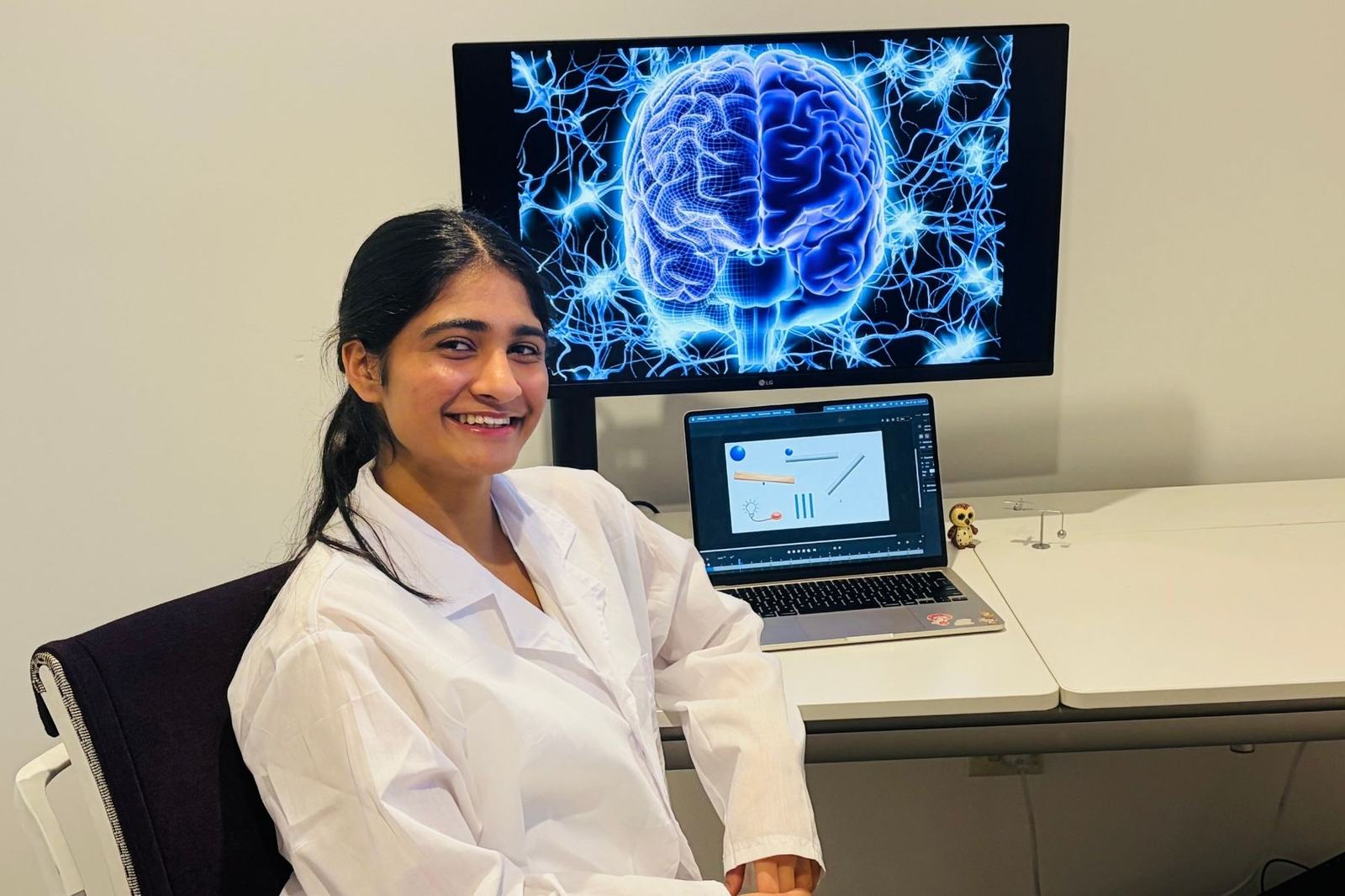
Australian Museum School Science Eureka Prize - Secondary. Neomi V., Abbotsleigh, NSW.
Image: Divya S© Divya S
In her film Firing Patterns and Our Memory, Neomi explains how the brain encodes, stores and retrieves memories, offering practical study tips. She interviewed a neurobiology professor about brain anatomy and shows how understanding firing patterns can help students improve the way they learn and remember information.
Australian Museum School Science - Highly Commended
School Science Highly Commended - Primary School
- Patterns in the Web, Hudson D., Yeronga State School, QLD
- The Patterns in Ripples, Alba G., and Brianna W., PLC Sydney, NSW
- Fractals: Not Just a Pretty Pattern, Harriet Harin J., and Heidi Hanee J., Serpell Primary School, VIC
- Six-Sided Snowflake Symmetry, Zoe M., and Blake M., Five Dock Public School, NSW
- Patterns in the Garden, Gauri Nanda N., St Paul Apostle South Catholic Primary School, VIC
- The Bee Blueprint, Liz O., PLC Sydney, NSW
- The Secret Pattern of Our Body, Caylo O., St Andrew’s Cathedral School, NSW
- Patterns Make the Invisible Visible, Luca R., Reddam House, NSW
- Patterns, Maddison L., and Meredith Z., Abbotsleigh, NSW
School Science Highly Commended - Secondary School
- Pattern of Inheritance, Shimmer B., Baulkham Hills High School, NSW
- Why Wear the Neon Hair?: The Patterns of Conformity, Elisabeth B., Brisbane State High School, QLD
- The Science at your Fingertips, Marcus N., Newington College, NSW
- The Fibonacci Sequence - Nature’s Amazing Pattern, Prisha N., and Hannah P., Brisbane State High School, QLD
- The World Runs Wavy, Dev P., and Angadjot S., Penrith Selective High School, NSW
- Whodunnit?, Shefali P., Giraween High School, NSW
- Sounds like Patterns to Me!, Madeline Z., Viewbank College, VIC
