Michael Sharland
 Click to enlarge image
© Reproduction Rights Australian Museum
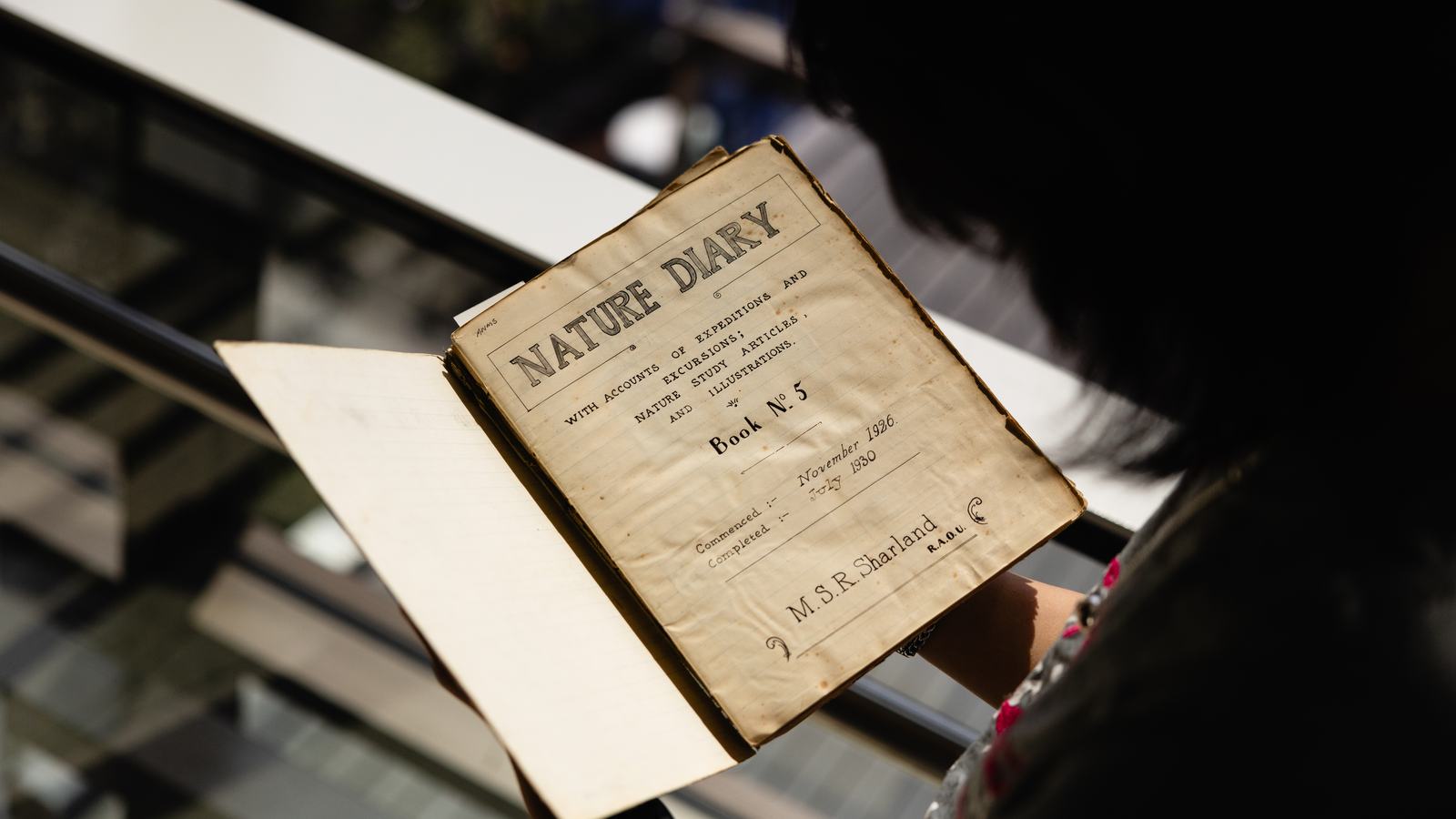
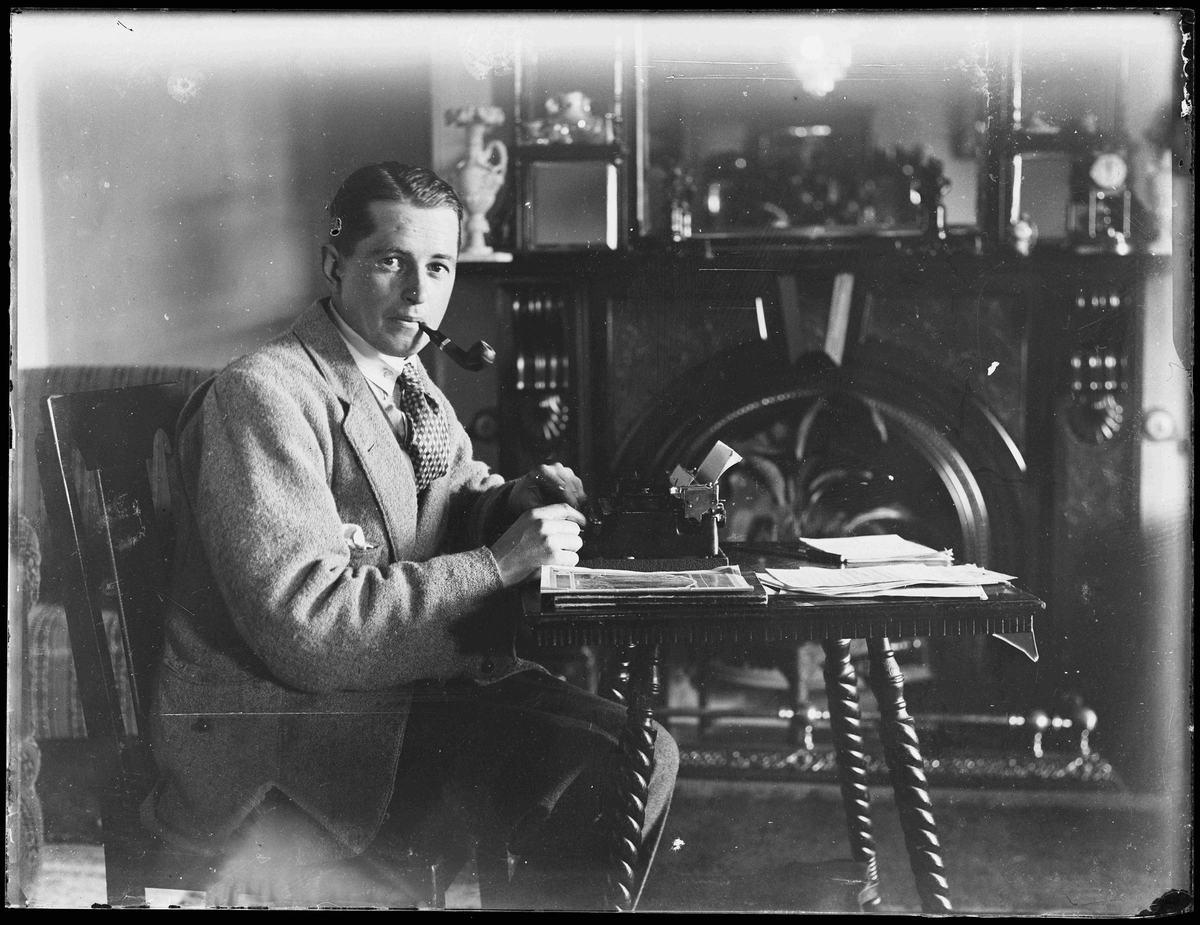
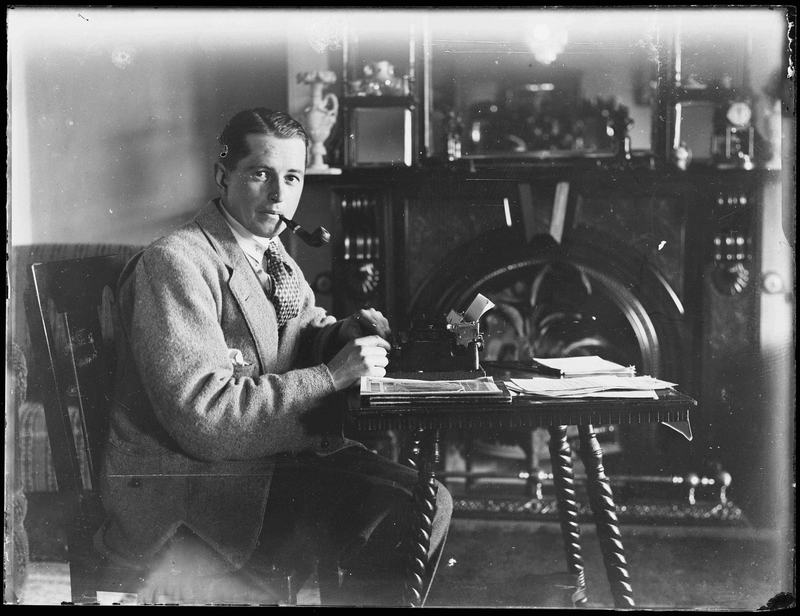
As a passionate birdwatcher, journalist and conservation advocate, Tasmanian-born Michael Sharland (1899-1987) spent a lifetime recording Australia's wildlife and sharing its stories with others. Today, the Australian Museum's Archives look after his expansive collection of photographs and field notes, preserving an extraordinary record of the natural world as he saw it.
© Australian Museum
Early life and background
Michael Sharland was born in Bellerive, Hobart on 14 June 1899. His formal education ended at primary school, but a childhood spent on his father's farm fostered a lifelong fascination with the natural world.
Rather than learning about the natural world through formal schooling, Sharland studied nature through observation in the wild, extensive reading and time spent with fellow naturalists. This approach to learning about nature led him to join the Tasmanian Field Naturalists' Club at a young age, beginning a decades-long association with the organisation and laying the foundation for him to join similar clubs throughout his career to further explore his passions.
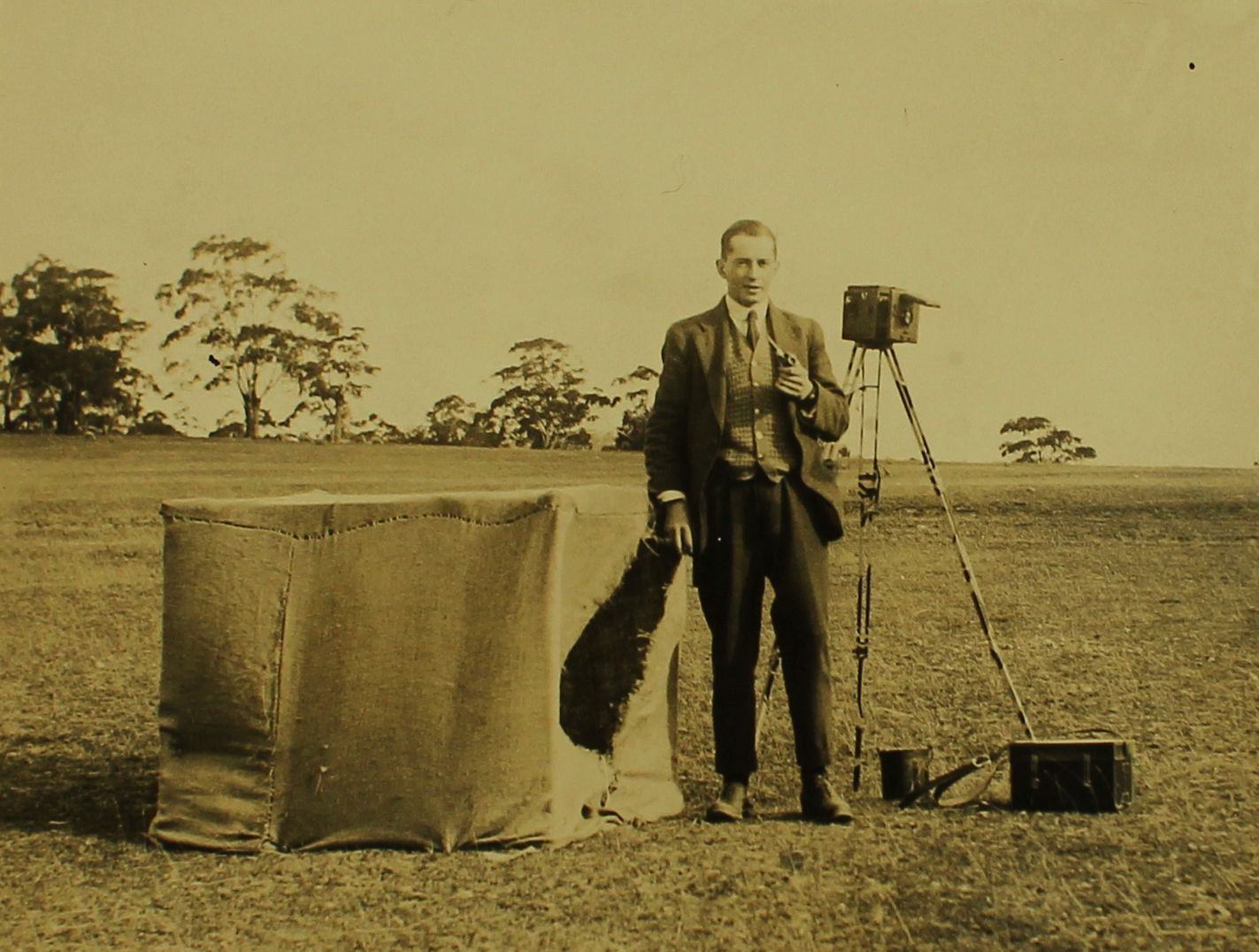
Birds quickly became Sharland's greatest love. He spent countless hours observing birds in their natural habitats and taking careful photographs of their behaviour, developing the skills that would later make him one of Australia's best-known ornithologists and bird photographers.
© Australian Museum
Journalist and nature writer
At 17, Sharland began working for The Mercury in Hobart, publishing weekly essays about birds, nature and other topics. Journalism would remain a constant throughout his life, taking him to publications like The Sydney Morning Herald, The Argus and Reuters, often working under his pen name 'Peregrine'. For nearly 60 years, readers followed his observations on birds, wildlife and seasonal changes in the landscape through his regular newspaper articles.
What made Sharland's journalism so unique was that he had a talent for making natural history accessible. He combined his careful field observations with clear, engaging writing, helping popularise birdwatching and encouraging readers to pay closer attention to the wildlife around them. His success led him to publish several books throughout his career, including Tasmanian Birds, A Territory of Birds and Birds of the Sun.
© Reproduction Rights Australian Museum
Conservation and advocacy
Alongside his passion for fieldwork and bird-watching, Sharland also had an interest in conservation. As a naturalist and photographer, he saw firsthand the impact of land clearing and development on birds and wildlife. These themes would often appear in his writing, with Sharland becoming an important advocate for both natural and historic places, especially in Tasmania. Ultimately, Sharland saw conservation, education and public engagement as deeply connected endeavours.
After serving briefly in World War II as a photographer, Sharland returned permanently to Tasmania and was appointed secretary of the Tasmanian Scenery Preservation Board. The role placed him at the centre of efforts to manage Tasmania's scenic reserves and national parks when public interest in conservation was rapidly growing.
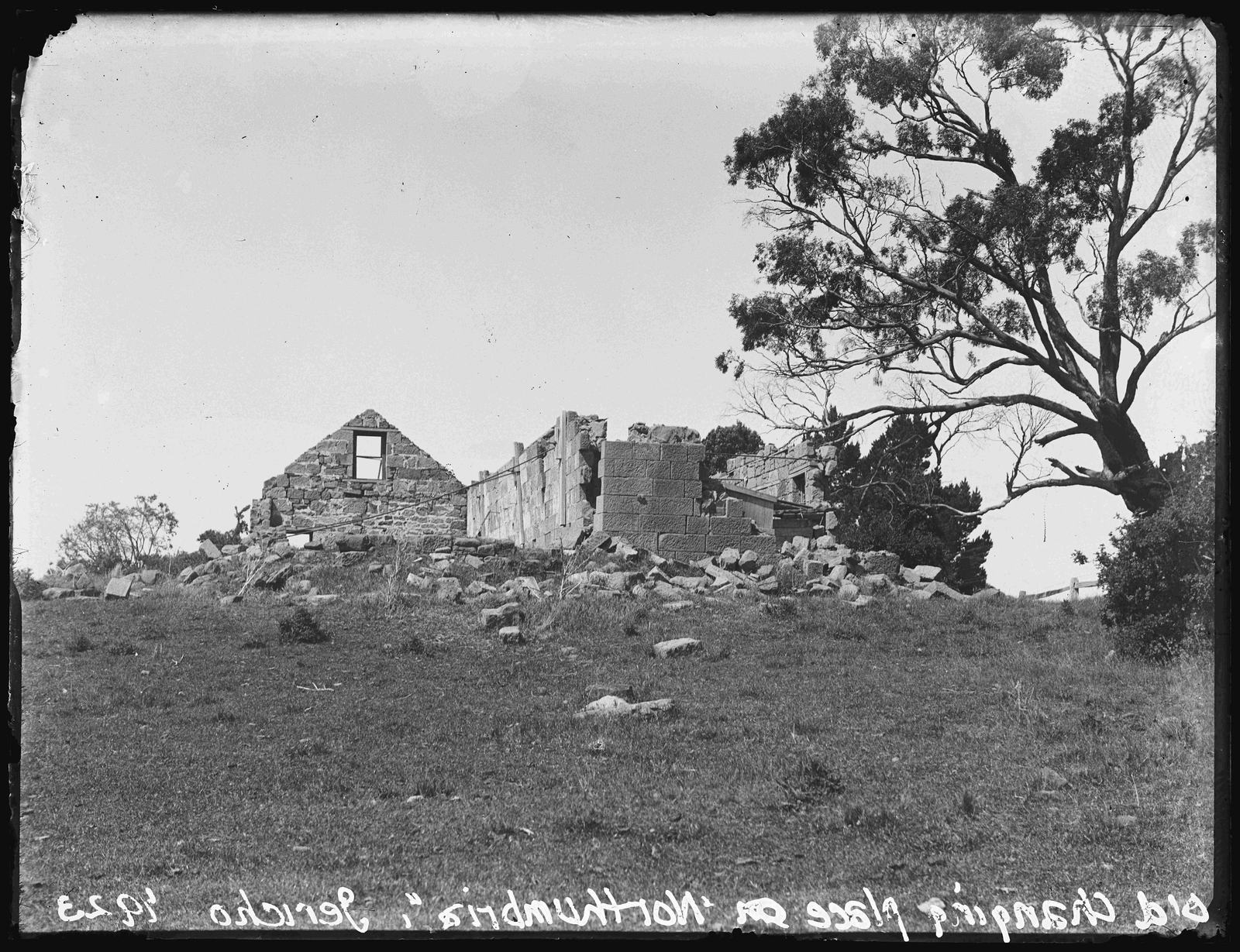
Sharland also championed the protection of Tasmania's built heritage. He was instrumental in preserving places such as Port Arthur and helped establish Entally House as a heritage site. To him, protecting Australia's heritage meant caring for both its natural landscapes and its historic places.
© Reproduction Rights Australian Museum
Legacy and impact
By the time of his death in 1987, Michael Sharland had become one of Australia's best-known bird observers, nature writers and conservation advocates. A leading figure in Australian ornithology, Sharland was active in the Royal Australasian Ornithologists' Union for decades and served as its president from 1949 to 1951. He also helped establish the Bird Observers Association of Tasmania in 1971, extending opportunities for everyday people to participate in birdwatching and conservation.
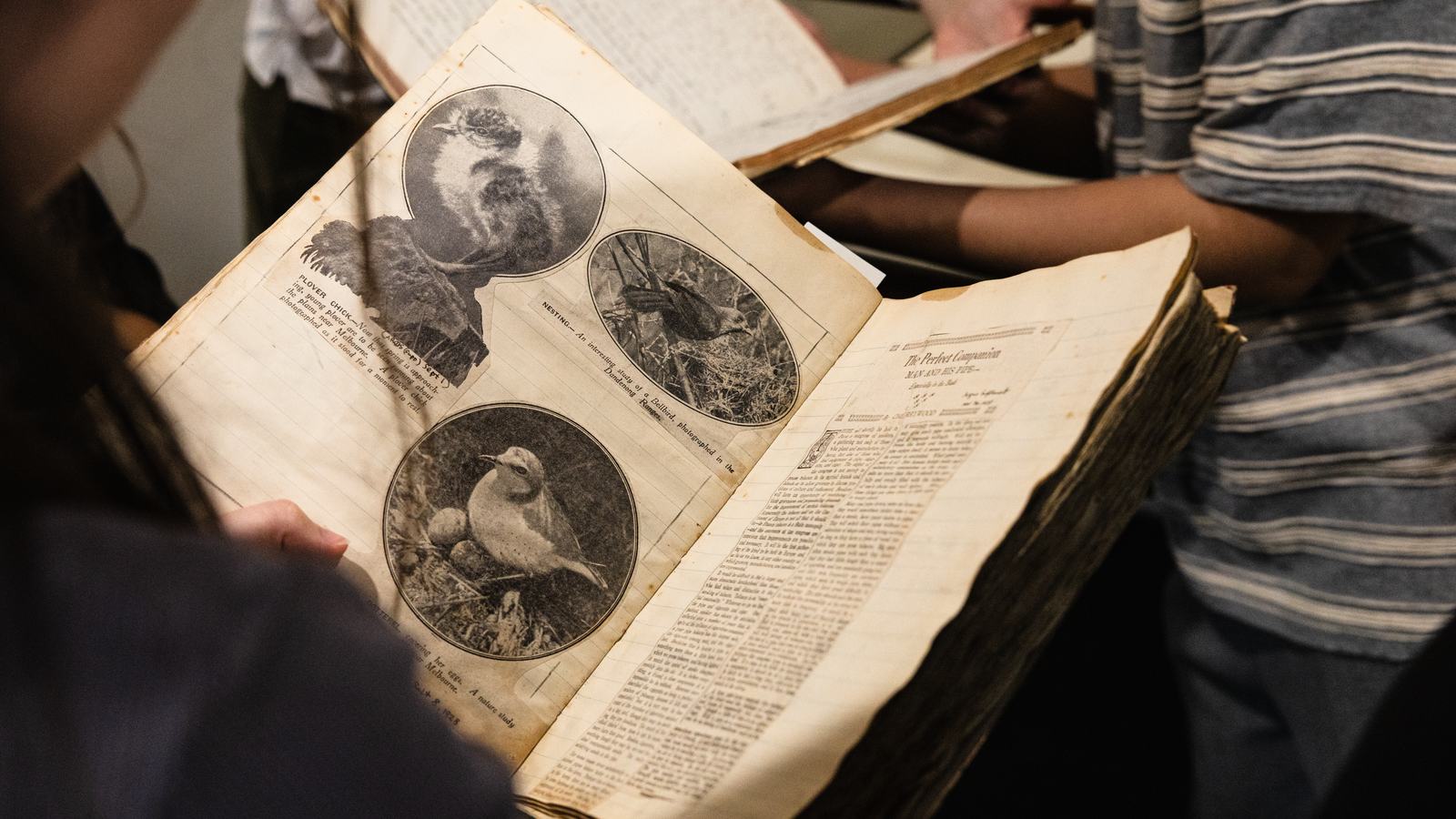
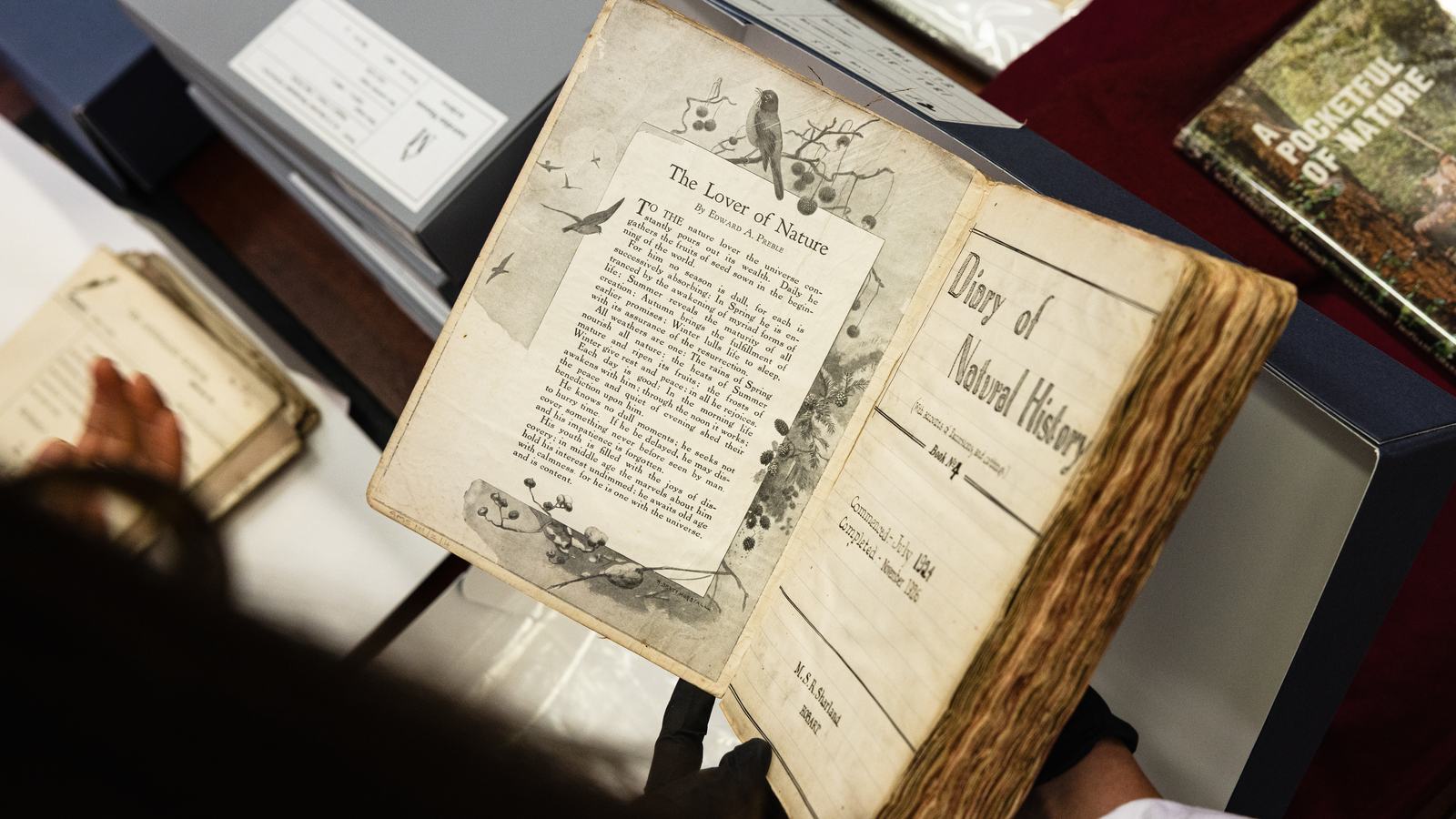
Sharland's legacy extended far beyond his love of birds too. Researchers, students and bird enthusiasts still return to Sharland's notebooks, photographs and published writings as records of both Australia's wildlife and a disappearing culture of field observation. The ongoing digitisation and transcription of his collection at the Australian Museum has also introduced his work to new, younger audiences, demonstrating that his observations remain relevant to conversations about conservation, citizen science and people's relationship with the environment.
© Australian Museum
In the Australian Museum Collections
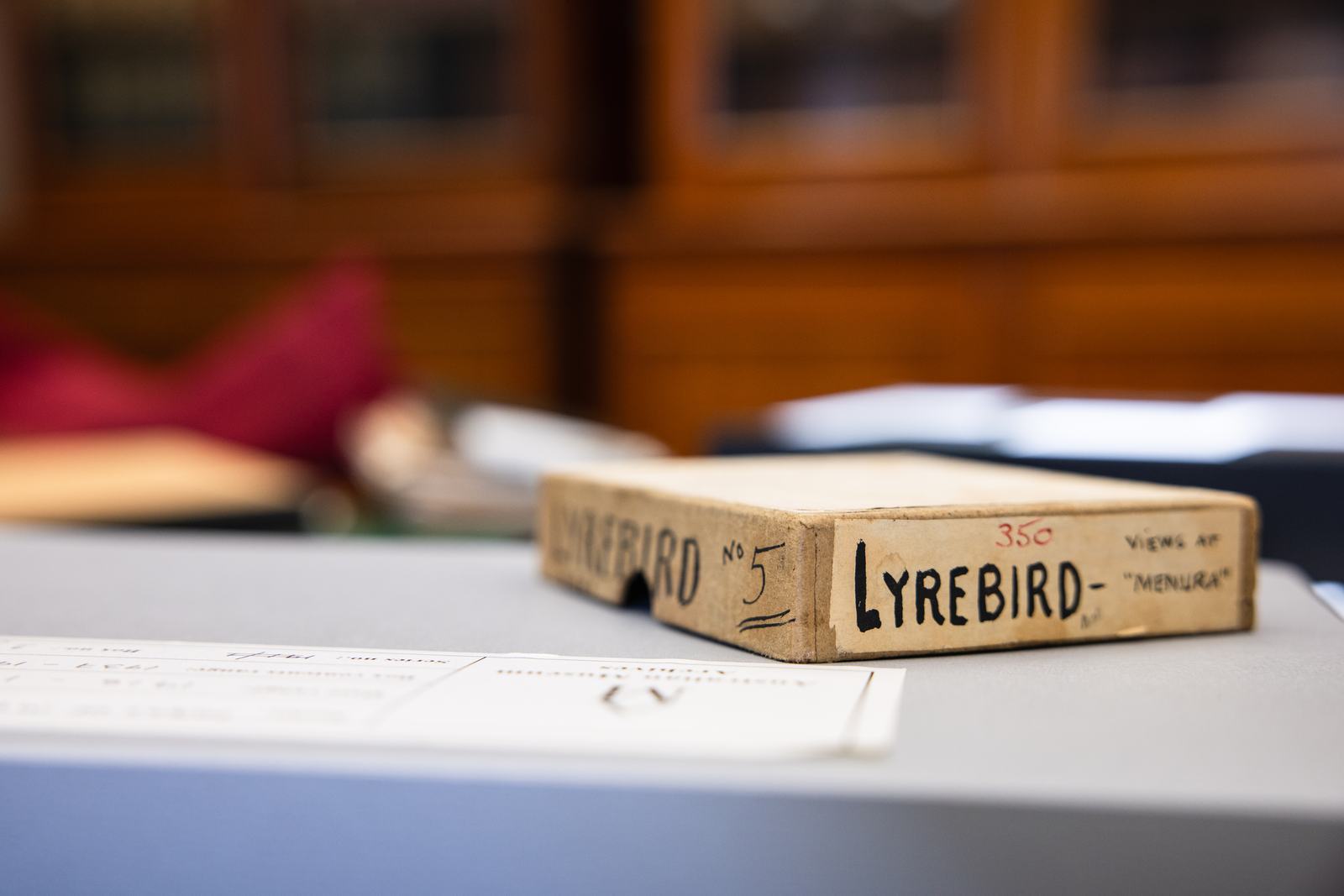
In addition to at least two bird specimens that Sharland donated to the Australian Museum's Ornithology collection, the Australian Museum Archives and Research Library hold a significant collection that captures Sharland's long career as an outstanding ornithologist and journalist.
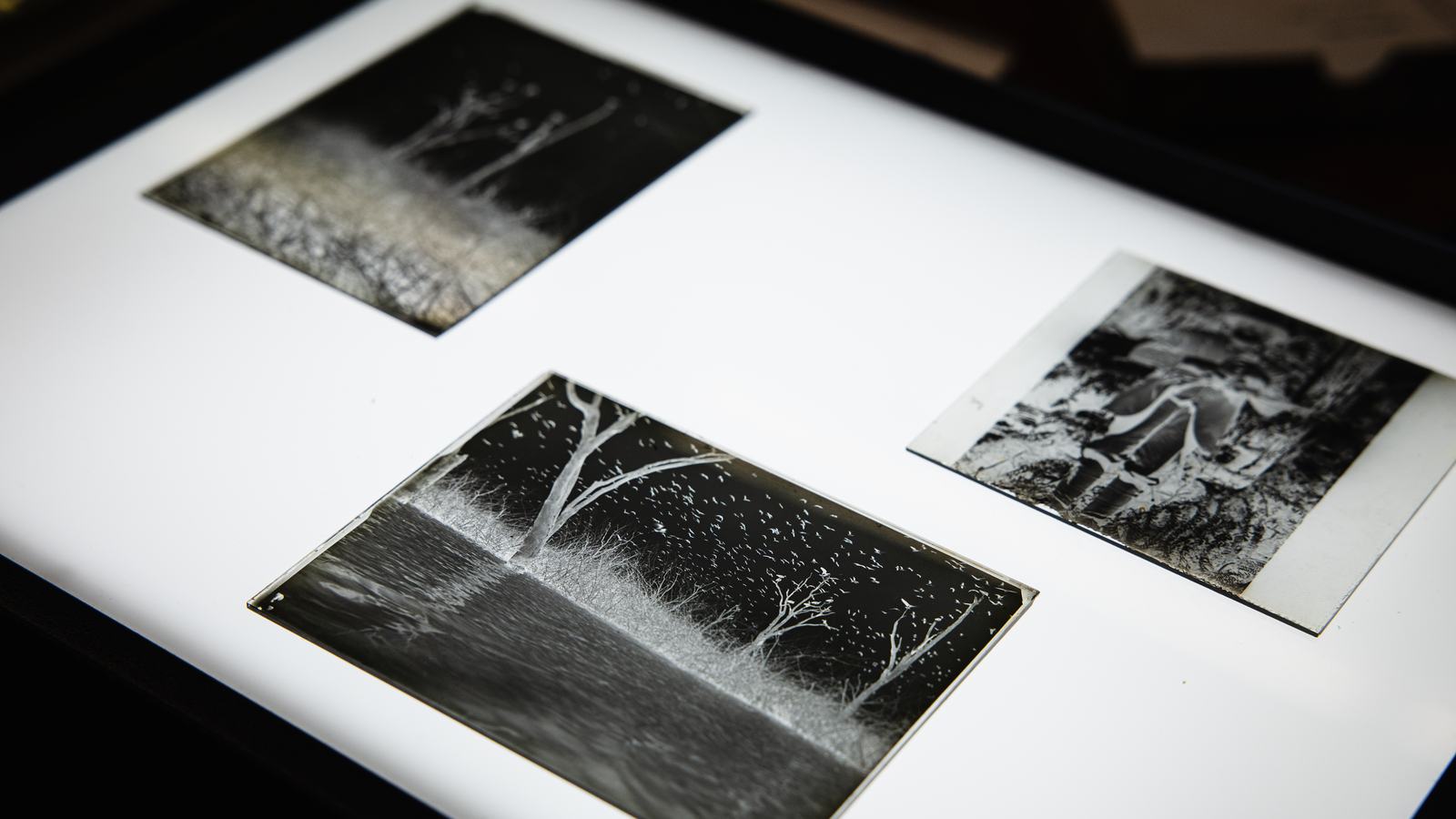
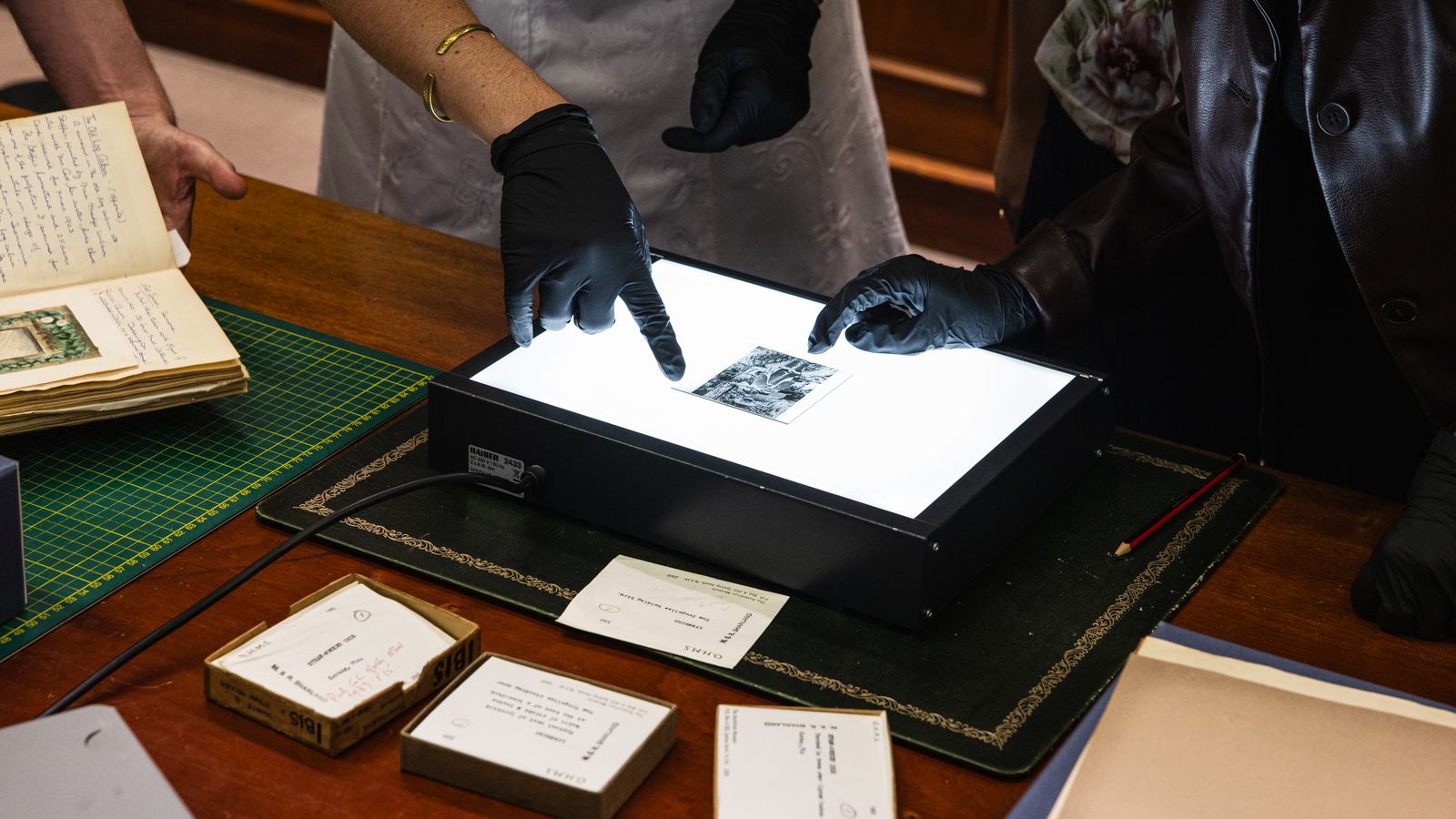
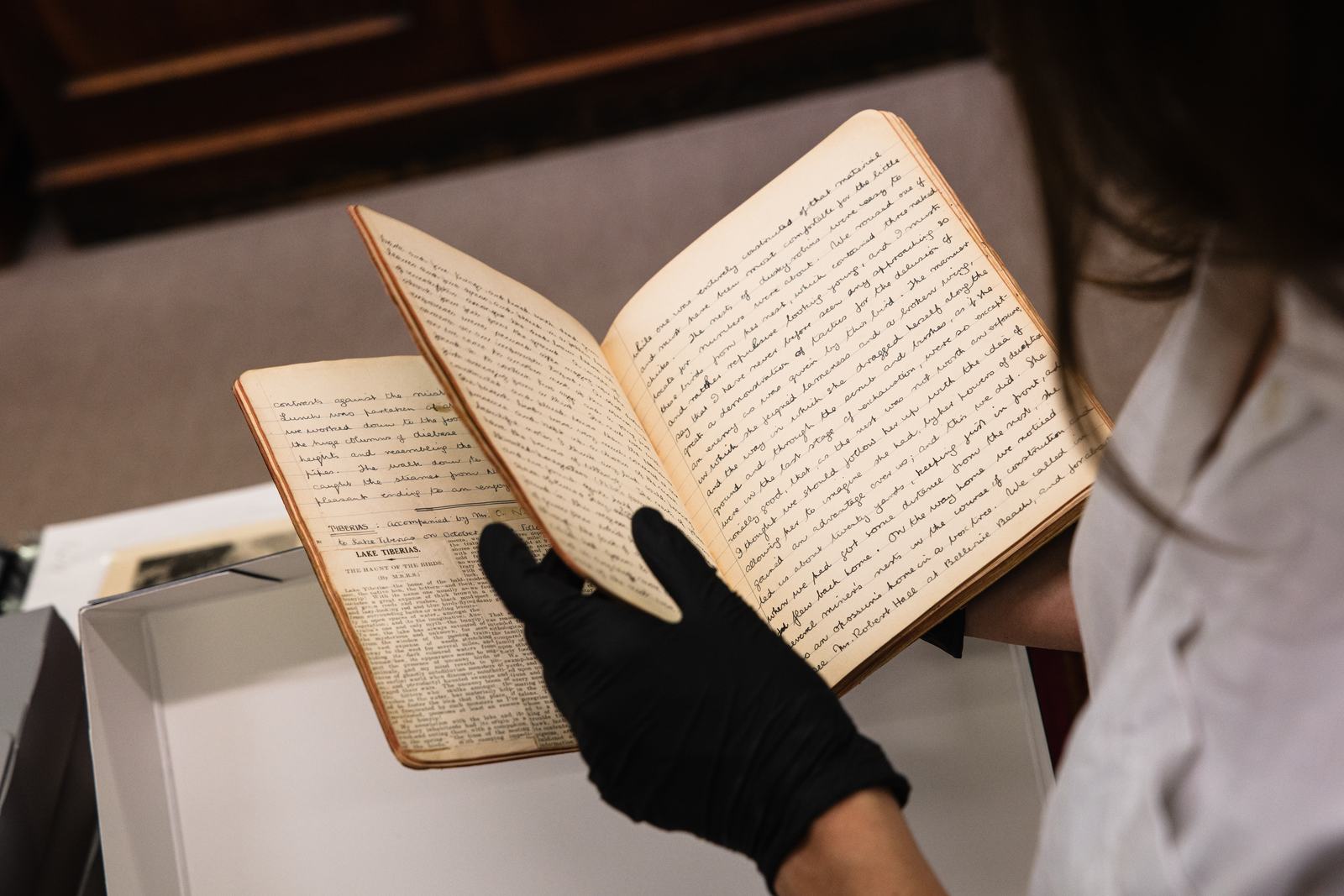
After Sharland's passing, his extensive collection of photography and field notebooks were given to the National Photographic Index of Australian Wildlife, an Australian Museum project dedicated to the recording of Australian fauna. Today, the Australian Museum Archives are custodians of Sharland's large working collection, including over 30 field notebooks and diaries, 2600 negatives and 1600 prints. The Research Library also holds some of his published material.
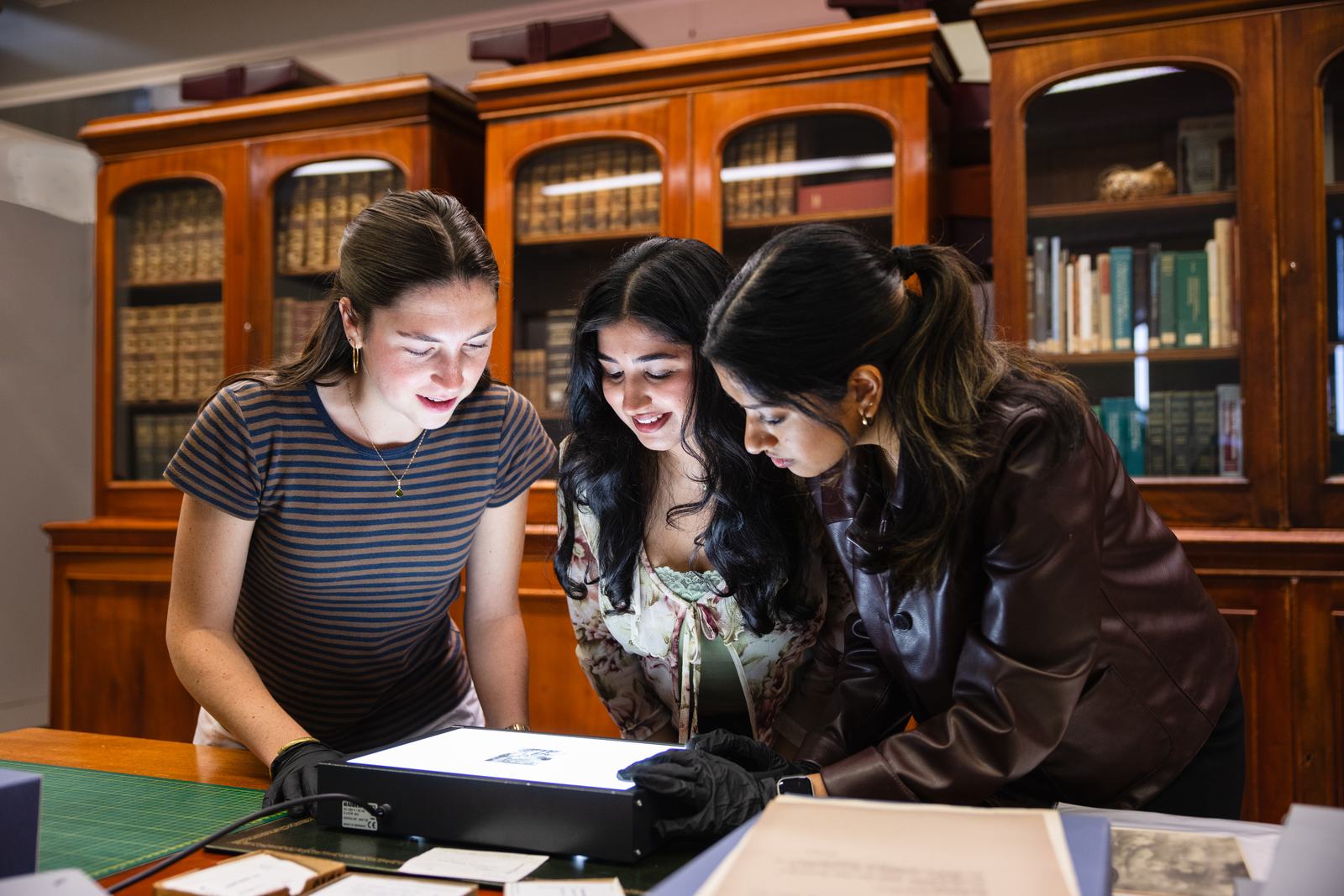
The Archives team have spent several years digitising and transcribing this enormous collection, in partnership with volunteers and in 2026 with the help of University of Sydney History and Philosophy of Science students. This work ensures Sharland's detailed observations about Australian wildlife and his passion for conservation remain accessible to all Australians.